Why visit the Aran Islands
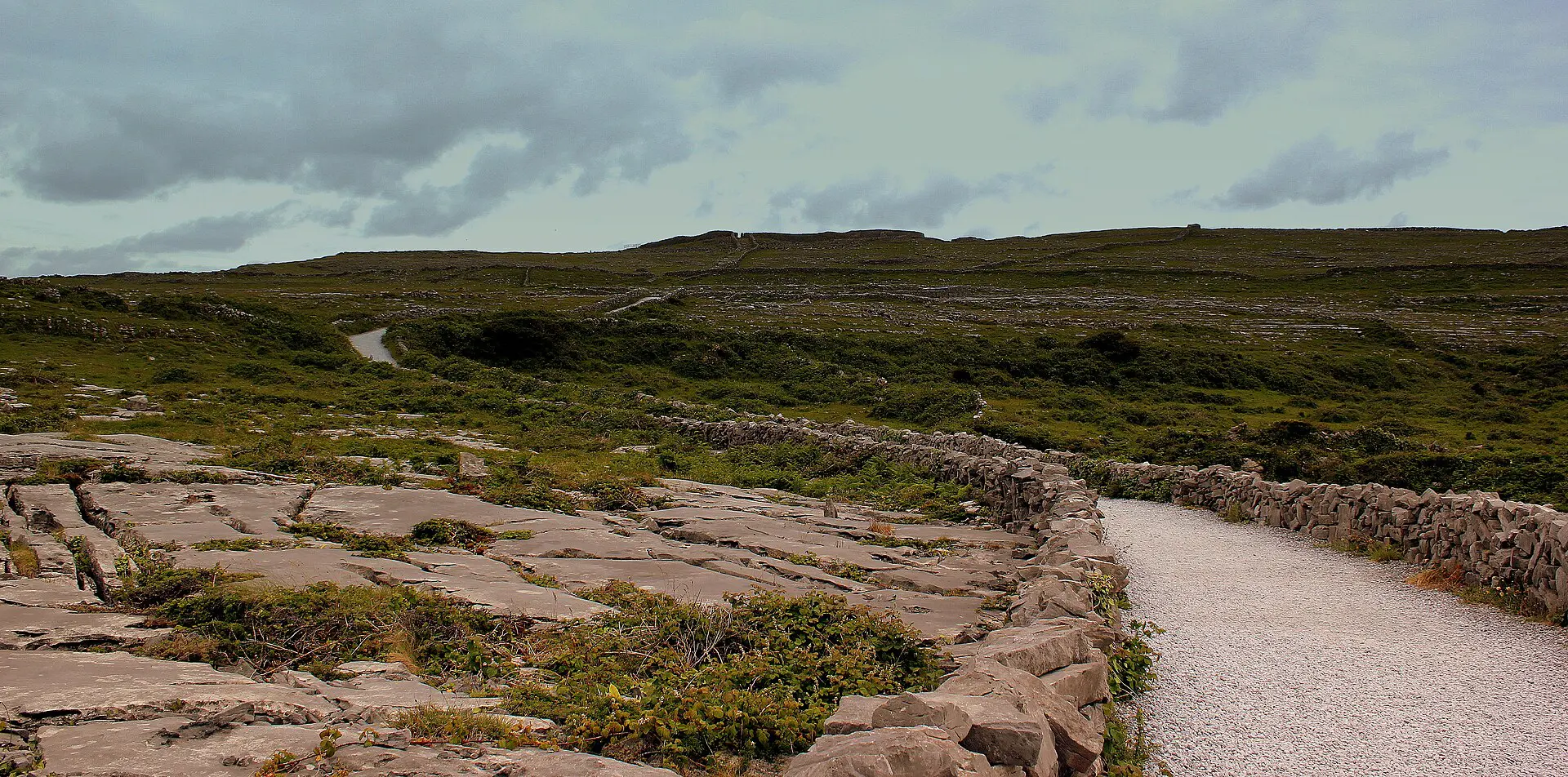
The Aran Islands are a group of three islands at the mouth of Galway Bay, off the west coast of Ireland, with a combined area of about 46 square kilometres. If you are planning things to do in the Aran Islands, expect stark limestone landscapes, small green fields divided by dry stone walls, and a strong sense of an older Ireland.
From west to east the islands are Inis Mór, the largest and most visited, Inis Meáin, the middle island, and Inis Oírr, the smallest. The population was around 1,300 in 2022 and primarily speaks Irish, so the islands are part of the Gaeltacht, though most residents also speak English.
They are dotted with prehistoric forts and early Christian sites, and are a short ferry ride from the mainland. The Aran Islands suit walkers, cyclists and visitors interested in culture and archaeology who accept wind and changeable weather.
Top things to do in the Aran Islands
Visit Dún Aonghasa
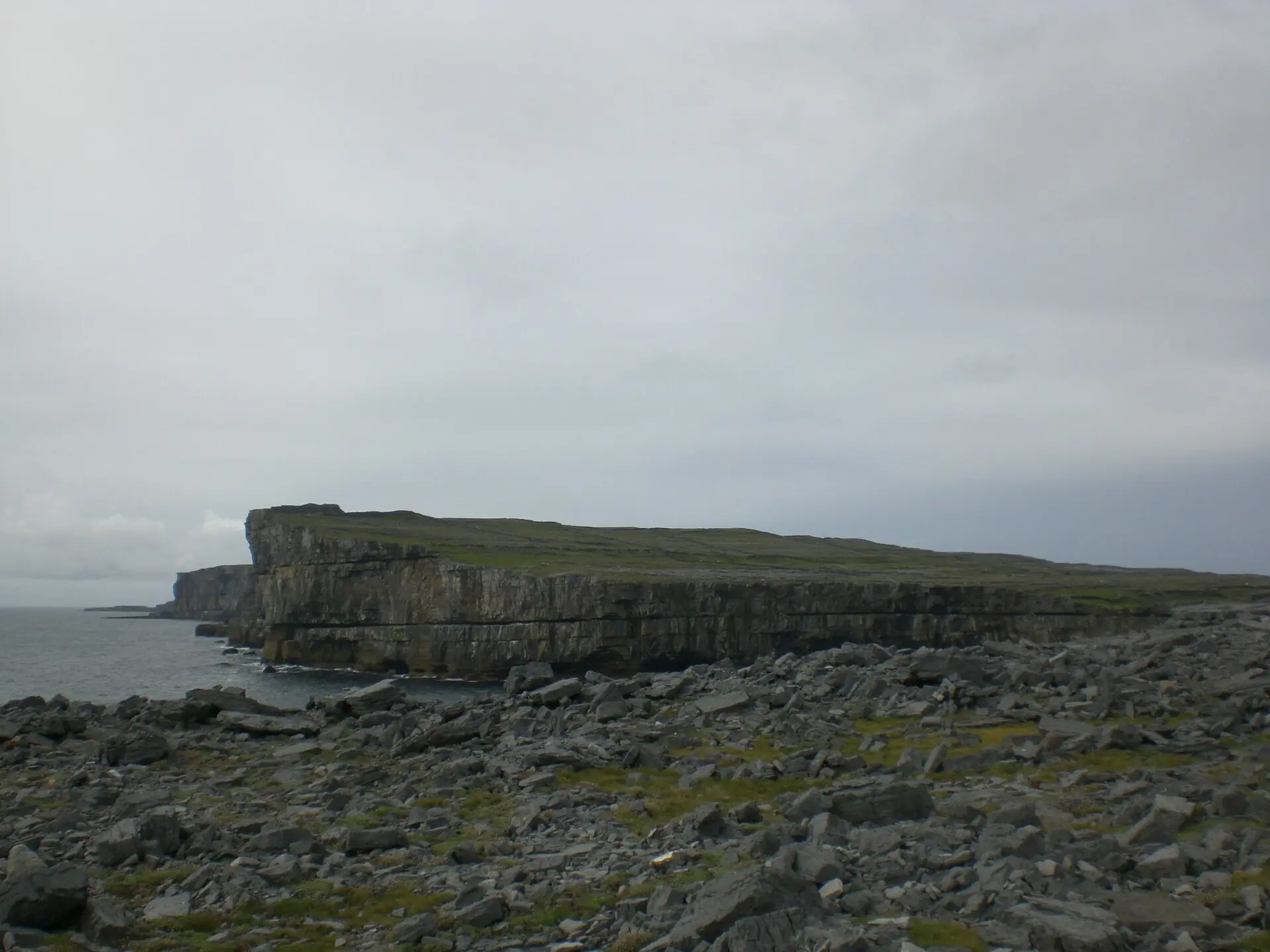
This prehistoric stone fort on Inis Mór stands at the edge of a high cliff above the Atlantic. Allow two hours including the walk up from the visitor centre. Wear sturdy shoes, keep well back from the unfenced edge, and check ticket details locally.
Cycle around Inis Mór
Bicycles can be hired near the harbour at Kilronan, and the island’s quiet roads make cycling the most popular way to see it. Allow half a day to a full day. Check the weather, carry water and a rain jacket, and expect headwinds on part of the loop.
See the early Christian sites
Small churches, monastic ruins and holy wells are scattered across the islands, reflecting their role as an early centre of Christian life. Allow an hour or two. Many sites are in open fields, so wear waterproof footwear and respect farmland and gates.
Explore Inis Meáin
The middle island is the least touristy, and you may have its ancient sites mostly to yourself. Allow a day, ideally with an overnight stay. Check ferry times, and bring food or confirm that cafes are open, as services are limited.
Walk on Inis Oírr
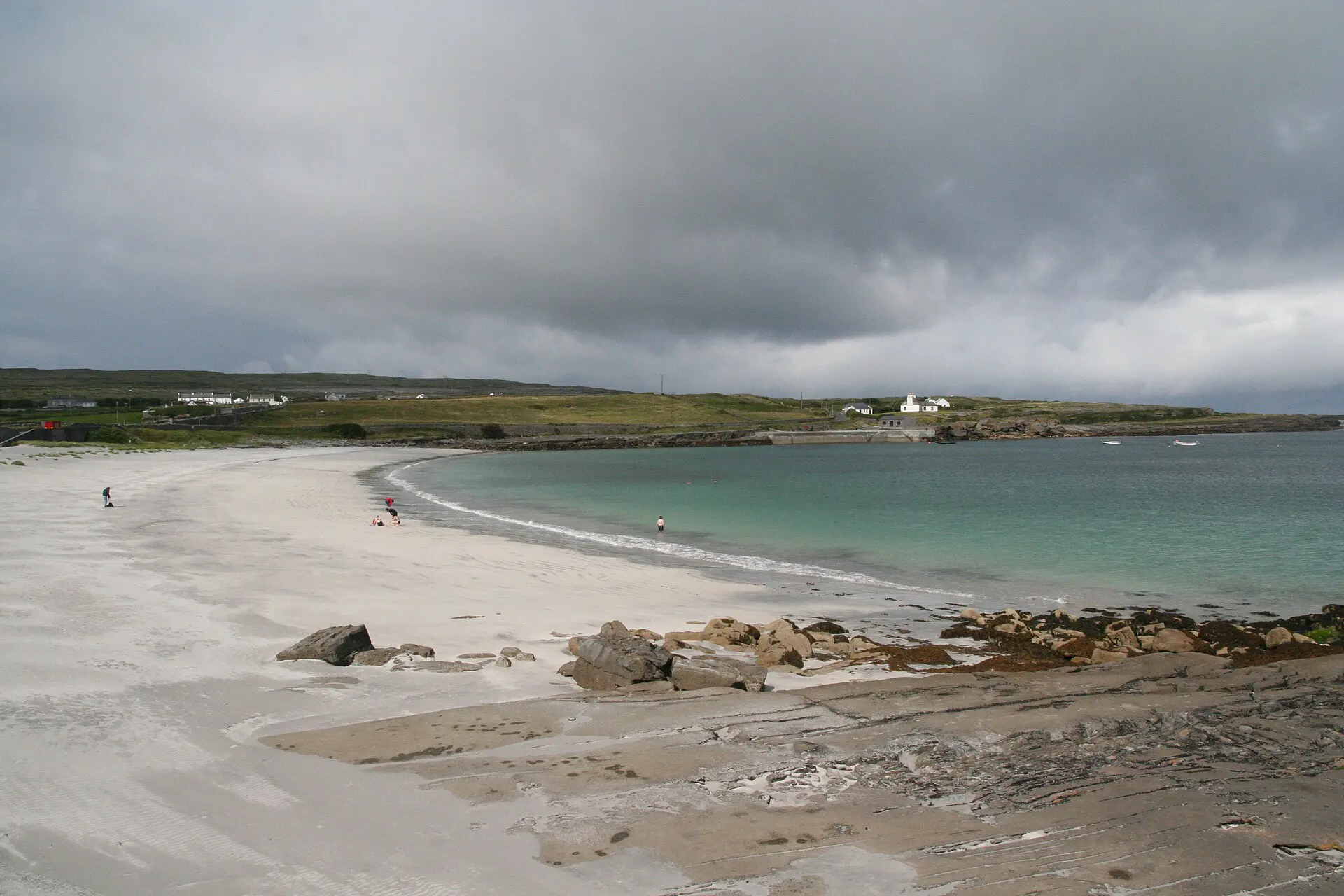
The smallest island is closest to the mainland and has prehistoric forts, medieval ruins, beaches and a coastline walk. Allow half a day. It is easy to explore on foot and suits a relaxed day trip from Doolin.
Try local crafts and food
The islands are known for knitwear and for small cafes and shops serving seafood and baked goods. Allow time for browsing. Prices for handmade items reflect the work involved, so ask about materials, and check opening times in the off season.
Best time to visit the Aran Islands
May to September is the main season, with longer days, more frequent ferries and most shops, cafes and accommodation open. July and August are busiest and most expensive, so book ferries and rooms ahead.
Late spring and early autumn can be a good compromise, with fewer people and often settled weather. The Atlantic climate means wind, rain and sunshine can all occur within the same day, so a waterproof layer and warm clothing are essential even in summer.
Winter is quiet, with fewer sailings and reduced services. Rough seas can cancel ferries, and short days limit sightseeing. It suits those who want solitude and dramatic coastlines, but it requires flexibility. Check sailing timetables and accommodation availability before you travel.
How to get to the Aran Islands and around
Ferries run to the islands from Rossaveel, about 40 km west of Galway city by road, and from Doolin in County Clare, depending on season. Crossing times are roughly 30 to 90 minutes depending on the route and island. Book ahead in summer, and check cancellations if the weather is rough, since the Atlantic can disrupt sailings.
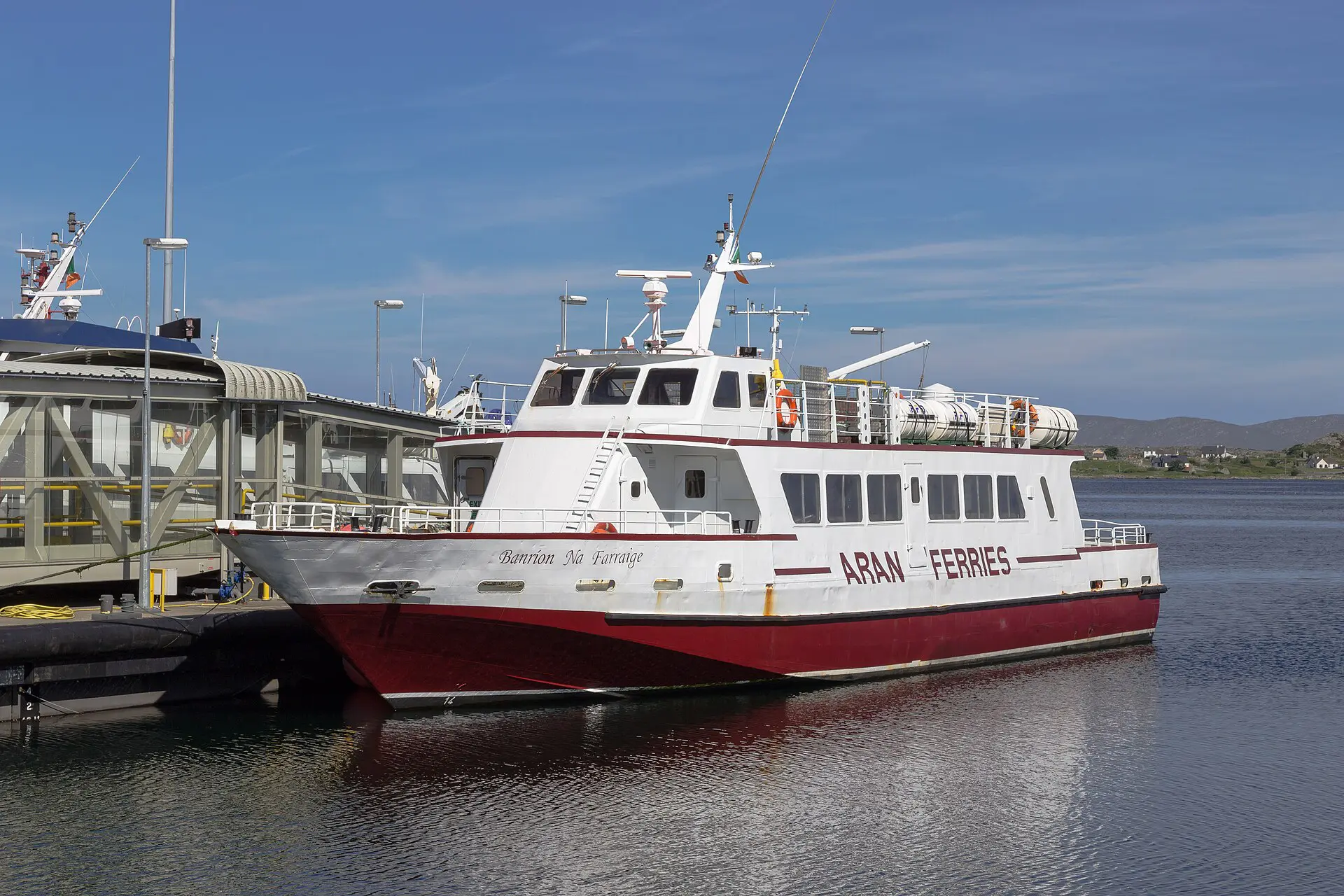
A short flight also operates from Connemara Airport, with a flight of around 10 minutes. It is a faster but more expensive option, and weather can affect it. Check the latest schedules and baggage limits.
On Inis Mór you can hire bikes, take a minibus tour or walk. Horse-drawn traps are also available. Inis Meáin and Inis Oírr are small enough to walk or cycle. Roads are narrow, so take care with traffic, and keep a rain layer.
Where to stay in the Aran Islands
Accommodation is limited, so book early, especially in July and August. Most places are on Inis Mór, with fewer options on the other islands.
Kilronan on Inis Mór suits visitors who want pubs, shops, bike hire and ferry access close together. B&Bs and guesthouses in the villages suit travellers who want a quieter stay with a home-cooked breakfast and local advice. Inis Meáin suits those who want deep quiet, with few visitors and limited services. Inis Oírr suits families and walkers who want a compact island with an easy ferry trip. Check ferry schedules before you plan arrival times, and confirm meal options.
How many days do you need?
A single day is enough for Dún Aonghasa and a bike loop on Inis Mór, but it can feel rushed. An overnight stay gives time for sunset, quieter evenings and an early start. Two to three nights suits those who want to see all three islands.
- Day 1: Take a morning ferry to Inis Mór, hire a bike, visit Dún Aonghasa and the early Christian sites.
- Day 2: Ferry to Inis Meáin or Inis Oírr, walk the coastline and visit the forts.
- Day 3: Return to the mainland, or add a Cliffs of Moher viewpoint from Doolin.
Day trips and nearby
Galway
The county’s only city is the usual starting point, with buses toward Rossaveel and a lively centre. Allow an evening before or after your island trip.
Doolin
This village in County Clare is known for traditional music and is a departure point for Aran ferries. It is also close to the Cliffs of Moher, so it combines well with an island day.
Connemara
The wild mountains and lakes north and west of Galway are within reach by road, and Rossaveel lies on the Connemara coast. It suits a drive before or after your trip.
The Burren
The Burren in Clare shares the same limestone geology, and the islands were separated from it as sea levels rose after the last Ice Age. It is a good landscape to see on the mainland.
FAQ
Q1When is the best time to visit the Aran Islands?
May to September has longer days, frequent ferries and most places open. July and August are busiest. Spring and autumn can be quieter, though weather is always changeable. In winter, fewer sailings and rough seas can disrupt plans.
Q2How many days do you need on the Aran Islands?
One day is enough for a quick Inis Mór visit, but one night is better. Two or three nights lets you cycle, see the forts and also visit Inis Meáin or Inis Oírr without rushing the ferries.
Q3How do you get to the Aran Islands?
Ferries run from Rossaveel, near Galway, and from Doolin in County Clare. A short flight also operates from Connemara. Book ahead in summer, and check weather and timetables before travelling because sailings can be cancelled in rough seas.
Q4Can you visit the Aran Islands as a day trip?
Yes. Many visitors take a morning ferry to Inis Mór, hire a bike and return in the afternoon. It is a busy day with limited time at each site. Staying overnight gives a calmer experience and more flexibility around ferry times.
Prices, schedules and entry rules change. Check current details with official sources before you travel. Read the Ireland travel guide.