Why visit Galway
If you are planning things to do in Galway, start with the fact that it is a small city with a big personality. About 85,000 people live here, and the historic centre on the east bank of the River Corrib is compact enough to cross on foot in a few minutes. Between Lough Corrib and Galway Bay, the city has long been a trading port, and it still feels like one.
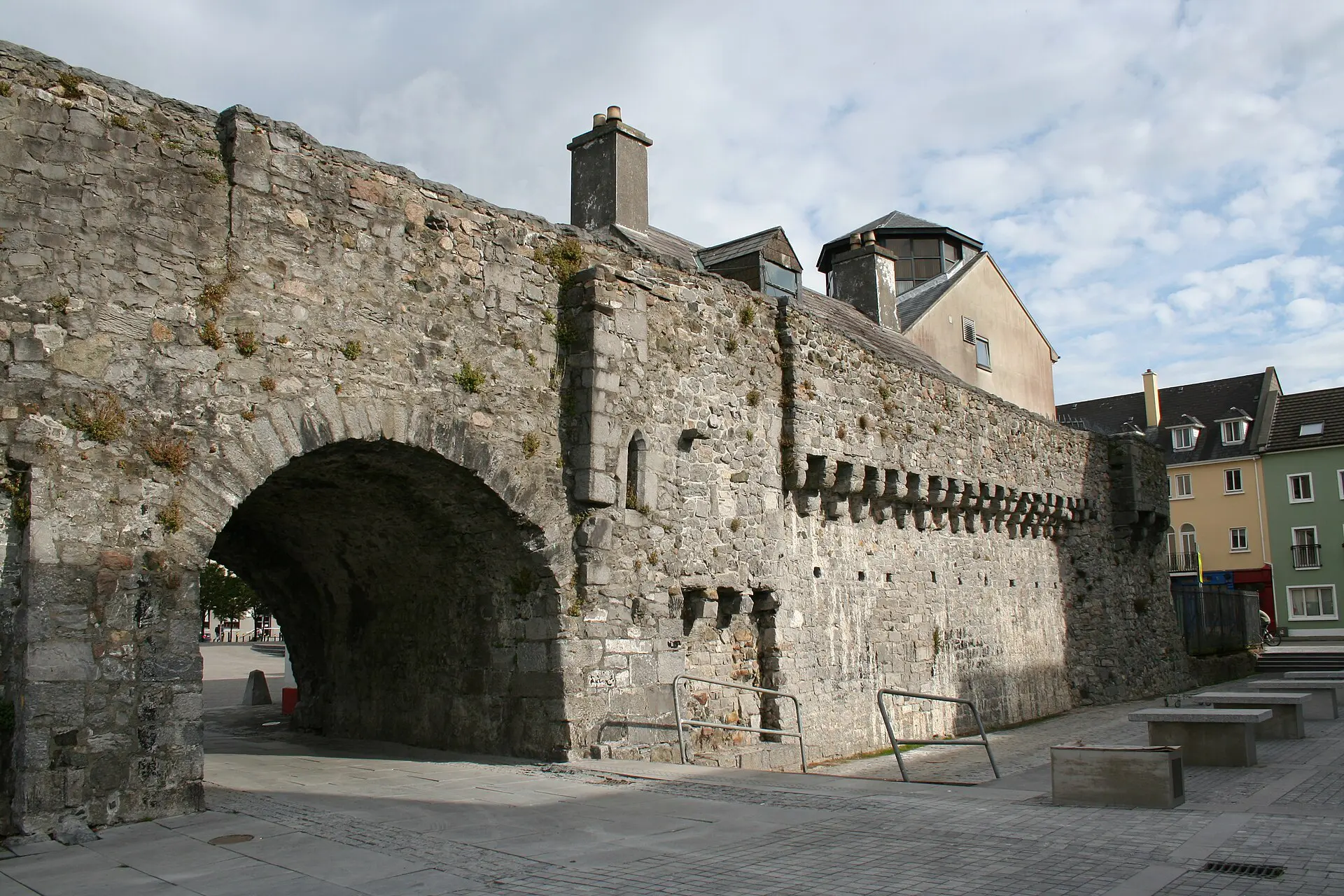
Galway grew around a fortification built in 1124 and later came to be run by a group of merchant families known as the Tribes of Galway, which is why it is nicknamed the City of the Tribes. Today the medieval street pattern survives around Shop Street, Quay Street and the Latin Quarter, and the pedestrianised lanes fill with buskers and live music most evenings.
The city hosts well-known festivals, including the Galway International Arts Festival, and it was a European Capital of Culture in 2020. Beyond the centre, the wild landscapes of Connemara, the Burren and Galway Bay sit within easy reach, which makes Galway a practical base for a west-of-Ireland trip.
Top things to do in Galway
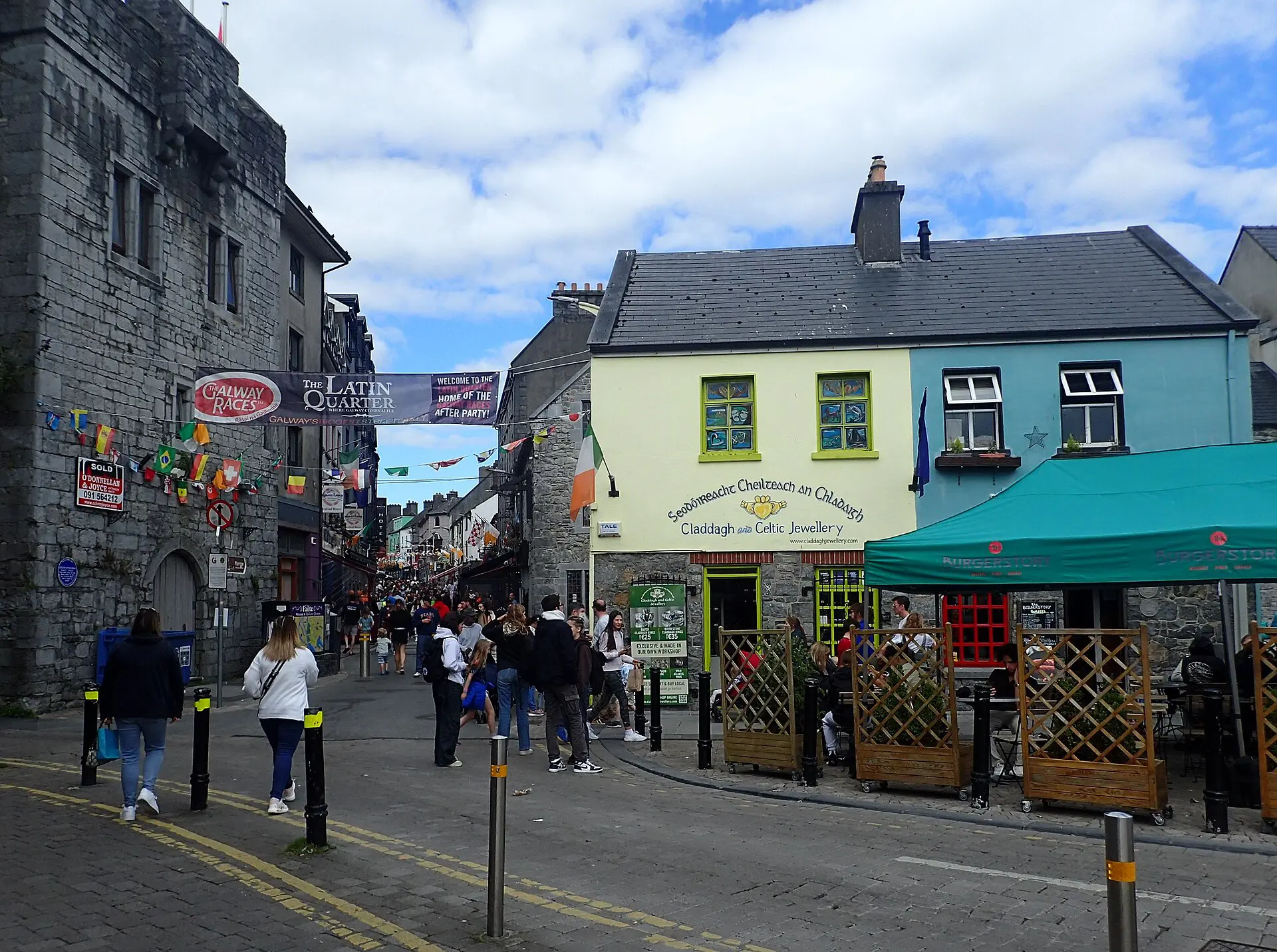
Walk Quay Street and the Latin Quarter
The pedestrianised lanes around Quay Street, Shop Street and High Street are the heart of Galway. Expect colourful shopfronts, street performers and pubs spilling onto the cobbles. Allow an hour or two to wander and browse. Go in the late morning for quieter lanes, then return in the evening when the atmosphere changes.
Spanish Arch and the Long Walk
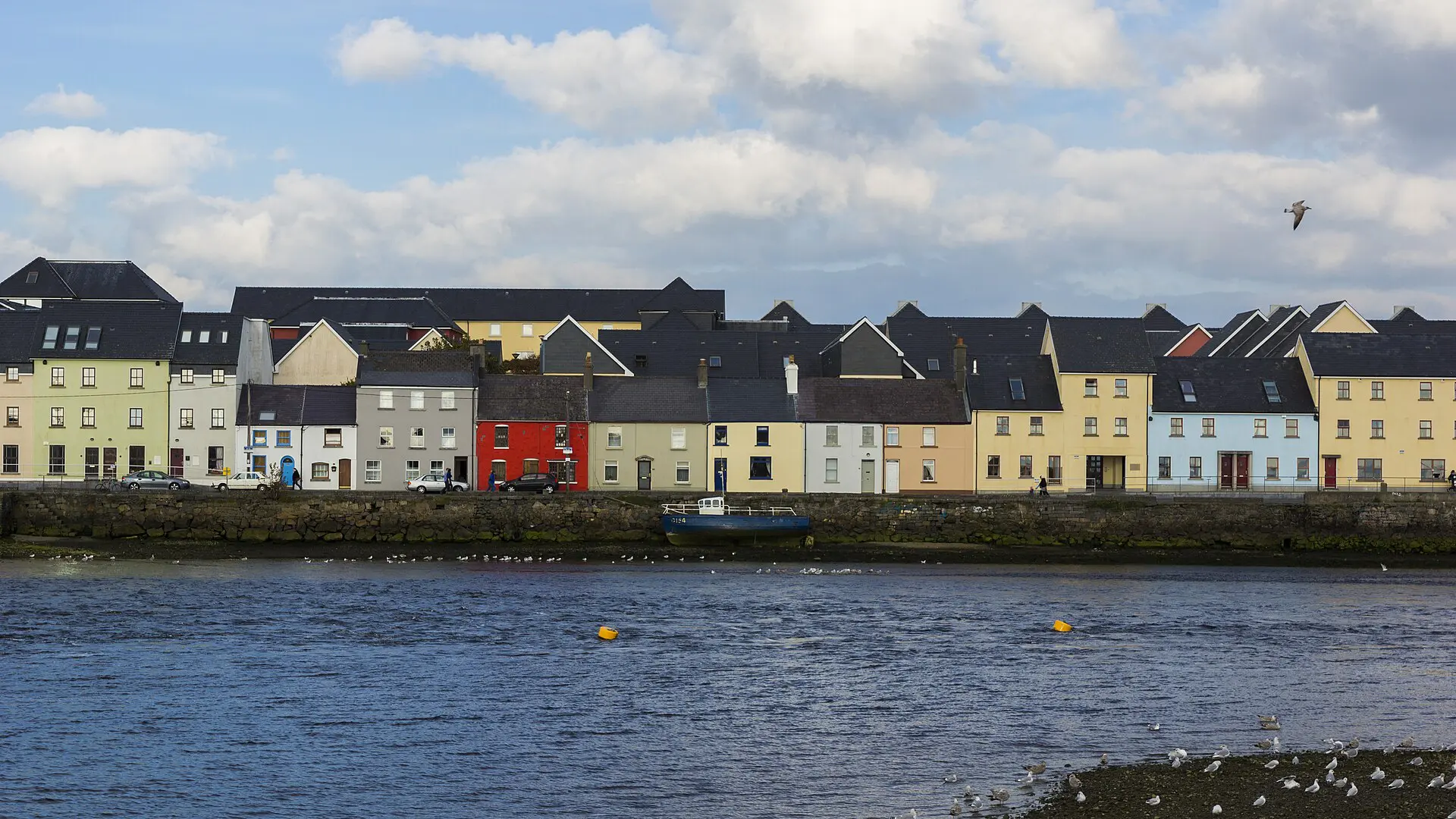
The Spanish Arch is a remnant of the city’s medieval defences beside the mouth of the River Corrib, and the nearby Long Walk of colourful houses is a classic photograph. Plan 30 to 45 minutes. In dry weather locals sit on the grass here, so it is a pleasant place to take a coffee and watch the river.
Salthill Promenade
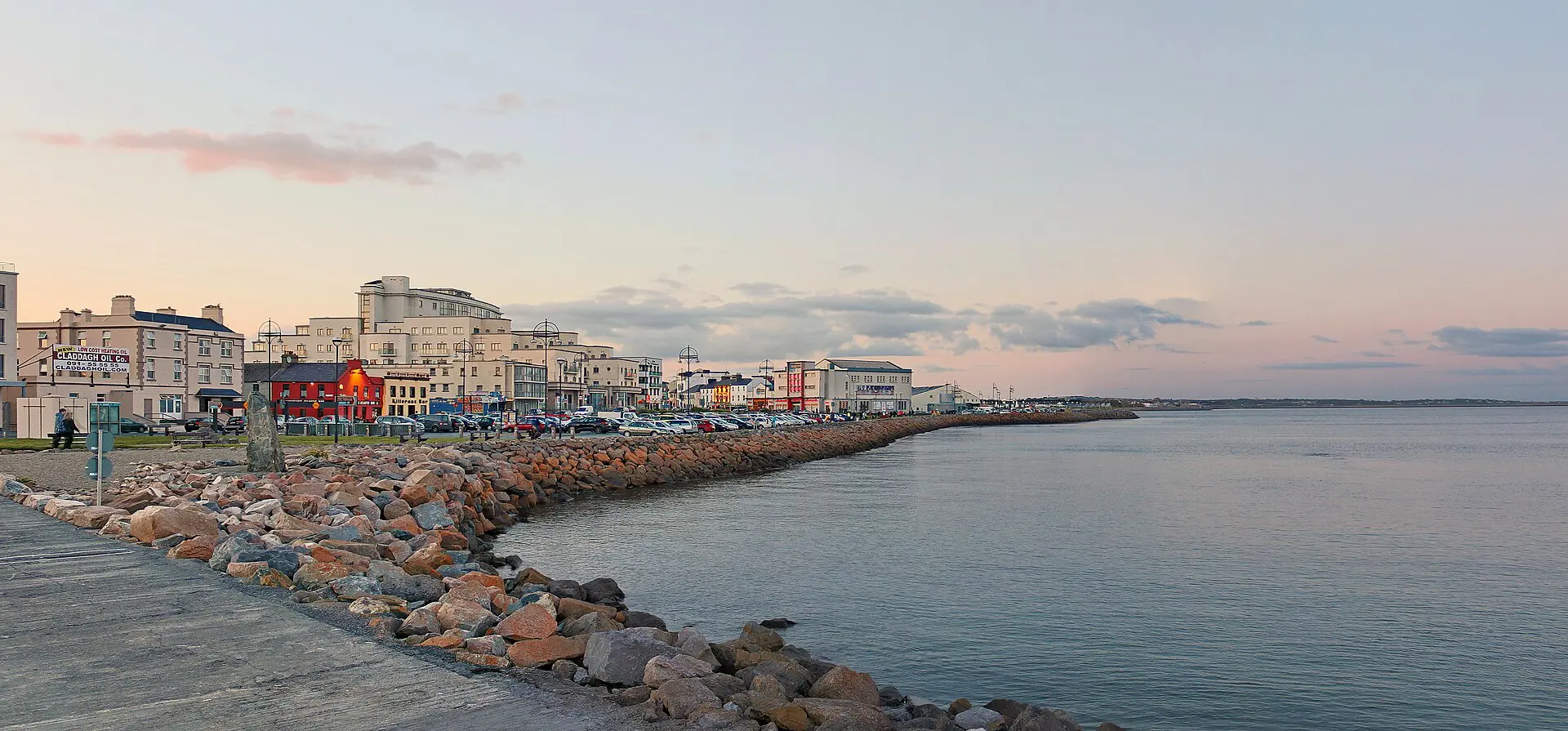
Salthill is Galway’s seaside suburb, reached by a waterfront walk of around 2 to 3 km from the centre. The promenade looks across Galway Bay toward County Clare and is popular at sunset. Allow one to two hours for the walk out and back, and bring a windproof layer even in summer.
Galway Cathedral
Galway Cathedral stands beside the River Corrib and is one of the city’s most recognisable buildings, with a large dome and a mix of architectural styles. Plan around 30 minutes inside. It is an active place of worship, so check visiting times and dress modestly before you go.
Live traditional music in a pub
Galway is known for its live music scene, and many pubs host traditional sessions in the evening. Arrive early if you want a seat, buy a drink and listen quietly during the tunes. Sessions often begin around 9 pm, but check timings locally as they vary by night and season.
Galway City Museum
The city museum sits near the Spanish Arch and covers local history, including the story of the merchant families and the port. Plan one to two hours. It is a good wet-weather option, and entry has traditionally been free or low cost, though you should check current details before visiting.
Seafood and the local food scene
Galway was named a European Region of Gastronomy in 2018, and the bay supplies fresh oysters and fish. Look for seafood chowder and oysters on menus around the quays. Book dinner ahead in summer and during festivals, when the best-known places fill up quickly.
Best time to visit Galway
Galway has a mild, changeable Atlantic climate. Rain can arrive in any month, so pack layers and a waterproof whatever the season. The best balance of daylight, festivals and open attractions comes from late spring to early autumn.
| Season | Weather | Crowds and prices |
|---|---|---|
| Spring (Mar-May) | Cool, fresh, long evenings returning | Quieter, lower prices before May |
| Summer (Jun-Aug) | Mild, long daylight, still showery | Busiest and most expensive; festival weeks fill fast |
| Autumn (Sep-Nov) | Cooler, often settled early on | Easing crowds, good value |
| Winter (Dec-Feb) | Cold, wet, windy, short days | Lowest prices; some seasonal services reduced |
If you plan to visit during a major festival, book accommodation months ahead. Connemara and the Aran Islands are most reliable from May to September.
How to get to Galway and around
Most visitors fly into Dublin or Shannon and continue by road or rail. Direct buses run between Dublin Airport, Dublin city and Galway, and the journey generally takes around 2.5 to 3 hours. Trains run from Dublin Heuston to Galway Ceannt station, and Shannon Airport is another option if you are combining Galway with Clare and the Cliffs of Moher. Check timetables and booking requirements before you travel, as services change.
Galway also has bus links to other western towns, and coach services serve Connemara and the Aran Island ferry ports. A car is useful if you want to explore Connemara at your own pace, but it is not needed for the city itself.
Within the centre, everything of interest is walkable. Taxis and local buses cover Salthill and the suburbs. Parking in the centre is limited and often pricey, so use a car park on the edge of town if you drive. Cycling along the promenade is an easy option in good weather.
Where to stay in Galway
The best area depends on how you plan to spend your evenings. Staying in or near the Latin Quarter puts you in easy walking distance of pubs, restaurants and the main sights. It suits first-time visitors and music lovers, but expect street noise at weekends and higher prices in summer.
Around Eyre Square and the transport hubs, you will find larger hotels and easy access to buses and trains, which suits short stays and travellers heading on to day trips. Salthill, along the bay, is quieter and better for families or anyone who wants sea air and a promenade walk, with a 20 to 30 minute walk or short bus ride into town.
Guesthouses and bed and breakfasts are common across the city and often offer good value outside peak weeks. Book early for festival dates and summer weekends, when rates rise sharply.
How many days do you need?
Two days is enough to see the city centre, taste the food and hear live music. Three to five days lets you add Connemara, the Burren and the Cliffs of Moher without feeling rushed. If you only have one day, focus on the Latin Quarter, the Spanish Arch and the seafront.
- Day 1: Walk the Latin Quarter and Quay Street, visit the Spanish Arch and city museum, then walk the Salthill promenade at sunset before an evening music session.
- Day 2: Take a day trip to Connemara or the Cliffs of Moher, returning to Galway for dinner and a pub.
- Day 3: Visit Galway Cathedral, then take a boat or ferry trip toward the Aran Islands if the weather allows, or explore the quieter shoreline around Galway Bay.
Day trips and nearby
Connemara
Connemara lies west of Galway and is known for rugged mountains, bogs and lakes. It works as a full-day drive or coach tour. Plan to stop at viewpoints rather than rush, and carry waterproofs because the weather can change fast.
Doolin
Doolin in County Clare is known for traditional music and is a common departure point for visits toward the Cliffs of Moher and Aran Islands boats. It is roughly 1.5 to 2 hours from Galway by road, so combine it with the Burren for a full day.
Limerick
Limerick is the main city south of Galway, with a medieval castle and riverside setting. It is around one to 1.5 hours by road or rail connection, depending on route. It suits a half-day or a stop on the way to Cork or Kerry.
Westport
Westport, in County Mayo, is a neat Georgian-style town north of Galway, usually reached in about 1.5 to 2 hours. Use it as an overnight stop if you are continuing along the west coast, or as a long day trip.
FAQ
Q1When is the best time to visit Galway?
May to September is the most reliable period, with longer daylight, festivals and better conditions for day trips to Connemara and the Aran Islands. Spring and early autumn are quieter and cheaper. Rain is possible all year, so always pack a waterproof layer.
Q2How many days do you need in Galway?
Two days is enough for the city centre, food and music. Add one to three days if you want to visit Connemara, the Burren, the Cliffs of Moher or the Aran Islands. One day works if you only want a taste of the Latin Quarter and seafront.
Q3How do you get to Galway from Dublin?
Direct buses and trains connect Dublin with Galway, and the trip generally takes around 2.5 to 3 hours by road or rail. Driving takes similar time depending on traffic. Check current timetables and book ahead on busy summer weekends and festival dates.
Q4Is Galway expensive?
Galway is moderately expensive by European standards, mainly because of accommodation, which rises in summer and during festivals. Food and pub prices are comparable to other Irish cities. Staying outside peak weeks, booking early and using local buses can keep costs down.
Prices, schedules and entry rules change. Check current details with official sources before you travel. Read the Ireland travel guide.