Why visit Cork
If you are looking for things to do in Cork, expect a city that is proud of itself. It is the principal city of County Cork in southwest Ireland and is known as the Rebel City, with a strong sense of independence and a role in Irish history that locals are happy to explain.
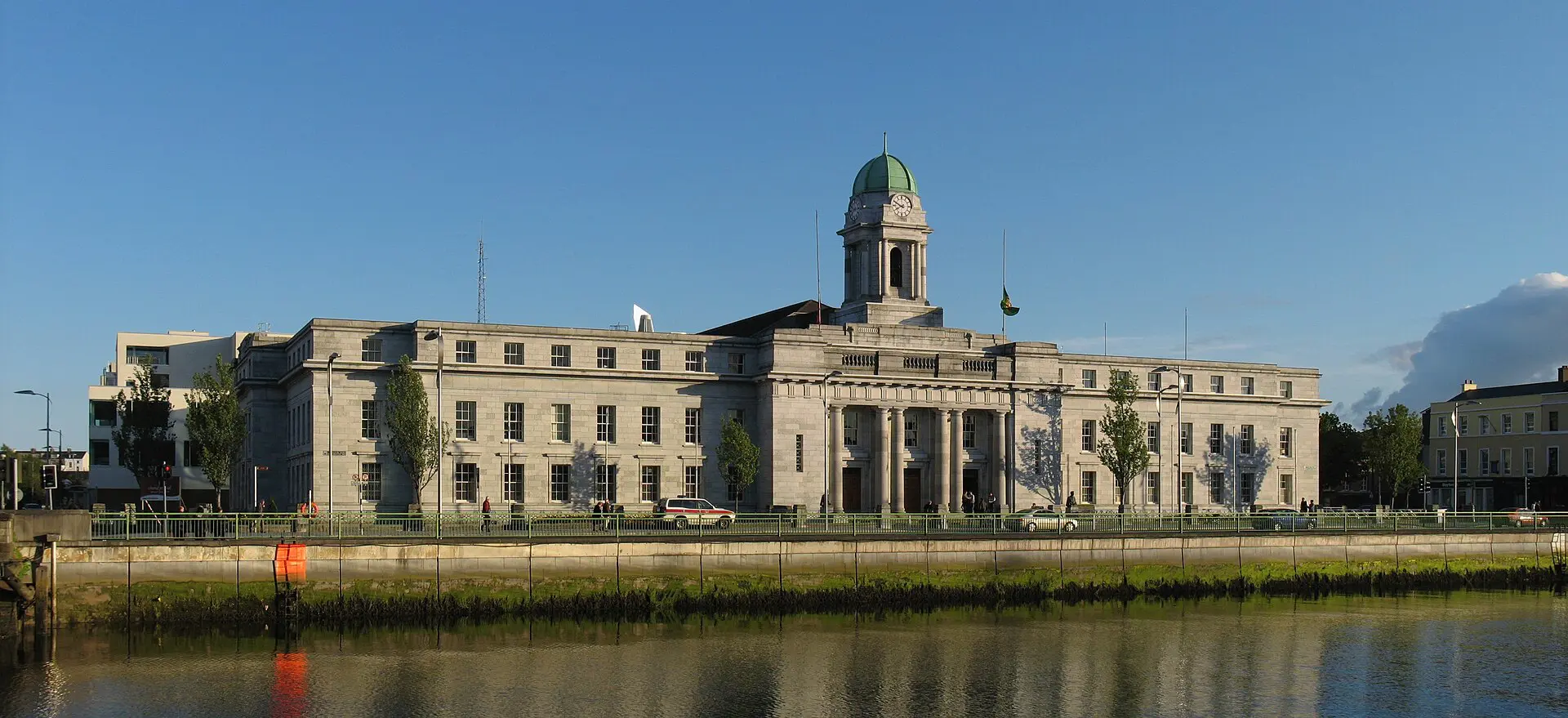
It is a historic merchant port with a lot of Georgian architecture and lively arts, music and food scenes. Its boundaries were extended in 2019, giving a population of about 210,000, and the new boundary includes the town of Blarney.
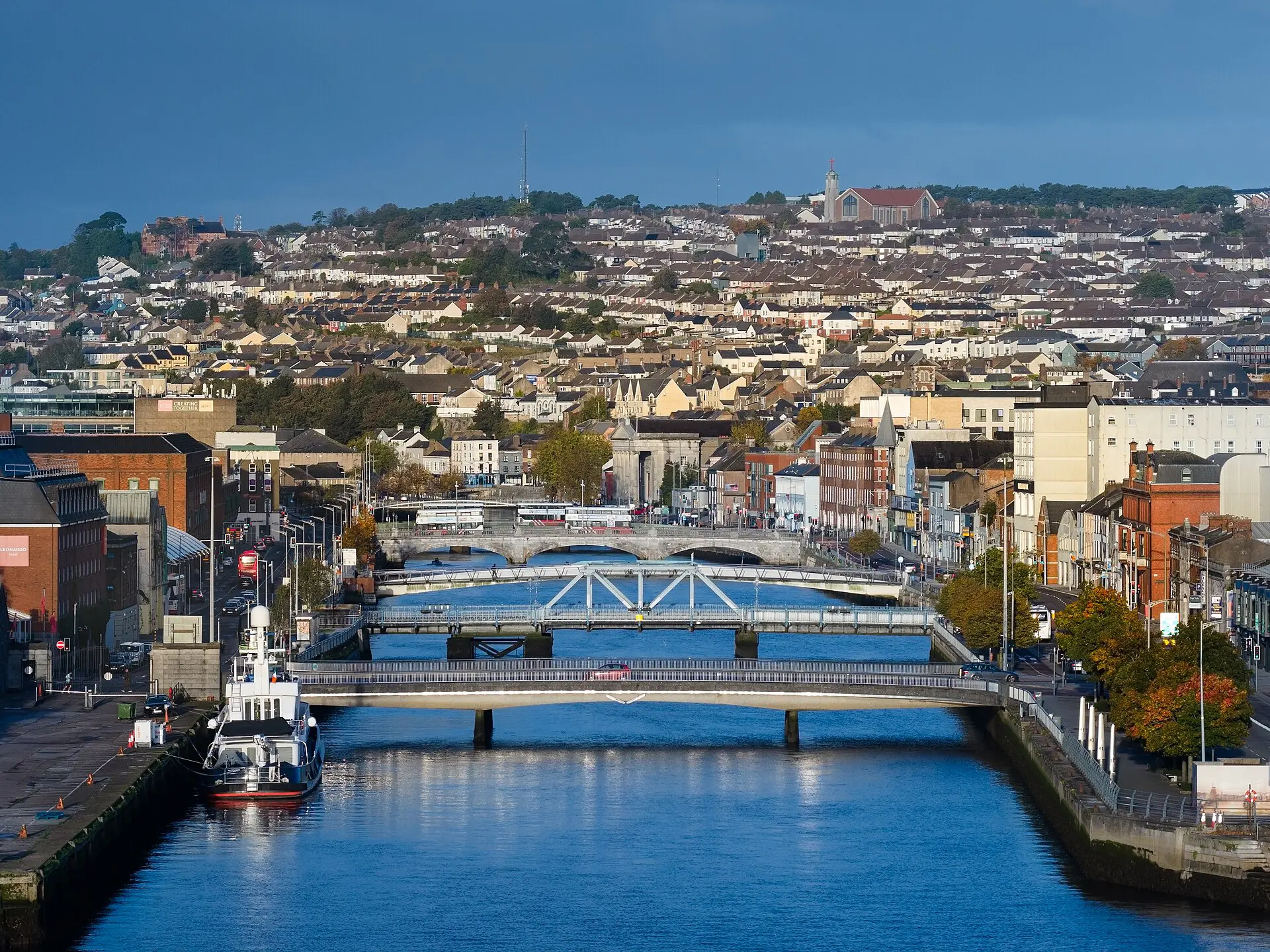
The centre sits on an island between two channels of the River Lee, which makes it compact and easy on foot. Cork suits travellers who prefer a lived-in city to a polished one, and it is a convenient base for the south coast, with a harbour, small towns and good food within an easy trip.
Top things to do in Cork
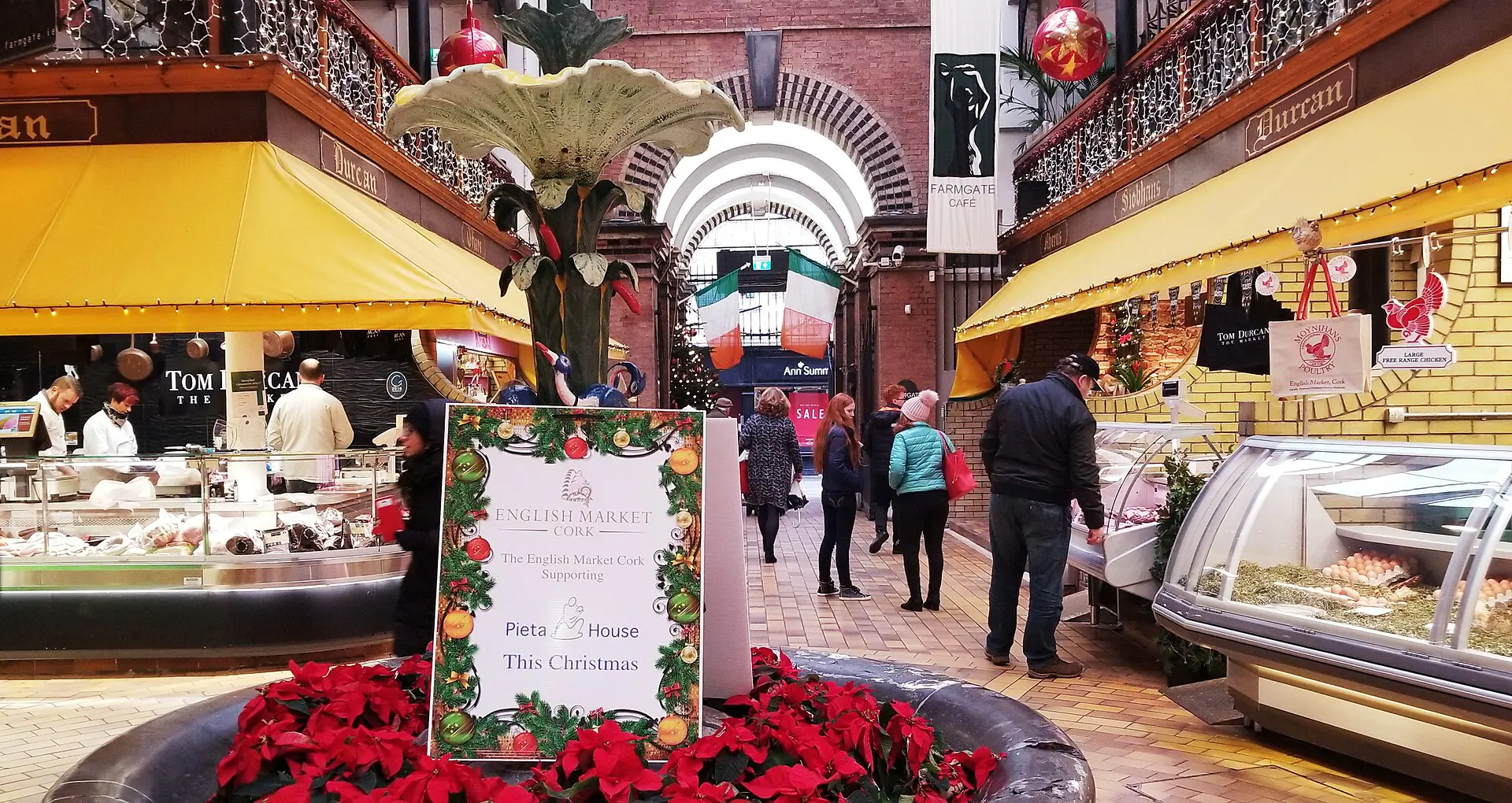
The English Market
This covered food market in the city centre is a local landmark, with stalls selling fish, meat, bread, cheese and prepared food. Allow one hour. Tip: go before the lunch rush, and note that opening hours vary, so check before you go.
St Patrick’s Street and the Huguenot Quarter
The main shopping street and the nearby lanes combine high street shops with older buildings, cafés and small independent businesses. Allow one to two hours. Tip: wander the side streets for a more local feel.
Shandon and St Anne’s Church
The Shandon area stands on a hill north of the river and is known for its church tower and views over the city. Allow about an hour. Tip: opening times and tower access vary, so confirm before you go.
St Fin Barre’s Cathedral
The cathedral stands on the south bank, close to the site traditionally linked with the saint who founded a monastery there in 606 AD. Allow one hour. Tip: check opening hours, as they can change around services.
Cork City Gaol and museums
The city has several museums that cover local history, art and the independence period. Allow one to two hours for each. Tip: choose one or two and check current opening days.
Pubs and live music
Cork is known for its music and pub scene, with venues that range from traditional sessions to modern gigs. Allow an evening. Tip: ask staff when sessions start, as times vary.
River Lee walks
Riverside paths and the island centre make for easy walks that link many sights. Allow one to two hours. Tip: bring a rain jacket, as showers are common.
Best time to visit Cork
Cork has a mild, damp maritime climate, with rain possible in any season. Late spring and summer, from May to September, are the most pleasant for walking, day trips and outdoor time, and also the busiest for visitors. Daylight is long, which helps with day trips.
Spring and early autumn can be quieter, with good conditions for city walks and fewer crowds. Winter is cooler, wetter and darker, but the city’s pubs, music and markets keep it lively. Prices for hotels and car rental tend to rise in summer and around festivals, so book early if your dates are fixed. Pack waterproof layers whenever you go.
How to get to Cork and around
Cork Airport is the main air gateway, with flights from Ireland, Britain and parts of Europe, and buses link it to the city centre. By rail, trains from Dublin arrive at Kent Station, usually in a little over two hours, though check current timetables. Long-distance buses also run to Dublin, Killarney and other towns.
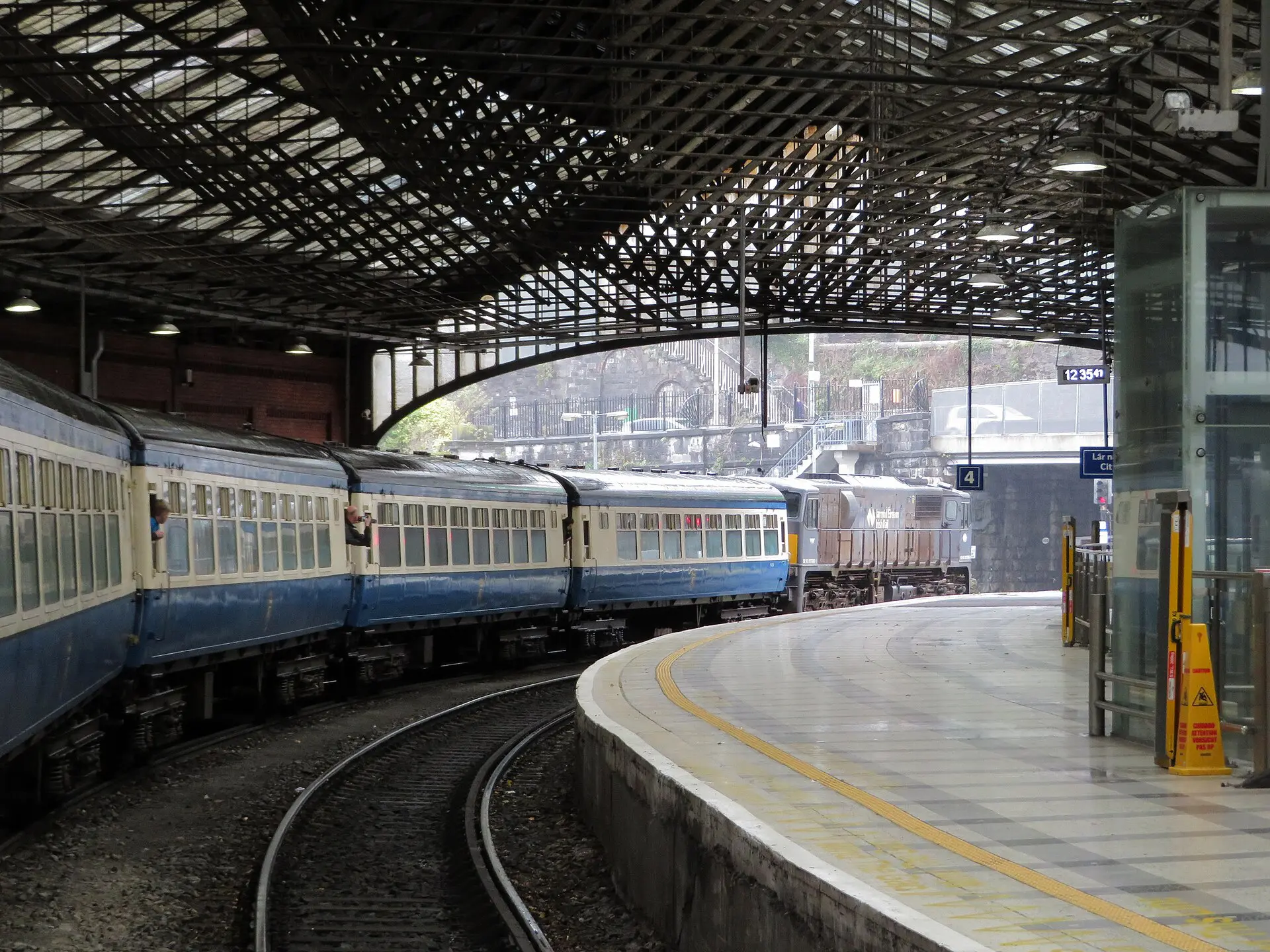
The centre is compact and walkable, with local buses for farther areas. Taxis and ride services are available, and cycling is possible, though weather and hills can be a factor. A car is useful for West Cork and rural trips but not for the city itself, where parking can be limited and costly.
Where to stay in Cork
The city centre, around St Patrick’s Street and the market area, suits first-time visitors who want to be close to restaurants, pubs and shops. It is convenient but can be noisy at night, so ask about quieter rooms.
The Shandon area and the quieter streets west of the centre suit those who want a more local, residential feel and good views, with a short walk to the main sights. Near Kent Station is practical for early trains. Guesthouses and small hotels are common in the city, and prices rise at weekends and in summer, so book early where you can.
How many days do you need?
Two days is enough to cover the centre, the market, Shandon and a good evening of food and music. Three to four days lets you add Cobh and Blarney or a day out in the wider county.
- Day 1: The English Market, St Patrick’s Street, the Huguenot Quarter and an evening in a pub with live music.
- Day 2: Shandon and St Fin Barre’s Cathedral, then a river walk in the afternoon.
- Day 3: A day trip to Cobh or Blarney by train or bus.
Day trips and nearby
Cobh
Cobh lies downriver on Cork Harbour and is reachable by suburban train. It is known for its waterfront, colourful houses and cathedral. Allow half a day, and check train times before you set out.
Blarney
Blarney is now within the extended city boundary, and is known for its castle and gardens. It is easy to reach by bus or taxi. Allow half a day, and check current opening arrangements.
Killarney
Killarney is in County Kerry and is a longer trip, usually by train or bus. It is better as an overnight stay, since it is a gateway to a large national park and scenic lakes.
Kilkenny and Waterford
Both lie to the east and are better reached by car or an overnight stop. Kilkenny has a medieval centre, and Waterford is known for its Viking heritage. Check routes before you plan.
FAQ
Q1When is the best time to visit Cork?
May to September offers the longest days and the most comfortable conditions for walking and day trips. Spring and early autumn are quieter. Winter is wetter and darker, but the city's pubs, music and food keep it lively. Bring waterproof layers in every season.
Q2How many days do you need in Cork?
Two days covers the city centre, the English Market, Shandon and an evening of music. Allow three to four days if you want to add Cobh, Blarney or a longer trip into the surrounding county or towards Kerry.
Q3How do you get to Cork?
Cork Airport has flights from Ireland, Britain and parts of Europe, with buses to the centre. Trains from Dublin arrive at Kent Station in a little over two hours. Long-distance buses link Cork with Dublin, Killarney and other towns, so check timetables before you travel.
Q4Is Cork worth visiting?
Yes, especially if you enjoy food, music and a compact historic centre. It is more relaxed than Dublin and makes a good base for the south coast, with Cobh, Blarney and West Cork all within reach. It is less suited to travellers who want major landmarks.
Prices, schedules and entry rules change. Check current details with official sources before you travel. Read the Ireland travel guide.