Why visit Dublin
If you are planning things to do in Dublin, start with the fact that the city is easy to handle. Dublin is the capital and largest city of Ireland, sitting on Dublin Bay at the mouth of the River Liffey, with the Dublin Mountains rising to the south. The city council area has around 590,000 residents, and the city including its suburbs has about 1.26 million (2022 census), yet most sights sit within a short walk of the river.
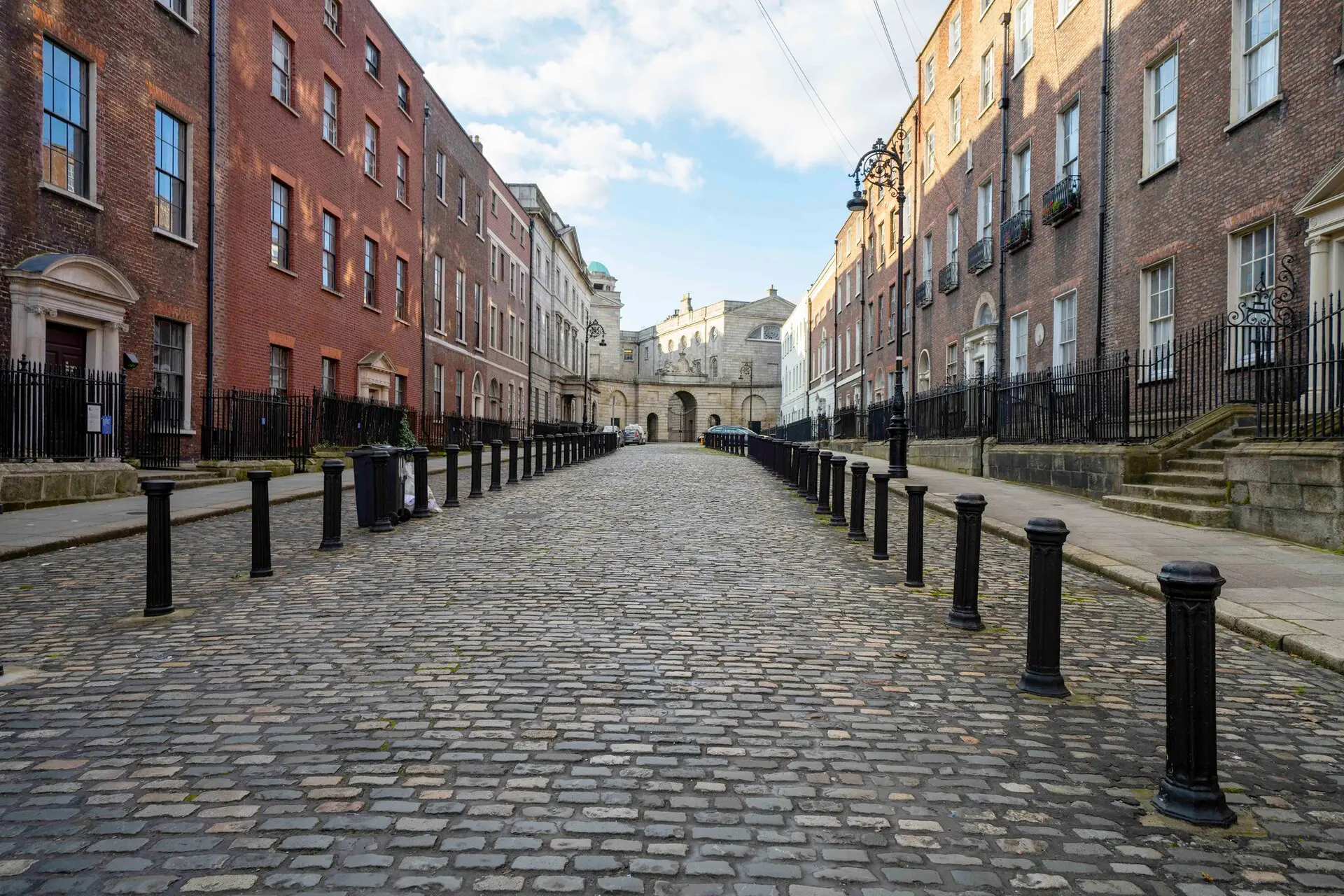
The city was founded by Gaels and then the Vikings, and it grew rapidly from the 17th century. You can read that layered past in its medieval castle, its two cathedrals, its Georgian squares and its modern docklands. Dublin is also strongly associated with literature, and writers from the city and its surroundings feature in museums, walking tours and bookshop-lined streets.
Visitors come for the pubs and live music, the museums, the food scene and the easy access to sea and hills. Expect changeable weather at any time of year, and carry a light waterproof.
Top things to do in Dublin
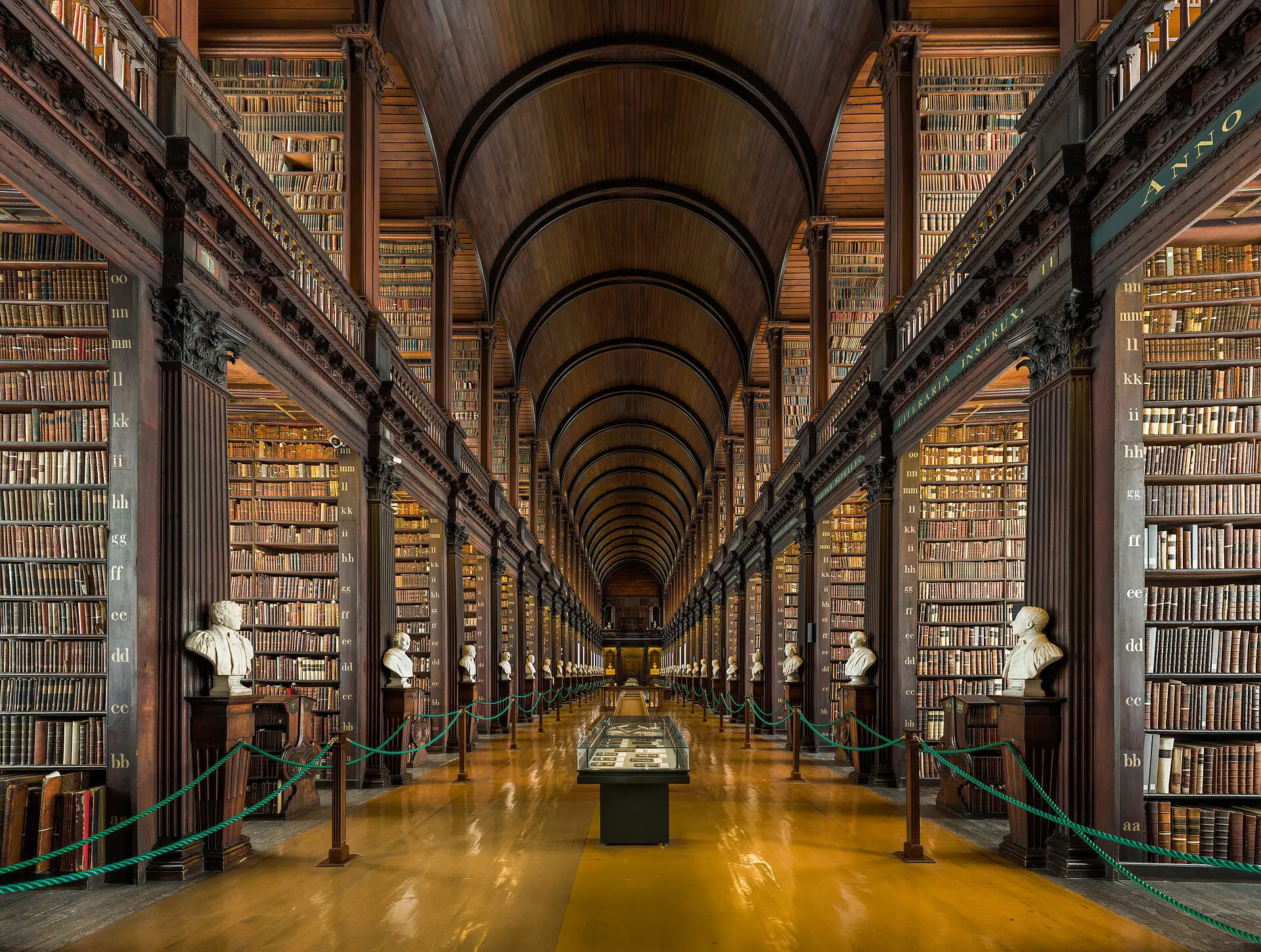
Trinity College and the Book of Kells
Trinity College is Ireland’s oldest university, and its Old Library houses the Book of Kells, a medieval illuminated manuscript, along with the long barrel-vaulted reading hall. Allow about 90 minutes. Tickets are timed and popular, so book ahead online, and visit early or late in the day to avoid the heaviest crowds.
Dublin Castle
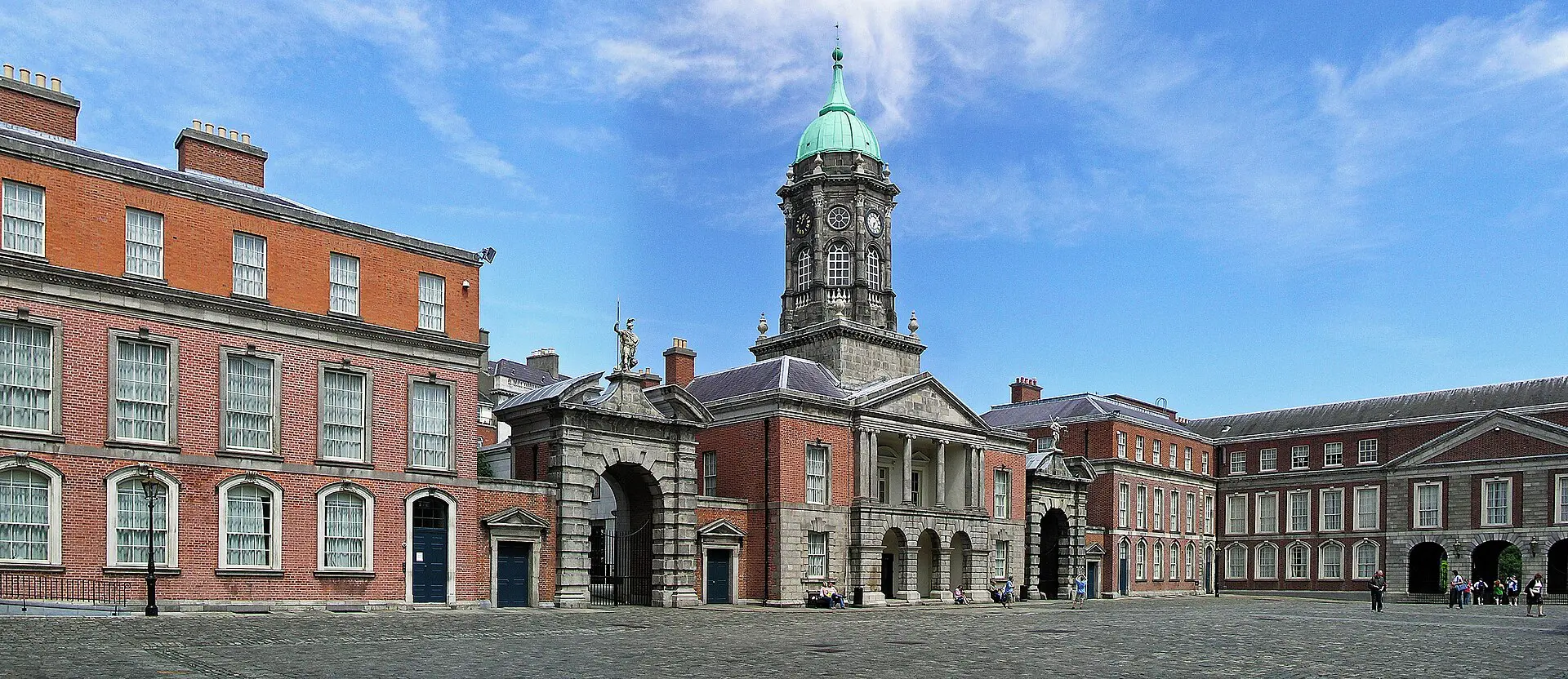
Dublin Castle stands on the site of a Viking settlement and was the centre of English and British administration for centuries. You can explore the state rooms and the medieval tower and its gardens. Plan on an hour or two, and check whether guided tours or self-guided entry are running on the day you go.
St Patrick’s Cathedral and Christ Church Cathedral
These two medieval cathedrals are a short walk apart in the old city. St Patrick’s is the national cathedral of the Church of Ireland, while Christ Church has an atmospheric crypt. Visiting one is enough for most people, around 45 minutes each. Check opening times, as services can limit access.
Temple Bar and the pubs
Temple Bar is the best-known nightlife district, with cobbled lanes and live music, though it is also the most expensive and touristy. For a quieter pint, walk a few streets away. Many pubs serve food, and traditional music sessions often start in the early evening.
Phoenix Park
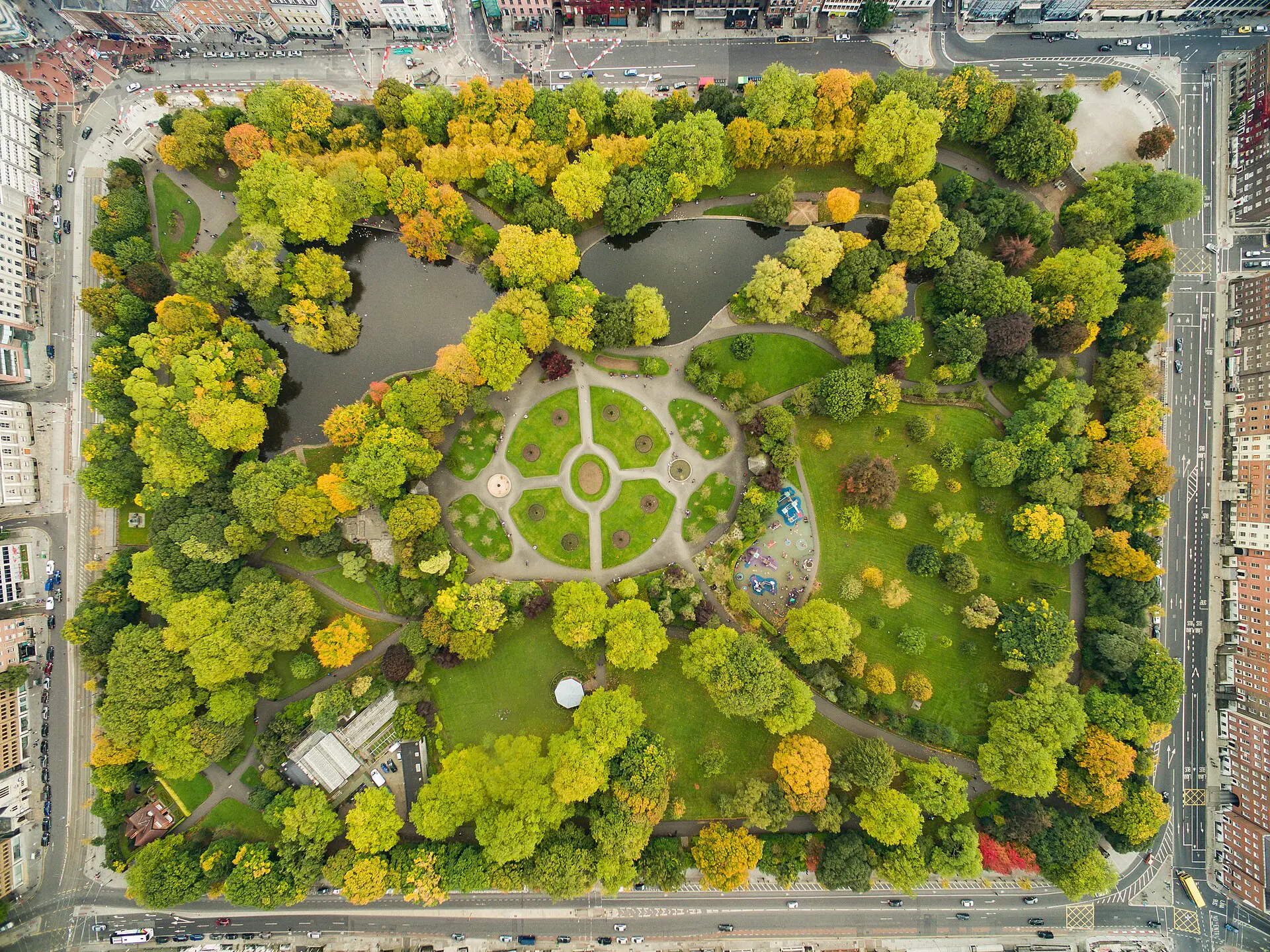
One of the largest enclosed city parks in Europe, Phoenix Park lies west of the centre and has open grassland, wild deer and the zoo. Allow half a day. The park is easiest to reach by tram or bus, and hiring a bicycle is a good way to cover the distances.
Kilmainham Gaol
This former prison tells the story of Irish rebellion and nationalism through a guided visit of about an hour. Entry is usually by timed tickets that sell out in busy months, so reserve ahead. It lies outside the centre, reachable by bus or tram.
National Museum and Georgian Dublin
The national museums are free to enter and cover archaeology, decorative arts and natural history. Nearby, Merrion Square and its surrounding streets show off Georgian terraces with brightly painted doors. Allow two hours for a museum plus a stroll around the squares.
Best time to visit Dublin
Dublin has a mild, damp maritime climate, so there is no truly bad time to go, only different trade-offs. Late spring and summer bring the longest days, with light until late evening in June, but also the highest hotel prices and the biggest crowds. Spring and early autumn give a good balance of reasonable weather and fewer visitors.
| Season | Weather | Crowds and prices |
|---|---|---|
| Spring (March to May) | Cool, changeable, some bright spells | Moderate; busy around St Patrick’s Day in mid-March |
| Summer (June to August) | Mild, long days, occasional showers | Highest |
| Autumn (September to November) | Mild early, wetter and windier later | Moderate, falling |
| Winter (December to February) | Cold and damp, short days | Lowest, apart from the Christmas period |
Book accommodation well ahead for St Patrick’s Day week and for major concerts or sporting fixtures.
How to get to Dublin and around
Dublin Airport is the main gateway, around 10 km north of the centre, with direct flights from much of Europe and North America. Airport buses and coaches run to the city centre, and taxis take roughly 30 to 45 minutes depending on traffic. A rail link is planned but check the current situation before you travel.
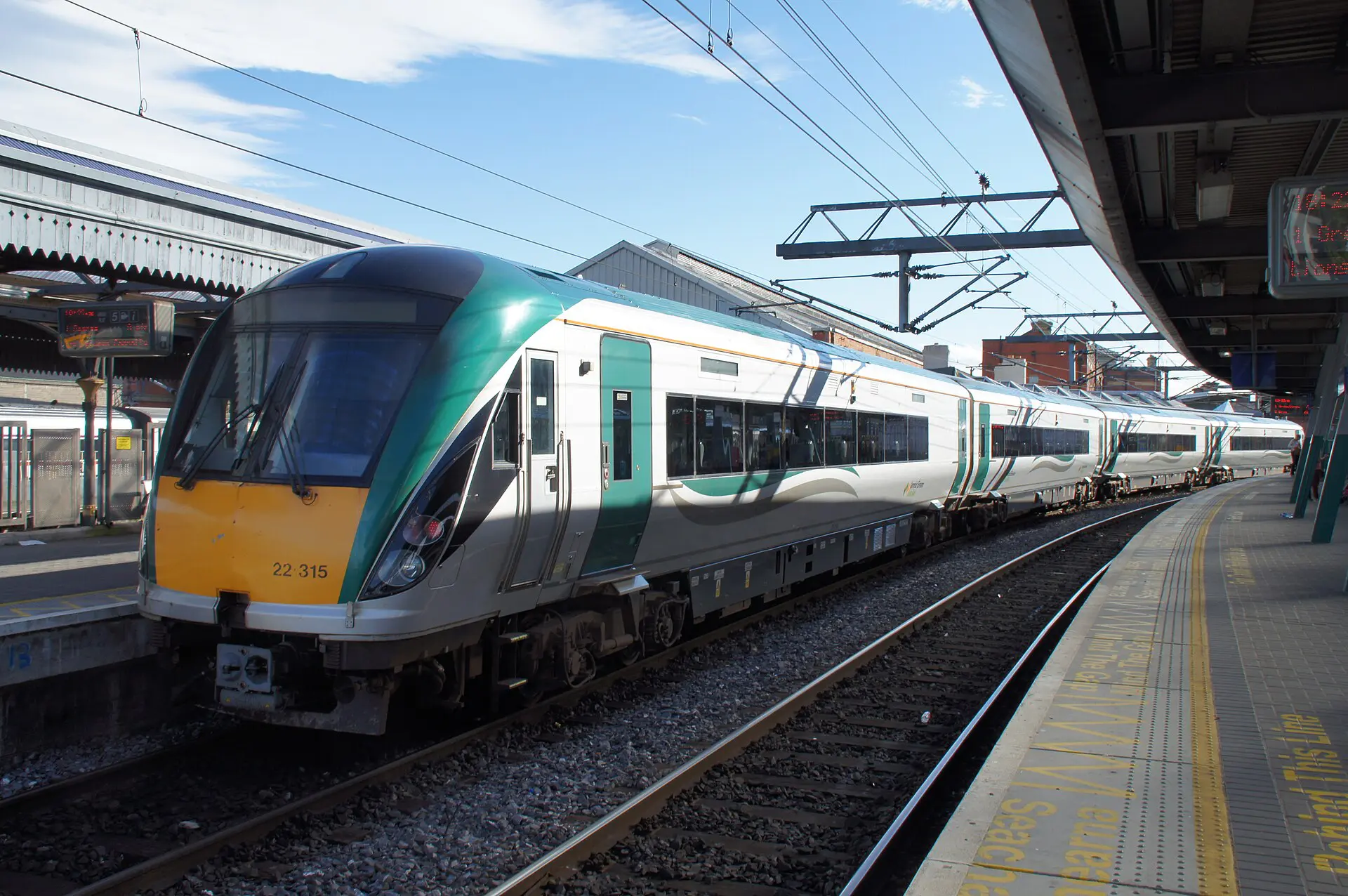
Ferries from Britain arrive at Dublin Port, and trains from other Irish cities reach Connolly and Heuston stations. Intercity buses and coaches serve most other towns.
Within the city, the centre is compact and best explored on foot. A tram system called Luas has two main lines, and the DART coastal rail line connects the centre with Howth, Malahide and Dalkey. City buses cover the rest. A prepaid travel card is usually cheaper than buying single tickets, and taxis and ride-hailing apps are widely available.
Where to stay in Dublin
Most first-time visitors choose the area around St Stephen’s Green and Grafton Street, which is central, safe and close to museums and restaurants. Prices here are higher, but you can walk almost everywhere.
Temple Bar and the streets near it suit travellers who want nightlife at the door. Expect noise late at night, so check recent reviews if you are a light sleeper.
The Georgian districts around Merrion Square and Fitzwilliam Square are quieter and feel more residential, which suits couples and anyone who wants calmer evenings.
For lower prices, look at hostels and budget hotels north of the river near Connolly Station and Smithfield, or south of the centre along tram and bus routes. Booking early is wise in summer and around big events.
How many days do you need?
Two full days covers the main sights without rushing, and three days lets you add a coastal trip or a slower pace. One day is enough only for a quick highlights tour, and you will have to choose between the museums and the pubs.
- Day 1: Trinity College and the Book of Kells, Grafton Street, St Stephen’s Green, then Dublin Castle and the two cathedrals. Finish with dinner and live music.
- Day 2: Kilmainham Gaol in the morning, Phoenix Park or the national museums, then an evening walk along the Liffey quays.
- Day 3: Take the DART to Howth or Dalkey for a cliff walk and seafood, returning for a final pub evening.
Day trips and nearby
Howth and Dalkey
Both coastal villages are a short train ride from central Dublin on the DART. Howth has a working harbour and cliff paths of varying lengths, while Dalkey offers sea views and a pleasant village centre. Either makes a half-day trip.
Wicklow Mountains
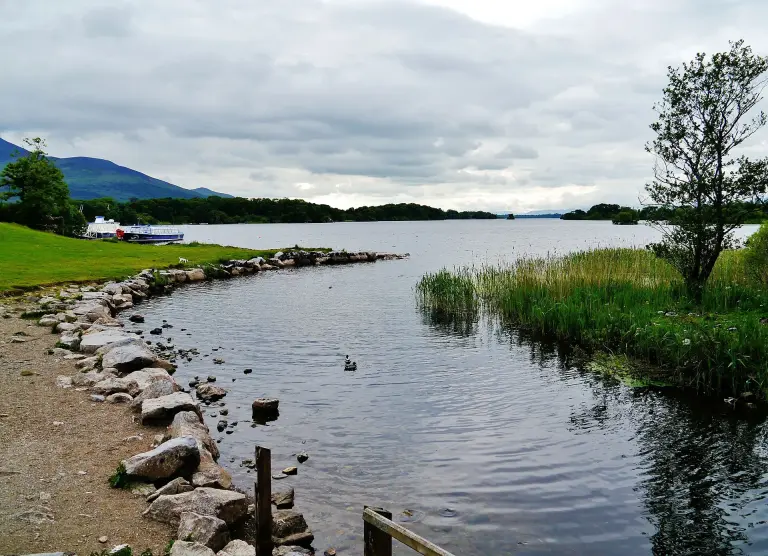
The hills south of the city are the closest uplands, with lakes, forest and walking trails. Public transport is limited, so many visitors join an organised tour or rent a car for the day.
Kilkenny
This medieval city sits in the southeast, roughly an hour and a half to two hours from Dublin by train or road. It has a castle and narrow lanes, and works as a long day trip or an overnight stay.
Galway
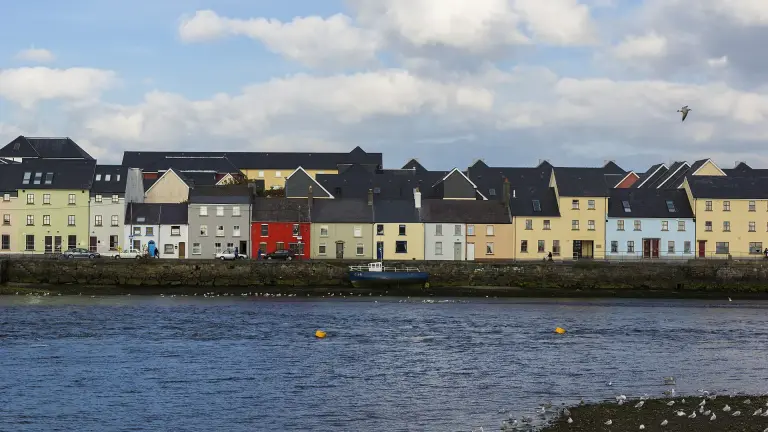
Galway is on the west coast, around two to three hours from Dublin by road or train, so it suits an overnight rather than a day trip. It is known for its lively streets and as a base for Connemara and the Cliffs of Moher.
FAQ
Q1When is the best time to visit Dublin?
May to September brings the longest days and mildest weather, but also the highest prices and crowds. Late spring and early autumn are a good compromise. Dublin is damp and changeable year round, so pack a waterproof whatever the season and book ahead for St Patrick's Day.
Q2How many days do you need in Dublin?
Two full days is enough for the main sights, such as Trinity College, Dublin Castle, Kilmainham Gaol and a pub evening. Three days lets you add a coastal trip to Howth or Dalkey, or a Wicklow Mountains tour, without rushing the city itself.
Q3How do I get from Dublin Airport to the city centre?
Airport buses and coaches run to the city centre, taking roughly 30 to 50 minutes depending on traffic, and taxis are available outside arrivals. A rail link has been proposed, so check current options before you travel. Prepaid travel cards can save money on onward trips.
Q4Is Dublin expensive?
Dublin is one of the more expensive cities in Europe, especially for hotels and eating out. Many major sights, including the national museums, are free, and pub meals and picnic lunches help keep costs down. Booking accommodation early in summer usually saves money.
Prices, schedules and entry rules change. Check current details with official sources before you travel. Read the Ireland travel guide.