Why visit Dingle
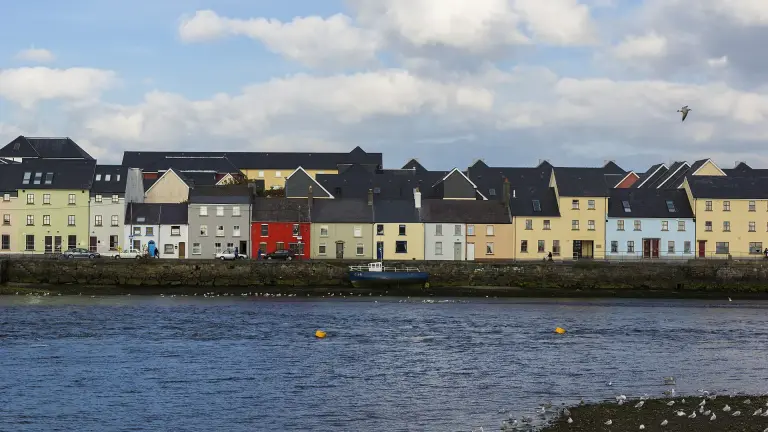
If you want things to do in Dingle, the answer is a harbour town, live music and one of Ireland’s best-known coastal drives. Dingle, known in Irish as An Daingean, is the only sizable town on the Dingle Peninsula in County Kerry, in the south-west of Ireland. It sits on the Atlantic coast about 50 km from Tralee and has a population of around 1,700.
The town has a colourful centre and a fishing harbour, in an Irish-speaking area where around 14 per cent of people speak the language daily. Principal industries are tourism, fishing and agriculture. A bottlenose dolphin named Fungie was a famous resident of Dingle Bay for decades before disappearing in 2020.
Dingle works as a base for exploring the peninsula, with its beaches, cliff roads and ancient sites. It is small and can feel crowded in summer, so travel early in the day, book accommodation ahead and be ready for rain at any time.
Top things to do in Dingle
Drive the Slea Head loop
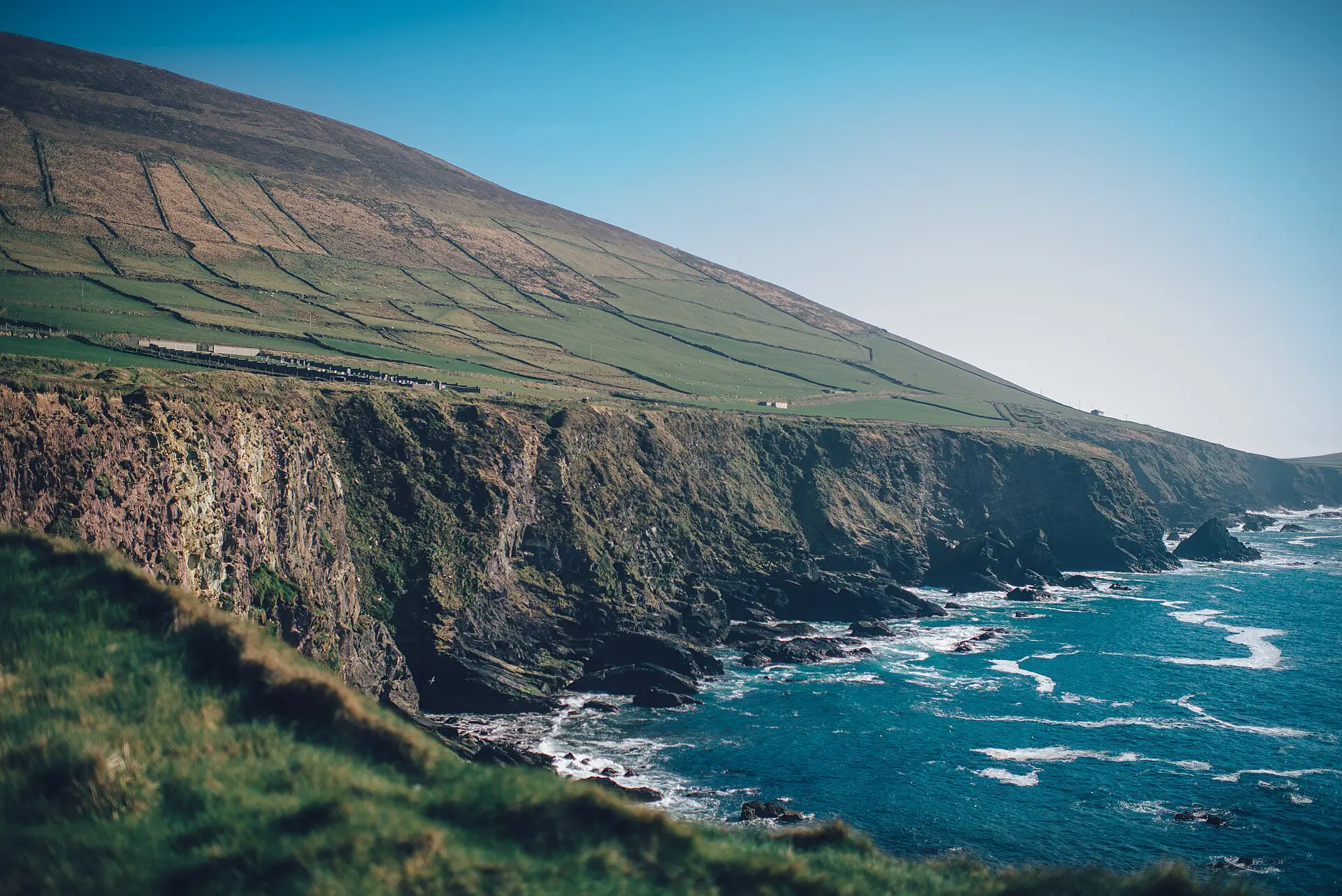
The loop circles the western end of the peninsula, with sea views, beaches and small ancient sites. Allow half a day or more. Tip: set off early, drive carefully on narrow roads and check which way tour buses travel, to avoid a squeeze.
Walk the harbour and the town
The colourful town centre has shops, cafes and pubs around a working harbour. Allow one to two hours. Tip: the tourist information centre by the harbour is a good starting point for local advice and opening hours.
Listen to live music in a pub
Traditional Irish music sessions are a draw in the evenings. Allow an evening. Tip: arrive early for a seat, and check which pubs have sessions on the night you visit.
Take a boat trip
Trips from the harbour explore the bay and coast, with chances to see seabirds and marine life. Allow two to three hours. Tip: book with a licensed operator and check weather forecasts, since sailings depend on the sea.
Cross the Conor Pass
This high mountain road links the north and south sides of the peninsula, with wide views in clear weather. Allow an hour. Tip: the road is narrow and can be misty, so avoid it in poor visibility.
Walk part of the peninsula’s coast
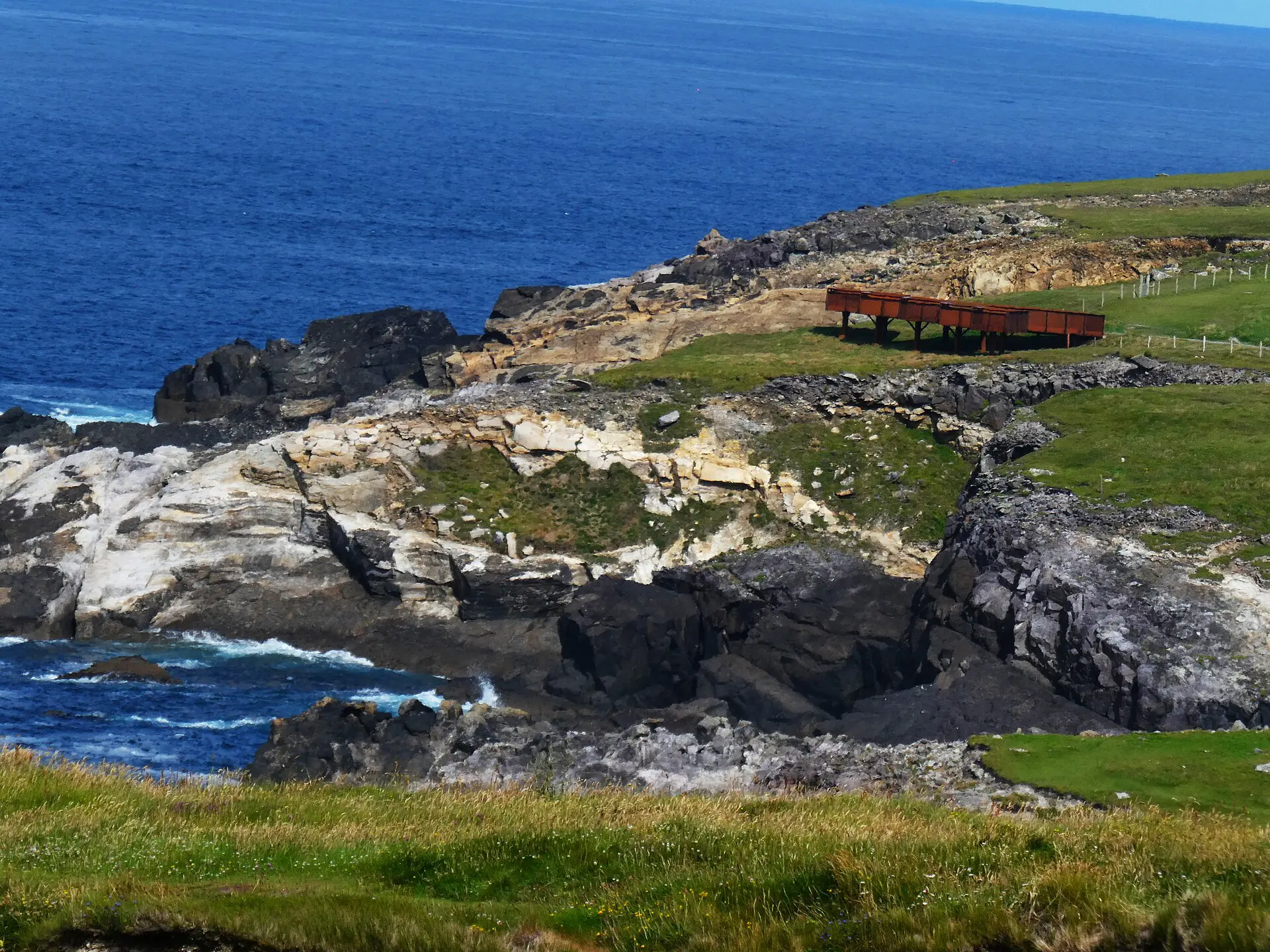
Cliff paths and beaches give a quieter side of the area. Allow half a day. Tip: wear waterproofs and good boots, and check tides and path conditions before setting out.
Hear Irish spoken
The town is in a Gaeltacht area, so Irish is part of everyday life. Allow a casual stop. Tip: a few words of Irish are appreciated, and signs often show the Irish name An Daingean.
Best time to visit Dingle
Dingle has a mild, wet Atlantic climate, with changeable weather at any time. Late spring to early autumn, roughly May to September, is the most pleasant for driving, walking and boat trips, and it is also the busiest and most expensive period. Winters are quiet, with shorter days, wind and rain, and some businesses close or open only on weekends.
| Season | Weather | Crowds and prices |
|---|---|---|
| June to August | Mild, long days, showers | Busiest, highest prices |
| May, September | Mild, changeable | Good balance |
| November to March | Cool, wet, windy | Quiet, some closures |
Pack waterproofs whenever you visit, and check opening times for boat trips and attractions outside summer.
How to get to Dingle and around
For inter-city public transport, travel via Tralee, which has buses and trains from Dublin, Limerick and other cities. A Bus Éireann service runs from Tralee to Dingle, usually taking about an hour, and a local link bus runs from Killarney. Schedules are limited, so check current timetables.
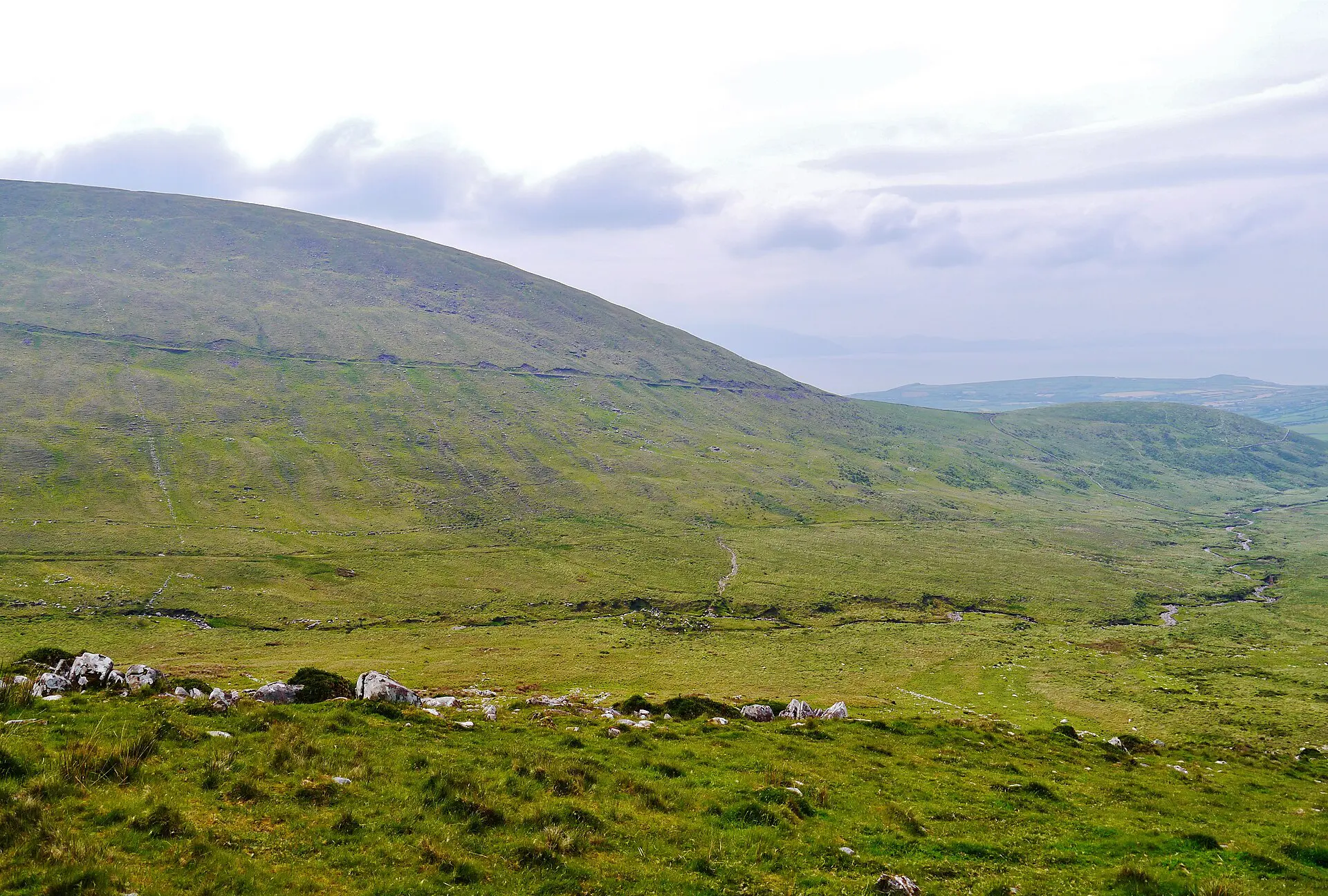
By road from Dublin, follow the M7 or M20 past Limerick, then the N21 to Tralee, and the N86 along the south side of the peninsula. A scenic alternative is the north side via Castlegregory and over the Conor Pass. Driving gives the most freedom, but roads are narrow, so take your time. The town itself is walkable.
Where to stay in Dingle
Accommodation fills quickly in summer, so book early.
- In the town centre: best for pubs, restaurants and walking everywhere, with guesthouses and small hotels.
- Near the harbour: suits travellers who want water views and boat trips close by.
- Farm stays and countryside B&Bs: good for quiet and scenery, though you will need a car.
- Peninsula villages: ideal for a slower trip, with beaches and trails at the door but fewer services.
Check whether breakfast is included and whether parking is provided, as town-centre parking is limited.
How many days do you need?
Two to three days gives time for the Slea Head loop, a boat trip and a couple of evenings in the pubs. One night works as a stop on a longer Kerry route, and four days lets you add walks and a slower pace.
- Day 1: Arrive, walk the harbour and town, then an evening of live music.
- Day 2: Drive the Slea Head loop with stops at beaches and viewpoints.
- Day 3: A boat trip or a coastal walk, then the Conor Pass on your way out.
Keep a flexible day in case of heavy rain.
Day trips and nearby
Killarney
Killarney is a busy tourist town with a national park, lakes and mountains. It is about 70 km from Dingle, and fits a Kerry road trip. Check bus options if you are not driving.
Cork
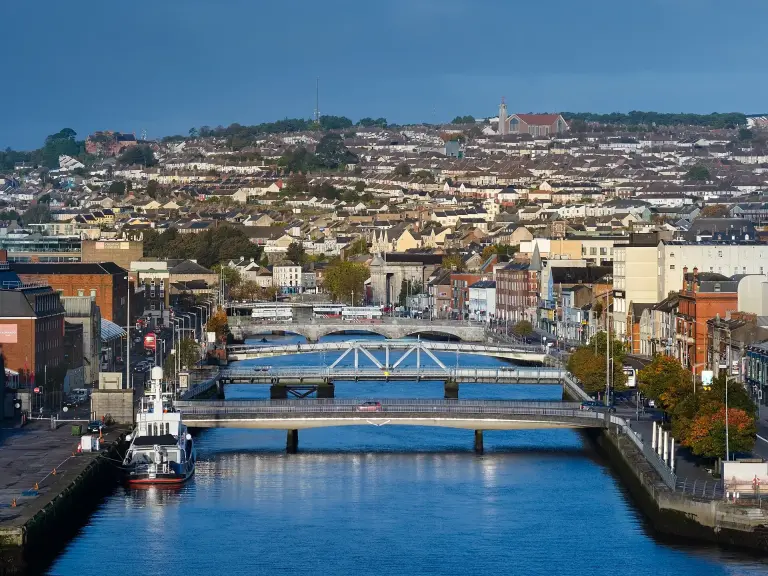
Cork is Ireland’s second city, with a food scene and a historic centre. It is a long trip from Dingle, so plan an overnight stay. Check train and bus connections.
Limerick
Limerick is a city on the River Shannon, with a medieval quarter. It is on the route from Dublin to Kerry, so it works as a stopover. Check journey times before you plan.
Galway
Galway is a lively west-coast city known for music and festivals. It is a long drive north, so it suits a wider west-coast route rather than a day trip.
FAQ
Q1When is the best time to visit Dingle?
May to September offers the longest days and best chances of dry weather, though it is the busiest and priciest period. Weather is changeable at any time, so bring waterproofs. Winter is quiet, and some businesses close or open only on weekends.
Q2How many days do you need in Dingle?
Two to three days lets you drive the Slea Head loop, take a boat trip and enjoy the pubs. One night works as part of a longer Kerry trip. Allow extra time for walks and weather delays.
Q3How do you get to Dingle?
Go via Tralee or Killarney. Buses run from Tralee, usually taking about an hour, and a local link bus runs from Killarney. Driving is easier for exploring the peninsula. Kerry Airport and Cork are the nearest major airports, so check current services.
Q4Is Dingle expensive?
Prices in summer are high for accommodation and restaurants, and rooms can sell out. Visiting in shoulder months helps. Many highlights, such as walking, scenic drives and listening to music in pubs, cost little beyond food and drink.
Prices, schedules and entry rules change. Check current details with official sources before you travel. Read the Ireland travel guide.