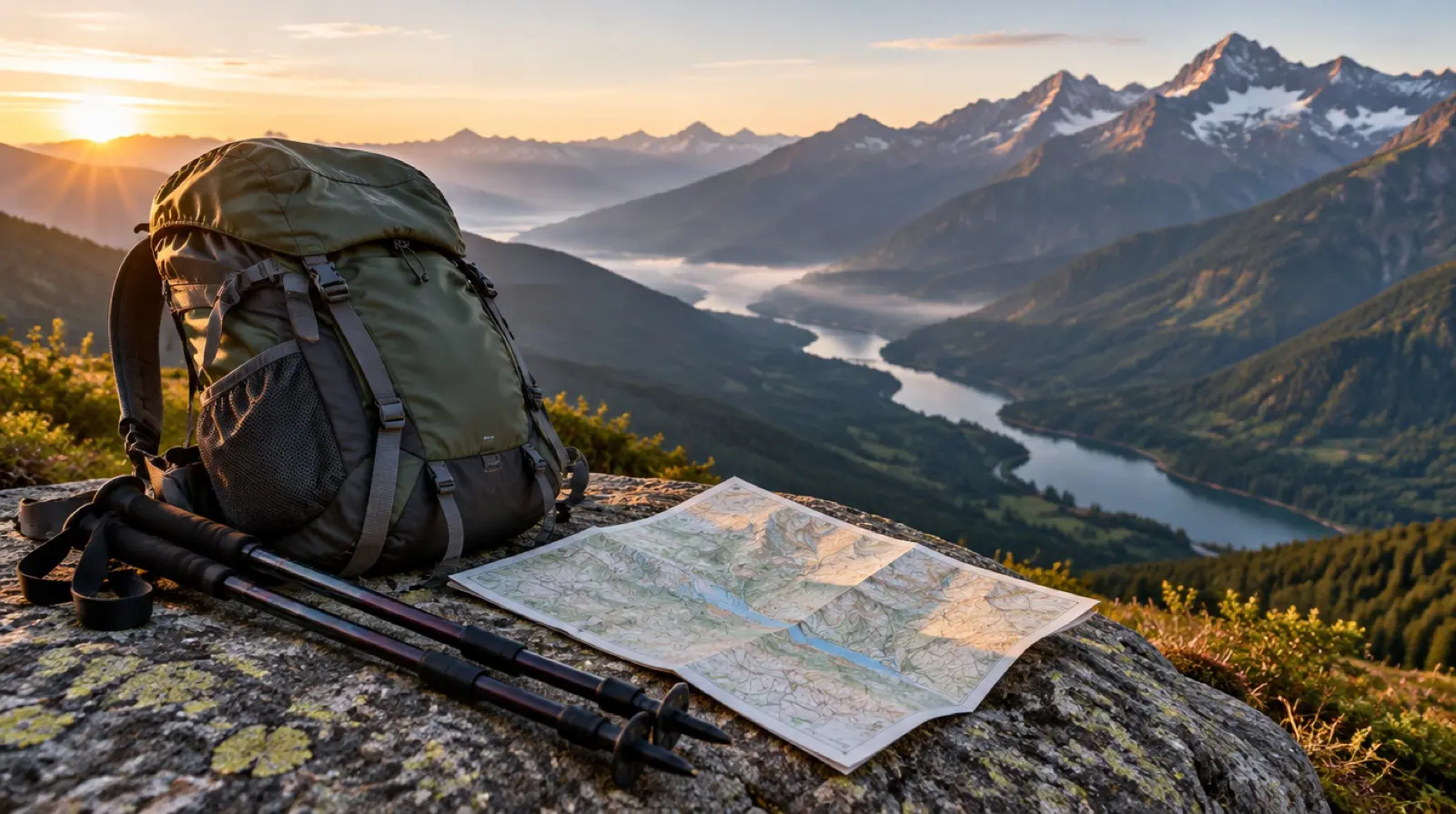
Trekking is multi-day walking on trails, usually carrying or arranging your own food, shelter and water, in places where help is hours or days away. It differs from day hiking by logistics: permits, resupply, altitude and a fixed end point. Most trekking problems start with transport, season or permits, not fitness. Plan those first, then choose the route.
What trekking means and how to choose a style
Trekking covers four common styles. Each trades money, weight and flexibility differently, and each changes what can fail.
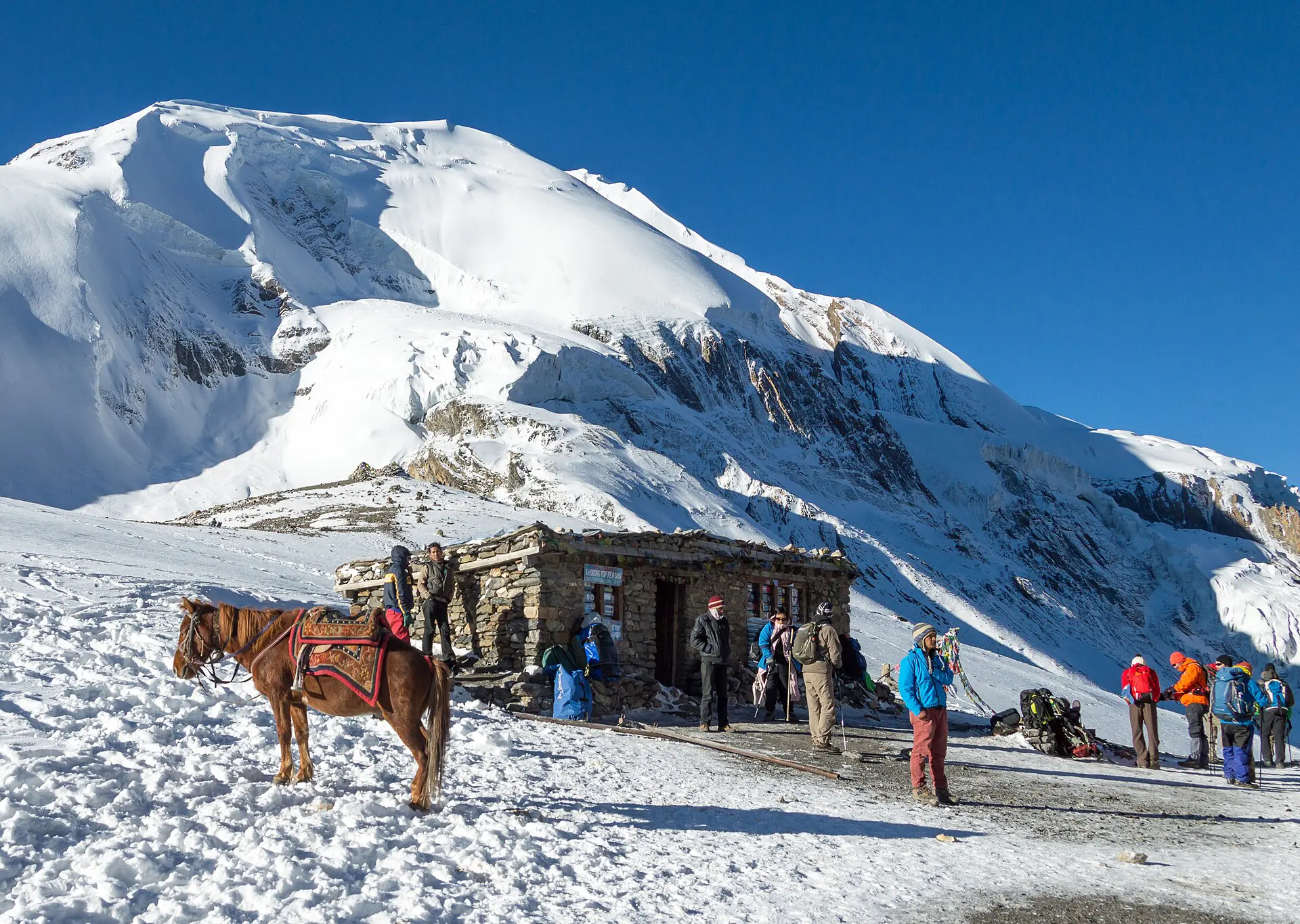
- Hut or teahouse trekking: you carry a daypack and sleep and eat in lodges. Lowest weight, highest dependence on booking and on the lodge being open.
- Self-supported camping: you carry tent, stove and food. Most freedom, most weight, and you must find or reserve legal camp spots.
- Guided and porter-supported: an operator handles food, camps and carrying. Required on some routes; ask what happens if a day is lost.
- Remote expedition style: long days from the road, with no resupply. Only with navigation skills and a wait-out plan.
Trekking compared: styles, time and reliability
This table compares typical formats by the things that decide whether the trip works. The numbers are rough ranges for planning, not promises. Check each route’s official source.
| Style | Typical day | Pack weight | Permits and booking | Main risk | Fallback |
|---|---|---|---|---|---|
| Hut or teahouse | 5 to 8 hours, 10 to 18 km | 6 to 10 kg | Lodges or huts often need booking in peak months | Full or closed lodges, bad weather | Shorter stages, spare night in the last valley town |
| Self-supported camping | 4 to 7 hours, 8 to 16 km | 12 to 18 kg | Camp permits where required | Water gaps, cold nights | Carry extra water, camp early |
| Guided with porters | 4 to 8 hours, 8 to 15 km | 5 to 8 kg daypack | Operator books permits | Operator standards vary | Written itinerary, rest-day clause |
| Remote, unsupported | 6 to 10 hours, variable | 15 to 20 kg | Park rules, sometimes a satellite check-in | Injury far from help | Turn-back time, satellite messenger |
The seven things that decide whether a multi-day walk works
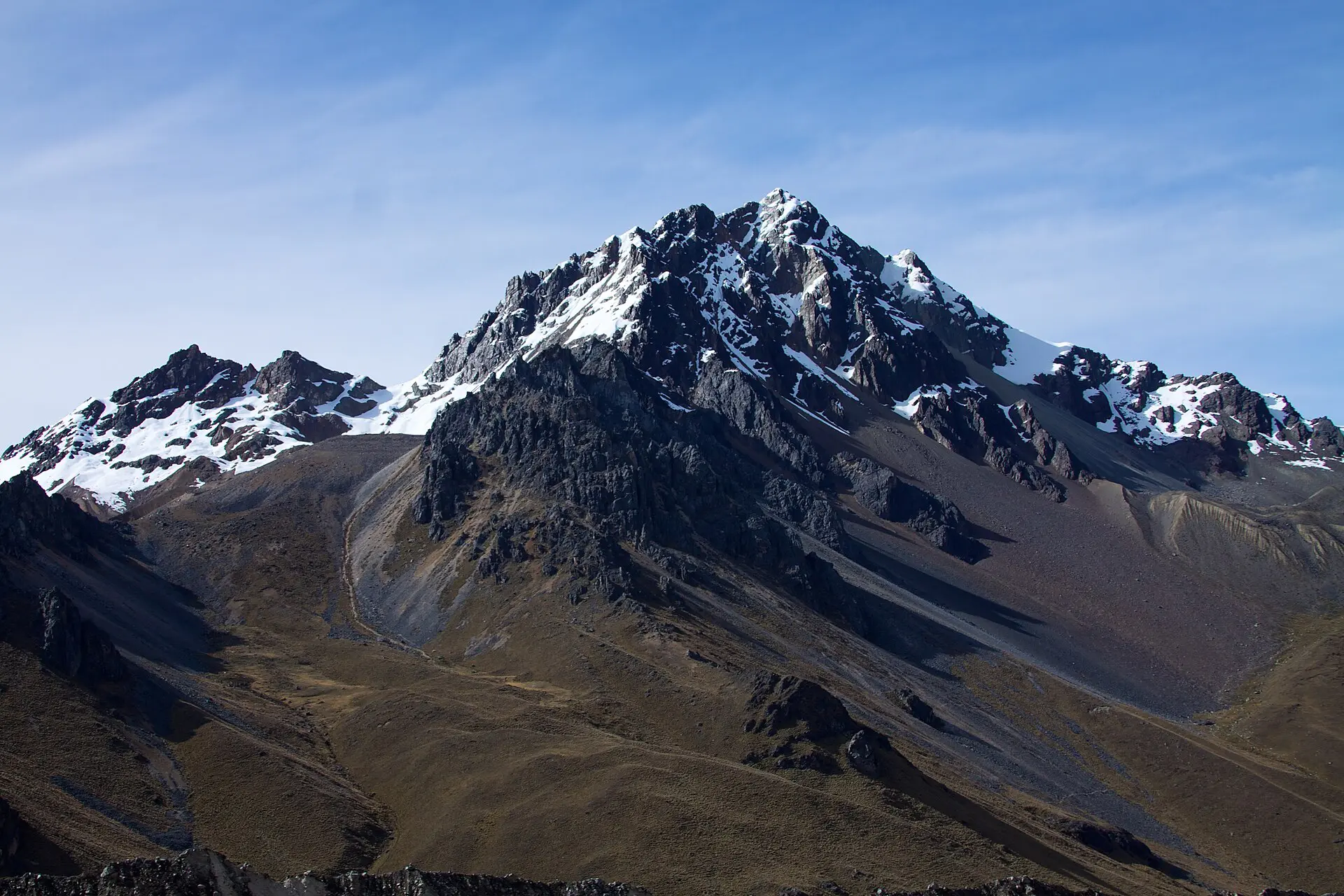
1. Pick the route by altitude and distance, not by photos
Read the daily distance, the gain and the highest sleeping altitude. Above about 3,000 m, a common rule is to raise your sleeping altitude by no more than 300 to 500 m a day and to take a rest day every three to four days. Short routes that go high fast, such as some Himalayan or Andean passes, need more care than long routes at 1,500 m. The Salkantay trek guide works through this on a high-altitude route.
2. Sort permits and bookings first
Many famous long routes limit daily numbers or need a guide. Examples include the Inca Trail in Peru, Mount Kilimanjaro in Tanzania and the refugios on Torres del Paine in Chile, where space is rationed. Permit systems and rules change often, so use the official park or operator site, and book the scarce item (permit, hut or flight) before the flexible ones. Treat any permit that depends on a transfer as two bookings.
3. Match the season to the route
Every trek has a window. Himalayan routes depend on the pre- and post-monsoon periods, the high Andes on the dry season, alpine hut routes on the snow-free summer weeks, and Patagonia on the late-spring to autumn months with strong wind. Shoulder months are cheaper and quieter, but huts and ferries may be closed. Choose dates in the middle of the official season, and build in two spare days. Skip the first and last weeks of a season: lodges open late, close early, and trails may still be under snow or already closing.
4. Plan water, food and resupply by the day
Carry water for the longest dry stretch, usually 2 to 3 litres per person per day, more in heat. Treat all stream water. For food, plan 500 to 700 g of dry food per day and one extra day of reserve. Where a route has shops or lodges, confirm their opening months, and where it does not, carry everything from the last town. A resupply that is closed is a trip that ends early.
5. Pack for the weather, not the average
The kit that matters: broken-in boots or trail shoes, a waterproof shell, insulation for the coldest night, a head torch, sun protection, a first aid kit, a navigation backup and a means to purify water. Aim for a pack under 10 to 12 kg for hut trips and under 18 kg for camping. Cut cotton, spare shoes and luxuries first. Weigh the packed bag at home; most people carry 2 to 4 kg more than they planned.
6. Decide on guides, porters and support
A guide is required or strongly advised on some routes, and they add safety on remote ground. Use licensed operators, ask how porters are paid and equipped, and ask for the cancellation and rest-day terms in writing. The gorilla trekking guide covers a different kind of trek, with strict permits, rangers and short walks, and it shows how access rules can matter more than distance.
7. Write the fallback before you go
Define your fallback for each stage: a lower route, a road exit, a village with a bus or a hut where you can wait out weather. Set a turn-back time. Leave your route and expected return with someone. A satellite messenger is worth carrying where there is no signal for days.
Typical trek formats and their numbers
Real routes show how the planning numbers play out. The Tour du Mont Blanc in the Alps is about 170 km and usually takes 9 to 11 days between huts and valley villages, with 10,000 m of total climbing. The Annapurna Circuit in Nepal runs several weeks on the full loop and crosses Thorong La at about 5,400 m, so acclimatisation days decide the schedule. The W Trek in Torres del Paine is about 80 km over 4 to 5 days, with wind that can shut the boat or the paths.
Kilimanjaro takes 5 to 8 days with a licensed guide, and the longer itineraries have better summit odds because they give more acclimatisation. Figures vary by source and route variant; use them to compare effort, then confirm the official numbers.
River crossings, weather calls and skip-this-if
Rivers rise after afternoon rain and snowmelt, so cross early in the day and unbuckle your hip belt first. If a crossing is above knee height and fast, wait or use the alternate route. Cold, wind and lightning decide ridge days: be off exposed ground by early afternoon in storm seasons.
Skip a multi-day route if you have not carried a loaded pack for a full day, if your only transport is one weekly bus, or if your dates sit outside the season with no spare day. A shorter circuit close to a town is a better first step than a remote crossing.
Common mistakes and edge cases
- Too much distance on day one. After a flight and a transfer, start with a short, low stage.
- No rest or buffer day. Weather and illness take a day from most trips; build it in.
- Cotton clothing. It stays wet and cold. Use wool or synthetic layers.
- New boots. Blisters end more treks than weather does.
- Ignoring altitude symptoms. Headache, nausea and poor sleep above 3,000 m mean you stop climbing, rest, and descend if it worsens.
- Trusting a single app. Phone batteries die in the cold. Carry a paper map or a downloaded second source.
What to verify before you rely on a plan
- The official route page: current permits, fees, guide rules and any closures.
- Transport: the bus, boat or flight to the trailhead, including its weather and strike risk.
- Season: the date window and the typical conditions, including snow and river levels.
- Insurance: cover for the maximum altitude and for evacuation, and what it excludes.
- Health: vaccinations, medicines and a plan for altitude illness.
- Communication: what you carry for emergencies, and who knows your plan.
Prices, permit numbers and rules change every season. Confirm with the park authority or a licensed operator.
Where to go next
For day-length options, compare Best Hikes in Sedona and Best Hikes in Zion, which are good tests of your heat and water planning before a longer trek. For the permit and road logistics of a mountain park, read the Jasper National Park access guide.
FAQ about trekking
What is the difference between trekking and hiking?
Hiking is usually a day walk that finishes where you began. A trek spans several days, with overnight stops, planned food and water, permits and often a point-to-point route. It requires logistics and a fallback; a short hike rarely does.
How fit do you need to be?
You should be able to walk 5 to 7 hours a day for several days in a row with a pack. Build up with long weekend walks, stairs and hills for two to three months. Altitude is a separate factor and fitness does not prevent it.
Do you need a guide on a trek?
It depends on the route. Some, such as Kilimanjaro or the Inca Trail, require licensed guides; many others do not but are safer with one in remote ground. Check the official rules, and hire only a licensed operator.
How much does a trek cost?
It ranges from low daily costs on independent teahouse routes to a few hundred US dollars a day for supported expeditions. Permits, guides, transfers and gear hire add up. Compare the total including flights and insurance, and check current fees.
What is the best time of year to trek?
It depends on the region. Most routes have one or two seasons set by monsoon, snow or wind. Pick mid-season dates, avoid the first and last weeks when huts and transport may be closed, and check the official calendar.