Gorilla trekking in Uganda means a permit for a set date, a long road or a short flight to Bwindi Impenetrable National Park, and a walk of anything from 30 minutes to 6 hours or more to find a habituated group. You then spend up to one hour with the gorillas. The permit is the constraint: book it early, and treat the road as the real risk. Below: how to reach the park, what the trek is like, what can go wrong and what to do about it.
Getting to Bwindi for gorilla trekking
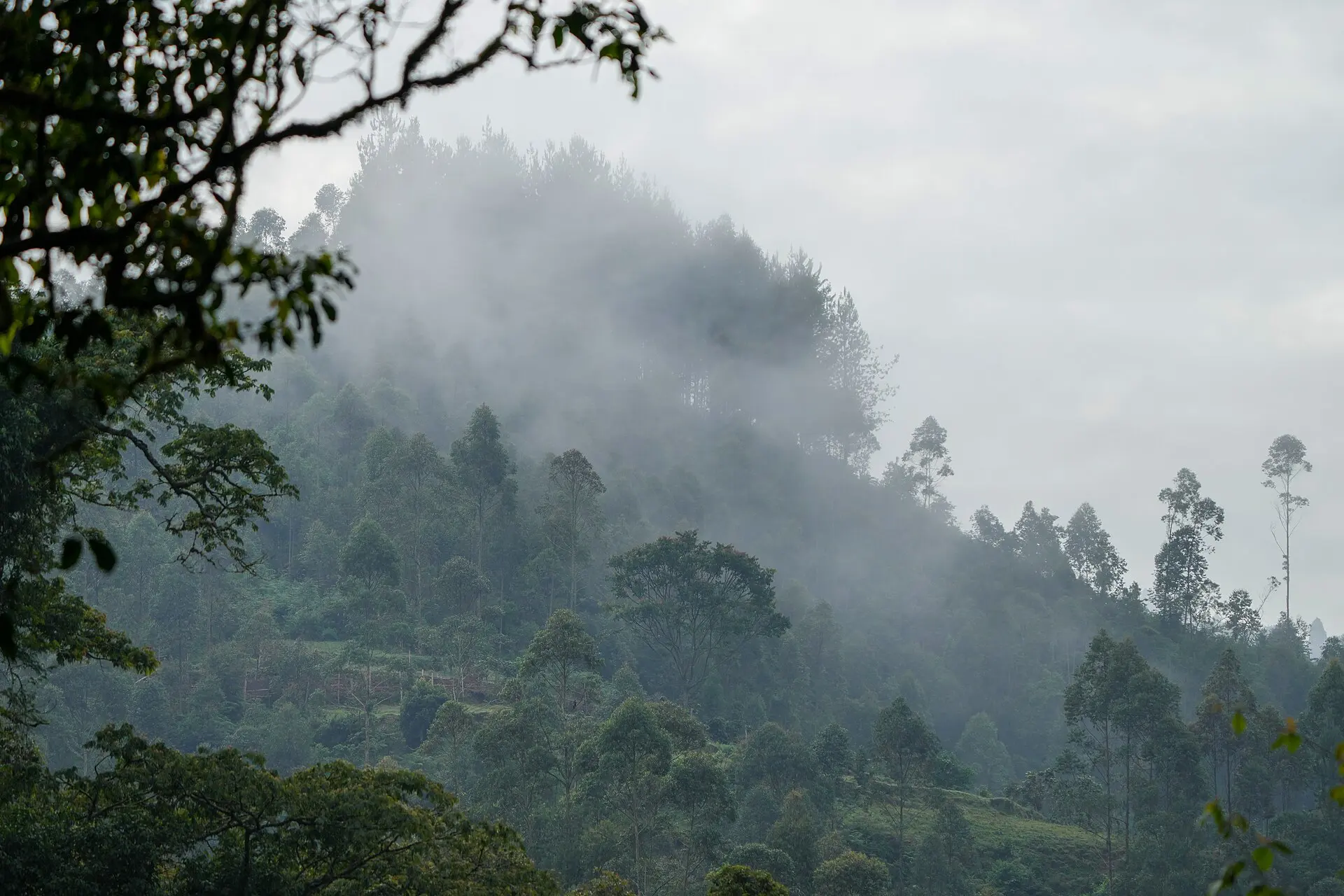
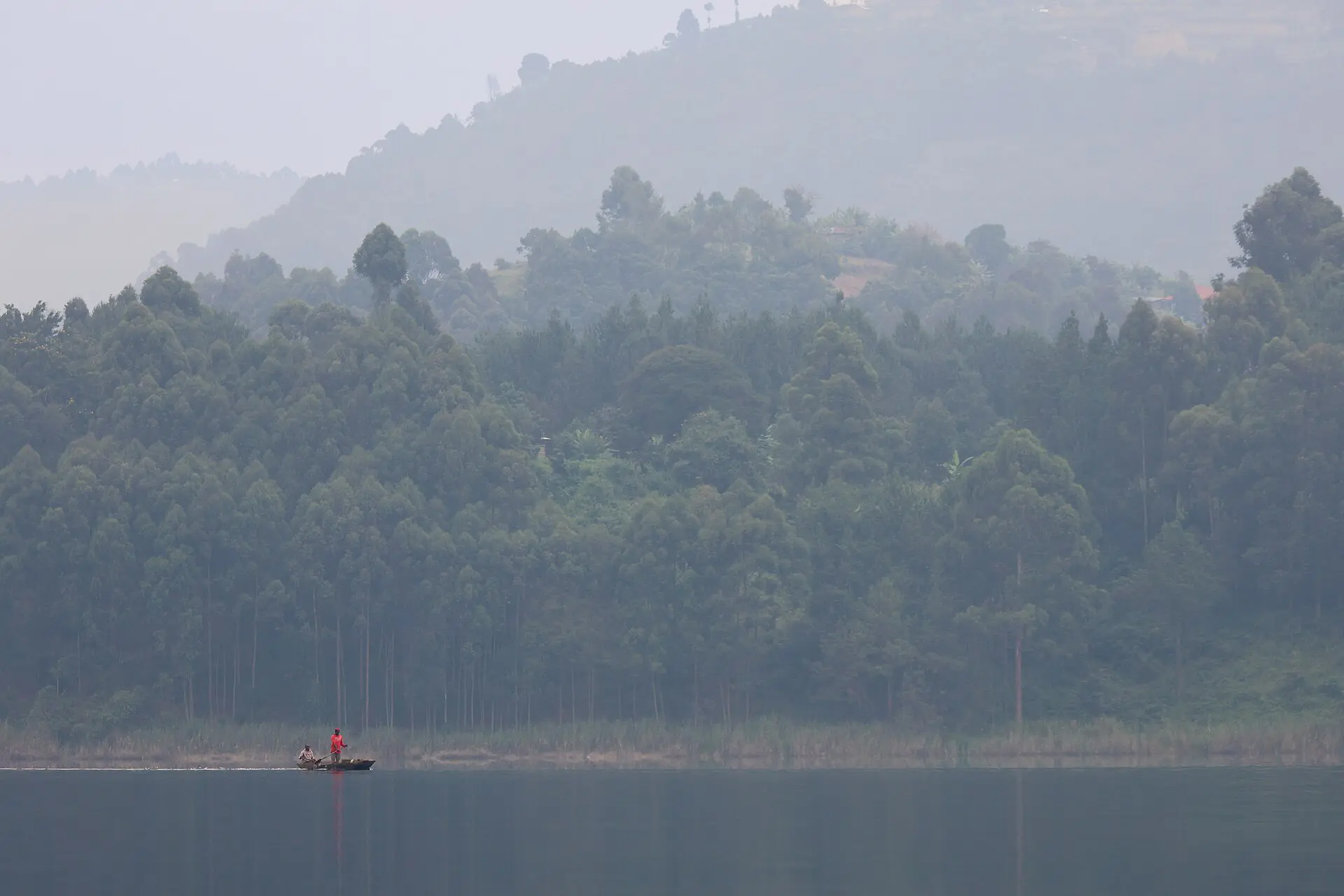
Bwindi sits in south-western Uganda, in hills of roughly 1,200 to 2,600 m, and is a UNESCO World Heritage site. The four main trekking sectors are Buhoma, Ruhija, Rushaga and Nkuringo. Pick the sector first, because the permit is tied to a gorilla group and a sector, and sectors are hours apart by road.
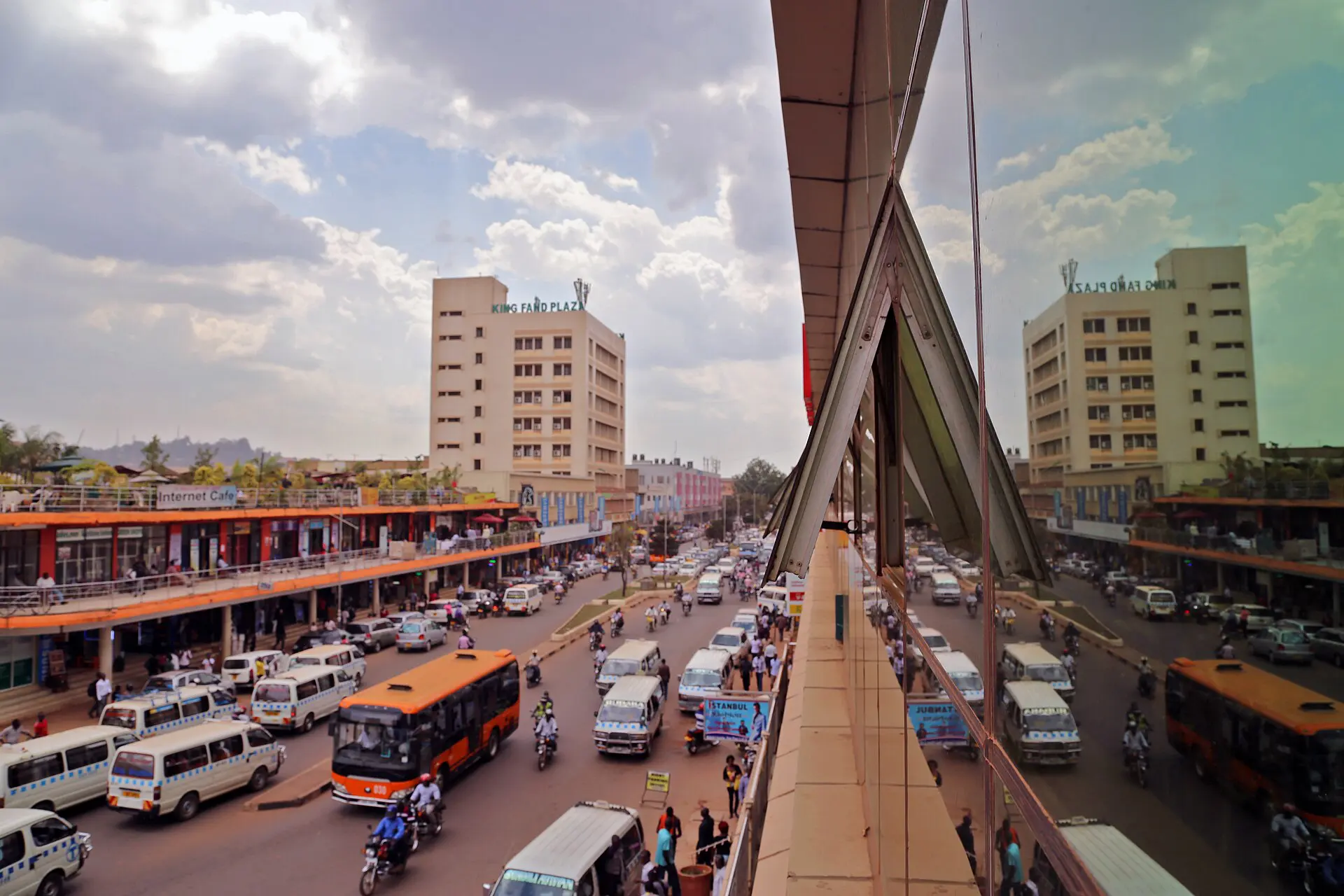
From Kampala, the drive is long: often 8 to 10 hours, more in the rains, on roads that vary from good tarmac to rough murram. Options that cut the time are a charter or scheduled light-aircraft flight from Entebbe or Kajjansi to an airstrip near the park, or a transfer from Kigali in Rwanda to Kisoro, which is closer to Nkuringo and Rushaga. Check current flights, road works and border rules. A 4×4 with a driver who knows the route is standard. See the Uganda travel guide for entry and health basics.
Gorilla trekking permits and bookings
Permits are issued by the Uganda Wildlife Authority. They are date-specific and limited to eight visitors per gorilla group per day, so peak months sell out. As of 2026, foreign non-resident permits are priced at roughly 700 to 800 USD; verify the current tariff and any discounted low-season rate before you pay. Rwanda’s permits cost considerably more, and Virunga in the DRC is cheaper but has security and access issues that need independent checking.
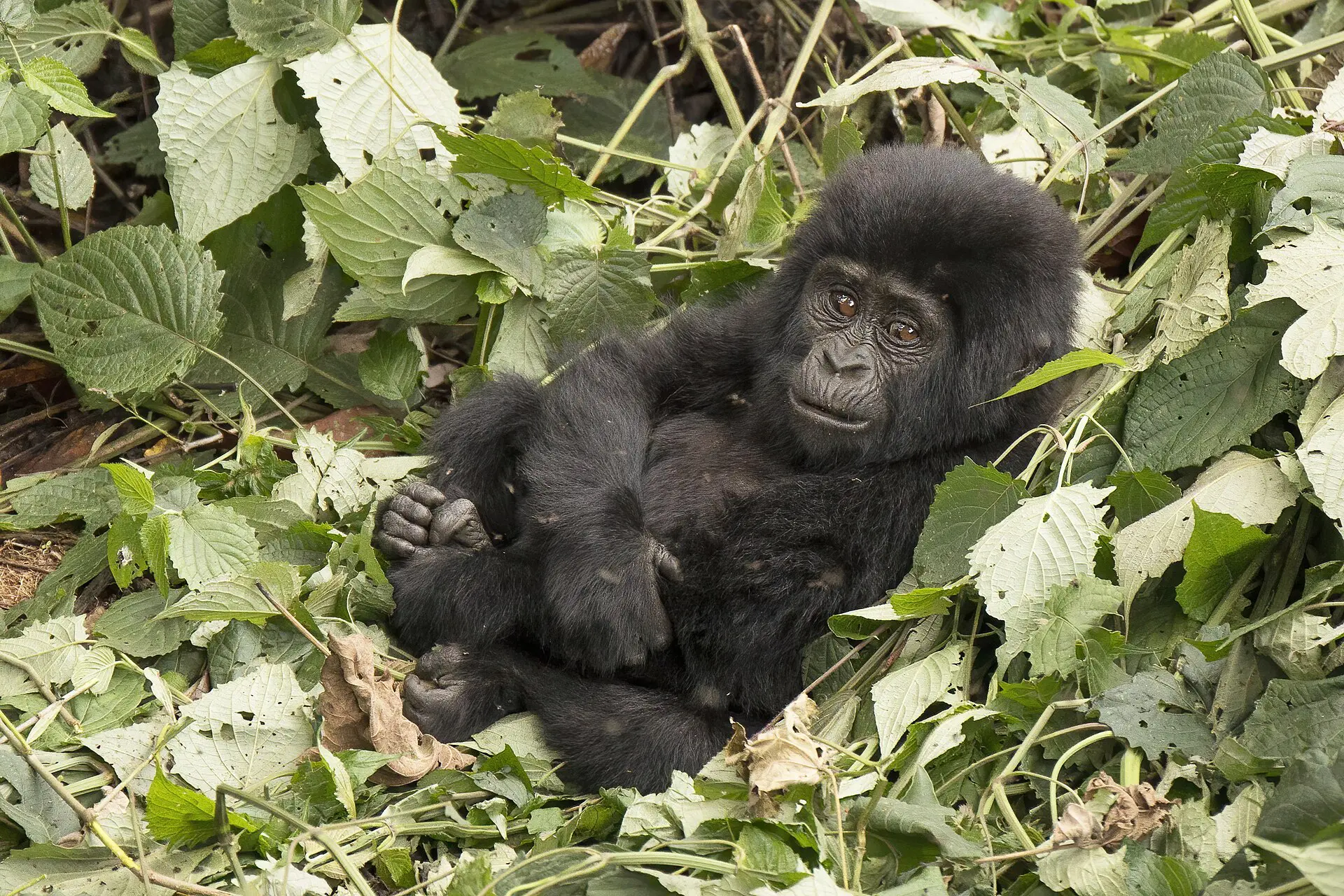
Most visitors book through an operator, who also arranges transport, lodging and a driver. Booking directly is possible. Ask about the change and refund rules before paying, as permit date changes are limited. The minimum age is 15. A health check applies on the day: if you have a cold or other contagious illness, you may be refused, since gorillas catch human diseases easily.
Bwindi trek stages and terrain
Distances and times are approximate. The trek itself is unpredictable, because trackers follow the group that moved overnight.
| Stage | Distance | Time | Difficulty | Water and food |
|---|---|---|---|---|
| Kampala to a Bwindi sector by road | About 400 to 500 km | 8 to 10 hours or more | Tiring, bumpy | Snacks and water; towns along the route |
| Entebbe to Bwindi by air | About 1 hour flying plus a transfer | 2 to 3 hours in total | Easy | Lodge meals |
| Morning briefing at park headquarters | On site | About 30 to 60 minutes | Easy | Pack lunch from the lodge |
| Trek to the gorilla group | 2 to 10 km, with steep slopes | 30 minutes to 6 hours or more | Moderate to hard | 2 to 3 litres of water |
| Time with the gorillas | Up to 1 hour | 1 hour | Easy | No eating near the animals |
| Return walk and transfer to lodge | Same as outward | Equal to the outward walk | Moderate | Packed lunch eaten away from the group |
The Bwindi trek, step by step
1. Choose a sector
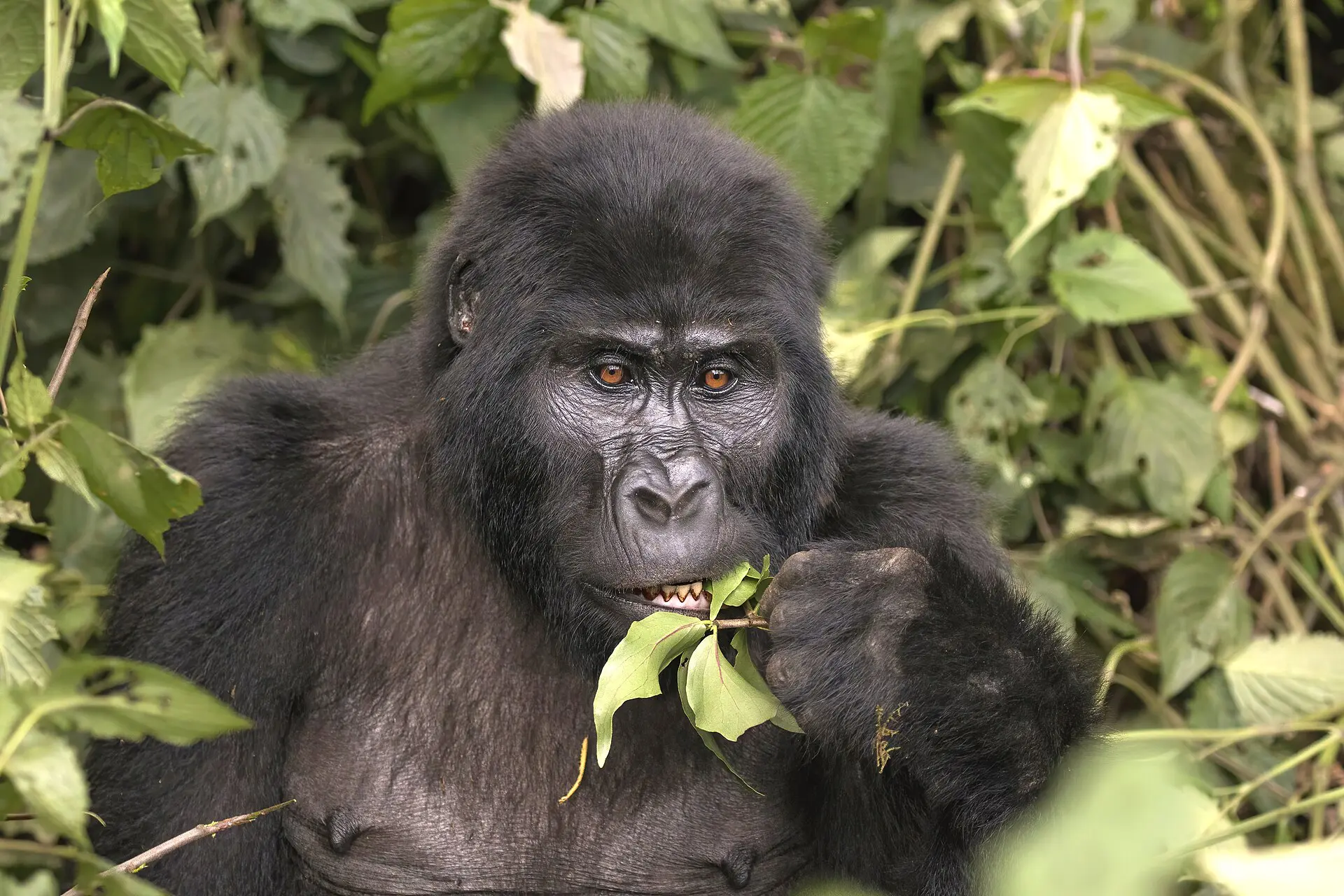
Buhoma is the oldest and has the most lodges. Ruhija is high and cool, with birdlife. Rushaga has the most groups and the best chance of a permit on short notice. Nkuringo is steep and remote, with long walks. If your knees or time are limited, ask for the easiest group available for your sector.
2. Book the permit
Order the permit before anything else, ideally 4 to 6 months ahead for June to September and December to February, and well ahead of that if you want a specific group. Flights and lodging can be rebooked. A permit usually cannot, or only at a cost. Read the refund terms.
3. Plan the road
Choose the road, the flight or the Kigali route according to your time and tolerance for rough roads. Add a night on the road if you drive from Kampala, so you are not starting a trek after 10 hours in a vehicle. Always have a day of margin for a washed-out road in the rains.
4. Attend the briefing
Rangers brief you on rules at the headquarters at about 8 a.m. You keep roughly 7 m from the animals, keep your voice low, never eat in front of them and turn away to cough or sneeze. A face mask is generally required near the group. Follow the guide’s instructions at all times.
5. The trek itself
Expect steep, muddy slopes, thick undergrowth and sometimes stinging nettles. Trackers go ahead; you follow with armed rangers and a guide. A porter can carry your bag and give a hand on steep sections, and the fee supports local households. Wear long trousers, gaiters or socks pulled over trouser legs, gloves and boots with grip.
6. The hour with the gorillas
You spend up to 60 minutes with the group. Light is dim under the canopy, so a camera that handles low light helps; flash is not allowed. If a gorilla approaches, stay still and let it pass. The guide will tell you when time is up. Do not move closer to get a better view.
7. The return and recovery
The walk back can be as long as the walk out, and the legs are tired. Keep water for the return, plan nothing demanding for the afternoon and have dry clothes at the lodge. Tips for rangers, trackers and porters are customary, but check the amounts with your operator.
Bwindi seasons and weather
- June to August and December to February: the drier windows. Trails are less slippery and roads are better. Permits sell out earliest.
- March to May and September to November: the wet seasons. Paths turn muddy, roads can be cut and treks are harder, but permits are easier to get and lodges sometimes discount.
It is a rainforest, so it can rain on any day. Pack waterproofs and a dry bag for the camera.
Fallback options if the plan fails
- Permit sold out: look at other sectors or other dates, or check the Mgahinga Gorilla National Park permits on the Ugandan side of the Virunga range.
- Road washed out: allow a spare day, or switch to a flight if one is available.
- You are ill on the day: you may be refused entry for the gorillas’ safety. Ask in advance whether the operator can move the permit date.
- Too steep or too far: ask for a nearer group, or hire a porter. Some operators also arrange assisted carry chairs, which should be confirmed in advance.
- Other primates: chimpanzee trekking in Kibale Forest is a cheaper, less exposed alternative.
Skip this if…
Skip gorilla trekking if you cannot walk 4 to 6 hours on steep ground, if you will be ill or if you expect a guaranteed, short, easy view. Skip it if you cannot spare two travel days each way by road. Do not choose a trip based on a permit you cannot afford to lose. I would not book the cheapest operator without checking what the quote includes: driver, fuel, park fees and lodging are the usual gaps.
Bwindi trip costs
All amounts are rough and in US dollars. Permit: about 700 to 800 USD as of 2026, verify current rates. Lodging near Bwindi ranges from basic rooms at about 50 USD a night to high-end lodges at several hundred. Driver and vehicle hire often costs 100 to 200 USD a day. A porter fee is typically small and tipping is customary. Add the cost of vaccinations, travel insurance and a yellow fever certificate, which Uganda requires for most arrivals. Medical evacuation cover is worth having.
FAQ about gorilla trekking
How much does gorilla trekking cost in Uganda?
The permit alone is about 700 to 800 USD as of 2026, so check the current rate. Add transport, lodging and food, and a short trip typically costs several thousand dollars in total. Self-organised trips are cheaper than packages, but need more planning.
How long do you spend with the gorillas?
Up to one hour at a distance of about 7 m, once the trackers have found the group. The trek to reach them is separate and can be anything from 30 minutes to over 6 hours. Do not plan anything tight for the day.
When is the best time for gorilla trekking?
June to August and December to February are drier, with firmer paths and better roads. The wet seasons are harder, but permits are easier to find and lodges can cost less. You can trek all year, so the real decision is mud versus availability.
How fit do you need to be for a Bwindi trek?
Fit enough to walk 4 to 6 hours on steep, muddy ground at around 2,000 m, with stops. Most healthy adults manage it. Porters help with bags, and rangers can often assign a nearer group if you ask when you book.
Is it safe to trek to the gorillas?
The main risks are slips and falls, road travel and disease transmission to the animals. Gorillas in habituated groups are used to people and follow set rules, with armed rangers present. Choose a reputable operator, wear sturdy boots and stay well if you want to keep your permit.