Solo female travel Morocco is very doable, and it goes best when you start in an easier city and build up to the medinas that demand more of you. Expect attention and persistent sales talk, mostly in the old towns, and plan for it with a few ready-made phrases. This guide covers when to land, where to sleep, eight places in a sensible order, how to meet people and what evenings look like.
Is solo female travel Morocco a good first trip?
It can be, with a gentle start. Morocco sits a few hours from Europe and has a good train network along the Atlantic side. It also has an intense street environment: narrow medinas, touts, constant offers and a lot of looking.
That attention is mostly irritating rather than dangerous, and it is easier to handle once you have a base and a routine. So the plan below starts in calmer cities and keeps the biggest maze for later. If this is your first solo trip anywhere, Morocco is a stretch; after one or two trips, it is a good choice.
Arrival card: when to land and how to get to your first bed
Pick a daylight arrival and book your first night before you fly. Arriving at 2 pm is better than arriving at 11 pm, because your first medina walk is the hardest and you want light and open shops for it.
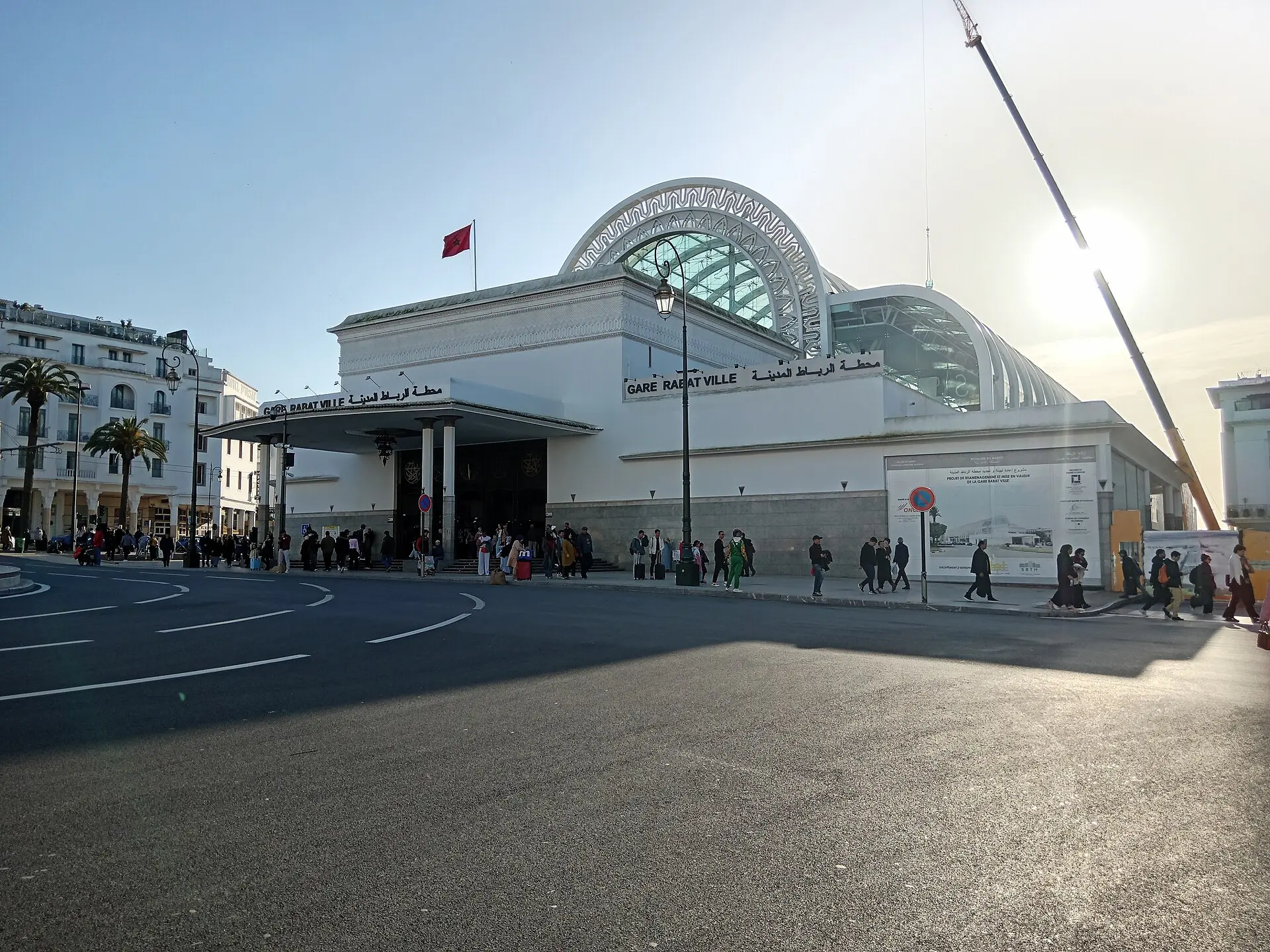
- Best arrival window: landing between roughly 9 am and 4 pm, so you check in at least two hours before dusk.
- Easiest first airport: Casablanca or Tangier for an onward train, or Marrakech if you have booked a riad that sends a driver.
- Ask your riad or hotel for a pickup. A driver with your name on a sign removes the first-hour haggle. Confirm the price in writing.
- Taxis: official petits taxis are meant to use a meter in cities, and many drivers will offer a flat price instead. Ask for the meter, or agree a fare before you get in. Grands taxis are shared and run set routes.
- Trains: ONCF runs the main lines, and the high-speed Al Boraq connects Tangier, Rabat and Casablanca. Buy tickets at the station or on the official site, and check times before you go.
- Medina last mile: most cars stop at a gate. Ask your host to meet you there, because medina addresses are hard to follow with a heavy bag.
A solo female travel Morocco route: 8 places in order
Start with places where you can walk freely, then move into the busier medinas. Check current train and bus times before you commit.
1. Rabat: the easy start
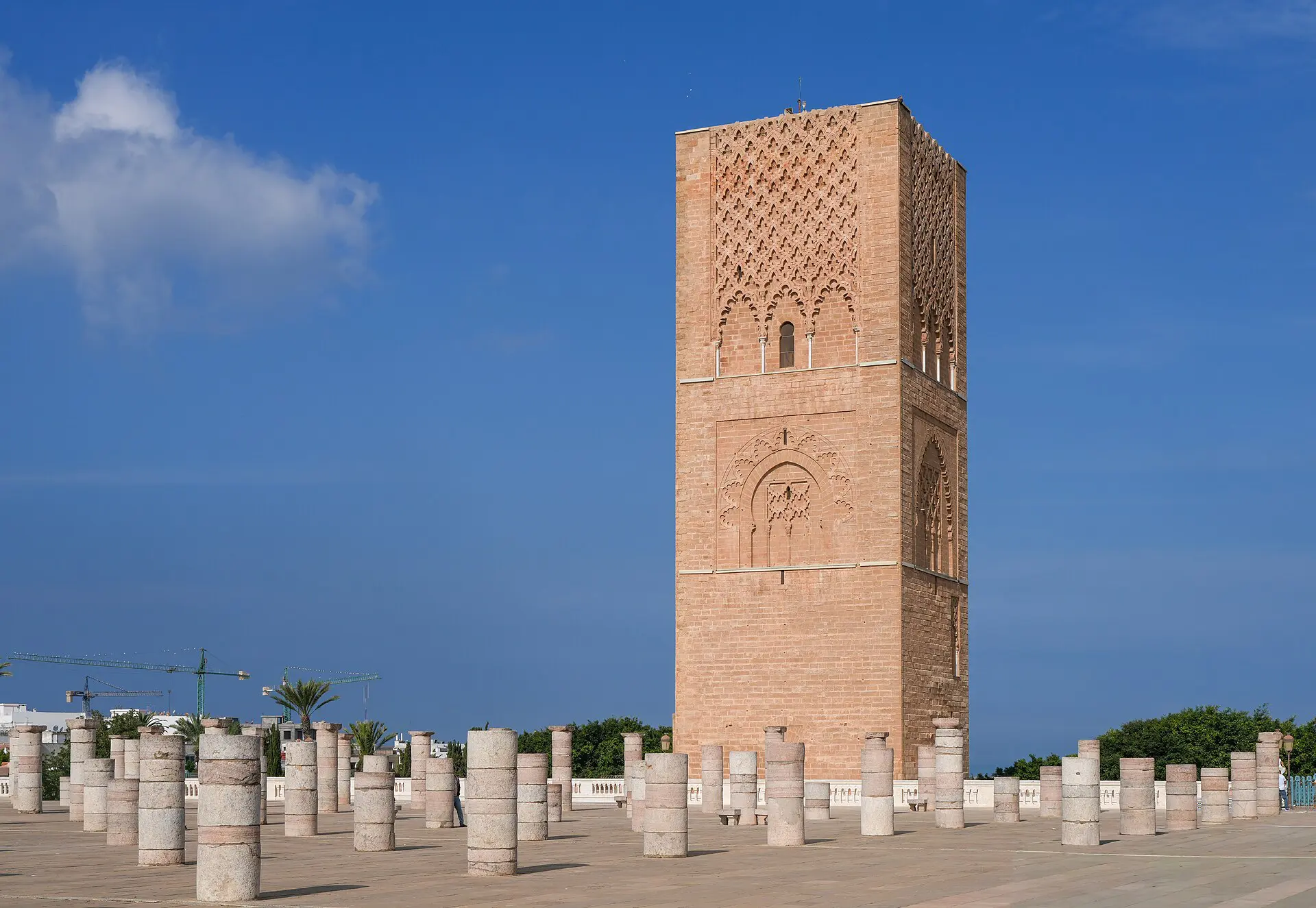
The capital is calmer than the tourist cities and has a more relaxed street feel, with fewer touts. It is very relaxed and hassle-free. Where to sleep: a guesthouse in or beside the medina, or in the Agdal district for restaurants and cafes. You can walk during the day and still ride home at night.
2. Essaouira: the coastal reset
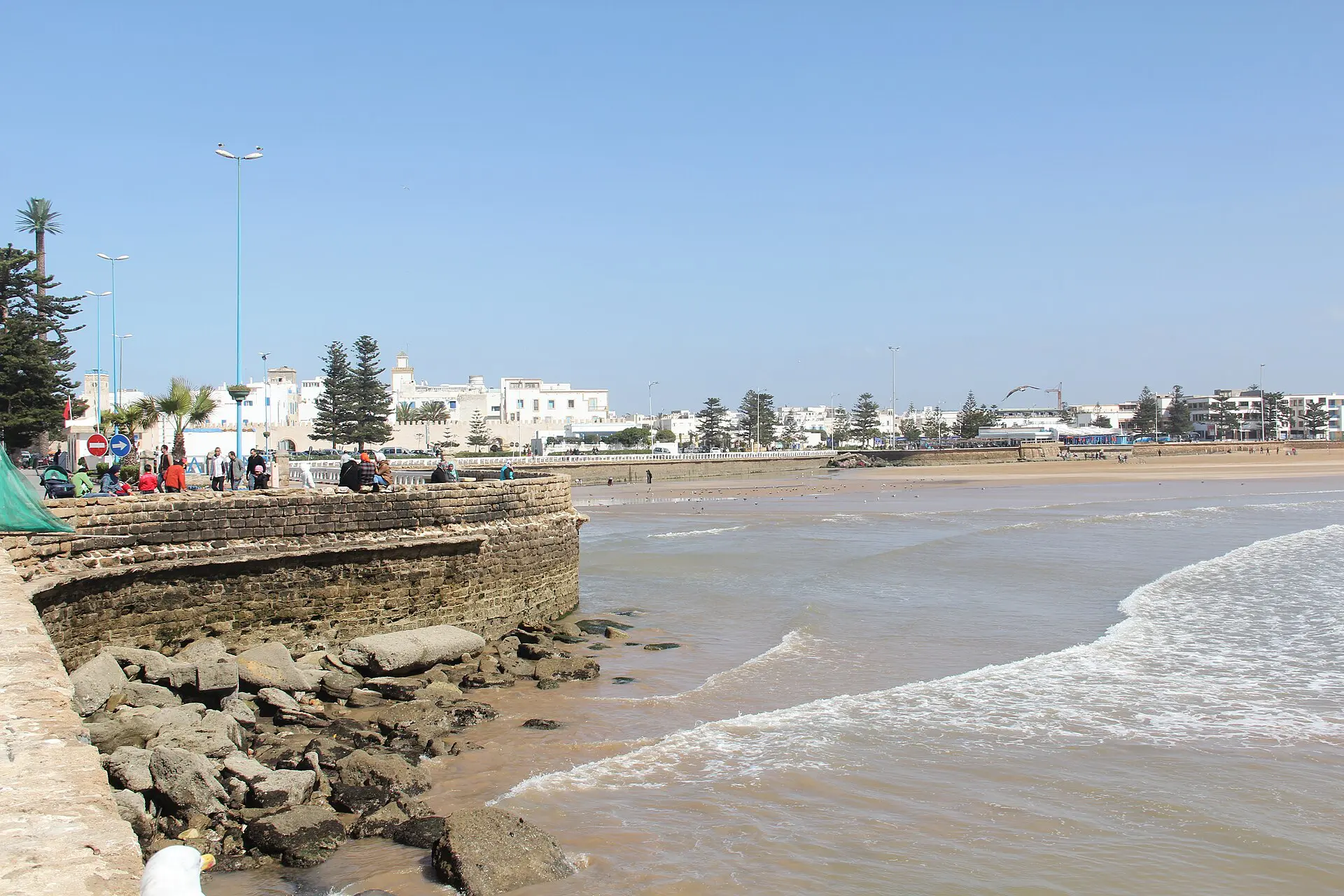
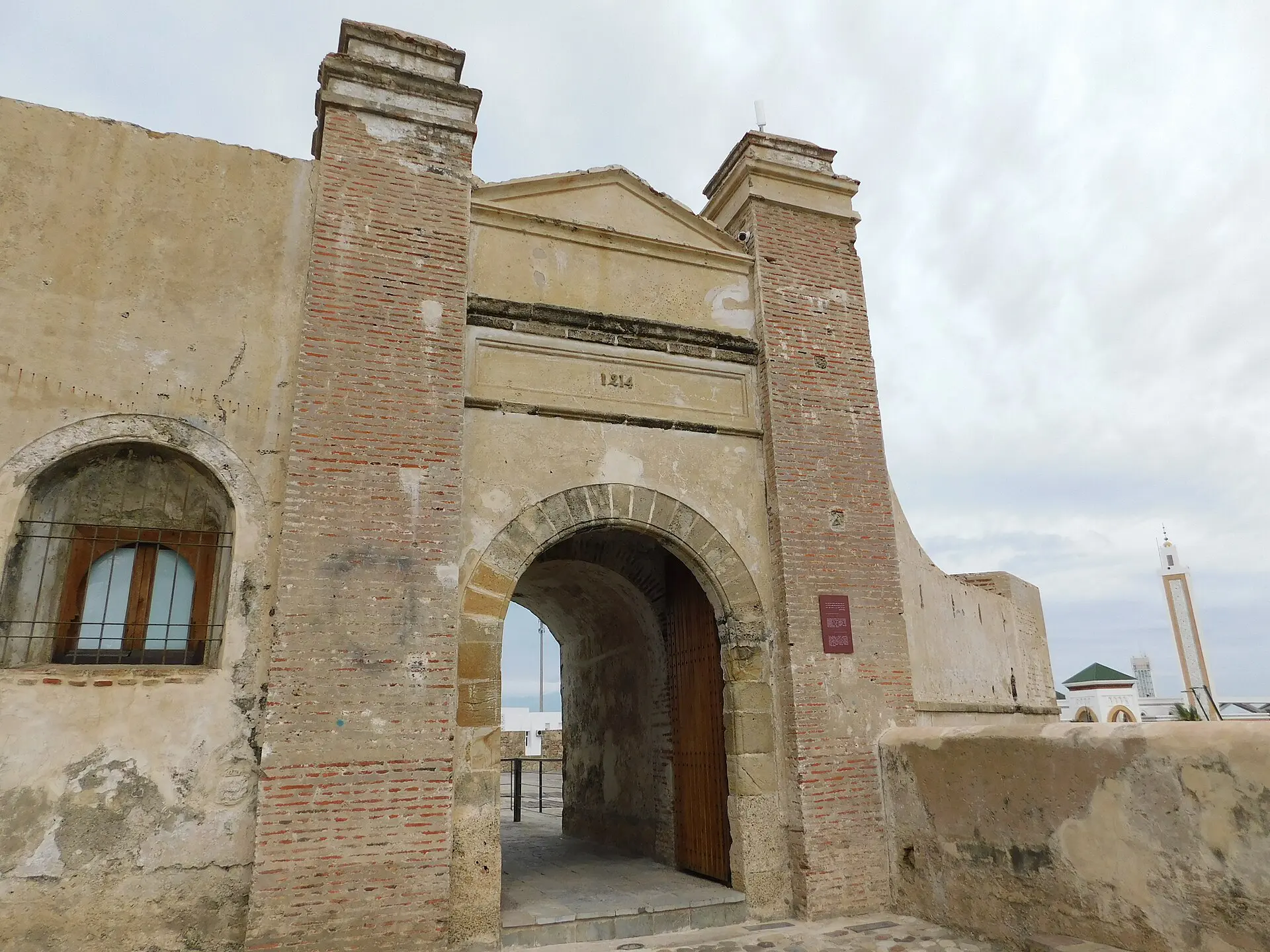
A small walled port on the Atlantic, with a compact medina, a harbour and a wide beach. It is windy, easy to navigate and the sellers are generally less pushy than in the big cities. Where to sleep: inside the medina, near the main square or the ramparts, so you can walk to the harbour at sunset.
3. Chefchaouen: a slow blue town in the Rif
A small mountain town where you can walk the medina in an hour and then keep walking up the hills. It is popular with travelers, so it is easy to meet people. Where to sleep: a small guesthouse in the medina, on a lit lane close to a main square. Nights are cold in winter, so ask about heating.
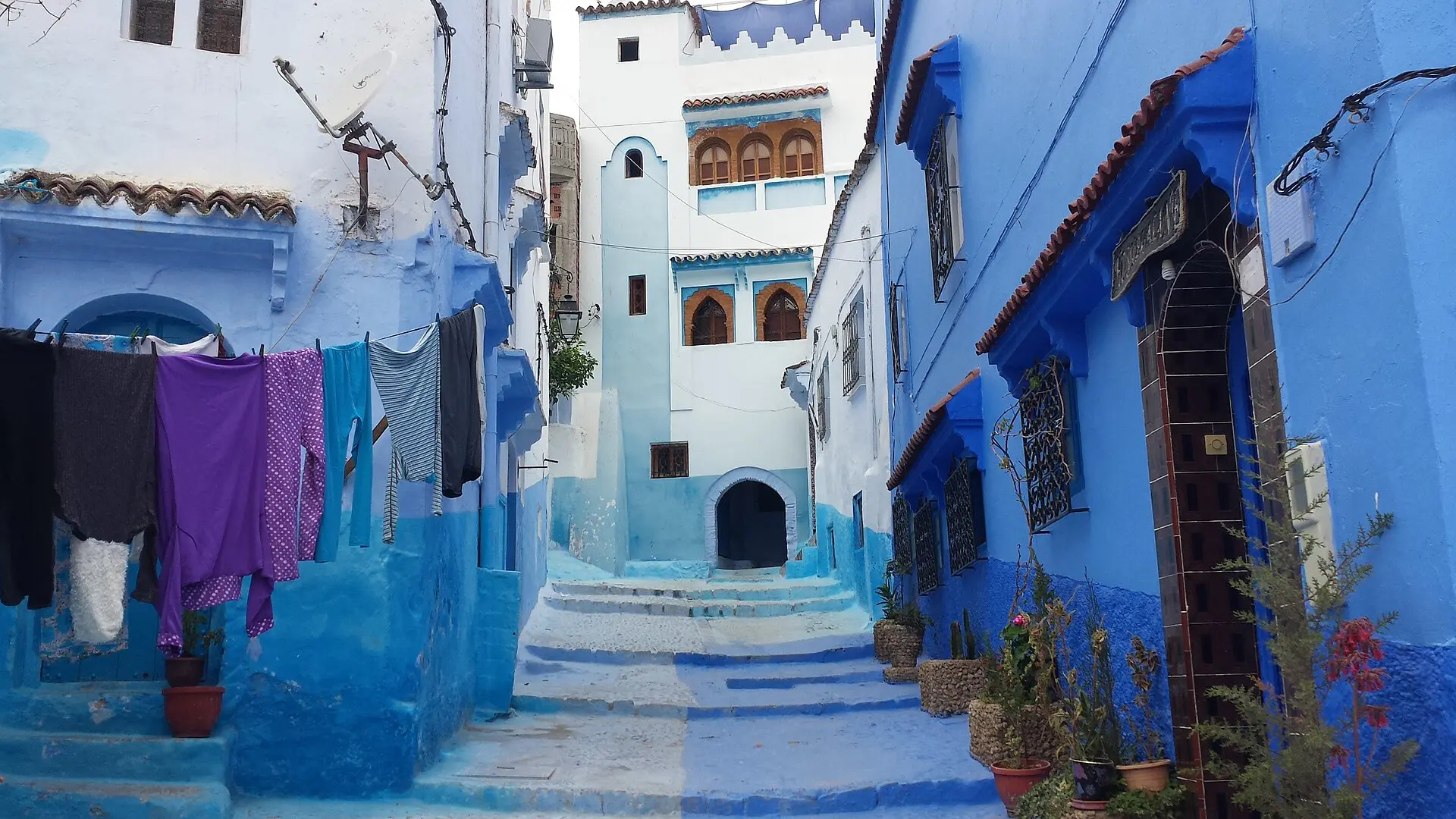
4. Tangier: the Mediterranean gateway
The ferry port for arrivals from Spain and the start of the Al Boraq line south. The old medina and kasbah suit a day or two. Expect more street attention near the port. Where to sleep: a medina or kasbah guesthouse with a host who gives clear directions, or a hotel on the newer streets above the old town if you want straightforward walking at night.
5. Fes: the big medina
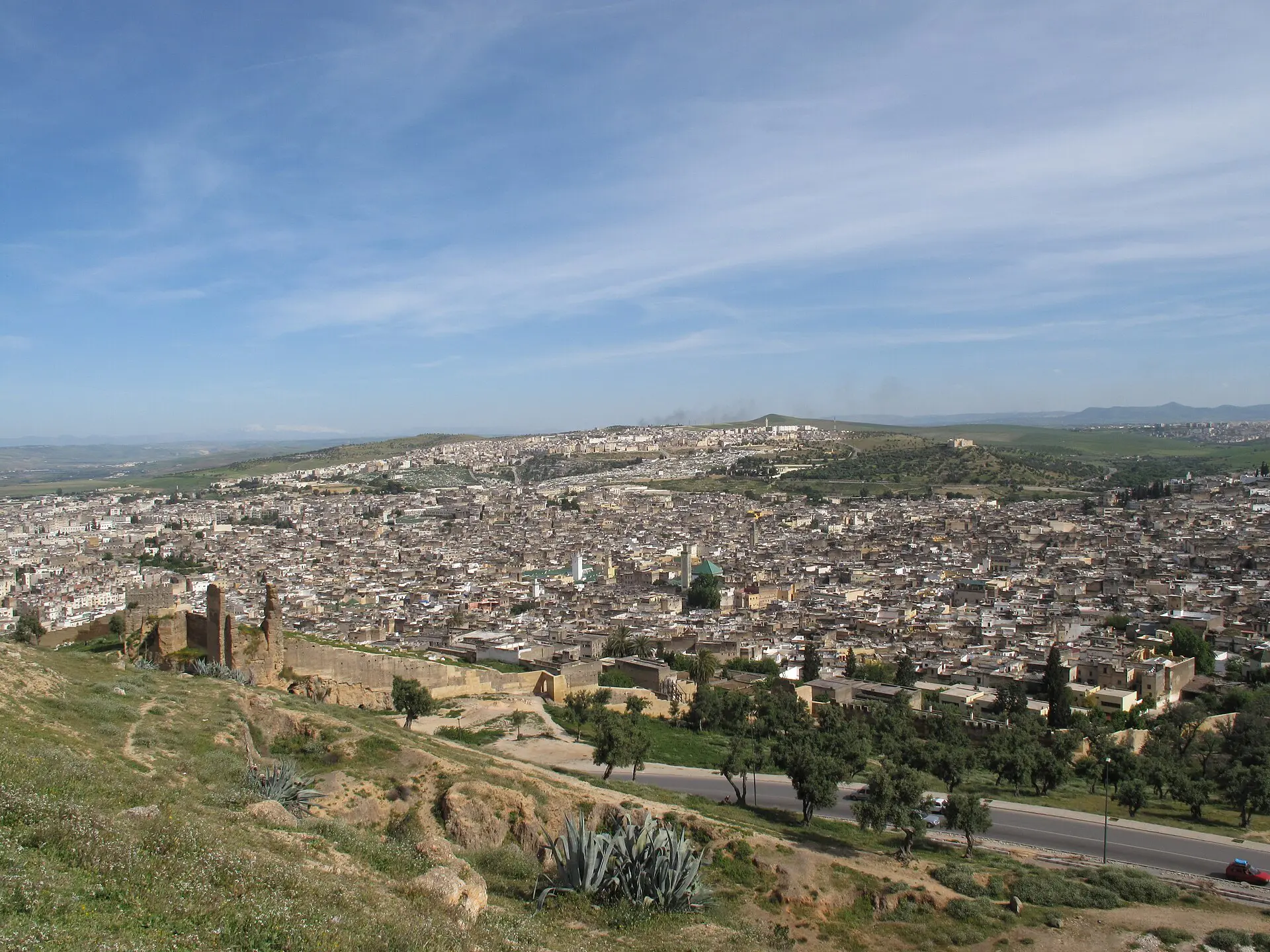
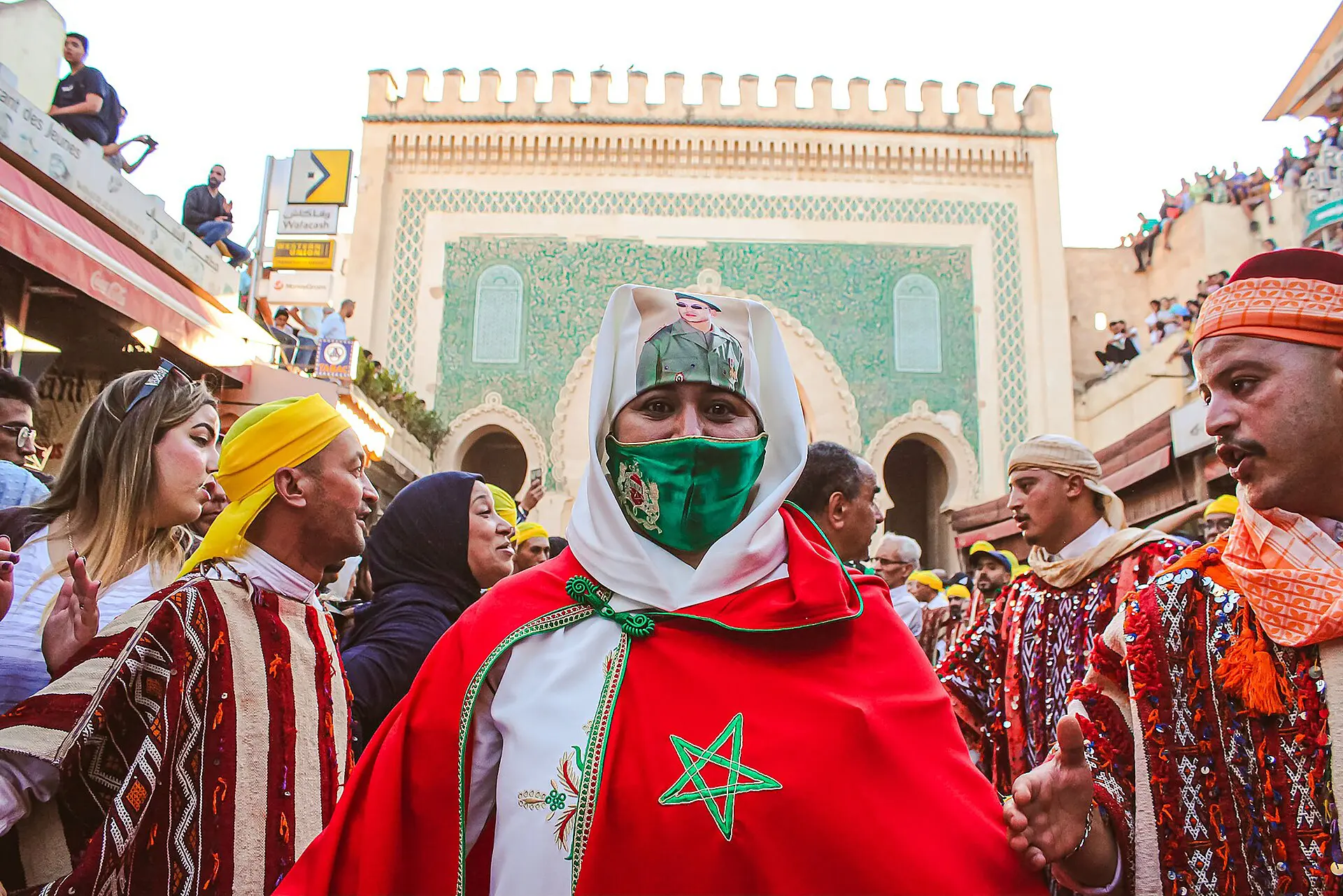
Fes has the oldest university in the world, in its well-preserved old city, and one of the largest car-free medinas anywhere. It is also where people most often get lost, and where unofficial guides are most insistent. Where to sleep: a riad near a main gate rather than deep in the maze, and ask for an arranged first walk.
6. Meknes: Fes without the crowds
It is a modern, laid-back city and a welcome break from the tourist crush of neighbouring Fes. The Roman ruins at Volubilis lie about 30 km north. Where to sleep: a guesthouse near the medina, and visit Volubilis on a day trip.
7. Marrakech: the busiest one
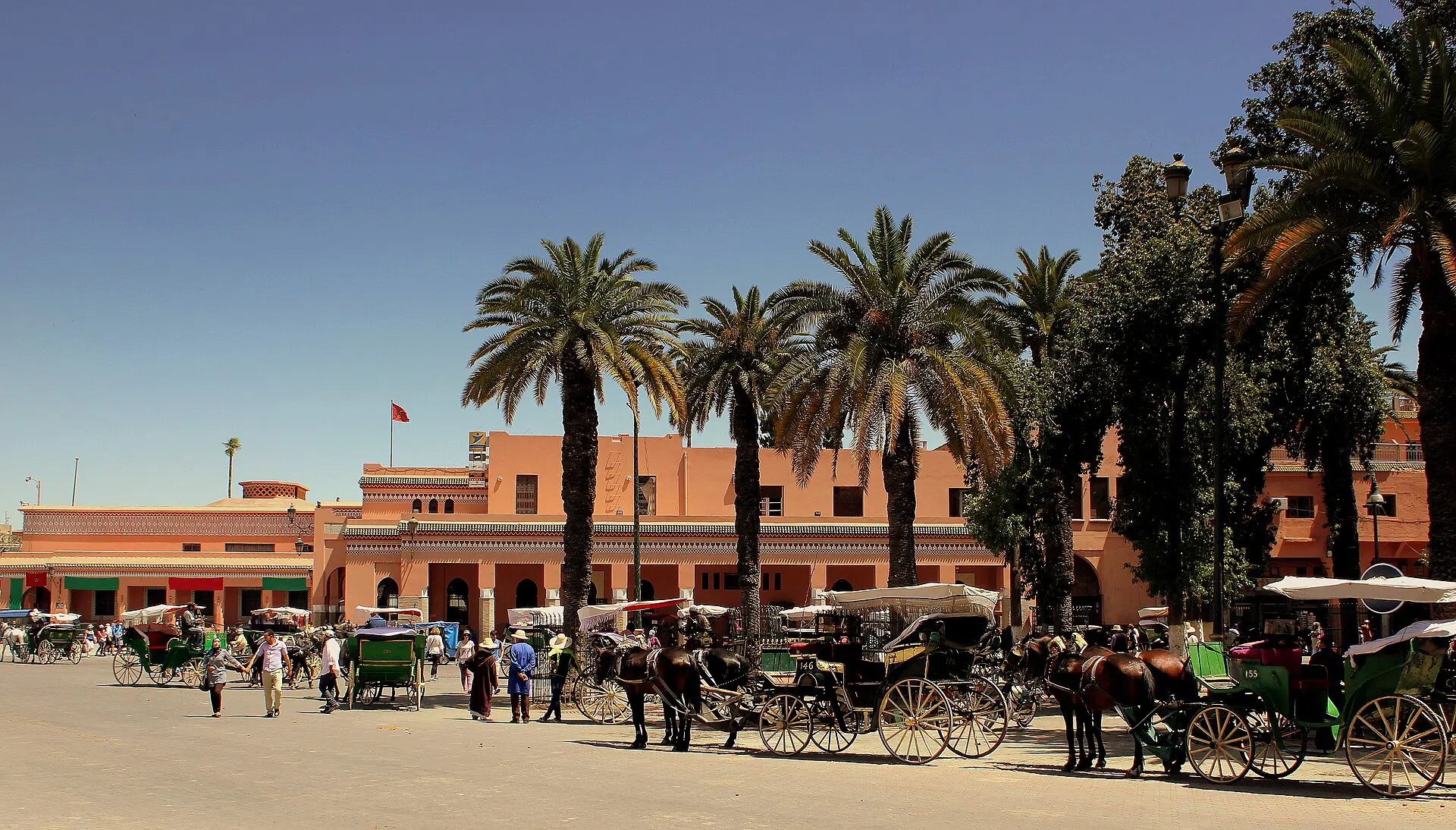
Plan at least a few days in the medina, and it is wise to save it until you have used the earlier cities as practice. The great square, Jemaa el-Fna, is at its best and most intense at dusk. Where to sleep: a riad in a residential part of the medina with a lit approach, or a hotel in the newer city, Gueliz, if you prefer cafes and wide pavements. Book a half-day guide for your first walk.
8. Ouarzazate and the desert edge: go with a group
Ouarzazate is the gateway to the south and the film studios, and the Sahara edge at Merzouga is where most travelers book camel and 4×4 nights. This is the one section where I would book a reviewed small group rather than go alone. Where to sleep: a hotel or guesthouse in town, then a camp booked through an established operator with recent reviews from solo women.
Getting around Morocco alone: day and night transit rules
Trains are the easiest way between big cities. Seats are assigned, stations are busy and the lines run along the Atlantic coast from Tangier through Rabat to Casablanca and on to Marrakech. For places the rail line does not reach, use CTM or Supratours buses, which sell tickets at a counter, and keep a daytime departure.
- Day: use trains and buses between cities, and walk or take a petit taxi within them.
- Night: take a taxi door to door after dark, even for short distances, and have your host call one for you. This is the single rule that removes most late-evening hassle.
- Shared grands taxis: you pay per seat, and the driver waits to fill the car. It is fine to ask for the seat you prefer.
- Long-distance buses at night: I would skip them, and book daytime seats instead.
- Medina navigation: save an offline map before you arrive, and use landmarks such as a gate, a mosque or a main street instead of street names. If you are lost, ask a shopkeeper or a woman with children rather than a young man who has just offered to show you the way.
How to meet people when you travel alone in Morocco
Start with low-pressure options for solo female travel Morocco trips, and book fixed plans for the evenings you want company.
- A cooking class or a medina walk: small groups, a fixed price and a host. These are easy entry points in Fes, Marrakech and Essaouira. Book through your riad or a reviewed operator.
- A hammam: many riads can book a women’s session that suits visitors. Ask what is included.
- Riad breakfast tables: a riad with a communal table gives you the same people each morning.
- Surf and yoga in Essaouira: small classes and mixed groups.
- A day trip with a small group: the Atlas valleys or Volubilis, shared with 5 to 8 other travelers.
What to do after dark in Morocco
Evenings are usually social rather than solitary, but the streets change after sunset. Cities stay lively late, and during Ramadan people eat and socialise after sunset.
- Eat early or eat at your riad. Many riads serve dinner on request, and it is often a good meal at a set price. Ask in the morning.
- Walk only on lit, busy streets, such as a main square in the early evening, and take a taxi home as soon as it thins out.
- Cafes and rooftop terraces are more relaxed than bars. Choose places with mixed groups.
- Plan your return before you leave: ask the venue to call a taxi.
For what to order at dinner, see the guide to Moroccan food, market timing and table etiquette.
Boundary scripts for medinas and unwanted attention
Most unwanted attention is repetition, not threat. A short, calm script that you can say without thinking works better than an argument.
- Touts and guides: “La, shukran” (no, thank you), then keep walking at your pace. Do not stop to explain.
- “Where are you from?”: you can answer or not. “I am meeting a friend” or “I am staying nearby” closes it without lying about where you sleep.
- Someone walking beside you: “Please stop” in a clear voice, or step into a shop or cafe and wait. Shopkeepers usually move the person on.
- Persistent following or touching: speak loudly, in English or French, and say, “Leave me alone.” Bystanders, especially other women and families, tend to step in.
- Shopping pressure: “I am only looking.” You owe nobody a sale.
- Taxi quotes: “Meter, please”, and if the answer is no, get out and flag another.
Dressing in loose, lightweight clothing that covers shoulders and knees draws less comment, especially in medinas and smaller towns. In beach towns such as Essaouira, you will see a wider mix.
Budget bands for Morocco as a solo traveler
For solo female travel Morocco budgets, expect moderate costs by European standards, with a big spread between a hostel bed and a riad. Treat these as rough bands as of 2026 and check before you go.
| Style | Sleeping | What it buys |
|---|---|---|
| Budget | Hostel dorm or simple guesthouse | Shared rooms, a communal breakfast, trains and buses, street food and cafe meals |
| Middle | Private room in a riad or small hotel | A room with a good lock and a host, riad dinners, a guide for one day, a hammam |
| Comfortable | Boutique riad or hotel with a driver | Door-to-door transfers, small-group trips, a private guide in Fes or Marrakech |
The biggest solo saver is a shared taxi or train in place of private transfers. The biggest solo spend worth making is a safe, central bed.
Practical safety built in
These habits are specific and easy to set up before you land.
- Share your plan. Send your riad details and train times to someone at home, and update them when you change cities.
- Use a zipped cross-body bag, worn in front in crowds.
- Settle prices first. For guides, carriage rides, camel treks and taxis, agree the price and what it includes before you start.
- Be wary of strangers who say a street is closed, then offer to lead you elsewhere. Check with your host.
- Carry a copy of your passport, and check your government’s current advice and entry rules before you go.
- Leave if it feels wrong. Step into a shop or hotel lobby and ask for a taxi.
For background on the country, see the Morocco travel guide and the Wikivoyage article on Morocco.
Solo female travel in Morocco FAQ
Is Morocco safe for solo female travelers?
Many women travel there alone. The usual problem is unwanted attention and persistent offers, not violent crime. Pick central accommodation, take taxis after dark, dress modestly in medinas and use a firm, calm no. Check your government’s current advice before you go.
Which city should I visit first in Morocco?
Rabat or Essaouira are good first stops, because they are calmer and less hurried than Marrakech or Fes. Tangier works if you arrive by ferry, and Chefchaouen is easy for meeting travelers. Save the big medinas for when you have your bearings.
What should I wear in Morocco as a woman?
Loose, lightweight clothing that covers shoulders and knees is the most comfortable in medinas and smaller towns, and it reduces comment. You do not need to cover your hair. In beach and resort areas, the dress code is more relaxed. Bring a scarf for sun and for cooler evenings.
Do I need a guide in the Fes medina?
For the first walk, yes, it helps. Arrange one through your riad or a reviewed operator at an agreed price rather than accepting a street offer. After a half day you will know the main routes, and you can explore alone by day using an offline map.
Can I travel alone in the Sahara?
Book a desert trip through an established operator with recent reviews from solo travelers, and choose a small group. Ask about camp security, the sleeping setup and who else will be there. Avoid informal offers made in the street, and share the details with someone at home.