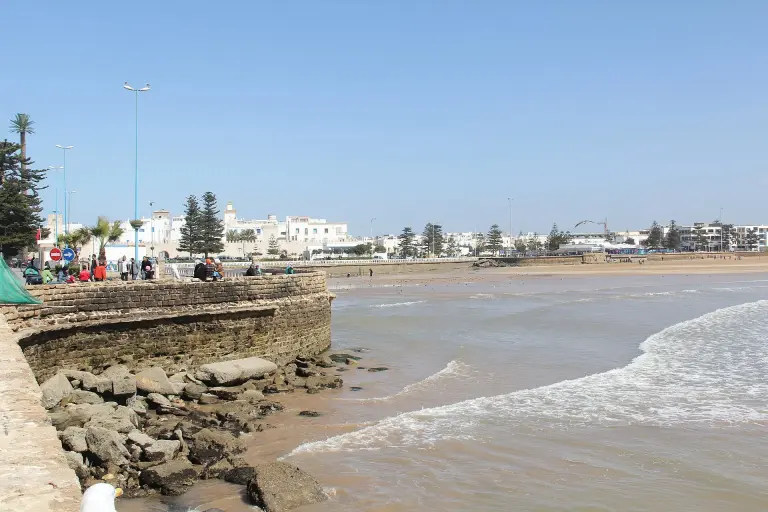
Taghazout suits a Taghazout digital nomad who wants a small Atlantic surf village, a slow routine and Agadir within reach for supplies. It is not a city base: connectivity varies, the village is changing fast and options for coworking are limited. It fits people who work flexible hours and surf or walk the coast. It is a weaker fit if you need rock-solid internet, a large social scene or fast access to services. Below: costs, areas, work setups and a first-week test.
Taghazout digital nomad budget: one month
These are rough ranges in US dollars for one person, as of 2026. Morocco uses the dirham, and prices swing with the surf season and with how close to the beach you stay. Check current listings.
| Item | Range (US$ per month) |
|---|---|
| Furnished apartment or room, monthly rate | 350 to 800 |
| Utilities, if not included | 20 to 60 |
| Home internet or mobile data | 20 to 50 |
| Groceries and local meals | 150 to 300 |
| Cafes, restaurants and juice stops | 100 to 300 |
| Transport (bus, shared taxi, Agadir trips) | 20 to 70 |
| Surf lessons or board hire (optional) | 0 to 200 |
| Total | about 700 to 1,600 |
Winter is the busy surf season, and rents tend to rise with demand, so ask for a monthly discount and book early for those months. Line-ups are also busy over the Christmas break, so a December month may cost more and feel more crowded than a quieter spring one.
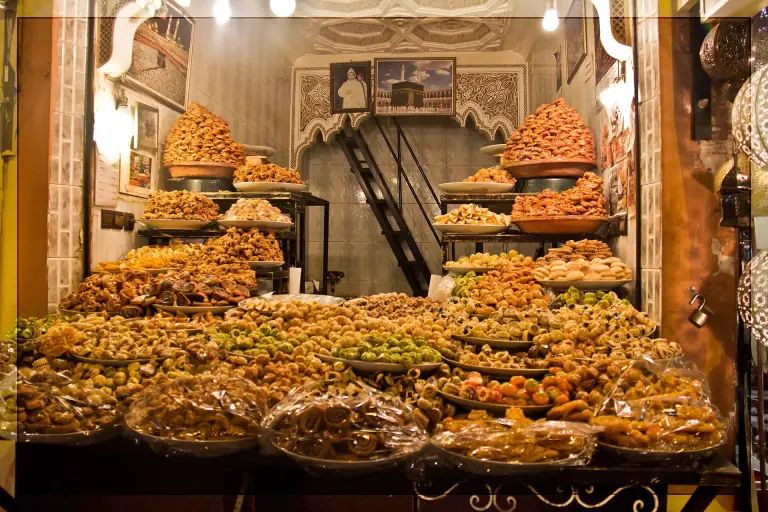
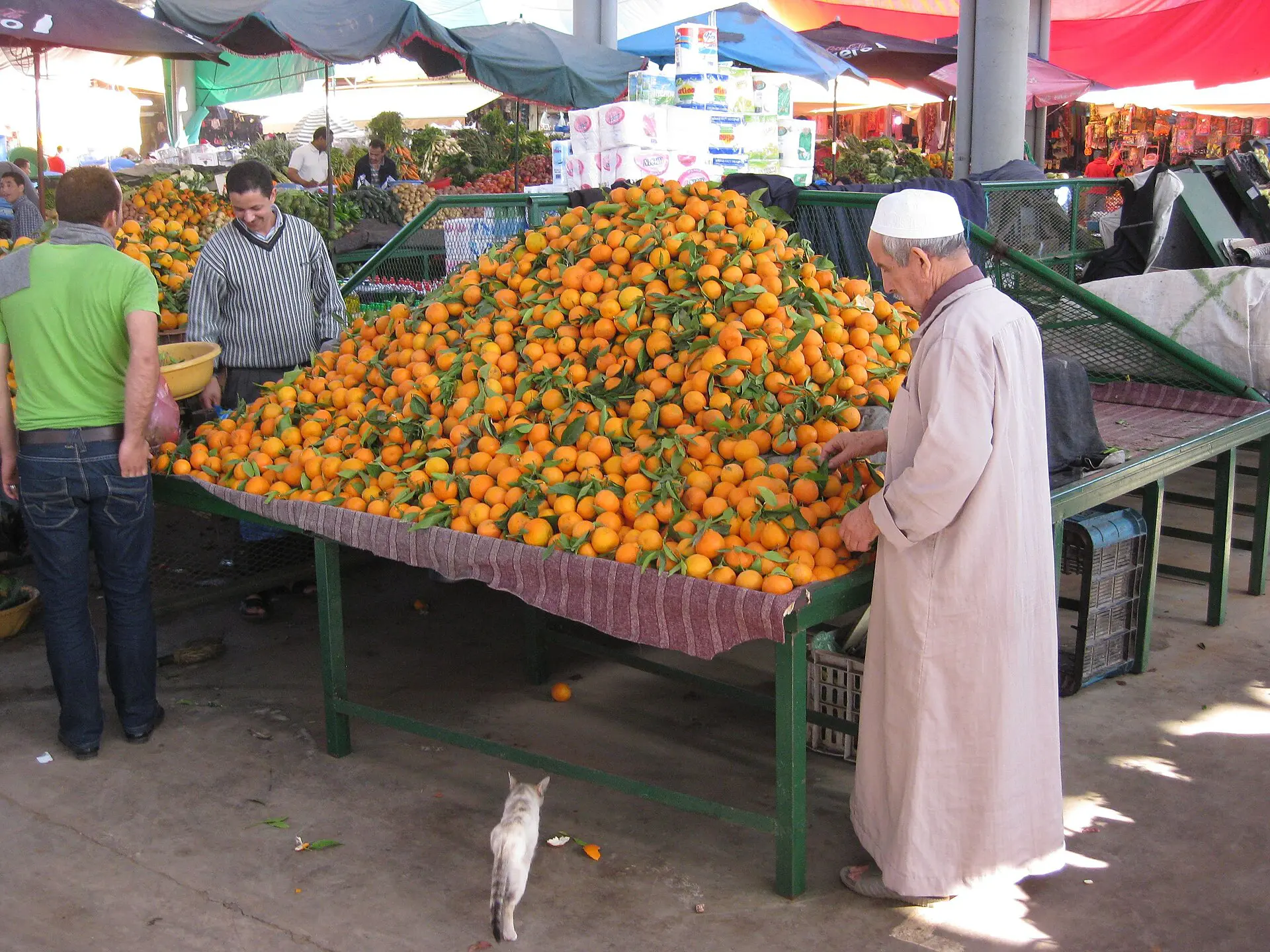
Food keeps costs down. Local tagines, grilled fish and fresh juice are cheap by European standards, while imported groceries and alcohol cost more and are harder to find in a small village. Shops in Agadir offer a wider choice.
Where to base yourself in Taghazout
Wikivoyage describes Taghazout as a small port about 20 km north of Agadir, under heavy development and merging with the neighbouring villages of Tamraght and Aourir. The village itself is walkable. Everything below depends on the season, so confirm availability and noise levels for your dates. Here are six options by work style.
The village centre
Best for walking to the beach, cafes and shops. Expect noise from the main street and the call to prayer, and test the internet, since older buildings vary.
Near Anchor Point
The headland to the north offers views of the bay and one of the area’s best-known surf breaks. Good for surfers who want the break outside the door, though facilities are thinner.
Near Hash Point
Closer to the village and a popular surf spot. A middle option between convenience and a short walk to the water.
Panoramas and the southern stretch
A quieter coastal area with views and a gentler pace, and a walk or short ride to the centre.
Tamraght
The next village south, usually cheaper and more local, with a growing surf crowd. Good for a longer budget stay, with a short taxi or bus ride to Taghazout.
Aourir and Agadir fallback
Aourir is a larger local hub with shops and services. If you need reliable infrastructure, a base in Agadir itself is the fallback, with a bus to the surf villages.
Work-friendly spots in Taghazout by type
We are not naming specific places. We have not tested any, and village cafes change hands quickly. Look for these types and test them yourself.
- Coworking spaces: a few small ones may exist in the surf villages, often attached to surf houses. Ask about day passes, speed and backup power.
- Cafes: rooftop and beach cafes are common. Check for sockets, shade and wind, and avoid working from a sunny terrace at midday.
- Surf house common rooms: some offer desks or quiet corners for guests. Ask about hours, and whether quiet time is respected during lessons and group meals.
- Apartment desk: the most predictable option, if you test the router on arrival.
Internet and power in Taghazout: what to check yourself
Connectivity is the main risk here. Home fibre or ADSL may or may not be available, and mobile data coverage can vary between the village, the headlands and the next village. Ask the host which provider serves the building, and run a speed test on your own device at the hours you work, including a video call.
Carry a second connection, such as a local SIM with a data plan, and a power bank. Morocco uses 220 V sockets of the European type. Wind and weather can affect rooftop equipment, so have a plan for important calls, such as a backup cafe or an Agadir day.
Visa and stay length for Taghazout
Rules depend on your passport and change, so verify them with the official Moroccan government source or a consulate before you book. Many nationalities can enter Morocco without a visa for around 90 days, while others need a visa in advance. Morocco does not, as far as we know, offer a widely used digital nomad visa, so confirm current options. Check also whether working remotely is allowed under your entry status. See the Morocco travel guide for the wider picture.
Routine and recovery on the surf coast
The surf-and-work routine is simple: an early session when conditions suit you, a focus block in late morning, lunch, a second block and a sunset walk. Surf conditions change by season and tide, and some breaks are for experienced surfers only, so ask local instructors and check current advice. Autumn through spring is usually the main surf season, but conditions vary, so confirm locally.
Do not plan a heavy surf schedule on your first days. Cold Atlantic water, wind and fatigue add up, and a long session can leave you too tired for the afternoon block. Keep sessions short at first, and put calls at set times.
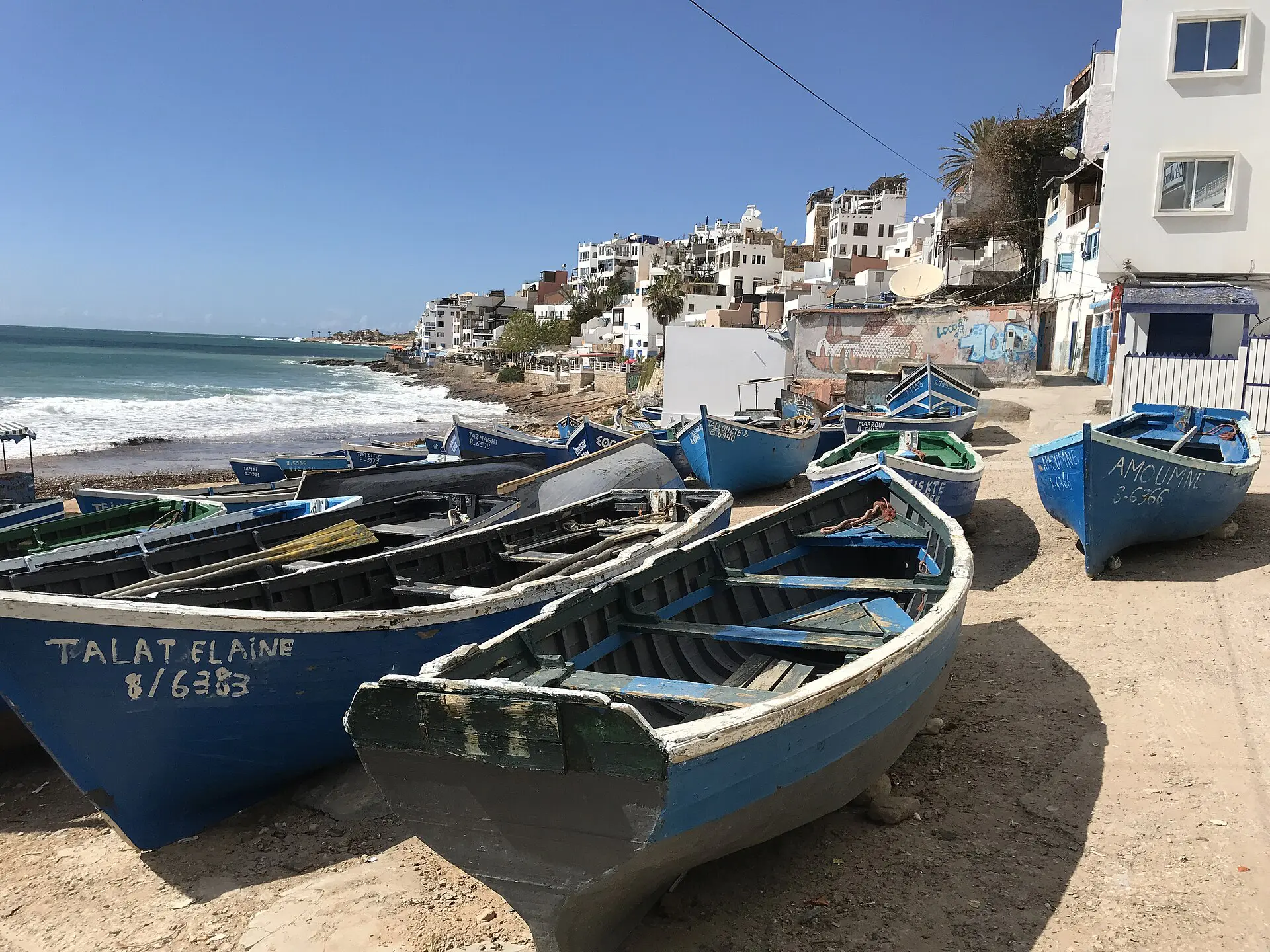
Taghazout has a Berber fishing heritage, and fishing, tourism and argan oil are the main sources of income. Respect local dress norms in the village, and check opening times during Ramadan, when daily life shifts.
Getting around is easy. Local buses 32 and 33 run between Agadir and Taghazout about every 30 minutes, with a fare of around 7 dirham, and shared or private taxis serve the rest. Check current schedules and prices, and note that the taxi from Agadir airport costs more than the bus, so agree the price first. I would keep a weekly Agadir trip for groceries, banking and a bigger-city break.
Test Taghazout in your first week
- Speed-test your accommodation in the morning and evening, and run a video call.
- Try a mobile SIM in several parts of the village and note the signal.
- Work from a cafe and a coworking day pass.
- Check noise at night and at dawn.
- Test hot water and wind on the roof or terrace.
- Ride the bus to Agadir once and time the trip.
- Confirm your visa stay length.
A Taghazout digital nomad month goes better when you have run this list before a deposit.
FAQ about the Taghazout digital nomad life
Is Taghazout good for digital nomads?
It suits flexible workers who value surf and a slow village routine. Connectivity and services can be uneven, and the area is changing quickly. Test internet and have a backup before committing to a month.
How much does a month in Taghazout cost?
A single remote worker could budget roughly US$700 to 1,600 including a furnished flat, food and transport. Rents rise in the busy surf season. Prices change, so check current listings and dirham rates.
How far is Taghazout from Agadir?
About 19 to 20 km north of Agadir, roughly 45 minutes by local bus. Taxis are quicker. Check current fares and schedules. Agadir airport is the usual entry point, and Marrakech and Essaouira are alternatives, with Marrakech about a long bus ride away. Souk to Surf shuttles run from Marrakech and Essaouira, so check whether they run on your dates.
Can I stay in Taghazout for three months?
Many visitors can enter visa-free for around 90 days, but it depends on your passport and current rules. Verify the allowance with the official Moroccan source. See the Taghazout guide or Wikipedia for background.