Where to stay in Tokyo as a solo traveler? Choose a base within a short walk of a major rail or metro station. Asakusa and Ueno suit first-timers on a budget, Shinjuku and Shibuya suit anyone who wants nightlife and easy connections, and Ginza or Tokyo Station suit a calm, polished stay. Below: the areas compared, how to arrive, and what the evenings look like.
Getting to Tokyo and arrival-time advice
Tokyo has two main airports. Haneda is close to the city, and trains or buses reach central areas in roughly 20 to 40 minutes. Narita is further out, and express trains or buses take roughly 60 to 90 minutes. Check current timetables, because services change.
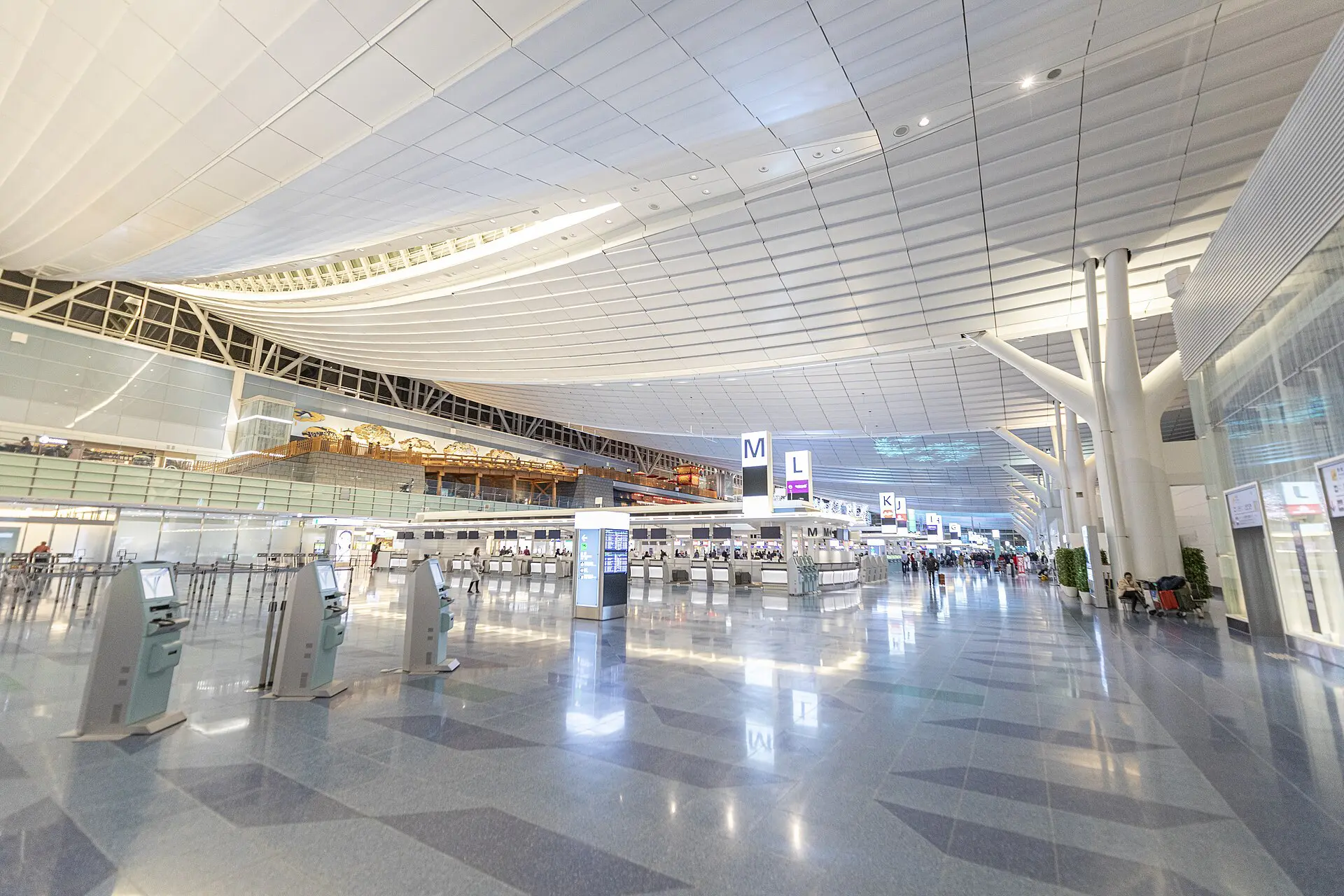
Arrival card:
- Before about 9pm: take the train or an airport bus to your area and walk to the room in light and with crowds around you.
- 9pm to midnight: trains still run, but Narita connections thin out. Check the last service before you board, and keep the address on your phone.
- After midnight: trains stop around then. A taxi from Haneda is practical, a taxi from Narita is expensive, so many people book a hotel near the airport for a late landing instead.
Where to sleep in Tokyo: areas compared
The answer to where to stay in Tokyo starts with one fact: it is a set of hubs, not one centre. The rule that matters most is to pick a hub where you can reach your bed on foot after the last evening train. Here is how the main ones compare for solo travelers.
| Area | Best for | At night | Trade-off |
|---|---|---|---|
| Asakusa | First-timers, hostels, temples | Quiet by 10pm, short walks | Few late bars, a slower start to the day |
| Ueno | Museums, Narita arrivals, budget | Busy station, calm park edge | Some rougher side streets near the station |
| Shinjuku | Nightlife, transport hub | Very busy, very lit | Huge station, loud east side |
| Shibuya and Ebisu | Food, shopping, social scenes | Lively until late | Higher prices, crowds |
| Ginza and Tokyo Station | Quiet comfort, shinkansen | Empty and calm after offices close | Highest prices, little social life |
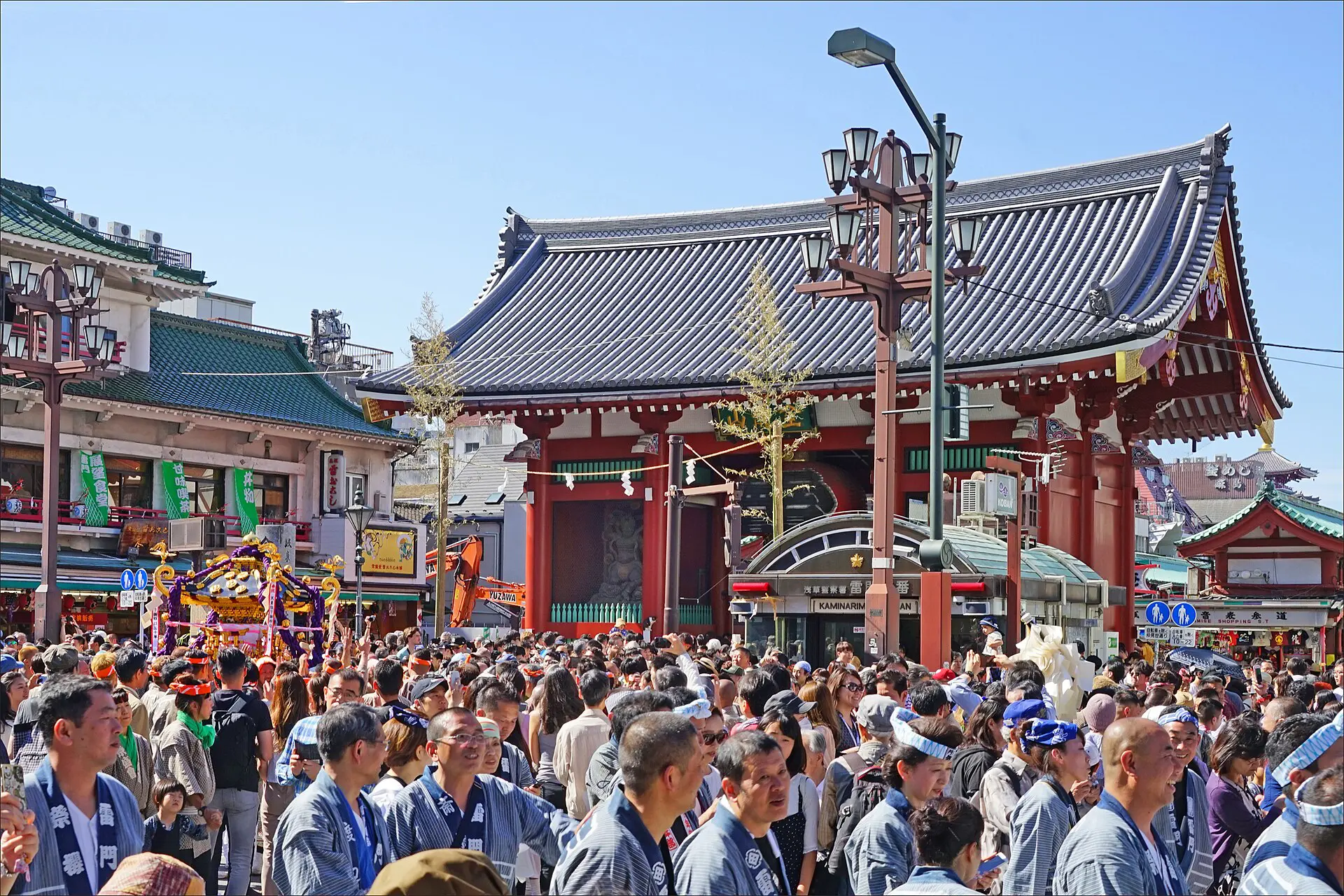
For a first trip, I would pick Asakusa or Ueno if you want hostels and low prices, and the west side of Shinjuku if you want connections and nightlife. Stay on the lit, busy side of any big station and avoid booking a bed in an alley that takes ten minutes to reach.
Capsule hotels and hostels often have women-only floors or dorms, which is a simple way to get low prices with extra privacy. Check the listing before you book.
How to meet people in Tokyo without pressure
Start with the easiest options. Hostel common rooms and organised events in Asakusa and Ueno are where many solo travelers swap tips. Food tours and cooking classes put you in a small group with a clear task, and a walking tour on day one gives you a map and some company. Izakaya counters and ramen counters are built for one person, so you can eat alone and talk if you want.
If someone is pushy, “Thanks, I’m meeting someone later” is enough. Staff at the front desk can also help with polite exits.
Six things to do alone in Tokyo
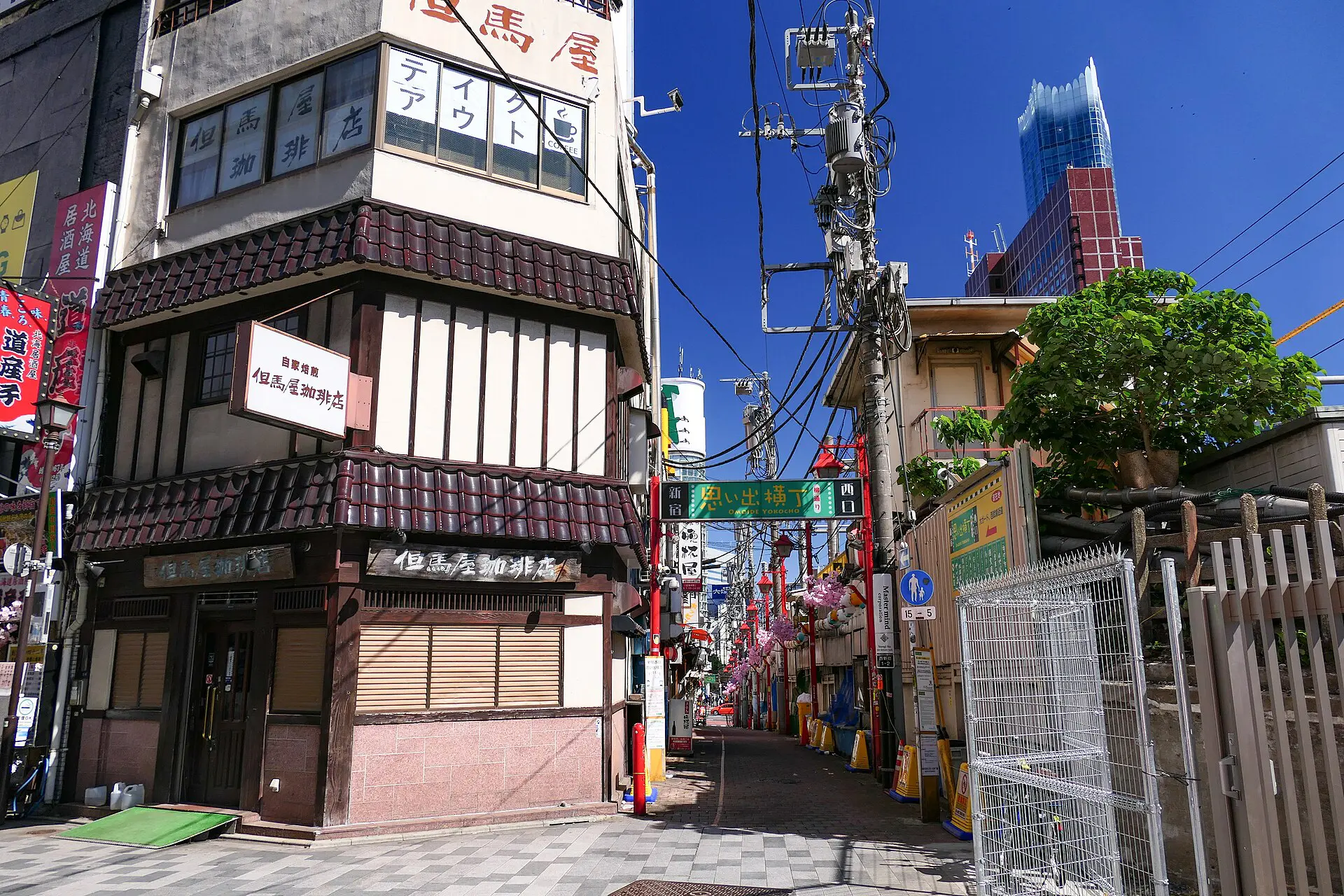
Senso-ji and the Asakusa backstreets
Go early, before the crowds, then explore the quieter lanes. It is an easy first morning and close to hostels.
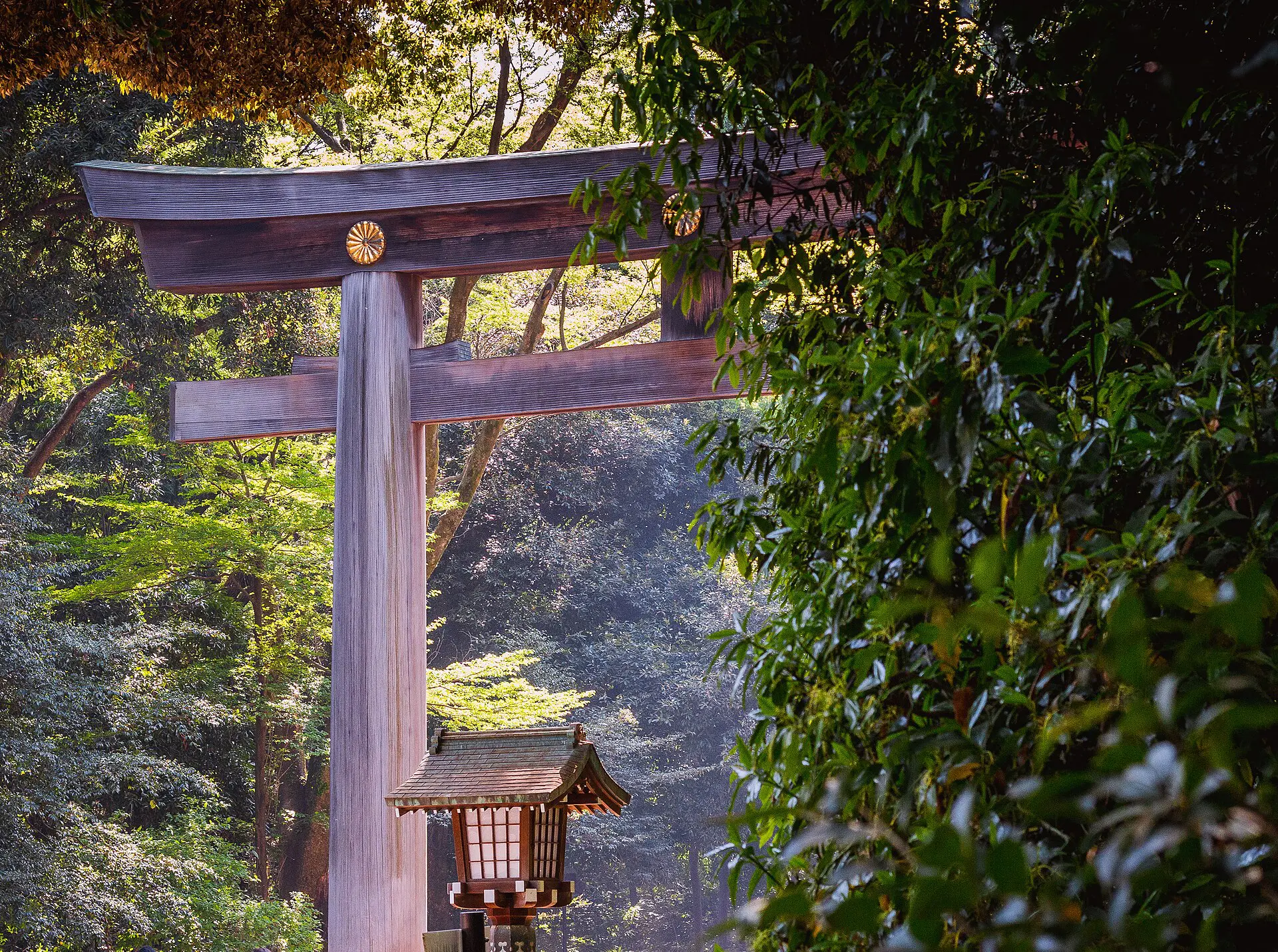
Meiji Shrine and Yoyogi Park
A calm walk under tall trees, 10 to 15 minutes from Harajuku and Shibuya. It works well after a flight, when you want something gentle. The paths are wide and busy by day, and the shrine closes around dusk, so go in the morning or early afternoon and finish with a coffee in Harajuku or Shibuya.
Ueno Park and its museums
Several major museums sit in one park, so it is easy to fill a rainy day. For more, read our guide to the best museums in Tokyo and how to fit them in.
Shinjuku Gyoen
A large garden with an entry fee, good for a slow afternoon and a picnic. Hours and closing days vary by season, so check before you go.
Yanaka and the old streets
A low-rise area of small shops and temples that survived much of the city’s redevelopment. It is easy to walk alone, and a loop through its lanes takes roughly two hours. Cafes and small craft shops are good places to stop and rest, and it sits within walking distance of Ueno, so it pairs well with a museum morning.
A day trip out of the city
Kamakura, Nikko and Hakone are popular and run on clear train routes. See day trips from Tokyo and how long they take for the options.
Evenings and what to do after dark in Tokyo
Tokyo is one of the easier big cities to be out in after dark, because streets near stations are busy and well lit. Eat dinner at a counter, walk through a lit shopping arcade, or go up an observation deck at sunset. Some entertainment areas, such as parts of Kabukicho in Shinjuku, have touts who approach tourists with offers of bars or clubs. A firm “no, thank you” and walking on is all you need, and never follow someone to a bar you did not choose, because bills there can be extreme.
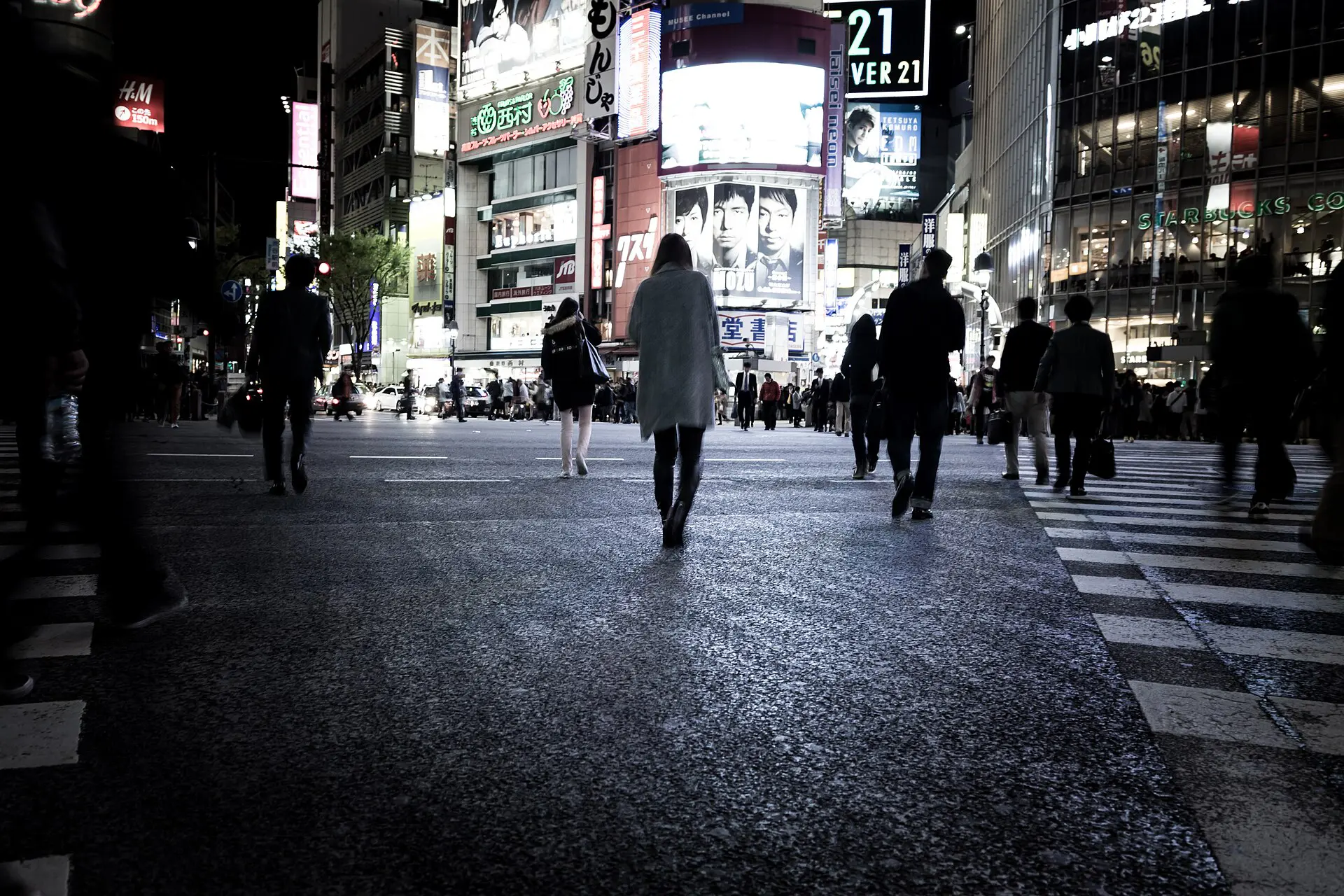
Know your last train before dinner. If you miss it, a taxi or a capsule hotel are the fallbacks, so keep a little spare cash and a taxi app.
Getting around Tokyo alone
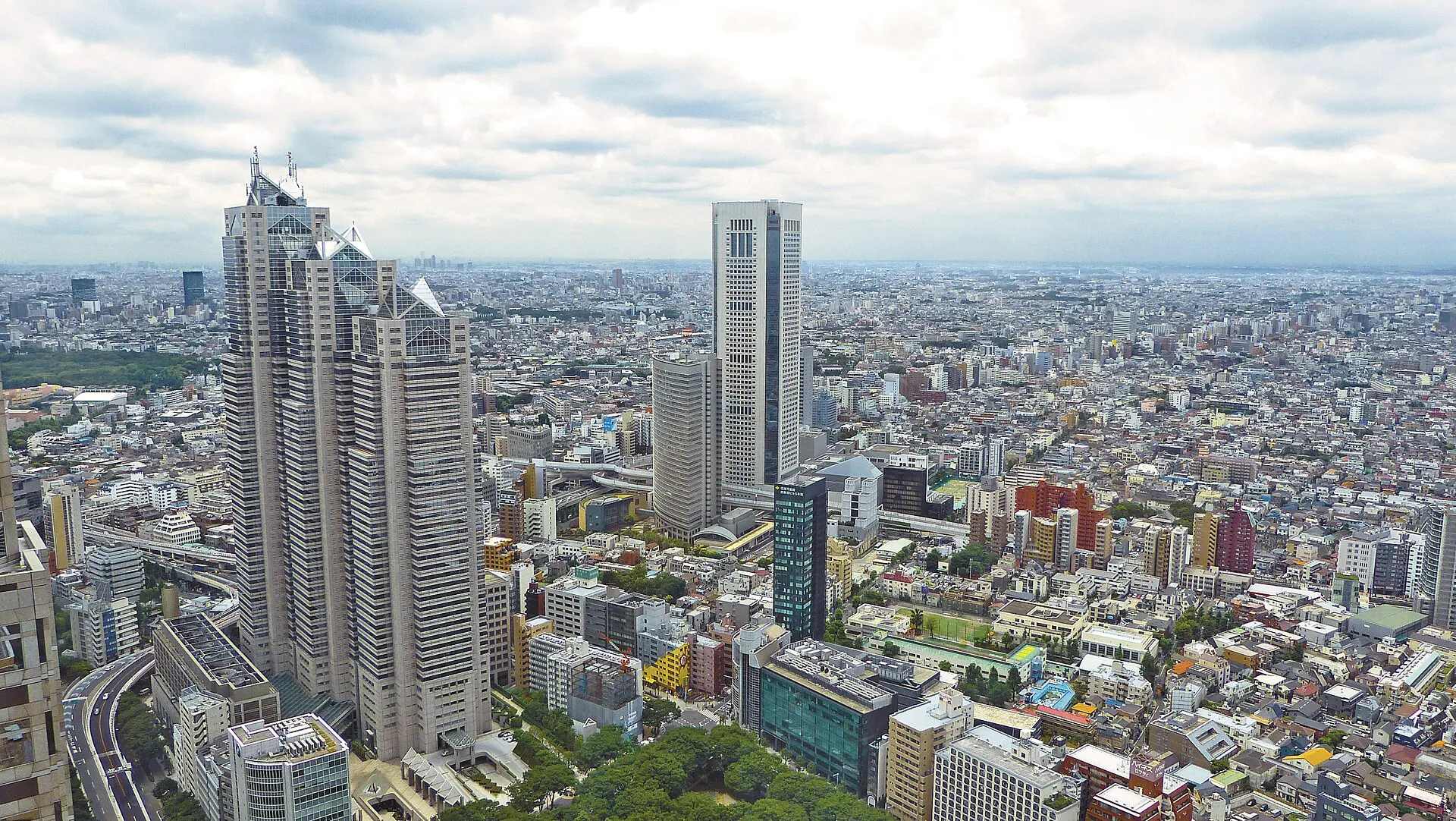
Your choice of where to stay in Tokyo shapes every commute, so a base on a direct line to the places you want matters more than the room itself. The Yamanote loop line connects Shinjuku, Shibuya, Ueno and Tokyo Station, which is why those hubs work so well for a first visit.
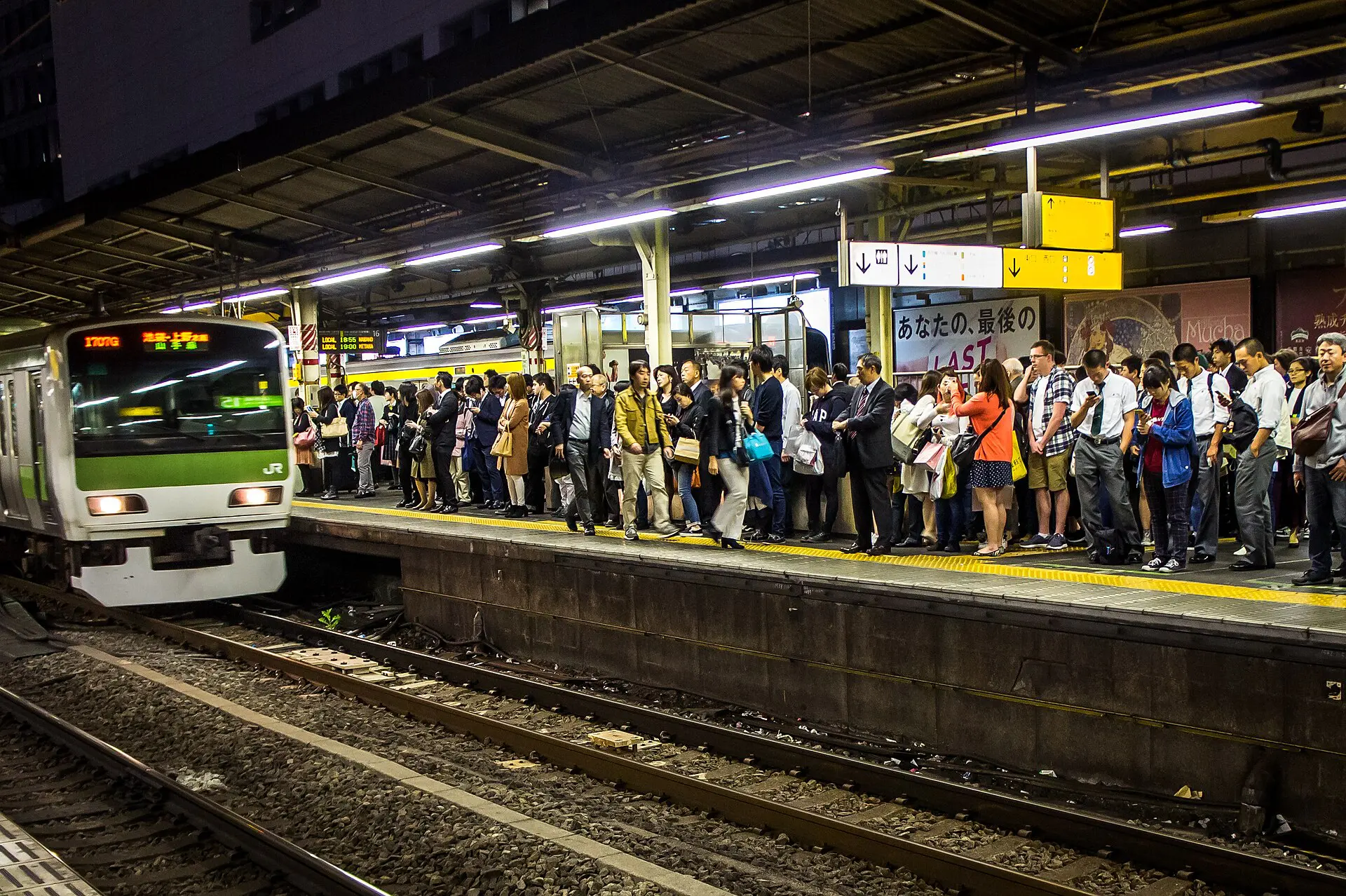
The rail and metro network is the way to move. A rechargeable IC card, available as a digital card on many phones, works on trains, subways and buses, so you can tap through. Google Maps handles train routes and platforms well. Rush hours, roughly 7:30 to 9:30am and 5 to 7pm, are crowded, and some lines have women-only cars at set times, marked on the platform. Check the signs, because rules differ by line.
A quick tip: station exits matter. Pick the right exit number in your map app, because exiting at the wrong one can add a ten-minute walk.
Tokyo budget for solo travelers (hedged)
As of 2026, hostel dorm beds in Tokyo often sit around 25 to 50 USD a night, capsule and small private rooms usually cost more, and mid-range business hotels sit well above that. Eating is where Tokyo is kind to a budget: counters, set lunches and convenience stores keep daily food costs low. Prices change by season, with cherry blossom time and autumn the busiest. Book early for those weeks.
For more background see the Wikivoyage guide to Tokyo, our Tokyo guide and the wider Japan travel guide.
Where to stay in Tokyo FAQ
What is the best area to stay in Tokyo for a first-time solo traveler?
Asakusa and Ueno are good for budget and calm, and Shinjuku is good for connections and nightlife. Choose a base within a short walk of a station on a major line, and a room on the busy, lit side rather than a back street. Book your first night in advance.
Is Tokyo safe for solo female travelers?
Tokyo is widely regarded as one of the easier big cities for solo women. Use the same sense as anywhere: know the last train, avoid touts, keep drinks in sight and use women-only cars if you prefer. Check your government’s current advice before you go.
Is Shinjuku or Shibuya better for solo travelers?
Shinjuku has better transport and more accommodation choice, including the quieter west side. Shibuya is more compact and social, with food and shopping on foot. Both are loud and busy at night, so choose the side of the station away from the main entertainment streets if you want sleep.
How many days do I need in Tokyo?
Plan three to five days for a first visit, and decide where to stay in Tokyo by how you want to spend them, so you have time for two or three areas and one day trip. Add days for Kyoto or other cities by shinkansen. Leave an unscheduled half day, because jet lag and the size of the city make everything take longer.