Why visit Tokyo
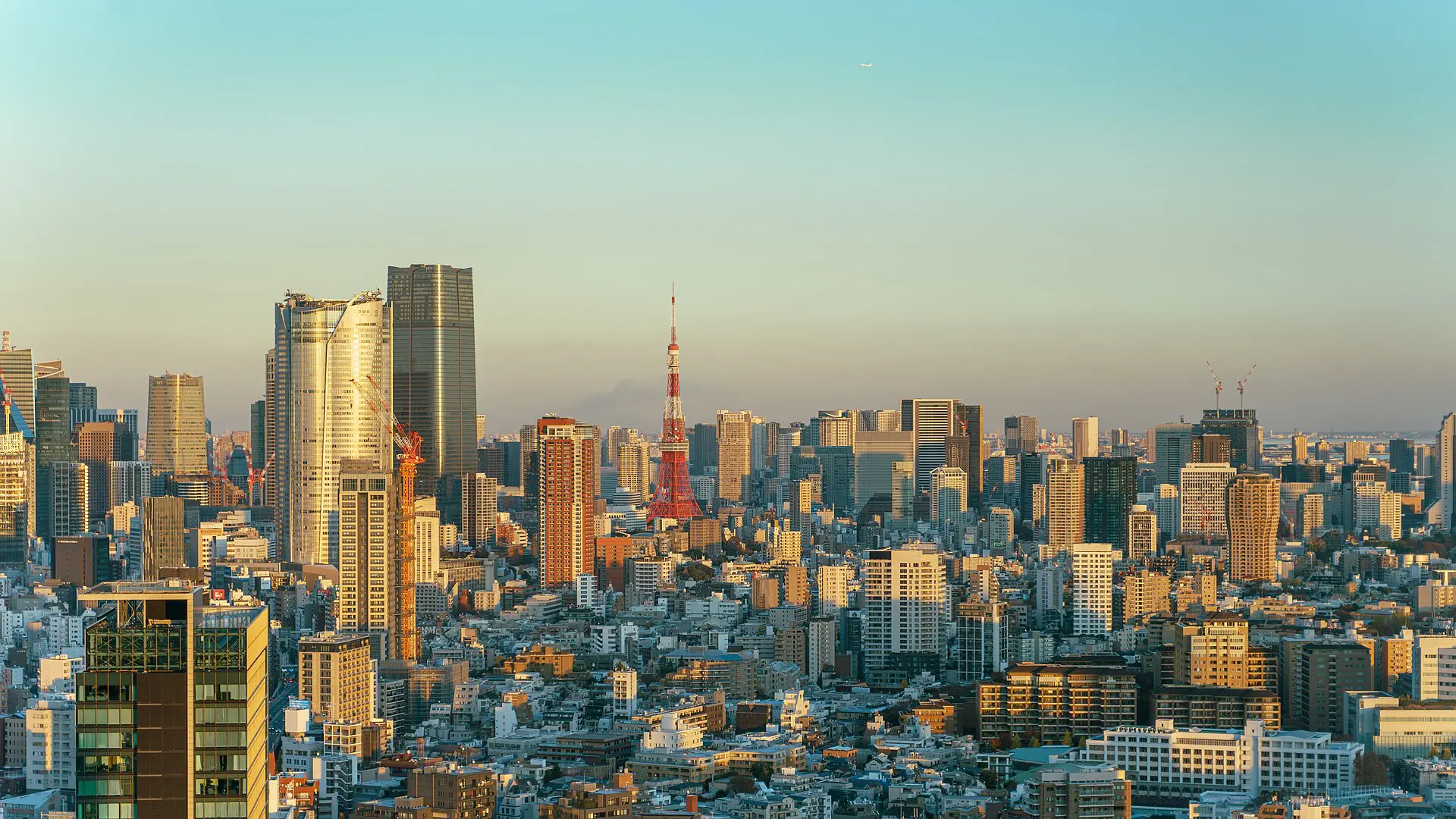
If you want practical things to do in Tokyo, it helps to understand the scale. Tokyo is the enormous and wealthy capital of Japan, one of the most populated urban areas in the world, and a city that mixes foreign influences, consumer culture and global business with remnants of the old capital. This guide covers the 23 special wards that most people think of as the city.
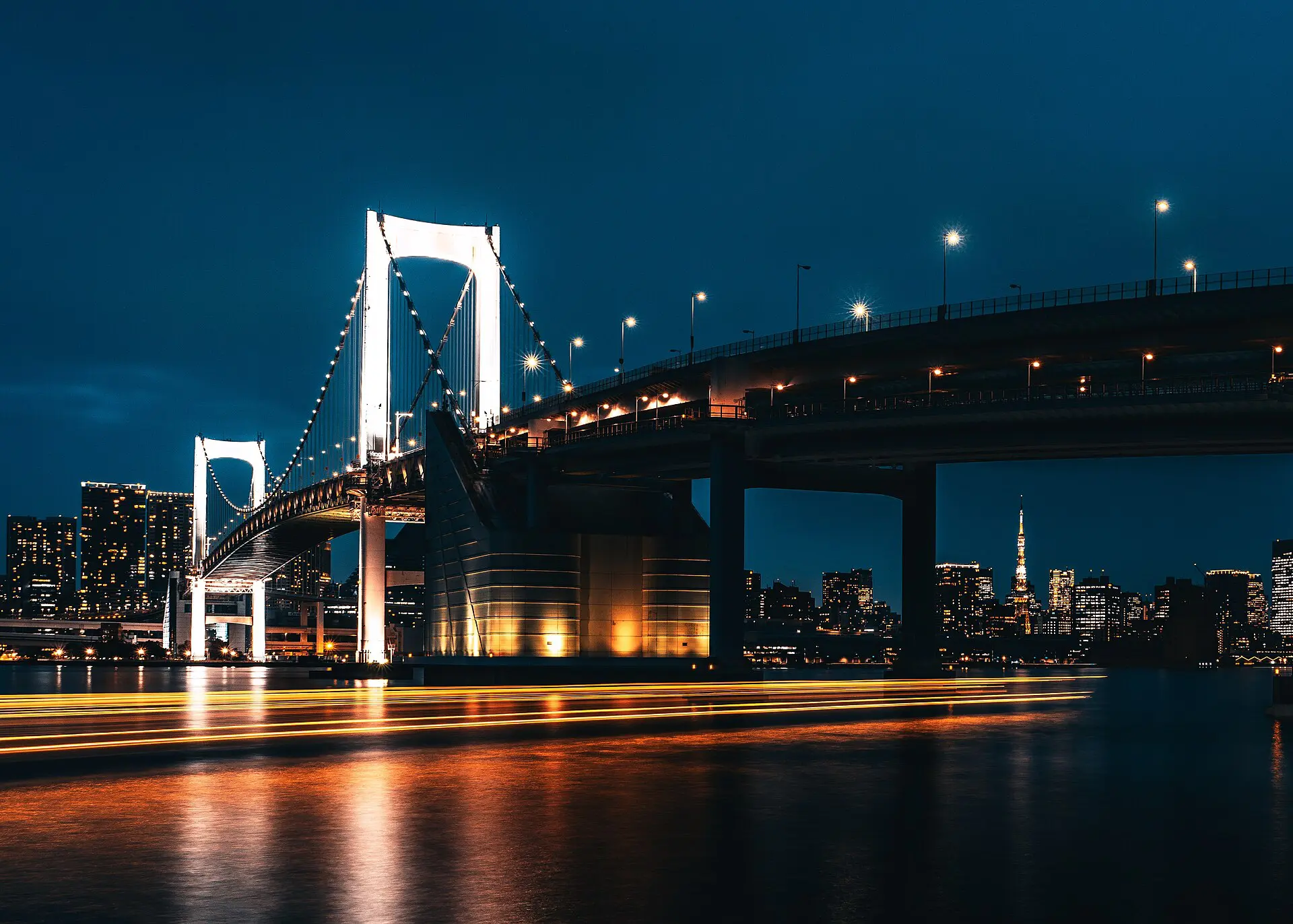
The result is a place where you can visit a quiet shrine in the morning, browse electronics or fashion at midday, and eat in a tiny restaurant at night. Skyscrapers and neon sit close to old neighbourhoods, gardens and markets.
Tokyo is also unusually easy to navigate for such a large city. Trains are punctual, signs are bilingual in most visitor areas, and the streets are generally safe. The main challenge is choice, so pick a few districts per day and leave time for wandering.
Top things to do in Tokyo
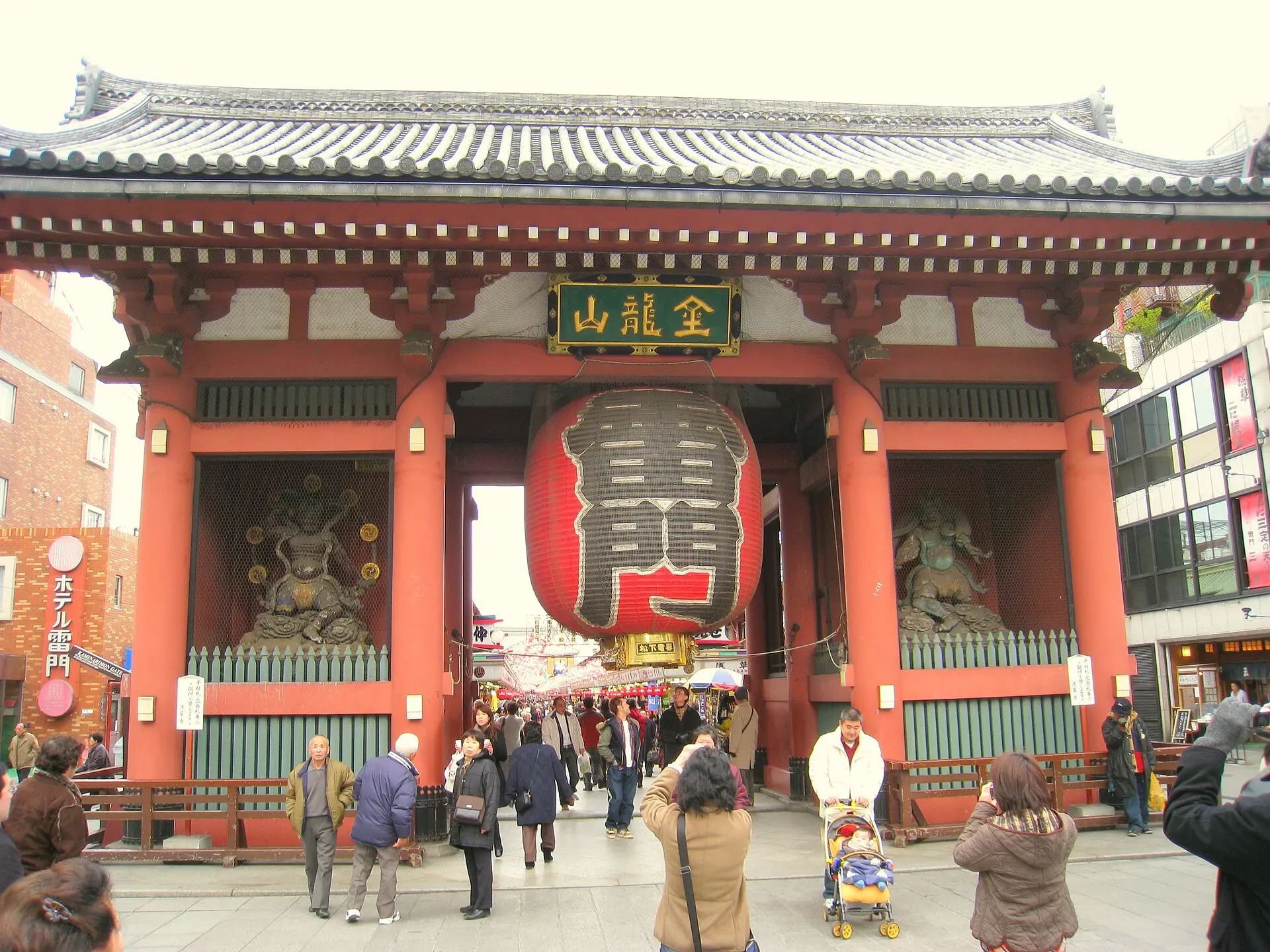
Senso-ji and Asakusa
Tokyo’s oldest temple stands in Asakusa, reached through a large gate and a market street. Allow two to three hours. Go early to avoid crowds, and try street snacks along the approach. The surrounding streets give a sense of older Tokyo.
Meiji Shrine
Set in a wooded area beside Harajuku, this Shinto shrine offers a calm break from the city. Allow about an hour. The approach is long and shaded, and you can combine it with a walk through the fashion streets of Harajuku nearby.
Shibuya Crossing and Shibuya
The famous pedestrian crossing is one of the busiest in the world. It works well as a short stop at the start or end of a day, and nearby viewpoints give a view from above. Evenings are lively, so expect crowds.
Shinjuku
Shinjuku combines skyscrapers, the world’s busiest rail station and entertainment districts. The metropolitan government offices have been known to offer free views. Allow a half day, and explore the narrow alleys after dark with care and common sense.
Tsukiji and the food scene
The former main fish market has outer streets still known for seafood and snacks, while the wholesale operations moved to Toyosu. Allow two hours. Go in the morning, and check which stalls are open, as many close by early afternoon.
Akihabara
The district is known for electronics, anime, manga and games. Allow two to three hours. Multi-storey shops can be overwhelming, so decide what you want to see. Some shops offer tax-free shopping for visitors, subject to current rules.
Ueno Park and museums
Ueno has a large park, several museums and a zoo, and is popular during cherry blossom season. Allow a half day. Choose one museum rather than several, and check closing days, which vary.
Imperial Palace East Gardens
The former site of Edo Castle has gardens open to the public, close to Tokyo Station. Allow one to two hours. Check opening days, as they close on certain weekdays.
Best time to visit Tokyo
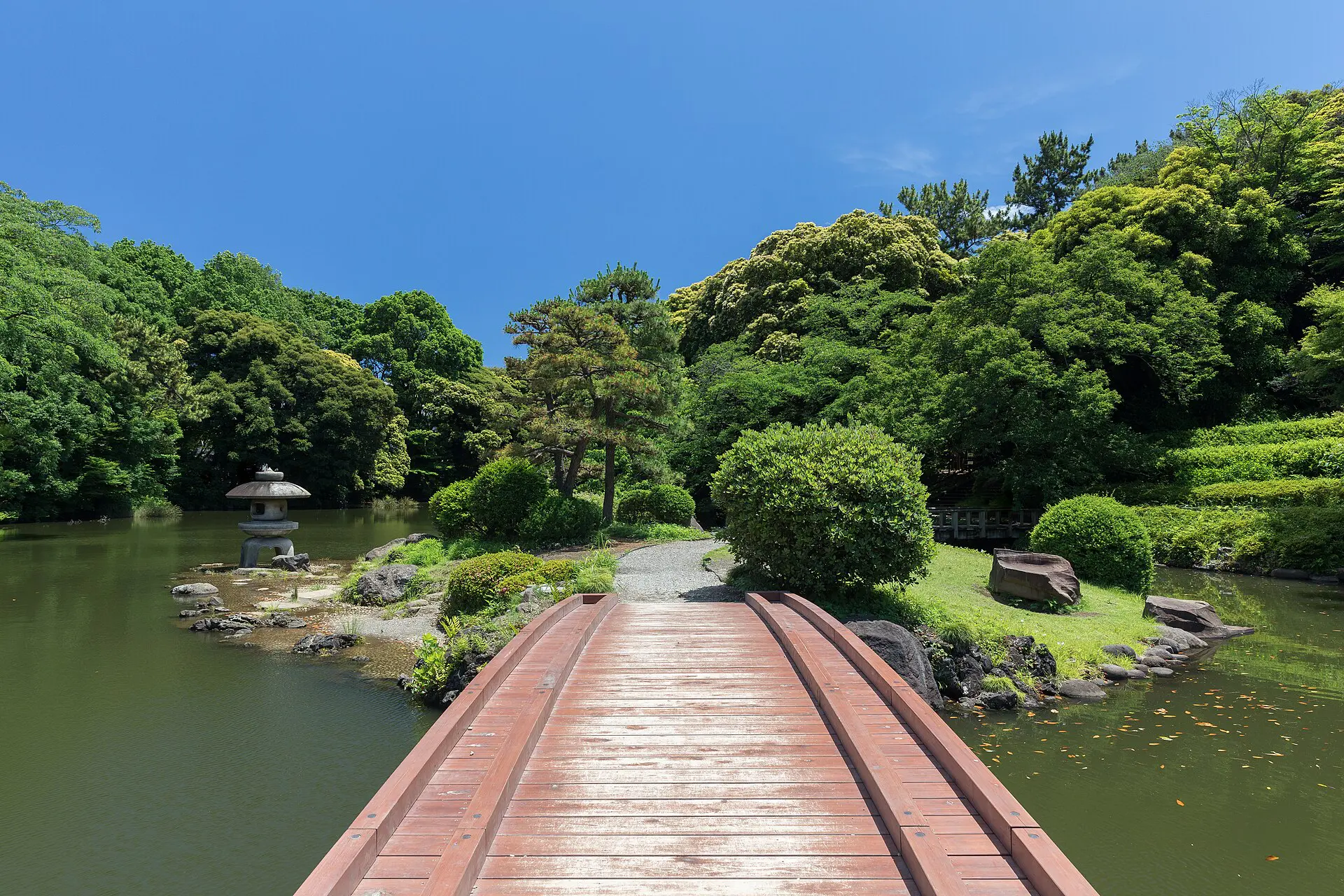
Tokyo has four distinct seasons. Spring brings cherry blossoms, usually in late March or early April, and autumn offers comfortable weather and colour in November. Summers are hot and humid, with a rainy season in early summer, and typhoons are possible in late summer. Winters are cool and often clear.
| Season | Weather | Crowds and prices |
|---|---|---|
| Spring (Mar-May) | Mild, cherry blossoms | Busy, higher prices |
| Summer (Jun-Aug) | Hot, humid, rainy early | Moderate, festivals |
| Autumn (Sep-Nov) | Warm, then cooler, colour | Busy in November |
| Winter (Dec-Feb) | Cool, dry, often clear | Quieter, except around New Year |
March to May and October to November are usually best. Golden Week in early May and the New Year period are crowded, and prices rise, so book early.
How to get to Tokyo and around
Tokyo has two main airports. Haneda is closer to the centre, while Narita is farther out and connected by express trains. Both have rail links into the city, and journey times and fares vary by route, so check current options. Shinkansen bullet trains arrive at Tokyo Station and other major stations from cities such as Kyoto and Osaka.
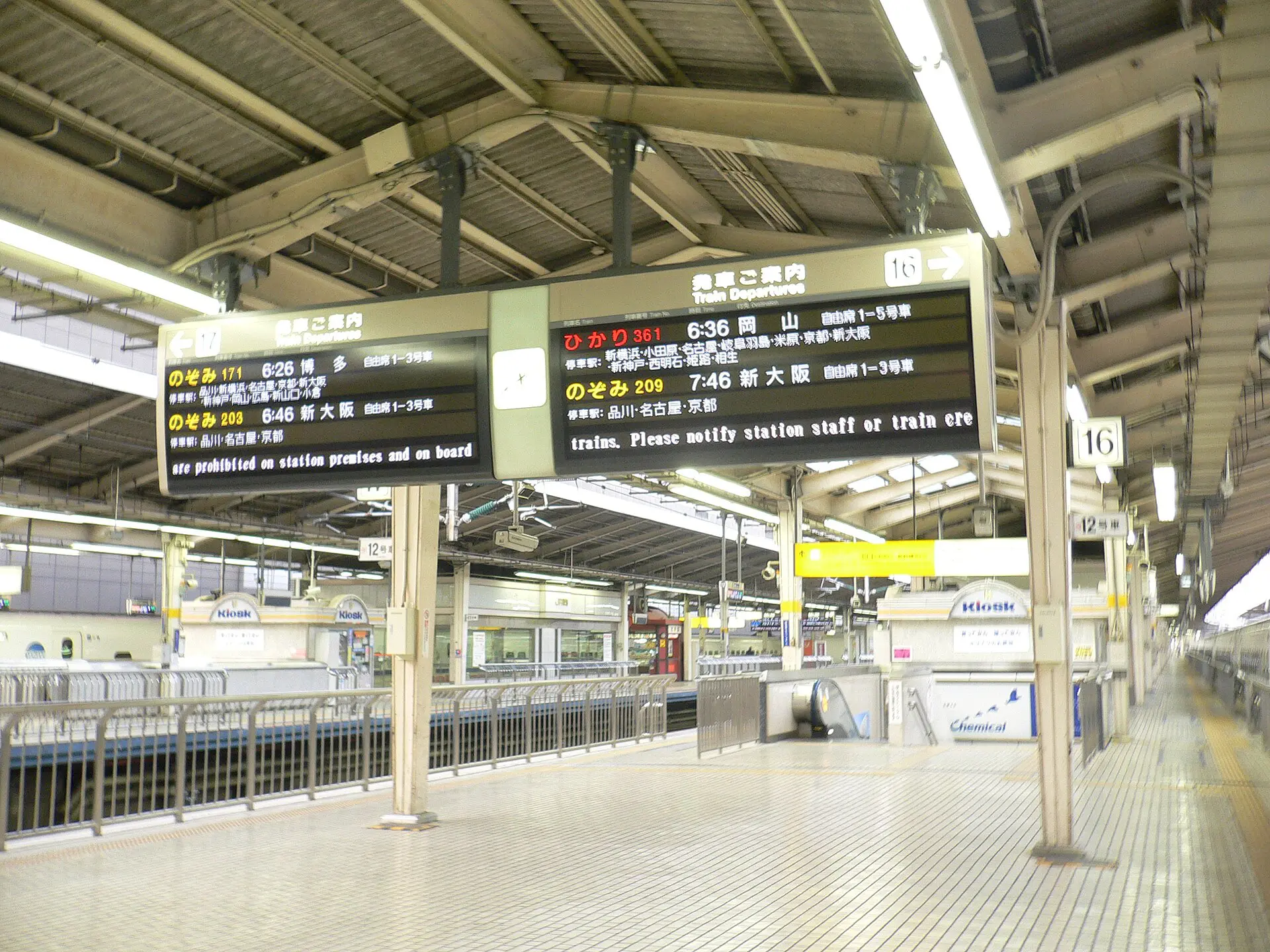
The train and subway network is the best way to travel. The Yamanote Line loops around many major districts. Rechargeable IC cards, or mobile versions, make travel easy on trains and buses. Google Maps or a transit app handles transfers well. Trains run from early morning to around midnight, and rush hours are very crowded. Taxis are available but costly.
Where to stay in Tokyo
Tokyo is huge, so choose a base near a major station. Compare current rates, as they vary by season.
- Shinjuku: excellent transport links and plenty of food and nightlife. Good for first-time visitors, though busy and sometimes confusing.
- Shibuya and Harajuku: youthful and lively, close to shopping and shrines.
- Asakusa and Ueno: more traditional and generally better value, with temples and markets nearby.
- Tokyo Station and Ginza: upscale and convenient for the bullet trains, suiting travellers continuing to other cities.
How many days do you need?
Four to five days suits a first visit, giving time for several districts and a break from museum fatigue. Three days is possible if you stay focused. A week lets you add day trips and slower neighbourhood time. Group sights by area to cut down on transfers.
- Day 1: Asakusa and Senso-ji, then Ueno Park, with dinner in a local izakaya.
- Day 2: Meiji Shrine, Harajuku, Shibuya Crossing and an evening in Shinjuku.
- Day 3: Imperial Palace gardens, Tokyo Station area, Tsukiji and Akihabara.
Day trips and nearby
Hakone
A mountain resort area with hot springs, lakes and views of Mount Fuji on clear days. It is reachable by train in around an hour and a half. It works as a day trip, though an overnight stay is more relaxed.
Yokohama
Japan’s second-largest city, a short train ride south. It has a waterfront, a Chinatown and museums. Allow a half day to a full day.
Nara and Kyoto
Both lie farther west and are better treated as a separate trip, reached by bullet train. Kyoto is roughly two hours or more from Tokyo by Shinkansen. See our guides for each place.
Kanazawa
This historic city on the Sea of Japan has a well-known garden and preserved districts. It is reachable by train, but is better as an overnight or longer visit.
FAQ
Q1When is the best time to visit Tokyo?
March to May and October to November are usually best, with comfortable temperatures and seasonal scenery. Cherry blossoms peak in late March or early April, though timing varies. Summer is hot and humid, so plan indoor breaks, and winter is clear and cool.
Q2How many days do you need in Tokyo?
Four to five days is a good length for first-time visitors, covering the main districts at a steady pace. Three days is possible for highlights. A week allows day trips and slower exploring. The city is large, so group sights by area.
Q3How do you get from the airport to central Tokyo?
Both Haneda and Narita have train links to the centre. Haneda is closer and usually faster, while Narita relies on express trains or buses. Journey times and fares vary, so check current options and buy an IC card for local travel.
Q4Is Tokyo expensive and safe for tourists?
Tokyo is generally safe, and costs can be moderate, since good food is available at many price levels. Lodging is often the largest expense. Rail travel and attractions add up, so prepare a daily budget, hedged for exchange rate changes.
Prices, schedules and entry rules change. Check current details with official sources before you travel. Read the Japan travel guide.