Why visit Fukuoka
If you are planning things to do in Fukuoka, expect food first. The city is the capital of Fukuoka Prefecture and the largest city on Kyushu, and it is known for tonkotsu ramen, motsunabe hotpot and open-air food stalls along the river after dark.
Historically it was two towns split by a river: the merchant port of Hakata and the samurai domain of Fukuoka. The two names still live on, with Hakata for the main railway station and old quarter, and Fukuoka for the city itself.
It is a comfortable place to land in Japan. It is a good starting point for first-time visitors, thanks to its long history of contact with Korea and China and its welcoming feel. The centre is compact, the airport is close, and beaches, shrines and shopping are all within a short ride. It also works as a base for the rest of Kyushu.
Top things to do in Fukuoka
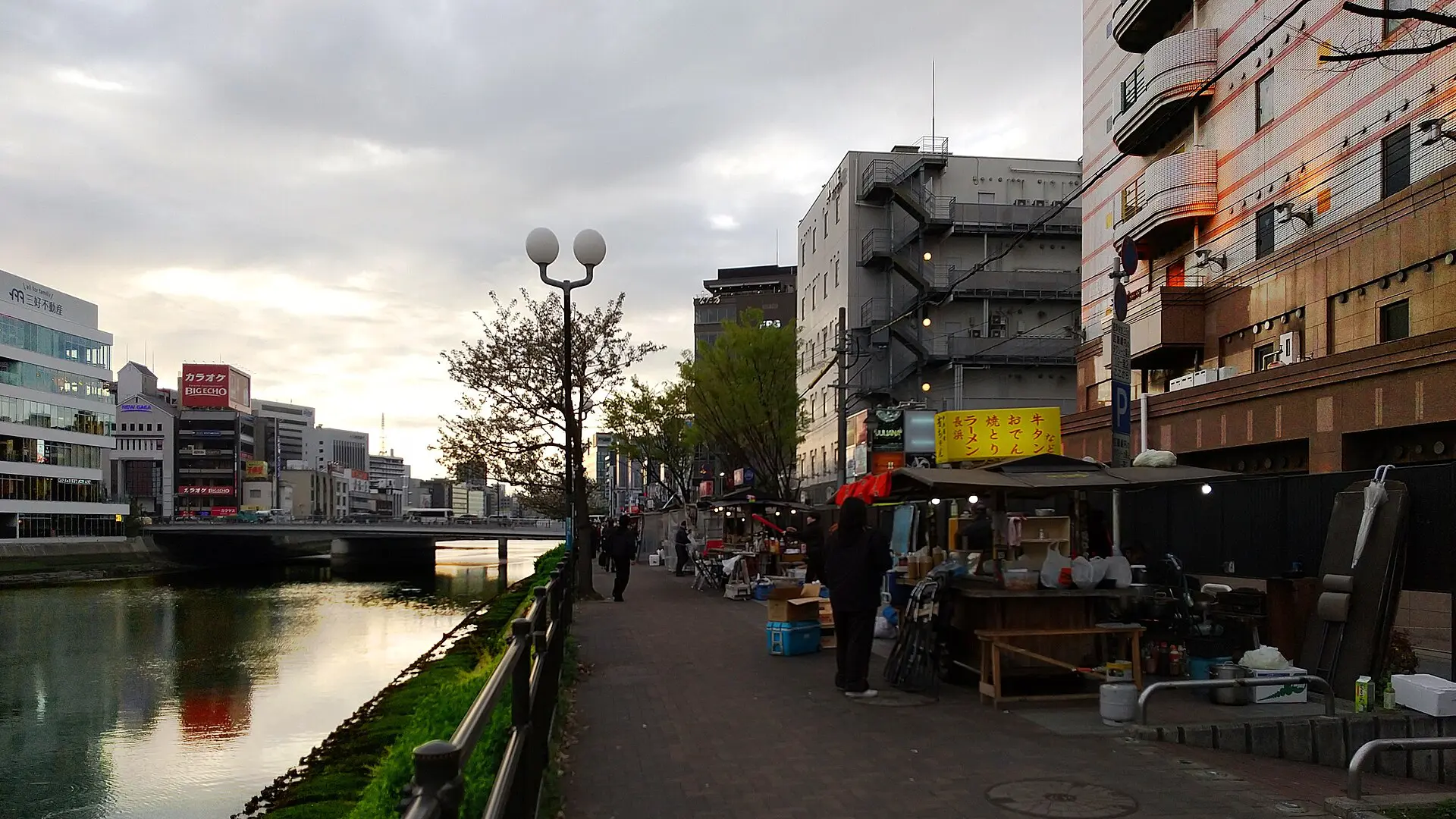
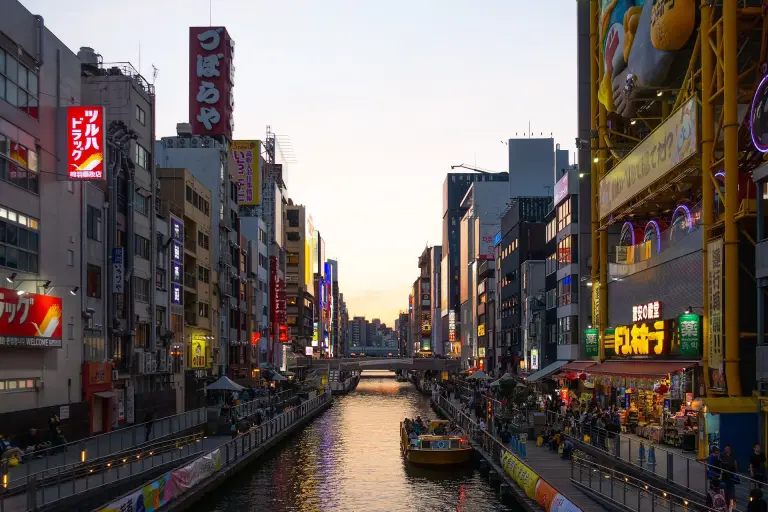
Yatai food stalls
These open-air stalls set up along the river at Nakasu and in Tenjin each evening, serving ramen, grilled skewers and small plates at close counters. Allow an hour or two. Seating is limited and menus can be short, so arrive early and ask before ordering whether prices are listed.
Ohori Park
A large park built around a pond, with a loop path of roughly two kilometres, boat rentals and a Japanese garden next door. It suits a calm morning or late afternoon. Allow one to two hours, and check the garden’s opening days and entry fee before going.
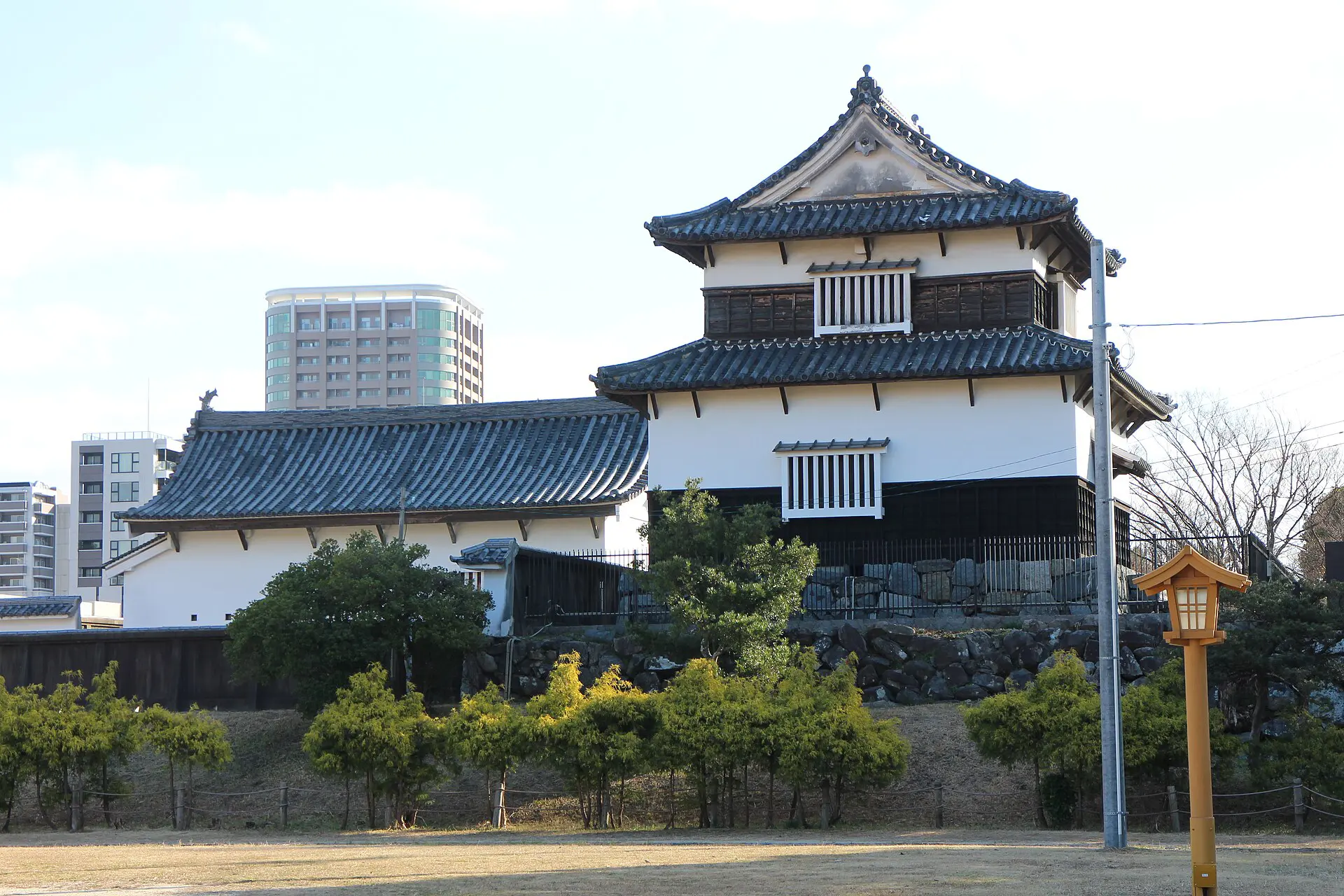
Fukuoka Castle ruins
The ruins of the former castle sit in Maizuru Park beside Ohori Park, with stone walls and a viewpoint. Little of the original building remains, but the grounds are pleasant, especially during cherry blossom season in spring. Plan about an hour on foot.
Kushida Shrine
This Hakata shrine is a local landmark and sits at the heart of the city’s summer Hakata Gion Yamakasa festival. It is quick to visit, about 30 to 45 minutes, and fits well with a walk through the old Hakata quarter. Check festival dates if you want to see the floats.
Canal City Hakata
A large shopping and entertainment complex built around a canal. It is useful for a rainy afternoon, with food halls and shops, and it sits close to Nakasu. Allow one to two hours and expect crowds on weekends.
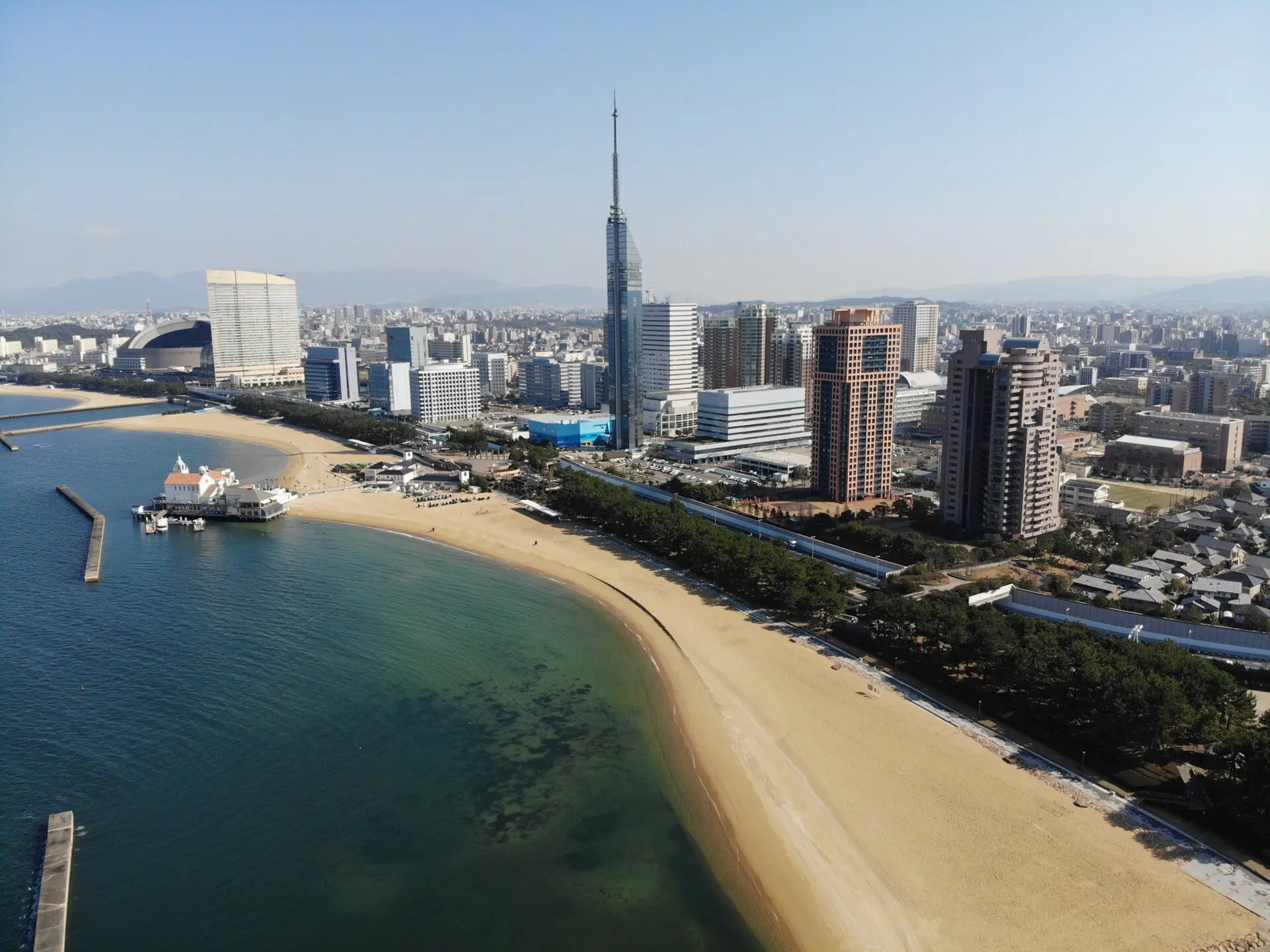
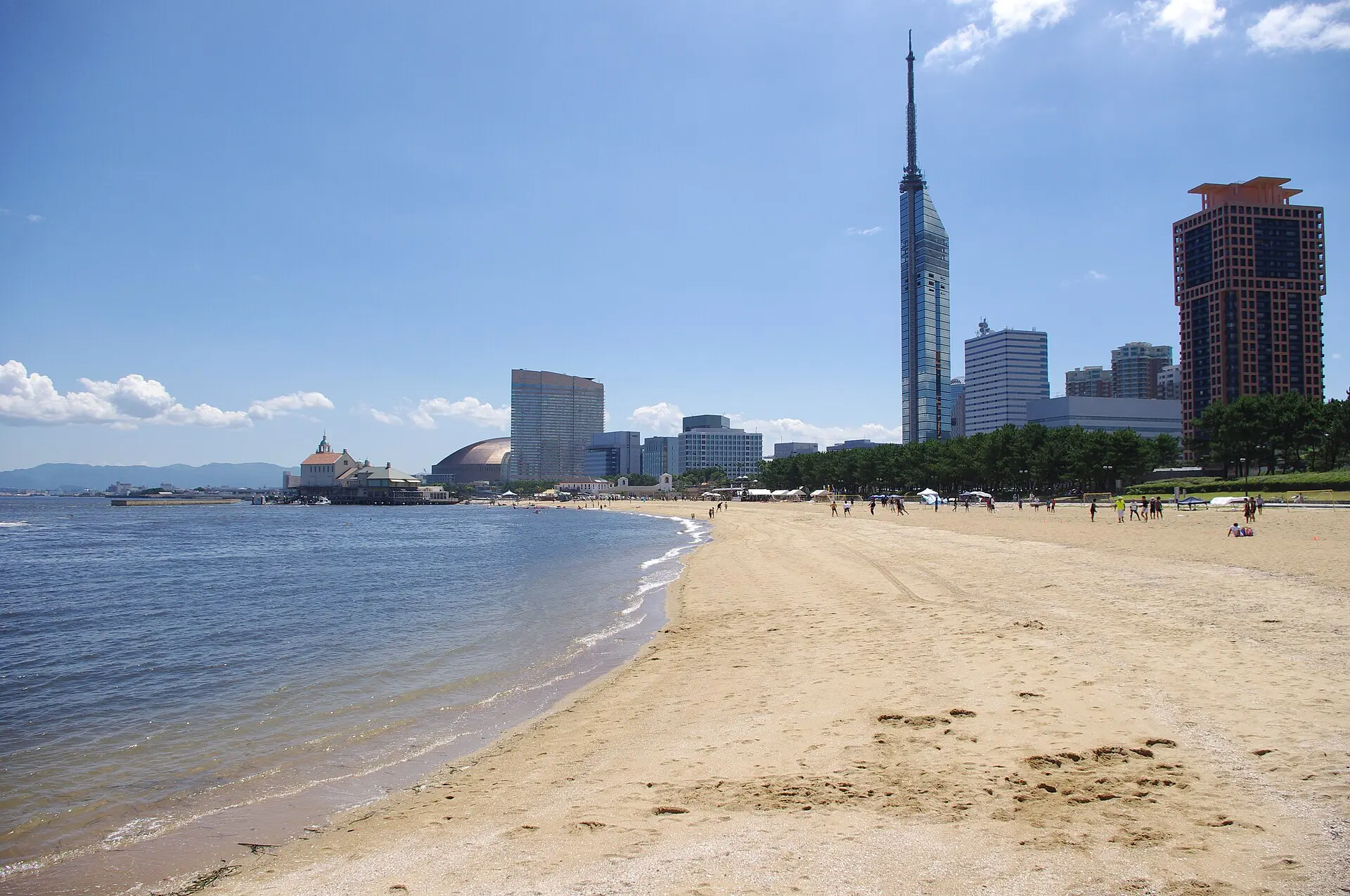
Momochi Seaside and Fukuoka Tower
The tower stands on the western waterfront beside a man-made beach and promenade. Go near sunset for views across Hakata Bay. Allow about an hour, and check the tower’s current hours and ticket prices before you go.
Best time to visit Fukuoka
Spring, from late March to May, and autumn, from October to November, are usually the most comfortable seasons, with mild temperatures and good walking weather. Cherry blossoms typically appear in late March to early April.
Summer is hot and humid, with a rainy season generally in June and early July, and typhoons are possible later in summer and early autumn. Winters are cool rather than harsh, and the city rarely sees heavy snow. Hakata Gion Yamakasa takes place in July, which is lively but busy.
| Season | Weather | Crowds and prices |
|---|---|---|
| March to May | Mild, cherry blossoms | Busy around Golden Week at the start of May |
| June to September | Rainy, then hot and humid | Festival crowds in July; typhoon risk later |
| October to November | Mild and clear | Moderate crowds |
| December to February | Cool, occasionally cold | Quiet outside the New Year holidays |
How to get to Fukuoka and around
Fukuoka Airport is unusually close to the centre, with a subway ride to Hakata Station taking in the order of ten minutes. It handles domestic flights and international routes, notably to nearby East Asian cities. Check current schedules for your route.
By rail, the Shinkansen connects Hakata Station with Hiroshima, Osaka and beyond, with Tokyo reachable in the order of five hours. Ferries and high-speed boats link the port to South Korea, which makes Fukuoka a common entry point from Busan.
Within the city, three subway lines cover most sights, and buses fill the gaps. Many central areas, including Tenjin and Nakasu, are walkable. A prepaid transit IC card makes trips simpler.
Where to stay in Fukuoka
The city is small enough that most central areas work well, so choose by style and budget.
- Hakata Station area: best for rail connections, airport access and day trips, with many business hotels. Suits short stays and onward travel.
- Tenjin: the main shopping and nightlife district, with a wide range of hotels. Suits first-time visitors who want food, shops and evening options close by.
- Nakasu and the river area: close to yatai stalls and bars, though nights can be noisy. Suits travellers focused on eating and drinking.
- Momochi and the waterfront: quieter, near the beach and tower. Suits those who prefer a calmer setting and do not mind a subway ride.
How many days do you need?
Two days gives you the main sights and a couple of food outings, and three lets you add a beach or a day trip. One day only works as a stopover. Fukuoka is a place to slow down, so avoid packing too much in.
- Day 1: Ohori Park and Fukuoka Castle ruins in the morning, lunch in Tenjin, then Canal City and yatai stalls at night.
- Day 2: Kushida Shrine and the Hakata old quarter, then Momochi Seaside and Fukuoka Tower at sunset.
- Day 3: a day trip to a nearby town or onwards by rail across Kyushu.
Day trips and nearby
Dazaifu
A short train ride from central Fukuoka, Dazaifu is known for its large Tenmangu shrine dedicated to the scholar Sugawara no Michizane. It is a half-day trip with a shopping street leading to the shrine. Check plum blossom timing if you visit in late winter.
Hiroshima
Reachable by Shinkansen from Hakata Station in roughly an hour and a half. It works as a long day trip, though an overnight stay is more relaxing. Check current train schedules and reserve seats in busy travel periods.
Nagasaki and Kumamoto
Both are common Kyushu extensions by train, taking roughly one to two hours each way depending on service. They suit an overnight stay rather than a rushed day. Look at the rail pass options if you plan several rides.
Itoshima
A coastal area west of the city with beaches, cafes and seaside views. Local trains and buses run there, and it is popular in summer. Plan half a day and check bus timetables, which can be infrequent.
FAQ
Q1When is the best time to visit Fukuoka?
March to May and October to November are usually the best months, with mild weather and good walking conditions. Summer is hot, humid and can bring typhoons, while winter is cool. Spring also brings cherry blossoms, although dates shift slightly each year.
Q2How many days do you need in Fukuoka?
Two to three days is enough for the main sights, food stalls and a beach or shrine visit. Add a day if you want a trip to Dazaifu, Itoshima or another Kyushu city, or if you prefer a slower pace.
Q3How do you get to Fukuoka?
Fukuoka Airport is close to the centre, with a short subway ride to Hakata Station. The Shinkansen links the city with Hiroshima, Osaka and Tokyo, and ferries run to South Korea. Check current schedules and fares for your route.
Q4Is Fukuoka expensive?
Fukuoka is generally cheaper than Tokyo or Kyoto, especially for food and hotels. Ramen and yatai meals can be inexpensive, while hotel prices vary by season and festival dates. Book ahead for popular events and holiday weeks.
Prices, schedules and entry rules change. Check current details with official sources before you travel. Read the Japan travel guide.