Why visit Osaka
Visitors planning things to do in Osaka often arrive for one reason: eating. The city, Japan’s third largest, is known as a place for casual food, from takoyaki and okonomiyaki to kushikatsu and ramen, and the phrase kuidaore, roughly meaning to eat until you drop, is part of its image.
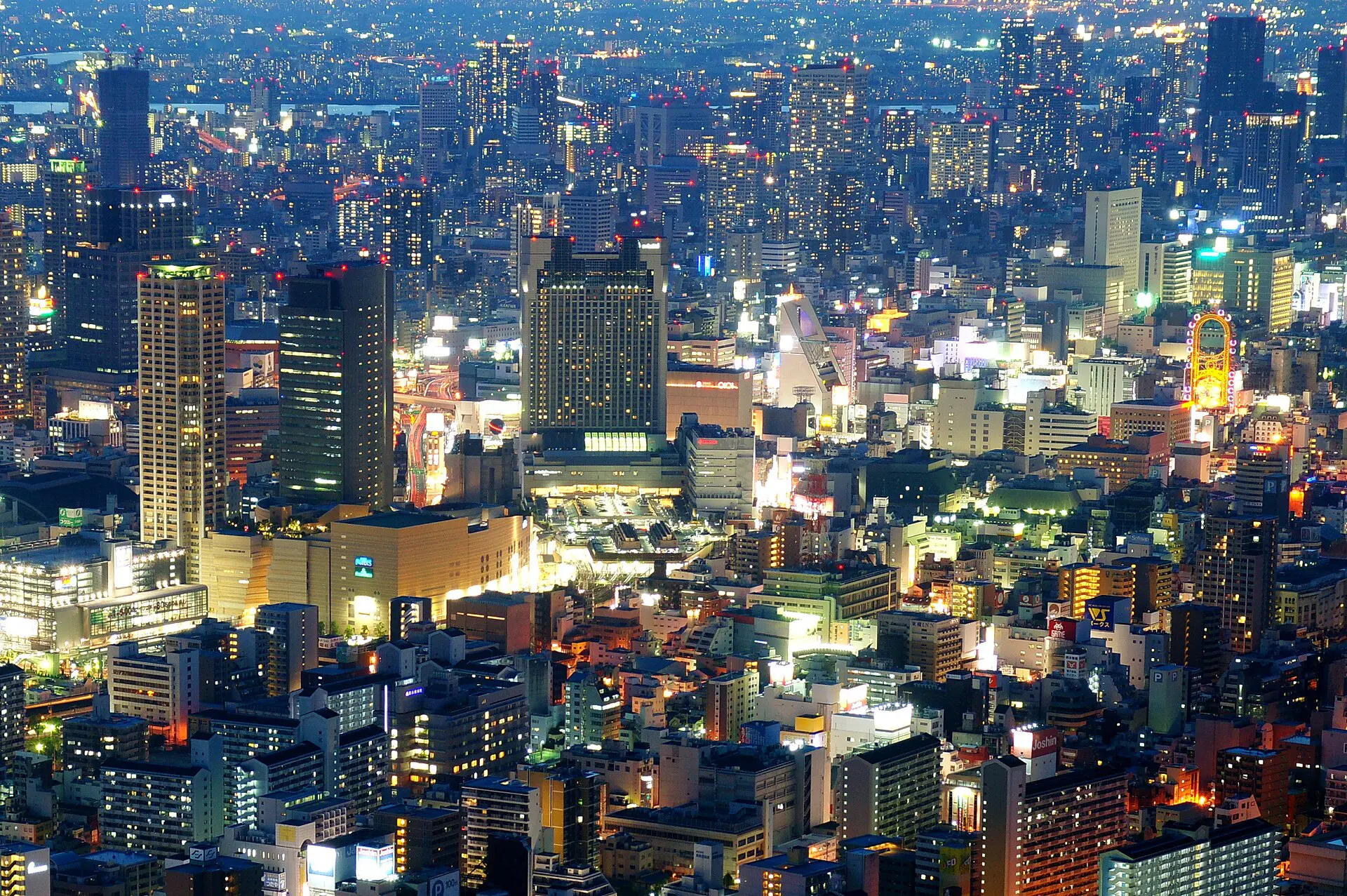
Osaka also has a sense of humour and a relaxed street culture that many travellers compare favourably with Tokyo. Dotonbori’s glowing signs, the covered shopping arcades and the lively Namba area give it an energy that is easy to enjoy even without a plan.
Beyond food, there is Osaka Castle, the aquarium, Universal Studios Japan and many temples and gardens. Its central position makes it a practical base for Kyoto, Nara, Kobe and Himeji, all reachable by train in under an hour. Summers are hot and humid, so plan indoor breaks.
Top things to do in Osaka
Dotonbori and Namba
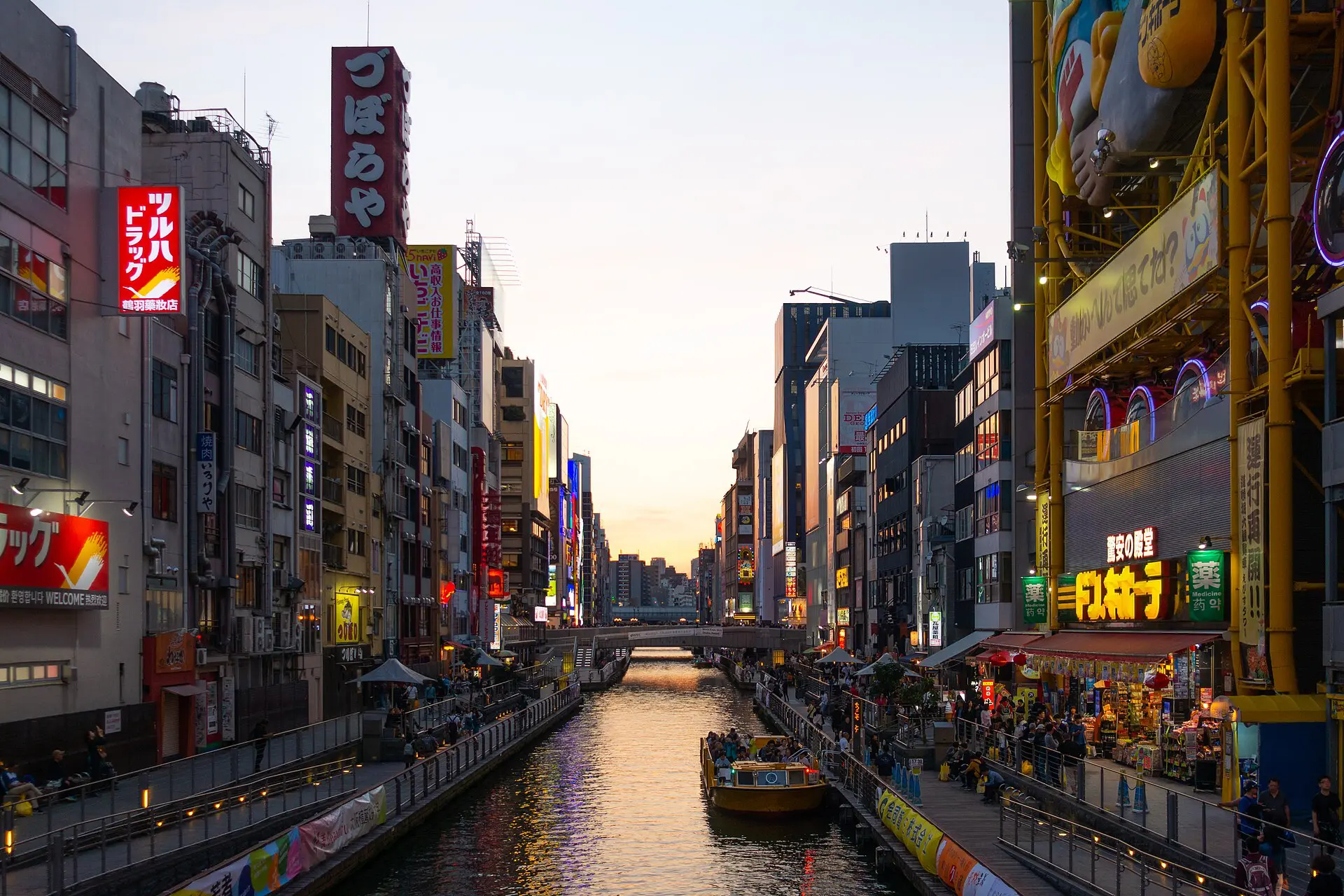
Dotonbori is a canal-side street with large signs, including the famous running man, and a dense choice of food stalls and restaurants. Visit after dark and allow two to three hours. Queues form for popular spots, so try side streets, and carry some cash for small vendors.
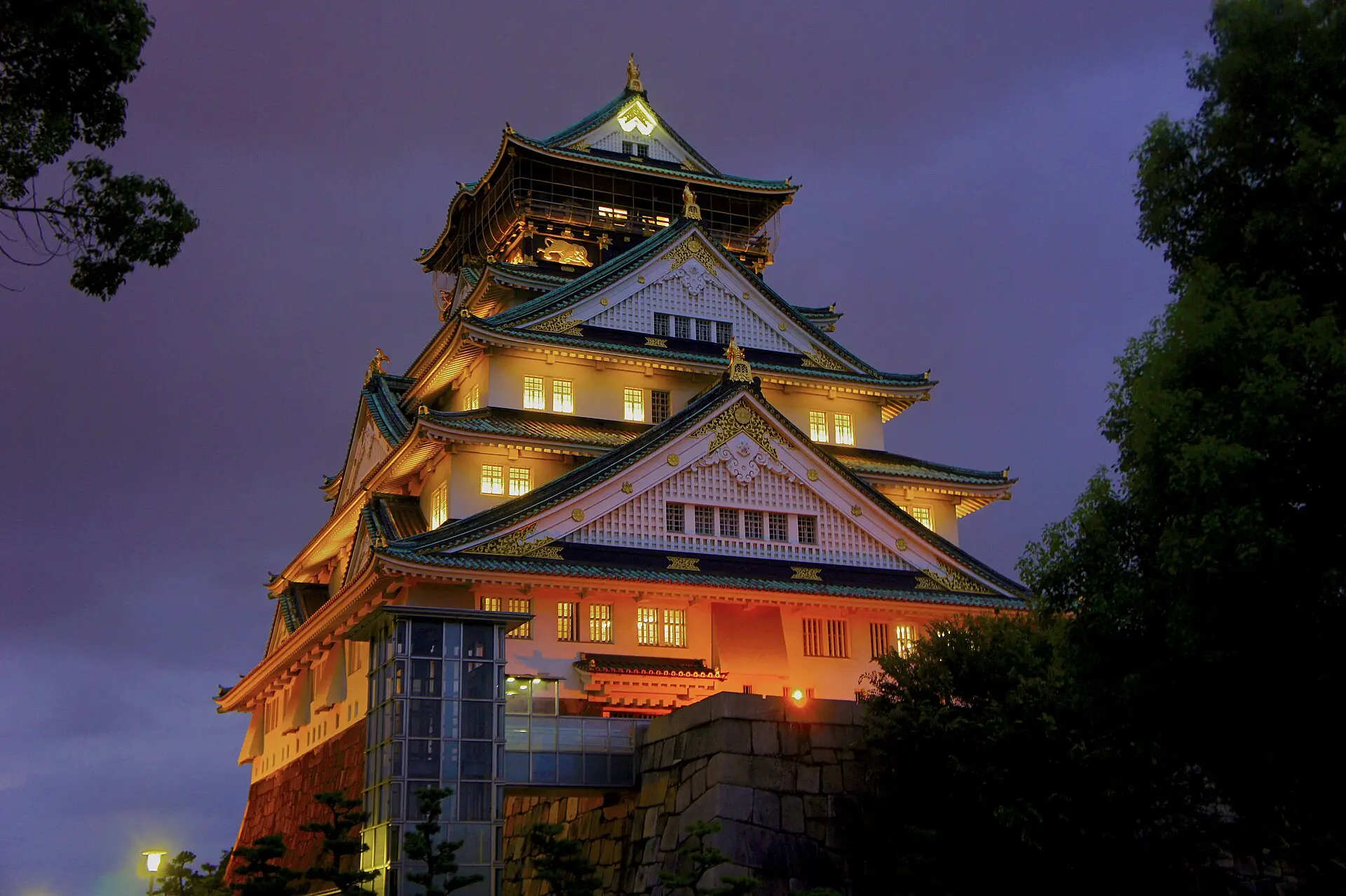
Osaka Castle
The castle is a reconstruction set in a large park with moats and stone walls, and the main keep houses a museum with city views. Allow two hours. The grounds are free to enter, with a fee for the keep. Plum and cherry blossom seasons are busy, so go early.
Shinsekai and Tsutenkaku Tower
This retro district has bright signs, cheap eateries and the Tsutenkaku Tower. It is known for kushikatsu, deep-fried skewers, and the rule against double-dipping in the shared sauce. Allow an evening. The area is lively but a bit rough at the edges, so keep an eye on your belongings.
Kuromon Market
This covered market sells seafood, fruit and snacks, with many stalls offering ready-to-eat items. Visit in the morning or at lunch, and allow an hour or two. Some stalls charge higher prices for tourists, so check prices before ordering. Many stalls close by mid-afternoon.
Osaka Aquarium Kaiyukan
This large aquarium near the bay has a central tank with whale sharks and themed zones. Allow two to three hours. Weekends and holidays are crowded, so buy tickets ahead if you can. The nearby area has a Ferris wheel and shops.
Universal Studios Japan
The theme park has rides, shows and themed areas, and it takes most of a day. Buy tickets in advance, since entry can be limited on busy days, and check current queue-management options. Visit on a weekday if your dates are flexible.
Umeda Sky Building
The twin-tower building has an open-air observation deck with views across the city. Allow an hour, preferably near sunset. Umeda around it is a major shopping and transport hub, and the underground malls can be confusing, so allow extra time to navigate.
Best time to visit Osaka
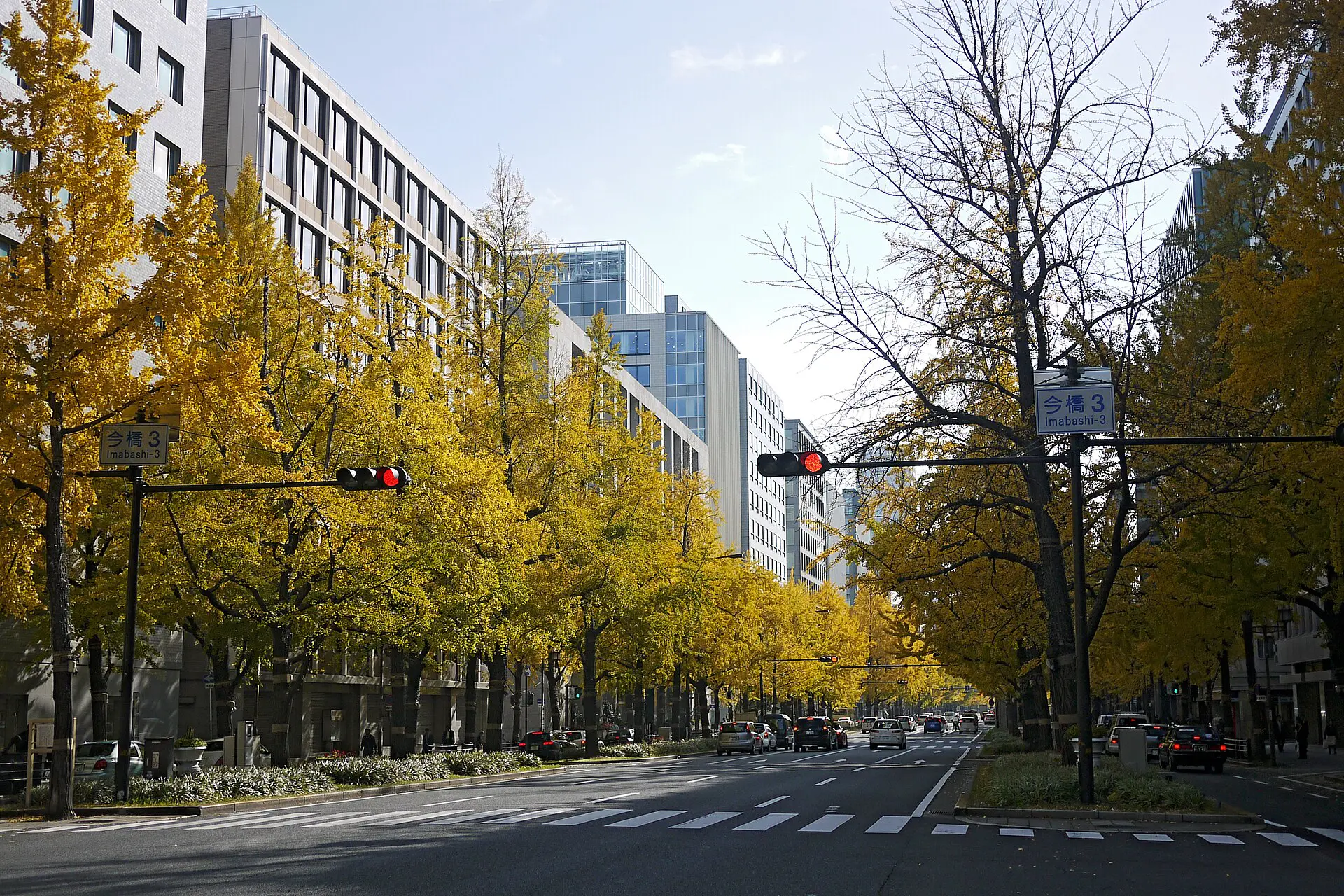
Osaka has four distinct seasons. Spring and autumn are the most pleasant, summer is hot and humid, and winter is cool and mostly dry. Rainy season usually arrives in June, and typhoons can affect travel in late summer and early autumn.
| Season | Weather | Crowds and prices |
|---|---|---|
| Mar to May | Mild, cherry blossoms in early April | High around blossom and Golden Week |
| Jun to Aug | Rainy then hot and humid | Moderate, higher in school holidays |
| Sep to Nov | Warm to cool, autumn colour | Moderate to high |
| Dec to Feb | Cool and dry | Lower, apart from New Year |
Late March to May and October to November are the most comfortable. Avoid Golden Week in early May if you want smaller crowds and lower prices.
How to get to Osaka and around
Kansai International Airport (KIX) is the main international gateway, with trains to Namba and Osaka Station taking roughly 40 to 50 minutes. Itami Airport (ITM) handles domestic flights and is closer to the city. By rail, the Shinkansen reaches Shin-Osaka from Tokyo in about 2.5 to 3 hours, depending on the service.
Within the city, the subway, JR lines and private railways make getting around easy. IC cards such as ICOCA can be used on most trains, buses and in many shops, and various visitor passes are available, so check whether they save money for your plans.
Taxis are widely available but not cheap. Many central areas can be explored on foot, and station exits are numerous, so use the exit numbers on signs. Rush hours are busy, so avoid large luggage if you can on those trains.
Where to stay in Osaka
Namba and Dotonbori put you in the middle of the food and nightlife area, with easy access to the airport line and subway. They suit first-time visitors and food lovers, but can be loud, so check the room location.
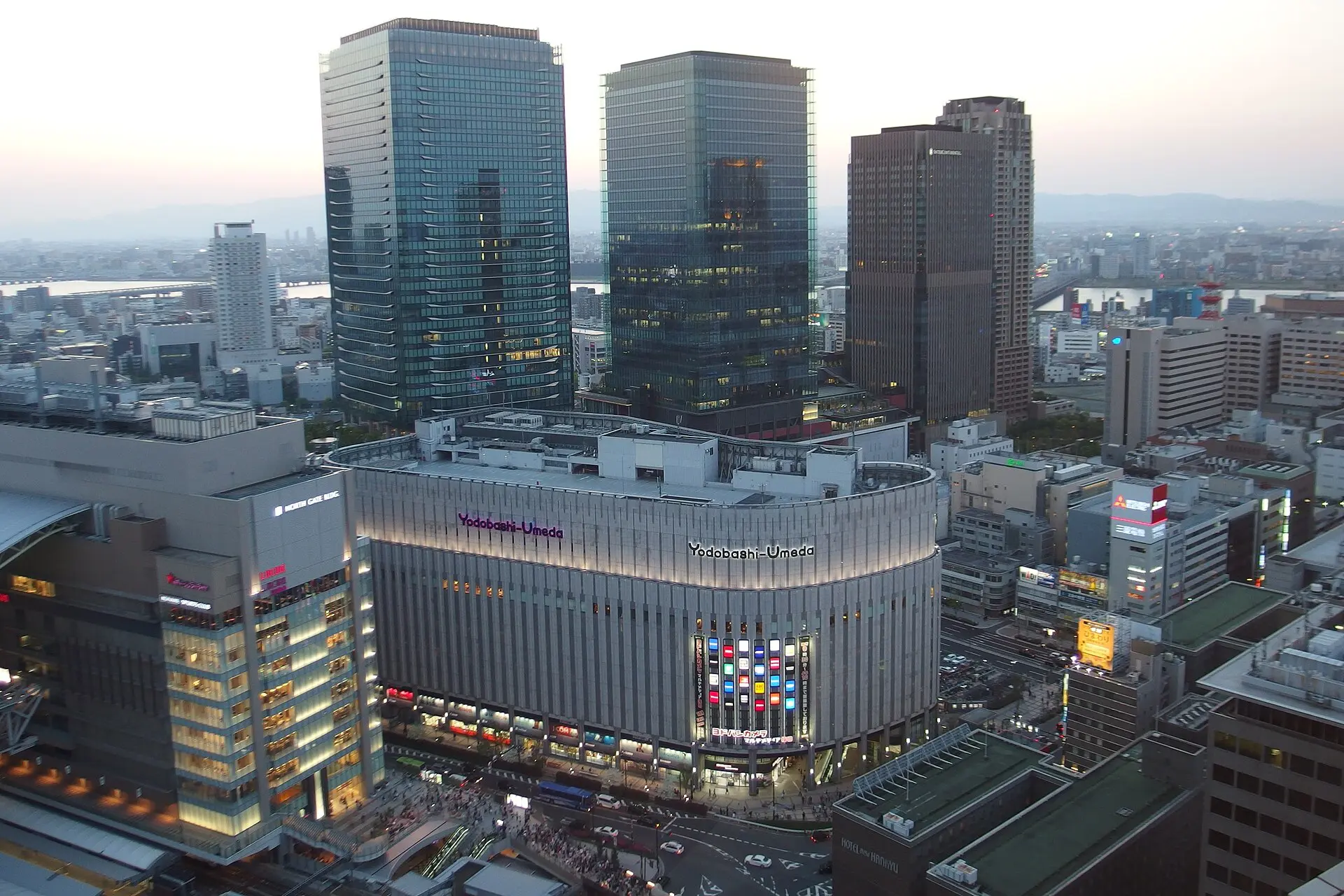
Umeda, around Osaka Station, is a business and shopping district with many hotels, and it is the best place for Shinkansen and JR connections, particularly via nearby Shin-Osaka. It suits travellers focused on day trips and transport.
Tennoji and Shinsekai offer lower prices and a more local feel, with convenient trains. Near Osaka Castle and Honmachi, quieter hotels suit those who prefer calm evenings. Capsule hotels and hostels are common for budget travellers. Book early for cherry blossom season and major events.
How many days do you need?
Two days is enough for the main sights, and three days allows a slower pace and a half-day trip. If Osaka is your base for Kyoto, Nara and Himeji, plan four to five days overall.
- Day 1: Osaka Castle in the morning, Kuromon Market for lunch, then Dotonbori and Namba in the evening.
- Day 2: Aquarium or Universal Studios, then Umeda Sky Building for sunset.
- Day 3: Shinsekai and Tennoji in the morning, then a half-day trip to Nara or Kobe.
Leave one evening free simply to wander and eat, which is how many visitors enjoy Osaka most.
Day trips and nearby
Kyoto
Kyoto is about 15 to 30 minutes by fast train and under an hour by local line. It has temples, gardens and historic districts that need more than a day. Visit early to avoid crowds at the main sites.
Nara
Nara has Todai-ji temple, its large Buddha hall and free-roaming deer in the park. It is around 40 minutes by train. A half day is enough for the highlights. Deer may nibble at clothing and food, so keep snacks out of sight.
Himeji
Himeji Castle is a well-preserved white castle reached by Shinkansen or rapid train in roughly 30 to 60 minutes. Allow half a day. Check opening times and last entry, and wear comfortable shoes for stairs.
Kobe
Kobe, a port city around 30 minutes away, has a harbour, a historic foreign quarter and renowned beef. It works as a half-day or evening trip. Book restaurants for dinner in advance if you have a specific place in mind.
FAQ
Q1When is the best time to visit Osaka?
Late March to May and October to November offer mild weather and seasonal scenery. Early April is cherry blossom time and is busy. Summer is hot and humid, and winter is cool and dry with fewer visitors, apart from the New Year period.
Q2How many days do you need in Osaka?
Two days cover Osaka Castle, Dotonbori and a market, while three days allow for the aquarium or a theme park. If you want to use Osaka as a base for Kyoto, Nara and Himeji, allow four to five days in total.
Q3How do you get to Osaka?
Most international visitors arrive at Kansai International Airport (KIX), which is roughly 40 to 50 minutes from central Osaka by train. From Tokyo, the Shinkansen to Shin-Osaka takes about 2.5 to 3 hours, depending on the train.
Q4Is Osaka safe and expensive?
Osaka is generally very safe for visitors, though crowded areas call for normal care with bags. Costs are moderate by international standards, and food in particular is good value, with many meals available at modest prices. Accommodation is the main variable.
Prices, schedules and entry rules change. Check current details with official sources before you travel. Read the Japan travel guide.