Where to stay in Kyoto as a solo traveler? Choose the Kawaramachi and Shijo area for restaurants, easy transit and plenty of other travelers, Kyoto Station for early trains and simple arrivals, or the Higashiyama and Gion side for atmosphere and quiet streets. Kyoto is spread out, and buses are slow, so a base near a subway or train stop matters more than a view. Here is how each area compares.
Getting to Kyoto and arrival-time advice
Most international visitors reach Kyoto through Kansai International Airport, where the Haruka express runs to Kyoto Station in about 75 to 80 minutes. From Tokyo, the Shinkansen takes roughly two and a quarter hours. Check current timetables, since services change, and book reserved seats on busy days.
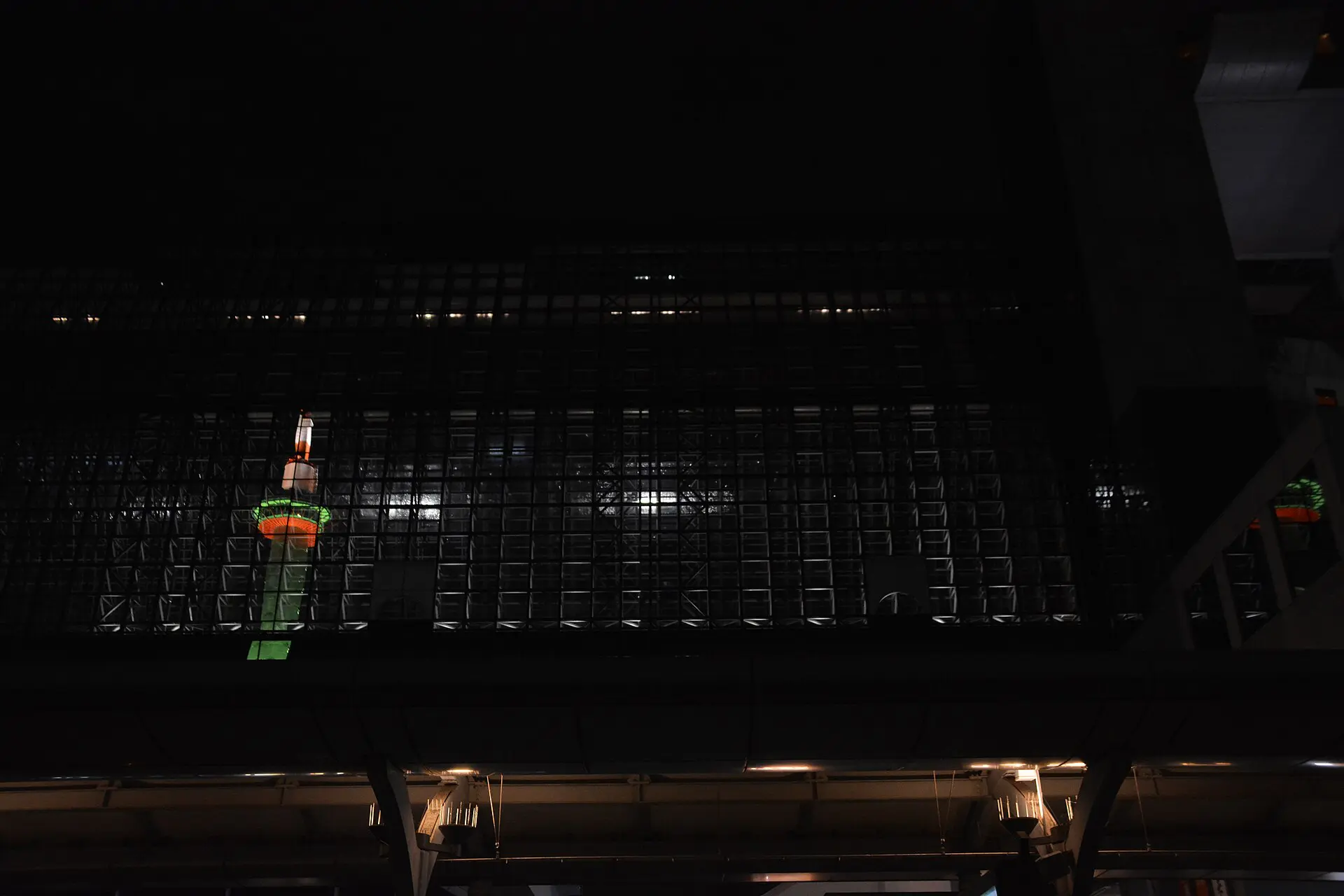
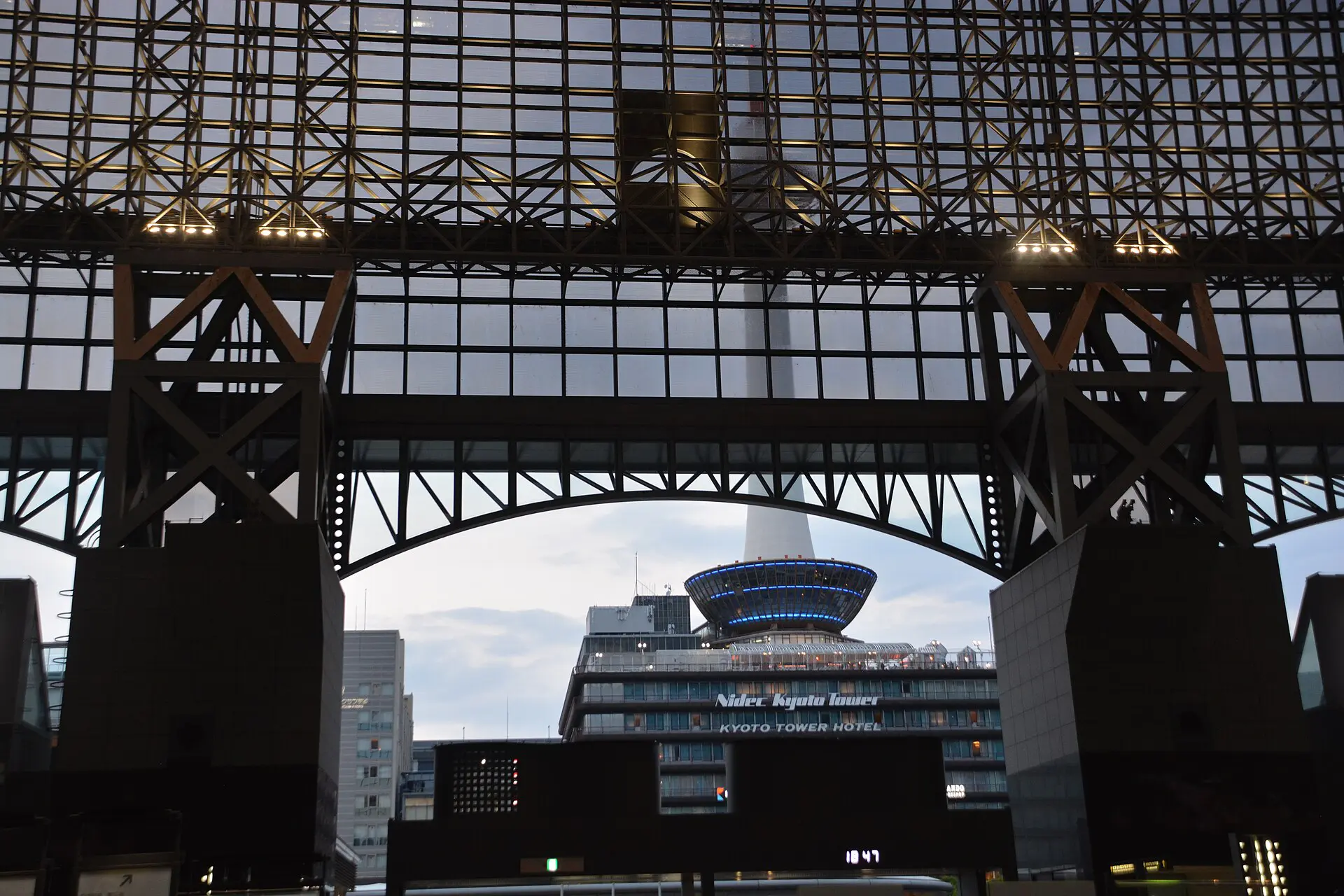
Kyoto Station is a huge, well-signed building with taxis, buses, a subway and shops, which makes it one of the easiest places in Japan to arrive late. Trains and many buses stop earlier than in Tokyo, so aim to be in your accommodation by about 9 or 10 pm. Pre-book the first night, and save the address in Japanese on your phone to show a taxi driver.
If you arrive after dark, take a taxi from the station rank. Fares are metered and fixed by distance, drivers are licensed, and the ride to most central hotels is short.
Where to stay in Kyoto: areas compared for solo travelers
Kyoto sits in a basin, with the main sights split between the east hills, the north, the west at Arashiyama and the south near the station. Pick a base that gets you to the sights you care about on one line.

| Area | Best for | Evening feel | Watch for |
|---|---|---|---|
| Kawaramachi and Shijo | First-timers, food, nightlife, social hostels | Busy and well lit until late | Crowded weekends; some noisy streets near bars |
| Kyoto Station | Early trains, day trips, easy arrival | Practical, quieter after 9 pm | Less atmosphere; trek to old districts |
| Gion and Higashiyama | Old streets, temples, traditional feel | Very quiet after the tours leave | Few late dining options; slower buses |
| Nishijin and the north | Calm, local life, small guesthouses | Residential and still | Further from nightlife; rely on buses |
| Arashiyama | Bamboo grove, mornings, nature | Shuts early | Remote at night; far from the centre |
My pick for a first solo trip
I would choose the Kawaramachi and Shijo area. It has subway access on the Karasuma line, many restaurants with counter seating, and a lot of hostels and small hotels. Staying by Kyoto Station is the second pick if you have an early train or a lot of luggage, though the evenings are flat.
Hostel, guesthouse, ryokan or hotel?
Kyoto has many good hostels, including women-only dorms, and some have social rooms, cooking nights and walking tours. Business hotels are cheap, clean and private. A ryokan is a special experience, but some traditional inns do not accept solo guests, so confirm before booking. Check recent reviews for noise, location and a staffed front desk.
How to meet people in Kyoto, low-pressure first
Start with a hostel common room. Many have a bar or free events, and it is easy to find a table partner. Group walking tours of Gion or Fushimi Inari are the next step, with a clear end time and no pressure to stay.
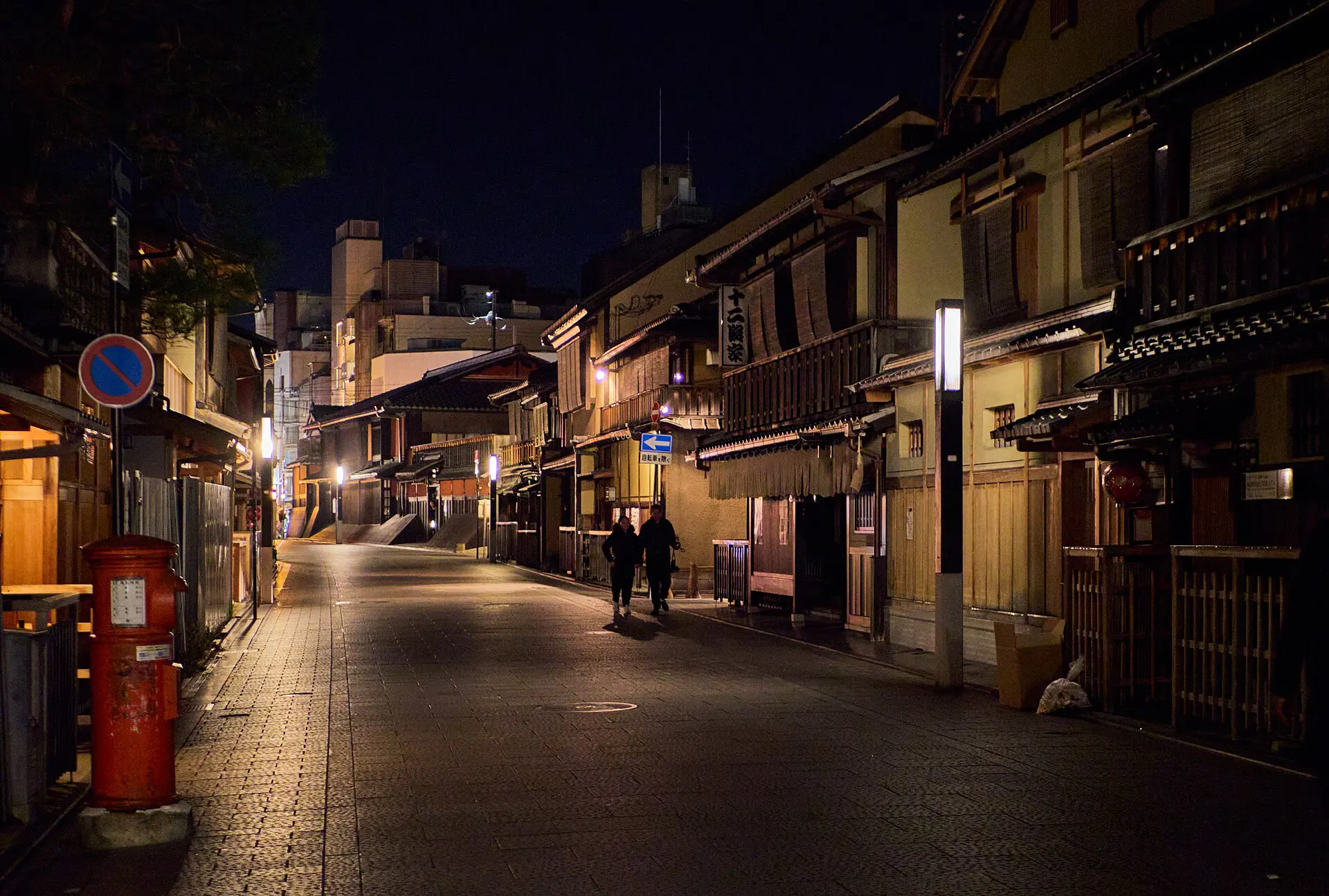
Next, try a hands-on class, such as tea ceremony, calligraphy or cooking, which usually run in small groups and give you something to talk about. Book through your accommodation or a reviewed provider and confirm the meeting point.
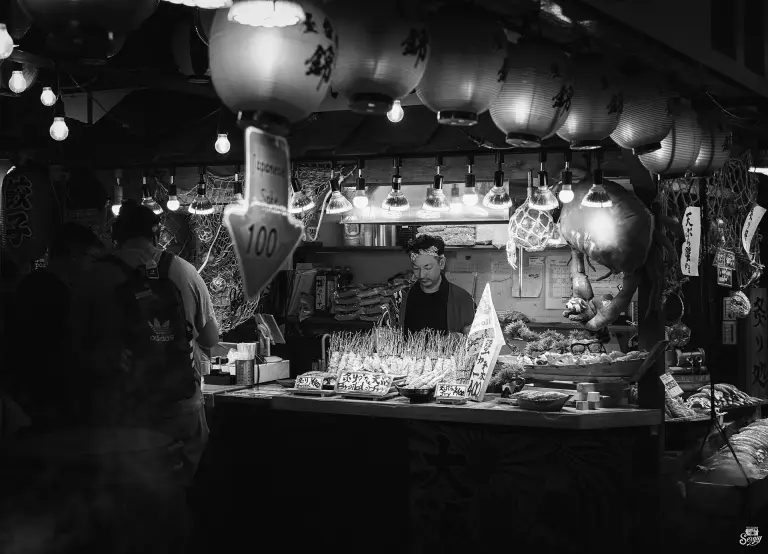
Finally, use counter seating. Small restaurants with bar seating are common in Kyoto, and eating alone is entirely normal. Language apps help with menus, and a smile and pointing do the rest.
Things to do in Kyoto alone
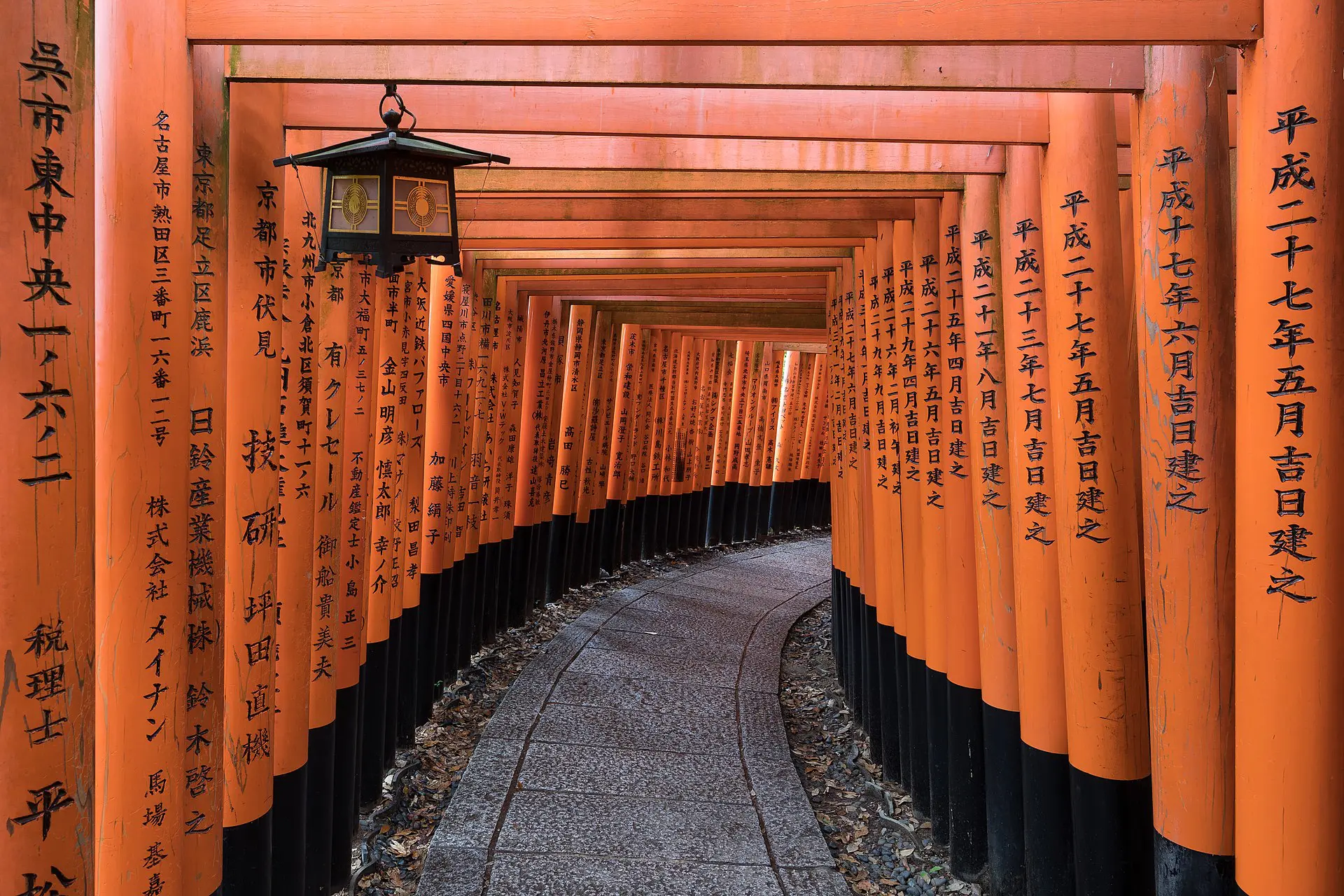
Walk Fushimi Inari early
The torii-gate trail on the mountain is busy by mid-morning. Go at opening or near dusk with a headlamp, and stay on the lit main path. The hike is easy to do alone, and you will pass other walkers throughout.
Spend a morning in Higashiyama
Walk the old lanes near Kiyomizu-dera before the day tours arrive. Wear comfortable shoes, because the streets are steep and stone. Stop for tea or sweets at a small shop and watch the street.
Cycle along the Kamo River
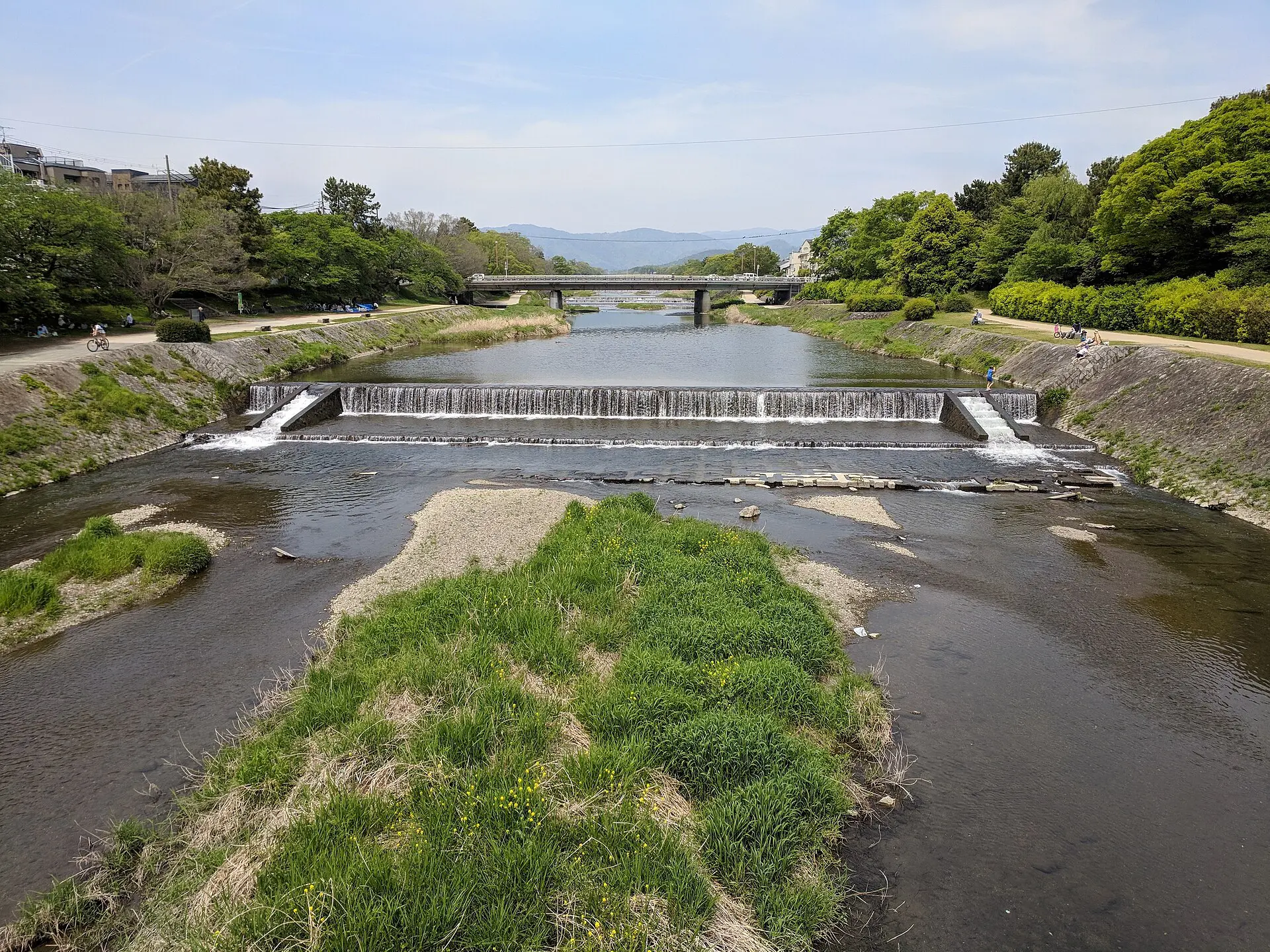
The riverside path is flat and popular with locals running, walking and picnicking. Rent a bike for the afternoon from a shop near your base, and return it before it gets dark.
Visit Arashiyama in the morning
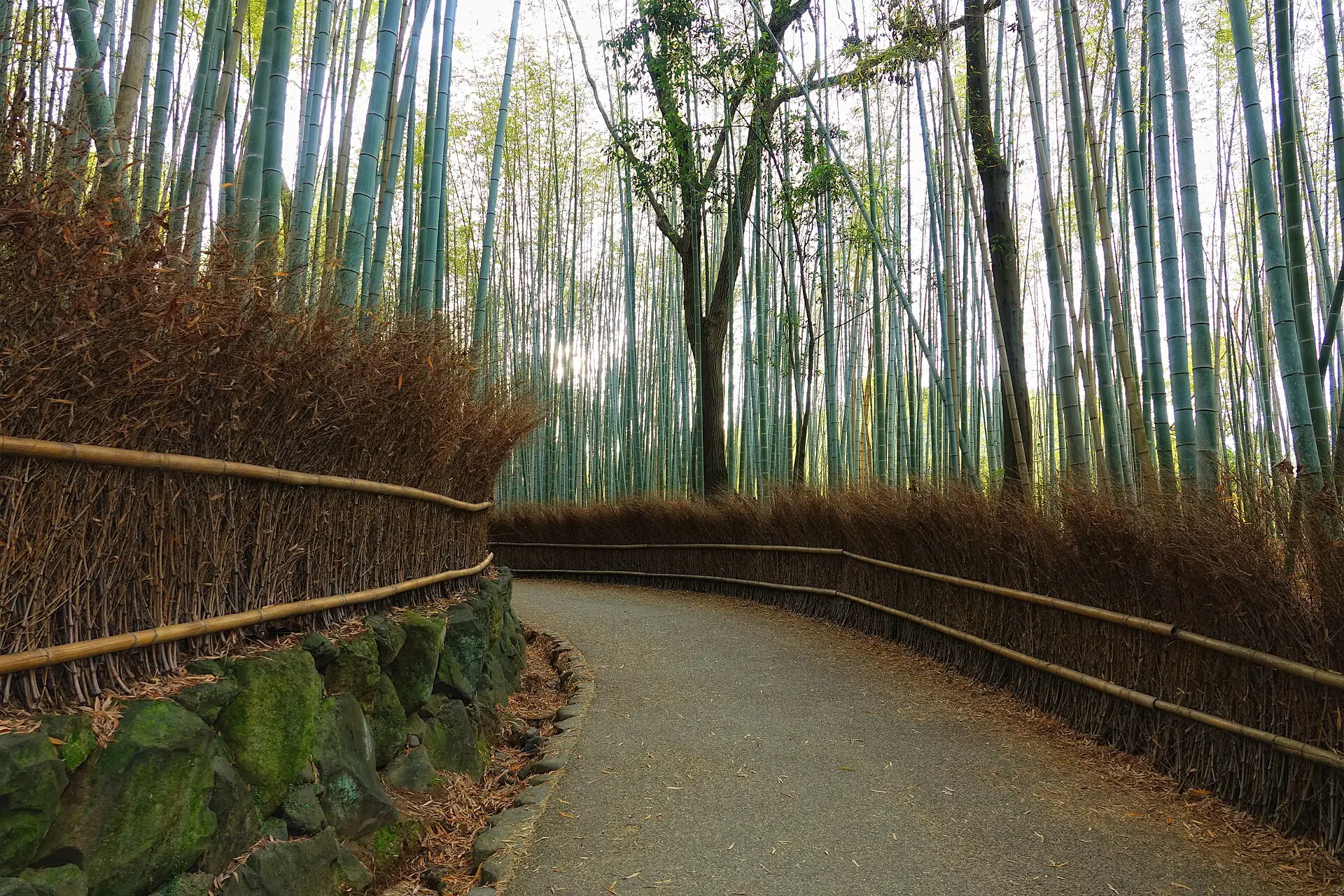
Go before 9 am for the bamboo grove and the riverside. Take the train from the centre and leave by early afternoon. It is an easy half-day alone, with plenty of other visitors around.
Try a tea ceremony or cooking class
Small classes are an easy way to meet other travelers and learn something concrete. Book ahead in spring and autumn, which are the busy seasons.
Take a day trip to Nara or Osaka
Both are about 30 to 50 minutes by train. Nara’s deer park suits a relaxed day alone, and Osaka has more night food. Check the last train back. Our Kyoto guide has more on what to see.
Evenings and after-dark options in Kyoto
Kyoto is quieter at night than most big cities. Shops and temples close early, and Gion thins out after dinner. The most active evening area is Kawaramachi, Shijo and Pontocho, where narrow alleys hold small restaurants and bars, many with counter seating for one.
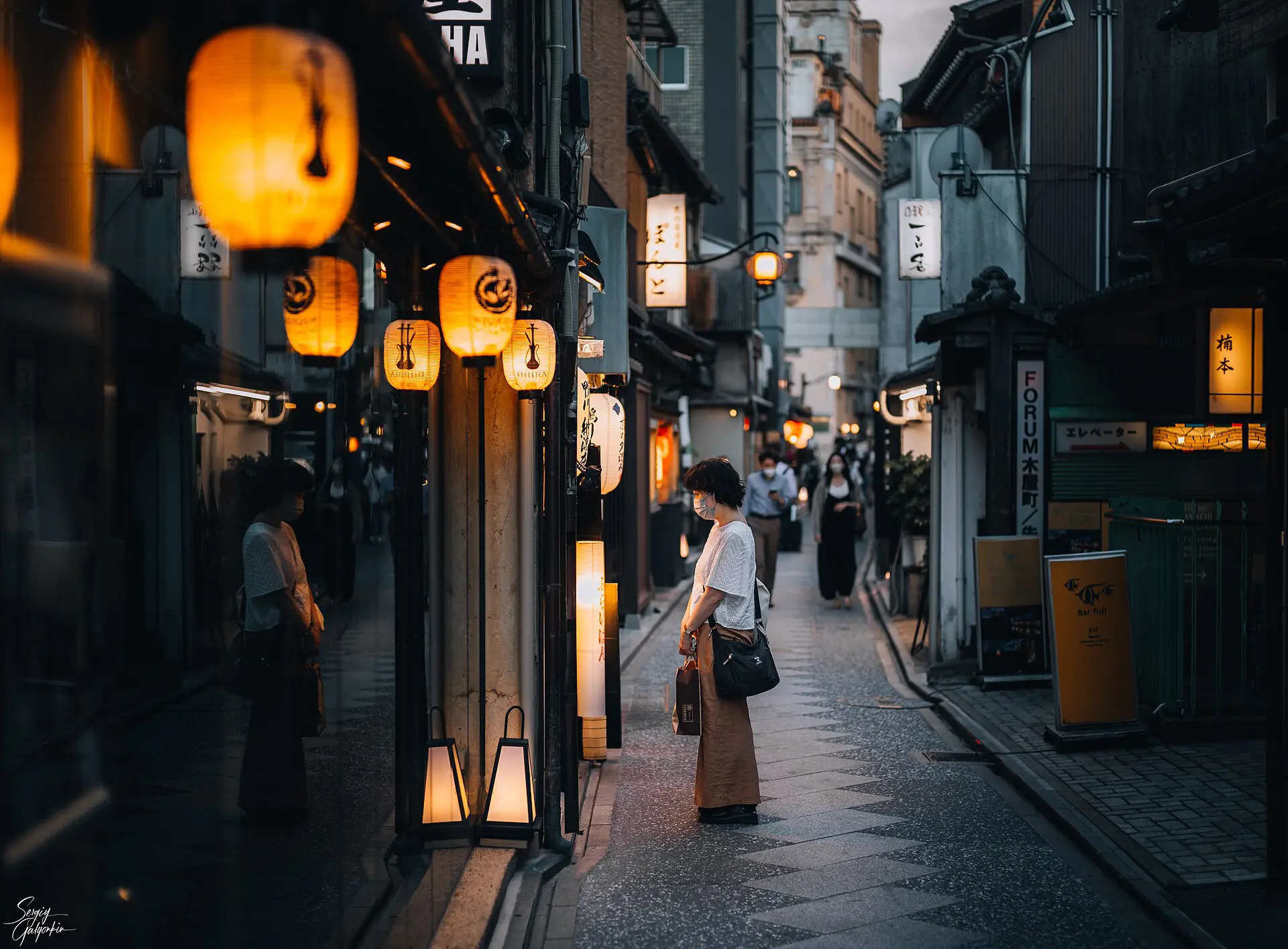
For company, look at izakaya with shared counters, evening food walks, or hostel bar nights. Women-only options exist in some hostels, and many small bars welcome solo guests. Do not follow people who approach you with invitations to bars in nightlife areas, as drink-spiking and overcharging scams exist, so choose places with posted prices.
Plan the ride back before you go out. Check your bus or subway time, and carry cash for a taxi.
Getting around Kyoto alone
The subway has two lines and is easy to use, but it does not reach many of the sights. Buses fill the gaps, though they are crowded at peak times, with long queues at the main temples. An IC card such as ICOCA or Suica works on most trains, subways and buses, and on many shops.
Taxis are metered and safe, and a short ride is often worth it late at night. Cycling is good for flat areas, with markings on roads. Last buses commonly leave in the late evening, so check before you go.
Where to stay in Kyoto on a budget
As of 2026, hostel dorms in Kyoto usually cost from the low thousands of yen to a little more at peak times, and business hotels are higher but affordable. Prices rise in cherry-blossom season and for autumn leaves, and a tourist tax may apply, so check before you book. For the wider country, see the Japan travel guide, Wikivoyage’s Kyoto page and Wikipedia.
Where to stay in Kyoto: FAQ
What is the best area to stay in Kyoto for solo travelers?
Kawaramachi and Shijo is the best all-round choice for solo travelers. It has good subway access, restaurants with counter seats, and busy evenings. Kyoto Station is the next best for arrivals and day trips, while Gion suits those who prefer quiet and old streets.
Is Kyoto safe for solo female travelers?
Japan has low rates of violent crime, and many women travel alone in Kyoto. The risks are mostly small: crowded buses, bar scams in nightlife areas and groping on packed trains, which women-only carriages can help avoid. Keep valuables close and plan your late ride home.
Is it better to stay near Kyoto Station?
It is convenient for trains, the airport express and day trips, and it has many hotels. The evenings are quiet, and the old districts take a bus or subway ride. It suits short stays and early departures, while Shijo suits longer stays with more evenings out.
How many days do I need in Kyoto?
Three days covers the main temples, Fushimi Inari and Arashiyama at a steady pace. Add a day for a trip to Nara. A base near the subway gives you more flexibility, so you can change plans if the weather turns or a temple is crowded.