A Mt Fuji day trip from Tokyo works, and the simplest version is a direct highway bus from Shinjuku to Lake Kawaguchi, roughly 1 hour 45 minutes each way as of 2026. Leave before 8am, spend the day around the lake and Fujiyoshida, and take a bus back by early evening. If you only have one day, do exactly that and skip the climb: the official climbing season is short, and a summit attempt does not fit into a day.
Getting to Mt Fuji from Tokyo
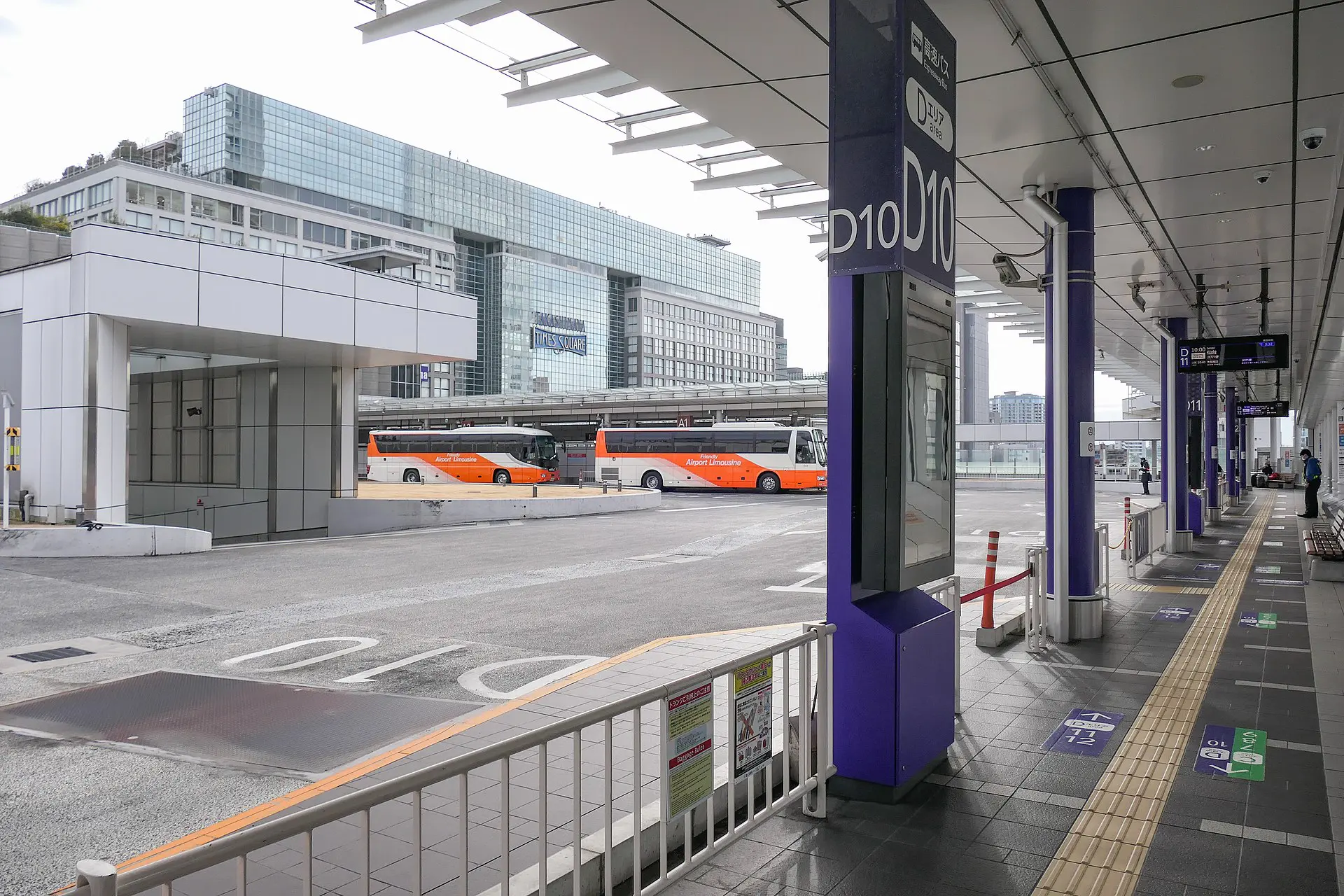
Fuji has no direct rail line from Tokyo. You get close by bus or by train plus a transfer, and both land at Lake Kawaguchi, the usual base. Fares and timetables change, so treat the figures below as planning ranges and check the operators before you go.
| Route | Typical time | Cost (approx.) | Notes |
|---|---|---|---|
| Highway bus, Shinjuku to Kawaguchiko | About 1 hr 45 min | Around 2,000 yen one way | Direct, bookable online in English; traffic can add time on weekends |
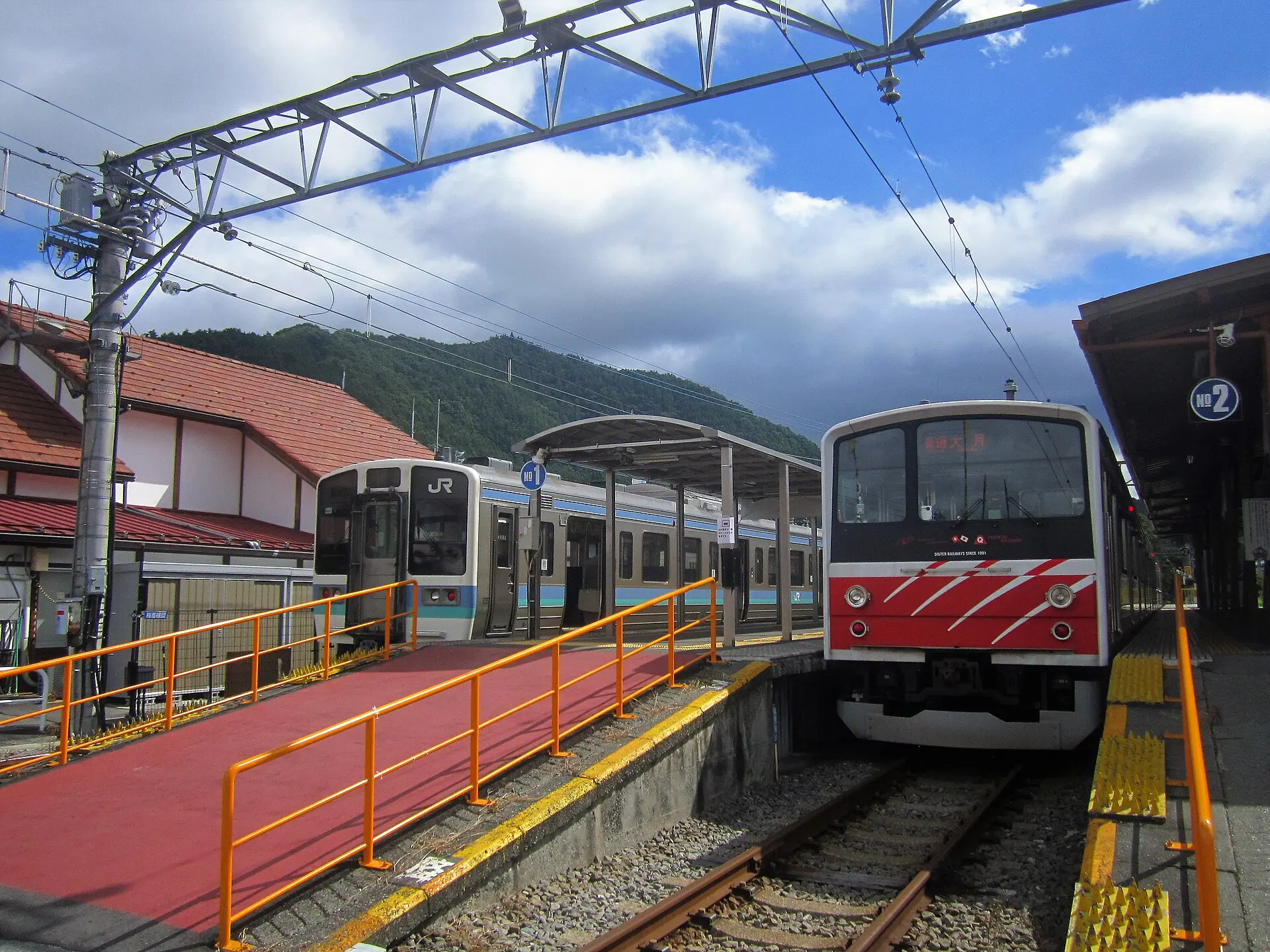
| JR Chuo line, change at Otsuki to the Fujikyu line | About 2 to 2.5 hrs | Higher than the bus | Some limited express services run through without a change |
| Odakyu train to Gotemba, then bus | Longer, with a change | Similar to the bus | Useful only if you want the southern side of the mountain |
For a single day, the bus is the better choice: no transfer, a reserved seat and a drop-off close to the station. Wikivoyage notes that the bus is the easiest way to reach the slopes, and it is the least likely to eat your morning.
A time-blocked route for a Mt Fuji day trip
Five stops, in order, built around one rule: see the mountain early, when cloud is least likely, and keep the later hours for shrines and ponds that work in any weather. Fuji hides behind cloud on many days, especially in summer afternoons, so the plan front-loads the views.
1. 10:00 to 11:00: Kawaguchiko and the lake shore
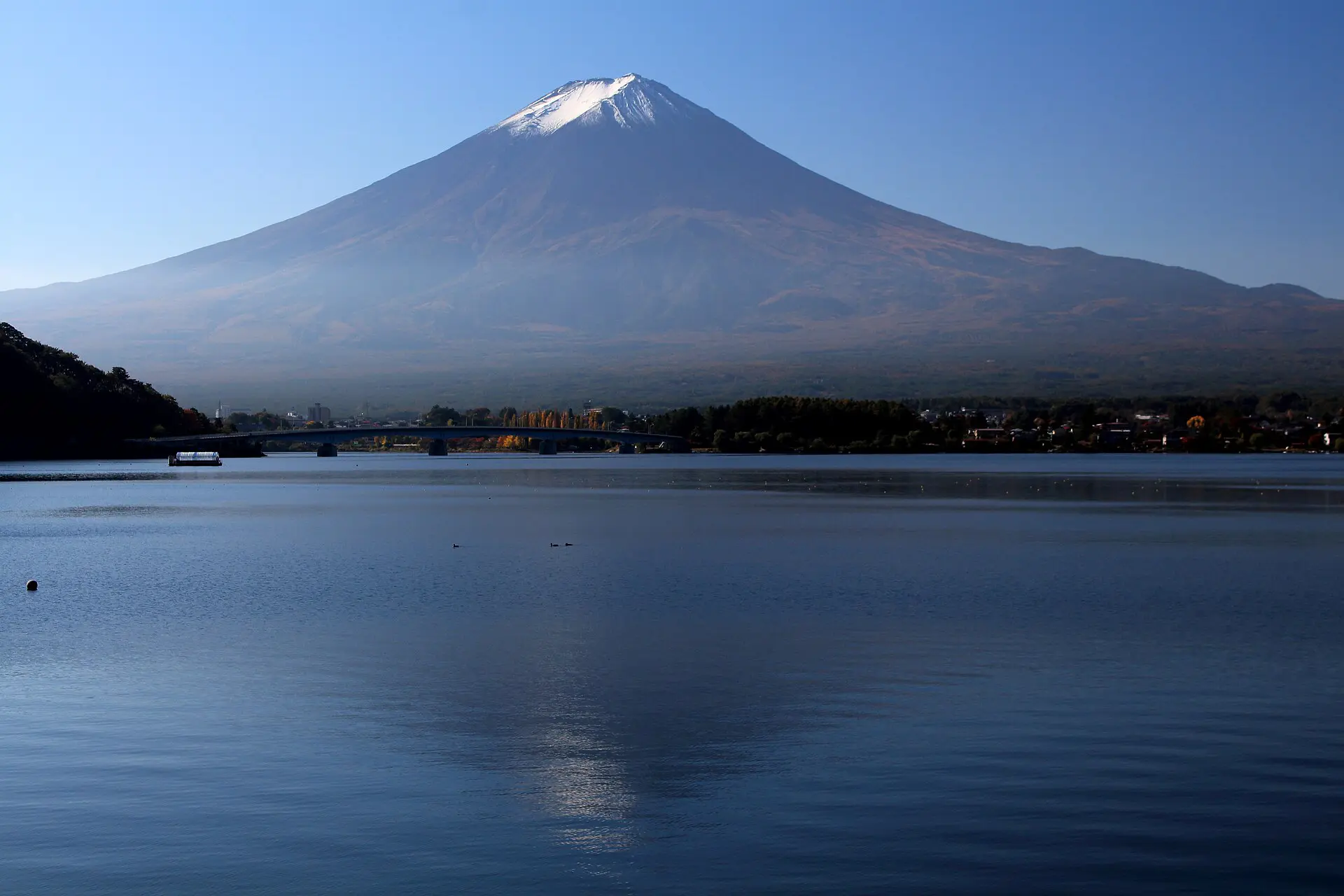
Get off at Kawaguchiko, walk to the northern shore and look south. This is the classic framing of the cone over the water. Allow 45 minutes to an hour. If the summit is clear, take the photos now; do not assume it will still be clear after lunch.
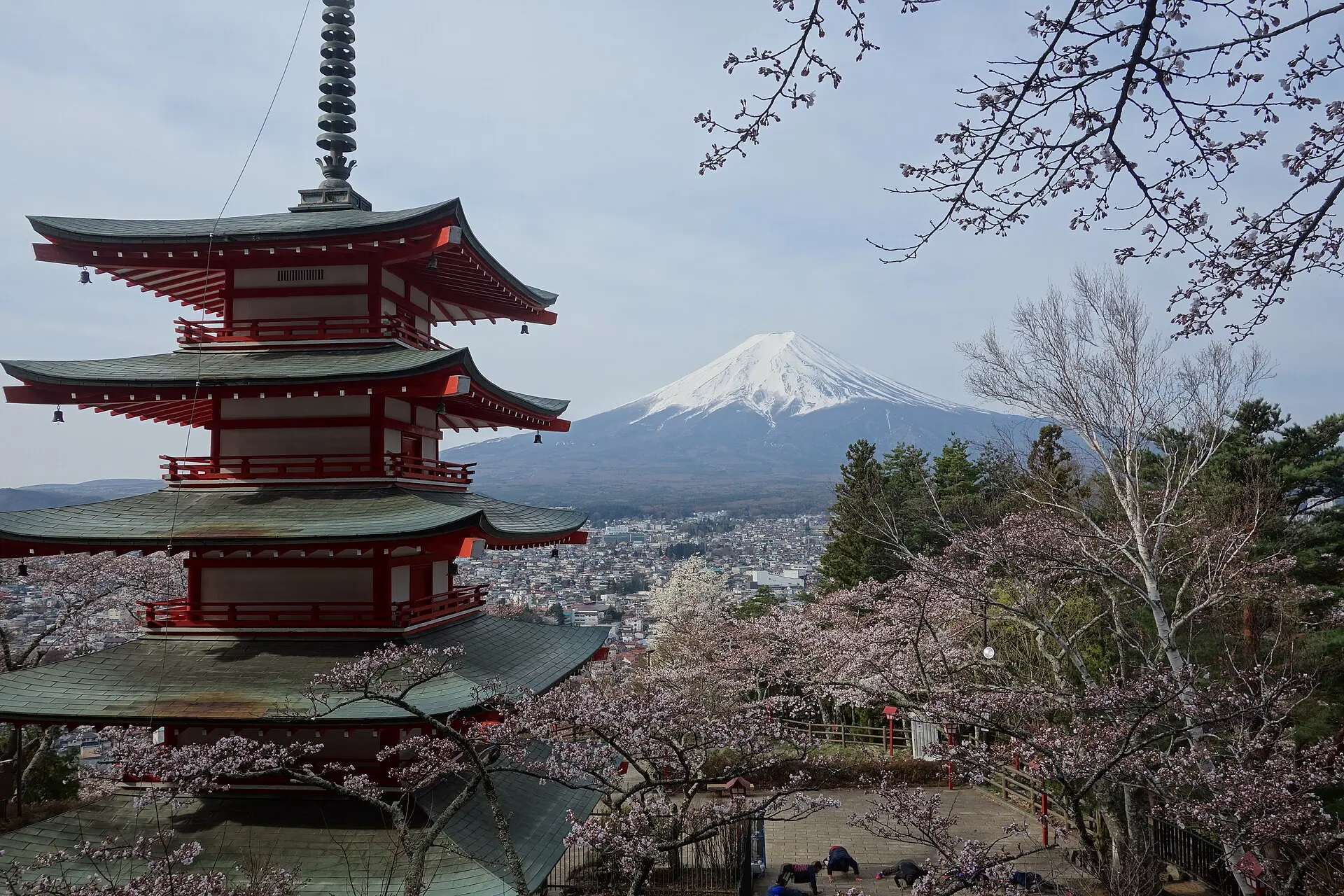
2. 11:00 to 12:30: Chureito Pagoda viewpoint
The five-storey pagoda above Fujiyoshida, with the cone behind it, is the best-known single view in the area. Reaching the viewpoint means climbing several hundred steps, so wear proper shoes. It is the most crowded stop of the day, which is why it comes second, not at noon. Pair it with a short walk back through the town below.
3. 12:30 to 14:00: Fujiyoshida and its shrine
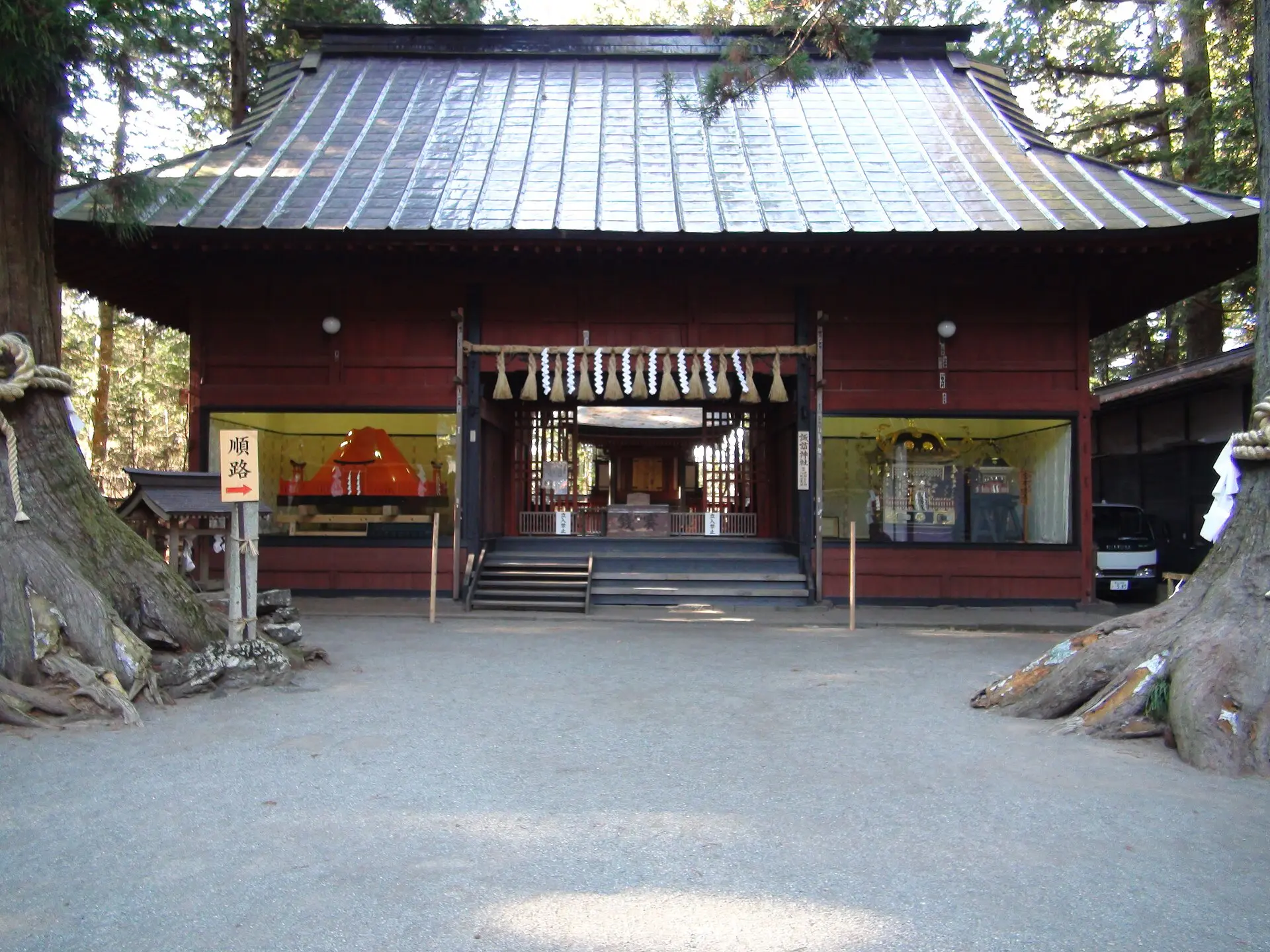
Fujiyoshida is the traditional pilgrim town at the foot of the Yoshida trail, and its Sengen shrine marks the old start of the climb. The cedar approach is shaded and quiet, a useful contrast to the viewpoint. Eat in the town: lunch near the station is cheaper and quicker than at the lakeside.
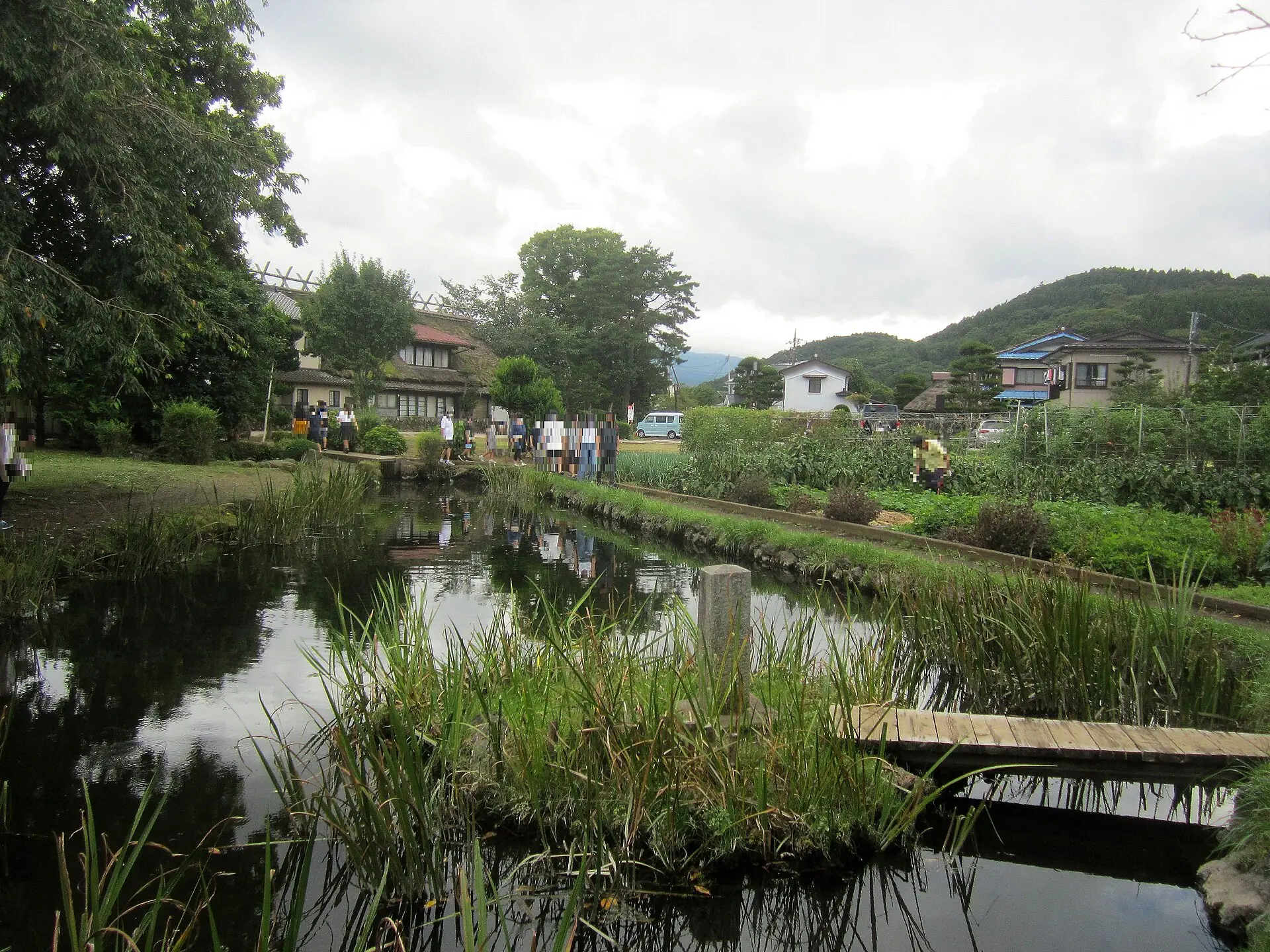
4. 14:00 to 16:00: Oshino Hakkai
A village of small spring-fed ponds fed by Fuji meltwater, about 30 to 40 minutes by local bus from Kawaguchiko. It is the cultural stop in the plan, a market-and-thatched-house scene rather than a viewpoint, and it works under cloud. Expect tour groups at midday. Check the bus timetable before you commit, because services run less often than in the city.
5. Instead of stops 3 and 4: Kawaguchiko Fifth Station, only if the road is open
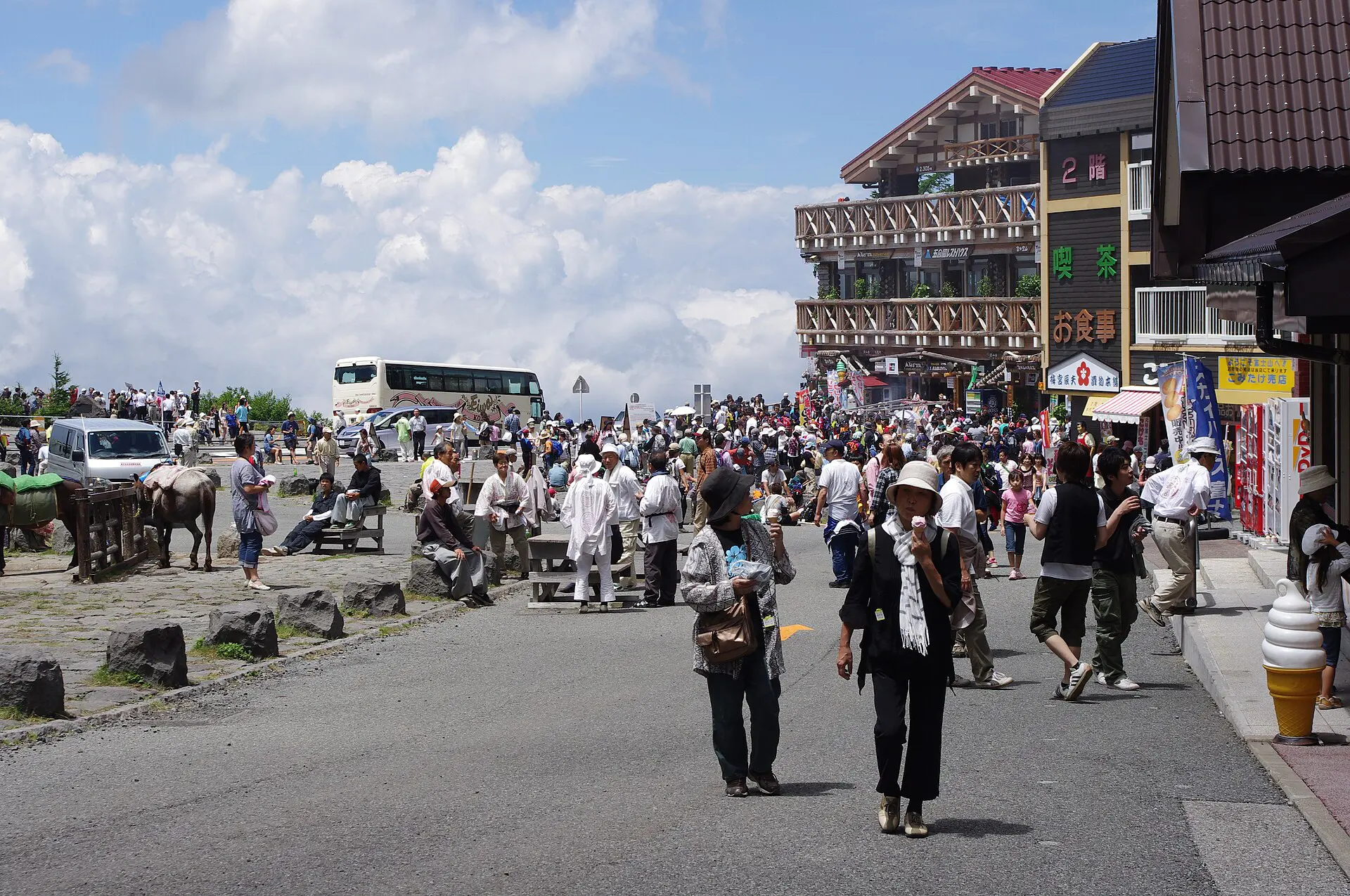
The fifth station sits partway up the mountain and is the starting point of the main climbing trail. Wikivoyage lists buses from the lake taking about 55 minutes, and notes that the service does not run if snow blocks the route. Allow about 3 hours for the round trip, so it replaces other stops. I would skip it unless the weather is clear and you have confirmed the last return bus.
Mt Fuji opening patterns and crowd timing
The official climbing season runs only a little over two months, from early July to early September, with exact dates set each year by the authorities. Outside that window, facilities near the upper mountain close and bus services are cut back. The base-level sights in this plan stay open all year.
- Weekends and Obon: the busiest days. Pick a weekday if you can.
- School holidays: late July to the end of August is peak, and buses fill up. Reserve your seat.
- Cloud: morning is the best bet. Winter, with its dry air, often gives the clearest views.
- Closing patterns: small shops and cafes in the lake towns can close on weekdays or early in the evening in the off season. Eat before 2pm.
Queue-avoidance rule: take the first or second bus out of Shinjuku. Later departures arrive just as the viewpoints fill.
If you only have half a day at Mt Fuji
Take an early bus, do stops 1 and 2 only, and be back on the bus by 1pm or 2pm. That gives you the lake view and the pagoda, the two reasons most people come. Add Fujiyoshida only if you have a seat on a later bus. A short Mt Fuji day trip from Tokyo suits a schedule where the afternoon is already booked.
Getting back from Mt Fuji to Tokyo
The return is where day trips fail. Buses to Shinjuku run until the evening, but the last departures fill on summer and holiday weekends, and the schedule is shorter off-season. Buy the return seat when you book the outbound one, and set a personal cut-off: leave the lake at least an hour before the last bus.
Plan for traffic on Sunday evenings, when the highway can add 30 minutes or more. If you miss the last bus, the train via Otsuki is the fallback, but check its final departure too. For a longer look at the mountain, see the Mount Fuji guide, the wider Japan travel guide and the Wikivoyage entry on Mount Fuji.
FAQ about a Mt Fuji day trip
Can you climb Mt Fuji in a day trip from Tokyo?
Not realistically. The official climbing season is only a little over two months in summer, the ascent takes many hours, and most climbers use a mountain hut or start overnight. A day trip from Tokyo is a viewing trip, not a summit trip.
What is the best way to get from Tokyo to Mt Fuji?
A direct highway bus from Shinjuku to Kawaguchiko, which takes roughly 1 hour 45 minutes. It has no transfer and can be booked online. The train works too, but it involves a change at Otsuki and takes a little longer.
What is the best time of year for a Mt Fuji day trip?
Autumn and winter often give the clearest views, and weekdays are quieter than weekends. Summer is the climbing season and the most crowded. Whatever the month, go early, because cloud tends to build later in the day.
How early should you leave Tokyo?
Aim to be on a bus before 8am. That puts you at the lake by about 10am with the best chance of a clear cone, and leaves enough hours to visit three or four stops and still catch an early-evening bus back.