Why visit Mount Fuji
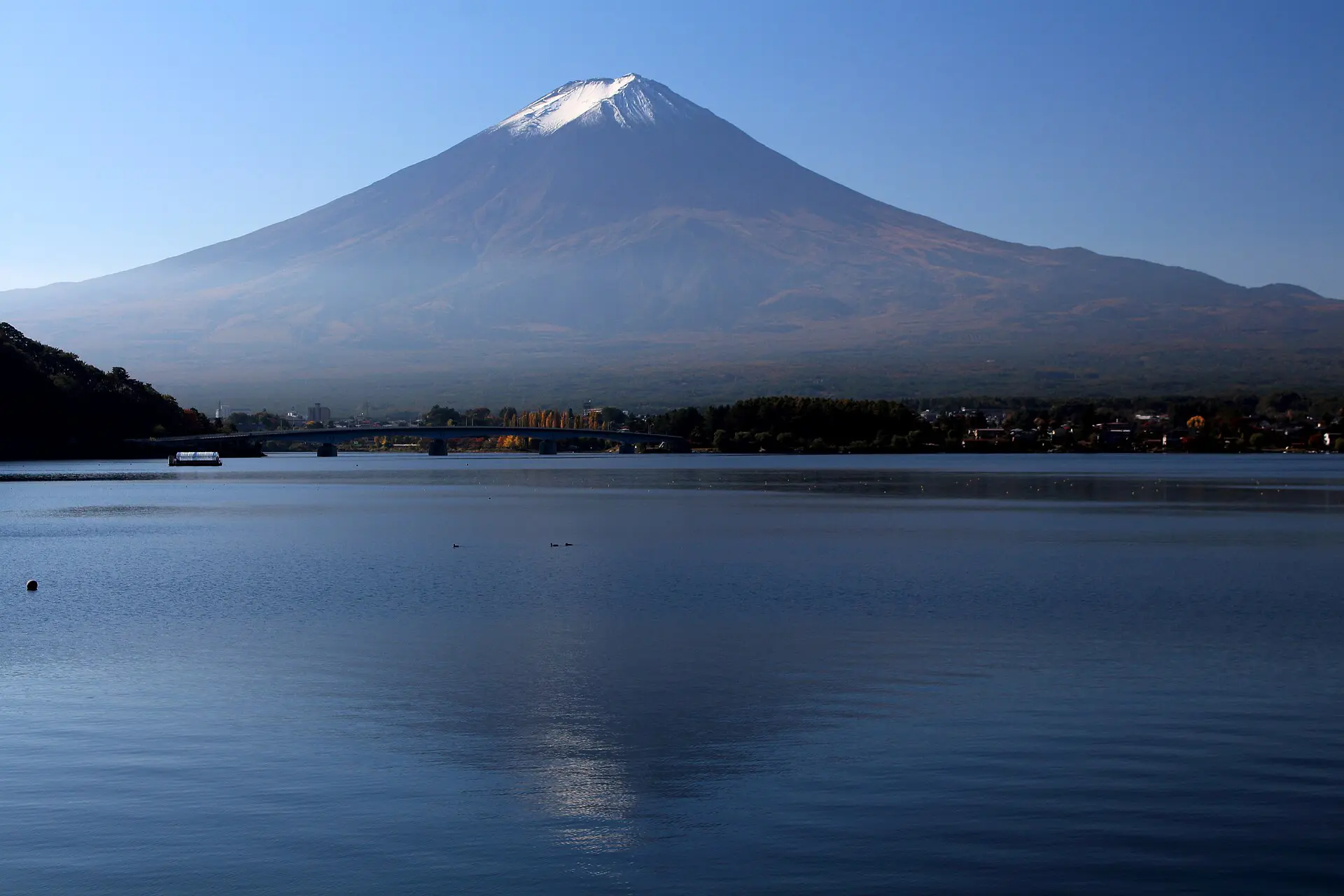
If you are planning things to do around Mount Fuji, start with the mountain itself. It is an active stratovolcano on the island of Honshu, with a summit elevation of about 3,776 metres, making it the highest mountain in Japan. Its last eruption was in 1707 to 1708, and its cone is exceptionally symmetrical and covered in snow for around five months of the year.
It is a Japanese cultural icon, painted by Hokusai, photographed constantly and a place of pilgrimage for centuries. It is one of Japan’s Three Holy Mountains, and it was added to the UNESCO World Heritage List as a cultural site in 2013. On a clear day it can be seen from Tokyo, roughly 100 km to the north-east.
Visitors come to climb it, to look at it, or both. The area around its base, part of Fuji-Hakone-Izu National Park, has lakes, shrines, forest walks and hot springs. The view depends heavily on weather, so build flexibility into your plans.
Top things to do in Mount Fuji
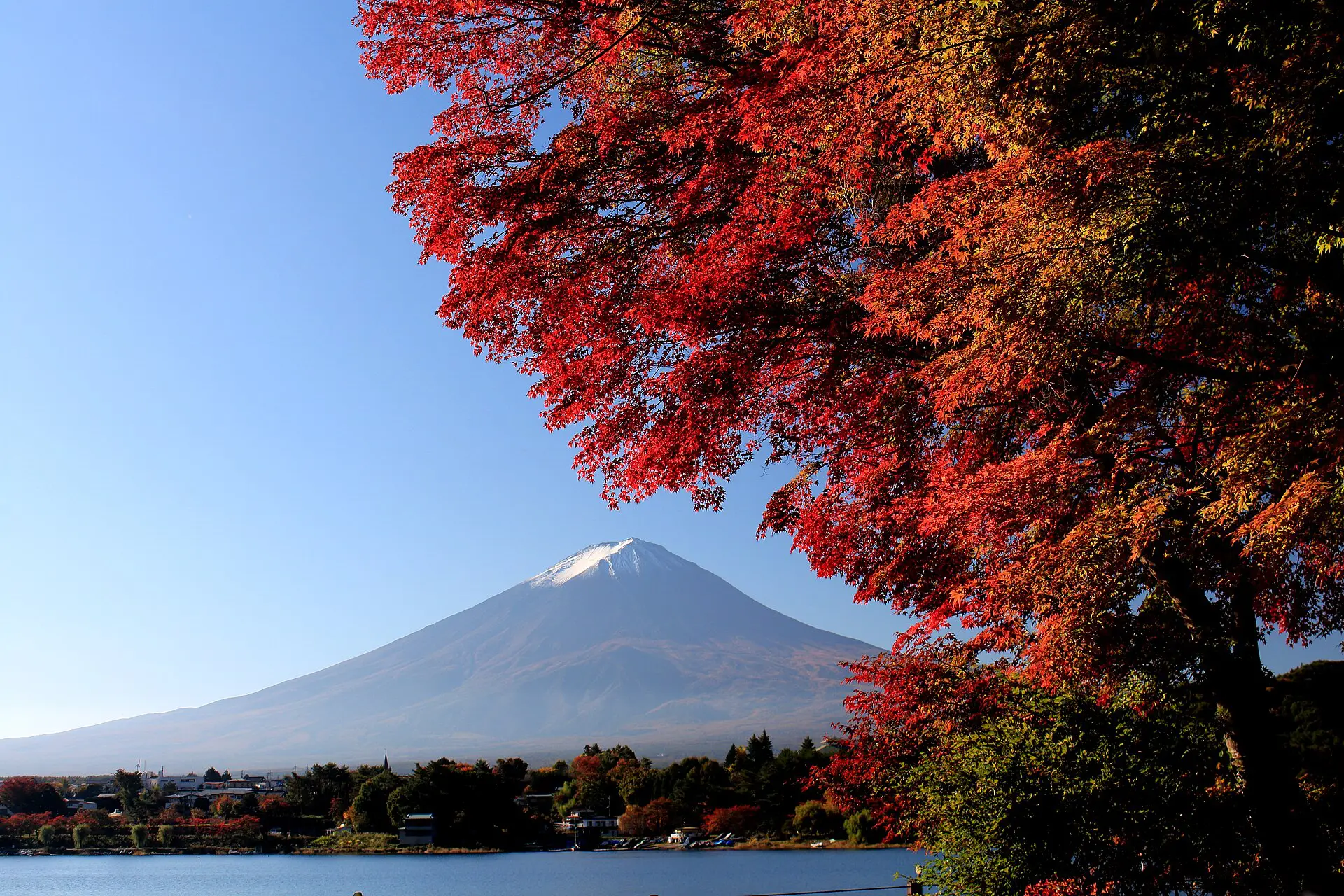
Climb Mount Fuji
The official climbing season is short, running roughly from early July to early September, and there are four main trails. Most people take one to two days, often with a night in a mountain hut. Rules, fees and reservations have changed in recent years, so check the official trail information before you plan, and prepare for cold, wind and altitude.
Lake Kawaguchi
The most accessible of the Fuji Five Lakes has shoreline paths, ropeways, boat rides and classic views of the mountain. Allow half a day to a full day. Go early for the best chance of a clear view, and check whether bike or boat rentals run on the day you visit.
Chureito Pagoda
A red pagoda on a hillside above the town of Fujiyoshida is one of the most photographed viewpoints, especially in cherry blossom season and autumn. It involves a climb of several hundred steps. Allow about 90 minutes, and expect crowds at peak times.
Oshino Hakkai
This small village has a group of clear spring-fed ponds fed by Fuji’s snowmelt, with thatched houses and views of the peak. Allow one to two hours. Go in the morning or late afternoon, and note that the area can be busy with tour groups.
Fujisan Hongu Sengen Taisha
The main Shinto shrine at the foot of the mountain in Fujinomiya, with a long history of worship at Fuji. Allow an hour. It is a good stop if you are visiting the southern side, and it is quiet compared with the lakes.
Hakone and the Fuji-Hakone-Izu area
Hakone lies to the east, with hot springs, lakes and open-air art spaces. On clear days you can see Fuji from lakeside spots and from the ropeway. Allow a full day or an overnight stay. Check ropeway status, since volcanic activity can close sections.
Onsen and local food
Many lakeside inns have hot spring baths with views of the mountain, and local specialties include houtou, a hearty noodle stew from Yamanashi. Allow an evening. Learn the basic onsen rules first, such as washing before you bathe, and check whether tattoos are allowed.
Best time to visit Mount Fuji
The best time depends on what you want. The climbing season runs from roughly early July to early September, when trails and huts are open. Outside this period, the upper mountain is covered in snow and ice, and climbing is dangerous and generally not allowed without proper experience and equipment.
For views, winter is often the clearest, with crisp air from about November to February, though it is cold. Spring brings cherry blossoms, and autumn brings colour around the lakes. Summer views can be hidden by cloud and haze, even when the weather is warm. Check live webcams before you go, and be prepared to change your plans.
| Season | Weather | Crowds and prices |
|---|---|---|
| Spring (Mar-May) | Cool to mild, variable | Busy at cherry blossom time |
| Summer (Jun-Sep) | Warm below, cold at the summit | Busiest for climbing, higher prices |
| Autumn (Oct-Nov) | Cool, often clear | Busy during foliage |
| Winter (Dec-Feb) | Cold, crisp, best views | Quieter, good value |
How to get to Mount Fuji and around
Most visitors travel from Tokyo. Highway buses from central Tokyo run to the Kawaguchiko area in roughly two hours, depending on traffic, and trains use the JR Chuo line and the Fujikyuko line, often with a change. Check current schedules and any reservation requirements, especially at weekends.
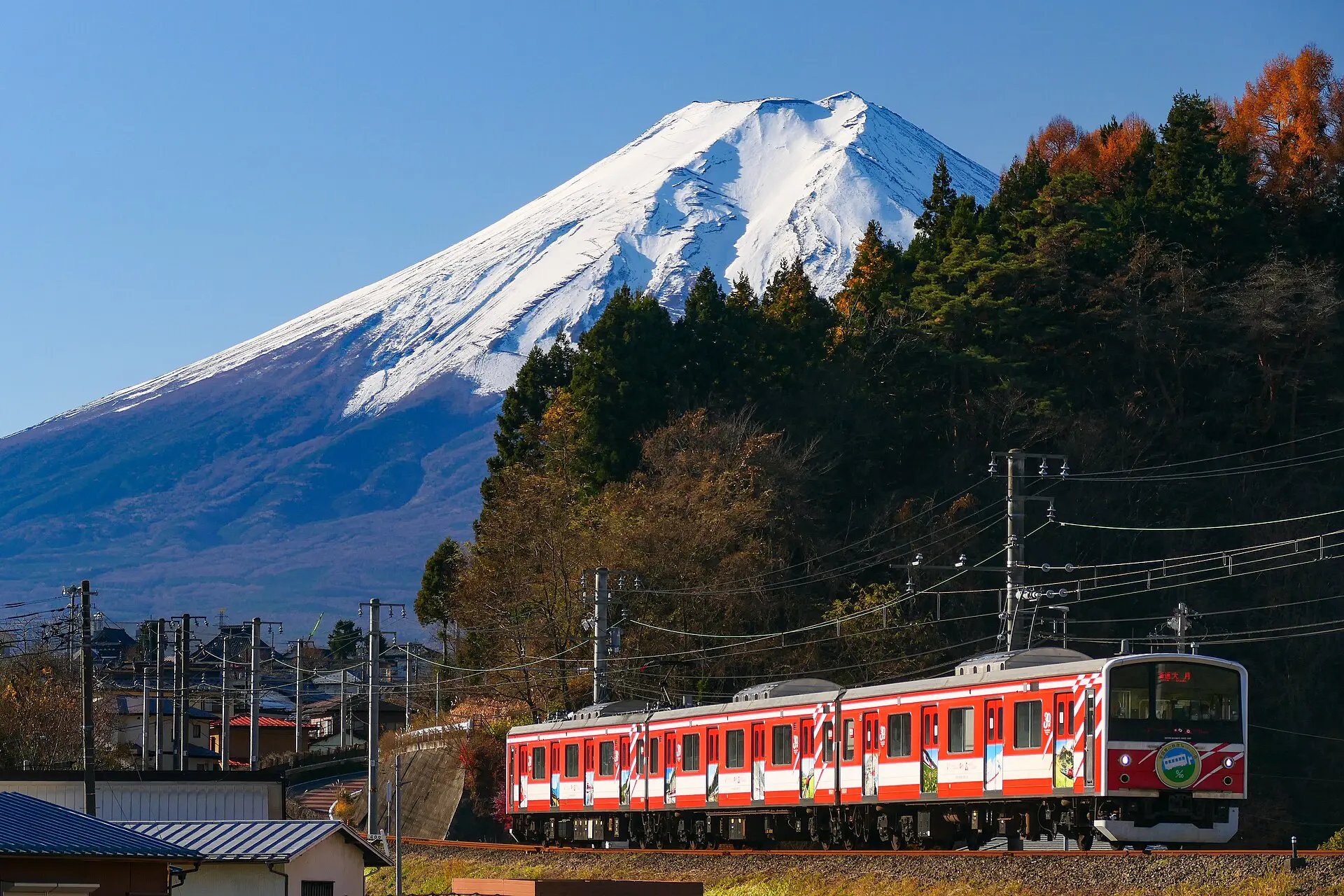
For the southern side, buses link Shin-Fuji and Mishima stations on the Tokaido Shinkansen with Fujinomiya and some trailheads. Hakone is reached by train from Tokyo.
Around the lakes, local buses and sightseeing loops cover the main stops, and rental cars and bikes are also available. In the climbing season, special buses run to the fifth stations, and some trails use controlled access. Traffic can be heavy on holiday weekends, so allow time.
Where to stay in Mount Fuji
The Kawaguchiko area is the best base for most visitors, with a wide range of hotels, guesthouses and ryokan, many with mountain views. It suits first-time visitors who want easy access to lake views, buses and restaurants.
Fujiyoshida and the foot of the Yoshida trail suit climbers who want an early start, with simple inns and hostels. It is practical, but less scenic than the lakes.
Hakone suits travellers who prefer hot-spring inns and a slower pace, with Fuji views as a bonus rather than the main reason to stay. Fujinomiya and the southern side offer fewer visitors and a quieter feel. Book early for summer weekends and Japanese holidays.
How many days do you need?
One day is enough for a quick look at the lakes and a viewpoint, though it is rushed. Two days is better, letting you stay overnight near the mountain and wake up to morning views. A climb takes one to two days on its own, plus time to rest afterwards.
- Day 1: Travel from Tokyo, visit Lake Kawaguchi, Chureito Pagoda and Oshino Hakkai, and soak in an onsen.
- Day 2: Early viewpoint at the lake, then continue to Hakone or return to Tokyo by bus.
- Day 3 (optional): Spend time on the southern side at Fujinomiya or Hakone’s lakeshore.
Day trips and nearby
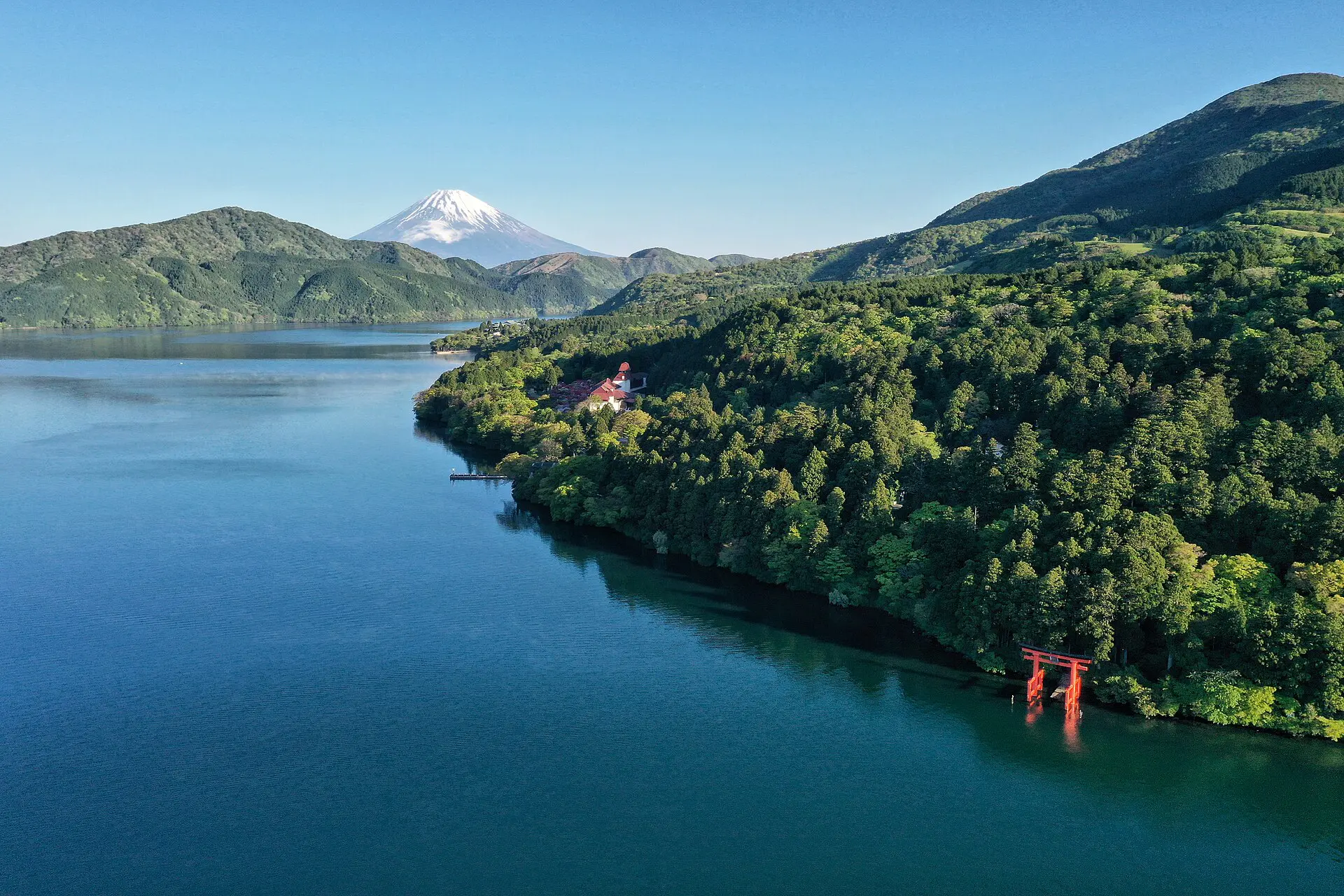
Hakone
Hakone is a hot-spring resort region with lakes, volcanic valleys and art museums. It is reachable by train from Tokyo and is easily combined with a Fuji trip. Allow a full day, and check ropeway status before you go.
Tokyo
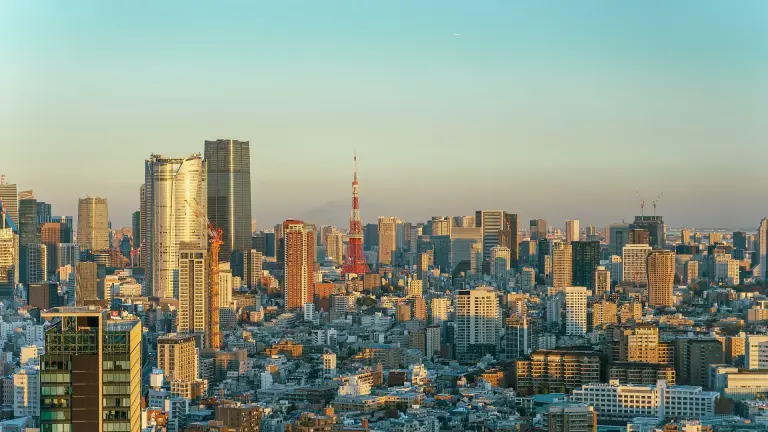
Japan’s capital is the usual starting point and lies roughly 100 km away. Fuji can be seen from some high points in the city on a clear day. Most visitors use it as a base for a day trip or an overnight stay.
Yokohama
Japan’s second-largest city lies on the way between Tokyo and Hakone, with a harbour, Chinatown and museums. It fits well as a stop on a longer loop.
Kyoto and Nagoya
The Tokaido Shinkansen links the Fuji area with Nagoya and Kyoto, and a clear day often gives a view of the peak from the train. Allow a full travel day, and book seats on the Fuji side if you want the view.
FAQ
Q1When is the best time to visit Mount Fuji?
For climbing, the season runs from about early July to early September. For clear views, November to February is often best, though cold. Spring offers cherry blossoms and autumn offers foliage, but clouds can hide the peak in any season.
Q2How many days do you need for Mount Fuji?
One day gives you a quick look from Tokyo, but two days is better, with an overnight stay near the lakes. A climb needs one to two days, plus recovery time. Add a day if you want to include Hakone.
Q3How do you get to Mount Fuji from Tokyo?
Highway buses from Tokyo take roughly two hours to the Kawaguchiko area, depending on traffic. Trains are also available, often with a change. Check current schedules and reservation rules, particularly in climbing season and on weekends.
Q4Is climbing Mount Fuji hard?
It is not technical in summer, but it is physically demanding. You face altitude, cold, wind and long hours, and weather changes quickly. Prepare properly, rest at huts, check current rules and fees, and turn back if conditions worsen.
Prices, schedules and entry rules change. Check current details with official sources before you travel. Read the Japan travel guide.