The best museums in Tokyo are the Tokyo National Museum, the Nezu Museum, the Sumida Hokusai Museum, the Mori Art Museum, the Ghibli Museum and teamLab Planets. Tokyo is enormous, so the skill is grouping, not choosing. If you only have one day, take the Tokyo National Museum in Ueno in the morning, walk to the Ameyoko market for lunch, and spend the afternoon at one smaller museum on the same side of the city.
How to use your days: group by neighbourhood
Wikivoyage describes Tokyo as a constellation of cities that have grown together, and the JR Yamanote Line loop defines the centre. A museum on the far side of the loop costs 30 to 45 minutes each way, so do not mix them. Pair one anchor with one street or market in the same district, and do not leave that district until the block is done.
The most important caveat is the calendar. Many Japanese museums close on Mondays, and when Monday is a public holiday they often close the next day instead. Last entry is usually 30 minutes before closing. Check each museum’s own site before you go, since hours and exhibitions change.
Best museums in Tokyo, time-blocked
Each block is a half-day. One day uses the first. Three days comfortably covers the first five. Block six is a separate trip across the bay.
1. Morning: Tokyo National Museum and Ueno
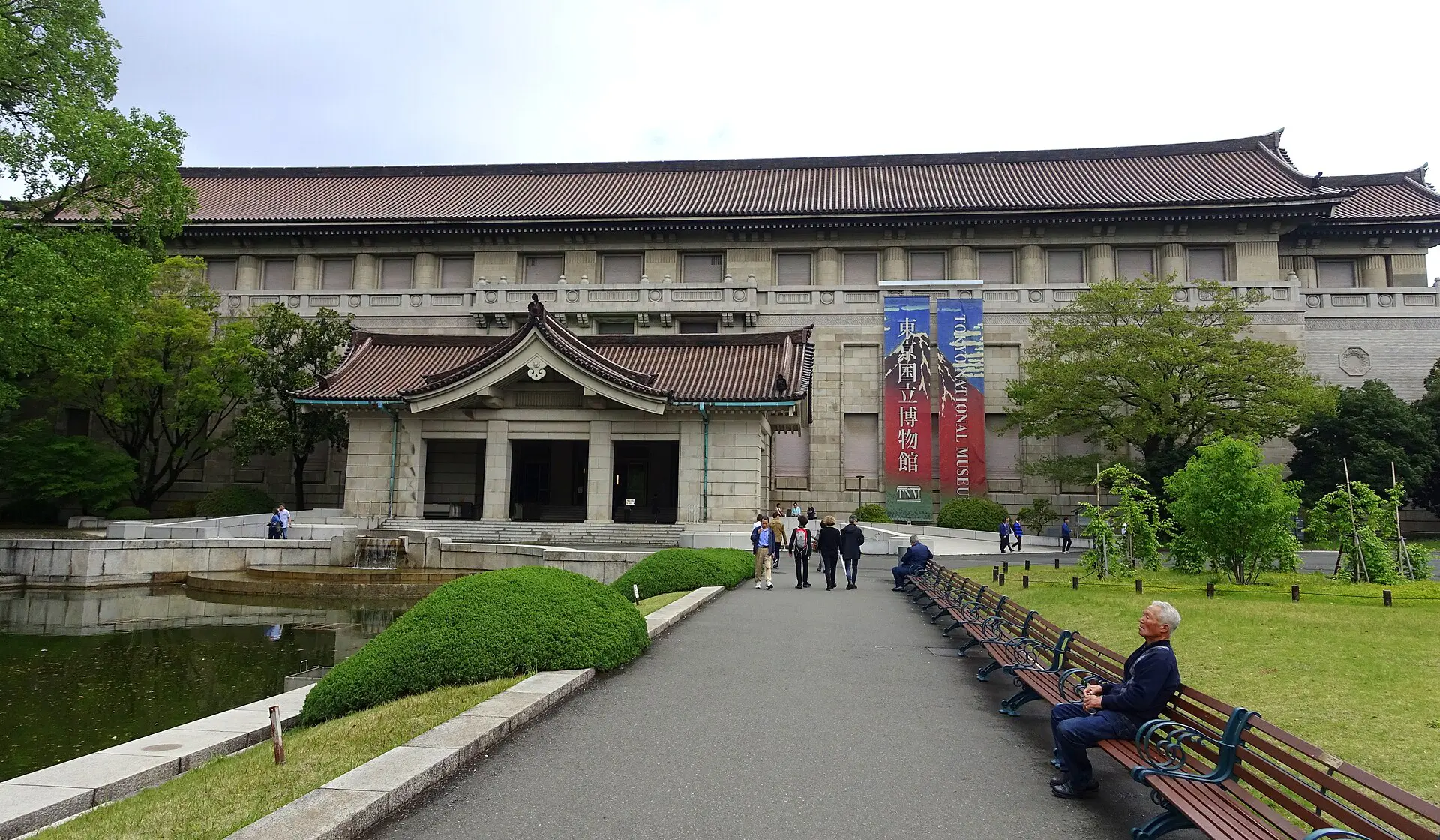
This is the anchor, with the largest collection of Japanese art and archaeology in the country, including swords, screens, ceramics and Buddhist sculpture. Allow three hours and focus on the main Japanese Gallery rather than every building. It has traditionally been closed on Mondays, so confirm the current pattern. Weekends and special exhibitions draw queues, so arrive at opening.
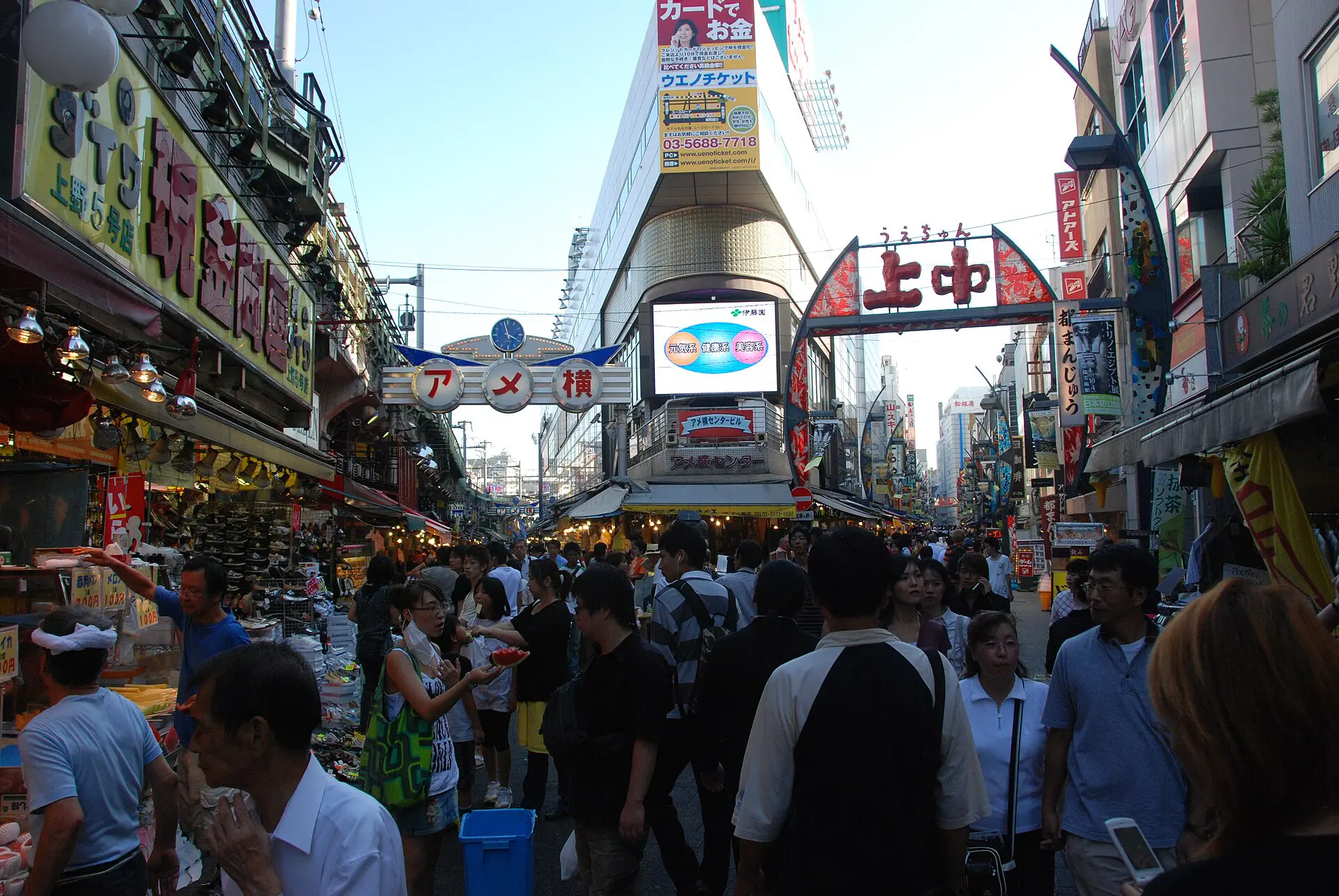
Ueno Park surrounds it, and the Ameyoko market street is at the southern edge. Go for lunch, snacks and a chaotic walk that contrasts well with the quiet galleries. Many stalls close early in the evening, and some on certain weekdays.
2. Afternoon: Nezu Museum and Omotesando
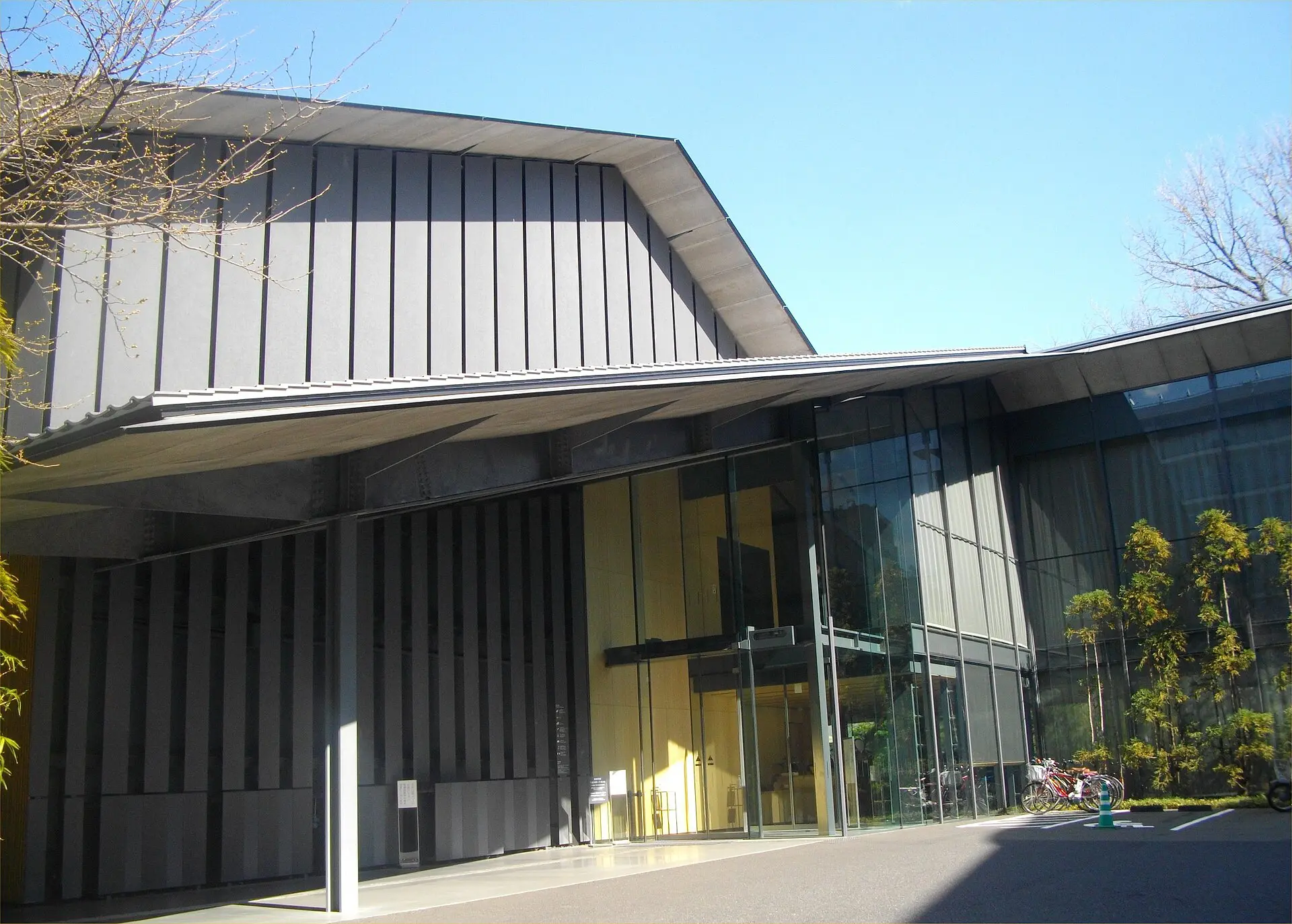
The Nezu Museum, in Minami-Aoyama, shows Japanese and East Asian art in a building by an architect known for contemporary design. Its garden has paths, tea houses and ponds, and is open to ticket holders. Plan on about two hours. It has been closed on Mondays and open mid-morning, so check. Visit on a weekday if possible, since entry can be limited when it is crowded.
The street pairing is Omotesando, a tree-lined avenue of architecture and fashion shops. Walk it in the late afternoon, when the light is good and the shops are open.
3. Half-day: Sumida Hokusai Museum and Asakusa
The Hokusai Museum is in Ryogoku, in the old shitamachi area of east Tokyo that Wikivoyage describes as the Edo-era old town. It is small, with a permanent display on the artist and rotating prints, so allow 90 minutes. It has been closed on Mondays, and some prints are exhibited in rotation, so check what is on.
Asakusa, with Senso-ji temple and the Nakamise shopping street, is about a 25 minute walk or a short train ride away. It is crowded by 10am on any day. Go in the late afternoon, after the museum, when the tour groups thin out.
4. Evening: Mori Art Museum and Roppongi
The Mori Art Museum sits on the upper floors of a Roppongi tower and shows contemporary art and large-scale shows. Its hours have run late into the evening on most days, which makes it the one reliable option after dark. Allow two hours, and check whether a combined ticket with the nearby observation deck is offered.
Roppongi is the neighbourhood pairing, with galleries and restaurants close by. Avoid weekends and holiday evenings if you dislike queues, since special exhibitions can bring waits for the lifts.
5. Half-day: Ghibli Museum and Kichijoji
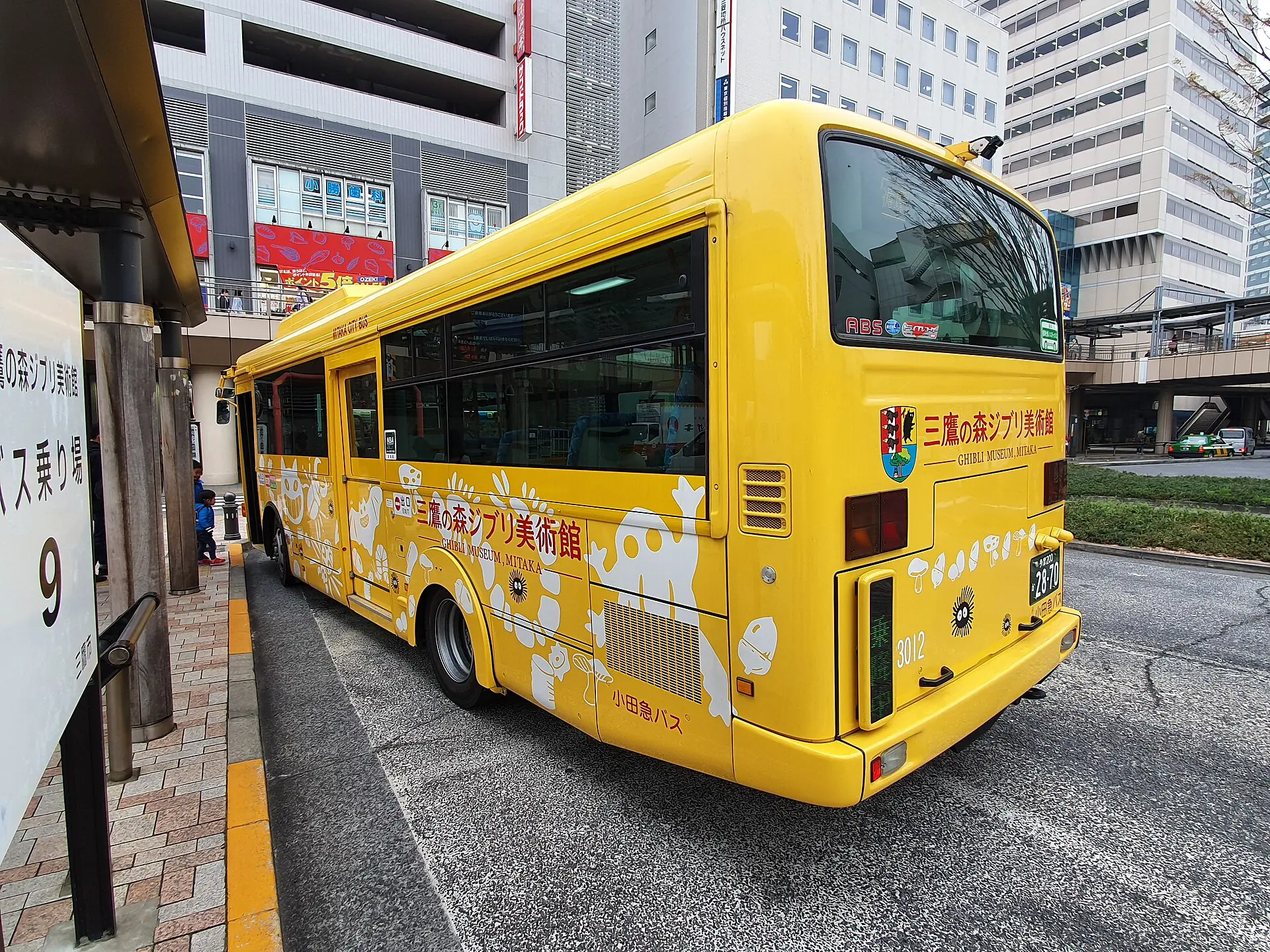
The Ghibli Museum in Mitaka is the one that needs planning. Tickets are sold in advance for fixed entry times, and they sell out, so book well ahead through the official channel and do not expect to buy at the door. It is traditionally closed one day a week. Allow two hours and note that photography indoors is restricted.
Walk through Inokashira Park to Kichijoji afterwards, a district of cafes, small shops and a covered market. It is about 30 minutes from Shinjuku by train. It works best on a day when the weather is dry.
6. Separate trip: teamLab Planets and Toyosu
The teamLab Planets exhibition in Toyosu is a walk-through digital art installation, entered by timed ticket. Book a slot in advance, since walk-up queues can be long. You walk barefoot through water in some rooms, so check the dress guidance. Allow 90 minutes to two hours.
Toyosu Market is nearby, and it is a more orderly alternative to older market areas. Check its public viewing hours and closing days, which follow the market calendar rather than a fixed weekly day.
Queue-avoidance timing for Tokyo museums
Arrive at opening on weekdays and book timed tickets for anything marked as reservation only. Weekend crowds are heaviest from late morning. Holiday periods, including the late April to early May stretch known as Golden Week and the autumn weekends, are the busiest of all.
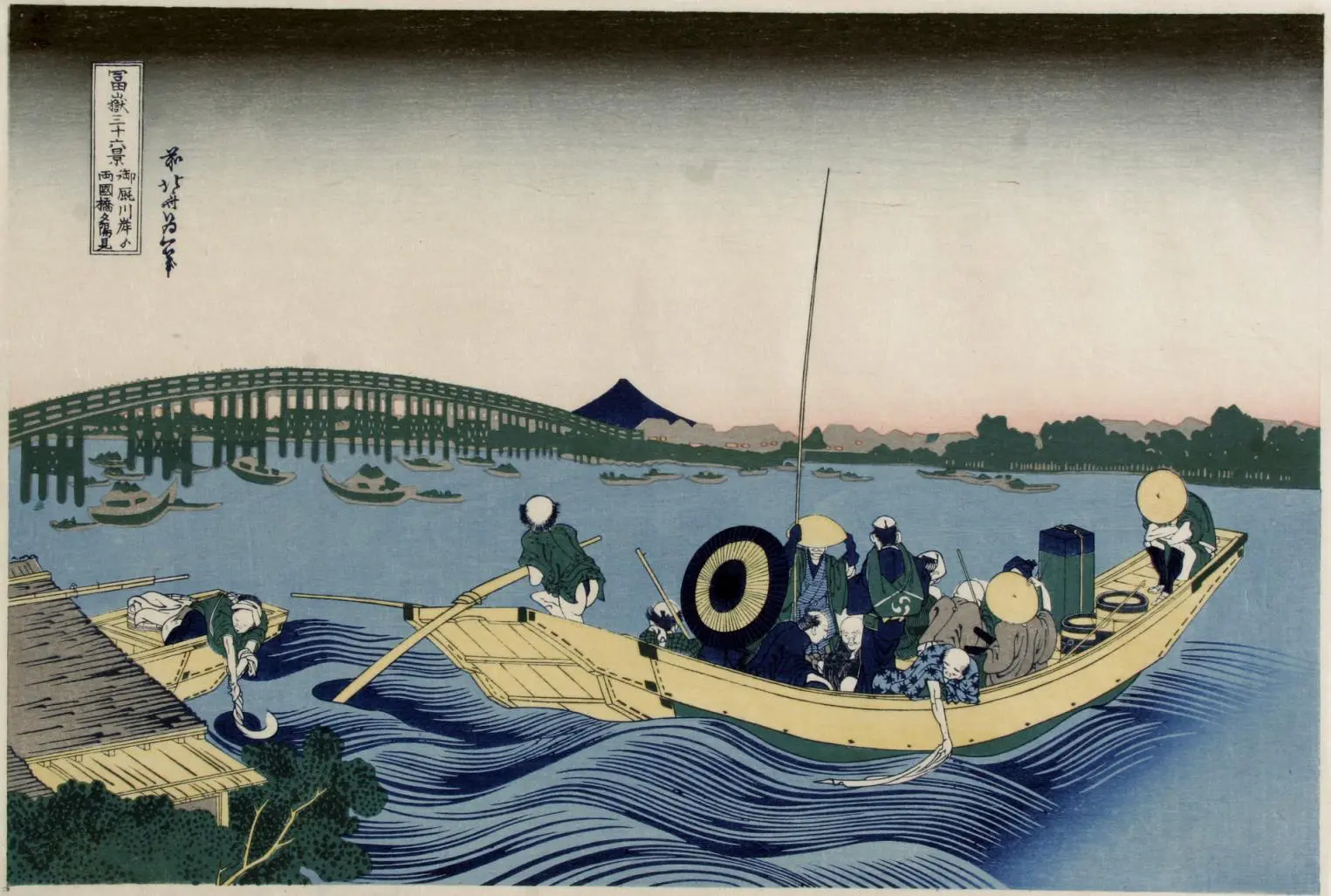
- Tokyo National Museum: go at opening, and avoid special-exhibition weekends.
- Ghibli and teamLab: advance tickets are essential.
- Mori Art Museum: late weekday evenings are the quietest.
- Cash and bags: some small museums and market stalls prefer cash, and larger bags may need a locker.
Getting around between Tokyo museums
Use the trains and subway, and use a rechargeable transit card for everything. Distances are larger than they look. Ueno to Roppongi takes about 30 minutes, and Mitaka is a further 30 to 40 minutes west. Do not plan more than two districts in one day, and keep a 20 minute buffer between a museum exit and the next train, since station exits in Tokyo can be long walks.
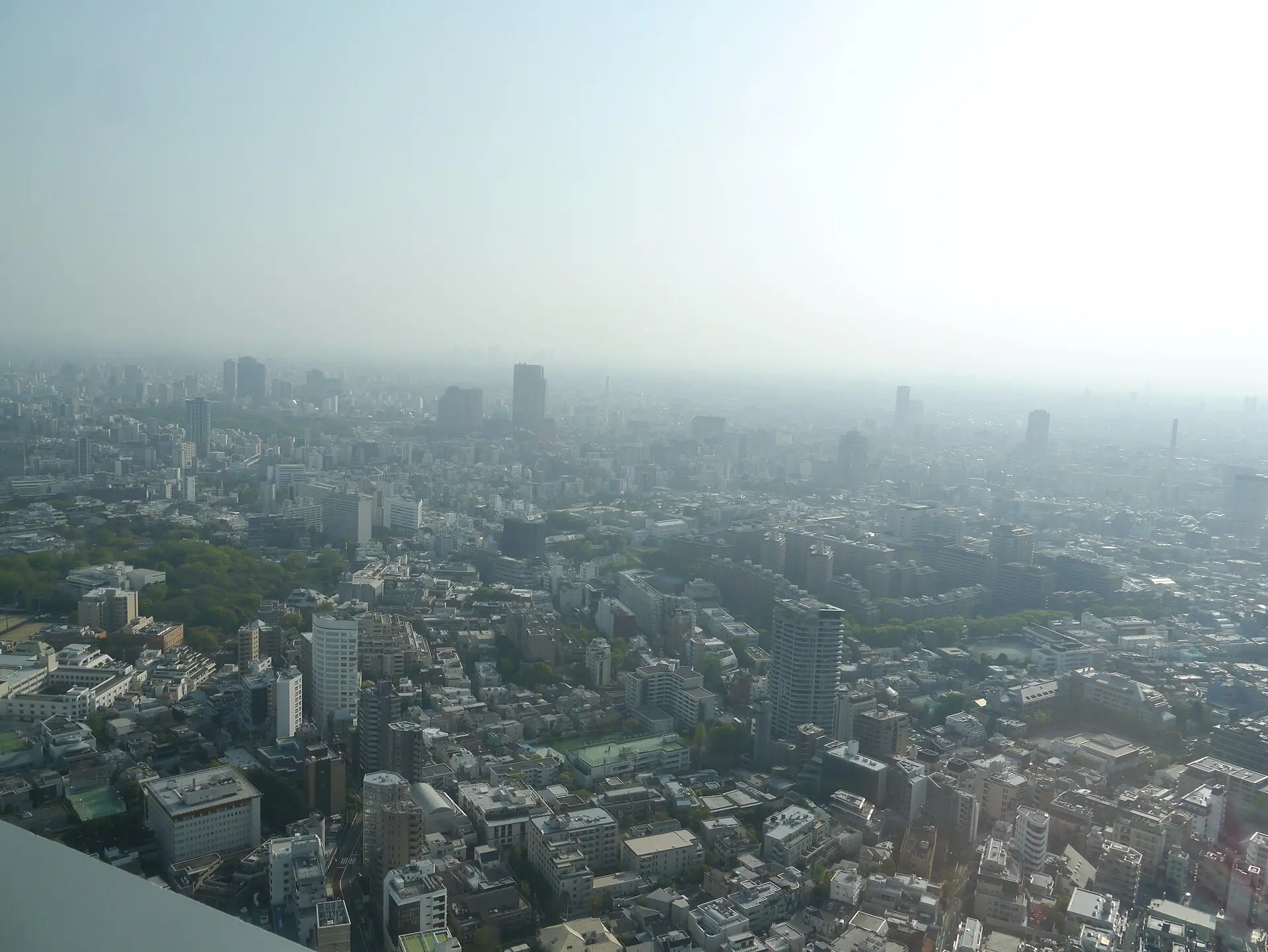
The Yamanote Line makes a useful mental map. For the wider city, see our Tokyo location guide and the Japan travel guide. For trips beyond the city, see our day trip from Tokyo guide.
Where to stay for Tokyo museums by area
- Ueno and Asakusa: good value, close to the Tokyo National Museum and Hokusai museum. Quieter at night.
- Shinjuku and Shibuya: strong transit links to every block and plenty of rooms. Busy and loud.
- Roppongi and Akasaka: close to the Mori Art Museum and the Nezu Museum. Higher prices.
- Tokyo Station area: best for rail connections to other cities.
For more detail, see our where to stay in Tokyo guide.
What to skip if you are short on time
Skip any museum that needs a 45 minute trip for an hour of content. Skip a second large museum on the same day as the Tokyo National Museum. If you have two days only, keep the Tokyo National Museum, the Nezu Museum and the Hokusai museum, and drop the Ghibli and teamLab blocks unless you hold tickets.
Check whether any museum on your list is closed for renovation before you plan around it. The best museums in Tokyo are easy to reach but easy to over-schedule; a day with two districts and one market is realistic. I would choose one small museum with a garden over a second large one.
FAQ about museums in Tokyo
Which Tokyo museum is best if you have only one day?
The Tokyo National Museum, paired with Ueno Park and the Ameyoko market. It is the most complete single introduction to Japanese art, and the district has food and walking for the afternoon.
Are Tokyo museums closed on Mondays?
Many are. The Tokyo National Museum, Nezu and the Hokusai museum have traditionally closed on Mondays, and when Monday is a public holiday they often shift the closure to Tuesday. Confirm on each site.
Do you need to book Tokyo museums in advance?
For the Ghibli Museum and teamLab Planets, yes, and early. Most other museums sell tickets at the door, though special exhibitions can sell out. Check each official site, especially in holiday periods.
How many museums can you visit in a day in Tokyo?
Two, if they are in the same district. A third is not worth the travel time. Choose by neighbourhood and pair each museum with a market or street, not another gallery.