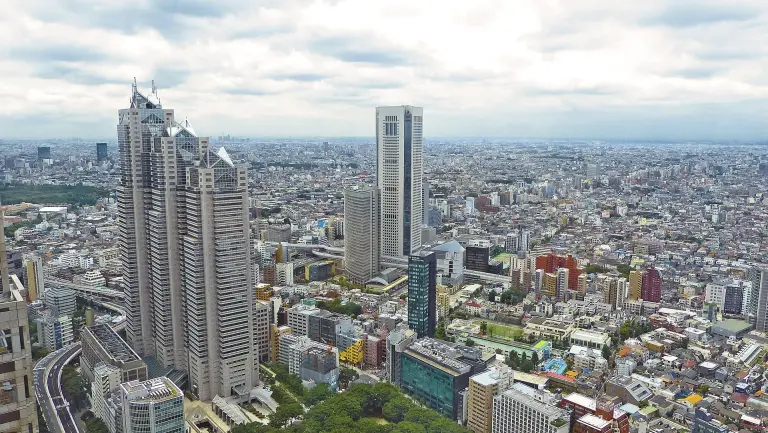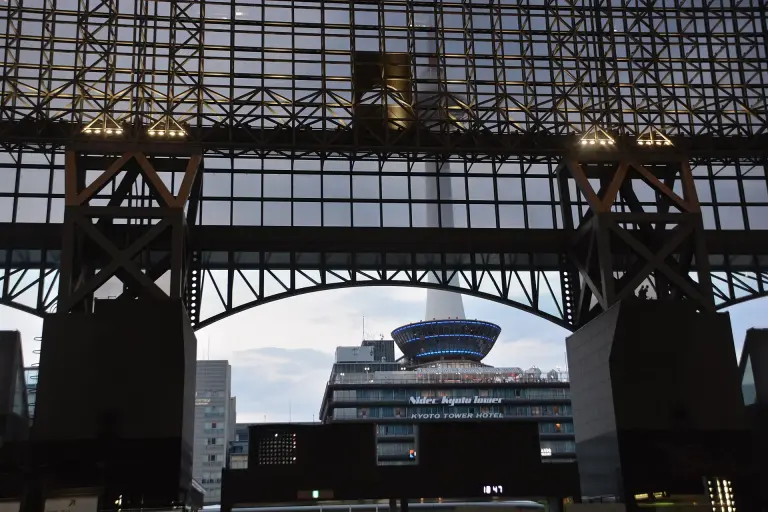
The best day trip from Tokyo is Kamakura if you want temples and a coast in one outing, about an hour by train. Nikko and Hakone take two hours or a little more each way, Yokohama about 30 minutes, and Kanazawa about 2.5 hours by shinkansen. If you only have one day, choose Kamakura, leave Tokyo by 8am and be back for dinner. All five trips below work with trains alone.
Getting there: day trips from Tokyo by train
Japan’s rail network does the work, and each destination leaves from a different station. Times below are approximate and fares change, so confirm them in a journey planner on the day.
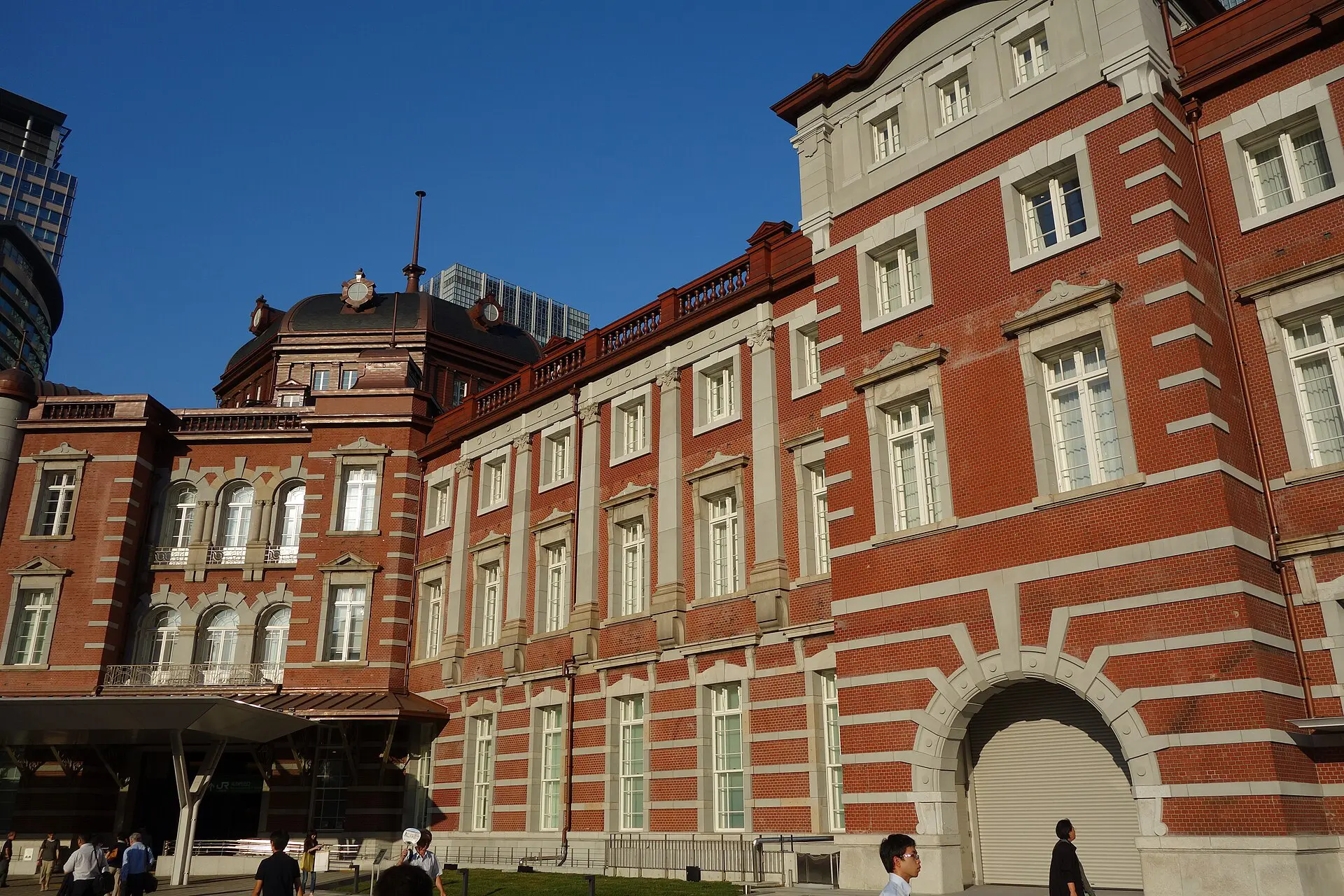
- Yokohama: about 30 minutes from Tokyo or Shibuya, a modest fare.
- Kamakura: about one hour from Tokyo or Shinagawa on a JR line, with a small local line for the last stretch.
- Hakone: about 90 minutes from Shinjuku on a limited-express service, plus local transport on arrival.
- Nikko: about two hours from Asakusa on a private-line express, or from Tokyo Station with a change.
- Kanazawa: about 2.5 hours from Tokyo Station on the Hokuriku Shinkansen, at a much higher fare than the others.
A rail pass is rarely worth it for a single day trip. A rechargeable IC card covers local trains, while long-distance and express tickets are bought separately. For the capital, see the Tokyo guide.
Time-blocked route for a day trip from Tokyo
Five options, ordered from shortest journey to longest. Pick one rather than combining.
1. Yokohama: waterfront, Chinatown and one museum
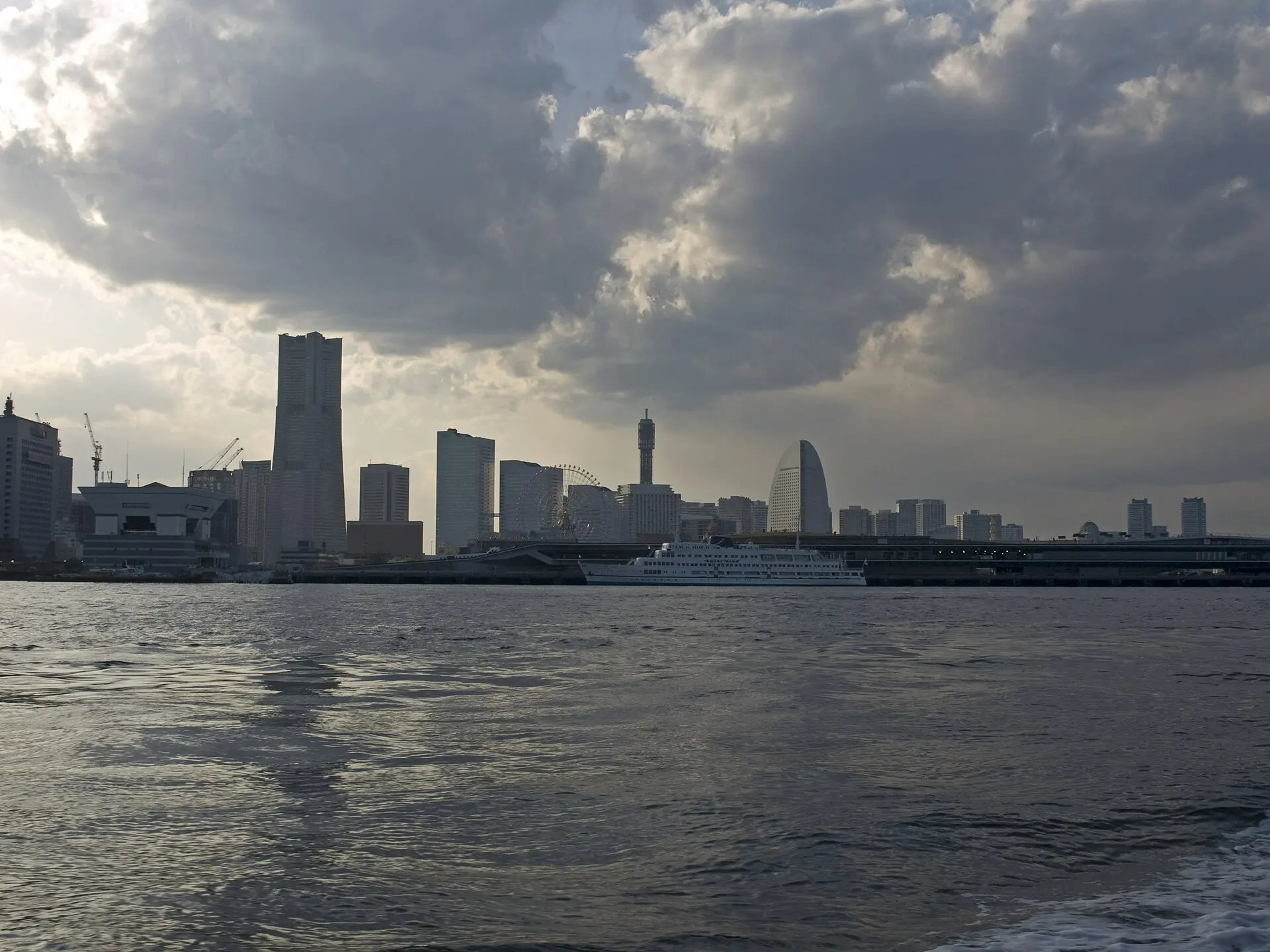
The shortest trip and the easiest. Start at the Minato Mirai waterfront, add one museum or the red-brick warehouses, then walk to Chinatown for lunch, which is one of the largest in Asia. It suits a late start or a rainy day, and you can be back by early evening. The Cup Noodles Museum and similar sites have their own closing days, so check before you go.
2. Kamakura: Great Buddha, temples and the coast
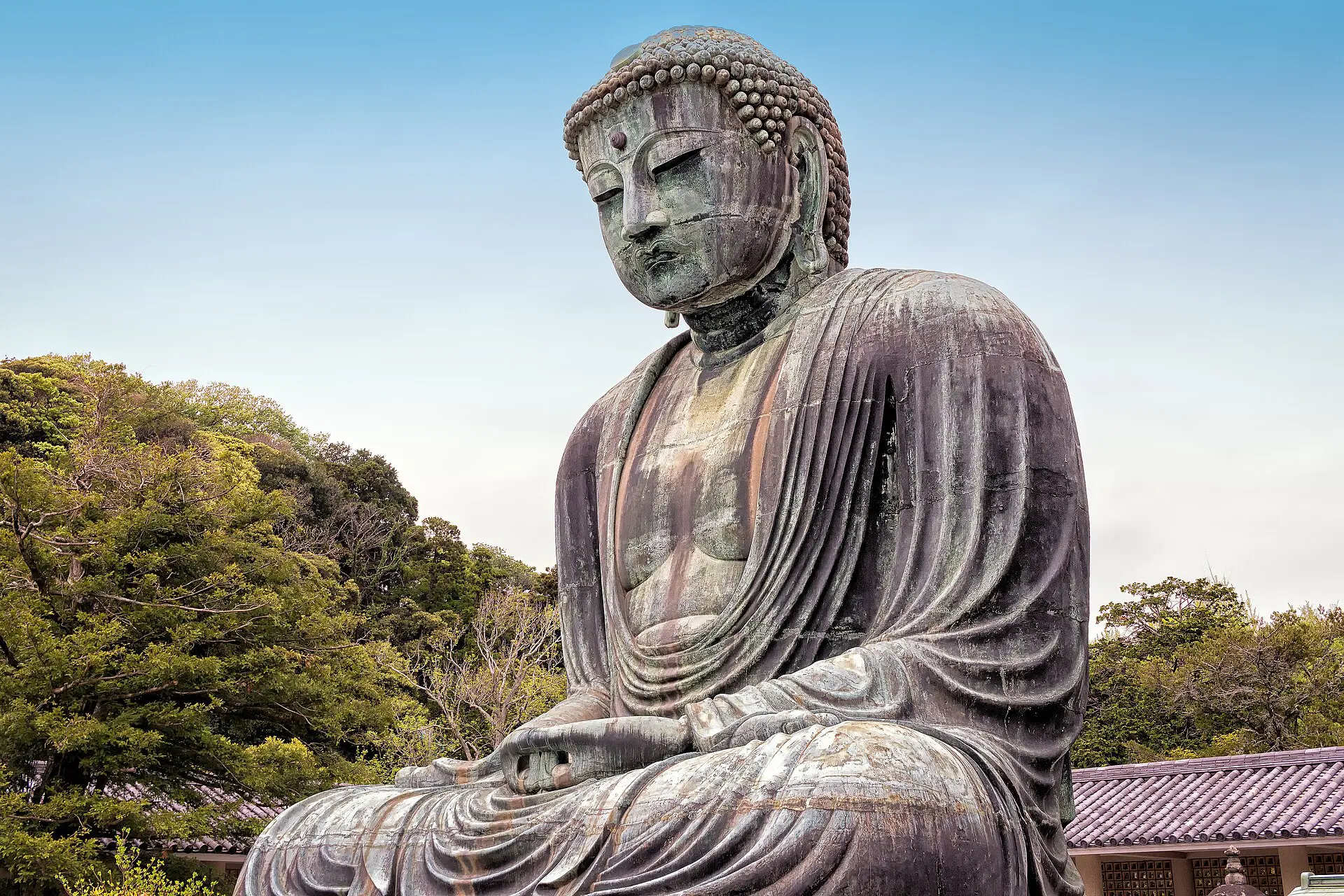
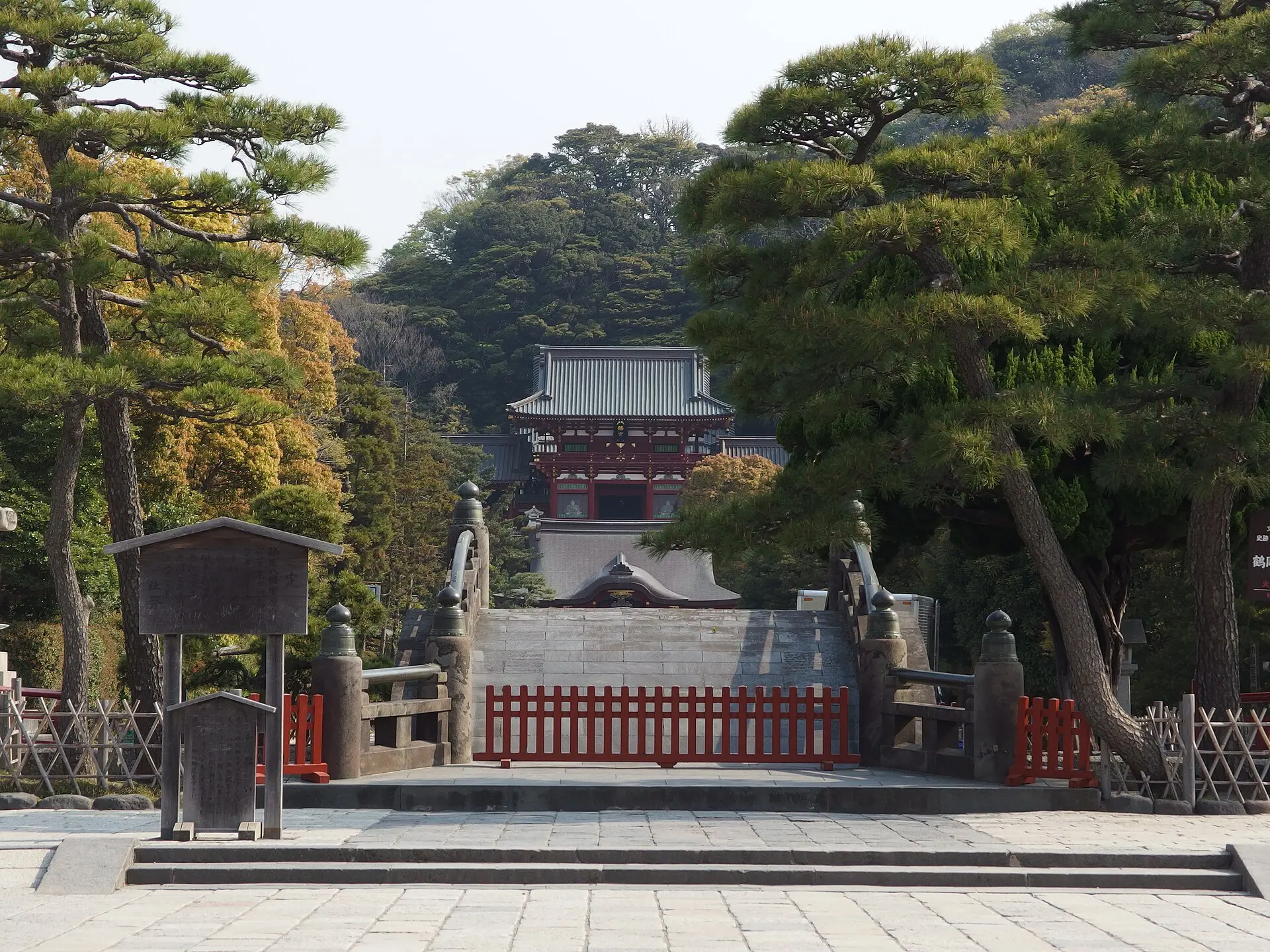
Kamakura is the efficient culture day. Start at Kita-Kamakura for Engaku-ji, walk to Tsurugaoka Hachimangu, then take the local line to Hase for the Great Buddha at Kotoku-in and Hase-dera. Allow six hours. Go on a weekday, because weekends fill the small lanes and the trains. The coast is five minutes beyond Hase, so end on the beach if the weather holds.
3. Hakone: lakes, art and mountain views
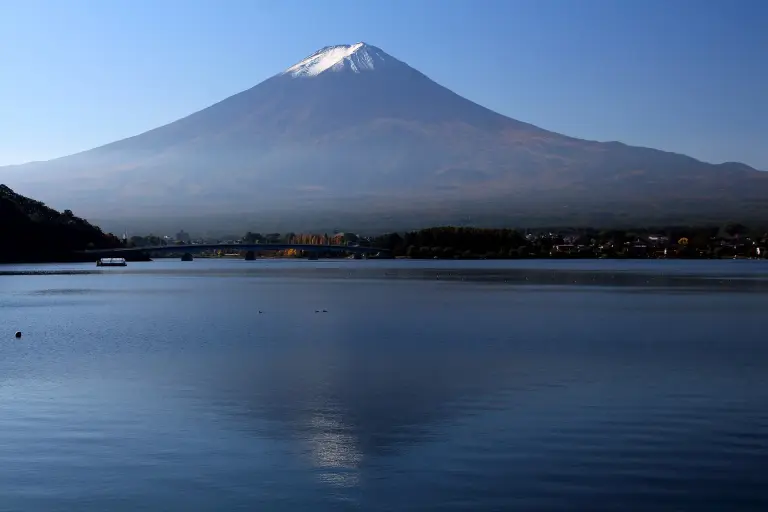
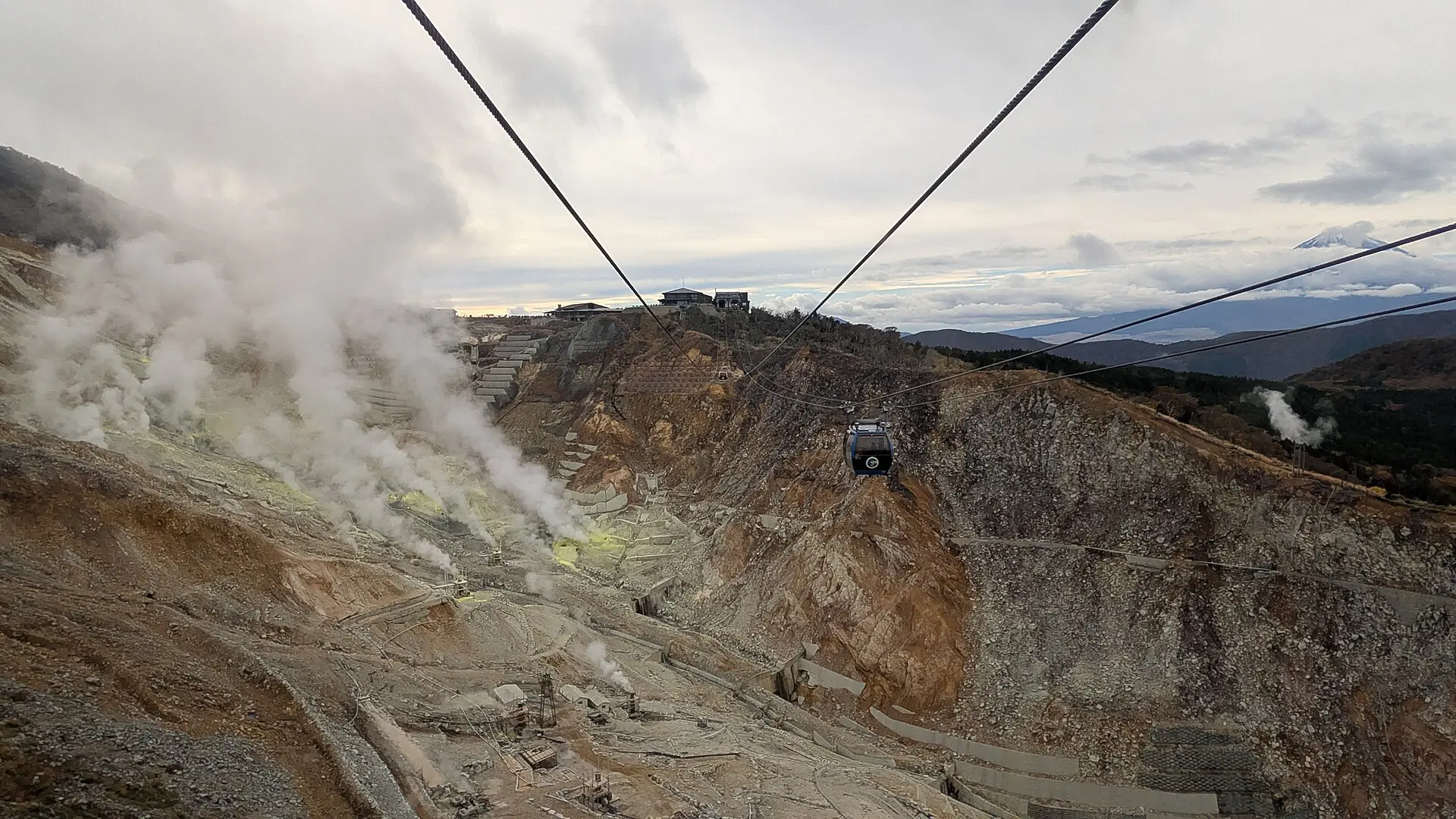
Hakone is a loop, with ropeways, a lake boat, a mountain railway and an open-air sculpture museum. It is a transport day more than a sightseeing day, so plan the loop in advance. Mount Fuji is visible only in clear weather, and mornings in cooler months give the best odds. Allow a full day and expect queues for the ropeway at midday. Many visitors buy a regional pass, which can be good value if you do the whole loop.
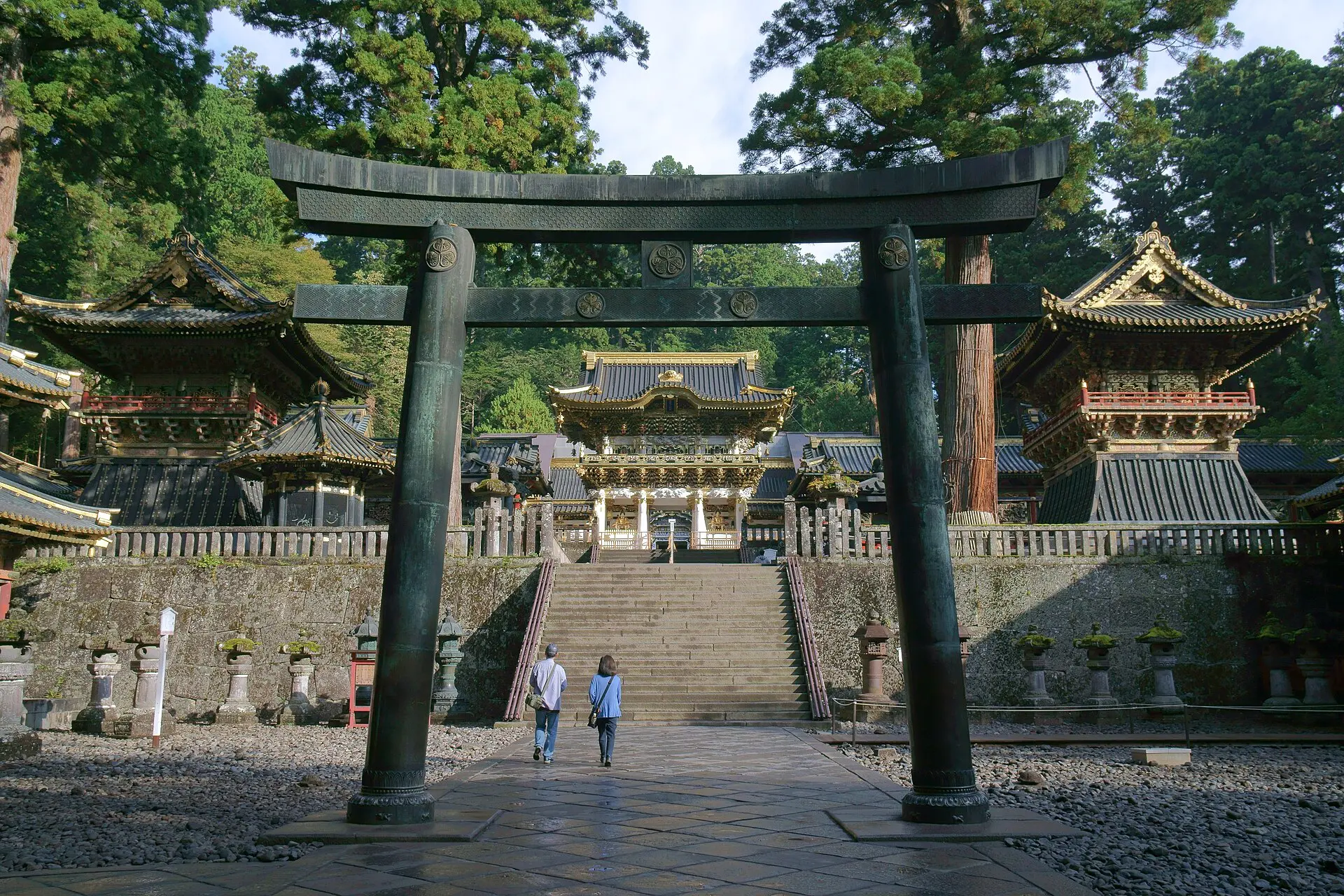
4. Nikko: Toshogu and the mountain shrines
Nikko is the heavyweight for heritage. The Toshogu shrine complex is lavish, with gilded carving and a shogun’s mausoleum, and several temples sit beside it. Allow four hours on site, plus the two-hour journey each way. Leave early. The shrine closes at a set time in the afternoon, which shifts with the season, so do not arrive late. Autumn leaves bring the heaviest crowds.
5. Kanazawa: Kenroku-en and the 21st Century Museum
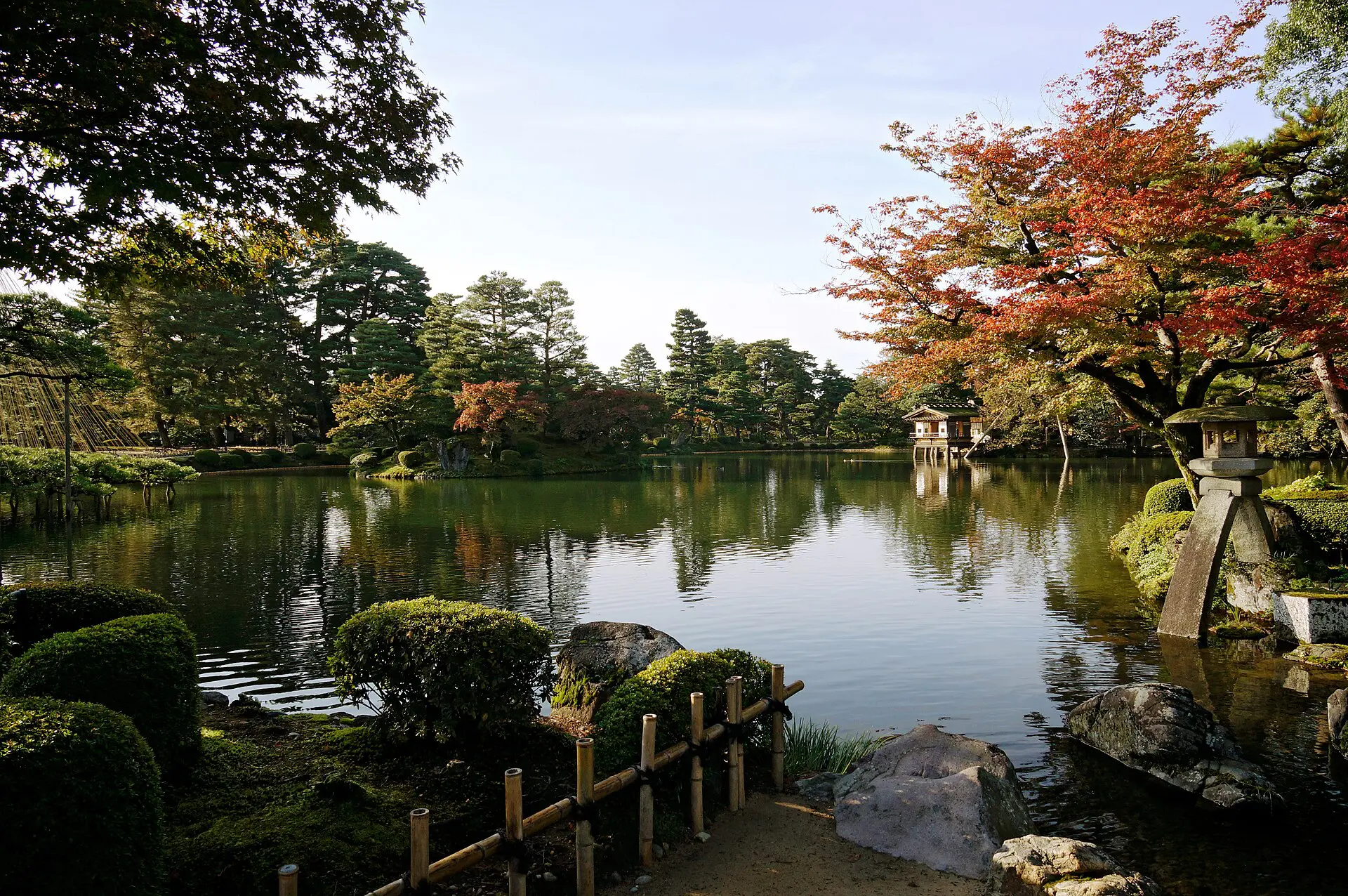
Kanazawa is possible in a day because the shinkansen is fast, but it is a long one. Take an early train, see Kenroku-en garden and the 21st Century Museum of Contemporary Art, then walk the Higashi Chaya teahouse district at dusk. Check the museum’s closing day, which is usually Monday. An overnight stay suits it better, and I would pick it only if you already plan to travel on along the Japan Sea coast.
Opening patterns and crowd timing
Most shrines and temples open early and close in the afternoon, while museums often close on Mondays and tend to stop admitting visitors 30 minutes before closing. Weekends and national holidays, especially Golden Week in late April and early May, and the August Obon period, are the busiest. Weekdays and early starts are the reliable way to avoid the crowd.
Check the weather the night before as well: rain thins the crowds at Kamakura and Nikko but hides the views at Hakone, so swap the plan if needed. Most temples charge a small entry fee, so carry some coins, since not every ticket machine takes cards. Lunch runs from about 11:30am to 2pm, and some kitchens stop soon after.
If you only have half a day from Tokyo
Yokohama and Kamakura are the two that fit in half a day. For Kamakura, take only the Great Buddha and Tsurugaoka Hachimangu, and skip the coast. If you would rather stay in the city, the guide to the best museums in Tokyo sets out an efficient indoor alternative. Keep Nikko, Hakone and Kanazawa for a full day or longer.
Getting back to Tokyo: last-train logic
Japanese trains are punctual but they stop running around midnight, and local lines can end earlier in resort areas. Plan to be on your return train by about 6pm to 8pm for Hakone and Nikko, where express services thin out in the evening. The last shinkansen from Kanazawa leaves in the evening too, so check the timetable and keep a margin. Stations near your accommodation are worth checking in the where to stay in Tokyo guide. For wider context, see the Wikipedia entry for Tokyo.
FAQ about a day trip from Tokyo
What is the best day trip from Tokyo?
Kamakura, for most visitors. It is about an hour by train and combines temples, the Great Buddha and a coastline in one route. Nikko is better for grand shrines and Hakone for mountain scenery, but both take longer and cost more.
Is Kanazawa a day trip from Tokyo?
It can be done, at about 2.5 hours each way by shinkansen, but it is tiring and expensive for a single day. It works if you leave early and return in the evening. Many travellers prefer an overnight stay.
Is Fukuoka a day trip from Tokyo?
No. Fukuoka is about five hours away by shinkansen, or a short flight, and is better treated as a separate trip. For a day from Tokyo, keep the journey to about two and a half hours each way at most.
Do you need a rail pass for these trips?
Usually not. A rechargeable IC card covers local trains and most buses, and you buy express or shinkansen tickets as you go. Regional passes for Hakone or Nikko can be worth checking if you plan the full loop, so compare the pass price with the individual fares.