Salkantay trekking is a 4 or 5 day walk from the Cusco region to Machu Picchu, crossing a pass of about 4,600 m. Most itineraries cover roughly 60 to 75 km. The hard day is day two: a climb of around 900 m to the pass, then a long descent in one stretch. Do it in the dry season, May to September, and spend at least two nights in Cusco first. Below: stages, altitude rules, costs and what to do if the weather or a landslide breaks the plan.
Getting to the Salkantay trek start
The trek begins in the Cusco Region, usually near the village of Mollepata or the high trailhead at Soraypampa, roughly 3 to 4 hours by road from Cusco. Cusco sits at about 3,400 m, and the trek begins above 3,800 m. Arrive in Cusco at least 2 days before you start. Fly in rather than take a long bus: flying avoids a full day lost to altitude fatigue on arrival.
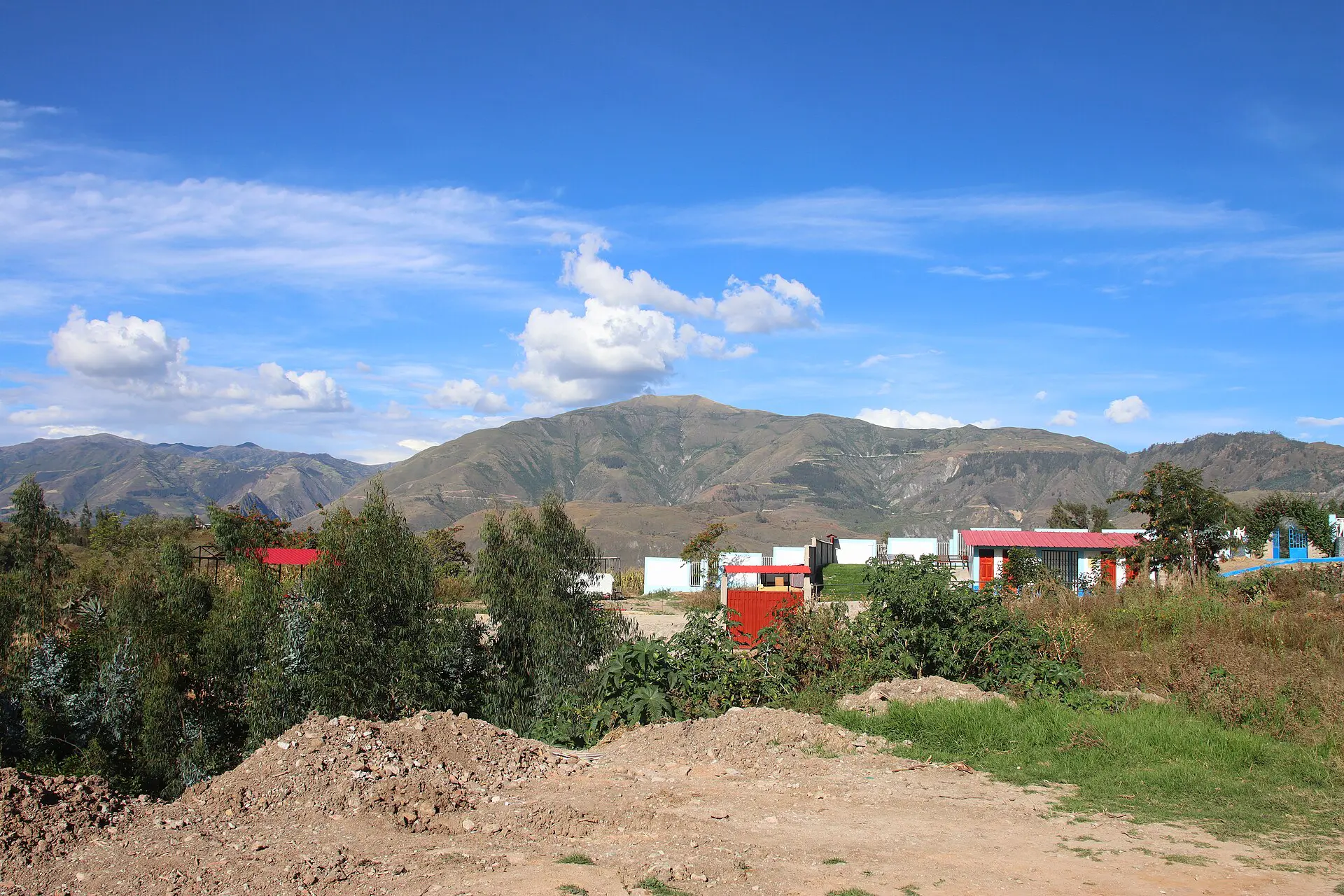
Most people book a guided group trek, which bundles transport, camping or lodges, cooks and mules. Independent trekking is possible on the route, but you carry food and tents or book basic lodges, and you must manage road transport yourself. Machu Picchu entry is a separate ticket for a fixed date and time slot, and it sells out in the high season. Book entry first, then build the trek around it.
Rules and prices change: confirm with the Peruvian authorities and your operator. See the Peru travel guide for entry basics.
Salkantay trek stages and terrain
Distances and times are approximate and vary by operator and route variant. A 5-day plan adds a rest or sightseeing day at the end, and a 4-day plan combines two stages.
| Stage | Distance | Time | Difficulty | Water and food |
|---|---|---|---|---|
| Day 1: Soraypampa and Humantay Lake | About 6 to 10 km | 3 to 5 hours | Moderate (altitude) | Streams; treat water; hot lunch from a camp kitchen |
| Day 2: Salkantay Pass to Chaullay | About 20 to 22 km | 8 to 10 hours | Hard | Carry 2 to 3 litres; no shops at the pass |
| Day 3: Chaullay to Santa Teresa | About 15 to 20 km | 5 to 7 hours | Moderate | Small shops and cafes on the way down |
| Day 4: Hidroelectrica to Aguas Calientes | About 10 to 12 km | 3 to 4 hours | Easy (flat railway line) | Shops and restaurants in town |
| Day 5: Machu Picchu | Bus or a steep climb | Half a day | Easy to moderate | Food and water at the entrance only |
Stage-by-stage notes
1. Before the trek: acclimatise in Cusco
Spend 2 to 3 nights in Cusco and walk easily on the second day. Do not start a pass day on your first night at altitude. Drink water, eat lightly and avoid heavy alcohol. Ask a travel clinic about acetazolamide before you leave, and treat it as advice from a doctor, not something to improvise.
2. Cusco to Soraypampa
A road transfer of 3 to 4 hours, often starting before dawn. Roads in the region can be closed by landslides in the wet months, so treat the departure time as fixed and the route as variable. Pack your sleeping bag and warm layers where you can reach them: nights at Soraypampa fall below freezing.
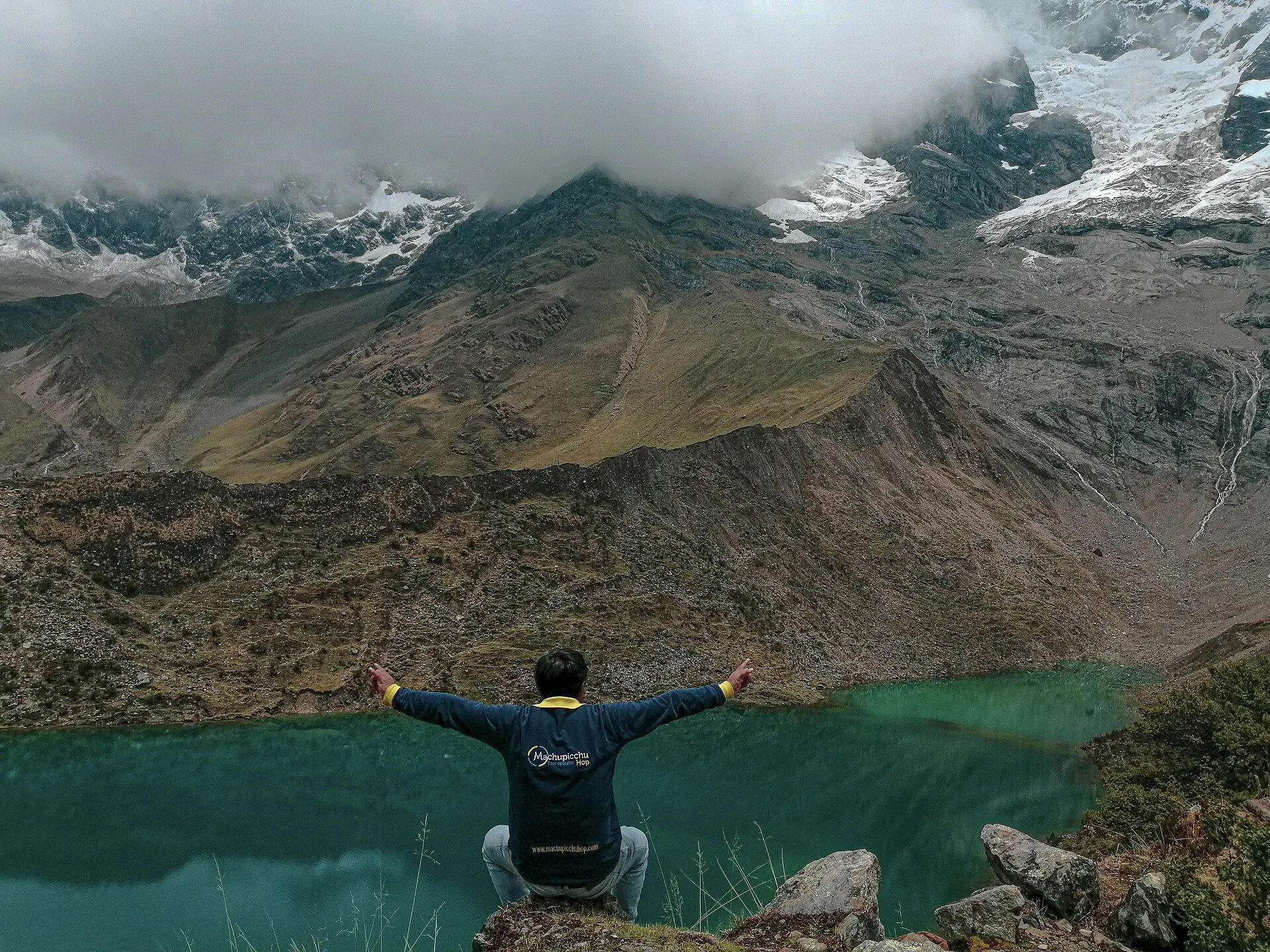
3. Humantay Lake
A steady climb of about 1 to 2 hours from Soraypampa to a turquoise lake at roughly 4,200 m, below a glaciated peak. It is a good acclimatisation walk and a good short alternative if you do not want the full trek. Expect cold wind. A local entry fee may apply at the trailhead. Carry small coins.
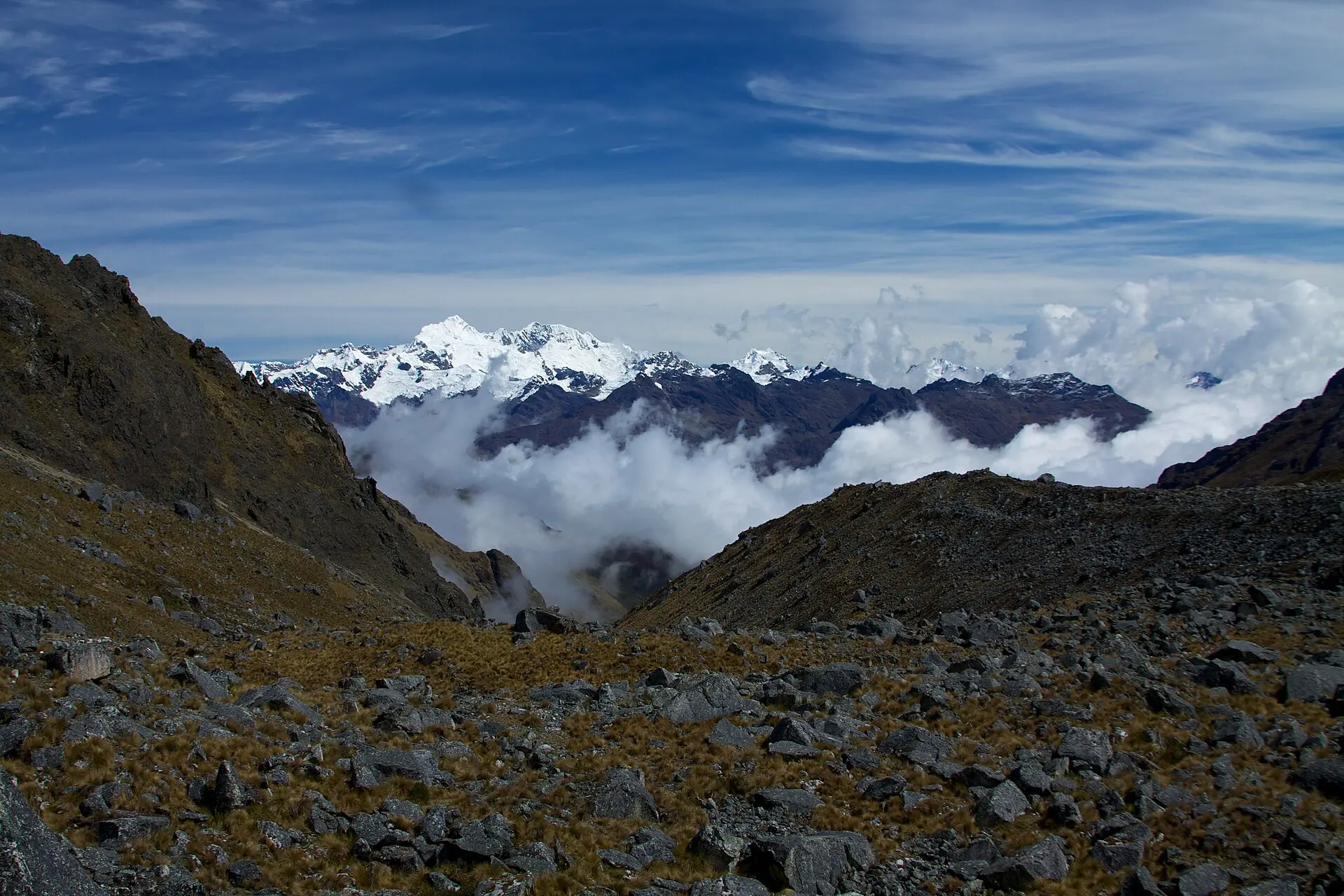
4. Salkantay Pass day
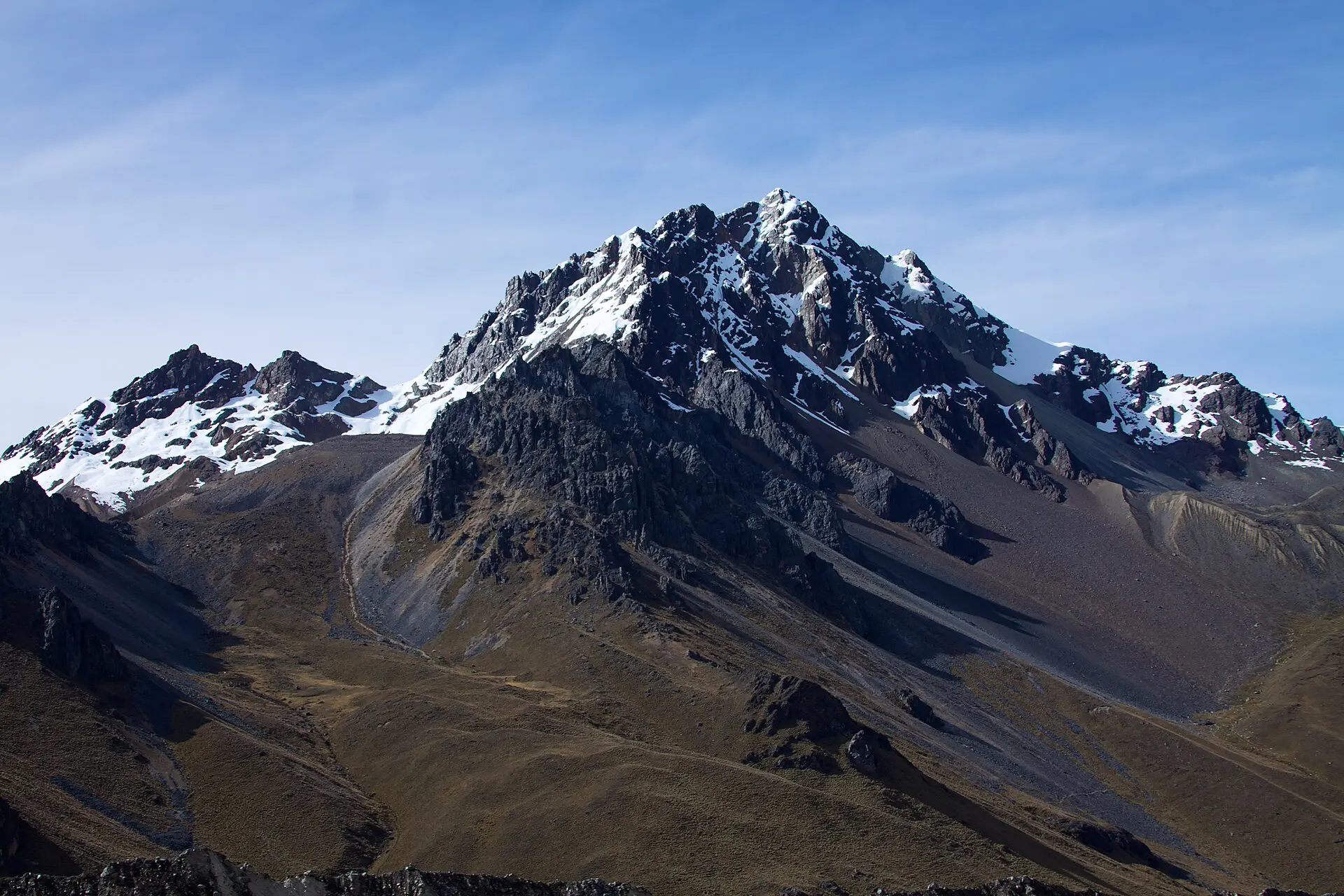
The hardest day by far. The path climbs to about 4,600 m, the highest point, then drops through mixed terrain towards the cloud forest. Start at first light. Wind, snow or freezing rain can cut visibility. Carry waterproofs, gloves, a hat and enough food for 10 hours. Turn back or wait if conditions are poor: no summit view is worth hypothermia.
5. Chaullay to Santa Teresa
The climate changes quickly: dry puna gives way to warm, humid valley, with coffee farms and tropical fruit. The path can be muddy, and insects become a problem. Many routes pass hot springs near Santa Teresa, which suit tired legs but are crowded in the afternoon. Bring repellent and a light rain jacket.
6. Hidroelectrica to Aguas Calientes
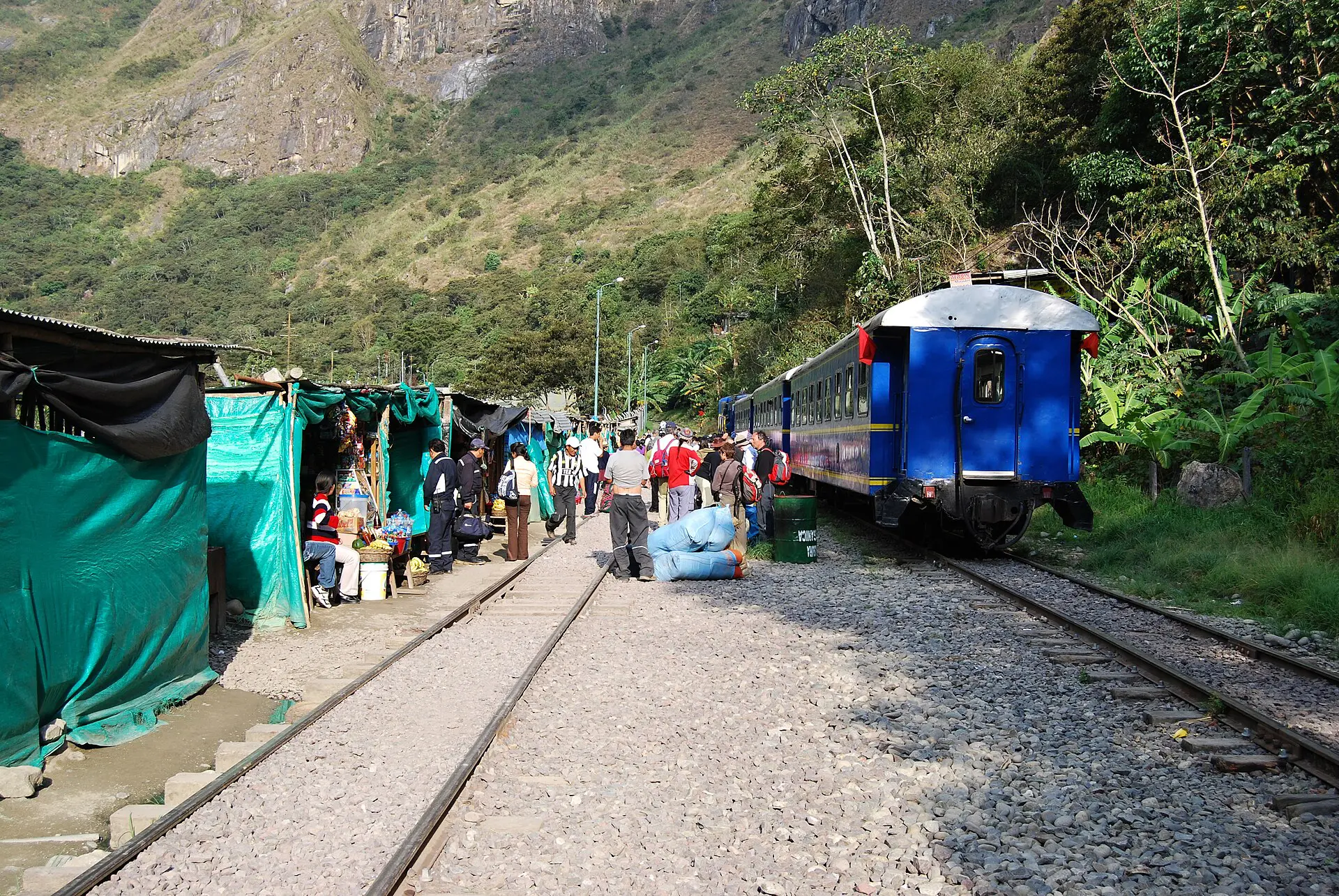
You walk along the railway track for about 10 to 12 km in 3 to 4 hours. It is flat and unexciting but fast. Trains pass; stay off the sleepers when one approaches. Rail and road access to Hidroelectrica can be interrupted after heavy rain, so keep a buffer day if your flight home is fixed.
7. Machu Picchu
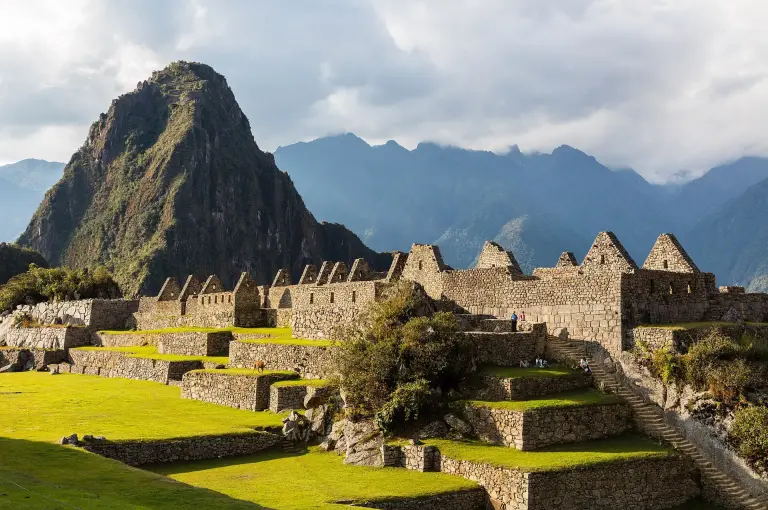
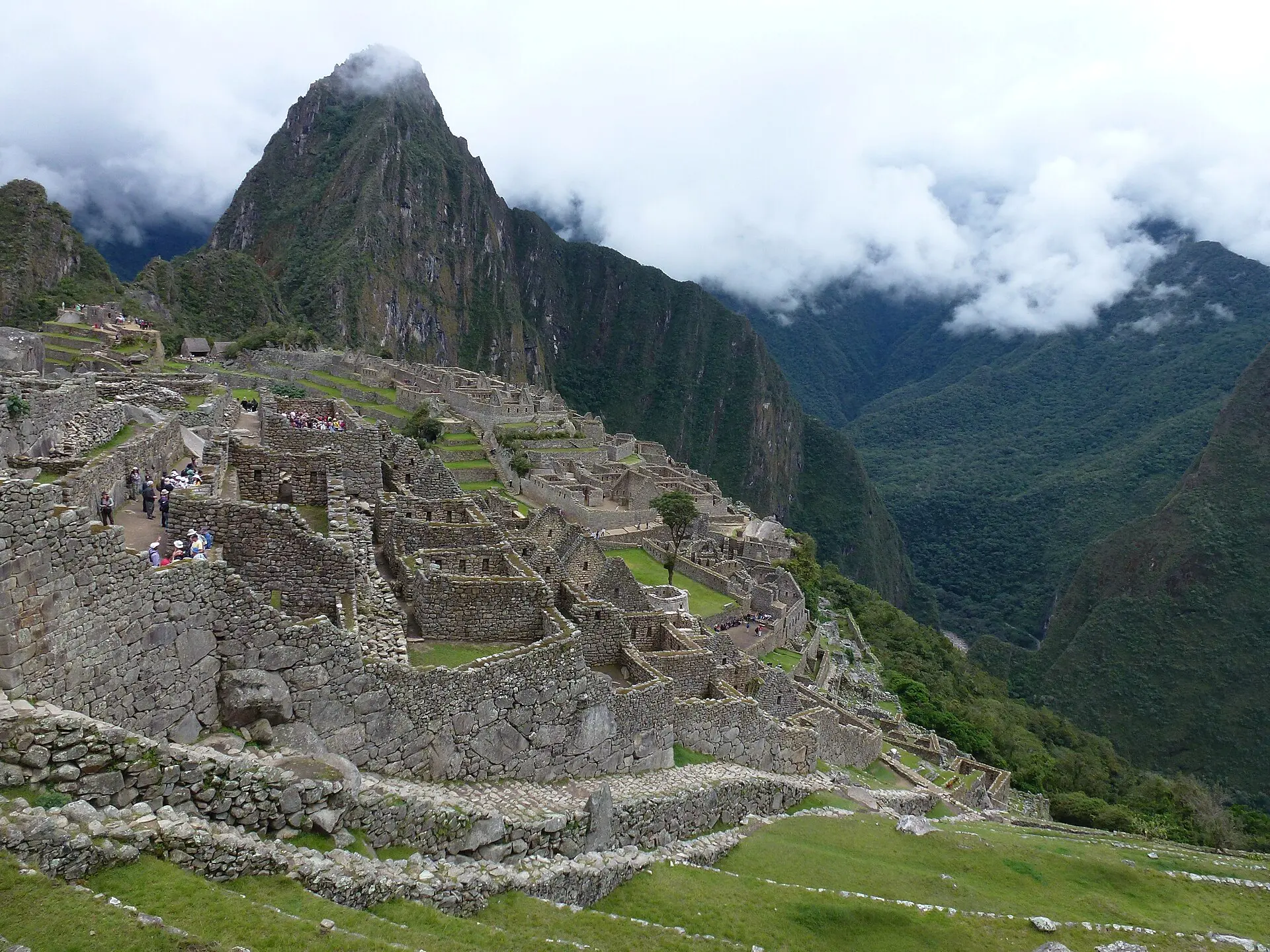
Entry is by ticket with a timed slot and a set circuit. A bus runs from Aguas Calientes, or you can climb the steps in about 1.5 hours. Rules on bags, routes and guides change, so check the current official rules. Allow a margin before your flight or train home.
Weather and season windows for Salkantay
- May to September: the dry season and the usual window. Days are clear but nights are very cold on the pass.
- October to November: the transition period. Rain starts to build and landslide risk grows.
- December to March: the rainy season. Trails are muddy, views are often lost to cloud and some operators cancel the pass day. Road closures are most likely.
- April: the end of the rains. Conditions can be good, but are variable.
Water: streams are common in the first two days, but treat all of it. Food on guided treks is provided, and each camp is a long way from any shop above 3,800 m.
Fallback days and shorter alternatives
- Pass closed or unsafe: your operator may reroute by vehicle, or you can drop the pass day and do Humantay Lake as a day trip from Cusco.
- Altitude symptoms: descend. A headache and nausea that worsen are a reason to stop climbing, not push on. Taking the train from Ollantaytambo to Aguas Calientes is the easy exit.
- Landslide on the road: add a buffer day at the end. Without one, the plan breaks.
- Less time: shorter treks in the same region exist, and a train-and-bus trip to Machu Picchu needs no trek at all.
What to carry on the Salkantay trek
Pack for four seasons in one day. A warm layer, a waterproof shell, gloves and a hat matter more than trekking poles. Footwear should be broken in and grippy, because the descent is long and loose. Bring a headtorch, a water filter or tablets, sun cream for the high UV and a small first-aid kit. Mules carry the main bag on guided treks, usually with a weight limit, so keep a daypack for the essentials.
Skip this if…
Skip Salkantay if you have a heart or lung condition, you cannot spare 2 acclimatisation days or you dislike cold camping. Skip it in January and February unless you accept mud and cancelled views. If you just want the ruins, the train is faster and safer. I would also skip the 4-day version if you are new to altitude: the pass day is long enough on its own.
Salkantay trek costs
All figures are rough and change. Guided 4 to 5 day treks commonly range from about 250 to 700 USD, depending on group size, lodging style and what is included. Machu Picchu entry, the train or bus back and a local entry fee at Humantay are often extra. Independent travellers should budget for transport, food, a tent or lodge beds and entry tickets. Always check what the quote includes: sleeping bags, mules and the return transfer are common extras.
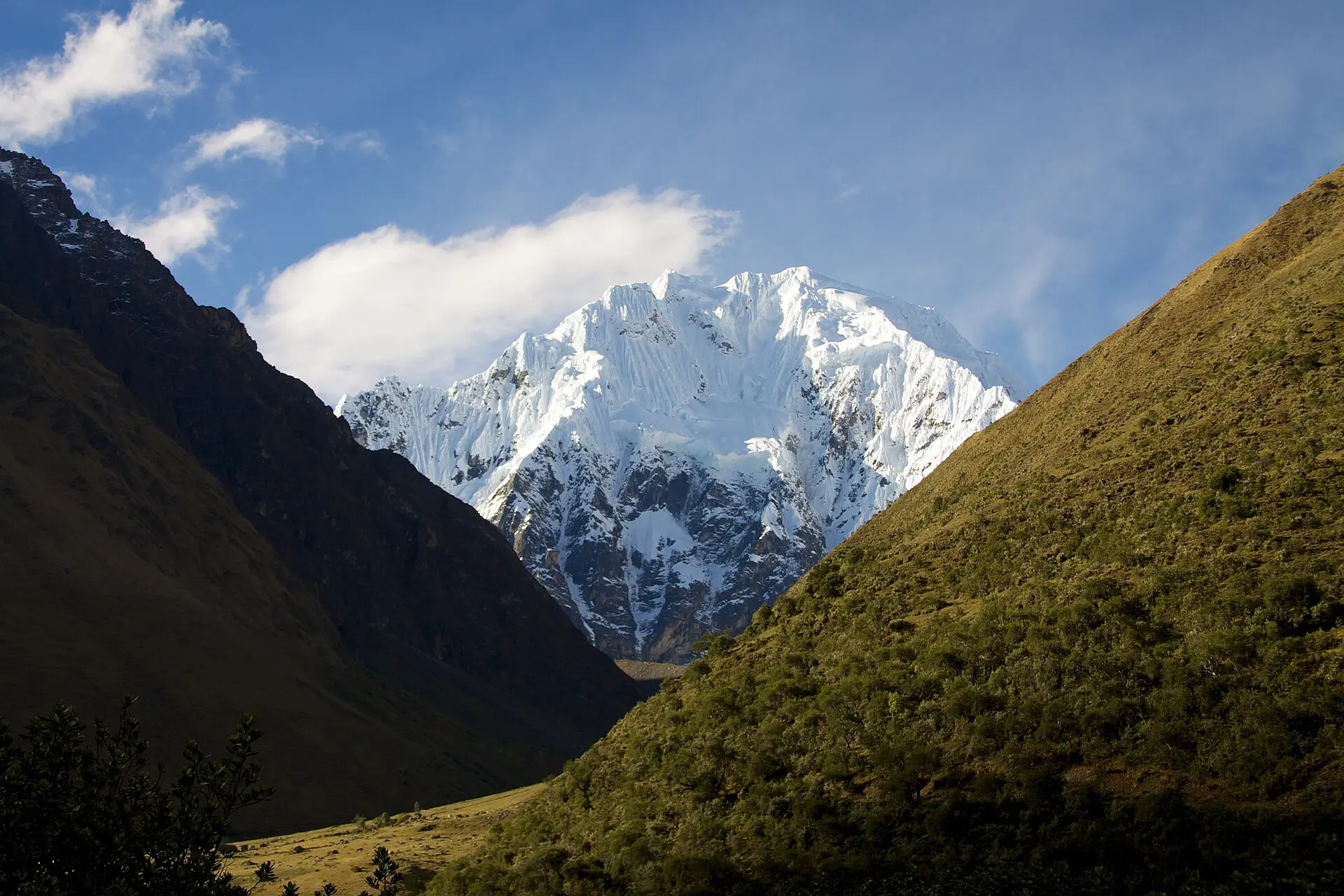
Salkantay is the tallest peak in the Vilcabamba range, about 60 km west-northwest of Cusco, as the Salcantay article on Wikipedia notes.
FAQ about Salkantay trekking
How many days does Salkantay trekking take?
Most itineraries take 4 or 5 days to reach Machu Picchu, with 60 to 75 km of walking. The 4-day version squeezes the stages and has longer days. A 5-day plan leaves room for a rest, a hot spring stop or a weather buffer, which is the safer choice.
How hard is the Salkantay pass?
It is hard mainly because of altitude. The climb is about 900 m, ending near 4,600 m, and the day lasts 8 to 10 hours. Fit walkers who acclimatise manage it. People who arrive in Cusco and start the next day often struggle, so allow at least two days first.
When is the best time for Salkantay trekking?
May to September is the dry season and the standard window. Nights are cold, but views and trail conditions are best. The wet season, roughly December to March, brings mud, cloud and a higher risk of landslides and cancelled pass days.
Do you need a guide for the Salkantay trek?
The route is not formally restricted in the way the Inca Trail is, and independent trekking is possible. However, navigation, camping logistics and altitude make a guide or operator the easier choice for most people. Rules can change, so confirm locally before you commit.
Is Salkantay better than the Inca Trail?
It is easier to book and tougher on altitude, with longer days and more varied scenery. The Inca Trail has permits that sell out months ahead and passes through more ruins. The choice depends on dates, fitness and whether you can get a permit.