Argentina traditional food centres on beef cooked over embers, empanadas, and Italian-influenced dishes such as milanesa and pasta. Order an asado (a mixed grill from a parrilla) for the national table, empanadas for a snack and locro, a corn and bean stew, in cold months. Dinner starts late, often after 21:00, and sharing is the norm. Below: how the day of eating runs, eight dishes by name, rough costs as of 2026, how mate and tipping work, and what to skip.
How meals are structured and timed in Argentina
Breakfast is small: coffee or a cortado with medialunas, sweet crescent pastries. Lunch runs from about 12:30 to 15:00 and is often the lighter or the quicker meal, with a set menu in many casual places.
Around 17:00 comes the merienda, an afternoon coffee or mate with pastries. Dinner is late, with restaurants filling between 21:00 and 23:00, and families eating even later at weekends. A parrilla may not open its kitchen before 20:00, so plan a snack in the afternoon.
The system story: cattle, immigrants and the parrilla
Argentina’s grasslands, the Pampas, made cattle farming the basis of the diet from colonial times, and grilled beef became the national meal. Waves of Italian and Spanish immigrants in the 19th and early 20th centuries added pasta, pizza, bakery habits and desserts, which is why milanesa and ñoquis sit beside asado on a menu. In the north-west, Andean and Indigenous cooking contributes corn, potatoes and stews. The result is a country where the same table can hold a steak and a plate of pasta.
Eight traditional Argentine dishes and what to order first
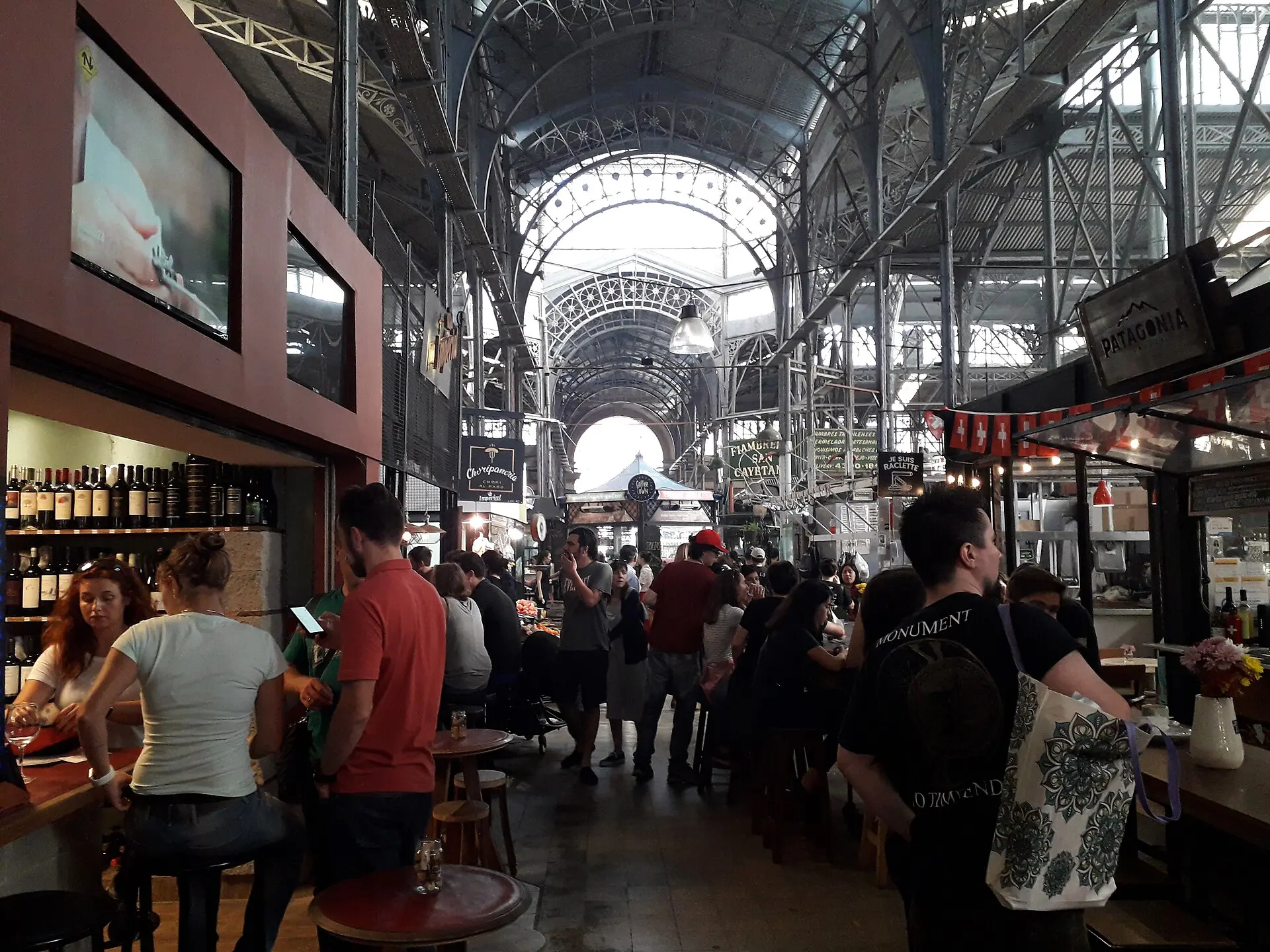
1. Asado
Beef, and often pork, sausages and offal, cooked slowly over wood or charcoal embers. An asado is both a method and a social event. At a parrilla (grill restaurant) you can order a parrillada, a mixed platter for sharing. Ask for it with salad, and say how you like the meat cooked, because the default is often well done. Start here.
2. Cuts to know: vacio, entrana, bife de chorizo
Vacio is a flank cut, juicy and flavourful. Entrana is skirt steak, thin and quick. Bife de chorizo is a thick sirloin, and bife de lomo is the tender fillet. Sausages (chorizo) and blood sausage (morcilla) come first as a starter. Chimichurri, a sauce of parsley, garlic, oil and vinegar, is on the side, not the meat.
3. Empanadas
Baked or fried pastry pockets, filled with beef, chicken, ham and cheese or corn. The north-west provinces of Salta and Tucuman are famous for them. Salta’s are usually small, juicy and baked, with beef, onion and sometimes olive and egg. Order a few as a starter and ask the vendor which filling is which, as the pastry fold often tells you.
4. Milanesa
A breaded, fried cutlet of beef or chicken, from the Italian tradition. It is served plain, with fries, or “a la napolitana” with tomato sauce, ham and melted cheese. It is the everyday comfort plate and often the best value on a menu. It is sold in casual places, and portions are large enough to share.
5. Locro
A thick stew of corn, white beans, squash and meat, eaten in the cold months and on national holidays, especially 25 May and 9 July. It is an Andean dish with a long history, served hot in a bowl. If you travel in winter, look for it in the north-west and in cities on holidays.
6. Provoleta, pizza and pasta
Provoleta is a disc of provolone cheese grilled until soft, often served with oregano before the meat. Pizza in Argentina is thick-crusted and cheesy, with fugazzeta (onion and cheese) a local favourite. Pasta is an everyday dish, and ñoquis (gnocchi) are traditionally eaten on the 29th of the month. These are the Italian side of the table.
7. Humita, tamales and north-western stews
Humita is a paste of fresh corn, onion and cheese, steamed in corn husk or served in a pot. In Jujuy, Salta and Tucuman look for tamales, carbonada (a stew with fruit) and dishes made with llama. These are the Andean strand of the cuisine, and quite different from the beef-and-pasta image.
8. Dulce de leche, alfajores and mate
Dulce de leche is a milk caramel spread on pastries, pancakes (panqueques) and the sandwich cookies called alfajores. Flan is served with it, and helado (ice cream) is another Italian import. Mate is a bitter herbal infusion drunk from a gourd through a metal straw, usually shared, and it is the national drink. Wine, especially Malbec from Mendoza, goes with the meat.
Argentina traditional food by region
- Buenos Aires and the Pampas: parrillas, milanesa, pizza, pasta, medialunas and the cafe habit.
- North-west (Salta, Jujuy, Tucuman): empanadas, locro, humita, tamales and Andean ingredients, with high-altitude wine.
- Cuyo (Mendoza, San Juan): Malbec, grilled meat, olive oil and dried fruit.
- Patagonia: lamb cooked on an iron cross over a fire, trout, king crab in the far south and Welsh-style tea in some towns of Chubut.
The same national dishes appear everywhere, but the local one is the best order, so ask what the region is known for.
Market timing in Argentina
Argentina has fewer street markets than other Latin American countries, and food shopping is done at ferias (open-air stands), mercados and supermarkets. Ferias in neighbourhoods often run on set weekdays or weekends, and are best before midday. Many regional markets, especially in the north, are best in the morning for tamales, empanadas and fruit.
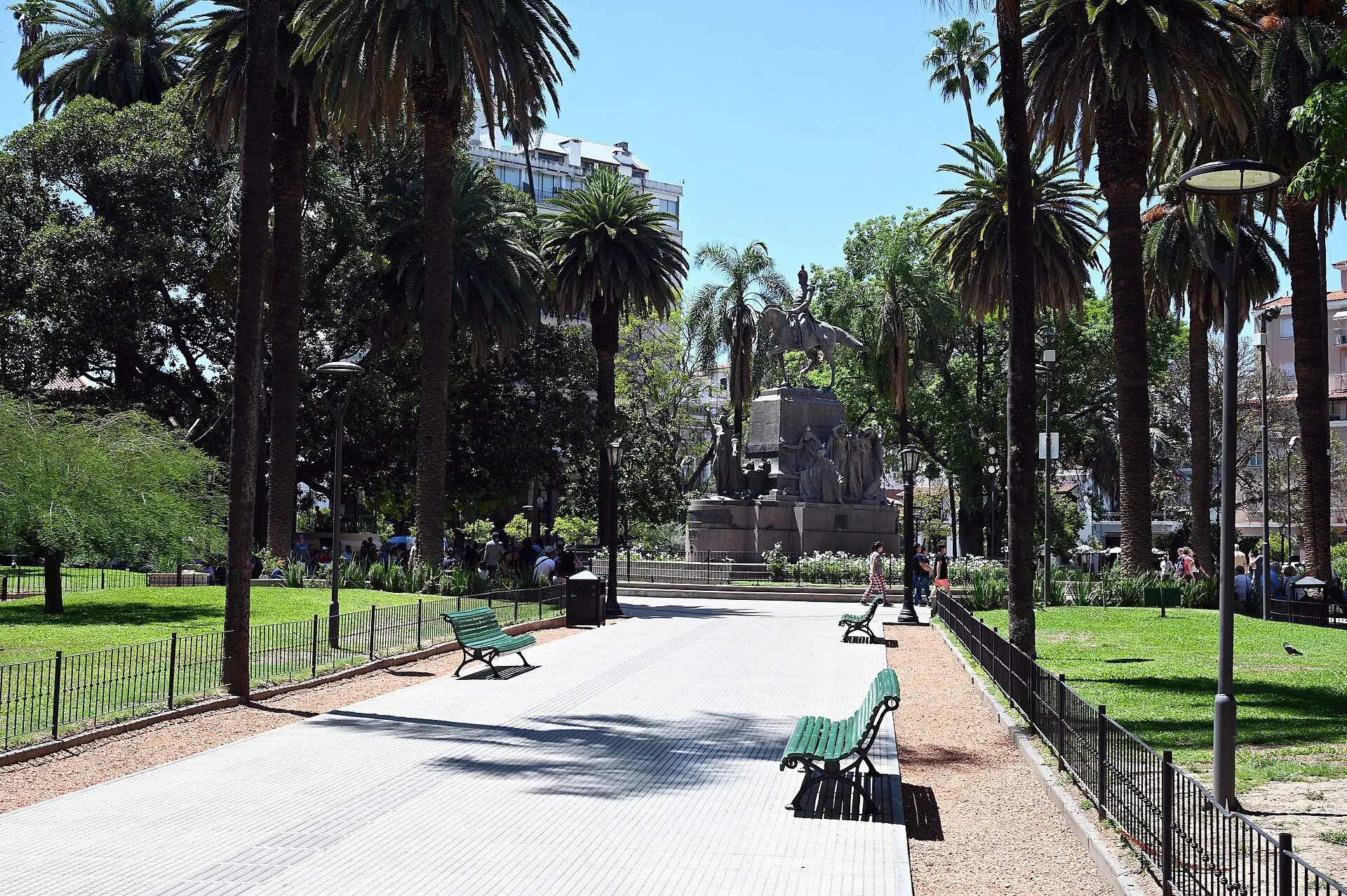
Bakeries open early and sell medialunas by 07:00 or 08:00. Choripan stands, which sell grilled sausage in a roll, appear at lunch near parks and stadiums. Weekend asados in parks begin around midday. If you want to see the local habit, go to a feria early, then eat lunch late.
What does a meal cost in Argentina? Price bands
Argentina’s prices and exchange arrangements have moved sharply in recent years, so these are only indicative per person ranges in USD, as of 2026. Check the current rate and menu prices before you go.
| Meal | Where | Rough band (USD) |
|---|---|---|
| Coffee and medialunas | Cafe | about 2-5 |
| Empanadas, choripan | Street stand or bakery | about 1-4 |
| Milanesa or pasta | Casual restaurant | about 6-15 |
| Parrilla dinner with wine | Parrilla | about 15-40 |
| Mid-range multi-course dinner | Restaurant | about 25-60 |
How a parrilla meal runs
A parrilla meal has a sequence, and knowing it avoids over-ordering. Bread and a cover charge arrive first, then a starter such as provoleta, chorizo or morcilla, and a salad to share. The main cuts come next, often on a small table grill at your side that keeps the meat warm. Sides of fries or mashed potato are ordered separately. Dessert is flan with dulce de leche or ice cream, followed by coffee. The meal often lasts two hours, and nobody hurries you. Ask for the bill when ready.
Etiquette: tipping, mate and sharing
- Tipping: around 10 percent is customary in restaurants if service is good. Check the bill, since some places add a service charge.
- Cubierto: a small cover charge for bread and table service is common and appears on the bill. It is not a tip.
- Mate: one person prepares and serves it, passing the gourd around. Drink it all, hand it back and say “gracias” only when you have had enough. Do not stir the straw.
- Asado: the host or grillmaster serves the meat in courses. Wait for the first round before reaching.
- Sharing: platters are for the table, and you will be encouraged to take more.
What to skip when eating in Argentina
- Arriving at a parrilla at 19:00 expecting dinner. Many kitchens are not ready until 20:00 or later.
- Ordering everything at once. Meat arrives in stages, so start with a starter and a platter.
- Tourist-menu steak packages in the busiest streets, where cuts and prices can be inflated.
- Treating Patagonian lamb as an afterthought. It is regional and worth looking for in the south.
I would skip any menu that offers only steak, since the country’s food is wider than that. For more background see the Argentina travel guide, Wikivoyage’s Argentina page and the Wikipedia entry for Argentina.

FAQ about Argentina traditional food
What is the national dish of Argentina?
Asado is the dish most associated with Argentina, as both a meal and a social ritual. Empanadas and locro are the other classic national foods, and milanesa is the everyday plate. There is no single official national dish.
Is Argentine food spicy?
No. Argentine cooking is mild, with salt as the main seasoning for meat, plus garlic, parsley and oregano. Chimichurri adds freshness, and ají or chilli is limited to the north-west and offered on the side.
What time do people eat dinner in Argentina?
Late. Restaurants commonly open for dinner around 20:00, and local diners usually arrive between 21:00 and 23:00. Weekends run later still. If you are hungry earlier, have a merienda in the afternoon or order empanadas.
What is mate and how do you drink it?
Mate is a bitter herbal infusion of yerba mate, served in a gourd with a metal straw and passed around a group. Take the gourd, drink it all, return it and say thanks only when you are done. It is a social ritual, not a quick drink.
Is Argentine food good for vegetarians?
It is limited but possible, especially in cities. Provoleta, empanadas de humita or de queso, pizzas, pasta, salads and vegetable tarts are common. Say “no como carne” and ask about meat stock. Outside big cities options narrow, so plan ahead.