Traditional Colombian food varies by region more than by restaurant, but a few dishes anchor it: arepas with cheese, a bowl of ajiaco in the Andes, bandeja paisa in Antioquia and fried fish with coconut rice on the Caribbean coast. Start with a set lunch, the almuerzo corriente, which is cheap and shows how locals eat. Below: eight dishes and where they belong, how the day of eating runs, rough costs as of 2026, and the etiquette that makes a meal easy.
How meals are structured and timed in Colombia
Breakfast, desayuno, is a real meal: eggs, an arepa, hot chocolate or coffee, and often cheese. In the Andes you may get changua, a milk and egg soup, and in Antioquia a calentado, which is last night’s rice and beans reheated.
Lunch, almuerzo, is the main meal, from about 12:00 to 14:00. Most local eateries sell a set lunch with soup, a plate of protein, rice, a side and juice for one price. Dinner is lighter, and snacks, empanadas and fruit juices fill the gaps between.
The system story: altitude, regions and the set lunch
Colombia runs from Caribbean beaches to Andean highlands to the Amazon, so the plate changes with the land. Cool highland towns lean on potatoes, corn, soups and pork. Hot coastal areas lean on fish, coconut, plantain and cassava. The set lunch, corrientazo, exists because workers need a filling midday meal at a fixed price. It is the cheapest way to eat well, and it is the same logic wherever you are. Wikivoyage covers the country’s regional split, and it is the best frame for understanding the menu.
Eight traditional Colombian dishes and what to order first
1. Arepas
Flat rounds of ground corn, grilled or fried, eaten at breakfast and as a side. They come plain, with cheese melted inside, or filled. The arepa de choclo, made from sweet corn, is a soft, slightly sweet version served with cheese. Order one at a bakery or a street stand, and eat it hot. It is the easiest introduction to traditional Colombian food, and it is one of the cheapest snacks on any street.
2. Bandeja paisa
The heaviest plate: beans, rice, ground beef, crispy pork belly (chicharron), chorizo, fried egg, plantain, avocado and an arepa. It comes from Antioquia and the coffee region, and it is a farm-worker’s lunch grown into a national symbol. Share it, or order it as your one big meal of the day.
3. Ajiaco santafereño
The soup of Bogotá: chicken, three kinds of potato, corn on the cob and a herb called guascas, served with cream, capers and avocado on the side. It suits cool highland weather. Order it at lunch, when it is cooked fresh, and expect a large bowl. It is the clearest example of Andean cooking.
4. Sancocho
A hearty soup of meat or fish with plantain, cassava, corn and potato, which changes by region. Chicken sancocho is common in the Valle del Cauca, fish on the coast, beef elsewhere. It is a Sunday family dish and a hangover cure, and often sold on weekends. Check the ingredients before you order, as versions differ.
5. Empanadas
Fried corn-dough pockets filled with beef, chicken or potato, served with aji, a fresh chilli and herb sauce. They are the street snack, sold from carts and bakeries all day. Eat them hot. In Cali, the empanadas vallunas are made with a potato filling and a yellow dough. See our guide to what to do in Cali for more on the city.
6. Pescado frito with patacones and arroz con coco
The Caribbean coast plate: a whole fried fish, usually served with sweet-and-salty coconut rice, tostones called patacones and a squeeze of lime. It is sold on beaches and in small seafood places along the coast. Ask which fish is fresh, and choose a place where the fish is displayed on ice.
7. Tamales and lechona
Colombian tamales are wrapped in banana leaf, not husk, and filled with pork, chicken, potato and rice. Lechona, from Tolima, is a whole roast pig stuffed with rice and peas. Both are festive foods, and tamales are a typical Sunday breakfast, so look for them in the morning. They are filling, so one is enough for a meal.
8. Buñuelos, pandebono, obleas and fruit juice
Buñuelos are fried cheese-and-corn balls. Pandebono is a cheese bread with cassava starch. Obleas are thin wafers spread with arequipe, a milk caramel. Juices are made from fruit with no equivalent elsewhere: lulo, maracuya, guanabana, mora and more. Tinto is a small, thin black coffee sold from thermoses at street corners.
Traditional Colombian food by region
- Andes (Bogota, Boyaca, Cundinamarca): ajiaco, changua, tamales, roast meats, potatoes and fresh cheese. Cold climate, heavy soups.
- Antioquia and the coffee region: bandeja paisa, arepas, mazamorra (corn and milk) and frijoles. Mountain farm food.
- Caribbean coast (Cartagena, Santa Marta, Barranquilla): fish, coconut rice, patacones, arepa de huevo (a fried corn pocket with an egg) and cassava bread.
- Valle del Cauca (Cali): sancocho de gallina, empanadas, aborrajados (fried sweet plantain with cheese) and cholado, a shaved-ice dessert with fruit.
- Pacific coast: seafood stews with coconut and herbs, shaped by Afro-Colombian cooking.
This is a rough map, and the best traditional Colombian food is often found by moving between regions, not by finding one definitive dish.
Market timing in Colombia
Markets are early. Plaza de mercado stalls open around 05:00 or 06:00, and the best produce and breakfast stalls are done by late morning. Upstairs or inside, small kitchens serve set lunches from midday, and they are the best-value meals in town.
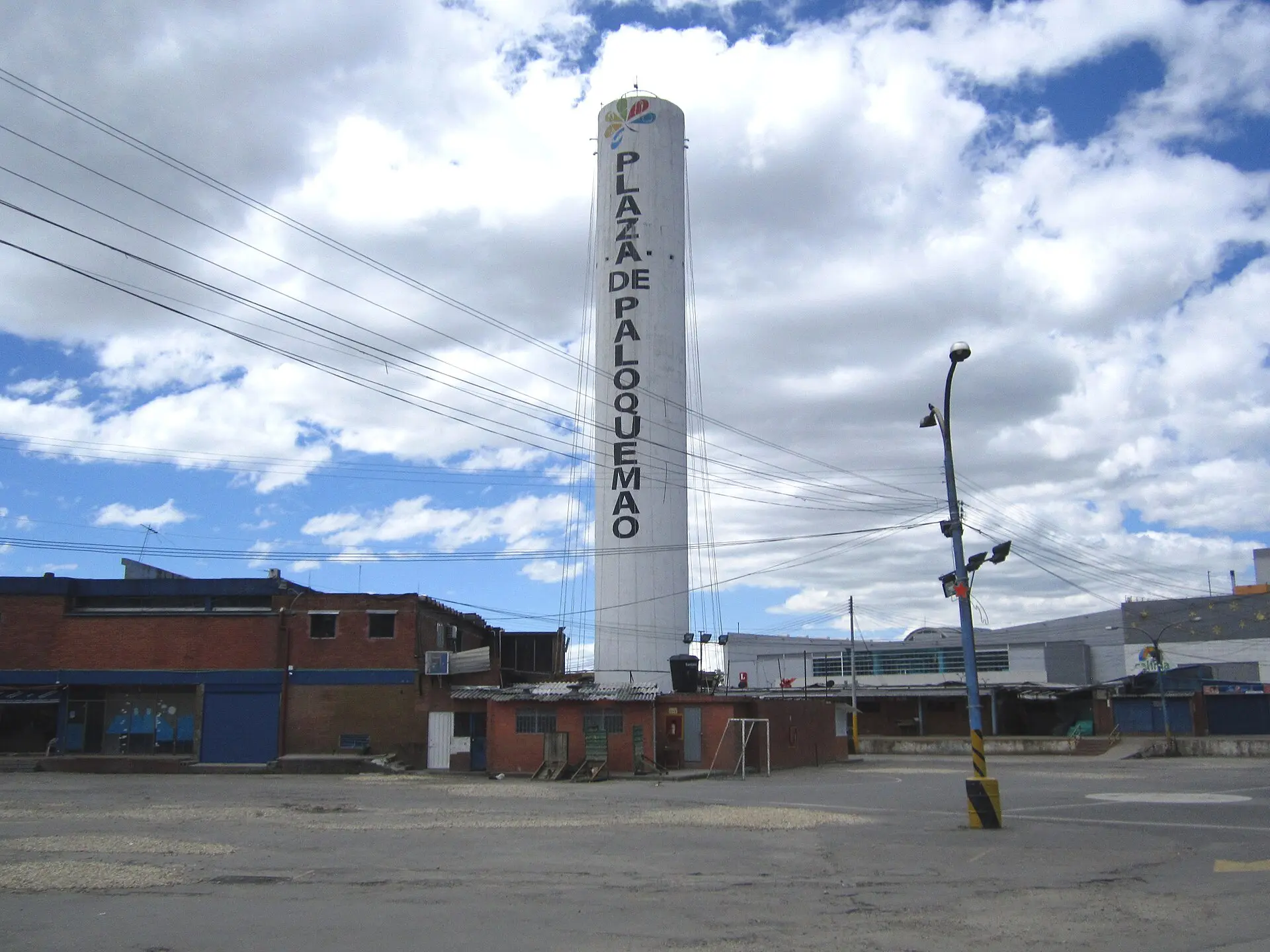
Saturday and Sunday mornings are busiest, when families shop and eat. Fruit stalls are good any time before noon, and juice carts sell all day. Plan market visits for the morning, and bring small notes.
What does a meal cost in Colombia? Price bands
The peso moves against the dollar, so these are indicative per person ranges in USD, as of 2026. Tourist areas and big cities cost more. Check current prices before you go.
| Meal | Where | Rough band (USD) |
|---|---|---|
| Arepa, empanada, tinto | Street cart or bakery | about 0.5-2 |
| Breakfast | Local cafe or market | about 2-5 |
| Set lunch (almuerzo corriente) | Local eatery | about 3-6 |
| Regional plate such as bandeja paisa | Casual restaurant | about 6-12 |
| Dinner with drink | Mid-range restaurant | about 10-25 |
Etiquette: tipping, sharing and table manners
- Tipping: many restaurants add a voluntary service charge of about 10 percent to the bill. You can ask to have it removed, or leave it as is. In cheap eateries, rounding up is enough.
- Cutlery: use a fork and knife for plates, and hands for arepas, empanadas and bread.
- Greeting: a short buen provecho to people at a nearby table is polite, and it is the usual greeting at the start of a meal.
- Bills: you usually have to ask for the check (“la cuenta, por favor”), since staff rarely bring it unasked.
- Sharing: large plates like bandeja paisa are easy to split, and staff will bring an extra plate on request.
How to read a Colombian menu with a language barrier
Look for the almuerzo del dia or menu del dia, often chalked on a board: it is soup, a main and juice. Sopa is soup, res beef, cerdo pork, pollo chicken, pescado fish, arroz rice and jugo juice. Ask for sin carne if you do not eat meat, and be aware that soups are often cooked with meat stock.
Juices come “en agua” (with water) or “en leche” (with milk). Pick the one you prefer. If a menu has no prices, ask first. A translation app will handle most printed menus. See the solo female travel guide to Colombia if you plan to eat alone.
What to skip when eating in Colombia
- Tap water in many places. Bottled water or boiled drinks are the safer choice outside major cities.
- Seafood far from the coast, or fish that is not on ice.
- Bandeja paisa in the evening unless you are hungry. It is a lunch dish and a heavy one.
- Tourist-only strips with laminated photo menus, where prices are higher.
- Street food that has been sitting out. Choose items fried to order.
I would also avoid eating a full bandeja at altitude on your first day, when the plate and thin air combine badly. For more background, see the Colombia travel guide, Wikivoyage’s Colombia page and the Wikipedia entry for Colombia.

FAQ about traditional Colombian food
What is the national dish of Colombia?
Bandeja paisa is the dish most often named as national, though Colombia has no single official one. Ajiaco in Bogotá and sancocho across the country are the other strong candidates. Each belongs to a region, which is why menus vary so much.
Is Colombian food spicy?
Not usually. Dishes are seasoned with onion, garlic, cumin and herbs, and chilli appears as a side sauce called aji. You add the heat at the table. It is milder than Mexican or Peruvian cooking.
What do Colombians eat for breakfast?
Eggs (often scrambled with tomato and onion), an arepa, cheese, hot chocolate or coffee, and sometimes changua or a tamal. In Antioquia a calentado of rice and beans is common. Bakeries sell pandebono and buñuelos for a lighter start.
What is an almuerzo corriente?
It is a fixed-price set lunch: soup, a plate of rice, protein and a side, and a juice. It is sold at small local eateries at midday and is the cheapest full meal in most towns. Ask for it by name, and check the price before you sit.
Is it safe to eat street food in Colombia?
Generally yes with sense. Choose busy stalls, food fried or grilled to order and fresh juice made in front of you. Be cautious with ice, raw salads and tap water, and ask your doctor about stomach and vaccine advice before travel.