What to do in Cali Colombia comes down to three things: eat from the Valle del Cauca kitchen, dance salsa after dark, and take the heat slowly. Cali sits at about 1,000 metres in a warm valley, so the day starts early with a market breakfast and slows at midday. The city calls itself the world capital of salsa, and its food is just as local: fried plantain, corn arepas, cold fruit drinks, sugarcane sweets. This guide puts meals first and sights in between.
Best time to visit Cali
Cali is warm all year, with daytime highs that often reach the low 30s Celsius and cooler evenings. The city has two drier and two wetter stretches rather than four seasons, so pick by crowds and events. Cold drinks and shaded markets matter more than the calendar.
| Season | Weather | Crowds and prices | Good for |
|---|---|---|---|
| Dec-Feb | Drier, sunny, warm | Busy around the late-December fair, higher prices | Salsa nights, street events, outdoor eating |
| Mar-May | Wetter, humid | Quieter, lower prices | Markets, cooking, museums |
| Jun-Aug | Drier, breezy | Holiday travelers, moderate prices | Hill walks, river days, viewpoints |
| Sep-Nov | Wetter, afternoon storms | Quiet, good value | Food-focused trips, dance classes |
What to do in Cali Colombia: the top stops
These are the things to do in Cali that repay a short stay. Start at a market, take the afternoon off the street, and save the dancing for night.
1. Have breakfast at Galería Alameda
Galería Alameda is one of Cali’s main fresh markets, and the place to see what the valley grows and eats: plantains, cassava, tropical fruit, chontaduro, fresh cheeses, roast pork and prepared meals at counters inside. Go in the morning, when produce is freshest and the food stalls are busiest. Eat what the locals eat, point if you do not speak Spanish, and carry small notes. Keep your phone and bag close in the crowd, as in any big market.
2. Drink a cholado and a champús
Two cold drinks define the city. A cholado is shaved ice piled with fruit, condensed milk and syrup, eaten with a spoon. Champús is a chilled drink made from corn, lulo, pineapple, cinnamon and cloves. Both are sold from street carts and small shops, and both are sweet enough to count as dessert. Order them in the heat of the afternoon, not at breakfast, and share one if you are not sure you can finish it.
3. Order a sancocho de gallina and the valley’s fried snacks
For a proper lunch, look for sancocho de gallina, a hen-and-vegetable soup served with rice and avocado. Between meals, the fried snacks of the Valle del Cauca are worth knowing: pandebono (cheese bread), aborrajados (fried sweet plantain with cheese), marranitas (plantain and pork rind) and empanadas vallunas. Lunch is the main meal and the cheapest, usually a set menu with soup, a main plate, rice and a juice.
4. Dance salsa, or watch it
Cali is known as the salsa capital, and its style is fast, with tight footwork. Dance schools run group classes for beginners, and clubs fill from around ten at night. Watch a set before you step on the floor; couples dance close and quickly, and refusing a dance is fine. Go with a small group, keep drinks in sight, and take a licensed taxi home rather than walking. Some venues are more tourist-oriented than others, so ask your hotel which ones suit your level.
5. Climb to the Cristo Rey viewpoint
A large statue of Christ stands on a hill above the western edge of the city, with views across the valley and the Andean slopes. It is a trip for early morning or late afternoon, when the air is clearer and the heat is less fierce. Go by taxi or a tour rather than on foot, and check current safety advice with your accommodation before you head up, since conditions change. Bring water and sun protection.
6. Walk through San Antonio
San Antonio is a small hillside district of colonial-style houses, a little chapel, craft shops and relaxed cafes, and it is the best place for an unhurried evening stroll. The plaza fills with locals at dusk, and vendors sell snacks, from fruit cups to grilled corn. Come at sunset, when the temperature drops, and stay for an early dinner. Daytime visits are good for photos. Walk in a group after dark and use a licensed taxi back.
7. Stroll the Río Cali and the cat sculptures
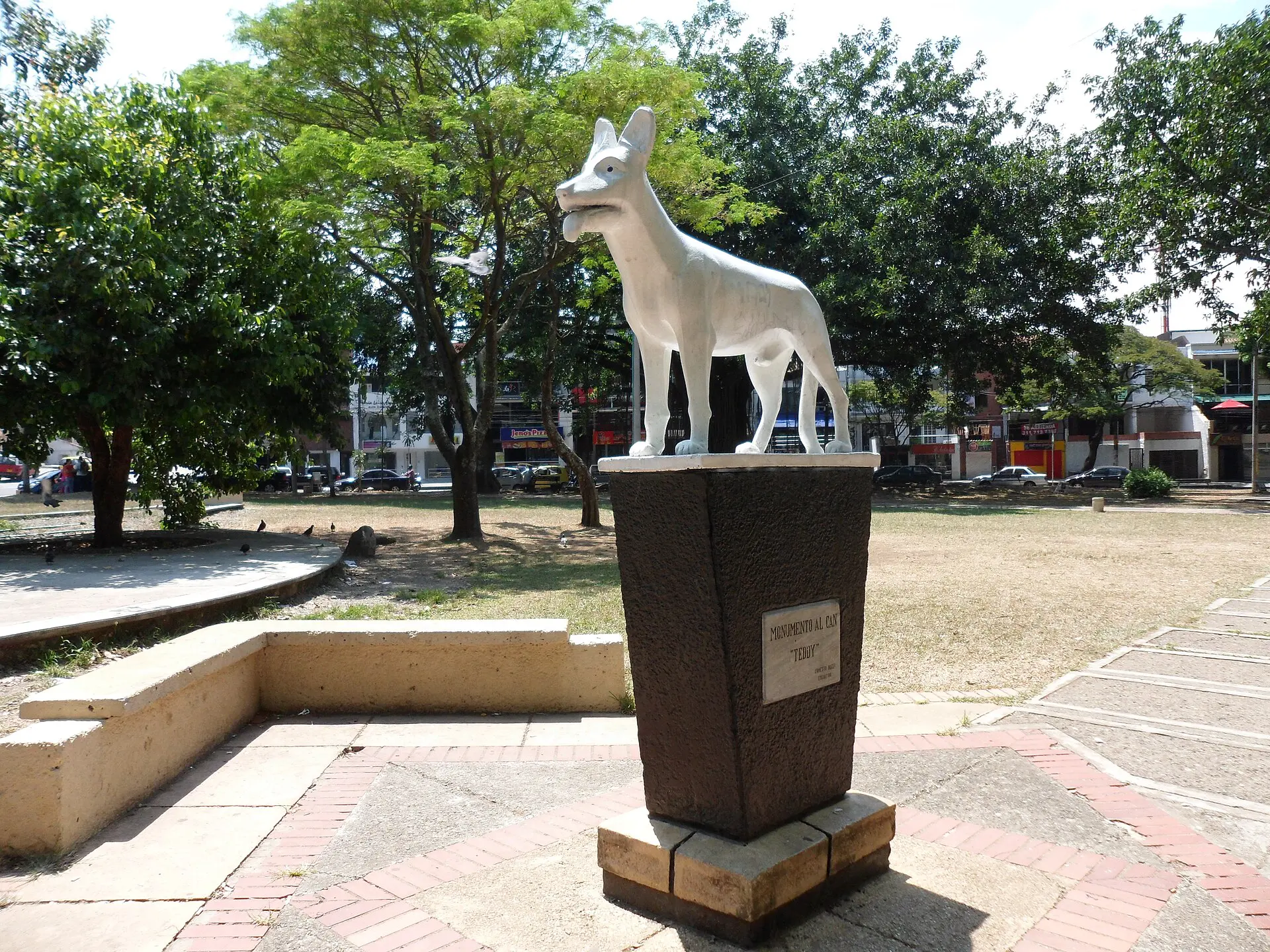
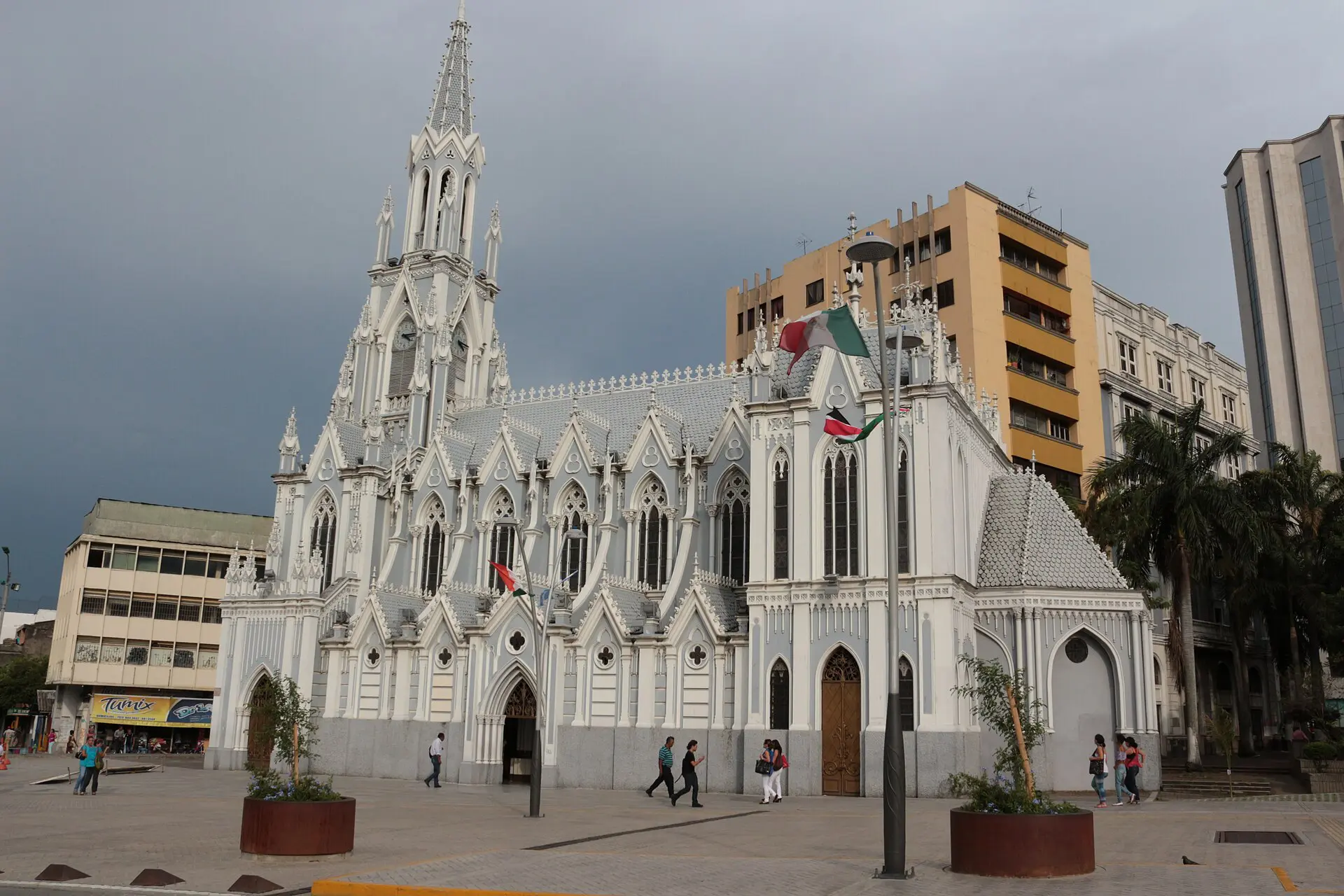
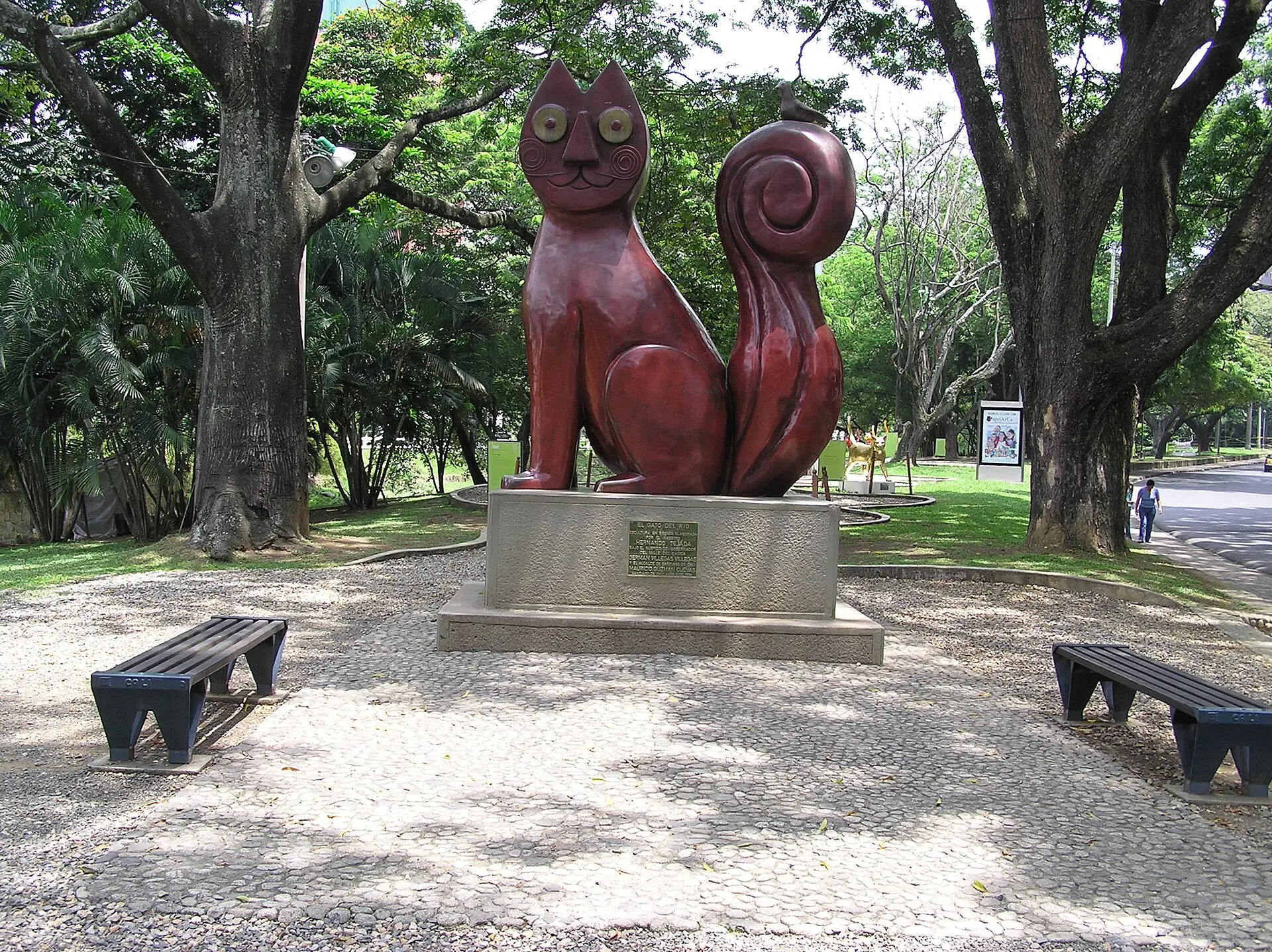
The river runs through the city and a walkway follows it, passing a row of cat sculptures, including a famous large one, the Gato del Río, by the artist Hernando Tejada. It is a flat, shaded, easy walk and a good one after lunch. Nearby, the Ermita church, with its neo-Gothic towers, is worth a quick visit. Go in daylight, keep valuables out of sight, and enjoy the people-watching.
8. Visit the Cali Zoo
The zoo is known as one of the better-regarded in Colombia, with a focus on native species of the region. It is a good choice for families or for slowing down on a hot afternoon, and it sits close to the river. Go in the morning when animals are most active and ticket lines are short. Opening hours and prices change, so check ahead.
9. Spend a day at the Pance river
South of the city, the Pance area is where Cali goes on weekends for river bathing, shaded paths and open-air restaurants. The water is clear, the air cooler than in town and the food is simple: grilled meat, fried fish, arepas. Weekdays are quieter. Go in a dry month, pay attention to local advice about currents and rain upstream, and take cash.
10. Take a salsa-and-food walking tour
If you only have a short stay, a guided walk is an efficient way to link markets, neighborhoods, music and tastings in one half day. Choose a guide who lives in Cali, keeps groups small and explains where food comes from. Ask what is included before you pay. It is also a sensible way to get oriented on safety and to learn which areas are best avoided after dark.
Where to stay in Cali
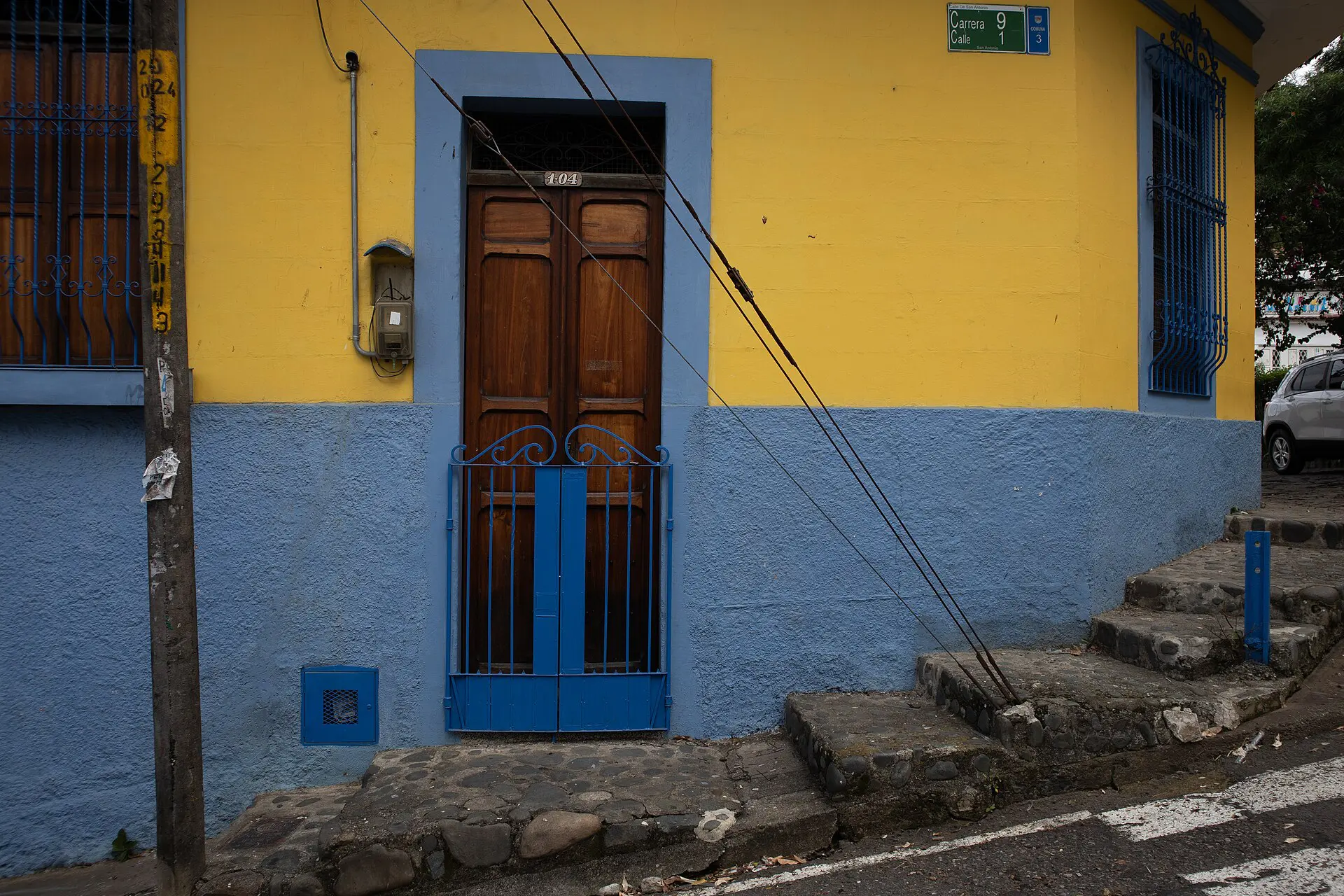
- San Antonio: hillside, walkable and atmospheric, with cafes and small guesthouses. Suits couples and travelers who want a quiet evening scene.
- Granada: a restaurant and nightlife neighborhood in the north, with many places to eat. Suits food-minded travelers who like an easy dinner choice.
- Ciudad Jardin and the south: leafy, residential, closer to Pance and to the larger malls. Suits families and longer stays.
- Near the river and the center: convenient for sights and transport, but busier and less comfortable at night. Suits short stays when you take taxis after dark.
Getting around Cali
Taxis and ride-hailing apps are the simplest way to get around, particularly at night. The city also has a bus rapid transit system called the MIO, which is cheap, but routes take some learning. Neighborhoods like San Antonio and the river path are walkable by day. The airport is about 16 km from the city, and you can reach it by taxi or shared van; long-distance buses leave from the main terminal, and a trip from Bogota by road takes around 12 hours, so many visitors fly.

How much does a trip to Cali cost?
Cali is inexpensive by international standards, and lunch set menus keep food costs low. Figures are rough daily totals per person in US dollars, as of 2026; exchange rates move, so check before you go.
- Budget, about $30-50: hostel bed, market breakfasts, set-menu lunches, buses and the occasional taxi.
- Mid-range, about $70-130: a comfortable hotel, restaurant dinners, taxis and a dance class or tour.
- High, about $170 and up: upscale hotel, tasting-style dining, private drivers and guides.
Is Cali worth visiting?
Yes, for travelers who want music, food and a lived-in city rather than a postcard one. Cali is not a polished colonial showpiece, and it is not a beach town. I would skip it if you dislike heat, or if you want a trip with no attention to safety; use licensed taxis, avoid displaying valuables and ask locals about areas to avoid. Come for the markets and the salsa, and treat it as a base for the Valle del Cauca. That is what to do in Cali Colombia: eat early, dance late and rest in between.
For background reading, see the Cali guide on Wikivoyage and the Wikipedia page on Cali.
What to do in Cali Colombia: FAQ
How many days do you need in Cali?
Three days gives you markets, a salsa night, San Antonio and a river day. Add one or two days if you want dance classes or trips into the surrounding valley. A single day is enough for a taste but not a rhythm.
Is Cali safe for tourists?
Many visitors have trouble-free trips, but petty crime exists and some areas are best avoided after dark. Use licensed taxis or apps at night, keep phones out of sight and follow local advice. Check current government travel advisories before you go.
What food is Cali known for?
Sancocho de gallina, pandebono, aborrajados, empanadas vallunas, marranitas, cholado and champús. Many of these are sold at markets and street stalls for very little, and lunch set menus are the best value in town.
Where can you learn salsa in Cali?
Several dance schools around the city teach group and private classes, including for complete beginners, often for a modest fee. Ask your accommodation for current recommendations, and confirm class times and prices ahead, since these change.
What is the best month to visit Cali?
December and January are the liveliest, with the city’s fair and dry weather, but prices rise and it is busy. June to August is another drier stretch with fewer crowds. Any month works if you plan indoor time for the afternoon rain.