A family trip in London works best over four days from one base, with one main outing in the morning and a quiet block after lunch. London is huge, so cap each day at one area and a transfer of about 30 minutes. The plan below gives each half-day a rest anchor and a tired-day swap, so you can drop a block without breaking the rest.
Family trip in London at a glance
London sits on the Thames, with a metropolitan area of well over nine million people, and its sights are spread across miles. The mistake families make is to treat the map as a checklist. This plan keeps one area per day and uses the free museums as the anchor for the wet and tired hours.
| Day | Base area | Longest transfer | Pace |
|---|---|---|---|
| 1 | Your base, plus a local park | Airport to hotel, 45 to 90 minutes | Very light |
| 2 | South Kensington and Hyde Park | 20 to 30 minutes | Medium |
| 3 | Westminster, the river and the South Bank | 30 minutes | Medium |
| 4 | The Tower, Tower Bridge and the East End edge | 30 to 40 minutes | Medium to light |
Four days is the number that fits most children aged five to eleven. With a toddler, stretch to five and drop a block a day. For an adult-focused version, see 3 days in London.
Day-by-day family trip in London
Day 1 morning: land and settle
Do nothing ambitious. Whatever time your flight arrives, aim to reach the base, eat and sleep. London has several airports, and the journey into the centre commonly takes 45 minutes to an hour and a half by train, Tube or taxi, so check the route before you go. Rest anchor: a proper lunch near the base and a short lie-down. Tired-day swap: if the flight was overnight, move everything to the afternoon and stay in.
Day 1 afternoon: a park and an early dinner
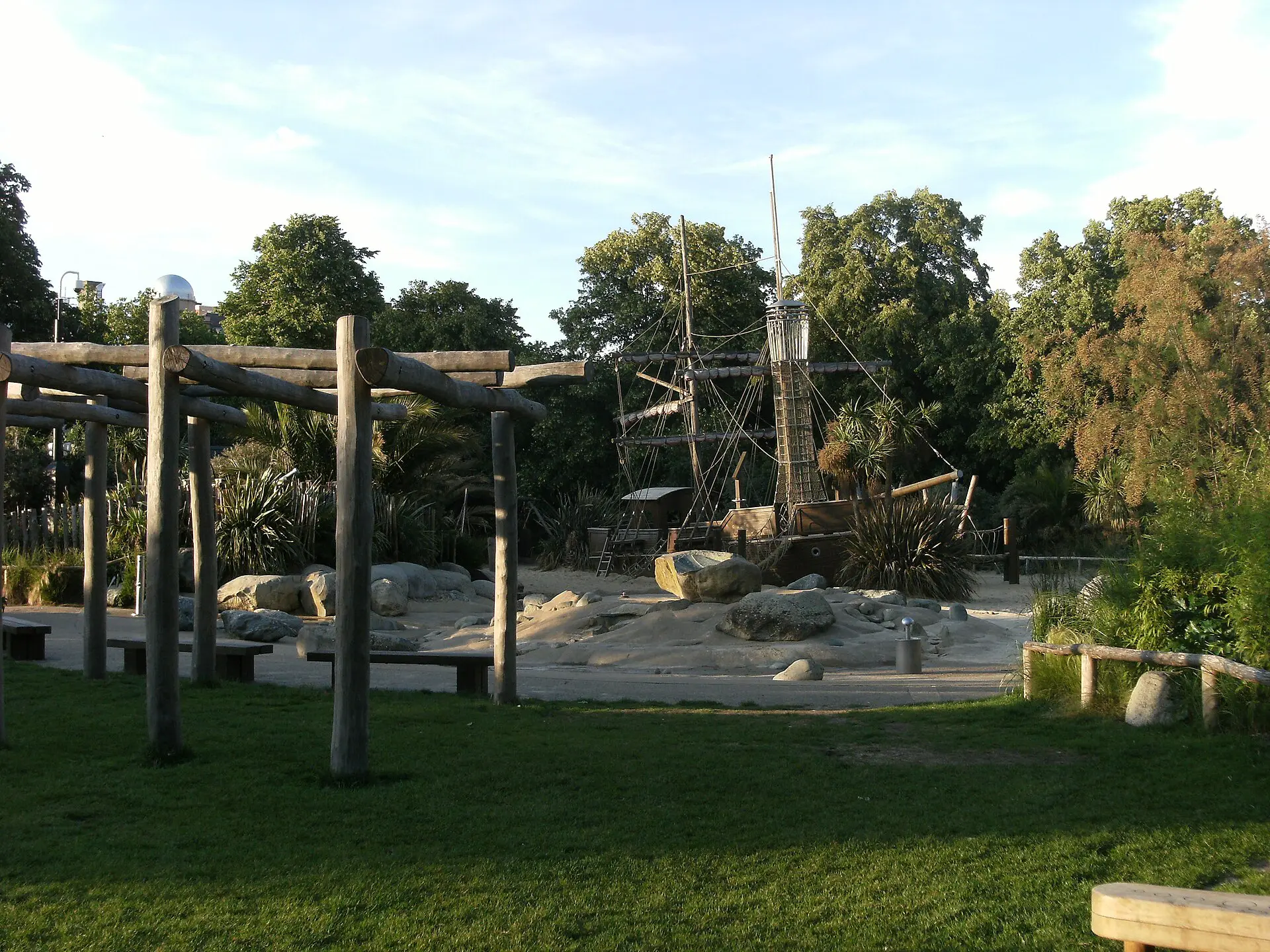
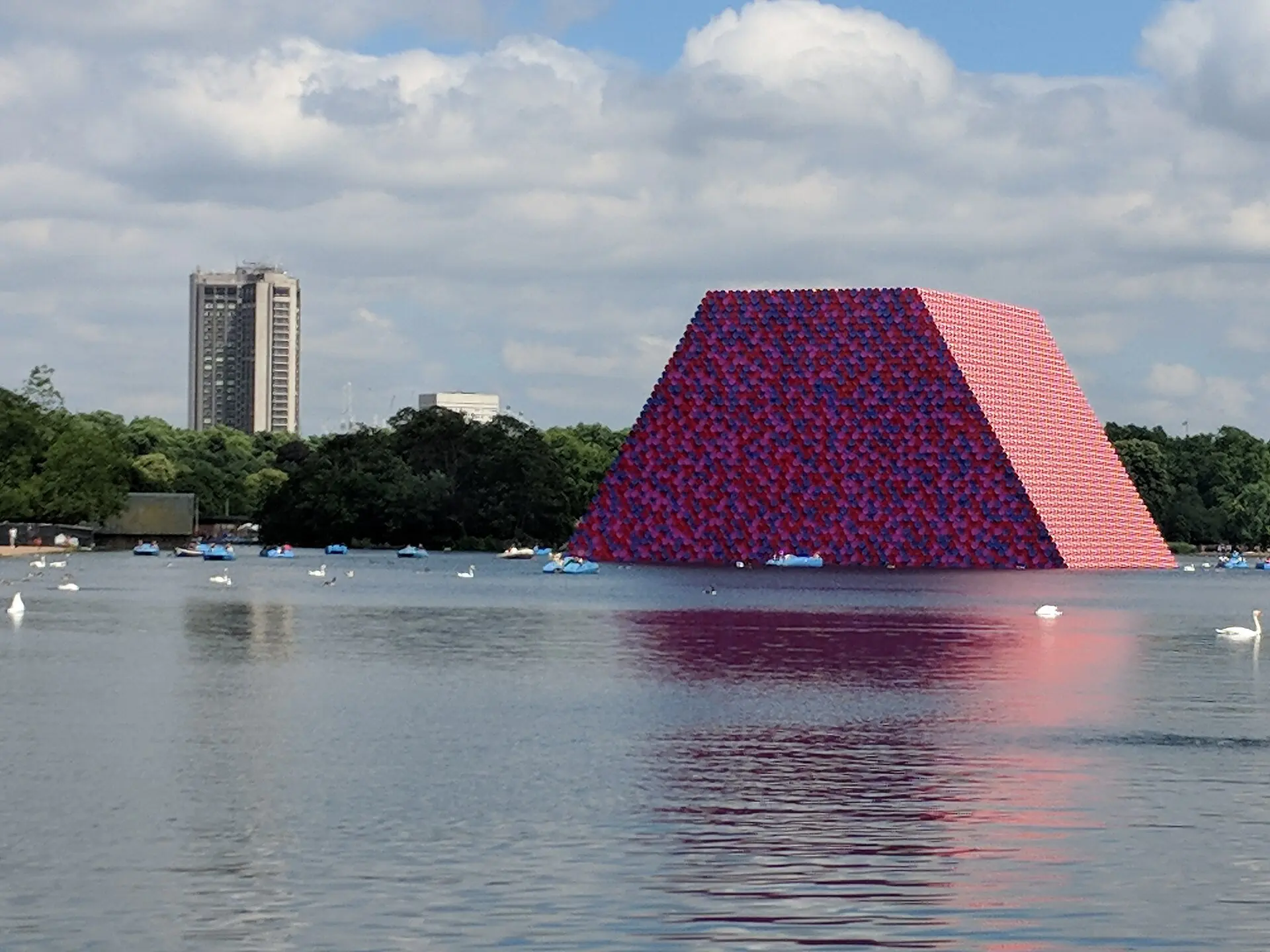
Walk to the nearest green space for an hour of running about. London has many large parks, including Hyde Park and Kensington Gardens in the west, and the Diana Memorial Playground in Kensington Gardens has a big pirate-ship play area, with an adult-with-child rule and set opening times, so check before you go. Eat early, around 5:30, and be in bed by 7:30 to start the next day fresh.
Day 2 morning: the Natural History Museum
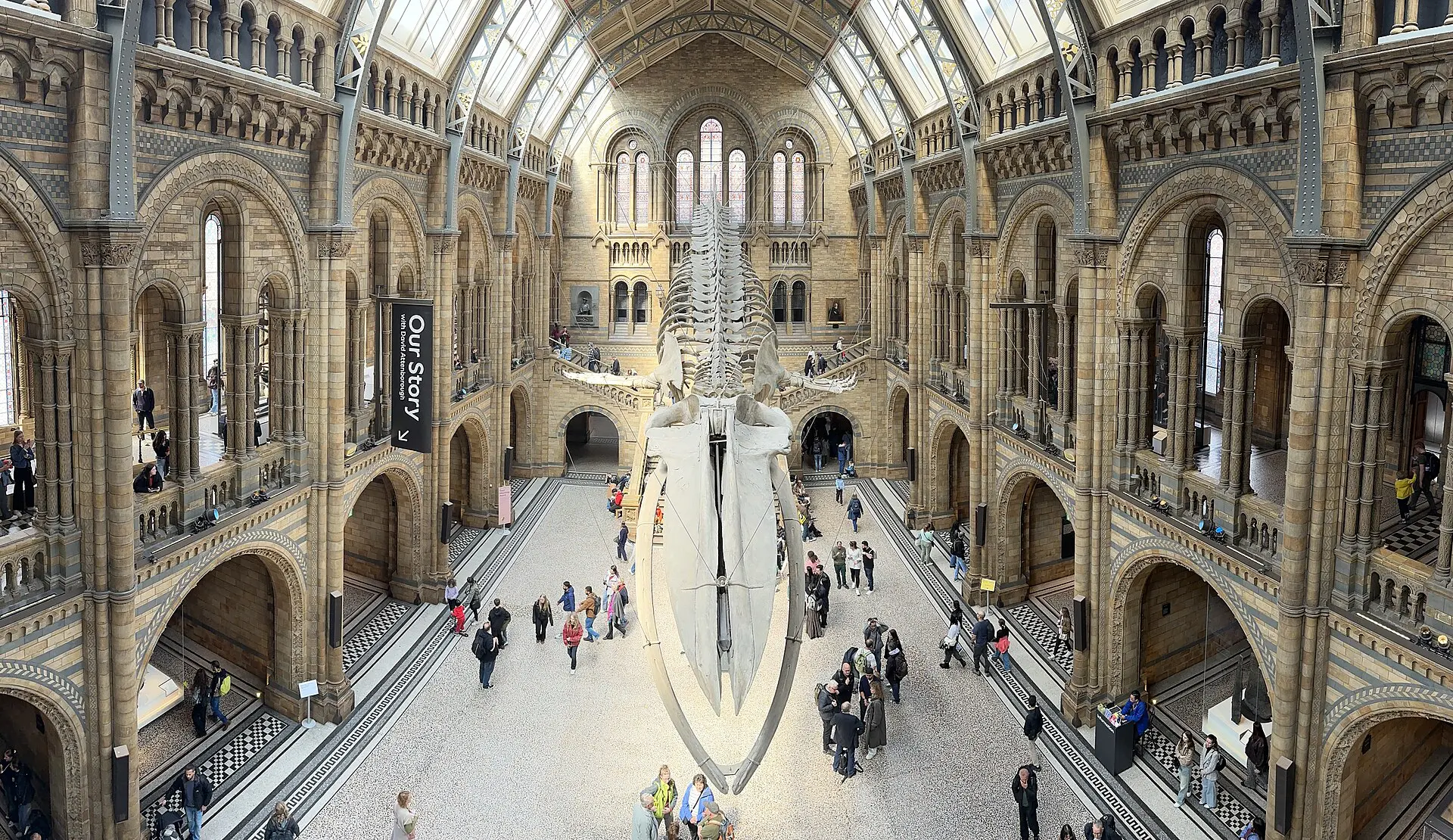
The museum in South Kensington is free to enter, with dinosaur skeletons, a large hall and many hands-on galleries. Arrive at opening time, because queues build by late morning, and plan for two hours, not four. Age and stamina: children under seven tire after about 90 minutes, so pick the dinosaurs and one more gallery. Rest anchor: a snack break halfway, and lunch in the museum cafe or a nearby bakery.
Day 2 afternoon: Kensington Gardens and the Science Museum
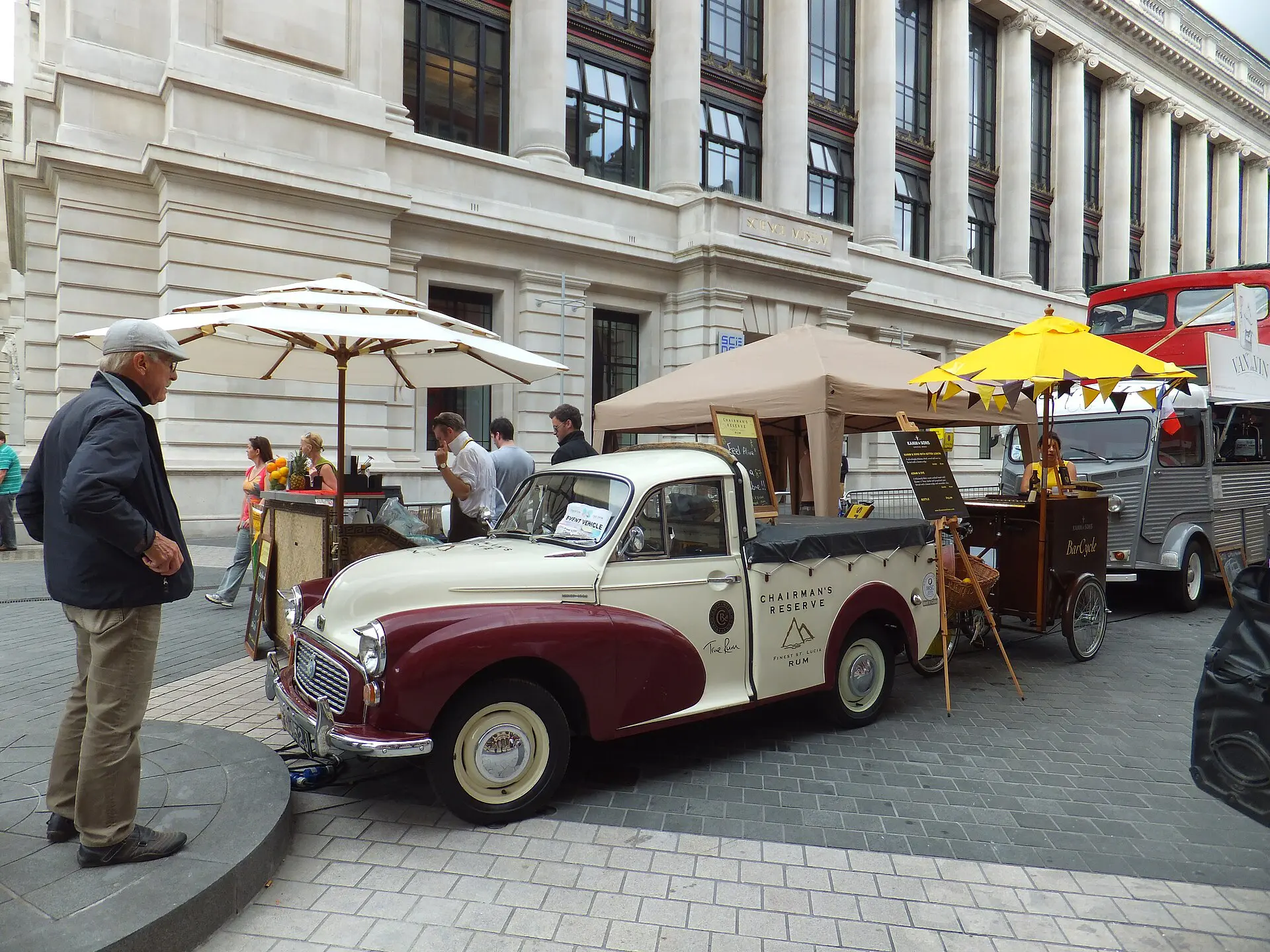
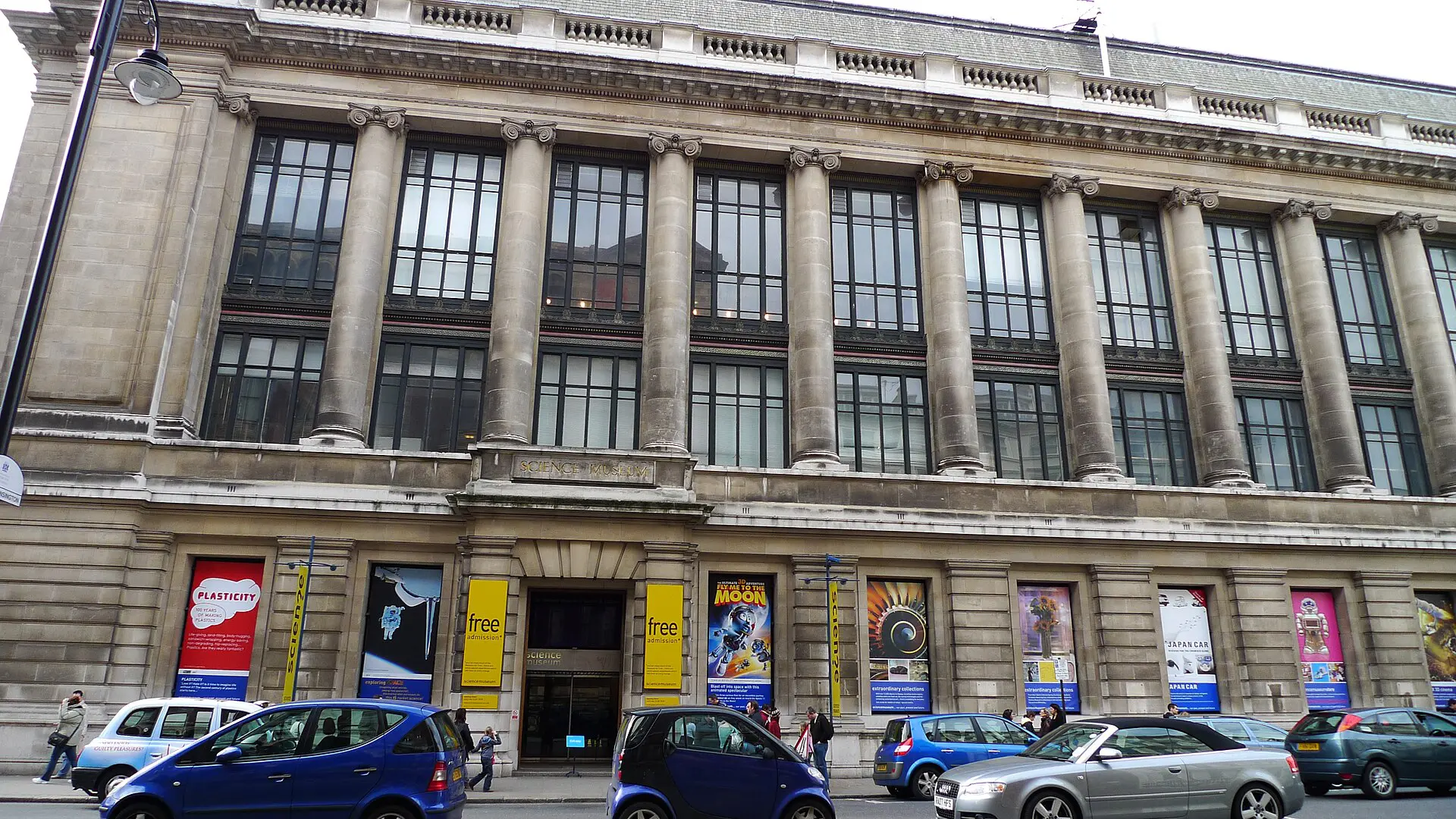
After lunch, walk to Kensington Gardens, or go next door to the Science Museum, which is also free and has a children’s area for the youngest visitors, while special exhibitions are ticketed. Choose the playground on a dry day and the museum on a wet one. Keep the afternoon short, and be back at the base by 4:30. Tired-day swap: skip the second museum and take the Tube home.
Day 3 morning: Westminster and the river
Start at Westminster to see Big Ben and the Houses of Parliament from the bridge, then walk along the river toward the London Eye on the South Bank. This is a lot of walking on pavements, so use a carrier or a stroller for the youngest. Ticketed attractions such as the Eye need booking, and queues can be long, so book a time slot if you want it and check the current price. Keep it to one ticketed activity.
Day 3 afternoon: a river boat and the South Bank
Take a river boat, which gives a rest and a view, and Thames boats run between several piers. Then wander the South Bank, which has street performers, a skate area and benches. Rest anchor: a long lunch with a sit-down, followed by boat time as the quiet block. Tired-day swap: skip the Eye, and take the boat only.
Day 4 morning: the Tower of London and Tower Bridge
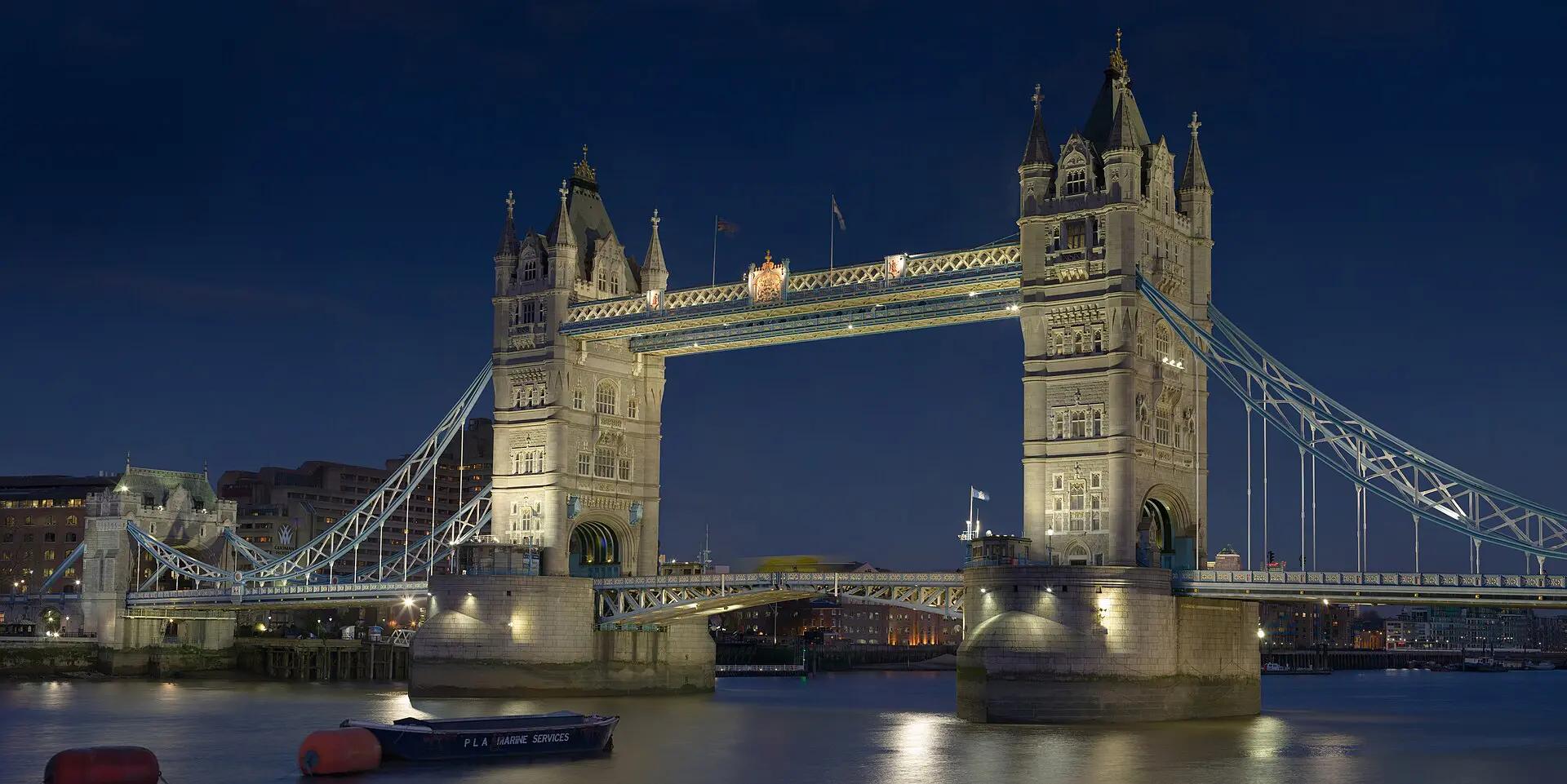
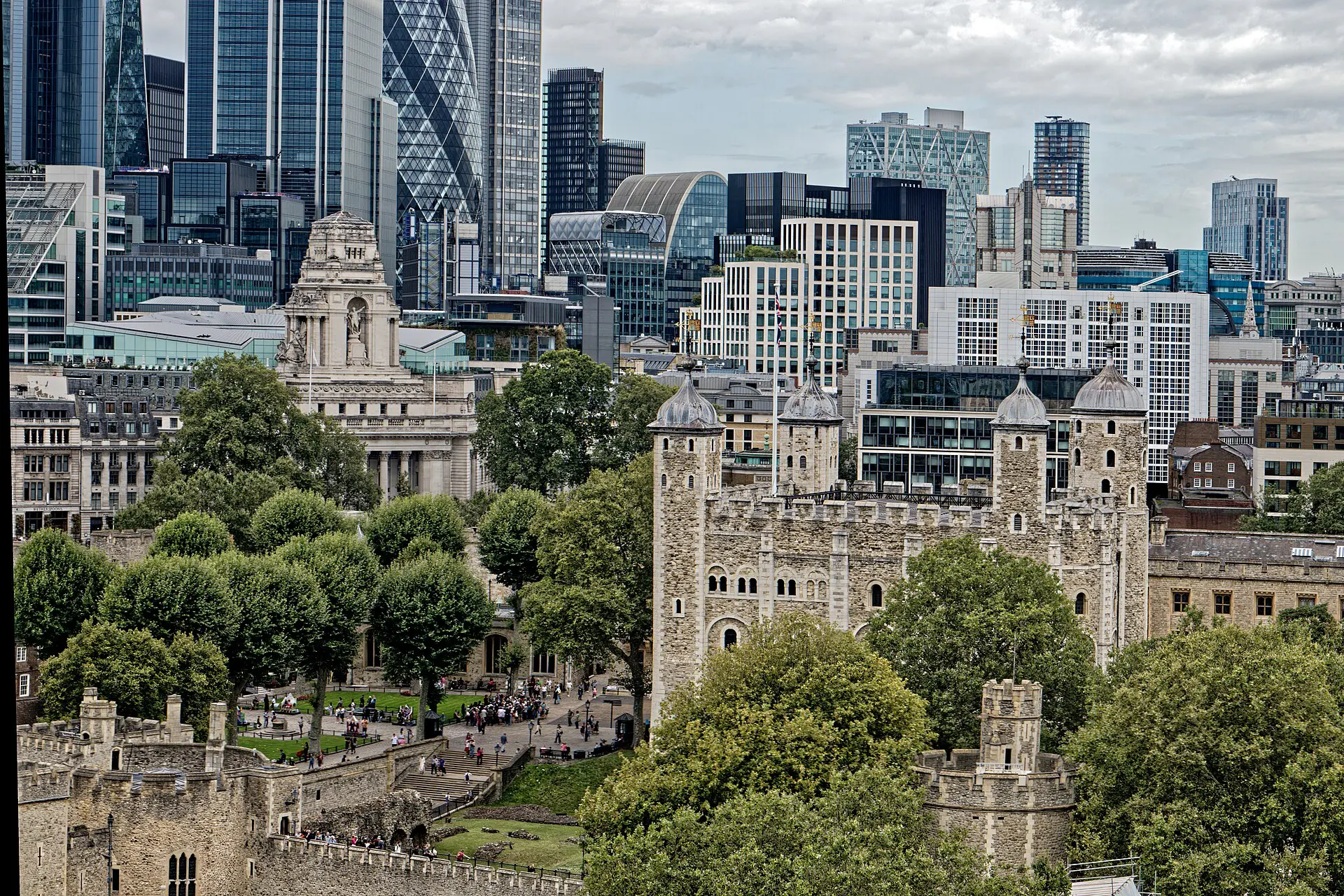
The Tower of London is a medieval fortress with the Crown Jewels, armour and ravens, and it takes at least two hours. Go early, since it gets busy, and book ahead. Tower Bridge, nearby, has a walkway with views and a glass floor. Children under about six may find the stairs and dark rooms tiring, so choose the parts that suit them and leave the rest.
Day 4 afternoon: choose a free finale
Finish with a free museum or a green space. The Museum of London Docklands and the London Transport Museum are two options, with child-sized activities, and the latter may offer free entry for children, so check the current ticket rules. Or return to a park. Decision point: if the day has gone well, add a ticketed stop; if not, go straight to dinner and an early night before the flight.
What to book ahead and what to leave open
Book two things in advance: a timed slot for the Tower of London and, if you want it, the London Eye. Everything else can stay open, which keeps the plan flexible when weather or moods change. Free museums often ask for a free timed ticket on busy days, so check each site the week before. Leave day four’s afternoon empty on purpose.
Decide on meals in the same way. Eat lunch by 12:30 and dinner by 6:00, since queues and tired children both grow after that. Pack water and a snack on every outing, because the gaps between cafes can be long on the river path and in the parks.
Ages and stamina on a family trip in London
Ages 5 to 7: plan two outings a day at most, one in the morning and one short one after a rest. They enjoy playgrounds, boats and dinosaurs, and they tire quickly on long walks and in long queues. Use a carrier or a compact stroller for a child who falls asleep early.
Ages 8 to 11: they can handle a full morning and a lighter afternoon, and they enjoy the Tower, the Science Museum and the river. They may want to choose a stop, and that choice is a useful way to keep them involved. Even so, keep a rest block after lunch, since a tired ten-year-old is as hard work as a tired five-year-old.
Getting around London with children
Use the Tube, buses and the river boats, not a car. The Tube is quick, but many stations have stairs and gaps, so a stroller is easier on a bus or a step-free route, and a compact fold is best. Children under 11 usually travel free on buses and the Tube with a fare-paying adult, though the rules change, so check the current Transport for London guidance. Pay with a contactless card or an Oyster card, and avoid peak hours when you can.
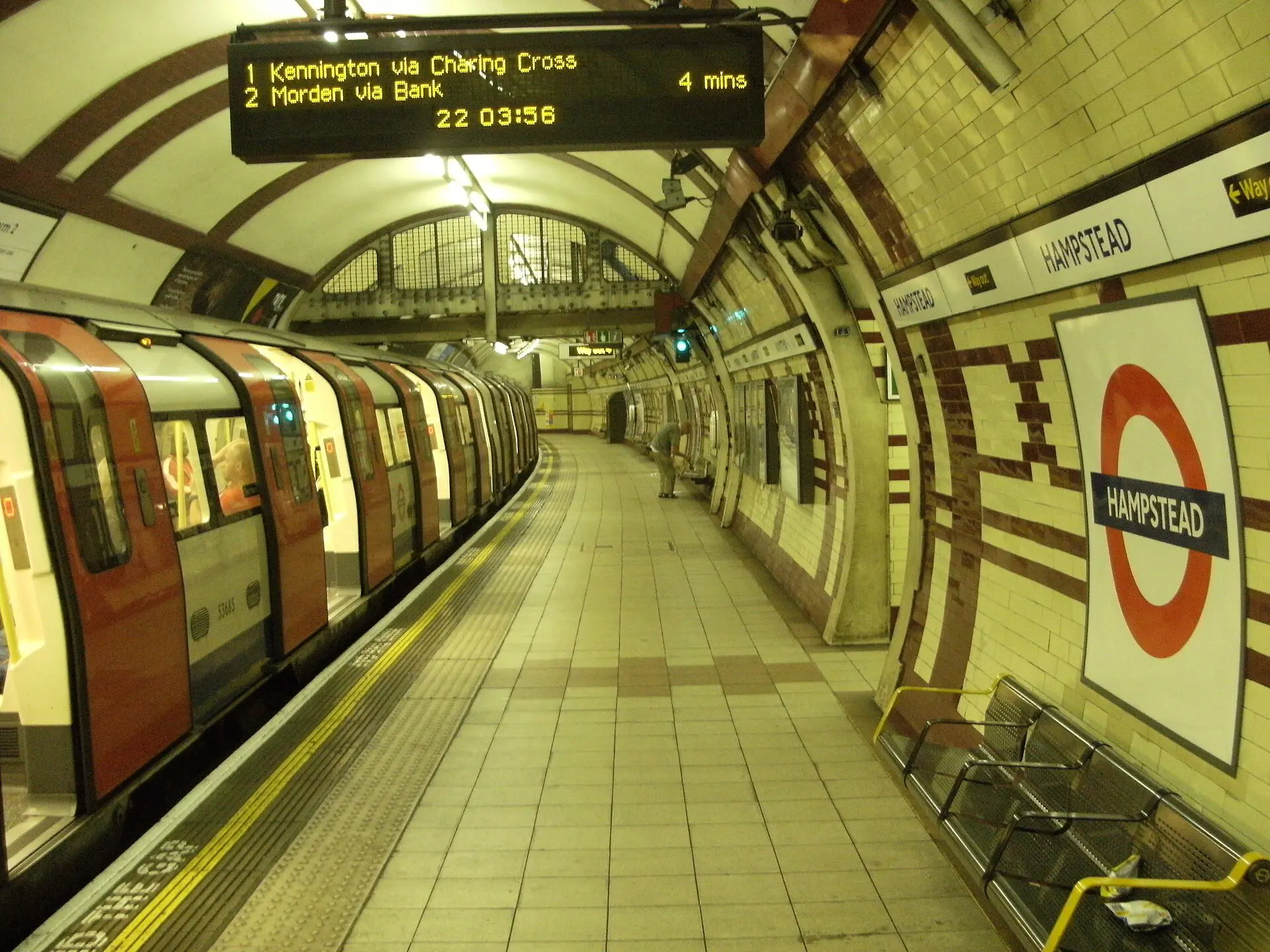
Keep the longest transfer at 30 to 40 minutes. A bus is slower than the Tube but gives a view and a seat, and for a tired child, it is often the kinder option. A black cab is useful for the last leg at night, and rideshare apps also work.
Where to stay in London with children
- South Kensington and Kensington: near the big museums and the parks. Higher prices, but short walks. Suits a four-day plan with young children.
- South Bank and Southwark: by the river, close to the Eye, the Tower and the boats. Lively, with good transport links and mid-range rates.
- Bloomsbury and Covent Garden: central, with the British Museum and good transport. Smaller rooms, and busier evenings.
An apartment with a kitchen helps with early dinners and laundry. See where to stay in London for the area logic in detail, though it was written for solo travellers.
Rainy-day and tired-day fallbacks in London
Rain is normal in London, and the plan works because most anchors are indoors. For each day, keep a free museum as the swap: the Natural History Museum, the Science Museum, the British Museum or the Victoria and Albert Museum. The guide to the top museums in London covers timed visits and free entry.
- Wet morning: do the museum first, and save the park for the afternoon if the sky clears.
- Tired child: go back to the base by 2:00, and eat early.
- Tired parents: drop the second block, and keep only the anchor.
How much does a family trip in London cost?
London is expensive, and accommodation is the main cost. As of 2026, rough ranges for a family of four, excluding flights, are: a budget day of about £150 to £250, using an apartment, free museums and cooked breakfasts; a mid-range day of about £300 to £500, with a hotel, a few ticketed sights and meals out; and a higher day above £600. Ticketed sights such as the Tower and the Eye often have family tickets, so compare. Prices change, so check each official site.
Best time for a family trip in London
Late spring and early autumn are the easiest, with mild weather and fewer crowds. July and August are busy and warmer, with more queues and higher room rates. December has lights and markets but short days and cold weather. School holiday weeks, including the February, Easter, May and October half-terms, raise prices. Always carry a light waterproof. The Wikivoyage London guide covers districts and transport, and our London guide adds the wider picture.
FAQ: family trip in London
How many days do you need in London with kids?
Four days is a comfortable length for children aged five to eleven, with one area a day and a rest block after lunch. Three days works if you pick fewer sights. With a toddler or a baby, five days gives room for slower mornings and a spare day.
What is the best area to stay in London with children?
South Kensington suits a plan built around the big museums and parks, while the South Bank suits the river, the Eye and the Tower. Both have good transport. Choose by what you will do most, and look for a kitchen or a breakfast included. Book early for school holiday weeks.
Is London good for toddlers?
Yes, with limits. Many museums and parks are free, and the toddler-friendly play areas are plentiful. The difficulty is the distances, the stairs on the Tube and the crowds. Use a carrier or a compact stroller, plan one outing a day, and keep the nap at a fixed time.
Do children go free on the London Underground?
Children under 11 usually travel free on the Tube, buses and many rail services when with a fare-paying adult, with a limit on how many. Older children may need a discounted pass. The rules and prices change, so check the current Transport for London information before you travel.
What should you skip on a first family trip in London?
Skip anything that needs a long queue and a long walk in the same hour, such as a late-morning dash across the city. I would also skip a day trip out of London on a first visit, because transfers consume the day. Keep one base, and save Greenwich or Windsor for a longer stay.