Where to stay in London as a solo traveler? Pick a base in Zone 1 or 2 near a station with several lines and night bus routes. Bloomsbury and King’s Cross are the easiest first-timer areas, Shoreditch and Camden suit a social, budget stay, and South Kensington is the calm, museum-heavy choice. Below: the areas compared, arrival-time advice and what evenings look like.
Getting to London and arrival-time advice
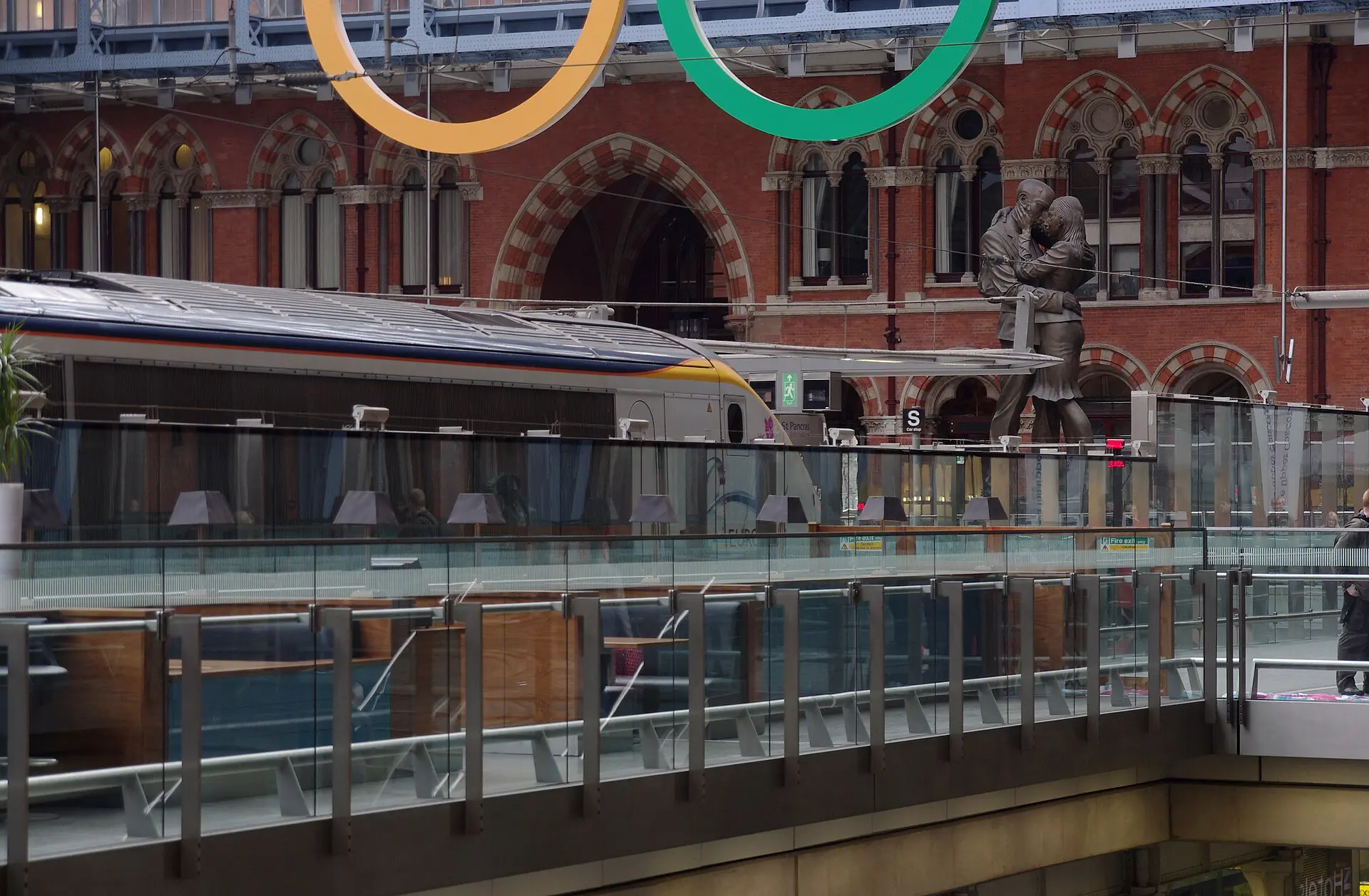
London has several airports. From Heathrow, the Elizabeth line and the Heathrow Express reach central stations, and the Underground’s Piccadilly line is the cheaper but slower option. Gatwick has fast trains to Victoria and London Bridge, and Stansted has an express train to Liverpool Street. Journeys range from roughly 15 minutes to an hour, so check current timetables and any engineering works.
Arrival card:
- Before about 9pm: take the train to a central station, then the Underground or a short taxi to your area.
- 9pm to midnight: trains and the Underground still run on most lines, though services get thinner. Check the last train from your airport.
- After midnight: most Tube lines stop, though some run late on Friday and Saturday nights. Night buses run all night, and licensed black cabs or a pre-booked ride-hailing car are the simpler choices from the airport.
Use contactless payment on trains and buses so you do not need to queue for a ticket.
Where to sleep in London: areas compared
The answer to where to stay in London depends on your trade-off between price and walkability. London is huge, and the cheapest beds are far out, which costs time and late-night fares. Choose a place in Zones 1 or 2 with a direct Tube line.
| Area | Best for | At night | Trade-off |
|---|---|---|---|
| Bloomsbury and Fitzrovia | First-timers, museums, walking | Quiet streets, close to busy ones | Higher prices |
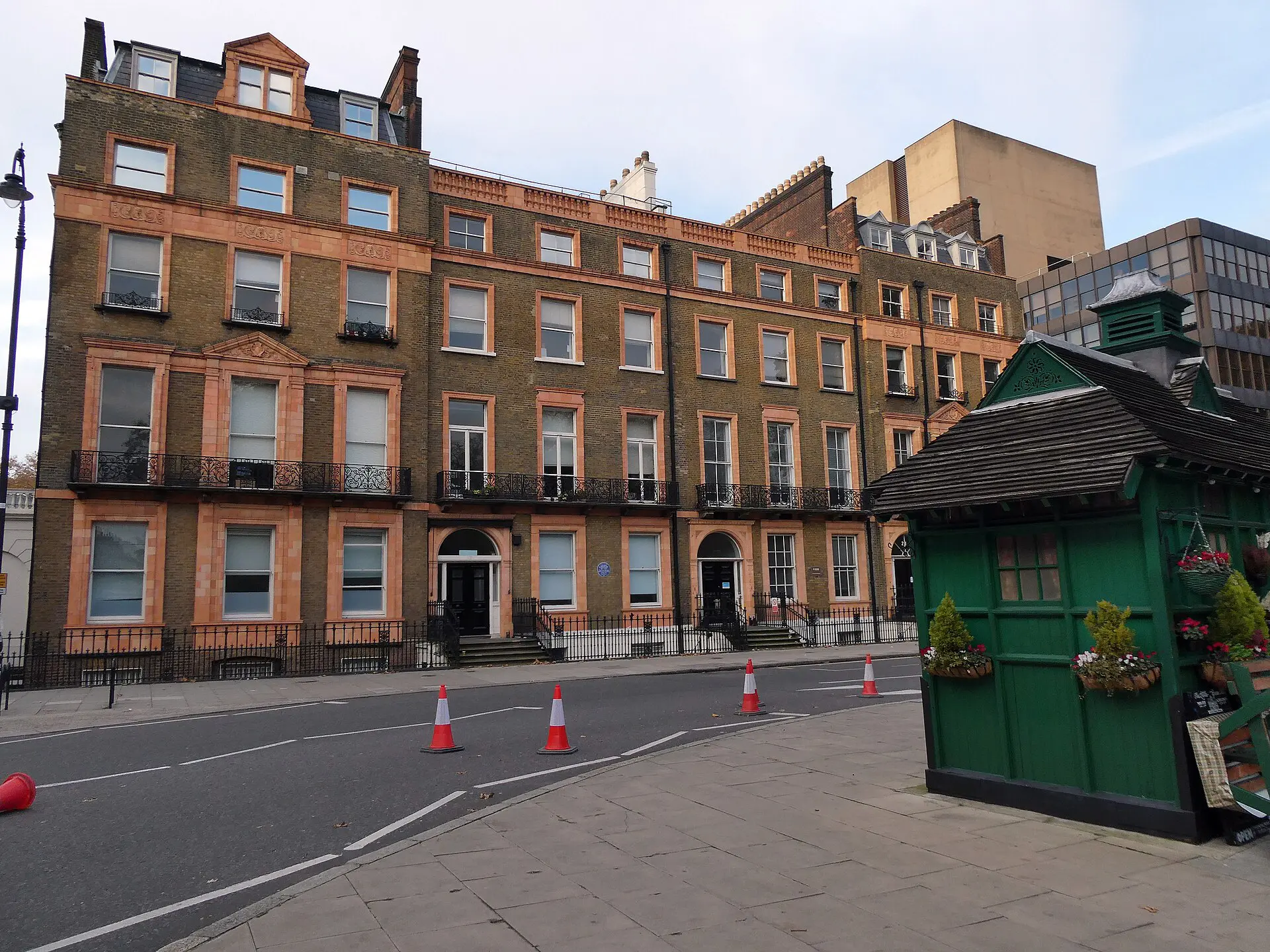
| King’s Cross and St Pancras | Trains, canal, hostels | Busy station, lit routes | Mixed streets just behind the station |
| Shoreditch and the East End | Social bars, street art, nightlife | Lively, crowded at weekends | Noisy, late nights |
| Camden | Markets, music, hostels | Busy until late | Crowds, pickpockets at the market |
| South Kensington and Earl’s Court | Museums, quiet | Calm residential streets | Fewer social options |
| Southwark and Bankside | River walks, theatres, food markets | Busy riverside, quieter back streets | Few cheap beds |
I would book Bloomsbury or King’s Cross for a first trip: lots of transport, lit main streets and many hostels and budget hotels within a short walk. If you want a younger, social scene and do not mind noise, Shoreditch is the better pick. Check that your street is a short walk from the station on a main road.
How to meet people in London without pressure
London hostels often run pub quizzes, walking tours and free-meal nights, which is the easiest way to find company. Free walking tours, comedy and music nights, market food tours and gallery late openings give you a shared activity. If you prefer calm, a library reading room or a talk at a museum is a gentler start.
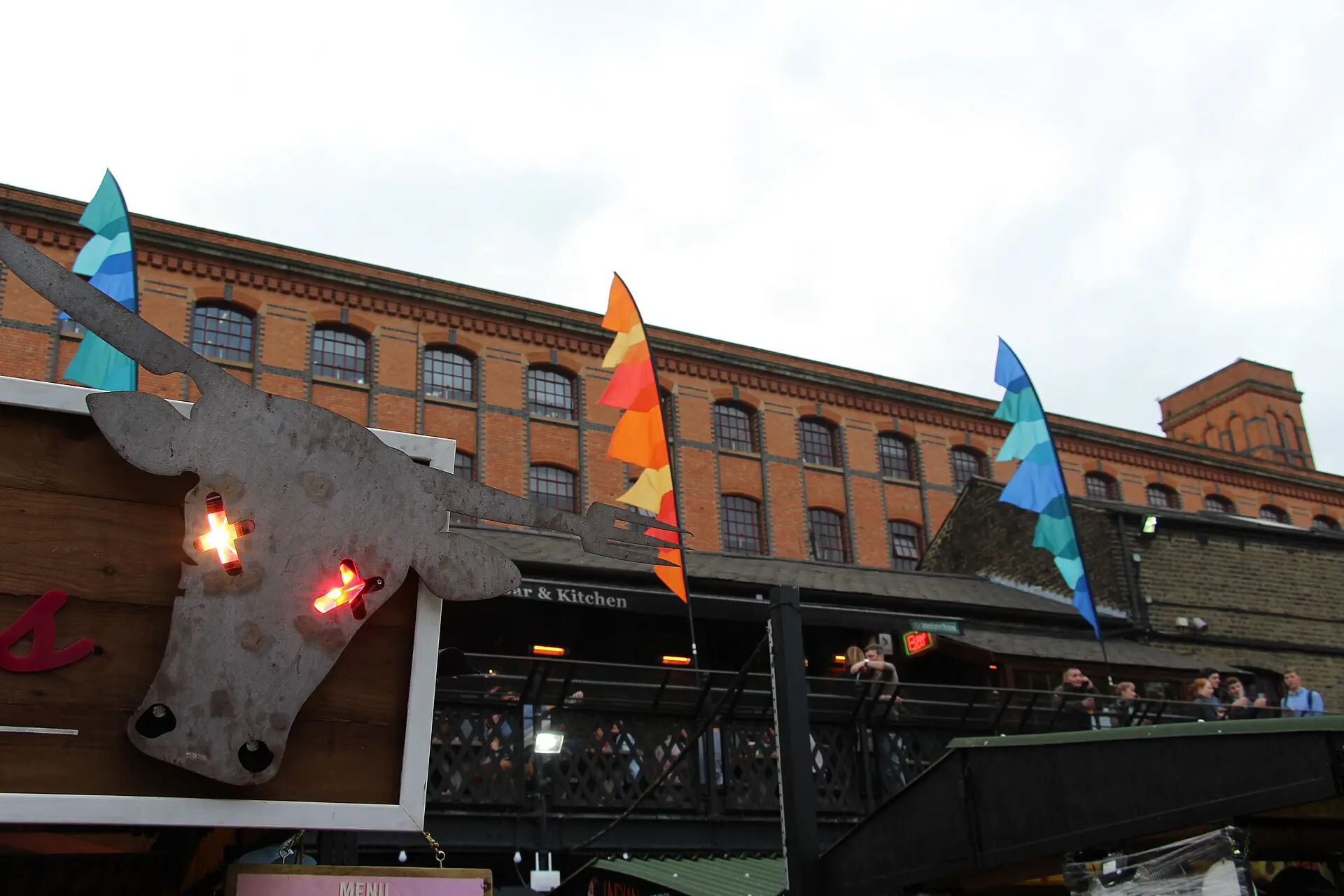
Pubs are everywhere and fine to enter alone. Order at the bar, take a table near the door and leave when you want. “I’m heading back, thanks for the chat” is a complete sentence.
Six things to do alone in London
Walk the South Bank
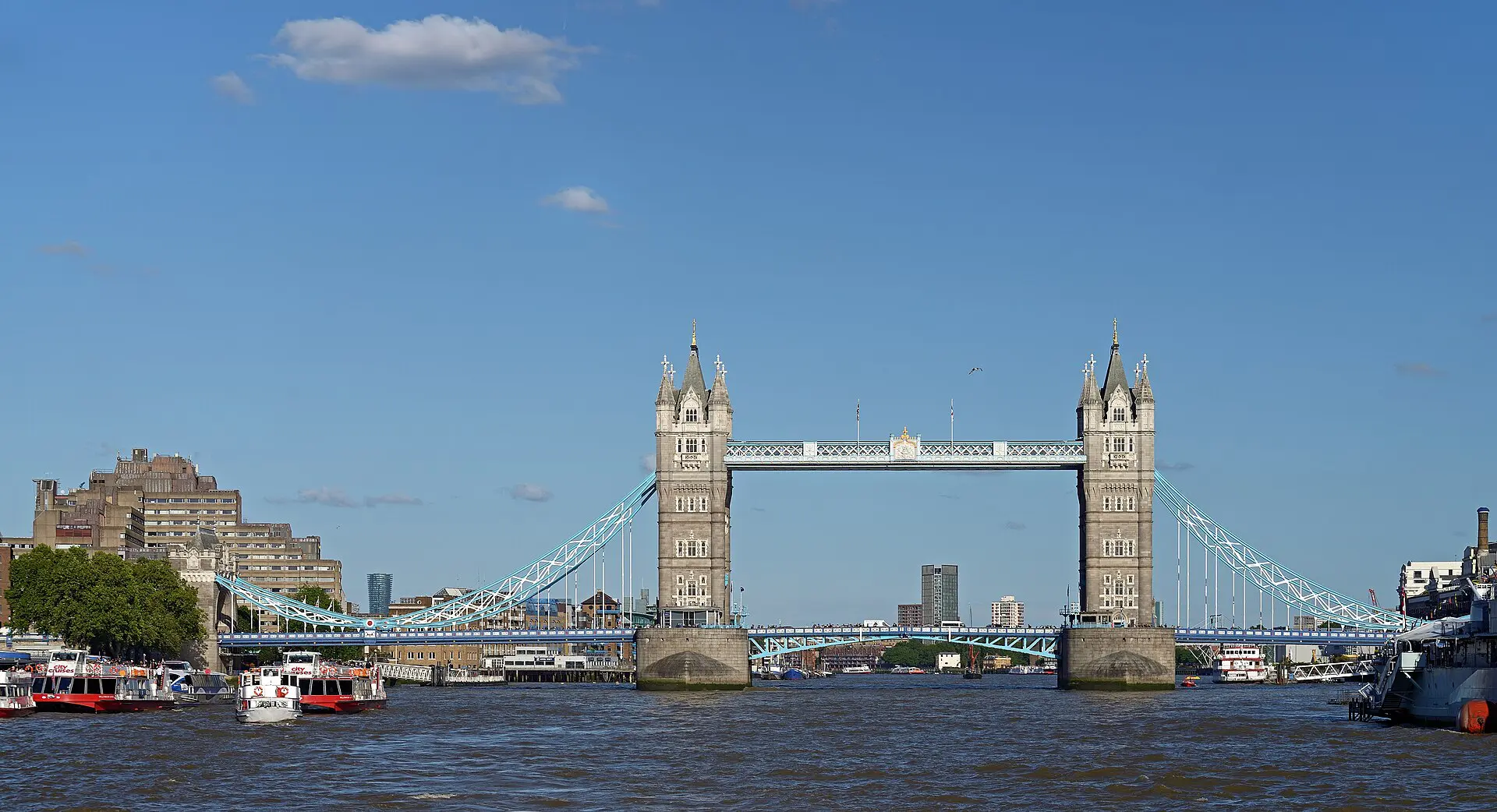
The riverside path from Westminster to Tower Bridge is flat, busy and free. It takes about two hours with stops, and it is busy enough to feel comfortable alone.
A national museum morning
Many large museums in London are free to enter, though special exhibitions cost extra. Go early and pick one gallery, rather than trying to see a whole building in a morning, so you still have energy for the evening. For choices, see the top museums in London.
Borough Market and the riverside
A food market is a good solo lunch, since you can graze at stalls. Go on a weekday to avoid the biggest crowds.
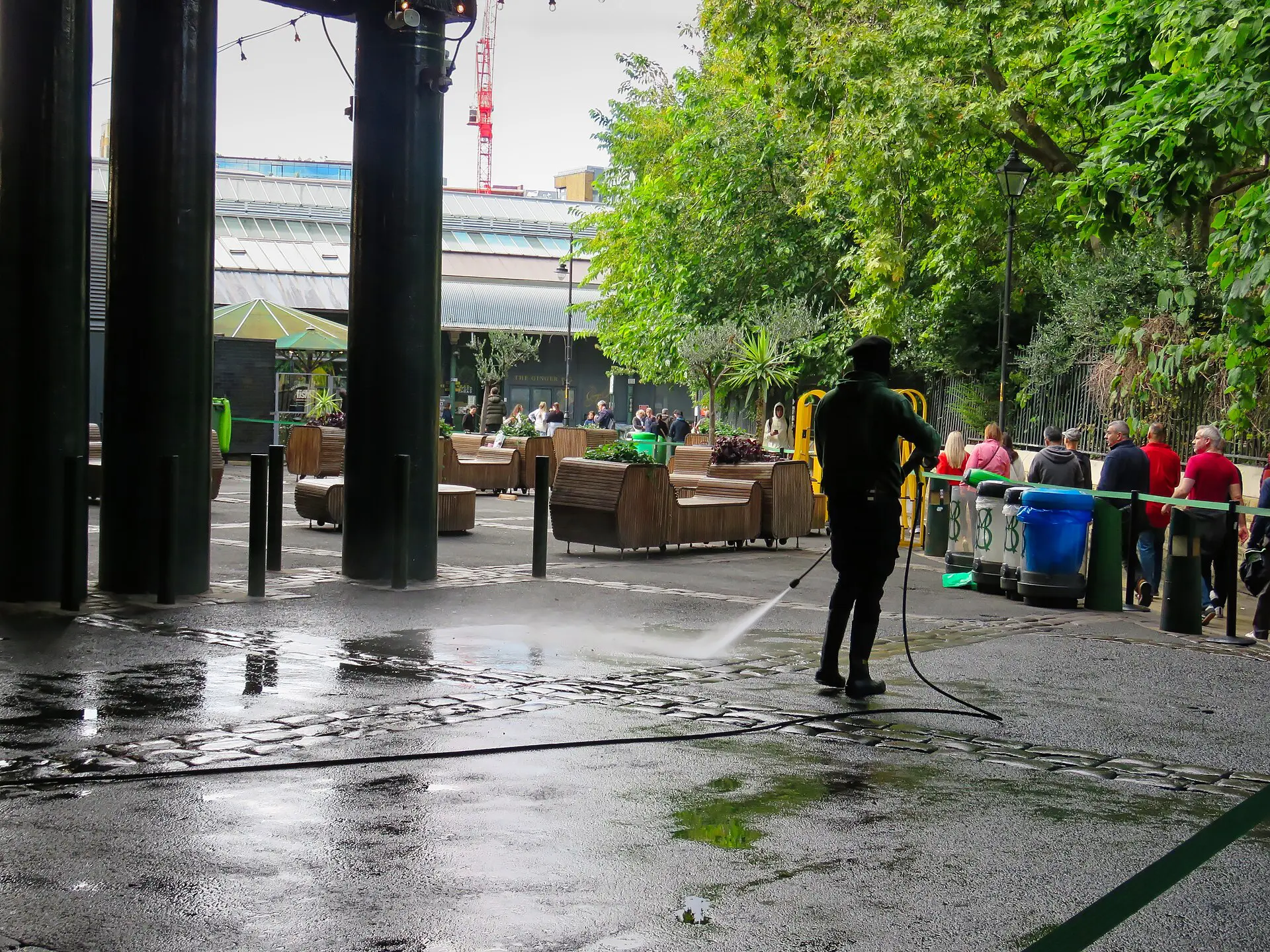
Hampstead Heath or Regent’s Park
Both are large green spaces with paths, cafes and views. Go in daylight and stay on the main routes. Parks close at dusk or have shorter evening hours, and some paths are quiet after dark, so plan to leave while others are still around.
A West End show
Single seats are often easier to find than pairs, and the theatre district is busy and lit afterwards. Buy tickets from the theatre or an official seller.
A plan for a longer stay
If you have more time, see our suggested 3 days in London itinerary to put your base to work.
Evenings and what to do after dark in London
London is one of the easier big cities to be out in after dark. Main streets, stations and pubs are busy and lit, and the transit network keeps going into the night. Eat early, go to a show or a pub with a table, and plan your way back before you start. Night buses cover most of the city, and the Night Tube runs on some lines on Friday and Saturday nights, though this can change, so check before you rely on it.
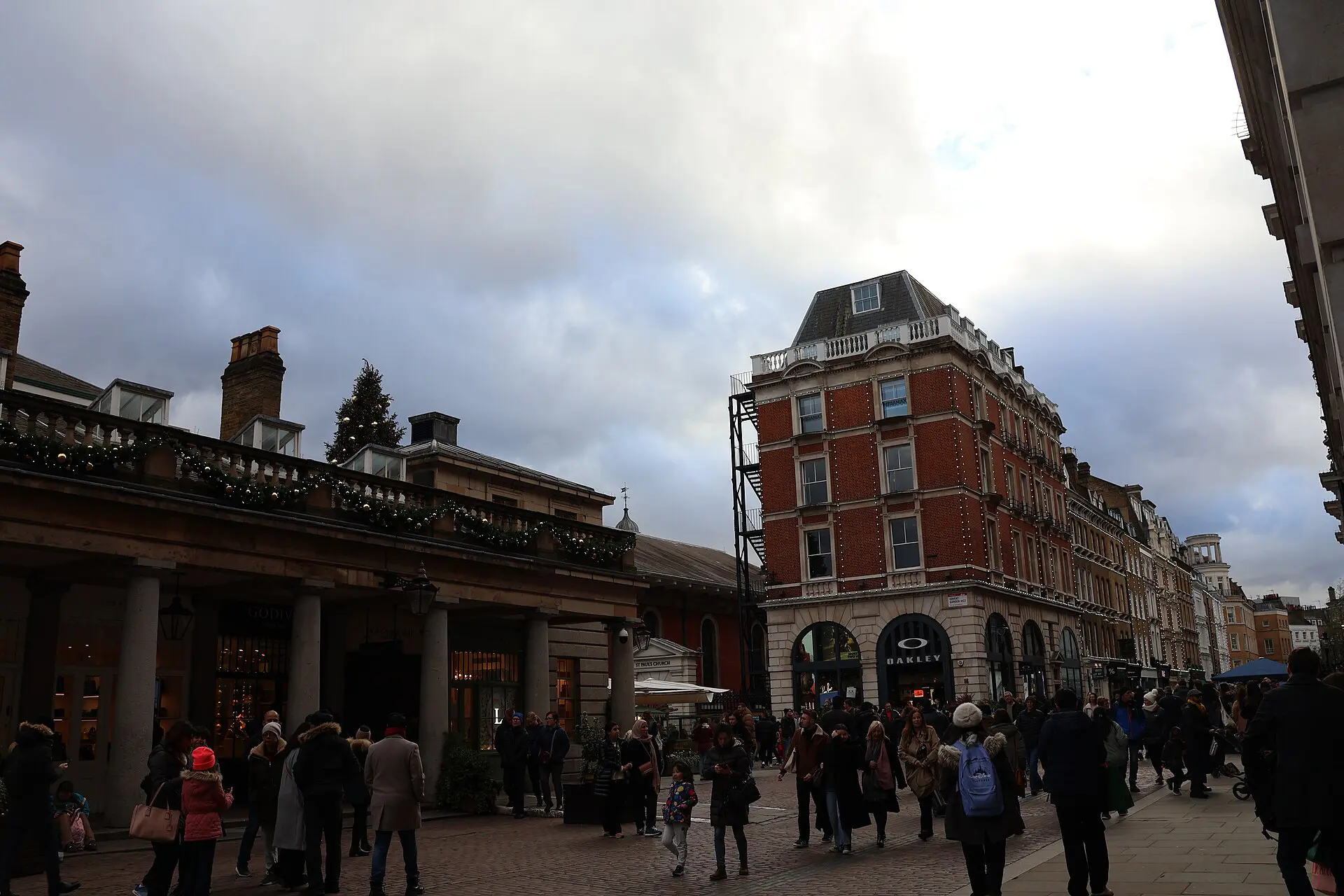
Use licensed black cabs or a booked ride, never an unmarked car that offers you a lift. Check the plate and driver name, and sit in the back. If you feel uneasy, go into a pub or station, and ask the staff for help.
Getting around London alone
The Underground, buses and the Elizabeth line are the backbone, and contactless payment caps your daily spend. Google Maps or the Citymapper app show live routes. In the evenings, wait on a well-lit platform near the middle of the train, where the staff and cameras are. Buses are slower but they take you door to door, and the top front seat gives you a good view.
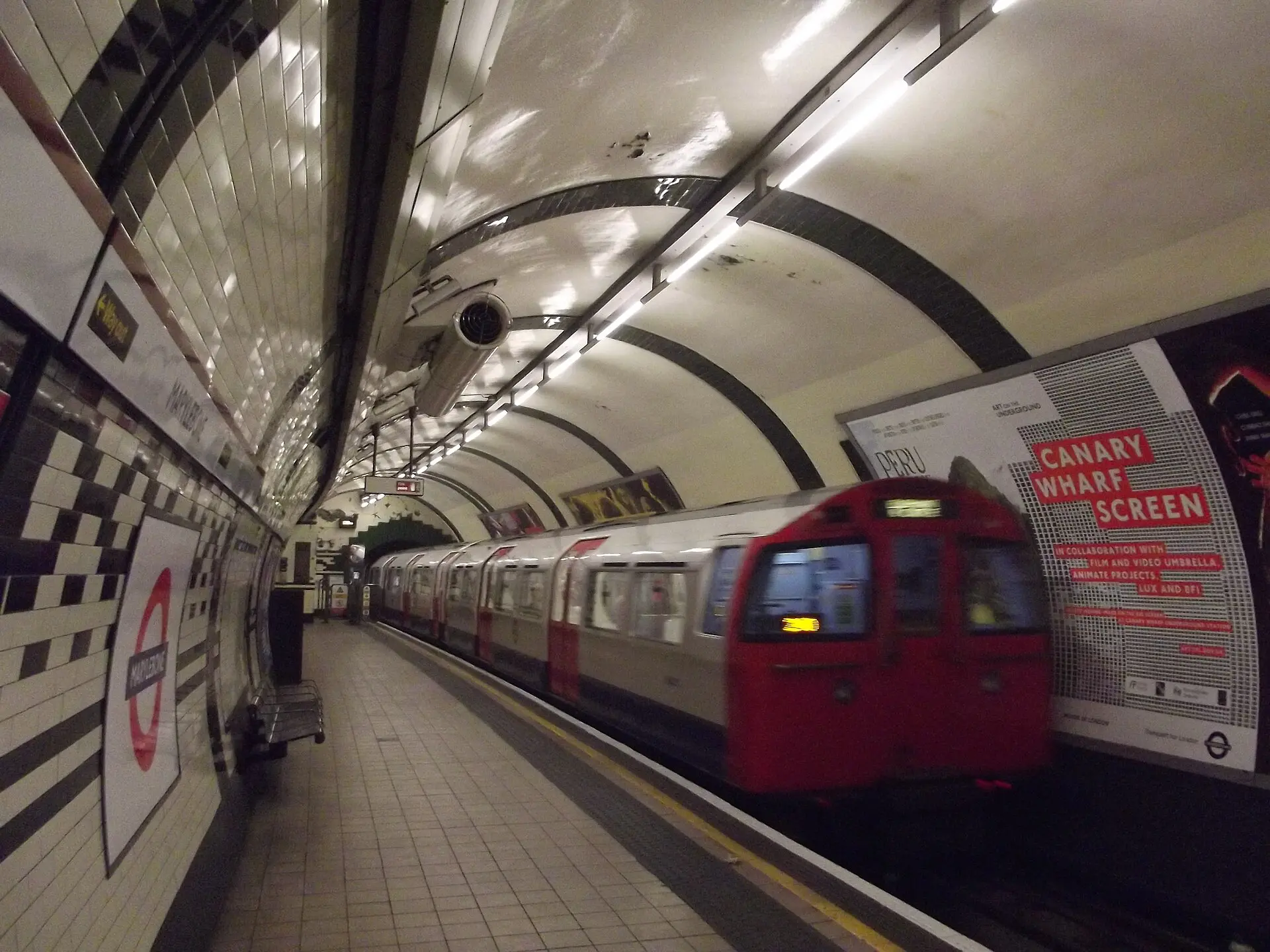
Walking is the best way to link nearby areas, and bikes are available to hire. Look right, then left: traffic drives on the left, and tourists are often caught out.
London budget for solo travelers
London is among Europe’s most expensive cities for rooms. As of 2026, hostel dorm beds often range from about 25 to 60 GBP a night, with budget private rooms and hotels well above that, and prices rise in summer and around big events. Free museums, markets and parks keep days cheaper. Book early for summer and compare Zone 1 with Zone 2 options, since a slightly cheaper bed can cost you more in fares.
For more detail, see the Wikivoyage guide to London, our London guide and the United Kingdom travel guide.
Where to stay in London FAQ
What is the best area to stay in London for solo travelers?
Bloomsbury and King’s Cross are the usual first-timer picks, thanks to their transport links, hostels and walkable sights. Shoreditch is better for a social scene, and South Kensington for calm. Pick a street near a main road and a station.
Is London safe for solo female travelers?
Many women travel in London alone. Watch for phone snatching and pickpockets in crowds, keep your phone away near the kerb, and take a night bus or licensed cab after the Tube closes. Check your government’s current advice before you go.
Is it better to stay in Zone 1 or Zone 2?
Zone 1 is the most convenient and the most expensive. Zone 2 is often cheaper and still close, but check the line and the last train home. A direct Tube line to the centre matters more than the zone number, so choose by route.
How many days do I need in London?
Three days is a good first visit, enough for two main sights, a museum and a market. Add a day for a trip out of the city. Plan a lighter first day after your flight, and book timed tickets in advance for popular attractions.