Where to stay in Paris as a solo traveler? Pick a central, busy arrondissement near a metro station with several lines. The Marais and the Latin Quarter are the easiest first-timer bases, Canal Saint-Martin and the 11th are the social, local-feeling option, and Montmartre is charming but hilly. Below: the areas compared, arrival-time advice, and how the evenings work.
Getting to Paris and arrival-time advice
Paris has two main airports. Charles de Gaulle is linked to the centre by the RER B train, which takes roughly 35 to 50 minutes depending on your stop. Orly is closer and connects by tram and metro or by bus. Rail and bus services change, so check timetables and any works before you travel.
Arrival card:
- Before about 8pm: take the RER or metro. Keep your bag in front of you and a hand on your phone in busy stations.
- 8pm to midnight: trains and the metro still run. Choose a seat in a busy carriage, and go straight to your area.
- After midnight: the metro closes around 1am on weekdays, a little later at weekends, and the RER thins out. Use a taxi or ride-hailing from the airport and book your first night near a main road.
Buy your ticket at the machine or with an official app, not from someone offering help at the gates.
Where to sleep in Paris: areas compared
Where to stay in Paris comes down to the arrondissement, the numbered districts that spiral out from the centre. Lower numbers are central, and most first-timers do best between the 1st and the 11th.
| Area | Best for | At night | Trade-off |
|---|---|---|---|
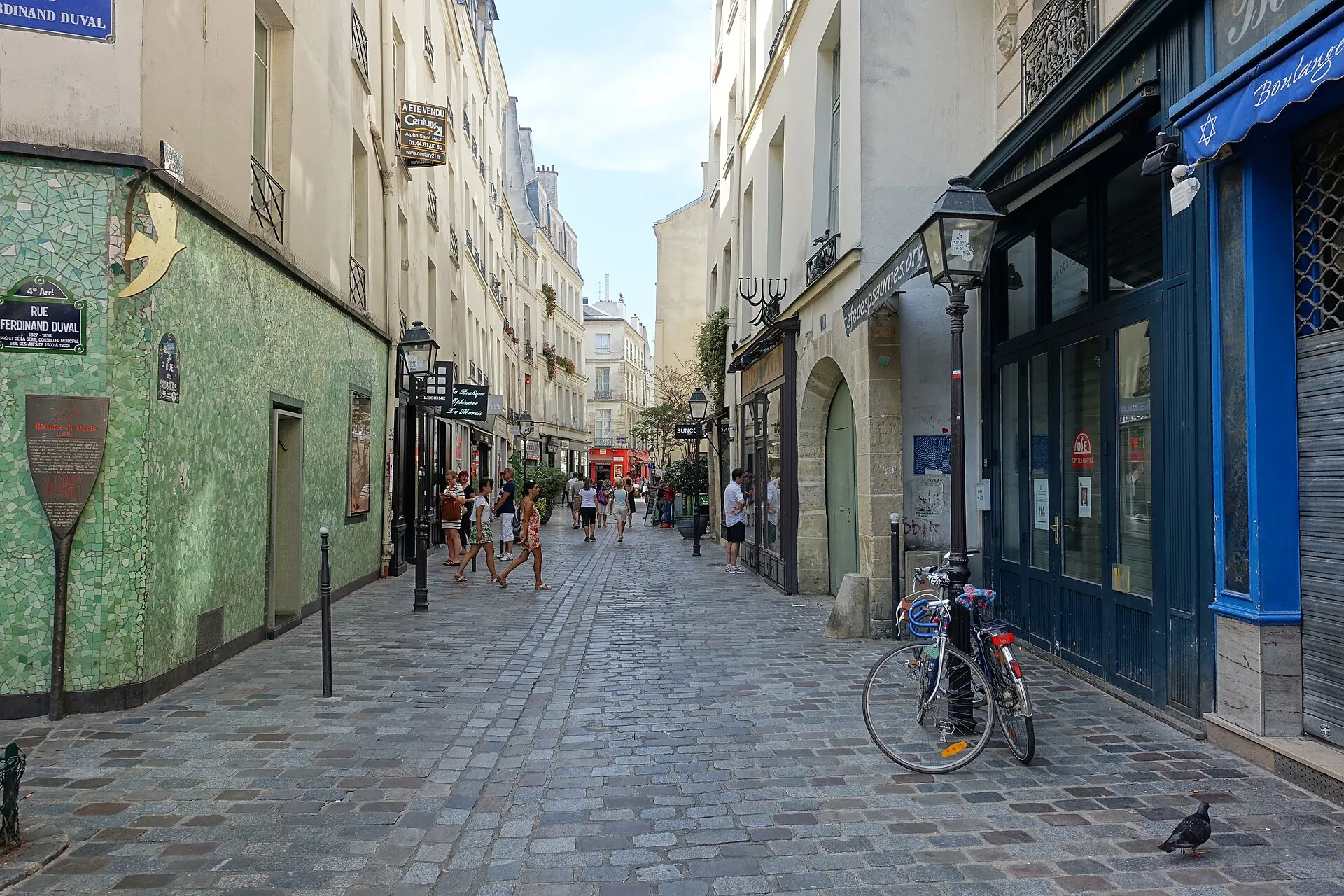
| Le Marais (3rd and 4th) | First-timers, walking, cafes | Lively, busy streets | Higher prices, busy weekends |
| Latin Quarter (5th) | Students, hostels, Seine walks | Busy around the main streets | Tourist-heavy, noisy near bars |
| Saint-Germain (6th) | Quiet, polished, central | Calm after dinner | High prices, fewer budget beds |
| Canal Saint-Martin and the 10th and 11th | Social bars, local feel, hostels | Lively, mixed crowds | Some streets near stations are busy and gritty |
| Montmartre (18th) | Views, quiet streets | Pretty but hilly and dark in places | Steep stairs, touts near the Sacre-Coeur steps |
I would book the Marais or the Latin Quarter for a first trip: you can walk to most sights, and many streets stay busy until late. If you want a younger, social scene with hostels and bars, choose the 10th or 11th near Canal Saint-Martin, on a street with shops and cafes, not a quiet back road.
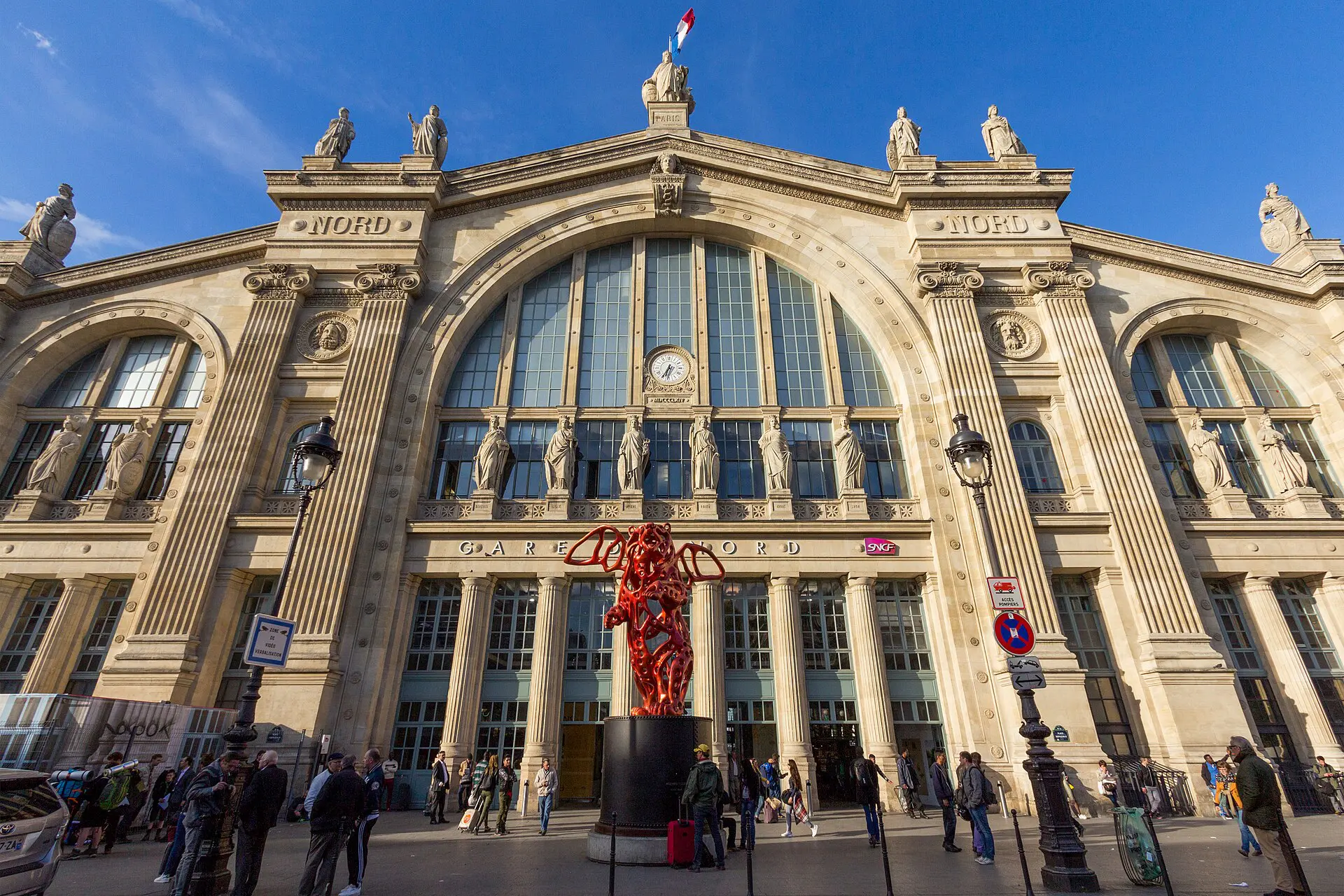
The areas around the big northern stations, Gare du Nord and Gare de l’Est, are well connected but busy and mixed at night. They are fine for a train arrival, and I would not choose them for a long stay if you can pick a calmer base.
How to meet people in Paris without pressure
Hostels in the Latin Quarter and the 10th often run walking tours, dinners and quiz nights, which is the easiest way to find company on your first night. Free walking tours, cooking and pastry classes and wine tastings put you in a small group with a clear activity. If you prefer calm, a language exchange or a bookshop reading event is a gentler start.
A polite “Non, merci” and walking on is enough for street approaches, such as friendship bracelet sellers and petition clipboards. Do not stop, and keep your bag zipped.
Six things to do alone in Paris
Walk the Seine and the islands
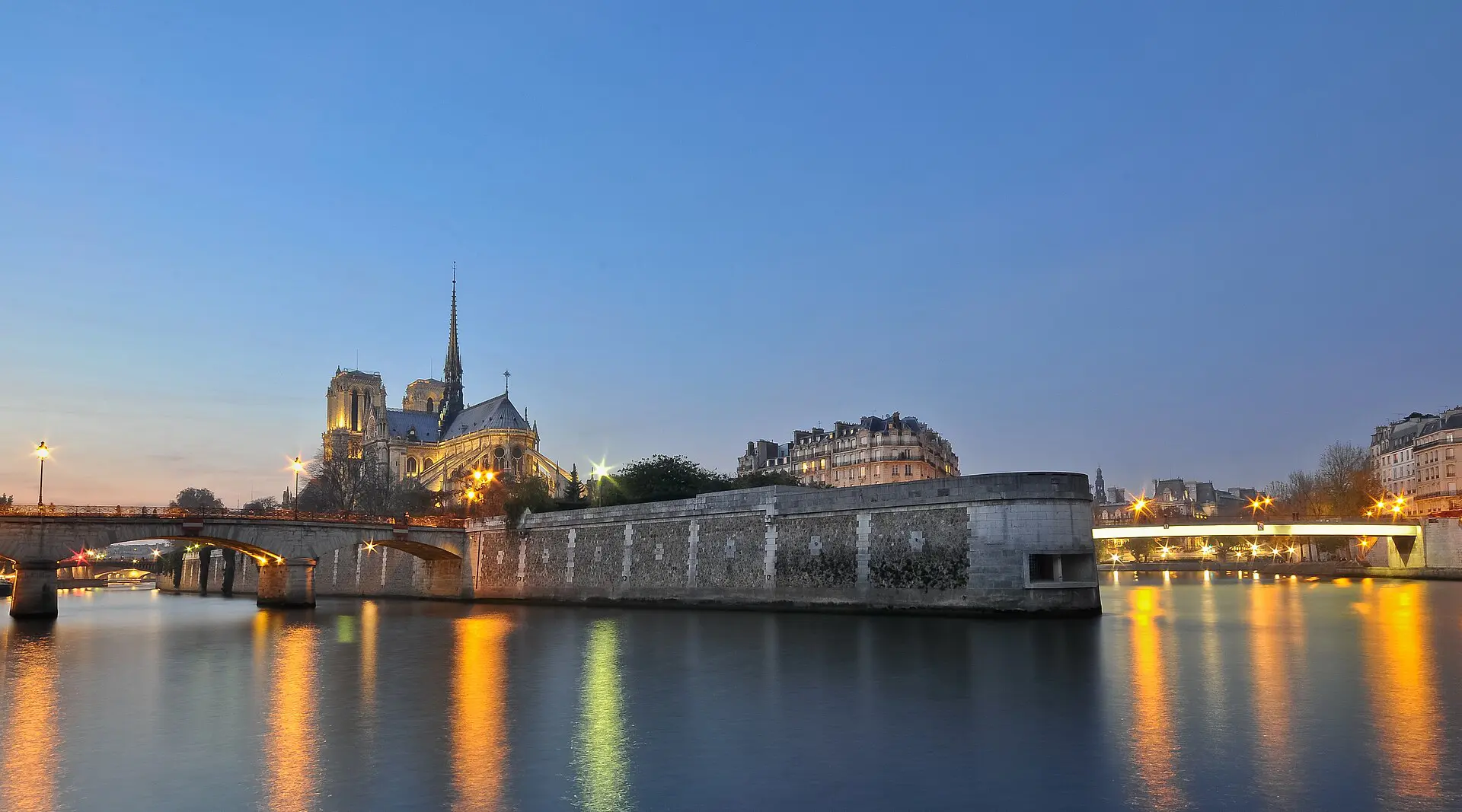
Start at Notre-Dame and the Ile de la Cite and walk the quays. It is free, flat and works at any pace, and the stretch from Notre-Dame to the Musee d’Orsay takes about an hour on foot with stops.
A morning at a big museum
Go early, book a timed ticket where it is offered, and pick one wing instead of the whole building. For options, read the best museums in Paris.
Montmartre at the start of the day
Climb the steps before the crowds, see the basilica and wander the quiet streets behind it. Keep your bag in front near the busiest viewpoints.
Canal Saint-Martin picnic
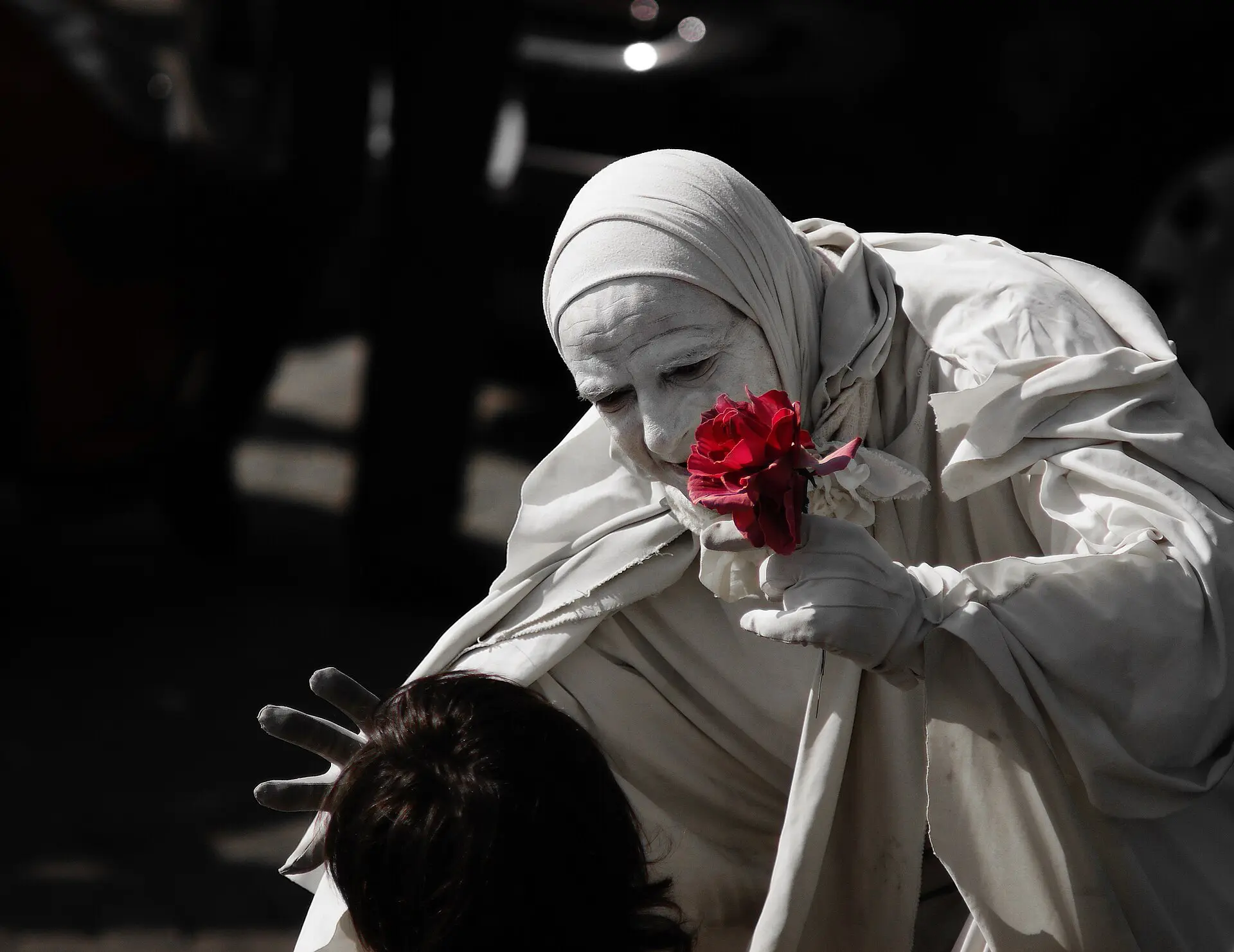
Buy bread, cheese and fruit and sit by the water, as locals do. It is a low-pressure way to see Paris life on a weekend afternoon.
Covered passages and bookshops
Paris has historic covered arcades and many second-hand bookshops, which are good for rainy hours and easy to do alone.
A day trip by train
Versailles, Giverny and Colmar are popular, and fast trains reach Colmar in a few hours. See day trips from Paris for more.
Evenings and what to do after dark in Paris
Paris is lively in the evening, and the area you choose decides how easy that is to enjoy alone. Dinner usually starts around 7:30 or 8pm. Eat at a counter or a small table by the window, and take a glass of wine at a terrace on a busy street. After dinner, stick to streets with shops and lights, walk along the Seine only in busy stretches and use the metro until about midnight or a ride after that. Skip long walks along empty quays and parks after dark.
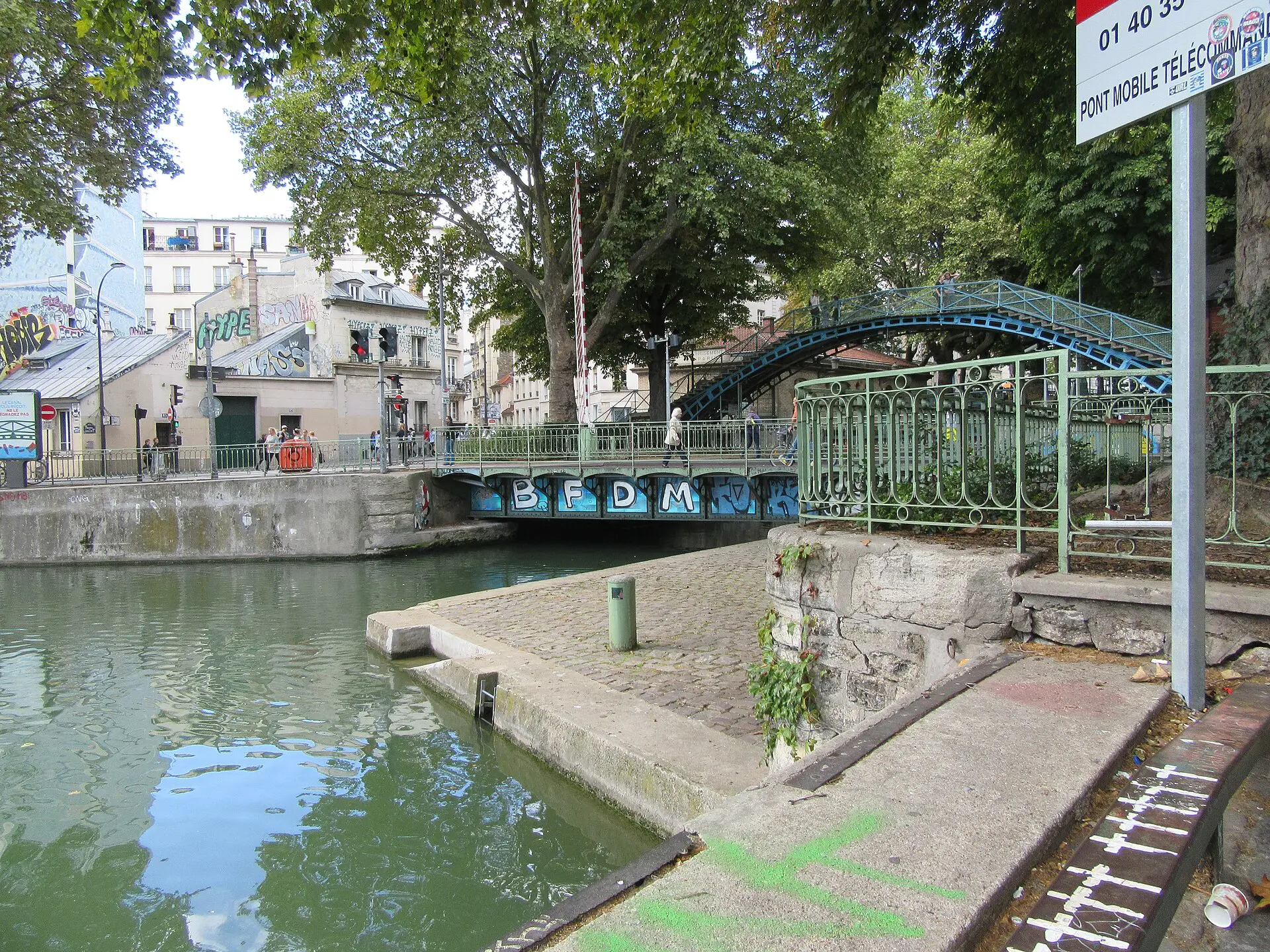
Bars are lively around Canal Saint-Martin, the Marais and the Latin Quarter. Keep your drink in your hand, order your own and set a time to leave. A simple rule is to tell your hostel or host which bar you are in and the time you plan to be back. If someone follows you or makes you uneasy, go into a cafe or shop and ask staff for help.
Getting around Paris alone
The metro is quick and covers the centre. Paris uses contactless and app tickets, so check the current options for visitors. Stations are busy, so keep your bag zipped and in front, and do not hold your phone near the doors. Walking is often the best way to link nearby areas. Night buses, called Noctilien, run after the metro closes, and ride-hailing is an easy fall-back.
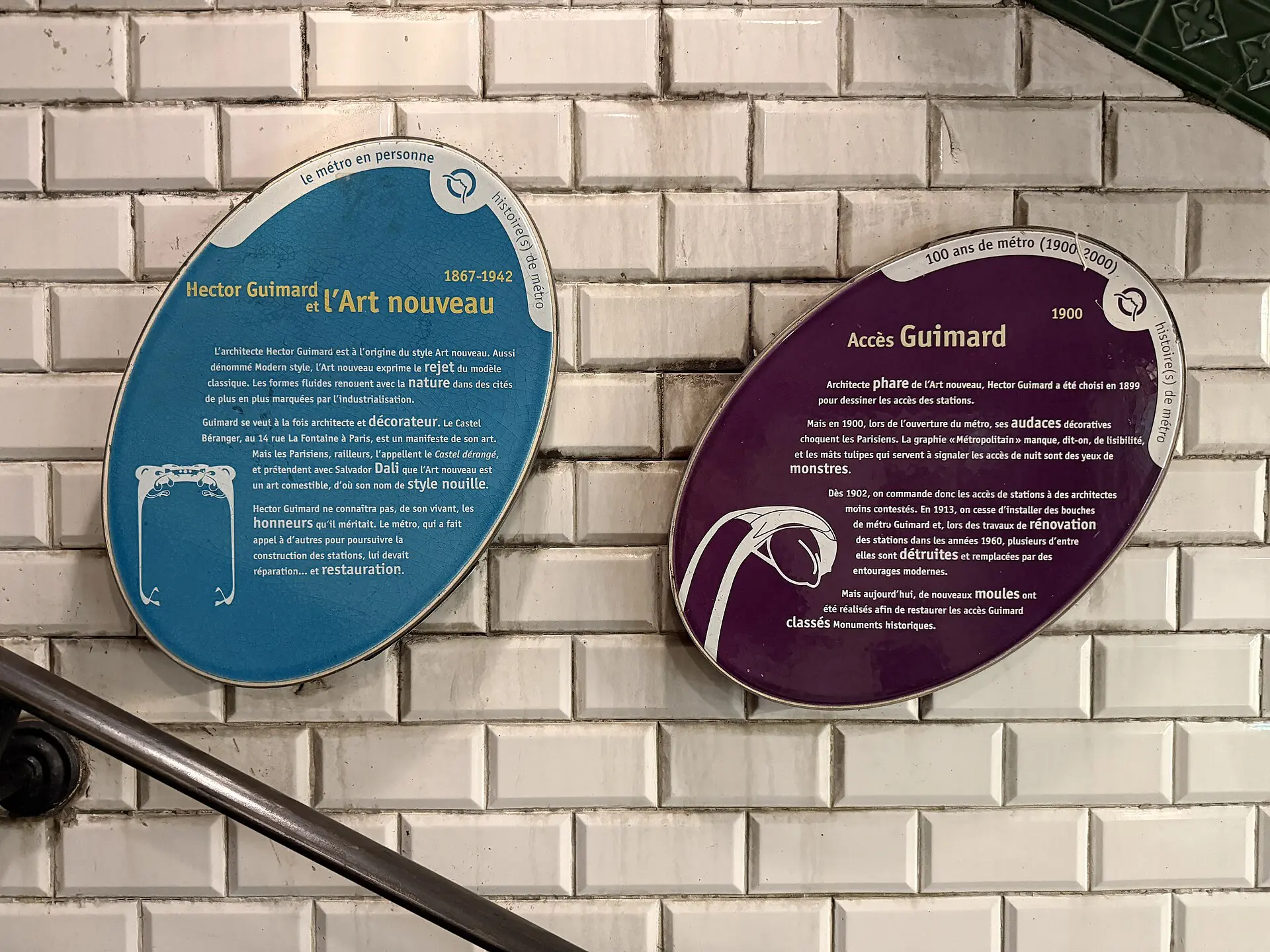
Stay alert on lines to major sights, where pickpockets operate, but do not let it spoil the ride. A cross-body bag and a phone in an inside pocket handle most of it.
Paris budget for solo travelers (hedged)
Paris is expensive for rooms. As of 2026, dorm beds in hostels often range from about 30 to 60 EUR a night, with small private rooms and budget hotels costing considerably more, and prices rising in spring and around big events. Food can be cheaper: bakeries, markets and set lunches cut costs. Book early for summer, and compare a private room in the 10th or 11th with a hostel before you decide.
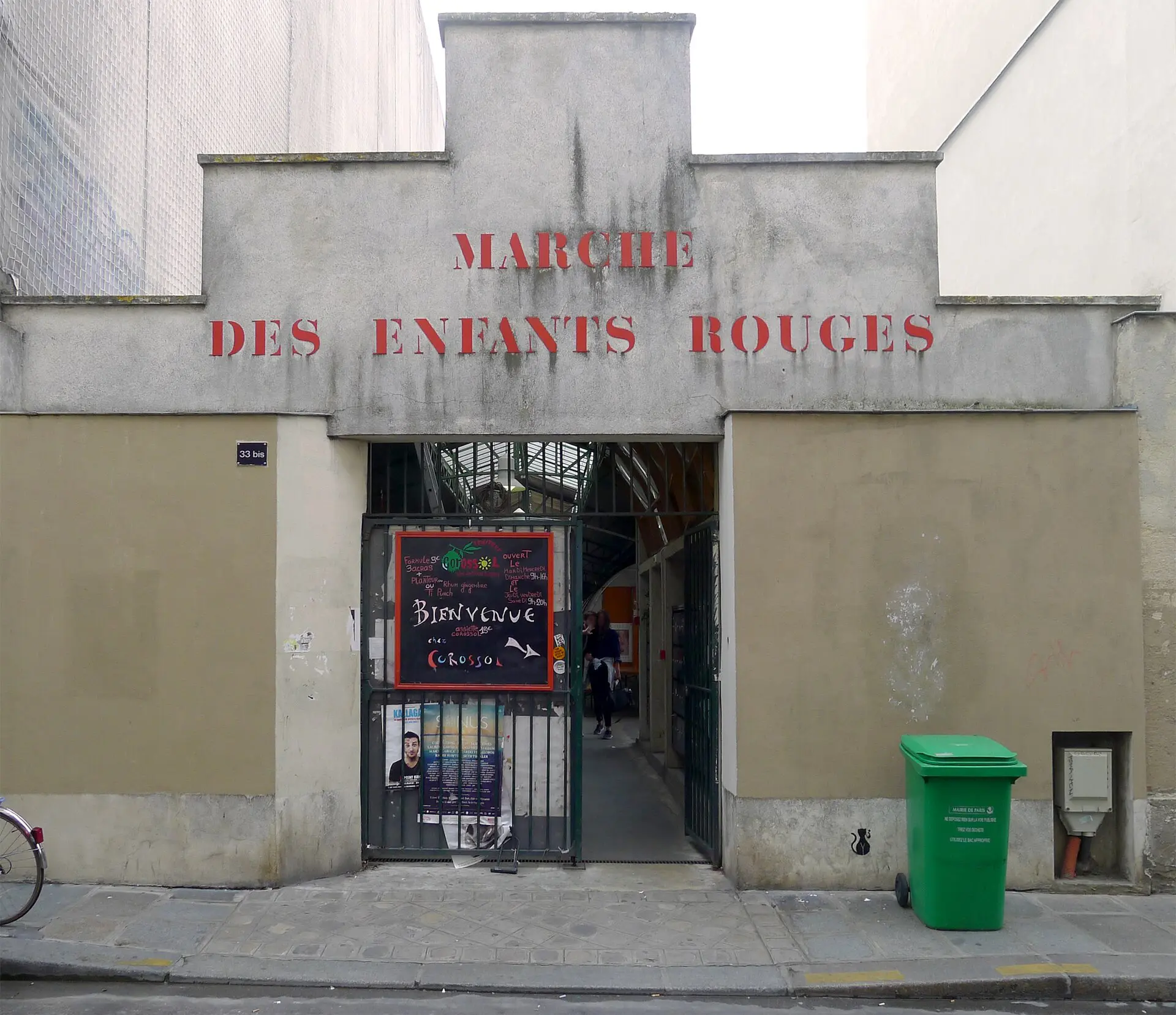
For more detail, see the Wikivoyage guide to Paris, our Paris guide and the France travel guide.
Where to stay in Paris FAQ
What is the best area to stay in Paris for a solo traveler?
The Marais and the Latin Quarter are the usual answers for a first visit, because they are central, walkable and busy into the evening. Canal Saint-Martin and the 11th suit travelers who want a social scene. Choose a street with shops and cafes, near a metro stop.
Is Paris safe for solo female travelers?
Many women travel in Paris alone. The main issues are pickpocketing and street approaches, not violence. Use the metro until late, take a ride after midnight, keep your bag in front, and choose busy streets at night. Check your government’s current advice before you go.
Is it better to stay in a hostel or a hotel in Paris?
Hostels are cheaper and social, which helps on a first solo trip. Hotels cost more but give privacy and a quiet night. A small private room in a hostel is a middle option. Check reviews for security, location and noise, and compare the real price for your dates.
How many days should I spend in Paris?
Three to four days is a good first visit, enough for two big sights, a museum and some wandering. Add a day trip if you have five or more. Keep the first morning light after your flight, and book timed tickets for the busiest sights ahead of time.