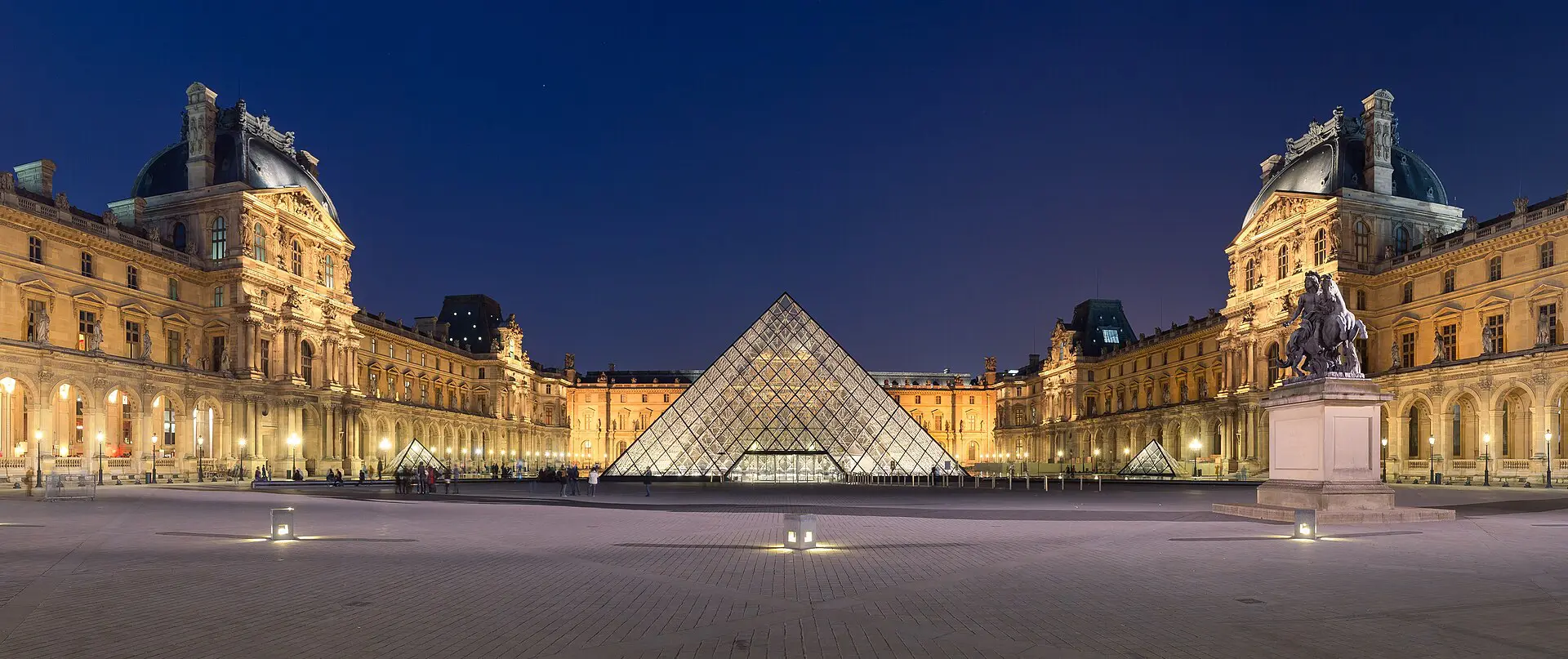
The best museums in Paris for a short stay are the Louvre, the Musée d’Orsay, the Musée de l’Orangerie, the Rodin Museum, the Picasso Museum and the Musée de Cluny. Wikipedia calls the Louvre the largest and most-visited museum in the world, which is precisely why it needs a plan. If you only have one day, take the Louvre at opening for three hours, then cross the river to the Orsay. Everything below pairs a museum with a street, ordered to avoid the closing-day traps.
How to use your days: one museum, one street, one closing day
Paris is built for walking between museums, and its weakness is the calendar. The Louvre and the Orangerie have traditionally closed on Tuesdays, while the Orsay, Rodin, Picasso and Cluny have closed on Mondays. That means a Monday or Tuesday trip needs a swapped order, not a shorter one. Verify the current schedule on each museum’s website, since patterns and late-opening evenings change.
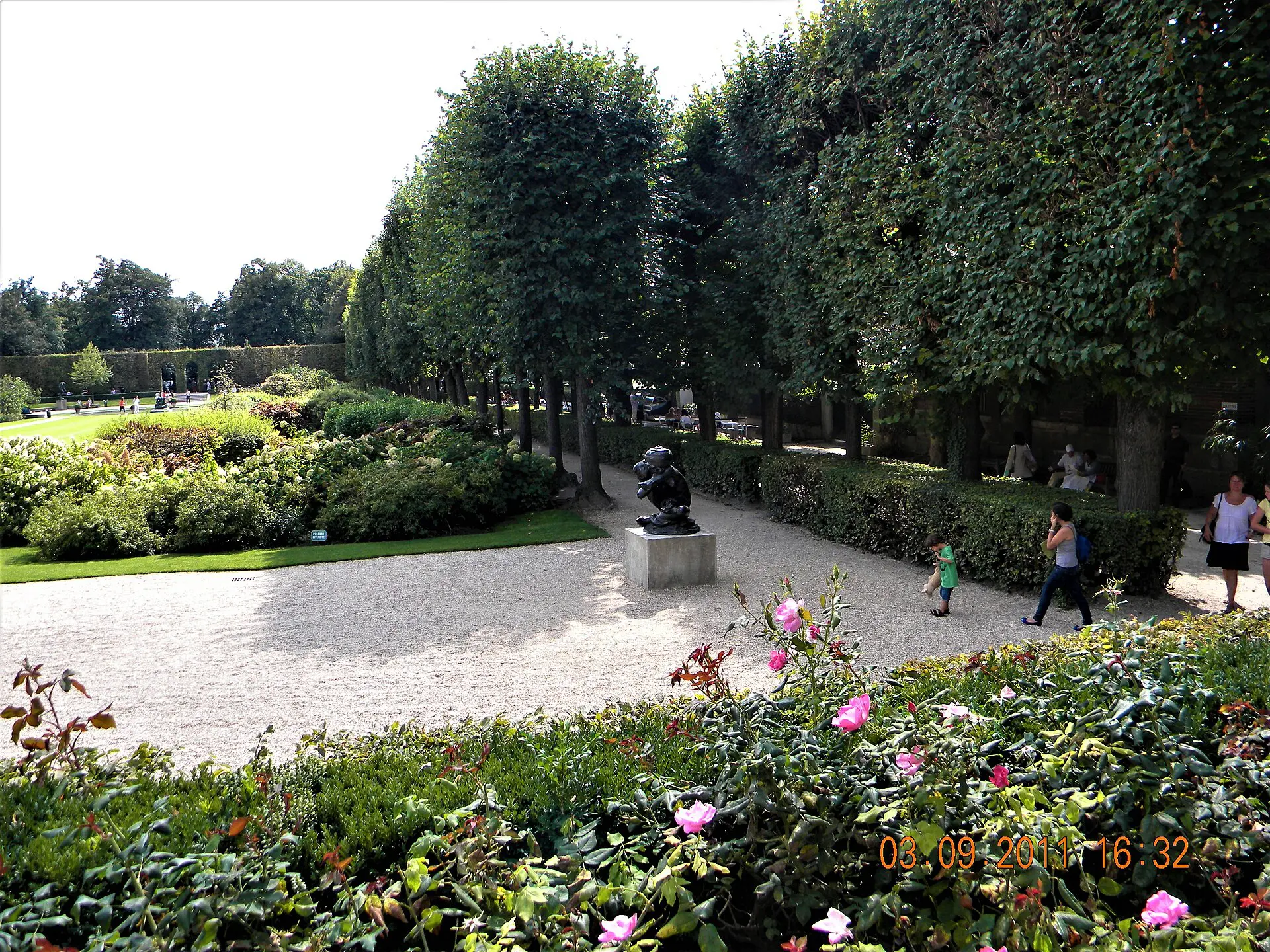
The method is simple. Pick one anchor for each half-day, add a neighbourhood walk or market, and stop. Wikivoyage notes that large crowds and long lines can disappoint visitors in high season, so a tight plan is also a defence against that. For the rest of the city, see our Paris location guide.
Best museums in Paris, time-blocked
Each block is a half-day. One day takes blocks one and two. A weekend takes four. Three days takes all six.
1. Morning: the Louvre and the Palais-Royal gardens
Allow three hours and choose a route in advance: a few Italian paintings, the Egyptian rooms, Greek sculpture. The museum is too big to cover, and the Mona Lisa room is the most crowded space in it. Timed-entry booking has been required or strongly recommended in recent years, so reserve a slot online. It is traditionally closed on Tuesdays and open late on one evening a week; confirm both.
After the visit, walk to the Palais-Royal gardens, ten minutes away, for a quiet bench and arcades. The pairing gets you out of the crowd before lunch.
2. Afternoon: the Musée d’Orsay and Saint-Germain
The Orsay holds the great collection of French Impressionist art that Wikipedia mentions, in a converted railway station. Allow two and a half hours. It is generally closed on Mondays and open late one evening a week, so check. Arrive at opening or after 2pm to avoid the longest queues.
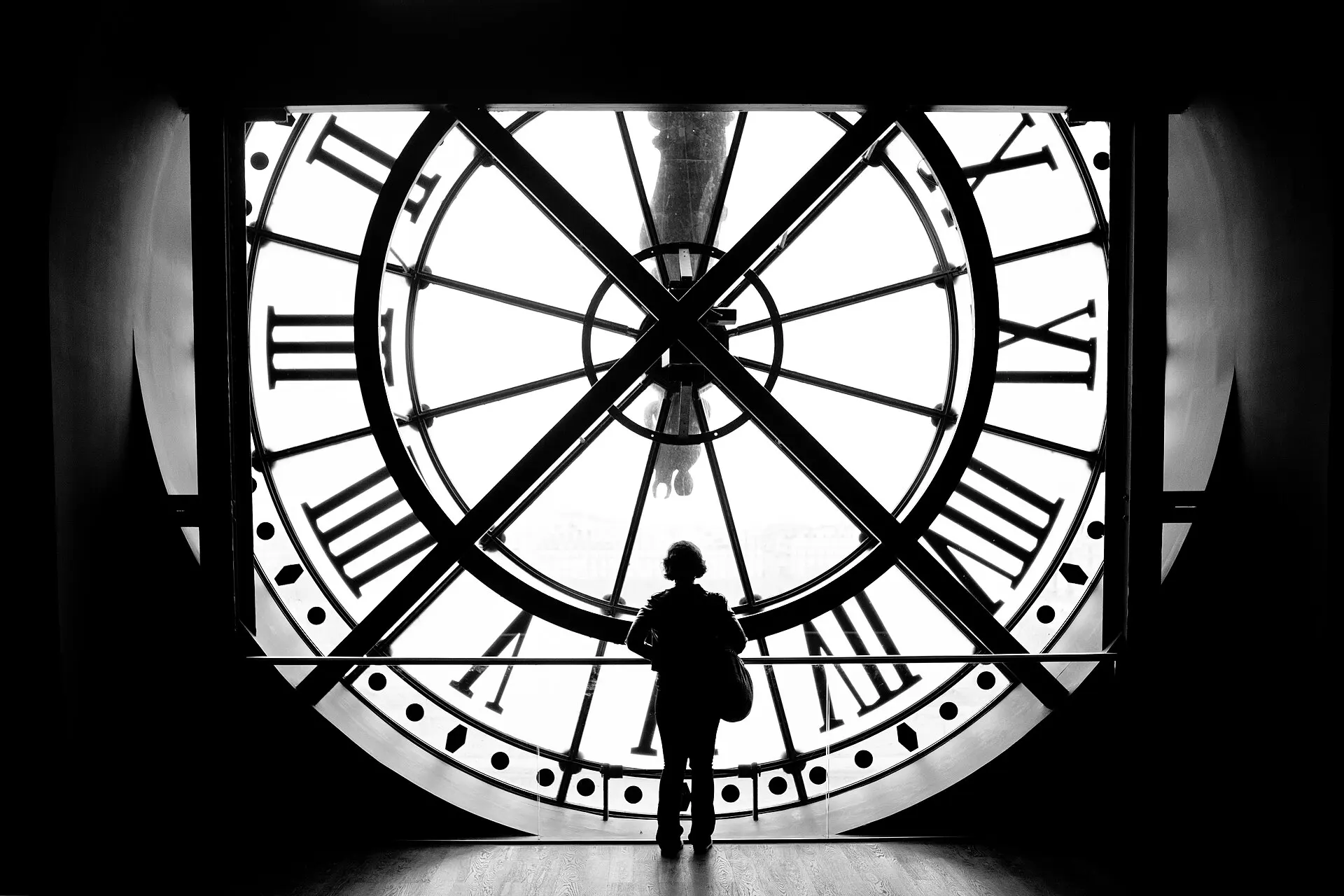
Then walk the Left Bank streets of Saint-Germain, which are a short distance away. This is where you can sit down for a coffee and review what you saw.
3. Half-day: the Rodin Museum and Rue Cler
The Rodin Museum is a house and sculpture garden in the 7th arrondissement. It is the best choice if you want art with fresh air, and it is much quieter than the large museums. Allow 90 minutes. It has been closed on Mondays, so check before you walk over. Garden-only tickets have been offered, which suits a short visit.
Rue Cler, a pedestrian market street nearby, is the food stop: bakers, cheese and fruit stalls, most of them open mornings and early afternoon. Many close on Sunday afternoons and Mondays.
4. Half-day: the Picasso Museum and the Marais
The museum occupies a 17th-century mansion in the Marais. Allow two hours. Expect a Monday closure and check late openings. It is well matched with the surrounding streets, which hold small galleries, and with the covered market of Marché des Enfants Rouges, a short walk away. The market is best at lunchtime on weekdays and Saturdays; check its closing days.
This is the best block for visitors who prefer a smaller museum and a lived-in neighbourhood to monumental galleries.
5. Half-day: the Musée de l’Orangerie and the Tuileries
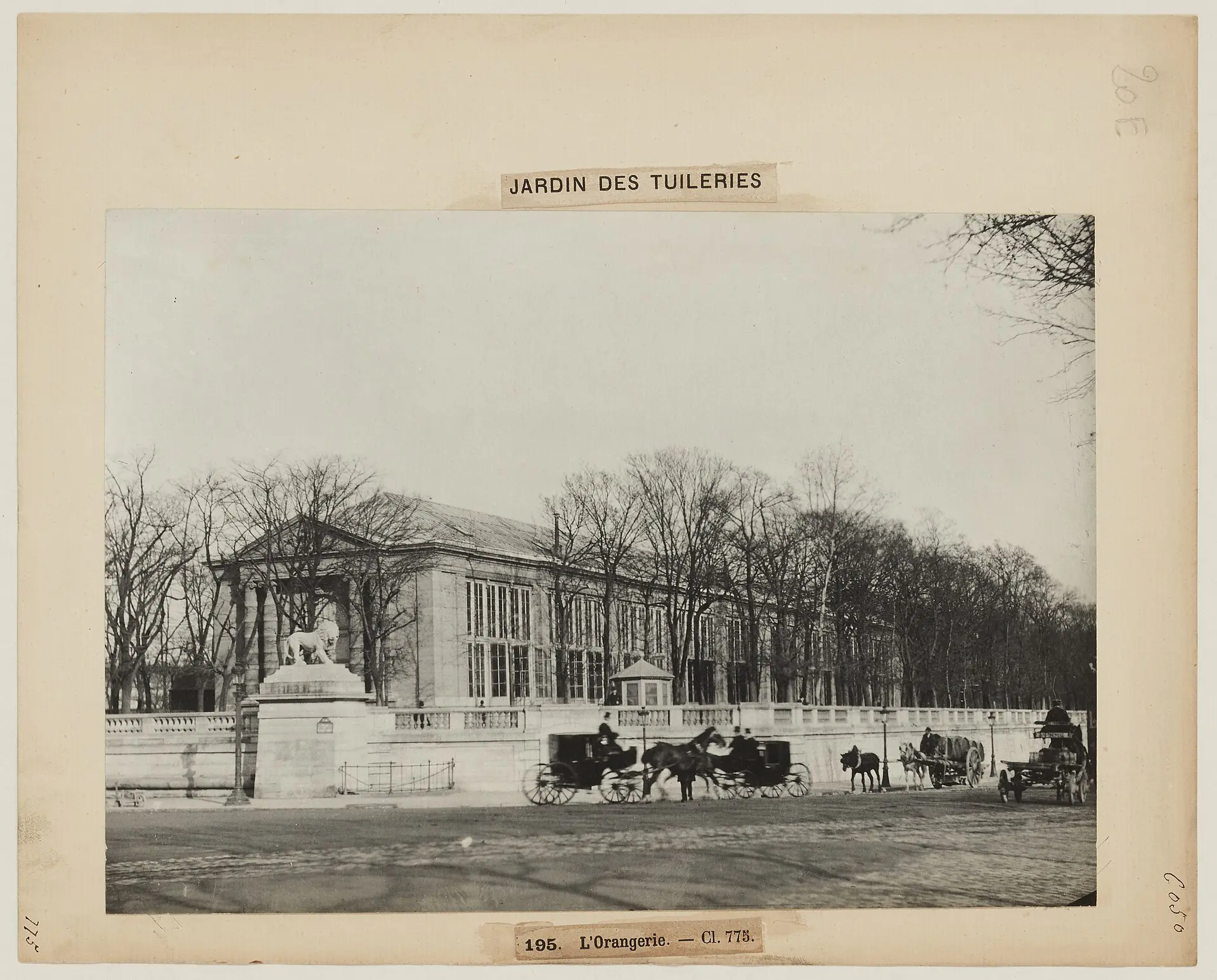
The Orangerie is small, with the large Water Lilies panels by Monet in two oval rooms. Allow 60 to 90 minutes. It has traditionally been closed on Tuesdays, so it is the right Monday afternoon plan, paired with the Tuileries garden around it. Go early or late in the day to see the panels with fewer people.
A walk through the Tuileries to Place de la Concorde takes another 20 minutes. If the Orsay is closed on your Monday, this block replaces it.
6. Half-day: the Musée de Cluny and the Latin Quarter
The national museum of the Middle Ages sits in the Latin Quarter and holds the Lady and the Unicorn tapestries. Allow 90 minutes. It has been closed on Mondays. It is a quieter option than the big names, and a calm choice for a rainy afternoon.
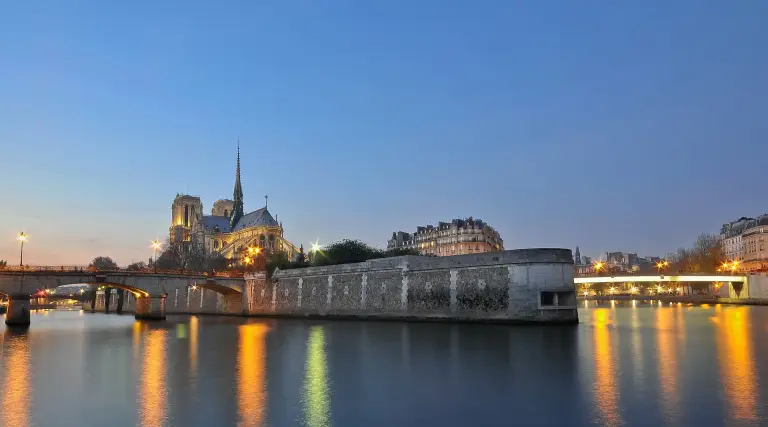
The street pairing is the Latin Quarter itself: the Sorbonne area, small bookshops and the lanes toward Notre-Dame. Add Rue Mouffetard if you want a market street. For the wider itinerary, see our 2 days in Paris plan.
Queue-avoidance timing for Paris museums
Book timed tickets online for the Louvre, the Orsay and any temporary exhibition. Where a museum offers a pass, check whether it still requires a reserved slot. The first slot after opening and the last two hours of a late evening are the calmest.
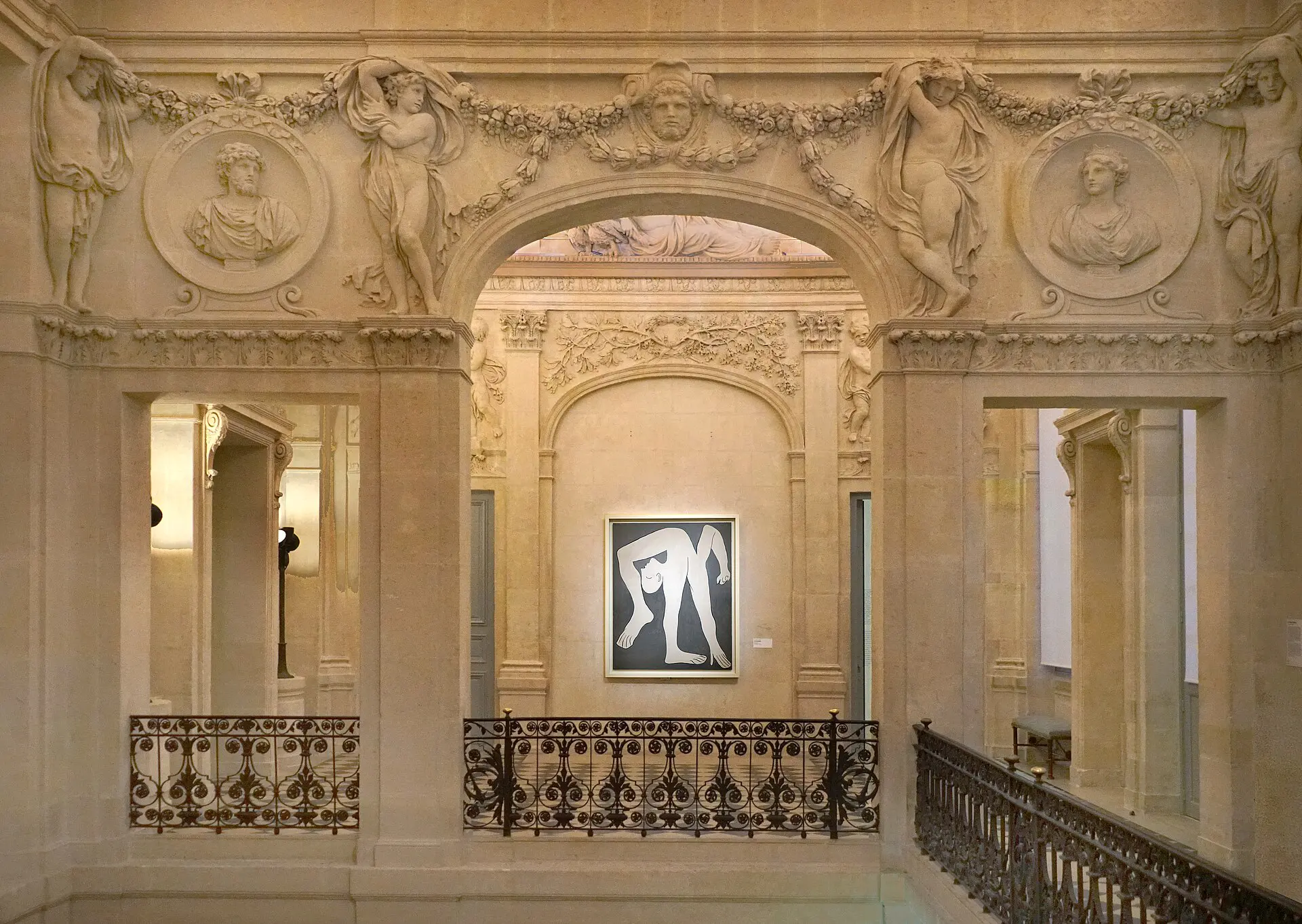
- Louvre: go first thing, or on its late evening, and avoid weekends and school holidays.
- Orsay: arrive at opening or after 2pm on a weekday.
- Smaller museums: turn up mid-afternoon, when there is rarely a queue.
- Bags: large bags must be left in cloakrooms, which adds time at the door.
Getting around between Paris museums
The Louvre, the Orangerie and the Orsay are within a 15 to 20 minute walk of each other along the Seine. The Marais and the Latin Quarter are 20 to 30 minutes apart on foot. Use the Métro for the longer hops, such as the Rodin Museum to the Marais, which takes around 25 minutes door to door.
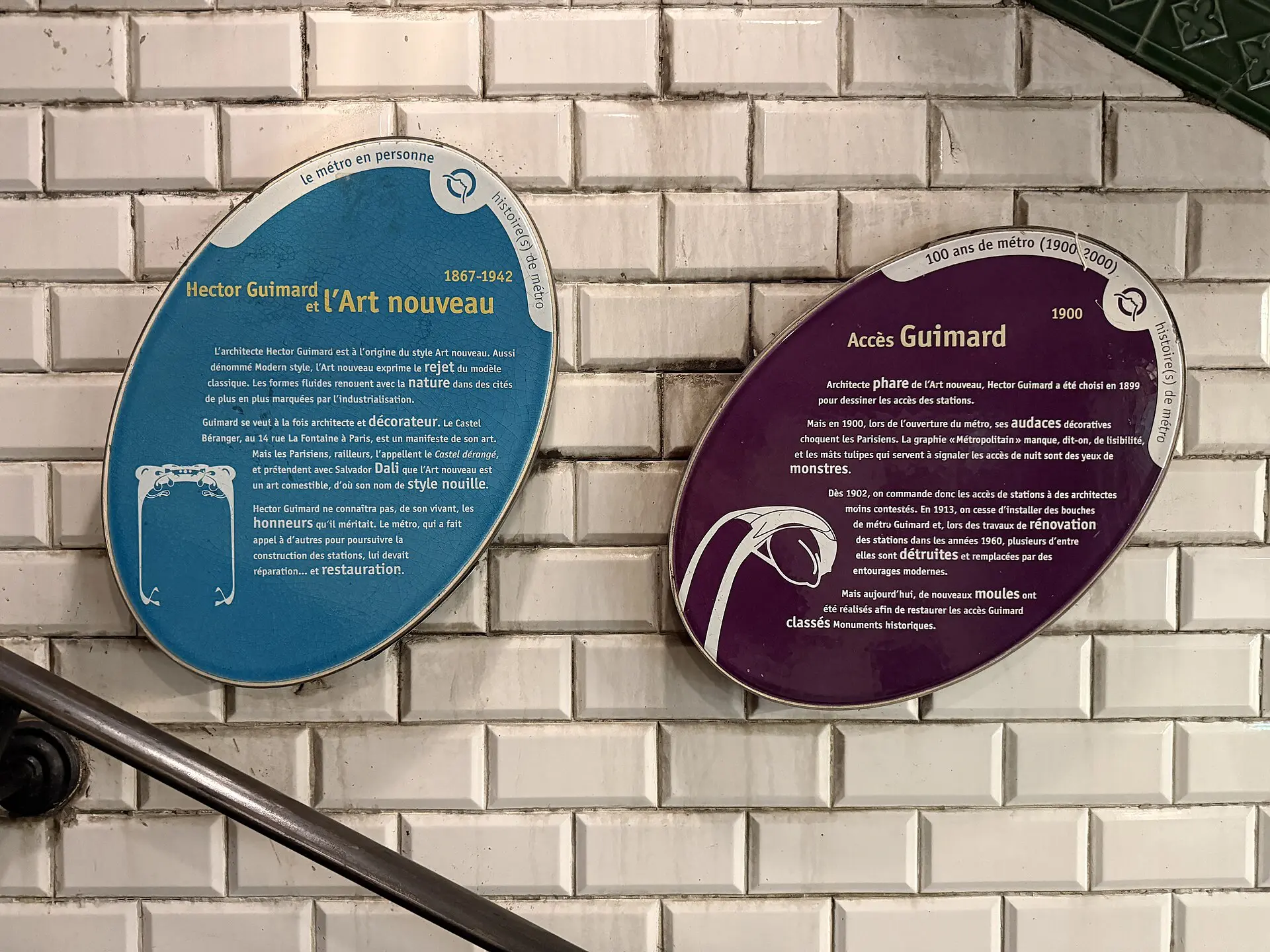
The Métro is the Art Nouveau-decorated system Wikipedia highlights, and it is the fastest way to cross the city. Buy tickets or a pass that fits your days, and check current fares. Avoid peak commuting hours when you are carrying a bag.
Where to stay for Paris museums by area
- 1st and 2nd arrondissements: beside the Louvre and the Tuileries. Convenient and expensive.
- Saint-Germain and the 6th and 7th: close to the Orsay and Rodin, with elegant streets and high prices.
- The Marais (3rd and 4th): best for the Picasso Museum and walkable evenings. Busy on weekends.
- Latin Quarter (5th): better value and a good base for Cluny. Louder at night.
For more detail, see our where to stay in Paris guide.
What to skip if you are short on time
Skip the idea of seeing the whole Louvre. Take the Louvre in three hours and stop. If you have two days only, drop the Rodin Museum and Cluny, and keep the Louvre, the Orsay and the Picasso Museum. A temporary exhibition with a separate ticket is optional on a short break. The best museums in Paris reward a short list, not a long one.
Note that the Centre Pompidou is closed for a major renovation, with reopening not expected until around 2030; confirm its status before building a day around it. I would also skip a second large museum on the same afternoon as the Louvre.
FAQ about museums in Paris
Which is the best museum in Paris if you only have time for one?
The Musée d’Orsay is the most manageable, because it fits in two and a half hours and has clear highlights. The Louvre is the bigger draw but needs three to four hours and a route. Choose by taste and time.
Which Paris museums are closed on Mondays and Tuesdays?
The Louvre and the Orangerie have traditionally closed on Tuesdays. The Orsay, Rodin, Picasso and Cluny have closed on Mondays. Verify each date on the official site, because patterns and holiday closures change.
Do you need to book Paris museums in advance?
For the Louvre and the Orsay, yes, as of 2026, at least to choose a time slot. Smaller museums rarely sell out outside peak season, but temporary exhibitions often do. Book at least a few days ahead for weekend visits.
How many museums can you see in a day in Paris?
Two is the sensible maximum: one large anchor in the morning and one smaller museum in the afternoon, with a market or garden between them. A third visit shortens each one and tires you.



(gradina_(3)(PA00088697).jpg)


