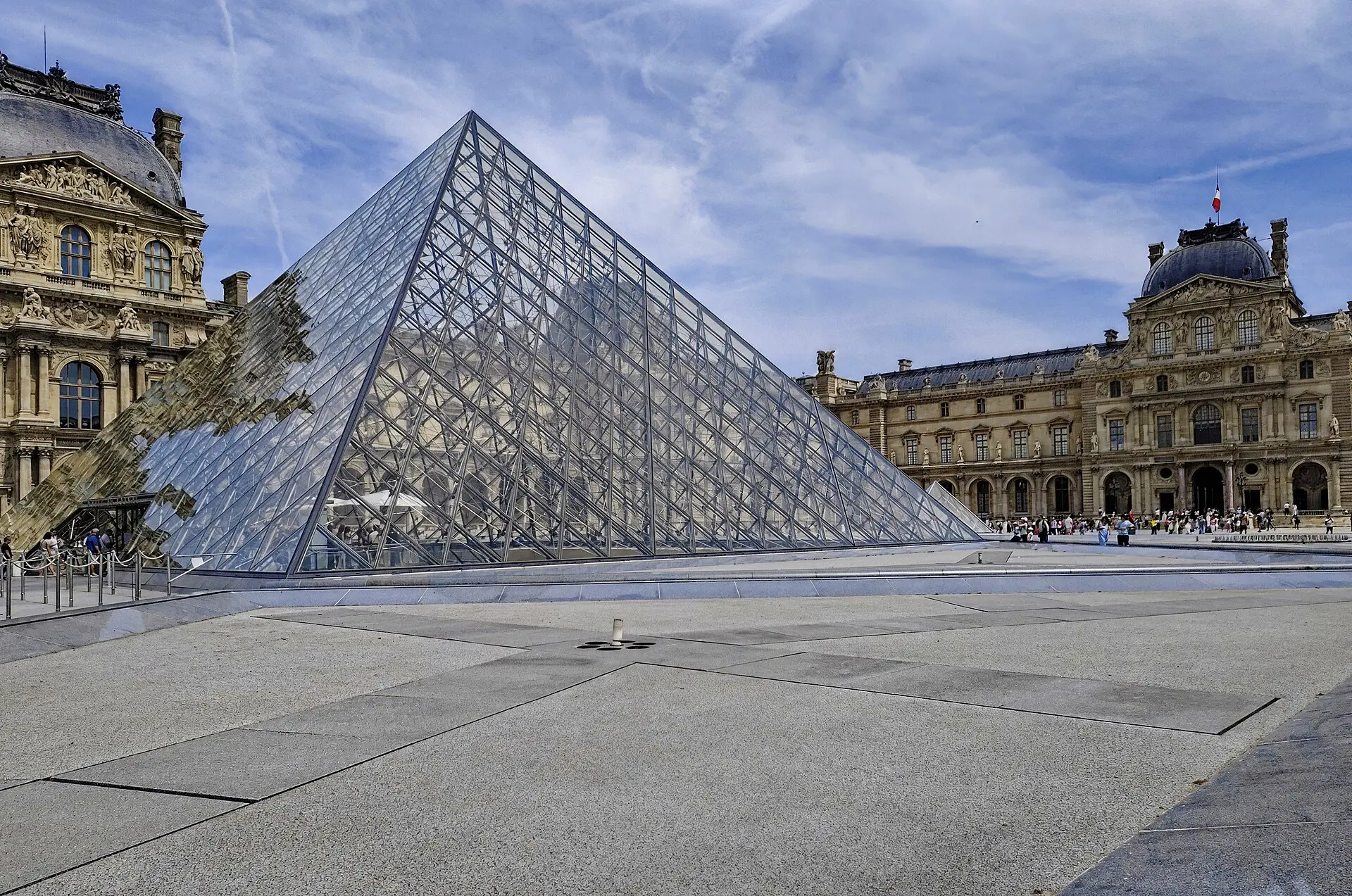
The best way to spend 2 days in Paris is to pair one major museum with one district on each day, and to let closing days set your order. If you only have one day, do the Louvre at opening, Sainte-Chapelle and Notre-Dame on the Île de la Cité, and Montmartre at dusk. With two days, add the Marais and the Musée d’Orsay. The Louvre closes on Tuesdays and the Orsay on Mondays, so check the weekday first.
How to use 2 days in Paris
Paris is divided into 20 arrondissements, but the central sights sit inside a few of them, along the Seine. That makes it a good city for a short plan. The method is simple: one anchor museum in the morning, one neighbourhood and a market or street in the afternoon, and a short evening walk.
The weekly calendar matters more than the weather. As a general pattern, the Louvre closes on Tuesdays, the Musée d’Orsay on Mondays, and many smaller museums on Mondays or Tuesdays. Confirm current hours on each museum’s website. Use the table to order your two days.
| If you arrive on | Day 1 | Day 2 |
|---|---|---|
| Monday | Louvre, Île de la Cité, Marais (Orsay is closed) | Orsay, the Left Bank and Montmartre (Louvre is closed) |
| Tuesday | Orsay, Left Bank, Rodin (Louvre is closed) | Louvre, Marais and Île de la Cité |
| Wednesday to Sunday | Louvre, Île de la Cité, Marais | Orsay, Left Bank, Montmartre at dusk |
For the wider picture, see the Paris guide and the France travel guide.
2 days in Paris: a time-blocked itinerary
Six blocks across two days. Block times are approximate, and opening hours change by season, so verify before you book.
Day 1, block 1: the Louvre at opening
The Louvre is the largest and most-visited museum in the world, so do not try to see it all. Choose a short list: Egyptian antiquities, the Greek and Roman sculpture such as the Venus de Milo, Italian paintings including the Mona Lisa, and the Napoleon III apartments if you have time. Allow three hours at most.
Book a timed ticket online, arrive at opening and enter through the entrance with the shortest line, which is often not the pyramid. The Mona Lisa room is busiest mid-morning. The museum has stayed open late on some evenings, so check the schedule if you prefer that slot.
Day 1, block 2: Tuileries and lunch
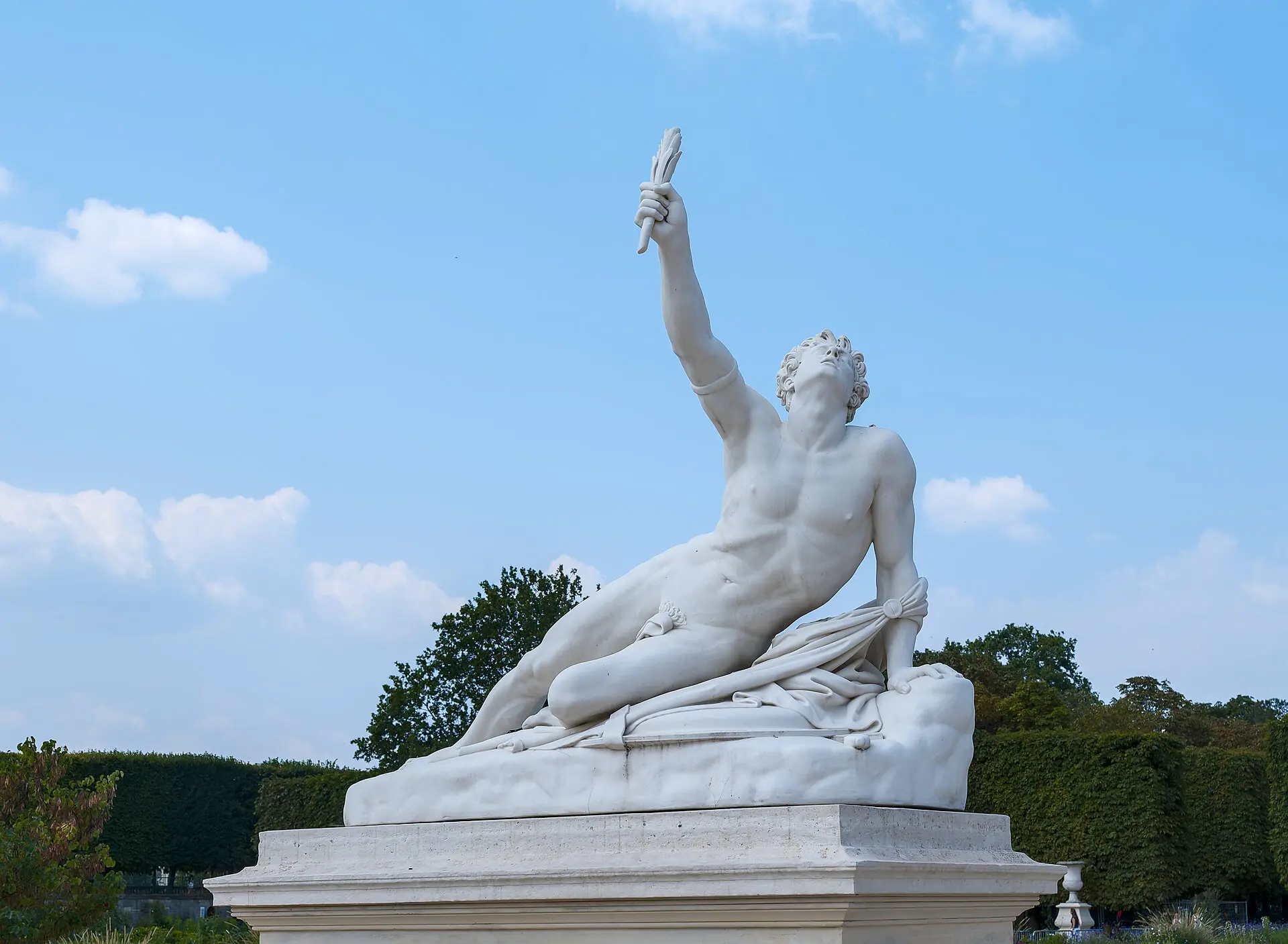
Walk through the Tuileries Garden, which links the Louvre to the Place de la Concorde, and take a picnic or a cafe lunch on the chairs by the central pond. The Musée de l’Orangerie, at the garden’s western end, holds Monet’s water lilies in two oval rooms and takes about an hour. It closes one day a week, so check.
Use this block as a buffer. If the Louvre ran long, skip the Orangerie and keep the lunch.
Day 1, block 3: Île de la Cité and the Marais
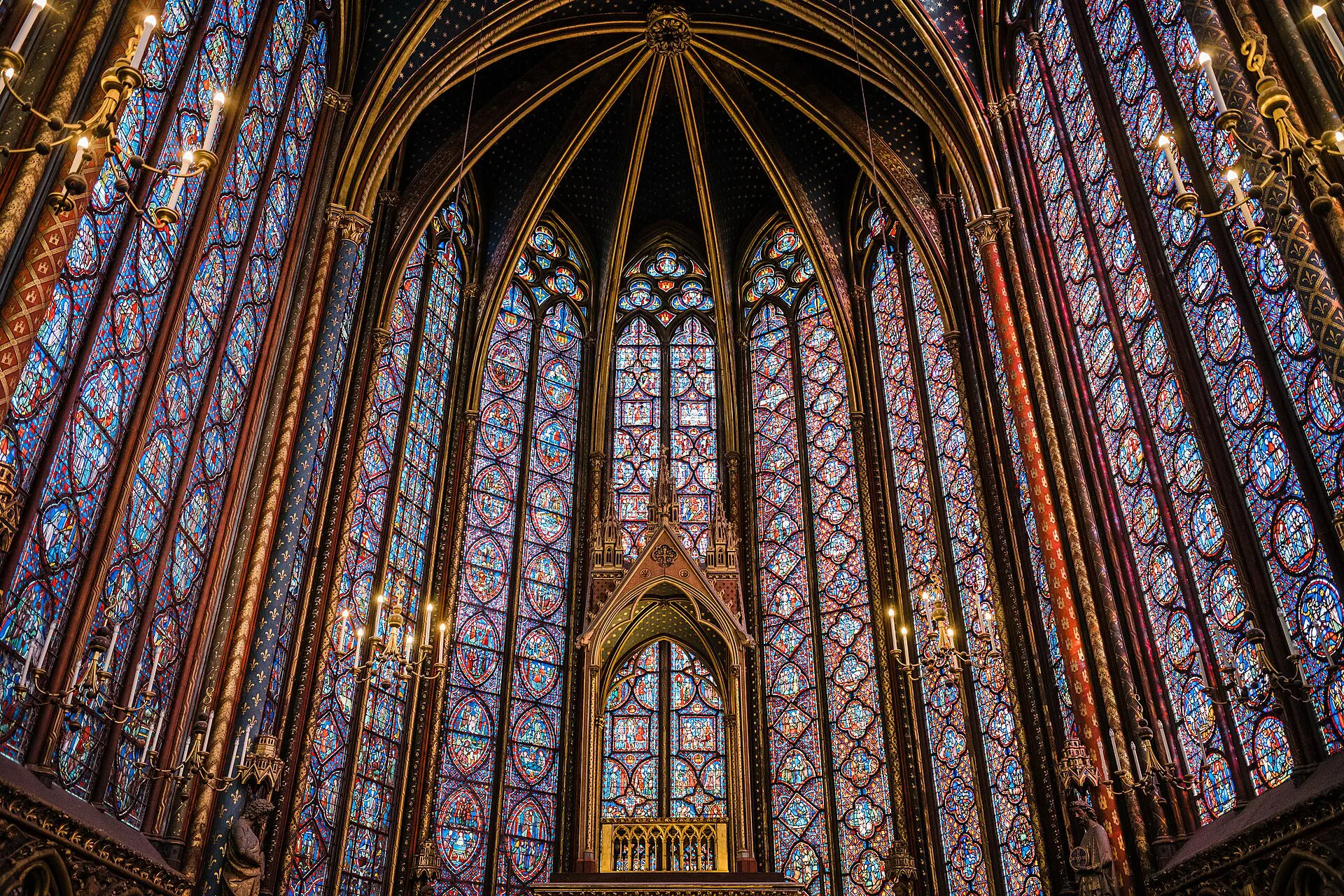
Walk to the Île de la Cité for Sainte-Chapelle, a 13th-century royal chapel known for its stained glass, and Notre-Dame, which reopened in December 2024 after the fire. Book Sainte-Chapelle in advance, since the line moves slowly. Entry to Notre-Dame has been free, with reservation options to skip the queue; check the current system.
Continue east into the Marais for the narrow streets, the Place des Vosges and a late-afternoon stop at the Musée Carnavalet, the free city-history museum, which closes on Mondays. The covered Marché des Enfants Rouges is a lunch or early dinner option, though trading days vary.
Day 2, block 4: Musée d’Orsay at opening
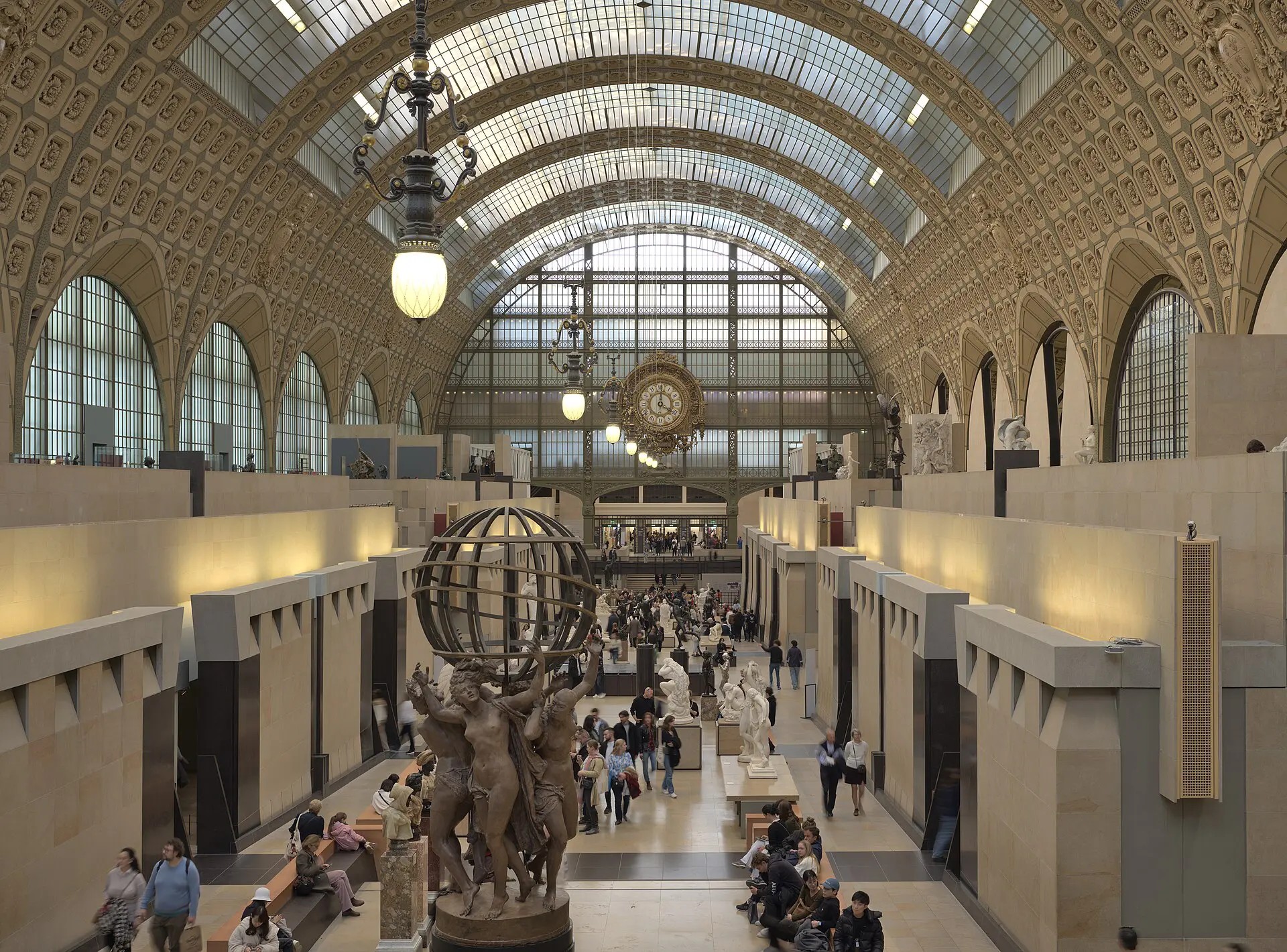
The Orsay is housed in a former railway station and holds the main French Impressionist and Post-Impressionist collection in the city. Go straight to the top floor first, where the best-known paintings hang, then work down. Allow two hours, and book a timed ticket. It closes on Mondays and often stays open late on one evening.
If you have a lot of time left over, the Orangerie and Musée Marmottan Monet are alternatives for Monet, but the Orsay is the efficient single choice.
Day 2, block 5: Saint-Germain, Rodin and a market street
From the Orsay, walk through Saint-Germain-des-Prés for cafe and bookshop streets, or continue to the Musée Rodin, where the sculpture garden is the main draw and takes about 90 minutes with the house. The Rodin museum is normally closed on Mondays.
For lunch, the market street of Rue Cler in the 7th arrondissement is a good place to assemble a picnic from bakers, cheese shops and greengrocers. Check which days stalls and shops are open, because Sunday afternoon and Monday are quiet.
Day 2, block 6: Montmartre at dusk
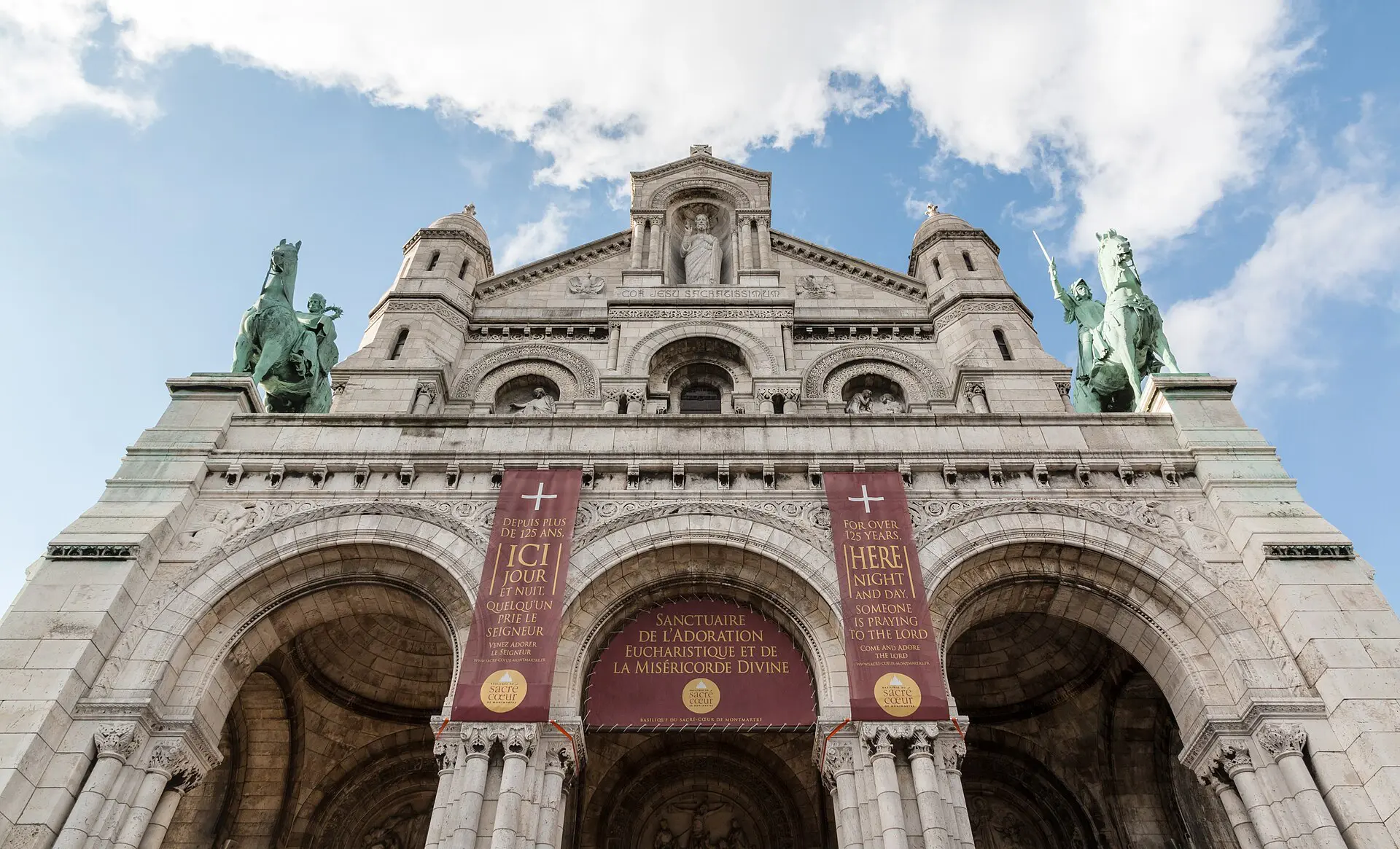
Finish with the hill of Montmartre, 20 to 30 minutes by Métro from the Left Bank. The Sacré-Cœur basilica gives a wide view over the city, and the winding streets below it are best in the last hour of light. Avoid the area around Place du Tertre at midday if you dislike crowds.
Take the stairs or the funicular and walk down through the quieter side streets. Beware of pickpockets and people pressing bracelets on you near the steps. Say no firmly and keep walking.
Queue-avoidance timing in Paris
- Book timed tickets for the Louvre, Orsay, Sainte-Chapelle and the Eiffel Tower, and pick the first slot of the day.
- Use the weekday evenings when museums open late; crowds thin after the tour-group hours.
- Avoid Sundays at the big museums, and any free-entry day, as both attract long queues.
- Go to the Eiffel Tower early or late, and book ahead. If you only want the view, look at the Trocadéro from across the river, which costs nothing.
Getting around Paris in two days
The Métro is fast and dense, and most central sights are within a 10-minute walk of a station. A single-journey ticket or a contactless option works for short trips; for several rides a day, compare a day ticket with single tickets and check current fares. Walking between the Louvre, Île de la Cité and the Marais is easy and pleasant.
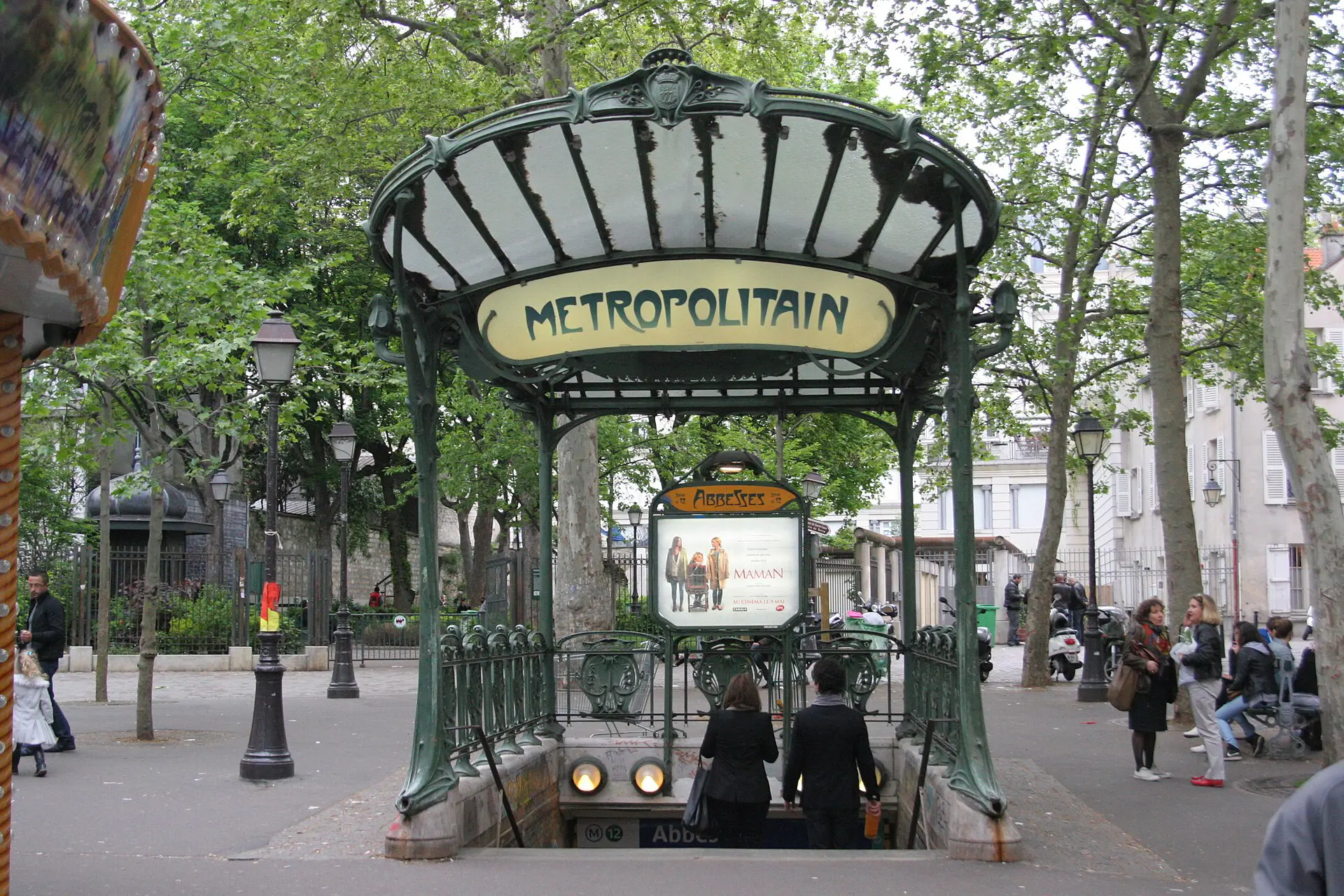
The airports are Charles de Gaulle and Orly. Charles de Gaulle has a direct regional train, the RER B, to central stations. Leave extra time on strike days, and check the transit authority website before you set off.
Where to stay for 2 days in Paris
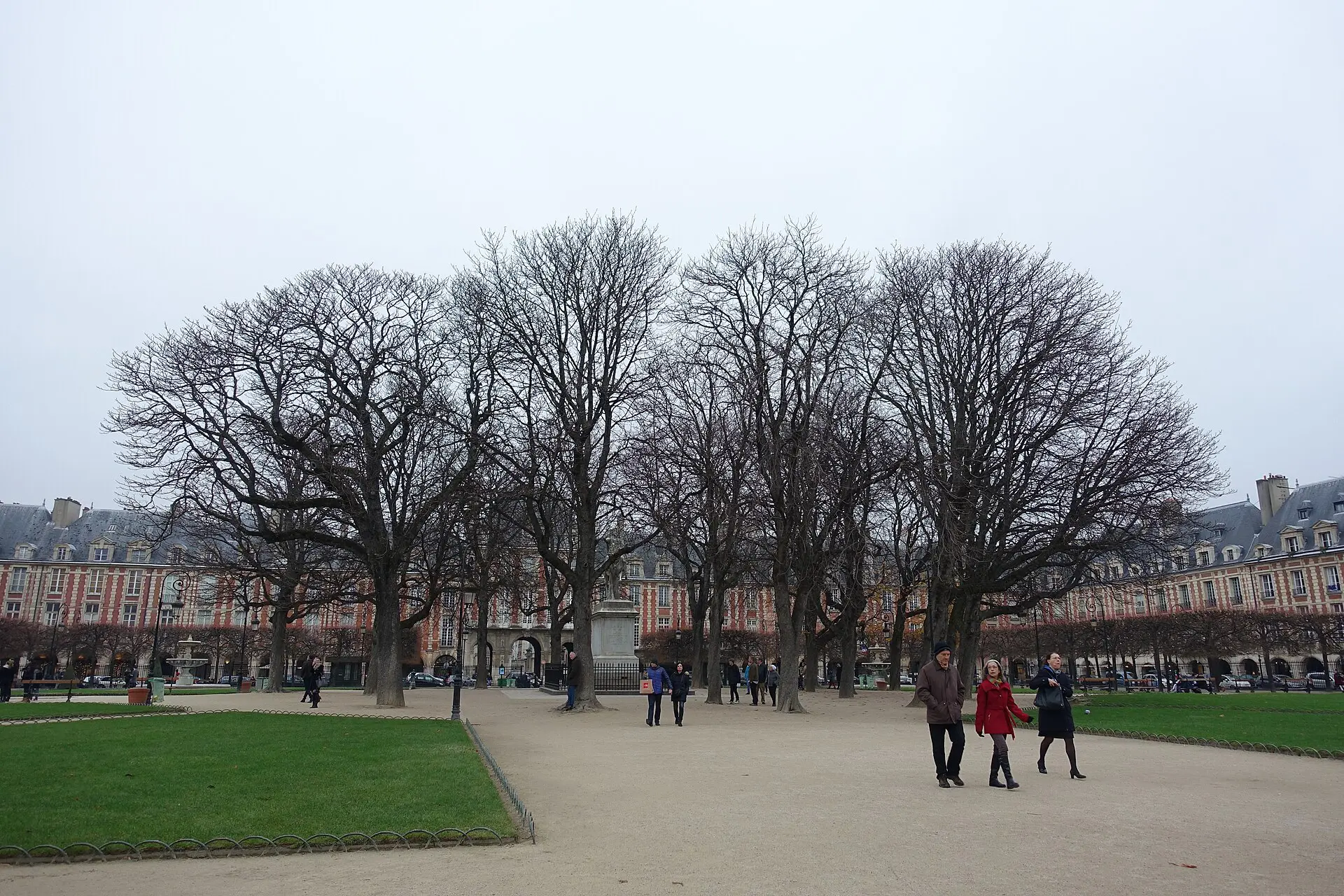
- Marais (3rd and 4th): central, walkable to the Louvre, Île de la Cité and the Place des Vosges. Pricey and busy.
- Latin Quarter and Saint-Germain (5th and 6th): bookshops, cafes and easy walks to Notre-Dame and the Orsay.
- Montmartre (18th): atmospheric and quieter at night, though uphill and a Métro ride from the main museums.
- Near a major station: for early trains, choose a hotel near Gare du Nord or Gare de Lyon. See where to stay in Paris for more detail.
What to skip if you are short on time
If you have one day, run block 1, block 3 and block 6, and skip the Orangerie and Rodin. If time is very tight, drop the Marais and eat on the Île de la Cité. I would skip the Eiffel Tower summit unless you booked ahead, because the line costs more time than the view returns.
For a deeper museum list, see best museums in Paris. For background, read the Wikivoyage Paris guide.
FAQ about 2 days in Paris
Is 2 days enough for Paris?
It is enough for the main highlights if you pick one museum a day and keep transfers short. You will not see everything, but a plan built around the Louvre or Orsay, the Île de la Cité and one district gives a coherent first visit.
What should you see first in Paris with 2 days?
Start with the Louvre at opening, then Sainte-Chapelle and Notre-Dame. These sit in the same central stretch, so you spend little time on the Métro and can add the Marais in the afternoon.
Which day of the week is best for Paris museums?
Wednesday to Friday are generally the safest, because the Louvre is closed Tuesdays and the Orsay Mondays, and weekends are the busiest. Late-opening evenings, where offered, are the quietest slot. Check each museum’s website before you go.
Do you need to book in advance for 2 days in Paris?
Yes for the Louvre, Orsay, Sainte-Chapelle and the Eiffel Tower, where timed slots save the most time. Smaller museums and the Marais streets can be done without booking. Reserve the first slot of the day for the busiest sites.