The best day trip from Paris depends on how much of the day you want to spend on a train. Versailles and Chartres take about an hour each way, Giverny and Reims a little longer, and Colmar nearer three hours. If you only have one day, pick Versailles for the palace or Chartres for the cathedral, leave before 9am and be back by dinner. All five trips below are workable by train, with no car needed.
Getting there: day trips from Paris by train
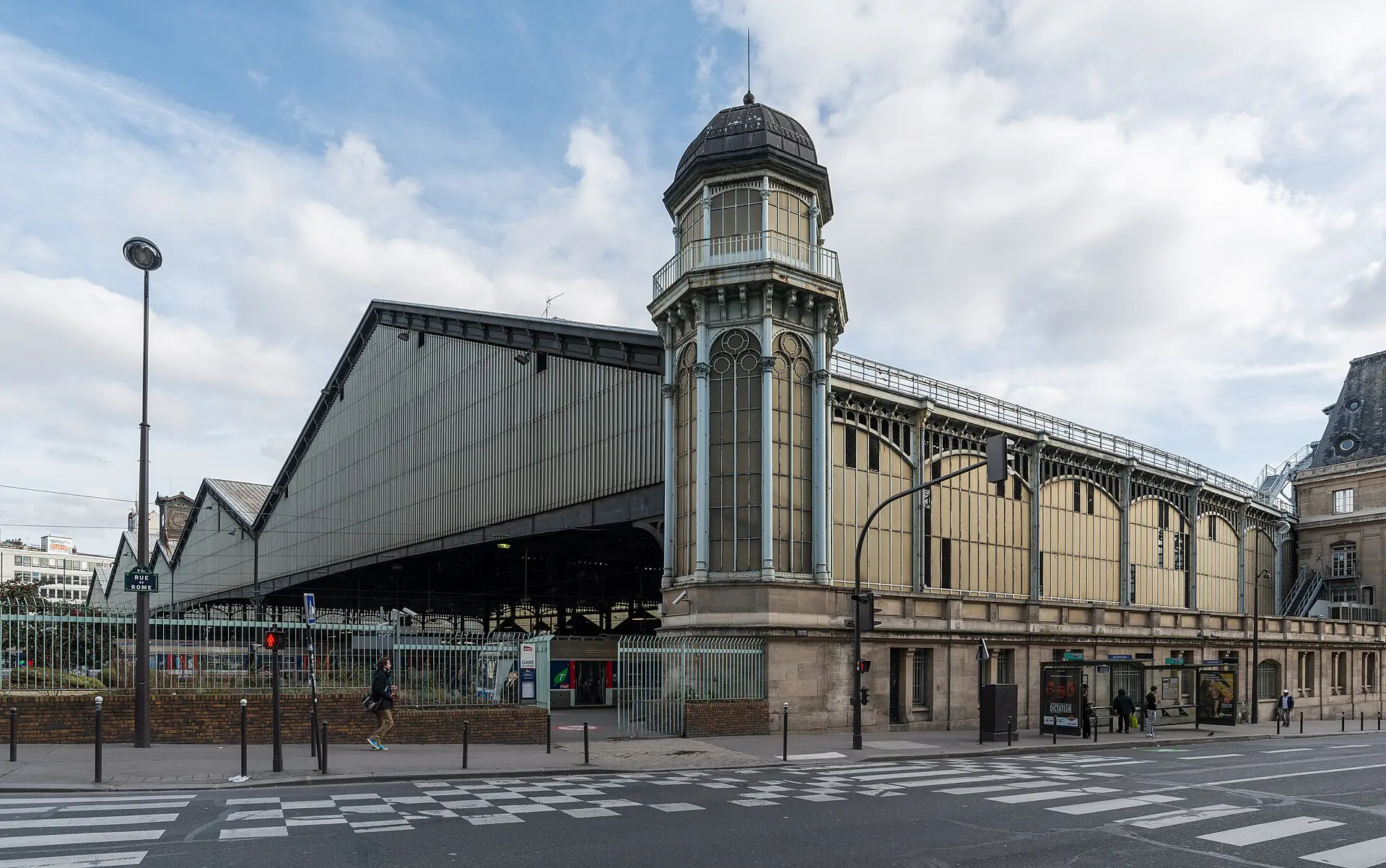
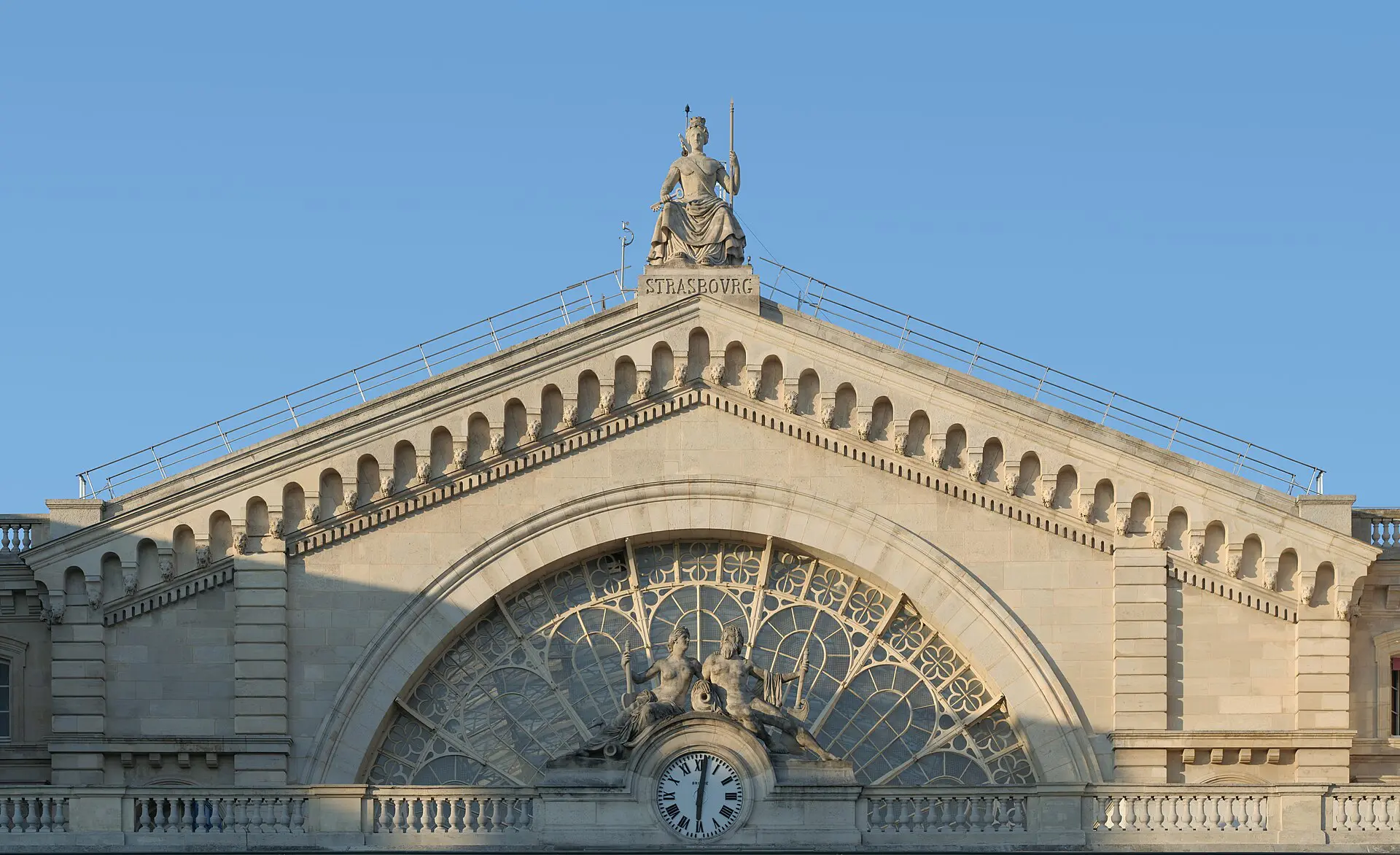
Every trip leaves from a different station, which matters more than the distance. Versailles uses the RER C from the left bank. Giverny starts at Gare Saint-Lazare, Chartres at Gare Montparnasse and Reims at Gare de l’Est. Colmar uses Gare de l’Est too, on a long-distance TGV or a change.
- Versailles: about 40 to 60 minutes, a few euros each way on a standard ticket.
- Giverny: about 50 minutes to Vernon, then a shuttle, bike or walk of roughly five kilometres.
- Chartres: about one hour, a modest regional fare.
- Reims: 45 to 60 minutes on a fast train, more on a slower one. Fares vary widely by booking time.
- Colmar: about 2.5 to 3.5 hours, and fares vary a great deal with booking time.
Fares and timetables change, so check the national rail operator’s site before you go. Booking a fast train early is cheaper. For a closer look at the capital itself, see the Paris guide.
Time-blocked route for a day trip from Paris
Five options, ordered from shortest transit to longest. Pick one, not two.
1. Versailles: palace first, gardens second
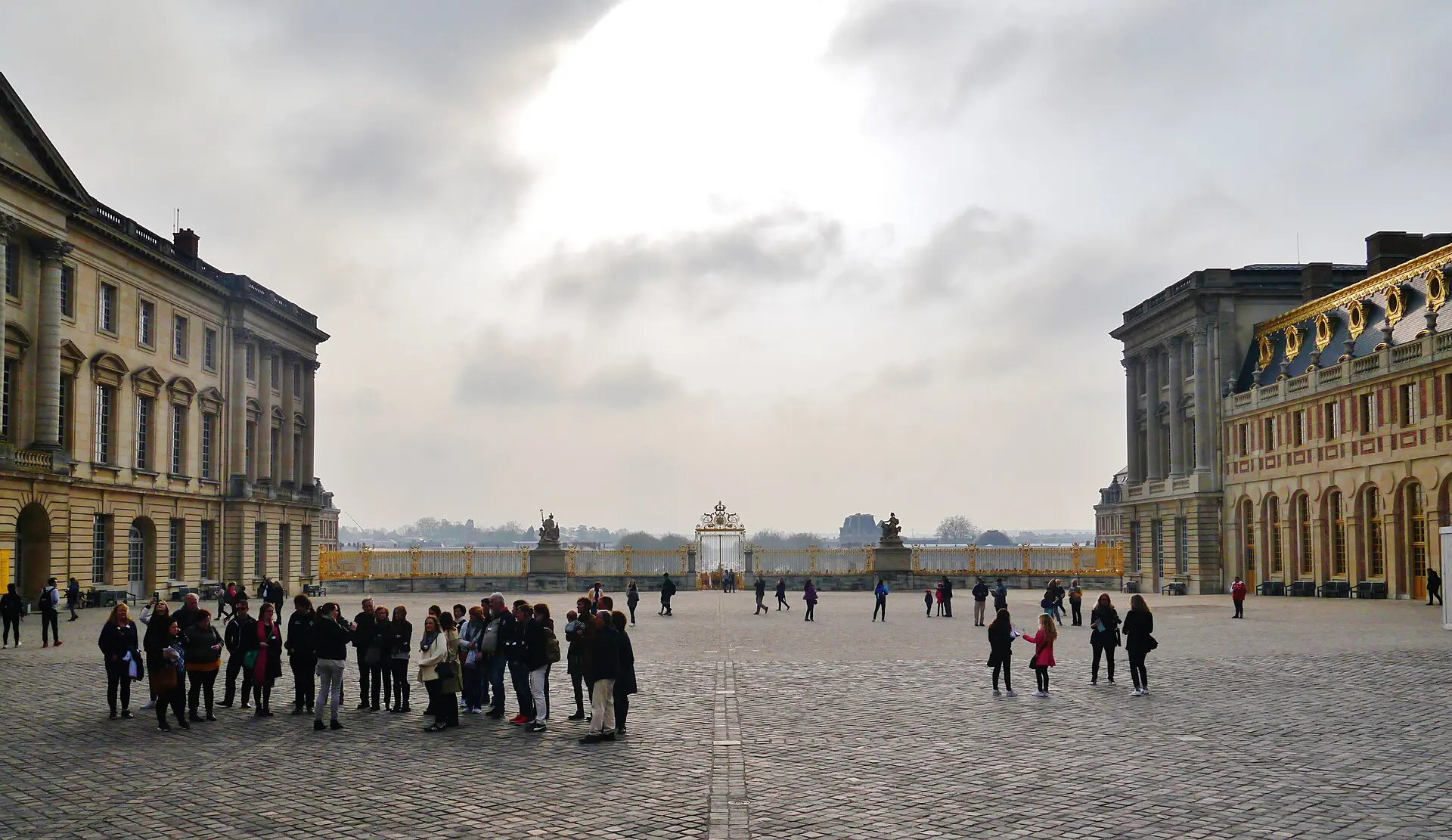
The palace is the anchor, and it closes on Mondays. Arrive for the opening slot, do the state apartments and the Hall of Mirrors while the groups are still queuing outside, then spend the afternoon in the gardens and the Trianon estates. Book a timed ticket ahead in high season. Allow five to six hours, including the train. The gardens are large, so wear walking shoes. Fountain shows run on set days only, so check the calendar.
2. Giverny: Monet’s house and garden
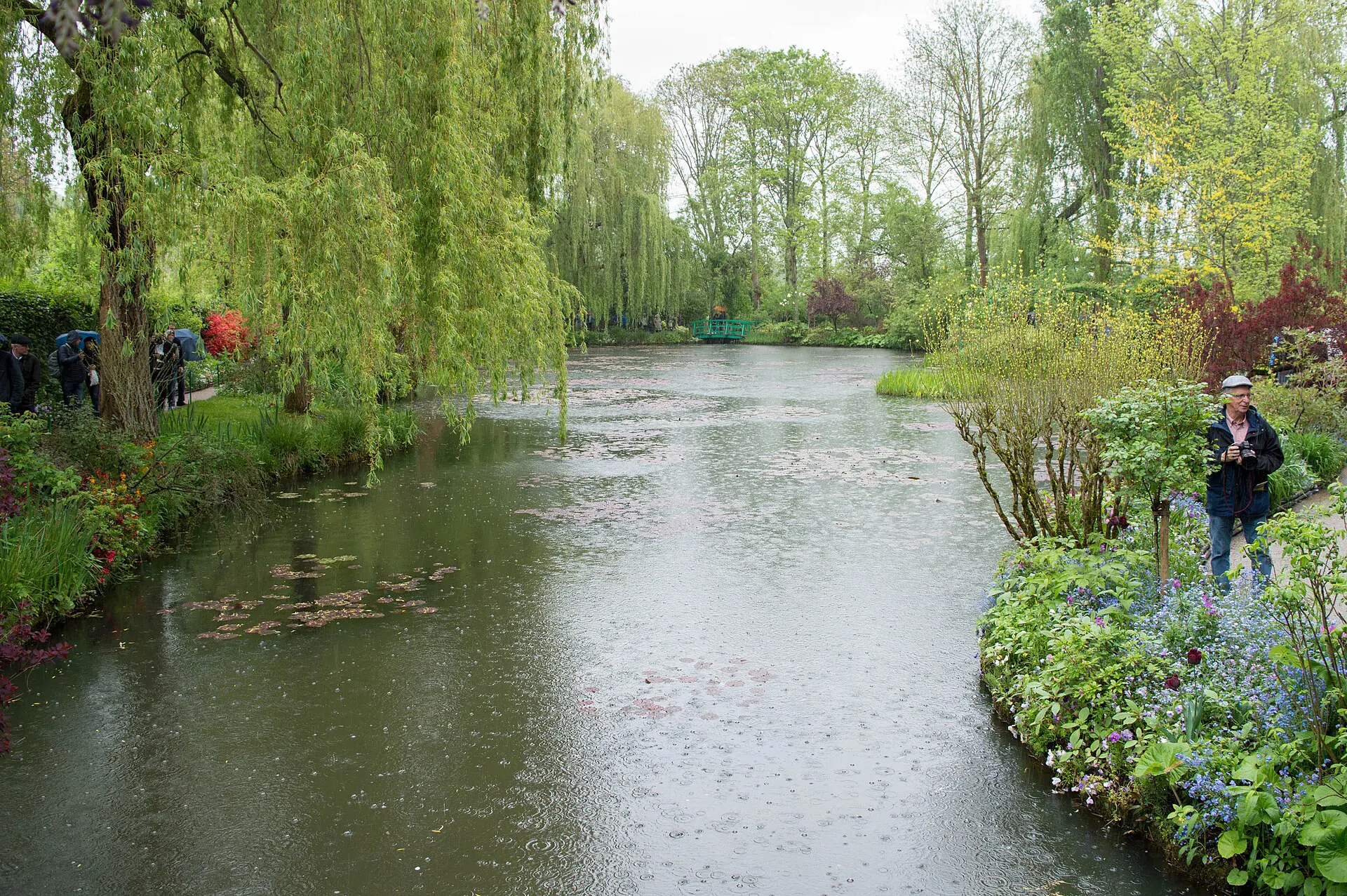
The garden is open in season only, usually from spring to autumn, so this is not a winter trip. Go as early as possible, because the paths are narrow and the lily pond is the first place to fill up. Allow three hours on site. Take the train to Vernon, then a shuttle or a bike for the last stretch. Book entry online if the date is a weekend in May or June.
3. Chartres: the cathedral and its old town
The cathedral is a UNESCO World Heritage Site, with 12th-century stained glass that stays luminous in morning light. Allow 90 minutes inside, then walk down through the old town to the river. It is a tidy half-day or full day. Check opening hours for services, since visits are restricted during worship. This is the least crowded of the five.
4. Reims: cathedral and champagne
Reims pairs a Gothic cathedral, where French kings were crowned, with champagne cellars. Do the cathedral in the morning and book a cellar visit for the afternoon, since tastings require reservations. Drink in moderation if you are travelling back by train, which is easy. This is the best choice for a culture-and-food day with an early return.
5. Colmar: the long one
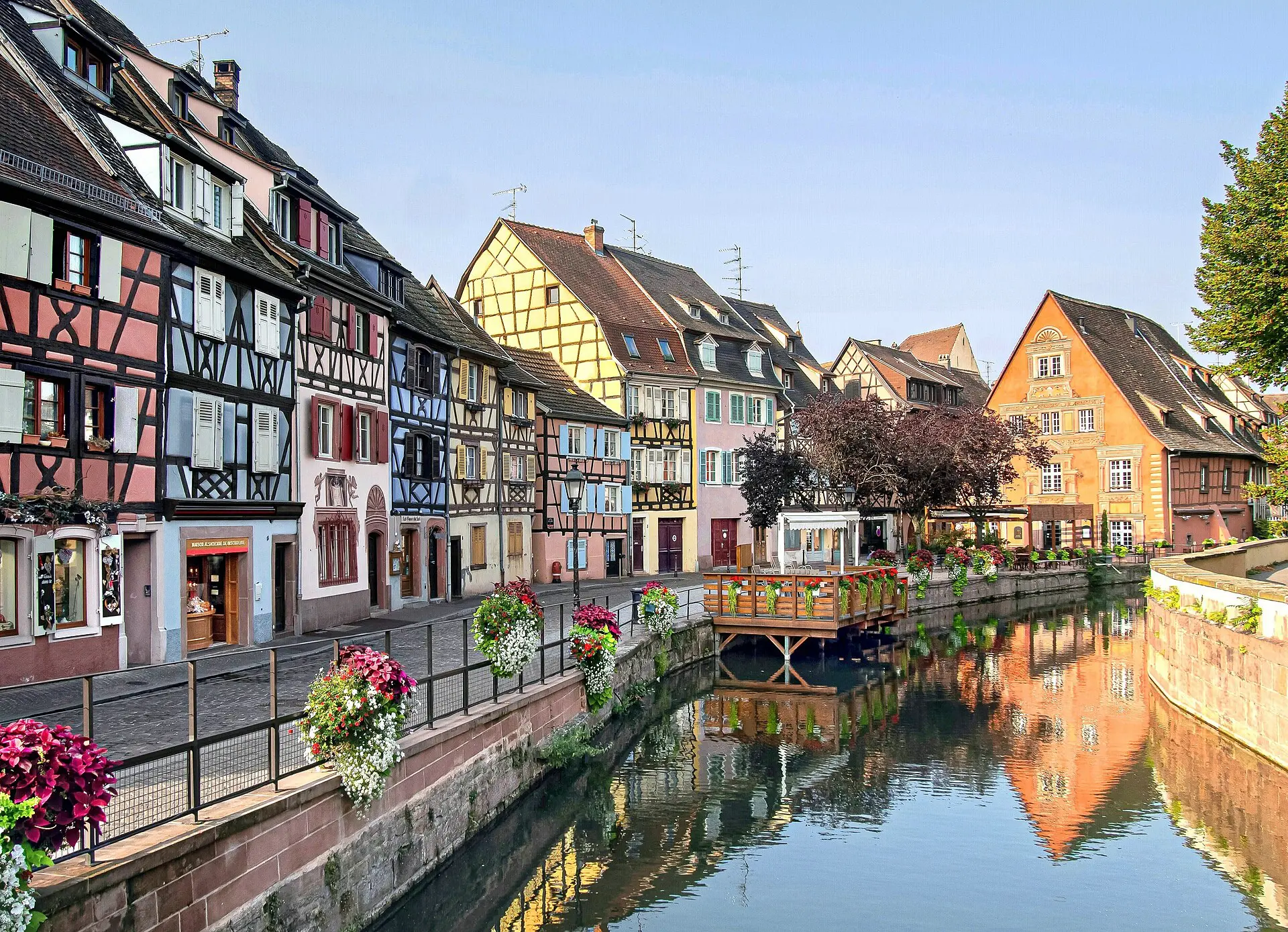
Colmar is a half-timbered Alsace town, and the day is long: roughly three hours each way. Leave on the first suitable train, spend four to five hours walking the old town and the Little Venice quarter, and come back that evening. It is feasible but tiring, and an overnight stay suits it better. In the Christmas season, it is crowded. I would choose Chartres or Reims over Colmar for a single day.
Opening patterns and crowd timing outside Paris
Several of these sites follow French norms: Monday or Tuesday closures for the big museums and palaces, a lunch break in smaller churches and shops, and Sunday afternoon quiet in small towns. Versailles is closed Mondays. Giverny is seasonal. Arrive early and eat lunch before 1pm, since smaller kitchens stop serving around 2pm. School holidays and May weekends are the crowded dates, and weekdays outside those periods are far calmer.

If you only have half a day from Paris
Chartres and Versailles both fit into half a day if you leave by 9am and return by mid-afternoon. For Versailles, take the palace only and skip the gardens. For Chartres, see the cathedral and the old town quarter below it. Fontainebleau, southeast of Paris, is another short option for a royal château. If a museum day is more your style, the guide to the best museums in Paris covers the city, and the 2 days in Paris itinerary keeps the capital efficient.
Getting back to Paris: last-train logic
Do not leave the return to the last minute. For Versailles, Chartres and Giverny, the last trains back usually leave in the evening, but not all of them run on Sundays and holidays. For Reims and Colmar, plan to be on a train by about 6pm to 8pm, depending on the timetable, so you are not left with a stay you did not plan for. Check the last departure on the morning you travel, and hold a screenshot of it.
If you are staying near the right station, the where to stay in Paris guide helps with the choice. For background, see the Wikivoyage Paris guide.
FAQ about a day trip from Paris
What is the easiest day trip from Paris?
Versailles, because the RER C runs frequently and the journey is under an hour. Chartres is almost as easy, with a direct train from Gare Montparnasse. Both work for a half day or a full day. Book timed entry for the palace in high season.
Is Colmar a good day trip from Paris?
It is possible but long, at roughly three hours each way. A direct fast train from Gare de l’Est shortens the trip. Most visitors do better with an overnight stay, or with Reims or Chartres for a single day.
Can you do a day trip from Paris without a car?
Yes. Versailles, Giverny, Chartres, Reims and Colmar are all reachable by train. Giverny needs a short shuttle, bike or walk from Vernon, and a few smaller destinations need a bus or taxi. Check each timetable ahead of time.
Is Biarritz or Corsica a day trip from Paris?
No. Biarritz is a long train ride of several hours each way, and Corsica needs a flight or ferry. Both suit a weekend, not a day. Keep day trips within about three hours, and plan longer destinations as overnight stays.