The top museums in London are free to enter, which changes how you plan: you pay in time, not tickets. If you only have one day, take the British Museum in the morning and the National Gallery in the afternoon, with Covent Garden between them. Two to four days let you add Tate Modern, South Kensington, Greenwich and one small house museum. Book timed slots where offered, because queues, not prices, are the real limit.
How to use your days in London
London’s big museums are spread across the city, so the efficient method is to pair each anchor with a market or street close by and cap the day at one major museum per half-day. Free admission invites over-planning. Two or three hours in a single collection is more useful than four museums in a blur.
Check three things for every museum: whether it asks you to reserve a free timed slot, its weekly late opening, and its Monday and holiday hours. Most of the national collections are free for permanent displays, while special exhibitions are ticketed and often sell out, so book those early. Confirm current terms on each museum’s website.
For the wider picture, see the London guide, the United Kingdom travel guide and the longer 3 days in London itinerary.
Top museums in London: a time-blocked plan
Six half-day blocks, in a geographic order that limits Tube rides. Take blocks 1 and 2 for one day, or all six across three days. Opening patterns below are typical, not guaranteed.
Block 1: British Museum and Bloomsbury, morning
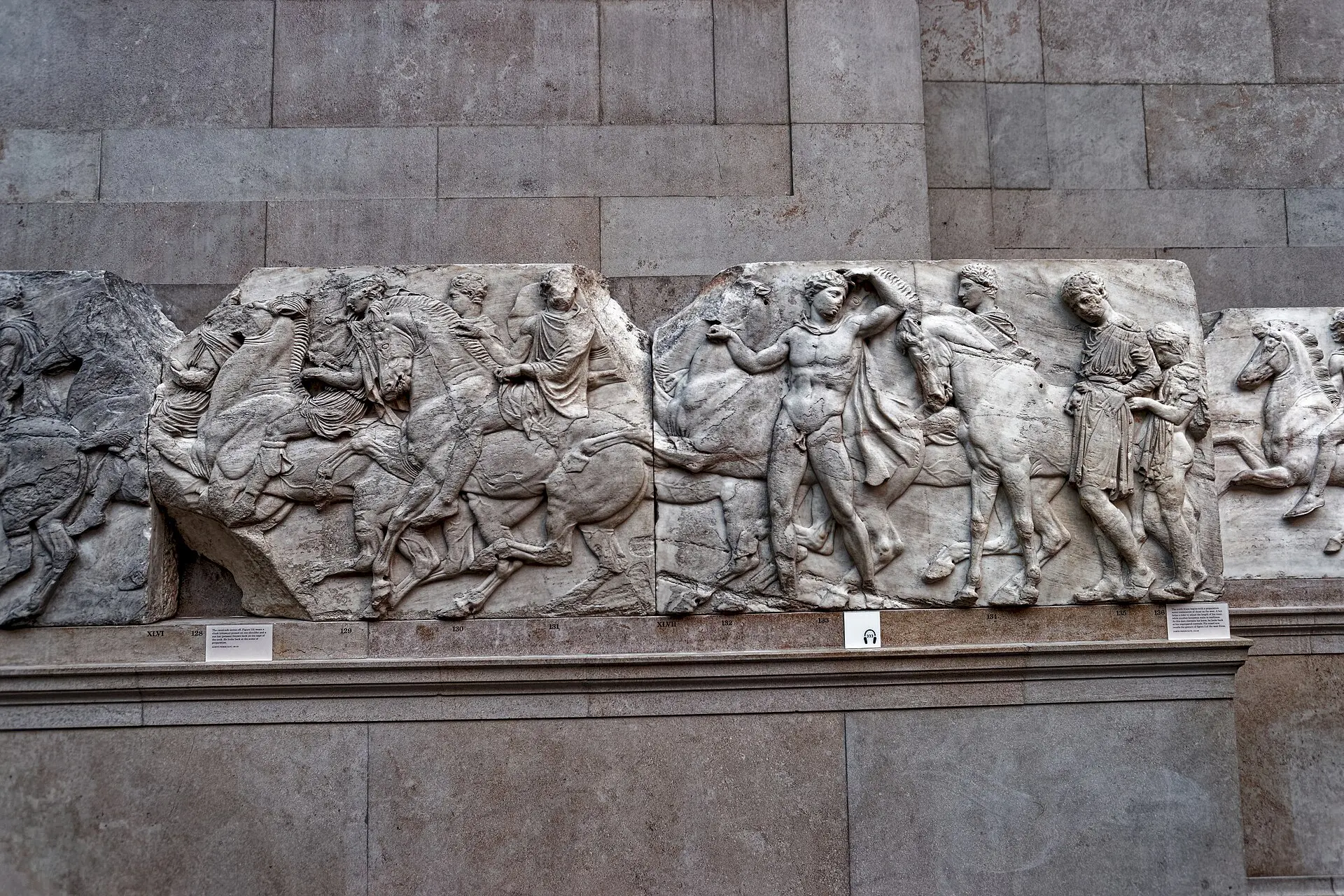
The British Museum is the anchor for world history: the Rosetta Stone, the Parthenon sculptures and Egyptian galleries draw the biggest crowds. The permanent collection is free. Do not try to see everything. Choose three galleries, such as Egypt, Greece and one region you know less, and allow two and a half hours.
Go at opening or book a free timed slot where the museum offers one. The Great Court is busiest from late morning. Afterwards, walk through Bloomsbury’s squares and the independent bookshops on nearby streets, a quiet counterweight to the galleries.
Block 2: National Gallery and Covent Garden, afternoon
The National Gallery in Trafalgar Square holds European painting from the 13th to the early 20th century, and it is free. Start with the Sainsbury Wing for early Italian work, then move forward in time. The adjoining National Portrait Gallery is a good short add-on if you want faces rather than landscapes.
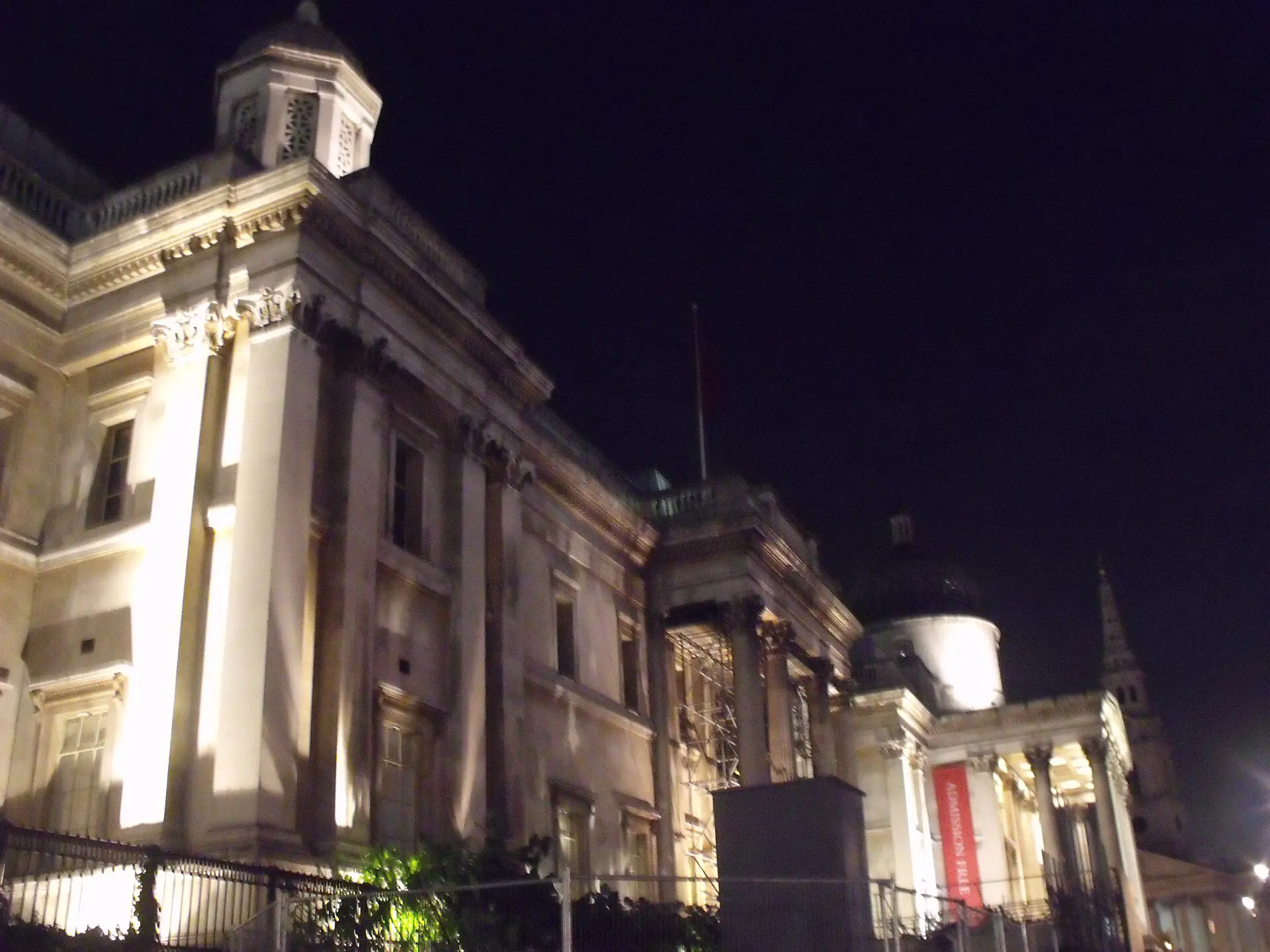
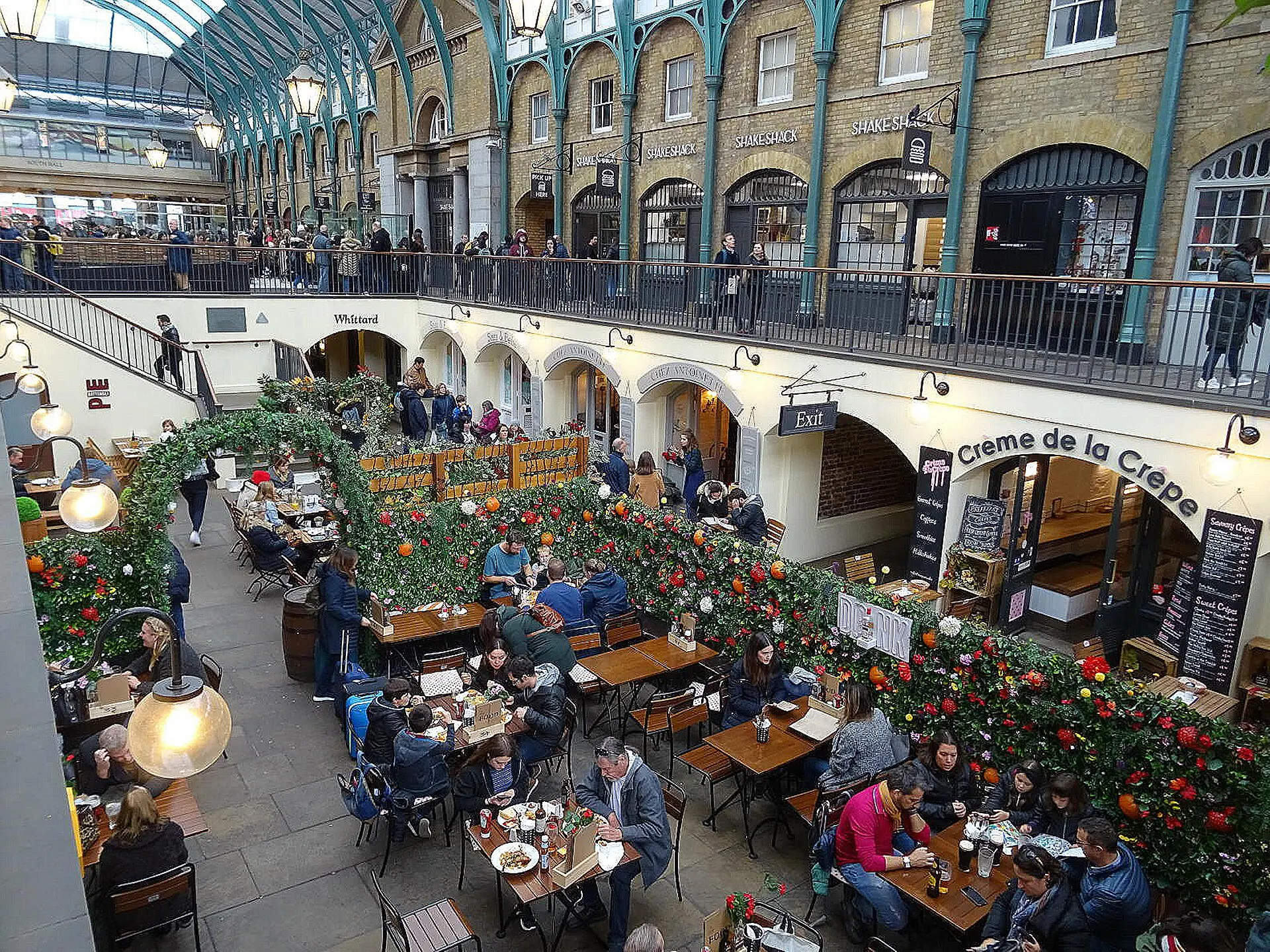
Evening is a useful slot. The National Gallery usually keeps a late opening one night a week, and the rooms are noticeably quieter. Finish in Covent Garden, ten minutes away on foot, for the market hall, street performers and food. Expect crowds at weekends.
Block 3: Tate Modern and Borough Market, morning of day two
Tate Modern occupies a former power station on the South Bank, and its permanent collection is free. The Turbine Hall is the largest space, with a changing large-scale commission. Allow two hours, and go straight to the upper floors for the collection displays before the ground floor fills up.
Walk east along the river for Borough Market, which is at its best on weekdays and on Saturday morning before noon. It is a working food market with prepared stalls, so lunch here fits the schedule. Check trading days, since weekday and Sunday hours differ.
Block 4: South Kensington, afternoon
The Victoria and Albert Museum, the Natural History Museum and the Science Museum stand within a few minutes of each other and are all free for their permanent collections. Choose one per visit. The V&A, a museum of art and design, suits adults and has an evening opening one night a week. The Natural History Museum is the busiest, so book a timed slot where available and arrive at opening.
Walk to the Exhibition Road area afterwards for cafes. I would not attempt two of these in one half-day: the buildings are large and the legwork adds up.
Block 5: Greenwich, morning of day three
Greenwich pairs the National Maritime Museum, free to enter, with the Royal Observatory and the Cutty Sark. The museum is the best value of the group and works in rain. The Prime Meridian Line at the Observatory has paid entry for some areas, so look at which parts you want.
Greenwich Market, a covered market near the Cutty Sark, is open most days and is best at lunch. Reach Greenwich by river boat, DLR or rail. Allow a half-day plus travel time of 30 to 45 minutes each way from central London.
Block 6: Sir John Soane’s Museum and Holborn, afternoon
This is a small house museum near Lincoln’s Inn Fields, full of architectural fragments and paintings arranged by its former owner. Entry has historically been free, with timed or limited access on busy days, and it closes on some weekdays, so check before you go. Allow 60 to 90 minutes.
Nearby Leather Lane is known as a weekday lunch market, with street-food stalls on working days. If you want a larger museum instead, the Imperial War Museum in Lambeth is a sound alternative, and it is also free for its main galleries.
Queue-avoidance timing for the top museums in London
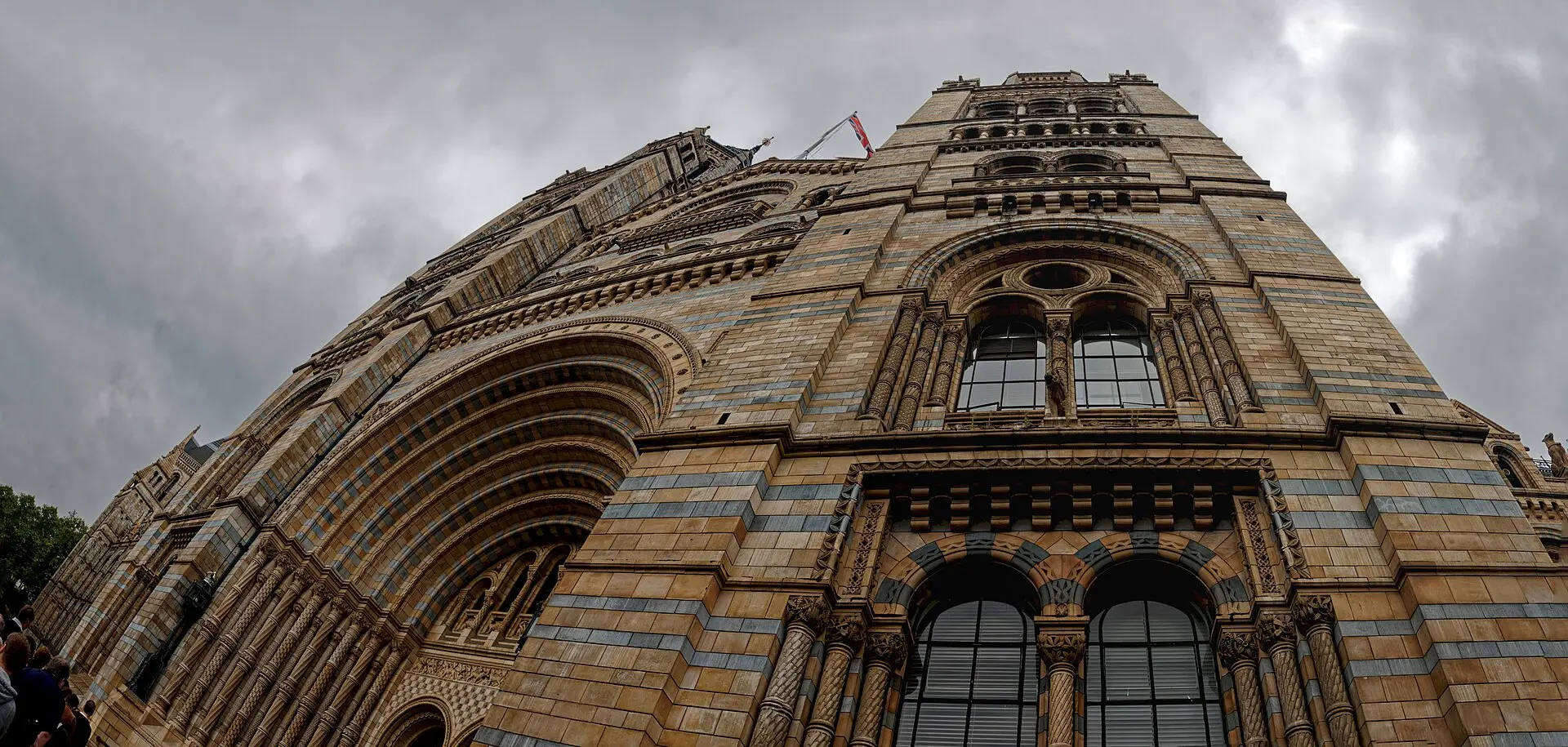
- Arrive at opening at the British Museum and the Natural History Museum. Late morning and school-holiday days are the worst.
- Reserve free slots where a museum offers them, and book special exhibitions as soon as you know your dates.
- Use a late-opening evening. Several national museums open late one night a week, and crowds are lighter after the school and tour-group peak.
- Go midweek, not weekends. Saturday and Sunday are the heaviest days in all the free museums.
- Do one anchor per half-day. Nothing beats a short list for avoiding fatigue.
Getting around London between museums
Use the Tube, buses and the Elizabeth line, and pay with a contactless card or phone, which caps daily fares automatically. A zone 1 journey costs a few pounds, and daily capping keeps the total lower, but fares change, so check the Transport for London website. Walking works for the Covent Garden and Trafalgar Square pair and for Bloomsbury.
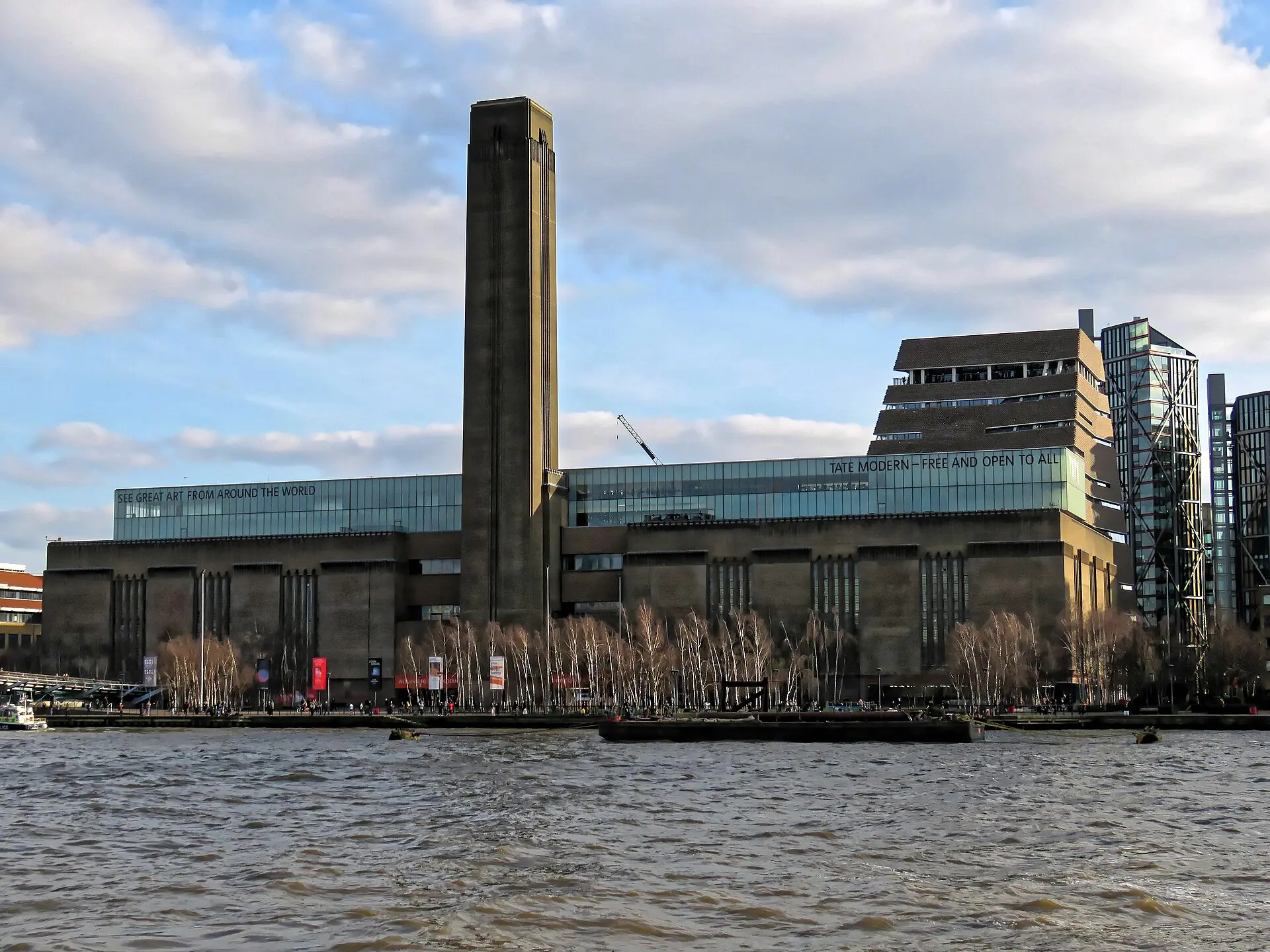
River boats link Tate Modern, the South Bank and Greenwich, and they are the most pleasant way to reach Greenwich if you have a spare hour. Buses are slower but give you a street view, and the Tube is quickest across zones. Avoid the Tube at the weekday peaks.
Where to stay in London for museums
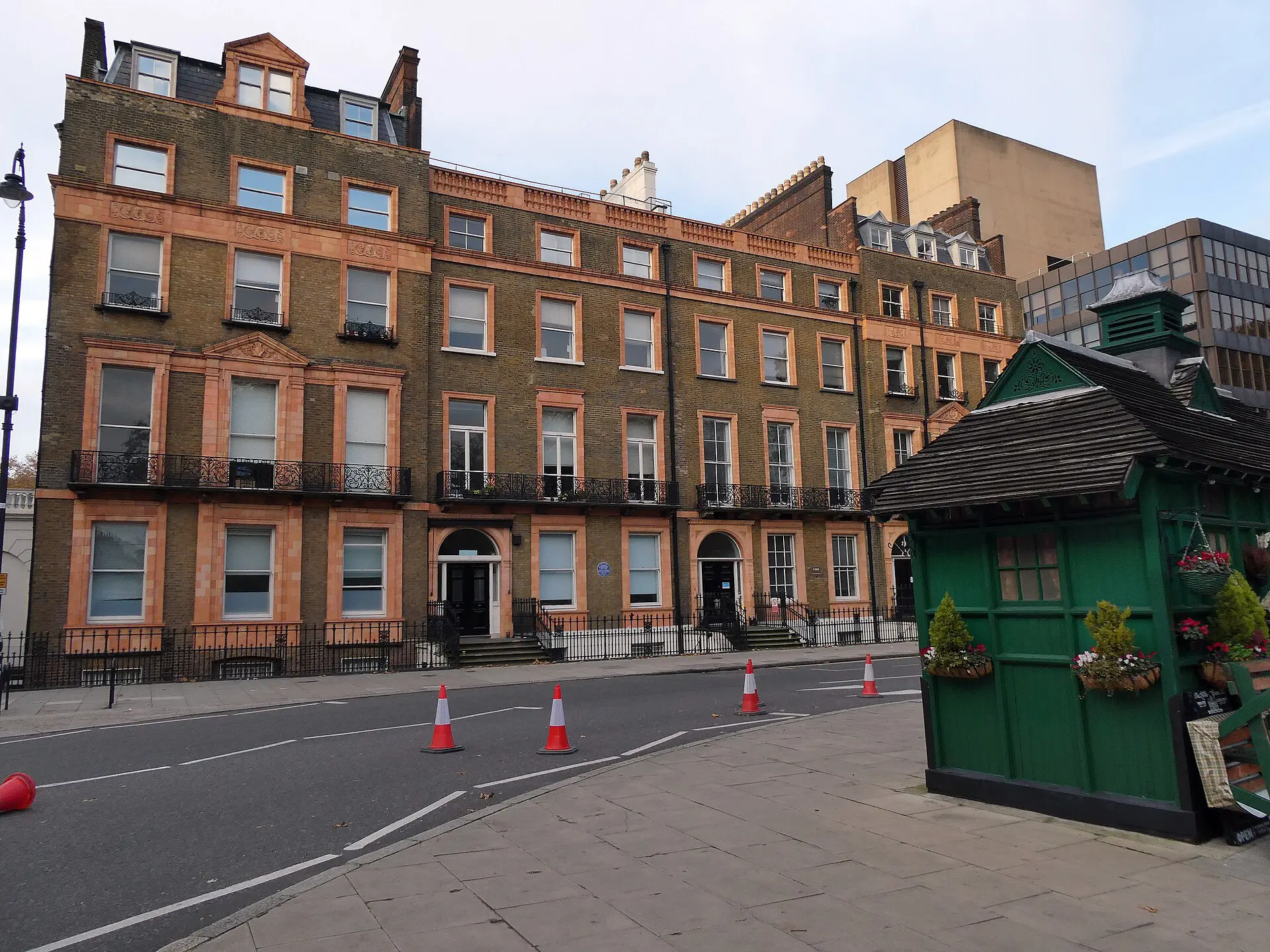
- Bloomsbury and Covent Garden: central, walkable to the British Museum and the National Gallery. Hotels are expensive.
- South Bank and Southwark: close to Tate Modern and Borough Market, with river walks and good rail links.
- South Kensington: best for the big three there, quieter in the evenings.
- Zone 2 areas such as King’s Cross: better value, with fast links to Bloomsbury.
What to skip if you are short on time
If you have one day, skip Greenwich, South Kensington and the house museum, and do the British Museum, the National Gallery and Covent Garden. With two days, add Tate Modern and Borough Market. I would skip trying to cover the Natural History Museum and the V&A in one afternoon.
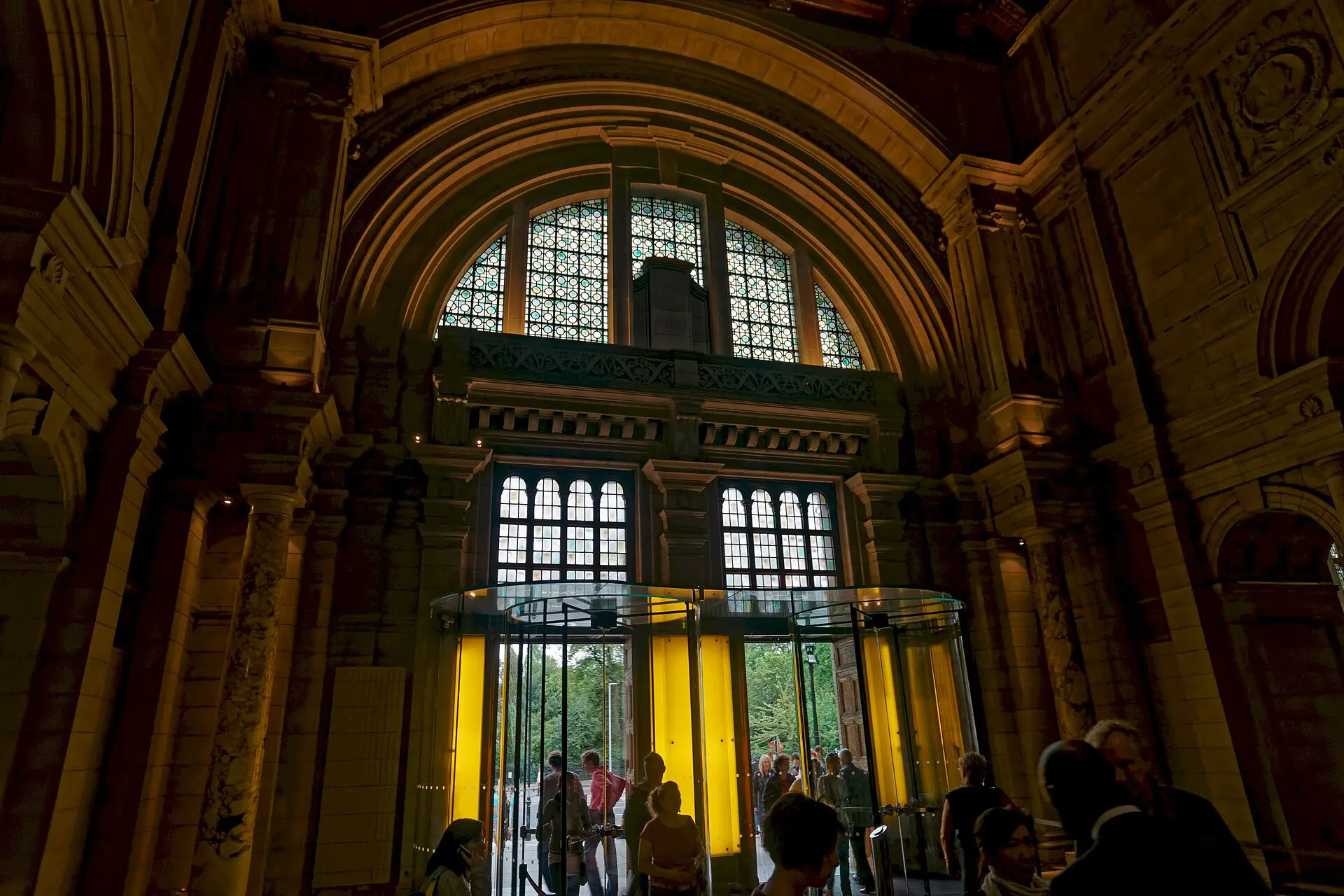
The free museums can tempt you to drop in and out all day. A better rule is to leave once you have seen your three chosen galleries. For background, read the Wikivoyage London guide or Wikipedia.
FAQ about museums in London
Are London museums really free?
The main national museums are free for their permanent collections, including the British Museum, National Gallery, Tate Modern, V&A, Natural History Museum and Science Museum. Special exhibitions are ticketed. Some venues ask you to reserve a free timed slot, so check each website before you go.
What are the top museums in London for a first visit?
Most first-time visitors choose the British Museum, the National Gallery and Tate Modern, which cover world history, European painting and modern art. Add the V&A or Natural History Museum on a second day.
How many museums can you visit in a day in London?
Two is a sensible maximum: one in the morning and one in the afternoon, with lunch and a walk between them. Three is possible only if one is small, such as Sir John Soane’s Museum.
Do you need to book London museums in advance?
For permanent collections, often not, though timed slots reduce queues at the busiest sites. Book special exhibitions and any paid attractions ahead. Midweek mornings and late-opening evenings are the easiest times to walk in.