3 days in London is enough to see six major anchors if you pair each with one street or market and keep the transport short. The plan below runs in time blocks, Bloomsbury and the South Bank on day one, the City and Soho on day two, and Kensington and Greenwich on day three. If you only have one day, do the British Museum in the morning and the South Bank walk in the afternoon.
How to use your 3 days in London
London sprawls, and the main error is crossing the city six times. Group each day by area, take one anchor per half-day, and use the street scene around it as the second half of the block. Most of the large museums are free to enter, but special exhibitions and some sights are ticketed, so book those first and fit the rest around them.
Wikivoyage describes the city as a megalopolis of historical sites, museums, markets and galleries. That is the problem and the opportunity: you cannot see it all, so let the map go and keep each block to one anchor.
| Day | Morning anchor | Afternoon anchor | Area |
|---|---|---|---|
| 1 | British Museum | Tate Modern and the South Bank | Bloomsbury and Southwark |
| 2 | Tower of London | National Gallery and Soho | City edge and West End |
| 3 | V&A Museum | Greenwich | South Kensington and south-east London |
Time-blocked plan for 3 days in London
Day 1 morning: British Museum and Bloomsbury
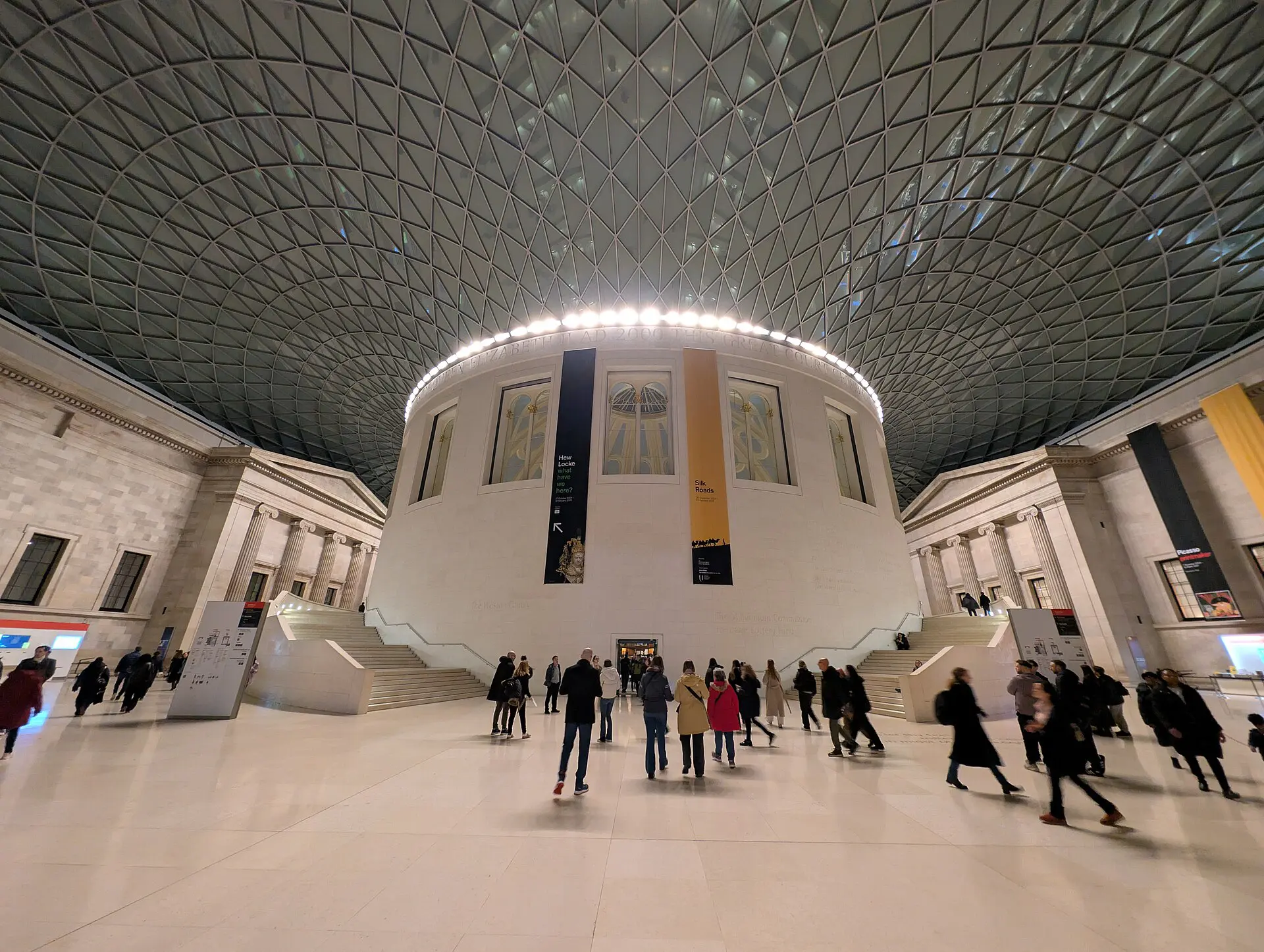
The British Museum is free to enter, but its collection is enormous, so pick a route. Spend 90 minutes on a few galleries, such as ancient Egypt and Greece, and then stop. Arrive at opening time, since queues and crowds build from late morning. Afterwards, walk the Georgian squares of Bloomsbury and the bookshop streets nearby for a quieter hour. Check the museum’s current opening hours and any timed-entry rules before you go.
Day 1 afternoon: Tate Modern and Borough Market
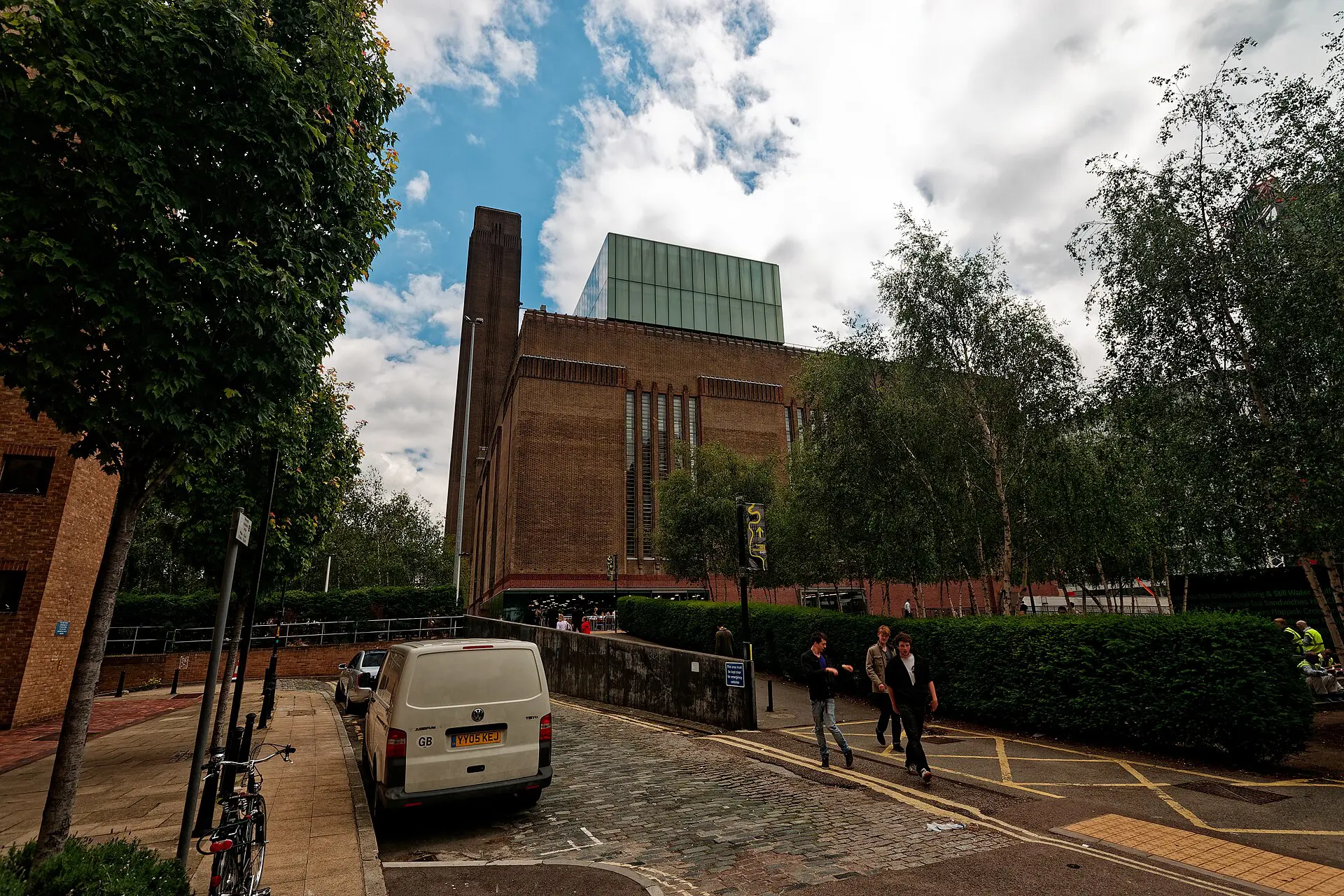
Take the Tube or a bus to the South Bank. Tate Modern, a former power station, is free for the main collection, and the viewing level gives a skyline view across the river. Allow 90 minutes. Borough Market is a short walk east and is best for a late lunch, though trading days and hours vary through the week, so check them first. Finish with a walk along the river path toward Westminster as the light drops.
Day 2 morning: Tower of London and the river edge
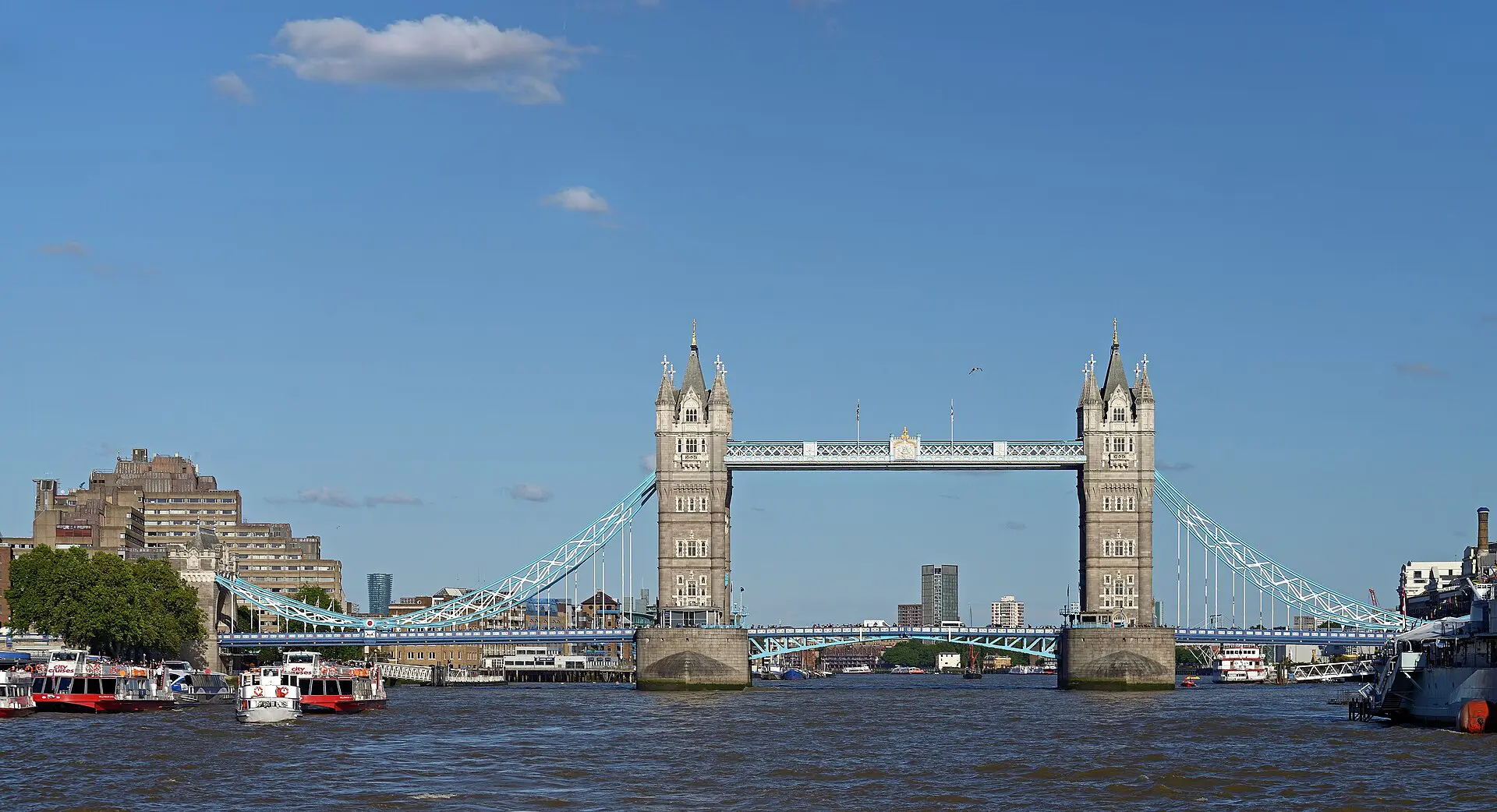
The Tower is a ticketed anchor and one of the busiest sights in the city, so book a timed entry and arrive at opening. Allow around three hours, including the Crown Jewels queue, which is shortest first thing. After the Tower, walk the river path east to Tower Bridge. Keep to this one anchor, since the Tower fills a morning by itself.
Day 2 afternoon: National Gallery and Soho
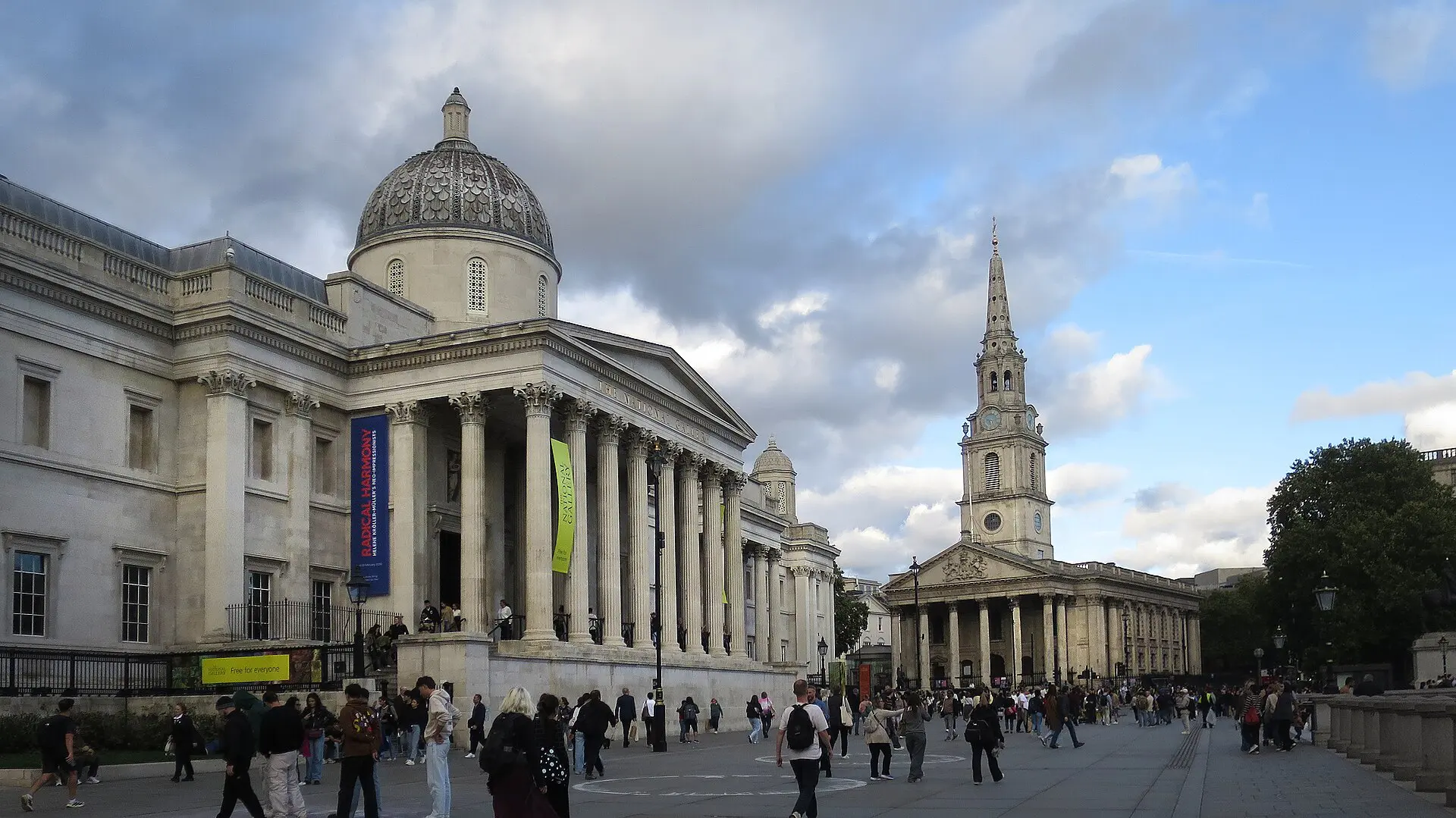
Take the Tube or a bus to Trafalgar Square. The National Gallery has free general admission and a collection that runs from the early Renaissance to the Impressionists. Choose one or two wings, not the whole building, and give it 90 minutes. Then walk into Soho and Chinatown for the street scene: narrow lanes, food counters and small theatres. Late afternoon is better than evening for browsing, before the pubs fill. If you want a free evening anchor, check which museums keep late hours on a given night this season, and swap the Soho stroll for one.
Day 3 morning: V&A and South Kensington
South Kensington holds three large museums within a short walk. For a culture-first trip, choose the V&A, which covers design, fashion and decorative arts, and skip the other two unless you have children or a specific interest. The Natural History Museum draws long queues, especially at weekends, so go on a weekday if you do add it. Free entry applies to the permanent galleries; check what needs a ticket. For more detail on which to book and which to skip, see top museums in London.
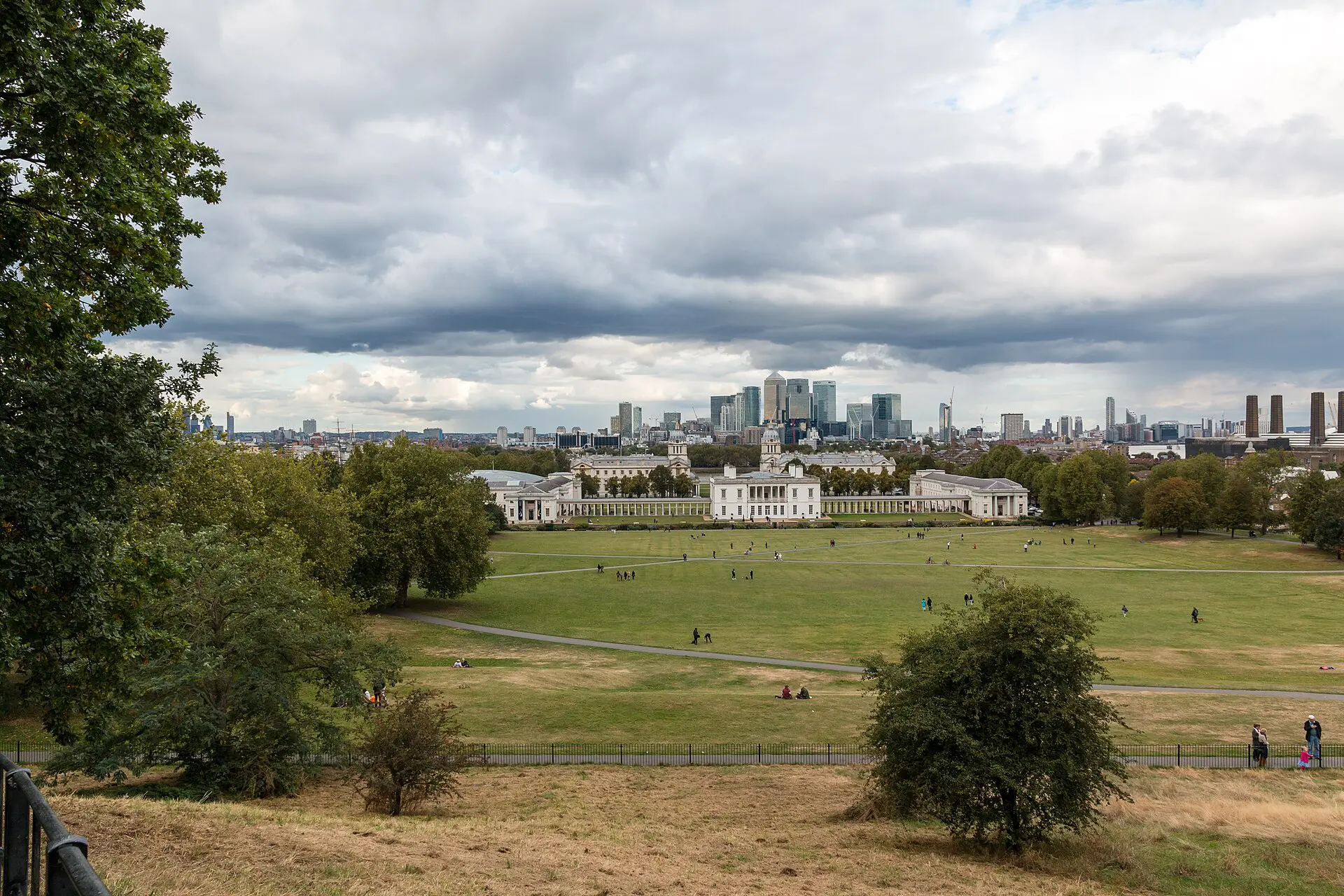
Day 3 afternoon: Greenwich
Go by river boat or by rail to Greenwich, a UNESCO World Heritage site on the south bank. Combine the Royal Observatory, the park and the Cutty Sark, then eat in the covered market. Allow three to four hours. This is the best use of the last afternoon because it is out of the central crush and offers views back across the river. The market runs on most days, but not every stall opens daily.
Queue-avoidance timing
Queues in London are mostly a function of the clock, not the season. The pattern is the same at almost every big site: a surge at opening, a plateau from late morning to mid-afternoon, then a drop in the last two hours. Plan your timed tickets for the first slot or the last, and use the middle of the day for walking and eating.
- Arrive at opening: the British Museum, Tower of London and V&A are all quietest in the first hour.
- Go midweek: Tuesday to Thursday is lighter than weekends in most museums.
- Book timed tickets: required or strongly advised for the Tower and for special exhibitions.
- Late openings: some museums stay open late on one evening a week, which is a good time for a quieter visit; check the current schedule.
On opening patterns: Monday is the day when a few smaller museums and some markets are shut, while the biggest national museums generally stay open daily. Weekend markets such as Portobello Road and Columbia Road run on specific days only, so check which fall on your dates before you swap them into the plan.
Getting around London
London is large, but your three days are not. Every block above stays within one or two Tube hops of the previous one.
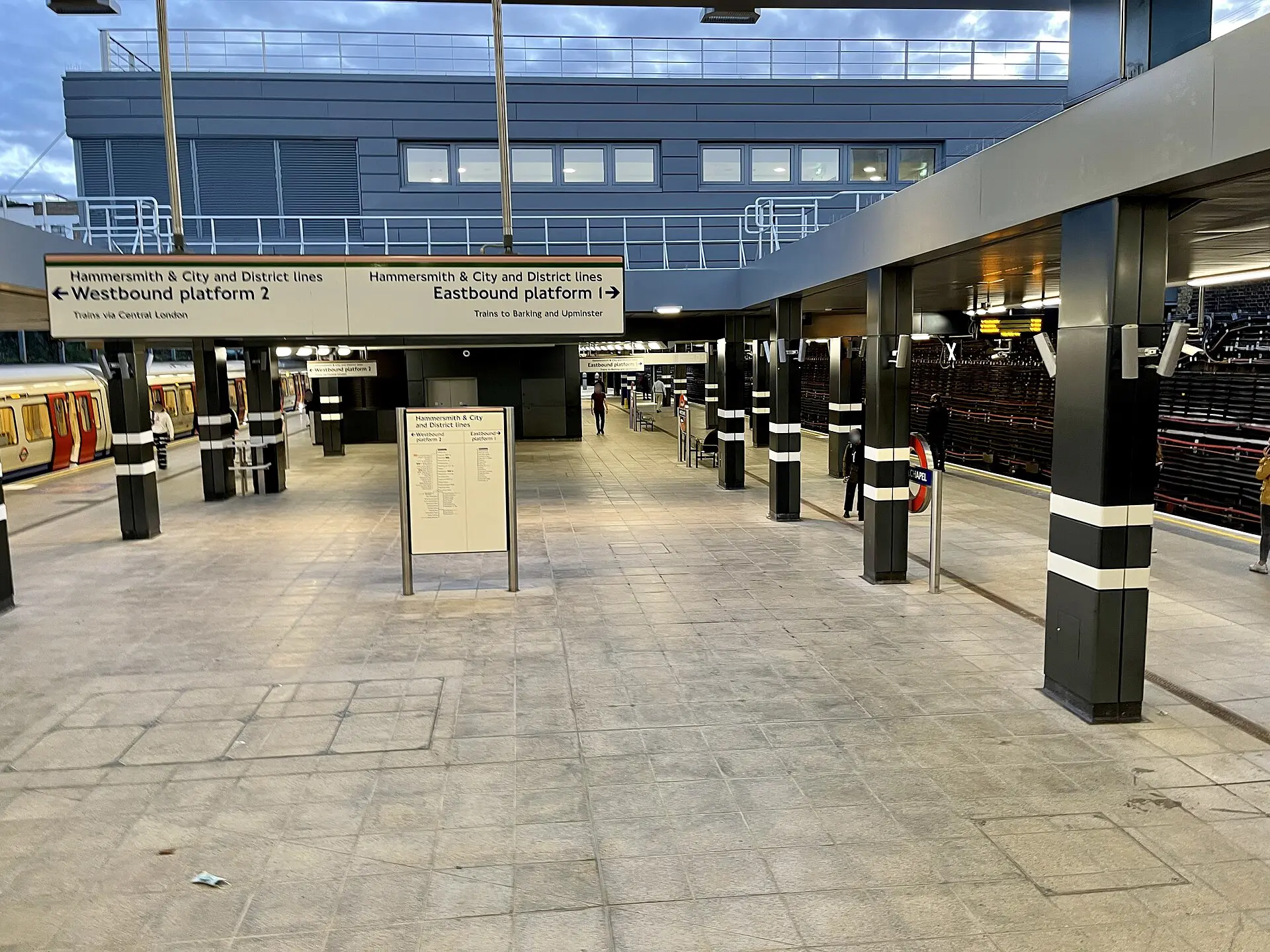
Use the Tube, buses and the river boats, and pay with a contactless bank card or a phone, which are accepted across the network, with daily caps applying. A walking-heavy day with two cross-river hops saves time compared with taxis. Keep walking between close sights: Trafalgar Square to Soho is a ten-minute walk, and the South Bank path links Tate Modern to Westminster. Allow extra time during rush hours and avoid the Tube between 8am and 9:30am if you can.
Planning for one more day or a different base? See the London guide for neighbourhoods and the wider United Kingdom travel guide.
Where to stay for 3 days in London
- Bloomsbury and Covent Garden: central, walkable to the British Museum and the West End. Expensive, but it saves transport time.
- South Bank and Southwark: close to Tate Modern and Borough Market. Good river views and quieter evenings.
- South Kensington: the right base for the V&A and a quick Tube link to the centre. Quiet at night.
- Shoreditch and the East End: cheaper and livelier, but a longer ride to the western anchors.
For a fuller comparison, read where to stay in London.
What to skip if you are short on time
Cut Greenwich first if the weather is bad, since it needs the most travel. Replace the Tower with a walk across Tower Bridge if you do not want a three-hour block. The Houses of Parliament and Westminster Abbey are worth a look from the outside, and I would skip the interiors on a first short visit unless you booked tickets already. Avoid trying to add Buckingham Palace, Camden and Notting Hill into the same days: one extra stop costs a block somewhere else.
FAQ about 3 days in London
Is 3 days enough for London?
Three days is enough for the main museums and a few neighbourhoods if you group sights by area. It will not cover everything, but it works for a first visit when each half-day has one anchor.
What should you do first in London on a 3-day trip?
Start with the British Museum at opening time, then move to the South Bank for Tate Modern. That pair puts a ticketless anchor and a river walk on day one, and leaves the timed Tower entry for day two.
Are London museums free?
Many national museums are free to enter, including the British Museum, Tate Modern’s main collection, the National Gallery and the V&A. Special exhibitions and some other sights, such as the Tower of London, charge, so check before you go.
Which day of the week is best for London sights?
Tuesday to Thursday is usually quieter than weekends. Monday can bring closures at smaller places. If your trip includes a weekend, use it for markets and keep the big museums for a weekday.