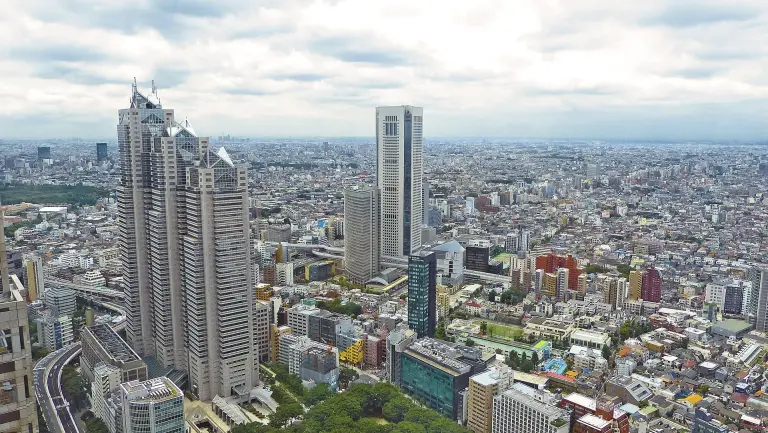
The best countries for first solo trip planning are Japan, Portugal, Ireland, New Zealand, Thailand, Croatia and Vietnam. They share four traits: easy arrivals, simple transport, plenty of ways to meet people and costs that suit most budgets. Below they are ranked on those criteria, with the trade-offs for each, so you can pick by what you need rather than by a photo.
How the best countries for first solo trip planning are ranked
Four practical criteria sit behind the ranking. None of them is about how pretty a country looks.
- Arrival ease: clear airport links, reliable onward transport, English signage, and a straightforward entry process. Visa rules change, so check the official source for your passport.
- Transport: whether you can move between cities by train, coach or short flight without a car, and without planning each leg weeks ahead.
- Social infrastructure: hostels with shared spaces, group tours, classes and a well-used backpacker route, so company is easy to find.
- Cost: whether a modest budget goes far, or whether rooms and meals take most of it.
I have left out safety scores. National rankings hide the difference between neighbourhoods and the effect of simple habits, so each entry below says what to do instead. The ratings are editorial judgements as of 2026, not official data, and you should check current government advice for any country before you book.
Best countries for a first solo trip at a glance
| Rank | Country | Arrival ease | Transport without a car | Social infrastructure | Cost level |
|---|---|---|---|---|---|
| 1 | Japan | High | Excellent | Medium | Medium to high |
| 2 | Portugal | High | Good | High | Low to medium |
| 3 | Ireland | High | Mixed in rural areas | High | Medium to high |
| 4 | New Zealand | High | Good by shuttle | High | High |
| 5 | Thailand | Medium to high | Good | Very high | Low |
| 6 | Croatia | Medium to high | Good on the coast | High in season | Medium |
| 7 | Vietnam | Medium | Good by train and coach | High | Low |
Ratings compare these seven only, not every country. Seasonal factors, such as winter closures and the rainy season, can change a rating, so check the month you plan to go.
Seven countries, in order
1. Japan: the easiest logistics
Trains and metros run on time, signs show English and station staff are used to confused visitors. Convenience stores and solo dining counters make eating alone routine, which removes a common first-trip worry. The trade-offs are cost and the need to plan around rush hours and last trains. Social entry takes a little more effort than in Thailand, so book a few classes and tours, or pick hostels with shared lounges. Cash is still useful in some places, so check before you rely on cards. See Solo Female Travel in Japan: A 10-Day First-Timer Route.
2. Portugal: small, friendly and well connected
Lisbon, Porto and the coast link up by train and short coach rides, and hostels in these cities are social without being rowdy. Day tours make easy conversation starters. It is also one of the cheaper options in western Europe, though prices in summer climb. Hills and cobbles are tiring, so pack shoes you can walk in. Evening is relaxed, with plenty of terraces and early dinners that are comfortable alone. See Solo Female Travel in Portugal: Lisbon, Porto and the Coast by Train.
3. Ireland: easy language, rural limits
English is the shared language, arrivals are simple, and group day tours cover the places buses do not. The catch is rural transport: evening services can be thin or absent, so plan to be back at your base before the last bus. Pubs are friendly places to sit alone, especially for an early meal, and live music nights make it easy to share a table without forcing conversation. See Solo Female Travel in Ireland: Hostels, Day Tours and Rural Buses.
4. New Zealand: scenery with shuttle logistics
Backpacker shuttles, social hostels and guided day hikes make company easy, and the tourism system is built for independent travelers. It is expensive, and distances are long, so build in travel days. Check trail conditions, carry layers because the weather changes fast and tell someone your hiking plan. Group day hikes are a good first option. See Solo Female Travel in New Zealand: Hostels, Shuttles and Day Hikes.
5. Thailand: the most social route
The well-worn route from Bangkok to the islands has hostels, classes and boat tours aimed squarely at people travelling alone, and costs are low. Arrival logistics are manageable with a pre-booked first night, and ride-hailing apps and fixed-fare options help in cities. Check ferry schedules and heat levels, and think about travelling in the cooler months. Island ferries can be cancelled in rough weather, so keep a spare day. See Solo Female Travel in Thailand: A First-Timer Route from Bangkok to the Islands.
6. Croatia: best in shoulder season
Coastal towns and islands are linked by ferries and coaches, which is simple when you have the timetable. In summer, it is busy and costs rise, while in the shoulder months you get quieter towns and lower prices, with fewer ferries. For the best countries for first solo trip lists, Croatia works best if you book the ferries and rooms in advance. Check schedules and plan buffer days.
7. Vietnam: cheap and sociable, with a steeper learning curve
Trains and sleeper coaches run the length of the country, hostels in the main cities are social and costs are low. Traffic, crossing roads and negotiating fares take some getting used to, so use ride-hailing apps and join a tour in the first days. Check e-visa and entry rules with the official source.
How to choose between two close countries
When two countries tie on the table, break the tie with three questions. What time of year can you travel, and is it the good season there? How many days of flying can you handle? And how much do you want company built in?
- If you want zero-friction logistics: Japan or Portugal.
- If you want company built in on a budget: Thailand or Vietnam.
- If you want landscapes with an organised hostel and shuttle network: New Zealand.
- If you want a short flight from Europe and shared language: Ireland or Portugal.
- If you want a summer coast with islands: Croatia, ideally outside July and August.
Neither choice is permanent. A first trip of 10 to 14 days in one of these seven is a low-risk way to learn what you like: pace, company, budget and how much planning you enjoy. Plenty of people use a gentle first trip to build confidence, and then go somewhere harder.
Common mistakes and edge cases
- Choosing by photo. A beautiful island can be a three-leg journey with a ferry that stops in bad weather. Pick on logistics first.
- Cramming too many cities. A first trip works better with two or three bases than seven stops.
- Ignoring the season. Monsoon, winter and peak summer change prices, transport and the number of other travelers.
- Underestimating jet lag. Plan an easy first day and a gentler first week in a long-haul destination.
- Assuming a safe country means no habits needed. Phone theft, rides and drinks still need ordinary care anywhere.
- Treating this list as a limit. Morocco, Colombia, Mexico and Peru all work for solo travelers with more experience, and some places inside them, such as smaller towns, are gentler starts than the capitals.
What to verify before you rely on it
- Entry and visa rules for your passport, from the official government source.
- Current government travel advice for your destination.
- Transport schedules and last services, especially for rural buses, ferries and night trains.
- Seasonal closures, weather and festival dates.
- Insurance that covers medical care, delays and your gear, including activities such as hiking, diving or scooters.
- Your passport’s validity window, since many countries expect six months remaining, though rules differ.
- Reviews for your first-night accommodation from the past few months.
Where to go next
If you picked a country, read its solo guide for areas to sleep in, arrival times and ways to meet people. If you are still deciding, start with the table, choose two countries and compare the season. The Japan, Portugal, Ireland, New Zealand and Thailand guides linked above each include arrival-time advice and a plan for where to sleep.
Best countries for a first solo trip: FAQ
What is the easiest country for a first solo trip?
Japan is the easiest for most people because of its transport, signage and everyday convenience. Portugal and Ireland come close, with English or easy-to-learn basics and gentle social settings. The right answer also depends on budget, language and how much planning you want to do.
What is the cheapest country on this list?
Thailand and Vietnam usually cost the least day to day, with Portugal cheaper than most of western Europe. New Zealand and Japan sit at the higher end. Costs depend on season, accommodation and how often you take paid tours, so check current prices for your dates.
Where is the best place to meet people on a first solo trip?
Thailand’s backpacker route and New Zealand’s hostel and shuttle network are the most social, with group tours and classes everywhere. Portugal and Croatia are also easy. Choose accommodation with a shared space and book one group activity in your first two days.
How long should a first solo trip be?
Ten days to two weeks is a good first length, with two or three bases. It is long enough to settle in and short enough that a bad day does not define the trip. You can always extend once you find your rhythm.
Is it better to start in Europe or Asia?
Both work. Europe usually has simpler language and entry, shorter flights and easier rail, while Asia offers lower costs and more social backpacker routes. Pick based on your budget, the season and the flight time you can handle, and check entry rules for each.