Solo female travel Ireland is an easy first trip: English is spoken everywhere, hostels are sociable, and most people are quick to chat. The trip is mostly about transport, not danger. Rural buses stop early, Sundays are thin and the weather changes plans, so a loose route with group tours for the remote parts works best. Below: where to sleep, how to move, how to meet people and how to enjoy a pub evening alone.
Arrival card: landing in Dublin, Shannon or Cork
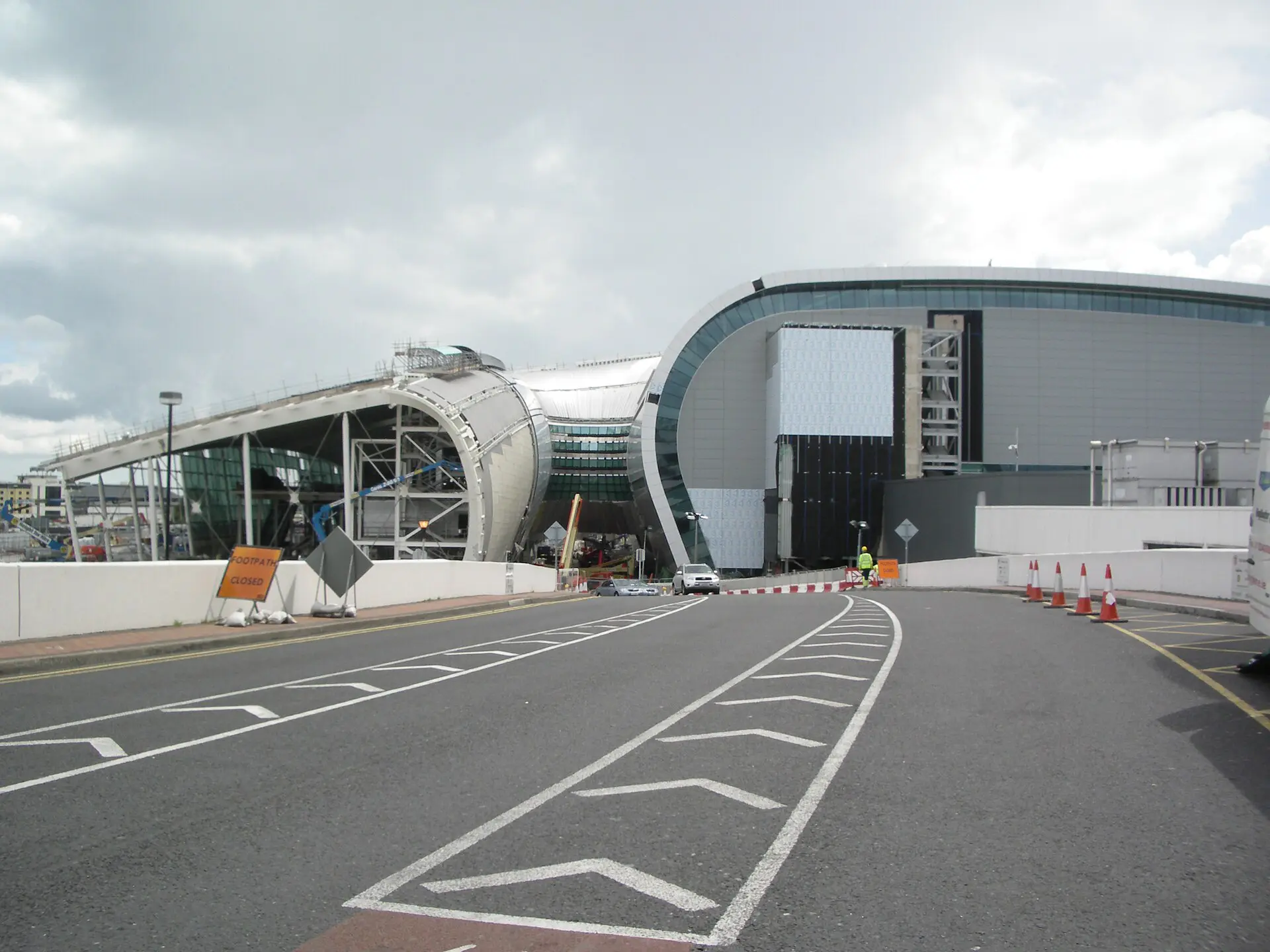
Dublin Airport is the main gateway, with airport buses to the city centre taking roughly 30 to 45 minutes depending on traffic. Several services run late, and some run through the night, but check the current timetable before you fly. Shannon and Cork have their own bus links, so confirm the last departure if you land late.
- Lands before 7 pm: bus to the centre, check in and take a short walk to find food, a shop and the route back.
- Lands 7 pm to 11 pm: bus or a pre-booked taxi. Use the official rank or a ride-hail app, not an unmarked car.
- Lands after midnight: book an airport-area hotel or a hostel with 24-hour reception, and confirm late check-in in writing.
Download an offline map and the national bus and rail apps before you land. Pack a waterproof jacket in your carry-on, because you may need it on the first walk.
Solo female travel Ireland: an eight-stop route
The route below follows the bus and rail network. Dublin to Galway and Cork are straightforward; the rural stops are where planning pays off.
1. Dublin (3 nights)
Stay near Temple Bar edges, Smithfield or the city centre for walking distance to buses and trains. Temple Bar is loud at night, so pick a room off the main street. Day plans: Trinity College, the museums, and a walking tour on day one.
2. Galway (2 nights)
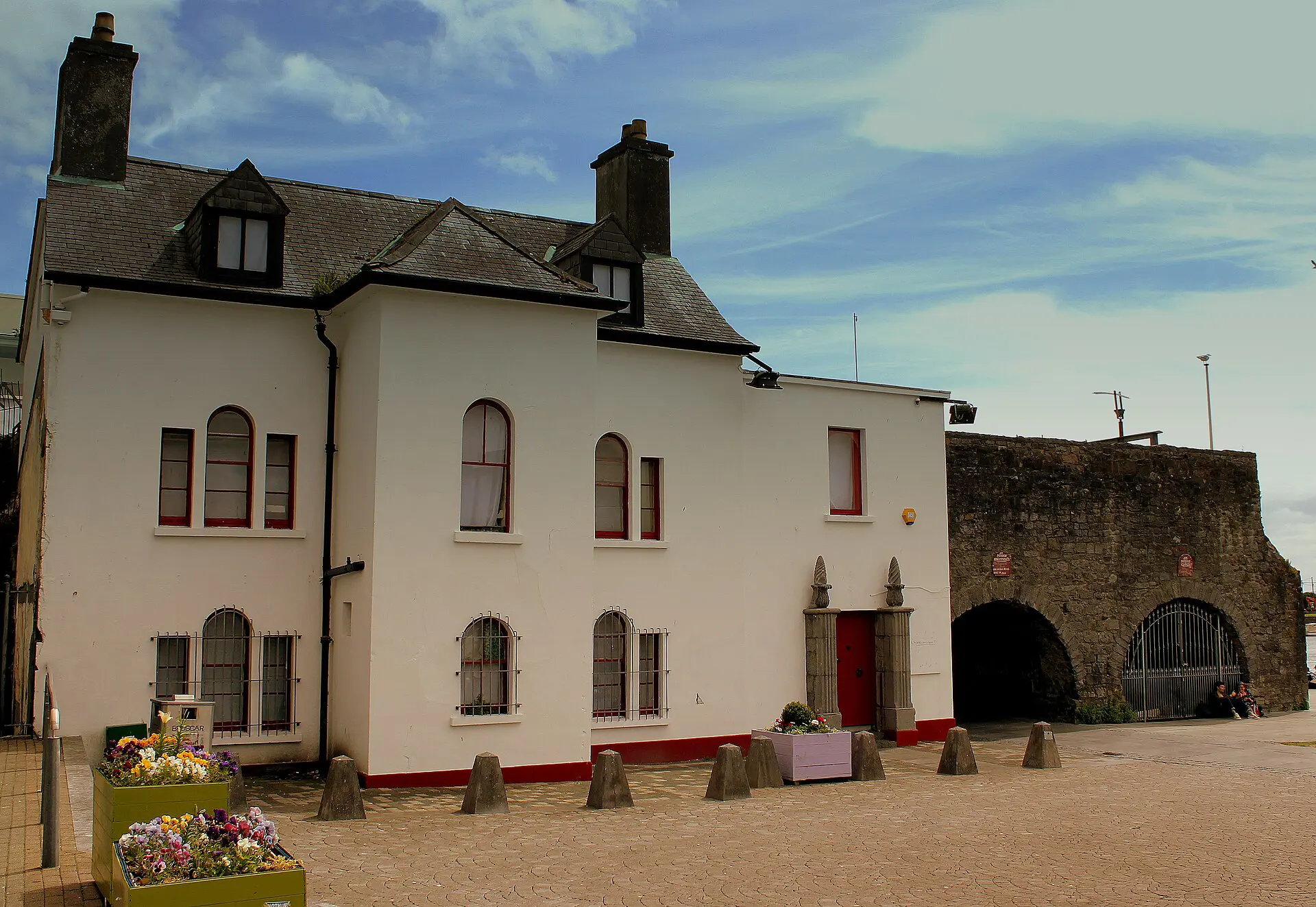
About 2.5 hours by bus or train from Dublin. Galway is compact and social, with street music and hostels near the centre. It is also the base for tours to the Cliffs of Moher and Connemara.
3. Aran Islands (1 night, optional)
Ferries run from near Galway and from Doolin in season. Inis Mor has hostels and bike hire. Check the final ferry time, since weather can cancel crossings, and book a bed before you board.
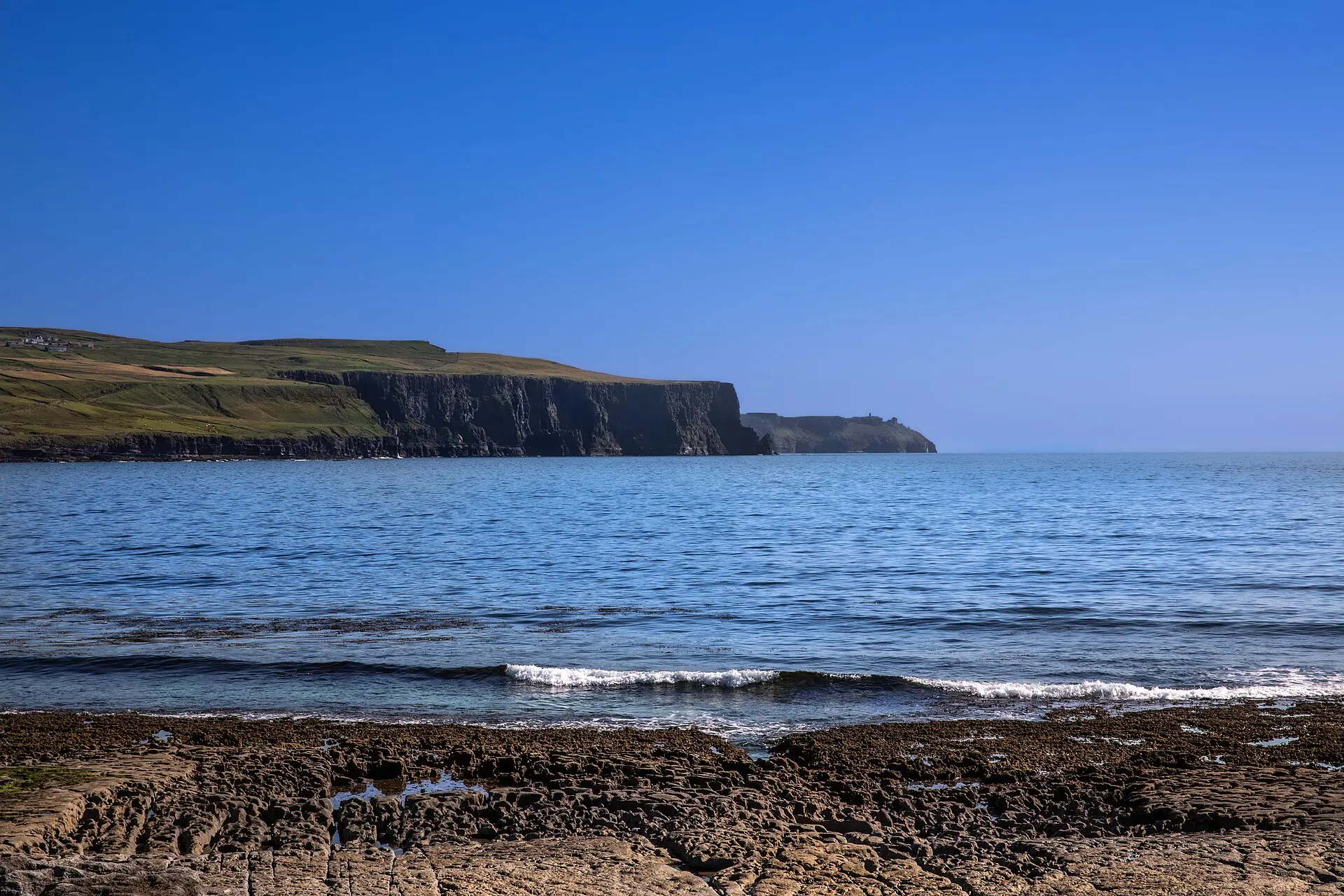
4. Cliffs of Moher and Doolin (1 night)
A group day tour from Galway is the easiest way to see the cliffs. Doolin is a small music village with hostels, and buses here are limited, so confirm your onward leg before you arrive.
5. Killarney (2 nights)
Killarney is a tourist town with a national park on its doorstep. Stay near the town centre. Walks and jaunting car rides around the lakes are easy in daylight, and small-group tours cover the Ring of Kerry.
6. Dingle (2 nights)
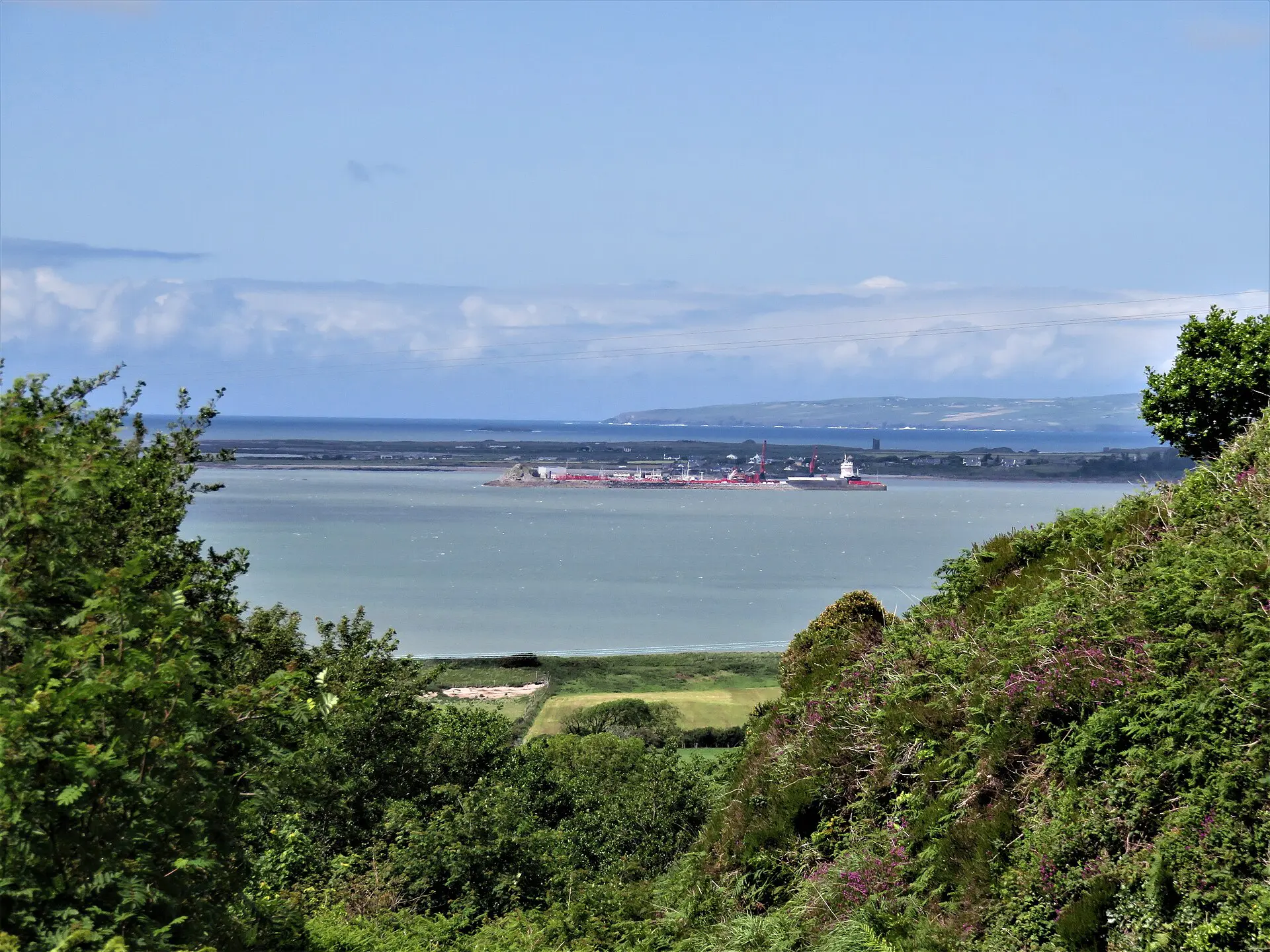
A small harbour town on the peninsula of the same name. Bus connections are limited, so check the last bus from Killarney or Tralee. Evenings centre on pubs with live music, and the boat trips from the harbour are easy for solo visitors.
7. Cork and Kinsale (2 nights)
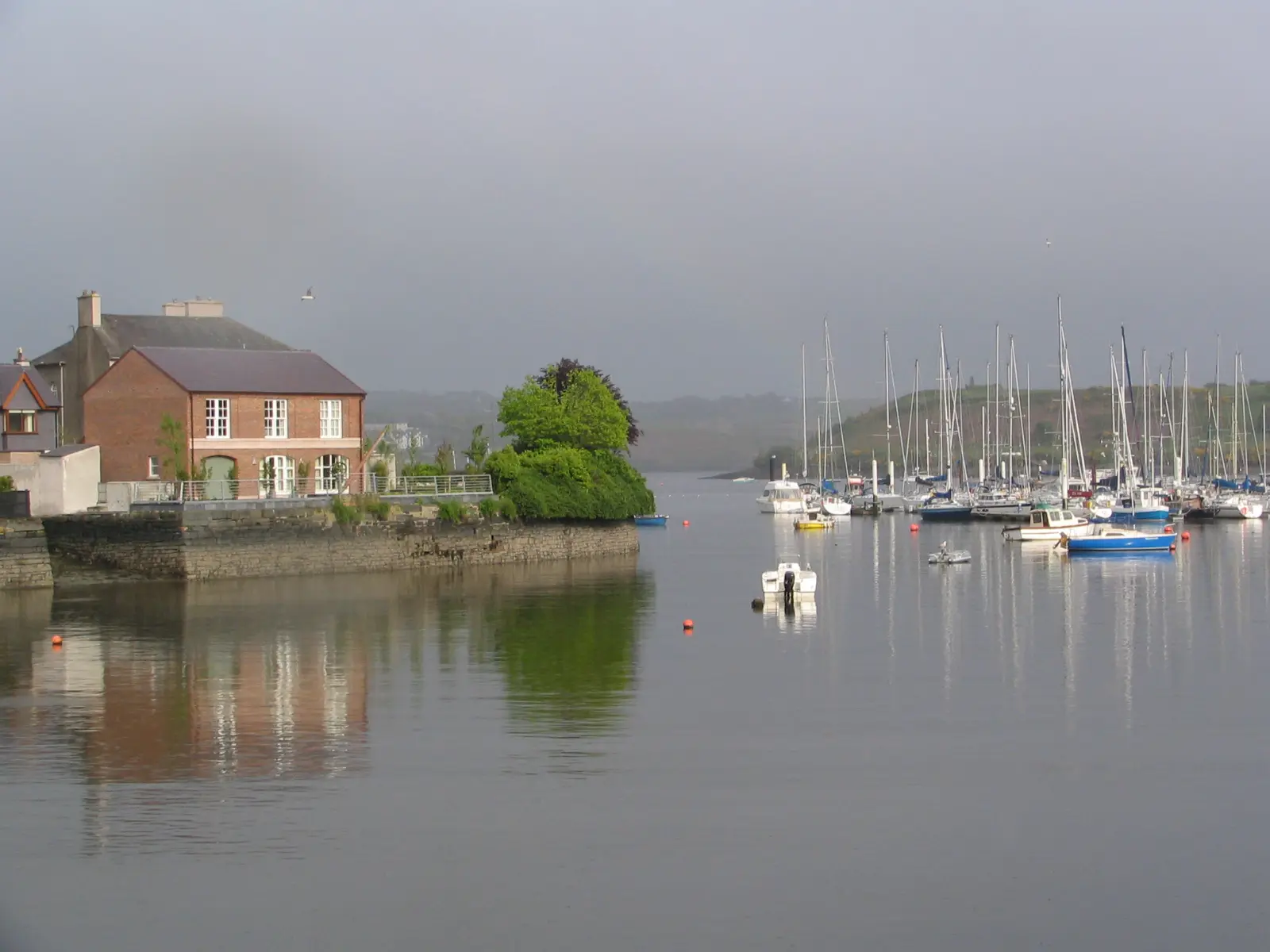
Cork is Ireland’s second city, with a covered market and a good food scene. Kinsale is a short bus ride away. Stay in Cork city centre and visit Kinsale for the day, returning before dusk.
8. Belfast and the Giant’s Causeway (2 nights, optional)
Northern Ireland is part of the United Kingdom and uses pounds sterling. Belfast is a short train or bus ride from Dublin. A day tour covers the Giant’s Causeway and the coast road, which saves you a long rural bus day.
A good first evening in Dublin, from a 4 pm check-in: walk about 20 minutes to get your bearings while it is still light until 9 pm or later in summer, eat early at a busy place near your bed, and take the one live-music session that starts at around 9 pm only if you can walk or ride home easily afterwards. In winter it is dark by about 4:30 pm, so shift everything an hour earlier.
Hostels or B&Bs: where to sleep as a solo woman
Ireland offers both, and each suits a different mood.
- Hostel: the easiest place to meet people. Many have female dorms, lockers and common kitchens. Read reviews for noise, heating and distance from the bus stop.
- B&B or guesthouse: a private room and a cooked breakfast, usually run by hosts who will tell you which bus to catch. Good for small towns where hostels are few.
- Mix: hostels in Dublin, Galway and Dingle, and a guesthouse where the nights are long and quiet.
Book ahead from June to August, and for festival weekends. For a full cost comparison, see Ireland Trip Cost: Car Hire, Rail or Coach Tour?.
Getting around Ireland alone: rural buses and night cut-offs
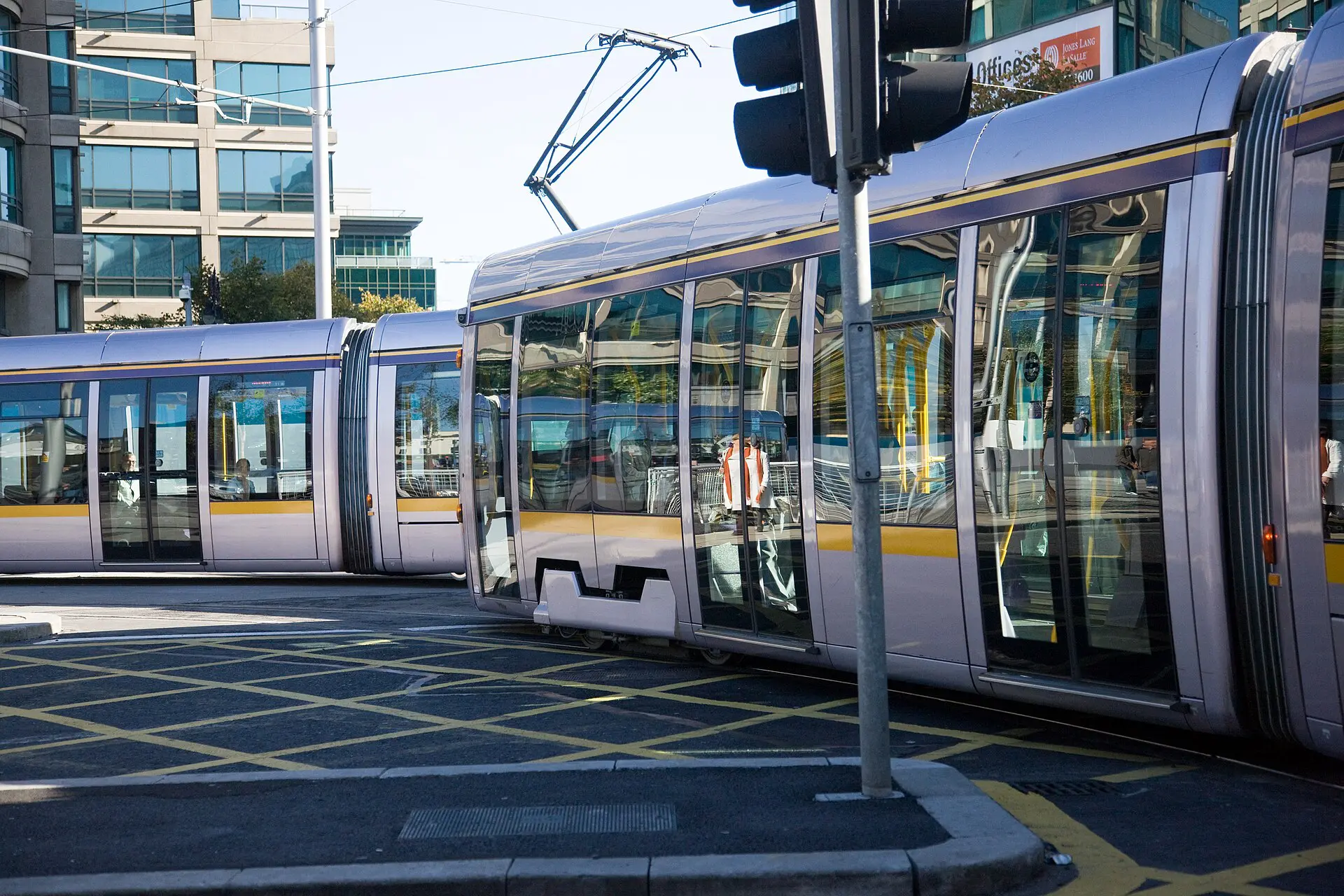
Rail and intercity coaches are reliable between big towns. The gap is rural Ireland: in many areas the last bus leaves in the early evening, and Sunday service can be reduced or missing. Plan so you arrive before dark, and check the timetable the day before you travel.
- Do not plan a late arrival in a village unless your bed is booked and you know how you will reach it.
- Rural roads are narrow and unlit, so walking along them after dark is not advisable.
- Taxis are scarce in small places. Ask your host or the bus driver for a local number, and book it in advance.
- If you hire a car, remember that Ireland drives on the left and many roads are single-track with passing places.
A group tour cuts through these problems, because the driver handles the last leg. For general planning, the Ireland travel guide lists regions and seasons.
How to meet people when you travel solo in Ireland
Ireland makes company easy if you use group structures. Start low, and move up.
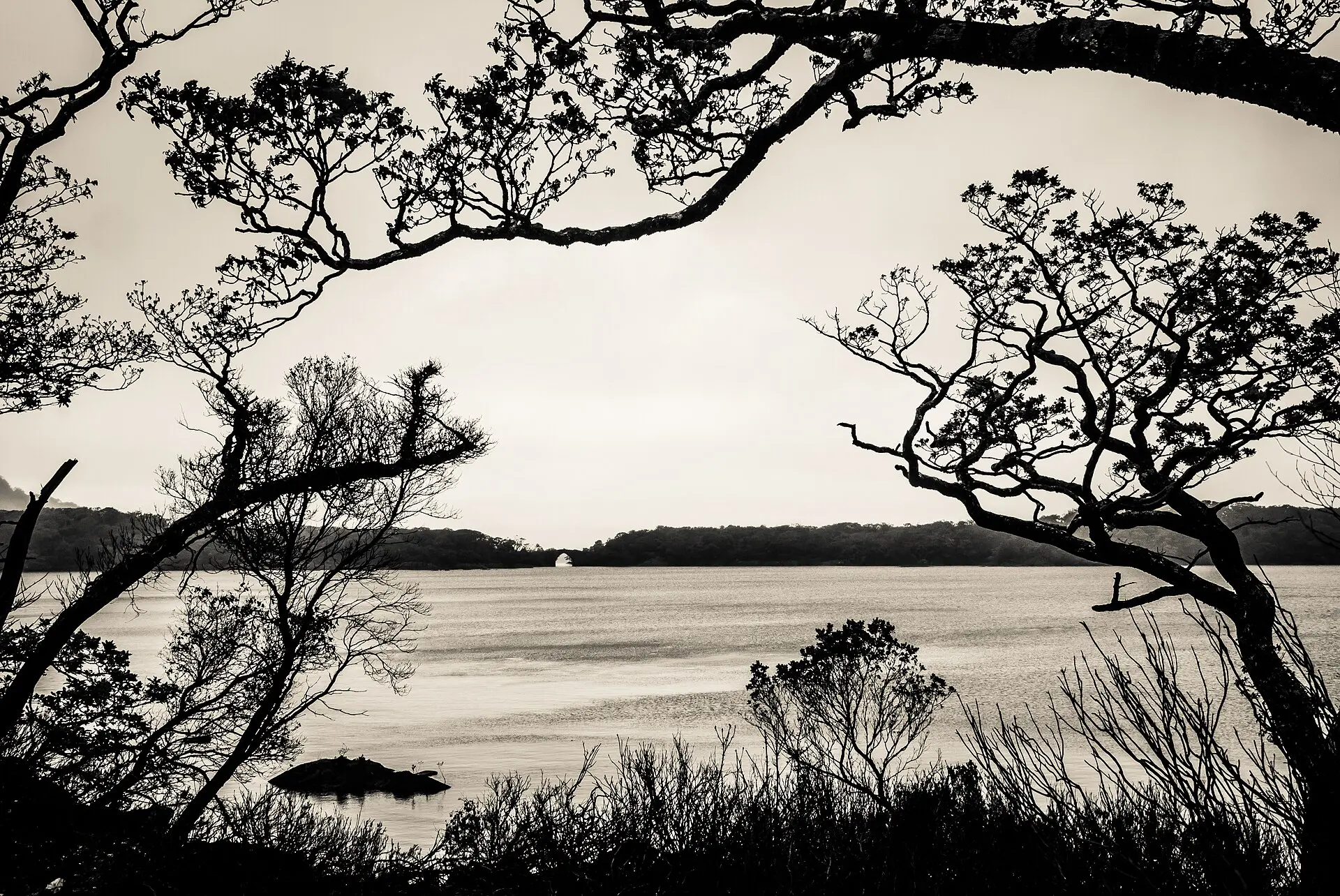
- Lowest effort: sit at a pub bar or hostel kitchen table. Locals and staff talk readily.
- Low effort: a group day tour, with set times and a driver, to the Cliffs of Moher, Connemara or the Ring of Kerry. Check the group size and the hours.
- Medium effort: a walking tour, a trad music workshop or a food tour in Dublin, Galway or Cork.
- Higher effort: a hostel pub night, a boat trip or a coastal walk with a guide.
Group tours are the best entry point, because they give you a reason to talk and a ride home. A full-day coach tour from Galway to the Cliffs of Moher usually lasts 8 to 10 hours and costs roughly 40 to 70 euros, though prices vary by season and operator, and many people end up eating dinner together afterwards. Read recent reviews, check that the pickup is somewhere you can reach on foot, and ask what happens if the weather closes the cliff paths.
What to do after dark in Ireland: pub-evening comfort rules
A pub is the Irish default for an evening, and it is comfortable alone if you know the rhythm.
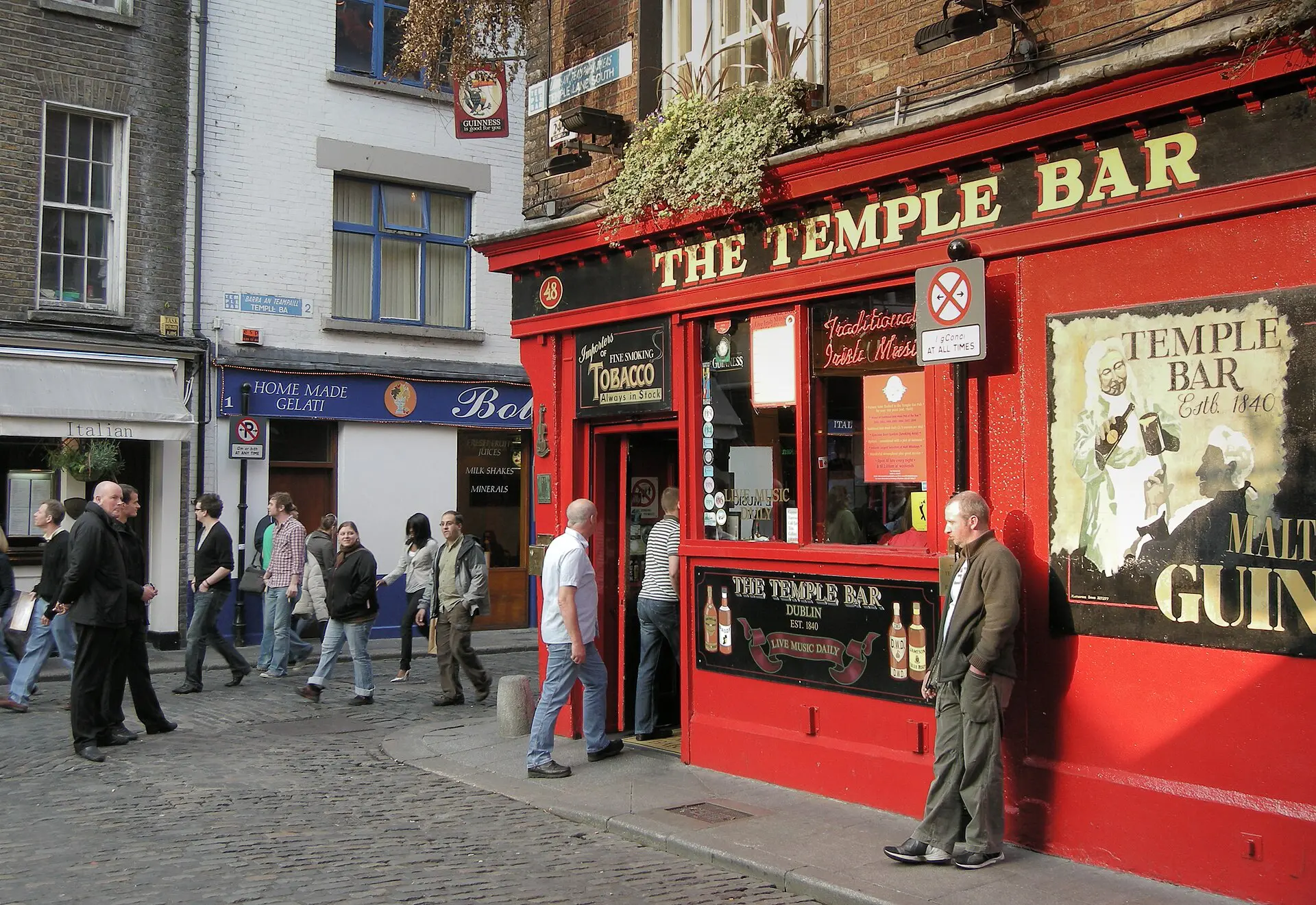
- Order at the bar. Many pubs have no table service. Pay as you go and keep your receipt if asked.
- Sit near the music. A traditional session is easy alone, because you are there to listen. Order a drink, stay a set or two, then leave.
- Rounds are optional. You are not obliged to join a group’s round. Say “I’m grand, thanks” and pay for your own.
- Keep your drink with you. Order a fresh one if it has been out of sight, and ask bar staff for help if someone is bothering you.
- Know your last transport. Pubs close around 11:30 pm to midnight, and rural buses are long gone by then.
Not a pub person? Try a cinema, a late bookshop, a harbour walk before dark, or a hostel quiz night.
Solo female travel Ireland budget bands
As of 2026, and hedged because prices rise in summer, a trip on hostel dorms, bus travel and self-catered meals can run roughly 60 to 90 euros a day. A comfortable mix of private rooms, pub meals and a couple of day tours is often 120 to 200 euros a day. Ireland is not a cheap country, so the tight-budget traveler gains the most from cooking in hostel kitchens, shared tours and off-season dates.
Spend more on a bed near the bus station in a small town, and on one guided day in a remote area. Save on rental cars you do not need, and eat your largest meal at lunch.
Staying safe in Ireland: specifics and boundary scripts
Ireland is generally safe for solo women, and violent crime against visitors is uncommon. The ordinary risks are bag theft in Dublin’s busy streets, drink-related trouble around closing time and getting stranded by weather or buses. A few habits cover that.
- Keep your bag zipped and in front of you around busy tourist streets, and leave nothing visible in a parked car.
- If someone will not leave you alone in a pub: “I’m here with friends, thanks” and walk to the bar or staff.
- If you feel uncomfortable on a late bus or train, sit near the driver or in a busy carriage.
- Tell your hostel or host where you are going and when you will be back, especially for a hike.
- Emergency numbers: 112 or 999. For coastal and hill walks, carry a charged phone and check the weather before you set out.
For more background on regions and history, see Wikivoyage’s Ireland guide. Check your government’s current travel advice before you go.
Solo female travel Ireland FAQ
Is Ireland safe for solo female travelers?
Ireland is generally considered safe, and many women travel alone there. Petty theft in Dublin and drink-related trouble at pub closing time are the main issues. Choose reviewed hostels, keep a drink in sight, and know your last bus or taxi before you go out.
Is Ireland good for a first solo trip?
Yes. There is no language barrier, hostels are social, and group tours cover the remote scenery. The challenge is transport, because rural buses are infrequent and the weather is changeable. A route built around Dublin, Galway, Killarney and Cork with tours for the rest keeps the planning light.
Can I travel Ireland without a car?
Yes, on the main corridors. Trains and coaches link Dublin, Galway, Cork and Killarney. Remote areas such as Connemara and the Dingle Peninsula have fewer services, so use day tours or check bus schedules closely. Last buses often leave early in the evening, and Sunday service can be limited.
Is it safe to go to a pub alone in Ireland?
Generally yes. Pubs are social places, and staff and regulars tend to be friendly. Sit near the bar, watch your drink, and know your route home. If someone is persistent, tell the bar staff. A traditional music session is one of the most relaxed ways to spend an evening alone.
What are the Aran Islands like for a solo traveler?
Quiet, walkable and friendly, especially Inis Mor, which has hostels and bike hire. The practical points are ferry times, weather cancellations and the early end to the day. Book a bed before you travel, bring a rain jacket, and check the last ferry back to the mainland.