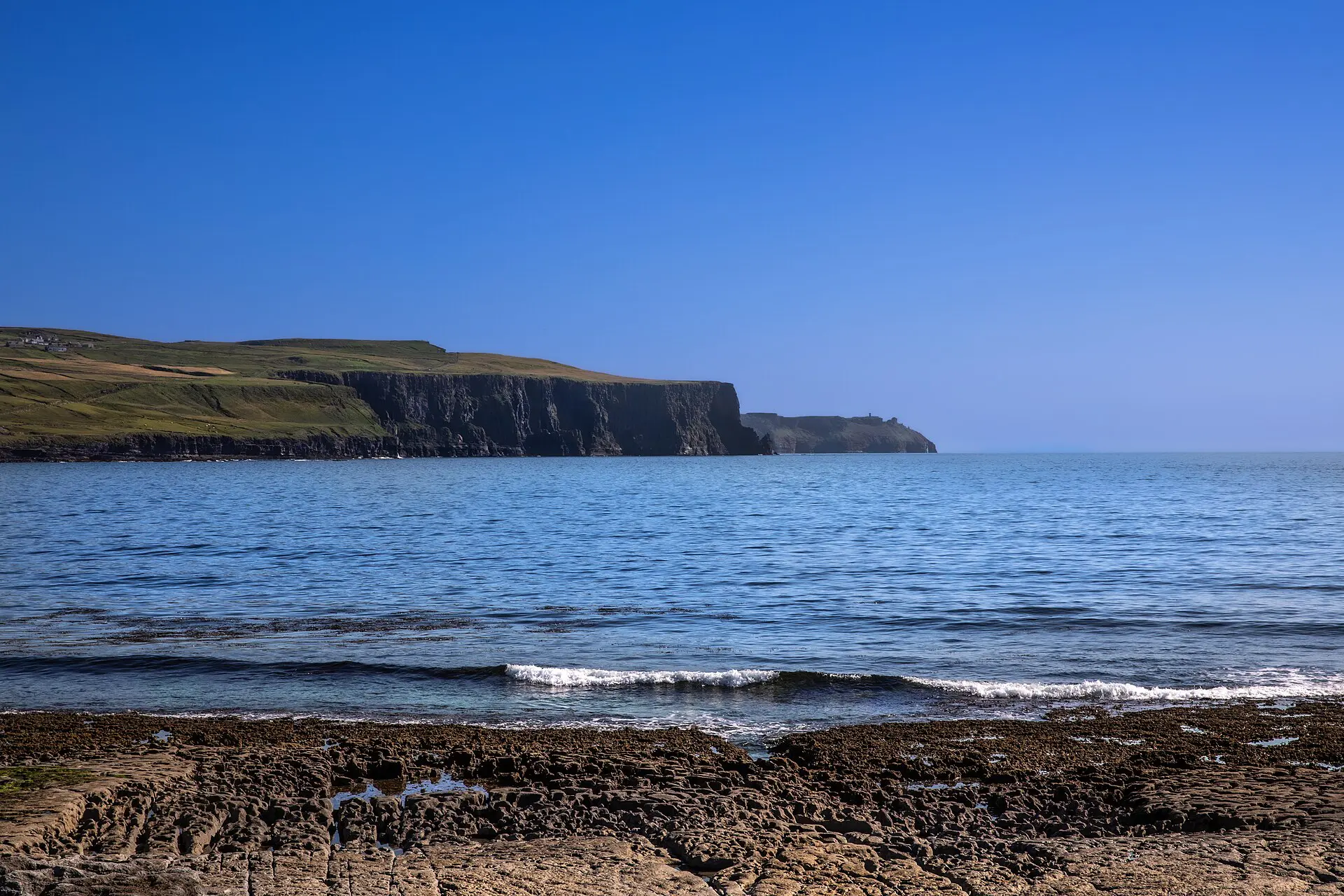
A 10-day Ireland trip cost usually lands between about €1,100 and €5,000 per person, before flights, and the spread comes almost entirely from beds and transport. As of 2026, expect roughly €110 to €500 a day depending on style. The headline price is rarely the real one: car hire looks cheap until insurance, fuel and parking arrive. Below, the same trip priced three ways, the places where paying more is the better deal, and the points where a car, a rail pass or a coach tour breaks even.
Ireland trip cost: the total cost box
These are rough ranges per person for two people sharing a room, in euros, excluding international flights. They assume the Republic of Ireland; Northern Ireland uses pounds sterling, so the numbers shift slightly. Treat every figure as a planning range and check current prices before booking.
| Budget level | Daily range | 10-day total | What it covers |
|---|---|---|---|
| Lean | €110 to €160 | €1,100 to €1,600 | Hostel private rooms or cheaper B&Bs, public transport, pub meals, mostly free sights |
| Comfortable | €200 to €300 | €2,000 to €3,000 | Good B&Bs and mid-range hotels, a hire car for part of the trip, a mix of restaurants, several paid attractions |
| Premium | €350 to €500+ | €3,500 to €5,000+ | Country-house hotels, a car for the whole trip, a guided day or two, restaurant dinners |
Accommodation is typically 40 to 55 percent of the total. If you want one number to plan around, a comfortable ten days in the shoulder season is about €2,200 to €2,800 per person.
Where paying more pays off in Ireland
These are the three upgrades that tend to return more than they cost.
1. Book a central bed in Dublin, Galway or Cork
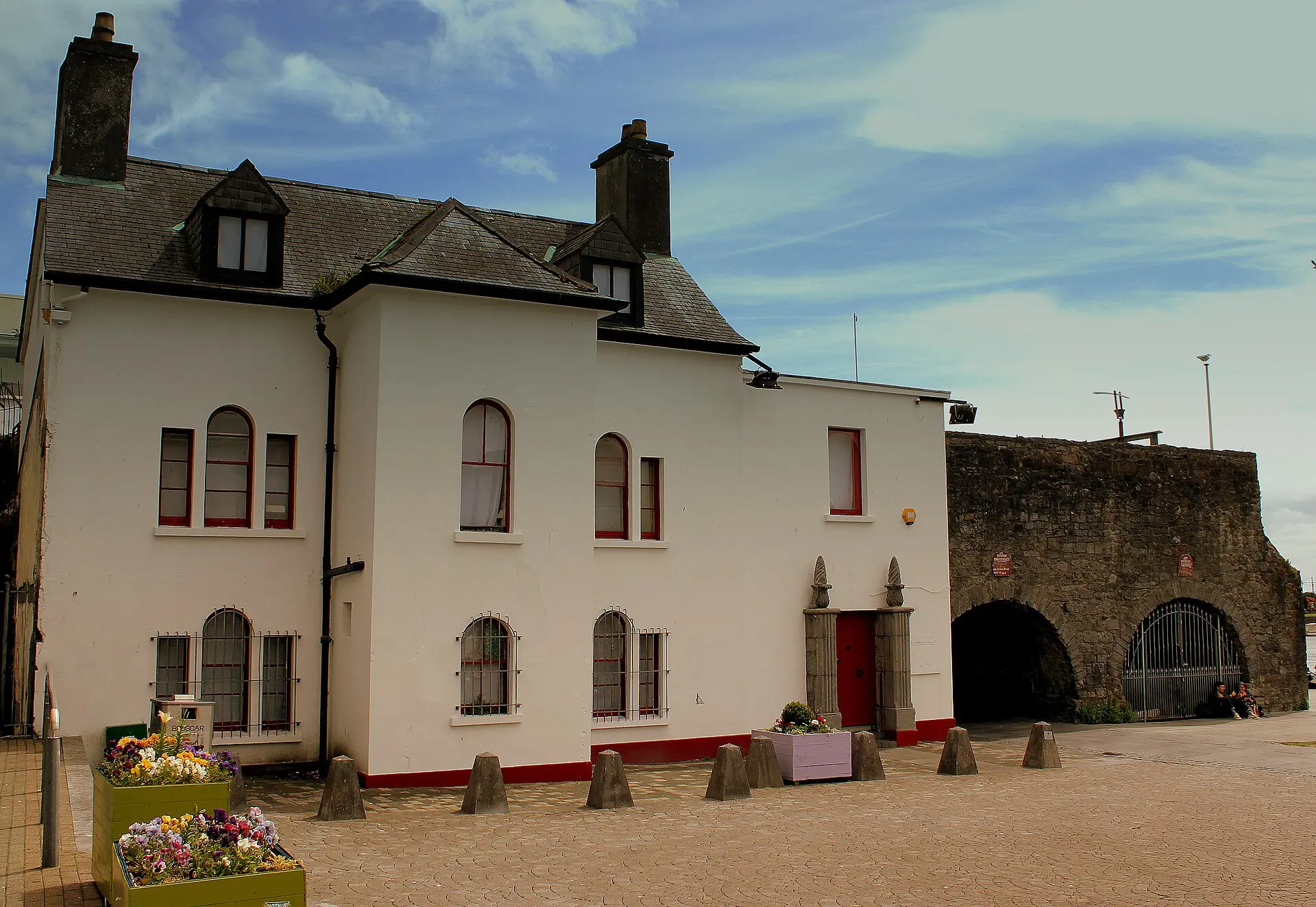
A room in the walkable core costs more per night than one on the edge, often by a quarter to a third. It usually earns that back in saved taxis and lost time, especially on short stays. Outside the cities the premium shrinks and rarely repays, so save the spend for the first and last nights.
2. Take the full-collision cover on a hire car
Irish roads are narrow, hedged and often unlit, and scraped mirrors are common. Many rental quotes carry a large excess, and some credit-card cover does not apply in Ireland, so read the terms before you rely on it. Paying extra for reduced-excess cover can run from around €15 to €30 a day, which stings but removes a four-figure risk.
3. Pay for a guided day where access is hard
For places with limited transport, such as remote peninsulas and islands, a small-group tour can beat the cost and hassle of a rental for one day. The Aran Islands are a typical case: you reach them by ferry from the mainland, and a short guided or bike-hire day on the island is usually the sensible spend. Confirm sailing times in advance, because weather cancels crossings.
Where to save in Ireland
Four places where the cheaper option does the same job.
4. Choose a B&B over a hotel outside the cities
A good guesthouse often costs €90 to €150 a night for two and includes a cooked breakfast that covers most of lunch. A comparable hotel is frequently €150 to €250 before breakfast. On a ten-night trip the gap can reach €500 or more per couple, and quality is often higher at the B&B.
5. Eat the main meal at lunch
Many pubs and restaurants serve set or lighter lunch menus well below dinner prices, typically €12 to €20 against €25 to €40 for a similar plate in the evening. A big lunch and a lighter dinner can cut food spend by about a third.
6. Lean on free sights
Much of what visitors want is free: coastal walks, beaches, village streets, open-air ruins and several national museums in Dublin. Reserve your paid-ticket budget for two or three headline attractions rather than one every day. Check opening days, as some sites close early or on Mondays in the off-season.
7. Hire a manual car if you can drive one
Automatics usually cost noticeably more, often 20 to 40 percent, and sell out first in summer. If you are comfortable with a manual on the left side of the road, the saving across ten days can be €100 to €250. If you are not, pay for the automatic; a stressed driver is not a saving.
Ireland transport and booking windows: car hire, rail or coach?
Transport is the biggest lever after lodging, and the best option depends on trip length and route. These are the break-evens I would plan around, as ranges, not guarantees.
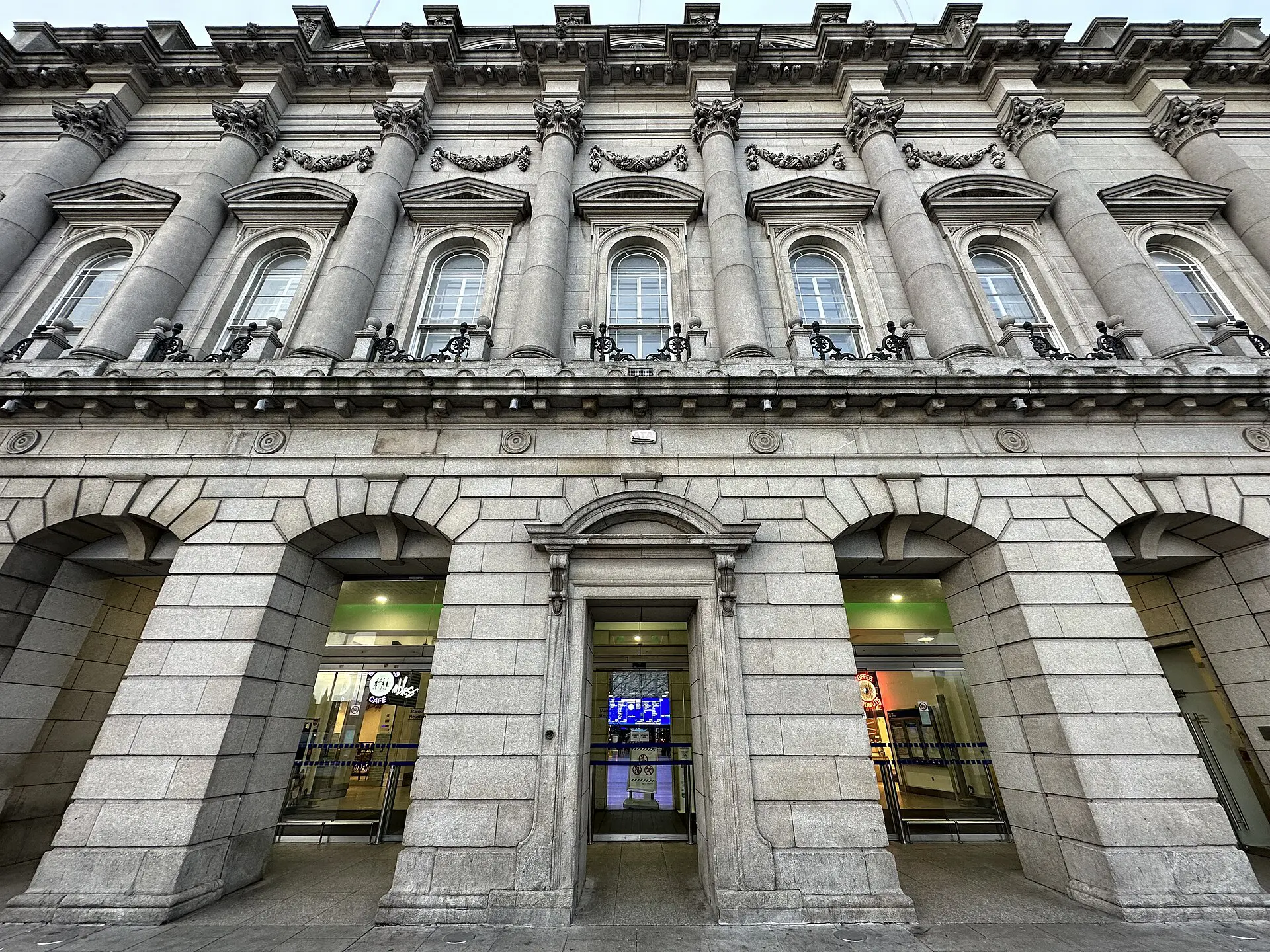
- Under five days, city-focused: use rail and bus, plus a city transit card. A car adds parking and tolls with little gain. Rail between the larger cities is fast, and advance fares are usually cheaper than same-day tickets.
- Five to seven days, one region: hire a car for the countryside days only. Pick it up on the day you leave the city, not at the airport.
- Eight days or more, west coast or rural routes: a hire car usually wins on cost per place visited. Rural buses are infrequent and some villages have none on certain days.
- Coach tours: multi-day packages are worth comparing if you dislike driving, since lodging and entry fees are bundled. Add up what the bundle includes before assuming it is cheaper.
Booking windows matter as much as mode. For July and August, aim to reserve a hire car and the best-value B&Bs three to five months ahead. Rail advance fares typically open a few weeks to a couple of months out. For May, June and September, six to ten weeks is often enough, though popular small towns still fill during festivals.
One worked example. A couple spending seven days in the west can price a car at roughly €300 to €500 for the week, plus €100 to €170 in fuel and about €100 to €200 for reduced-excess cover. That is €500 to €870, or €250 to €435 each. The same route by bus and local tours rarely comes in below that and takes more time, so the car wins from about the fifth day for two people. For a solo traveller, the break-even moves out to eight or nine days.
Best months for value in Ireland
Prices follow the weather and the school calendar. July and August are the most expensive and busiest. May, June and September combine long daylight, usually acceptable weather and lower rates, so they are the best value window for most travellers. March, April, October and November are cheapest, with shorter days, more rain and some seasonal places closed. Winter can be very cheap outside Christmas and New Year, but you will spend more days indoors.
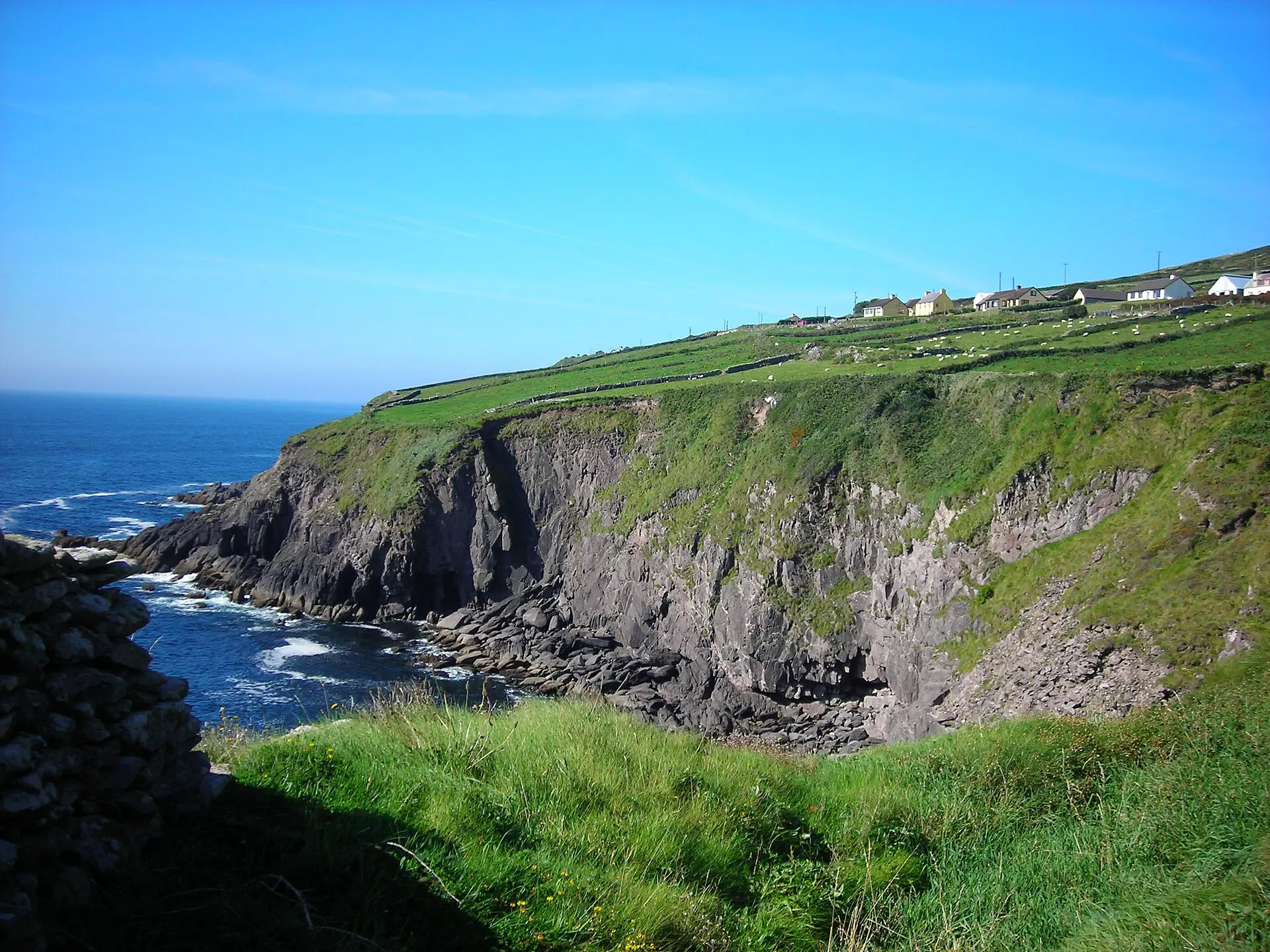
My pick is the first three weeks of June or the first half of September. For background on the island’s mild, wet climate, see the Wikipedia article on Ireland, and for planning detail read our Ireland travel guide. If you travel with children or alone, the sibling guides on Ireland with kids and solo female travel in Ireland cover different cost trade-offs.
The B&B versus hotel choice deserves a final check. Per night the hotel is dearer, but a hotel in a city centre can save a taxi or parking charge of €15 to €30. Outside cities, the B&B nearly always has better value, because breakfast is included and hosts often give practical route advice that saves fuel and time.
FAQ about Ireland trip cost
How much does a 10-day trip to Ireland cost?
Per person, expect about €1,100 to €1,600 on a lean plan, €2,000 to €3,000 on a comfortable one and €3,500 or more at the premium end, excluding flights. Those figures assume two people sharing a room. Check current rates for your dates.
Is it cheaper to rent a car or take the train in Ireland?
For a short, city-based trip, rail and bus are cheaper. Past about a week, or on rural routes, a hire car usually costs less per place visited, even after insurance, fuel and parking. Sharing the car between two or more people tilts it further.
What is the cheapest month to visit Ireland?
January to March, outside holidays, is generally the lowest-priced stretch, but weather and short days limit what you can do. For a better balance, May, early June and September offer lower rates than peak summer with more daylight and fewer closures.
Is Ireland expensive compared with the rest of Europe?
It sits in the upper-middle range. Lodging and eating out cost more than in southern or eastern Europe, and are similar to northern Europe. Transport and attractions are moderate. Using B&Bs and pub lunches narrows the gap considerably, as the Wikivoyage guide to Ireland also hints.
How far ahead should I book an Ireland trip?
For July and August, book lodging and hire car three to five months ahead. For May, June and September, six to ten weeks usually works. Choose refundable rates where you can, and compare again closer to the date, since prices sometimes drop.