An Ireland itinerary with kids works best at eight days with three bases, Dublin, Galway and Killarney, and no single drive longer than about three and a half hours. That suits children aged five to eleven and parents who would rather see fewer places properly. Rain is the default in Ireland, so every day below has an indoor Plan B and a block you can drop without breaking the rest.
Ireland itinerary with kids at a glance
| Days | Base | Longest transfer | Pace |
|---|---|---|---|
| 1 to 2 | Dublin | Airport to city, under an hour | Easy: one big stop a day |
| 3 to 5 | Galway | Dublin to Galway, about 2.5 hours | Medium: one outing day, one rest day |
| 6 to 8 | Killarney | Galway to Killarney, about 3.5 hours | Medium: park days with short walks |
Drive times are for roads without stops and are estimates. Add 45 to 60 minutes for a toilet break, lunch and a child who needs to get out of the car. Check current journey times before you set off.
Day-by-day Ireland itinerary with kids
Day 1: Arrive in Dublin and keep it small
Morning: nothing planned, because flights land at odd hours. Afternoon: a walk in St Stephen’s Green, where there is a pond with ducks and room to run, then an early dinner. Rest anchor: check in, rest for an hour, and go to bed on local time. Tired-day swap: skip the park and stay at the hotel if the flight was long. Nothing on day 1 is booked, so nothing is lost.
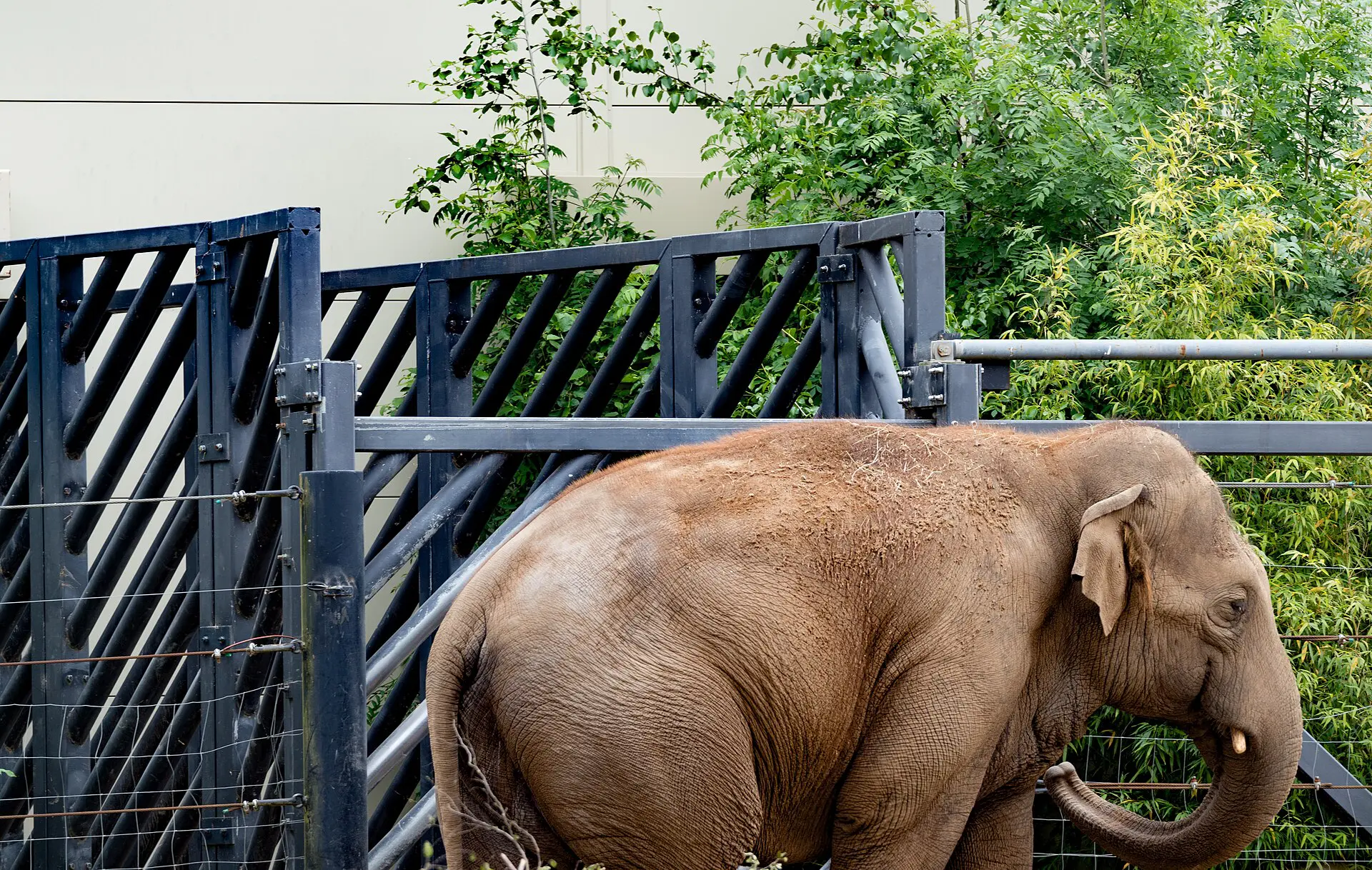
Day 2: Dublin Zoo or the Natural History Museum
Morning: Dublin Zoo in Phoenix Park, one of the oldest zoos in Europe, with flat paths that suit buggies and short legs. Allow three hours and buy tickets online ahead. Afternoon: lunch, then the open grass of Phoenix Park for free play. Rain swap: the Natural History Museum, known locally as the Dead Zoo, with old cases of stuffed animals and skeletons. It is compact and free to enter at the time of writing, so check before you go. Ages five to seven manage an hour; ages eight to eleven can stretch to ninety minutes.
Day 3: Dublin to Galway by road or train
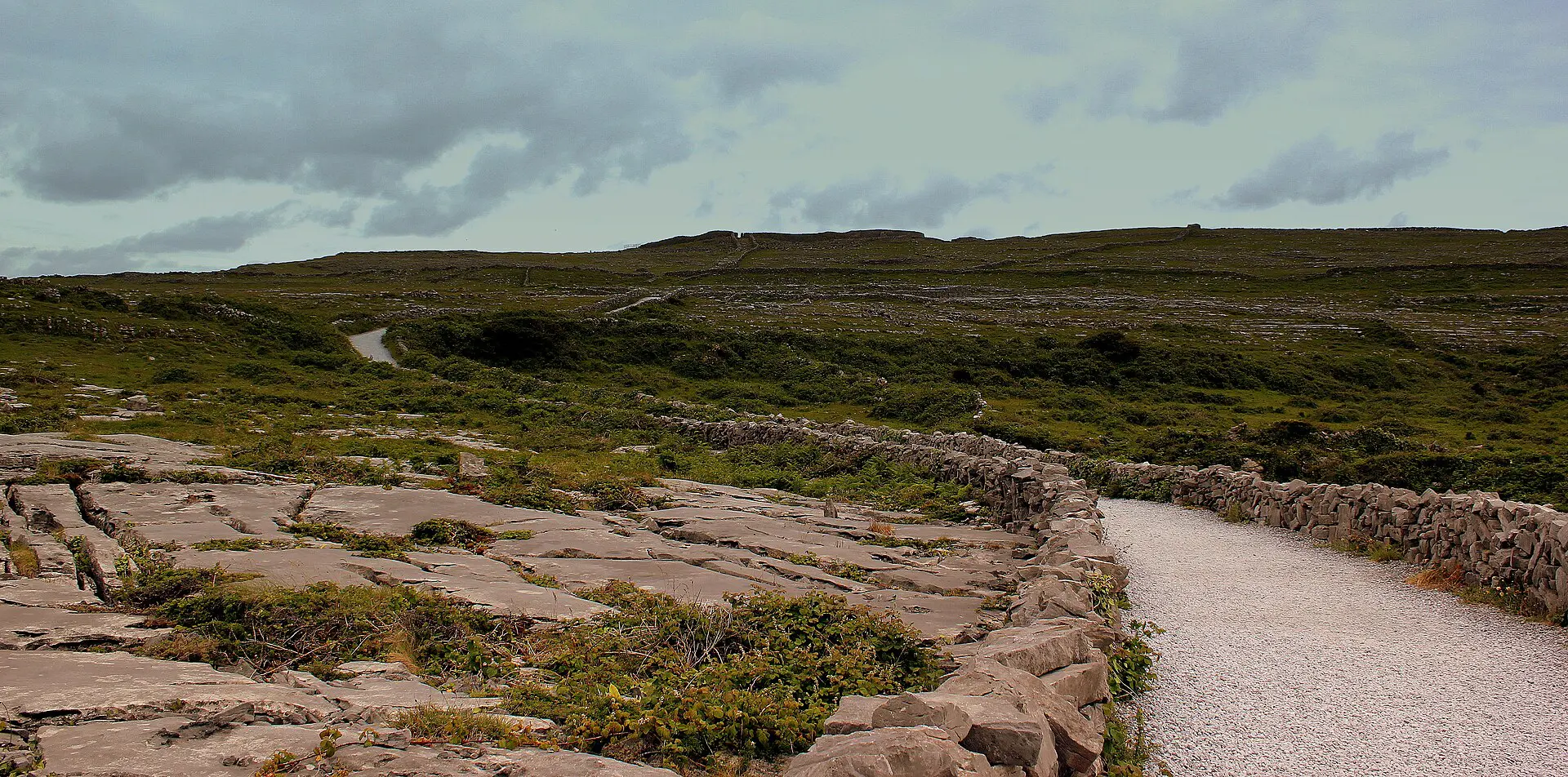
This is a transfer day, so only one stop is planned. Morning: leave Dublin by 10:00 and drive about two and a half hours west. The M6 motorway keeps this an easy road. Afternoon: a slow walk along the Salthill promenade or around the Spanish Arch, then dinner early. Rest anchor: a one-hour rest at the apartment before going out. Tired-day swap: take the train instead, which is simple and has a table for games, and skip the walk entirely.
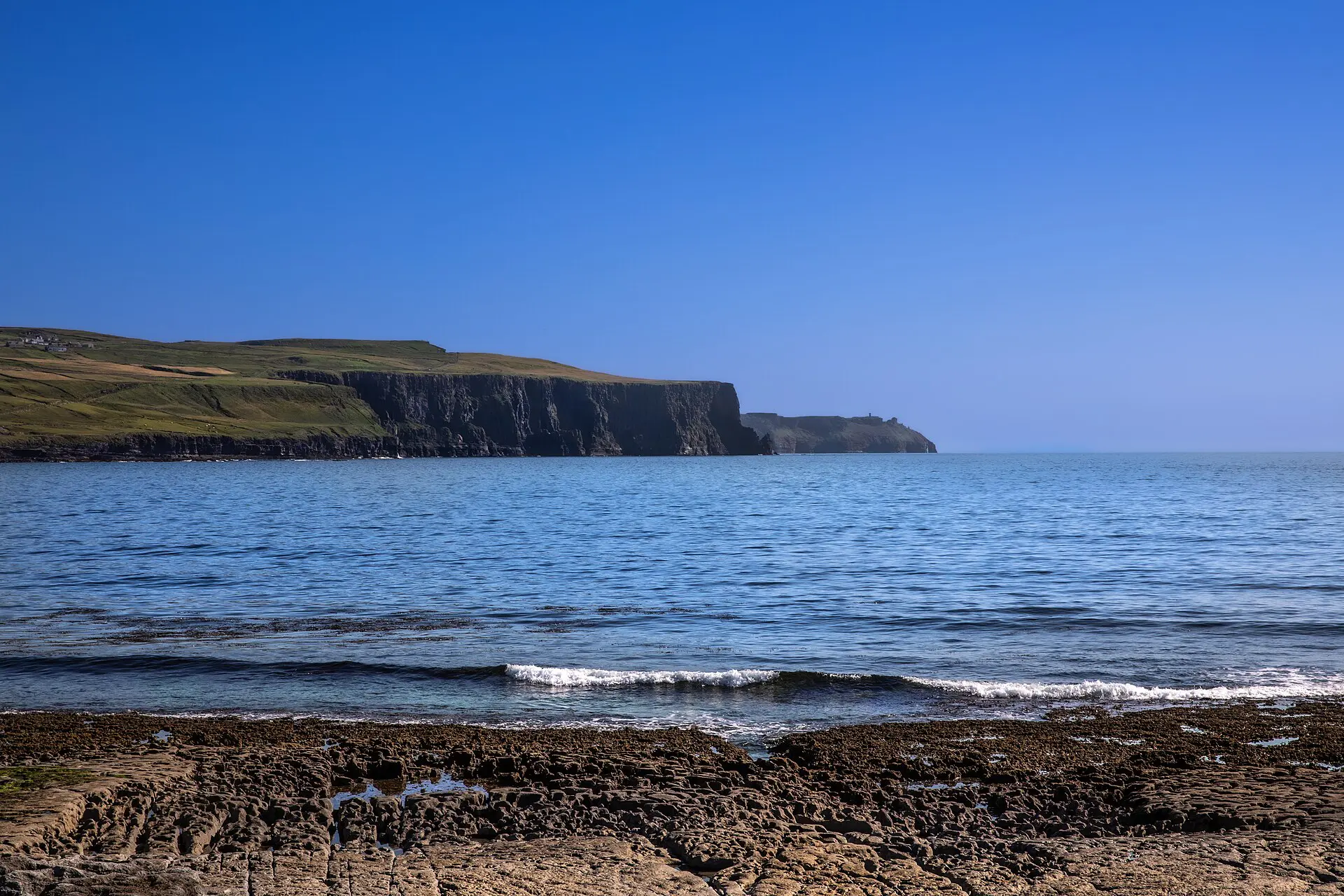
Day 4: Cliffs of Moher and the Burren
The cliffs are about one and a half to two hours from Galway each way, so this is the longest outing day. Morning: leave by 9:00 and go to the Cliffs of Moher first, before the coach groups. The paths have low walls in places but also open edges, so keep young children by the hand, and watch the wind.
Afternoon: stop at a Burren viewpoint on the way back and let children climb on the grey limestone. Rain swap: in thick mist the cliffs show very little, so swap in the Galway city aquarium and a late start. This is the day I would drop if the forecast is poor.
Day 5: Aran Islands or a rest day
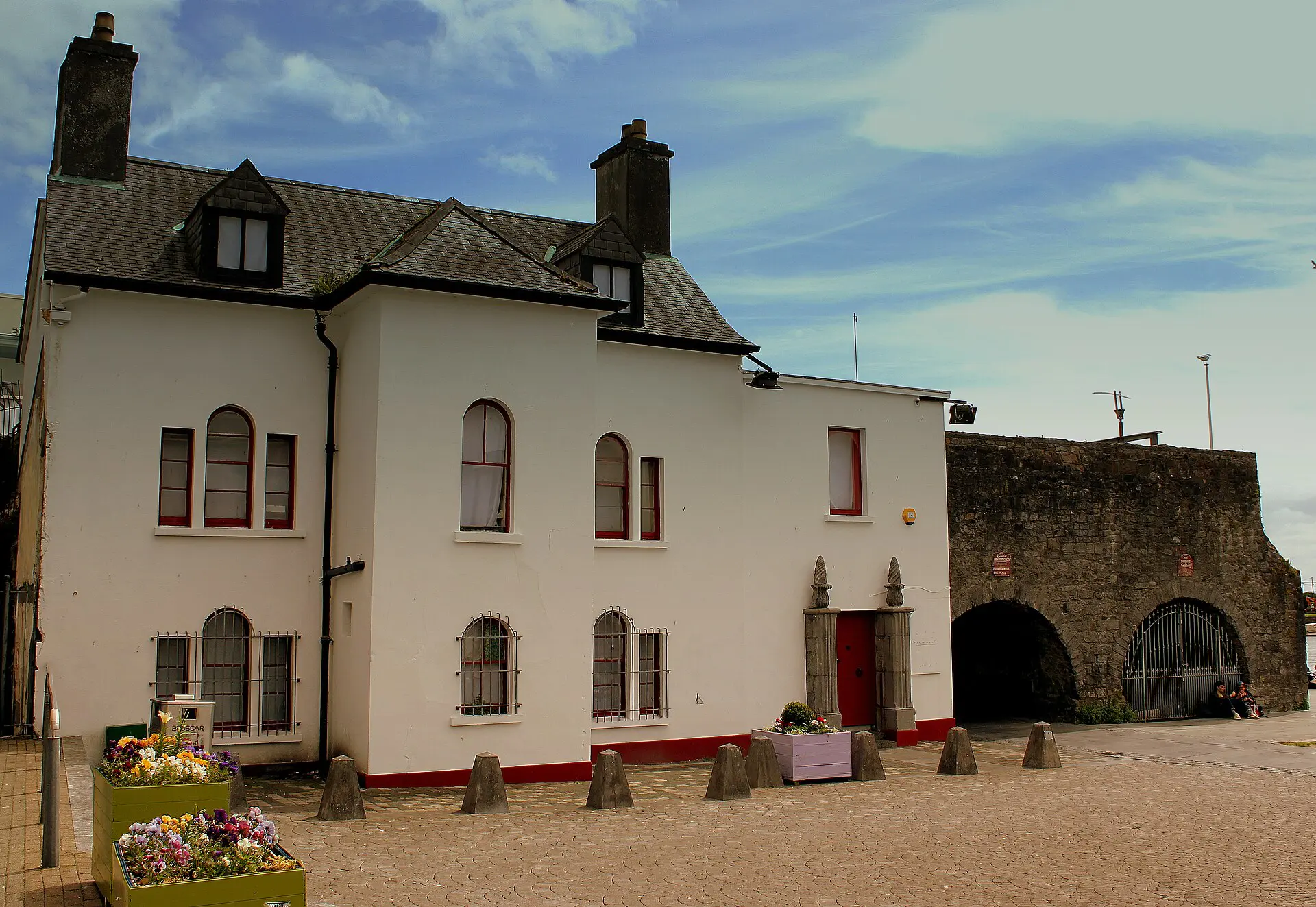
This is a decision point. The Aran Islands (the biggest, Inis Mór, is the usual choice) are reached by ferry, with about 40 minutes on the water. Choose them if the sea is calm and children are good on boats: hire bikes or a minibus, and see the ruined stone fort of Dún Aonghasa. It is an exposed walk uphill, and about five to seven is the age where a mini-bus is simpler.
If the sea is rough or anyone is tired, take the rest day: a playground, the beach at Salthill and an early night. Ferries can be cancelled for weather, so book a flexible ticket and keep the evening free in case you return late. Pack lunch, water and a windproof layer, because the islands are open and exposed.
Day 6: Galway to Killarney
The longest transfer of the trip, around three and a half hours without stops, so split it. Morning: leave by 9:30. Midday stop: Limerick or Adare, about halfway, for lunch and a playground. Afternoon: arrive in Killarney by 3:00 and keep the evening empty. Roads in County Kerry narrow quickly, so do not add extra stops. Tired-day swap: if the first half runs late, eat lunch in the car park and push on directly rather than adding a detour.
Day 7: Killarney National Park
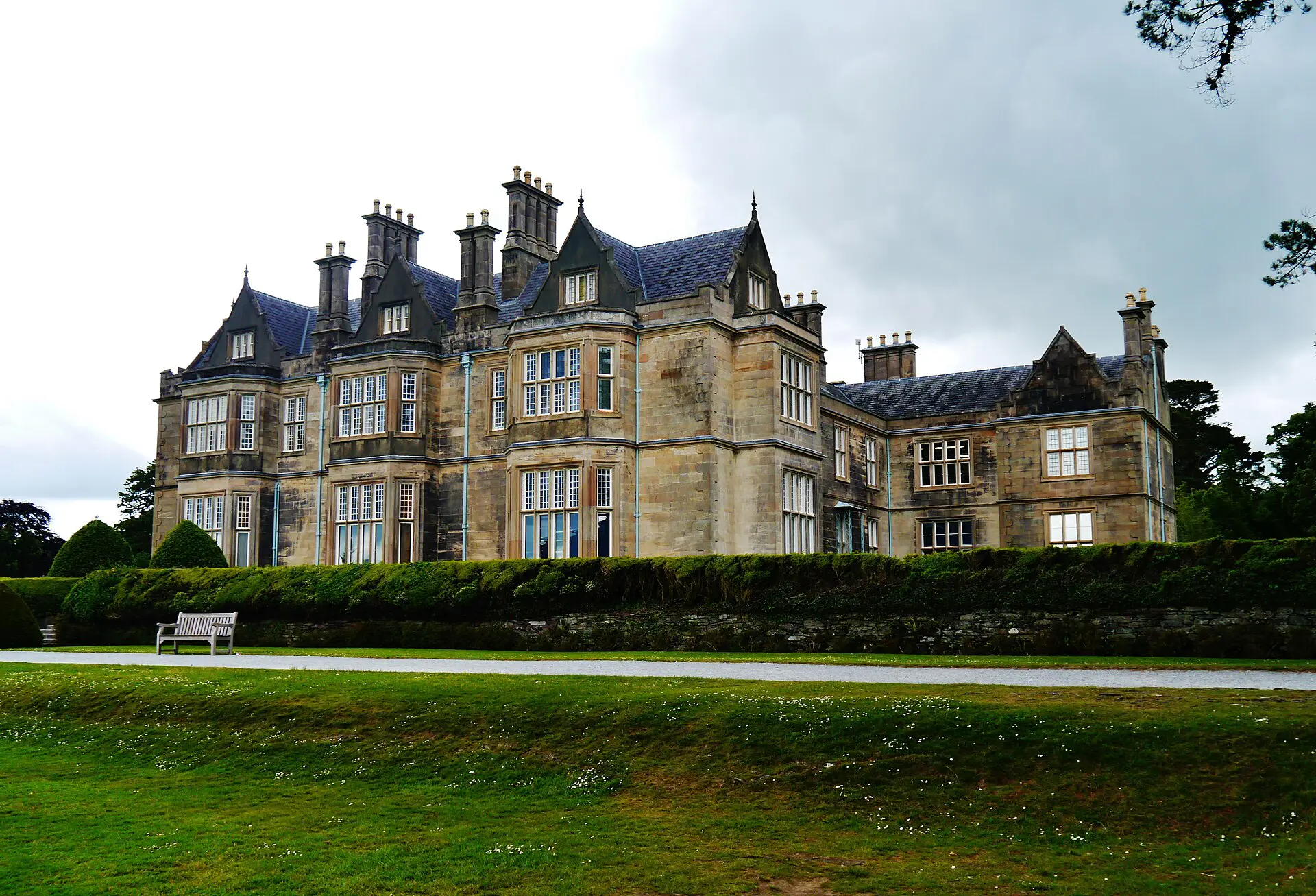
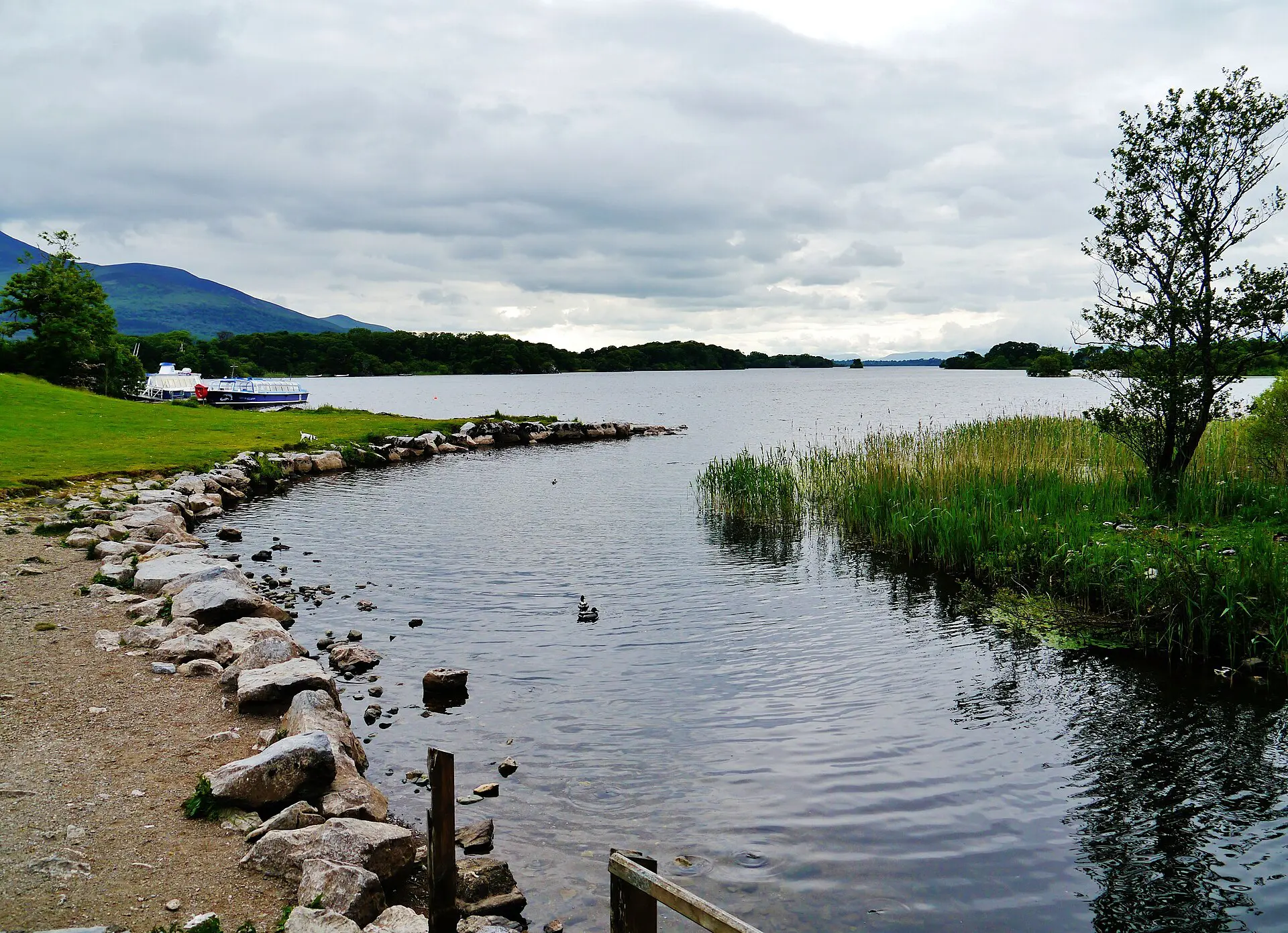
Morning: Ross Castle and the lake edge, a flat walk of about an hour. Afternoon: Muckross House and its gardens, or a horse-drawn jaunting car ride if the weather holds. Jaunting cars suit ages five to eleven, and the price is usually agreed before you board, so ask first. Rain swap: Muckross House itself, a tour of an old estate house with a farm and craft area nearby. Allow an hour and a half indoors, then a cafe.
Day 8: Torc Waterfall and a short drive before you fly home
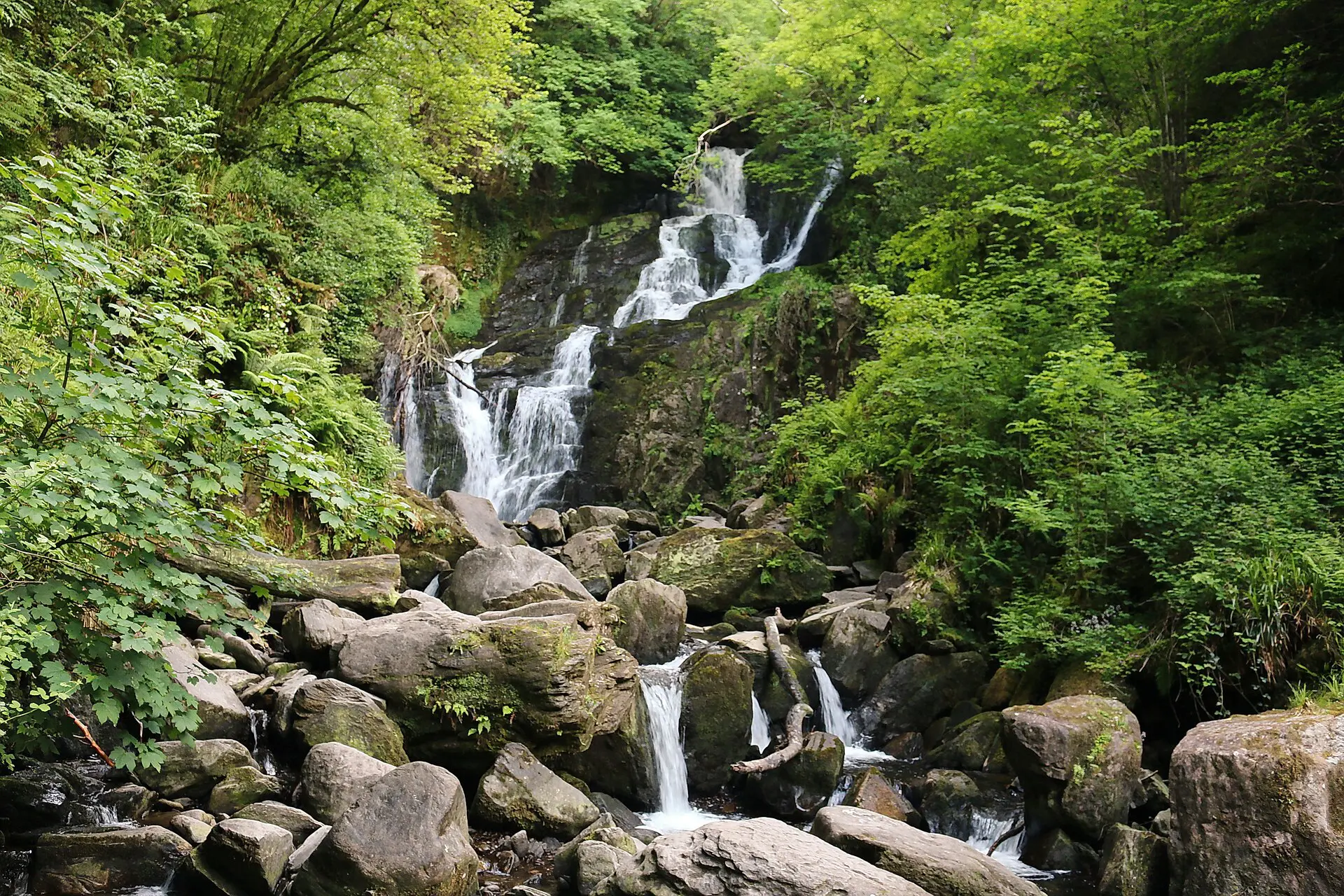
Morning: Torc Waterfall is a short, well-made path from a car park, with steps, so it suits most ages and takes about 45 minutes. Afternoon: head to the airport or onward. Kerry Airport is small, and Cork or Shannon are further by road, so check where your flight leaves from and leave plenty of time. Tired-day swap: skip the waterfall and have a slow breakfast.
Ages and stamina on an Ireland trip with kids
Ages five to seven: keep to two transfers of under two and a half hours where possible, take one rest day, and pick walks of up to 45 minutes. A buggy can help on the Dublin days, but cobbles and stone steps make a carrier easier at the castles. Children of this age tire quickly in wind and rain, so pack spare layers.
Ages eight to eleven: these children cope with the 3.5 hour day and will enjoy the Aran Islands by bike. Give them a job on the road, such as navigating by the signs in Irish and English. They can walk one to two hours, but they still need the rest anchor, because rain and wind drain energy faster than the distance does.
Getting around Ireland with children
A car gives the most control over timing, but rural roads can be narrow, with stone walls and no verge, and driving is on the left. Set a limit of three hours of driving on a transfer day, and do not drive after dark in the west. Child seats are required, and rental firms supply them, so confirm when you book.
The train works well for Dublin to Galway, with a change needed for Killarney, so a car is simpler for the second half. The Ireland trip cost guide compares car hire, rail and coach tours, and the Ireland travel guide covers the country in more detail.
Where to stay in Ireland with kids
- Dublin: choose somewhere near St Stephen’s Green or on a direct tram line, so you can walk or ride to the main stops. Apartments with two bedrooms make early bedtimes easier.
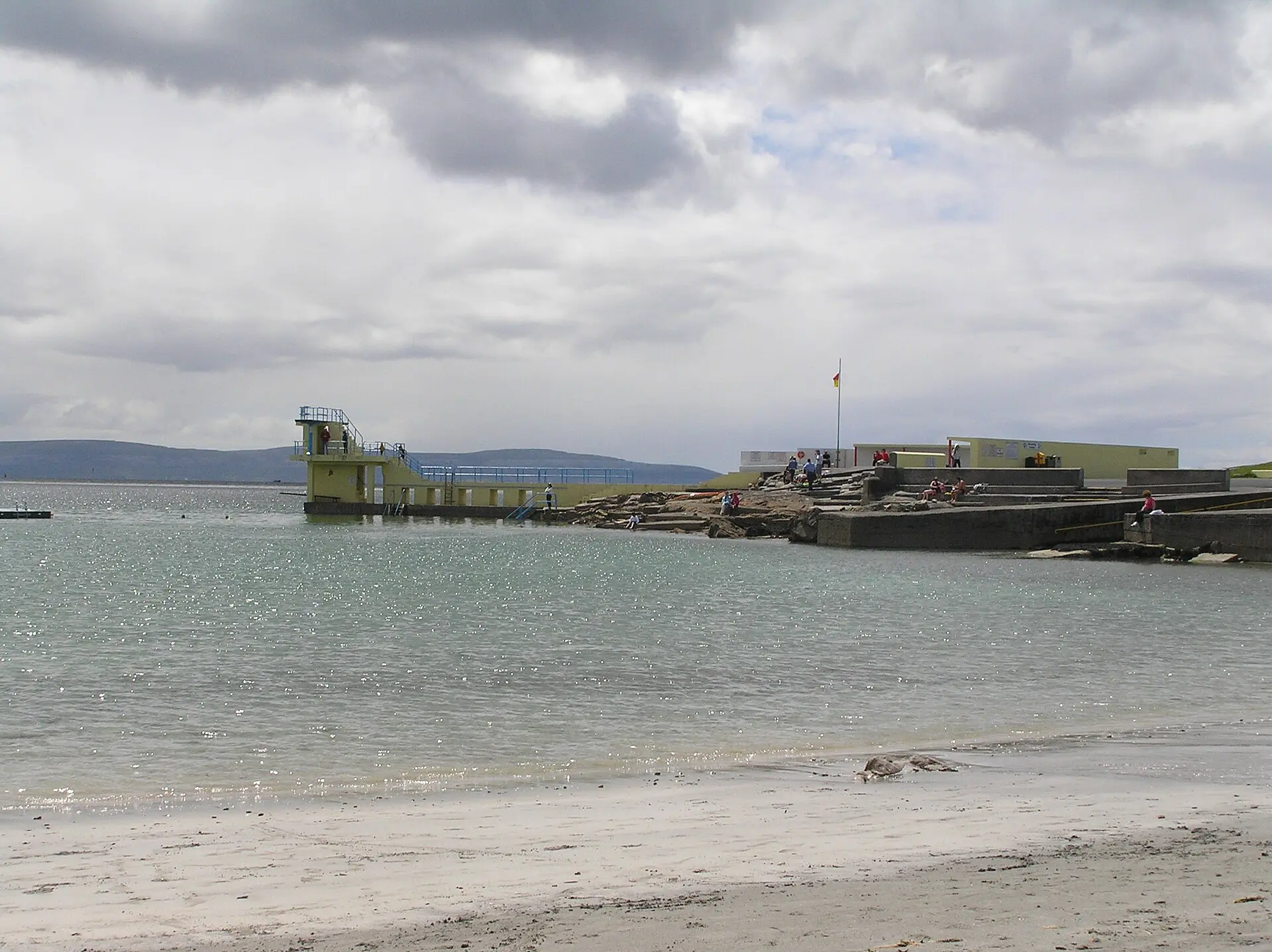
- Galway: the area near the Salthill promenade is quieter than the city centre, with a beach, a playground and a short drive to the centre.
- Killarney: stay within walking or a short drive of the national park. Some places have family rooms and kitchens, which helps with breakfasts and packed lunches.
Ireland rainy-day and tired-day fallbacks
Showers in Ireland are often short, so the first fallback is a cafe, a cake and a wait of twenty minutes. If rain sets in, use the indoor swaps in each day above: the Dead Zoo, the aquarium, Muckross House. For a tired day, keep one anchor only: a playground, a beach or a pool, with a long lunch. A long lunch is a plan, not a failure.
- Pack a waterproof jacket and spare socks for every child, and keep a dry change in the car.
- Keep a snack bag and a water bottle in the car, as services are sparse outside towns.
- Book the zoo and any ferry tickets, and leave the rest unbooked.
How much does an Ireland itinerary with kids cost?
These are rough daily ranges for a family of four in euros as of 2026, excluding flights, and Ireland is not a cheap country. Check current prices before you go.
- Budget: about EUR 220 to EUR 320. Self-catering apartments, supermarket lunches, free parks.
- Mid-range: about EUR 350 to EUR 550. Family rooms, a hire car, a cafe lunch and paid attractions.
- High: EUR 650 and up. Larger rooms, a private driver and restaurant dinners.
Best time to visit Ireland with kids
Late May to early September is the most settled period, with long evenings that give you daylight until 21:00 or later in summer. July and August are busier and dearer. May, June and September are quieter with milder prices, but rain is possible in any month. Winter has short days and some attractions close, so confirm opening times. The island’s moderate climate is shaped by the Atlantic, as the Wikipedia article on Ireland explains.
FAQ about an Ireland itinerary with kids
How many days do you need in Ireland with kids?
Eight days is a comfortable minimum for three bases. With younger children, cut to two bases, such as Dublin and Galway, over six or seven days. Longer than ten days with one car works well only if you add a second rest day, because the transfers add up.
Is Ireland good for young children?
Yes, with realistic expectations. The distances are small, English is spoken everywhere and there are playgrounds, zoos and museums in towns. The weather is the main difficulty, so plan indoor options. Narrow rural roads are slow, so allow extra time.
Should we hire a car or use trains?
Use a car if you are going beyond Dublin and Galway, and a train for Dublin to Galway alone. Car hire covers a child seat, but confirm it when you book. Drive on the left, start early and avoid long drives with tired children in the evening.
What age is best for the Cliffs of Moher?
Any age if you keep children by the hand, because some stretches of path are open to the edge and wind can be strong. Ages five and up enjoy the walk along the lower path. For toddlers, a carrier is safer than a buggy. In poor visibility there is little to see, so check the forecast.
Is it worth visiting the Aran Islands with kids?
Yes if the sea is calm and children are comfortable on a ferry of about 40 minutes. Hire bikes only for older children, and use a minibus for younger ones. If the sea is rough or the forecast is poor, keep the rest day on the mainland. The Wikivoyage Ireland guide lists the other islands.