Solo female travel Japan is one of the easiest ways to start travelling alone. Transport is punctual, streets are well lit, and eating, sleeping and sightseeing are all built for one person. The hard parts are logistics, not safety: trains stop around midnight, and language and cash catch people out. Below is a ten-day route, where to sleep in each city, and what a good first evening looks like.
Arrival card: your first night in Japan
Land in daylight if you can. Haneda is roughly 30 to 45 minutes from central Tokyo by train or monorail, while Narita is closer to 60 to 90 minutes. Kansai International reaches Kyoto in around 75 to 80 minutes by express train. Check current timetables, but the pattern holds: trains are frequent until late evening and then stop.
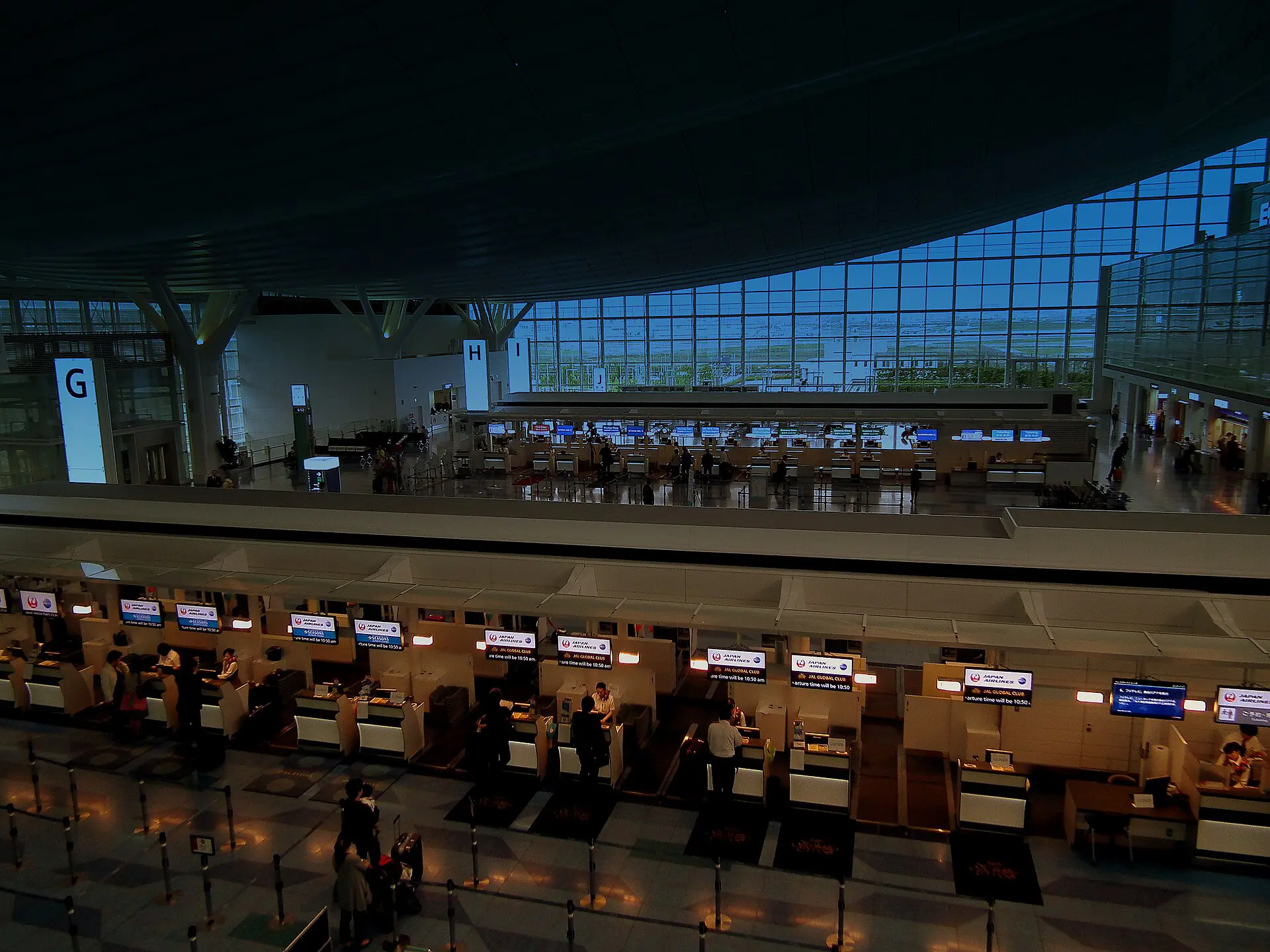
- Lands before 6 pm: take the train, drop your bag, walk your neighbourhood once while it is light, and eat dinner nearby.
- Lands 6 pm to 10 pm: still fine by train. Check the last departure from the airport before you leave the gate.
- Lands after 10 pm: pre-book an airport hotel or a hostel with late check-in confirmed in writing. Taxis into the city overnight are expensive, so treat them as a fallback.
Set up before you fly: an eSIM or pocket Wi-Fi, an offline map, and a transit card on your phone wallet if your phone supports it, or a physical IC card from a station machine. Bring some cash for the first day, because small places still prefer it.
Solo female travel Japan: a 10-day route
This route covers five bases in ten days, with Kamakura and Nara as day trips, and adds Fukuoka as an optional extension. Each stop is a bullet-train ride apart, and each one is easy to sleep in alone.
1. Tokyo (3 nights)
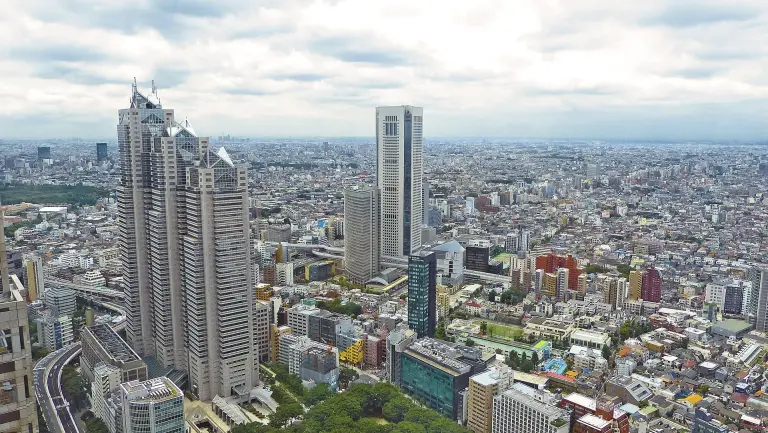
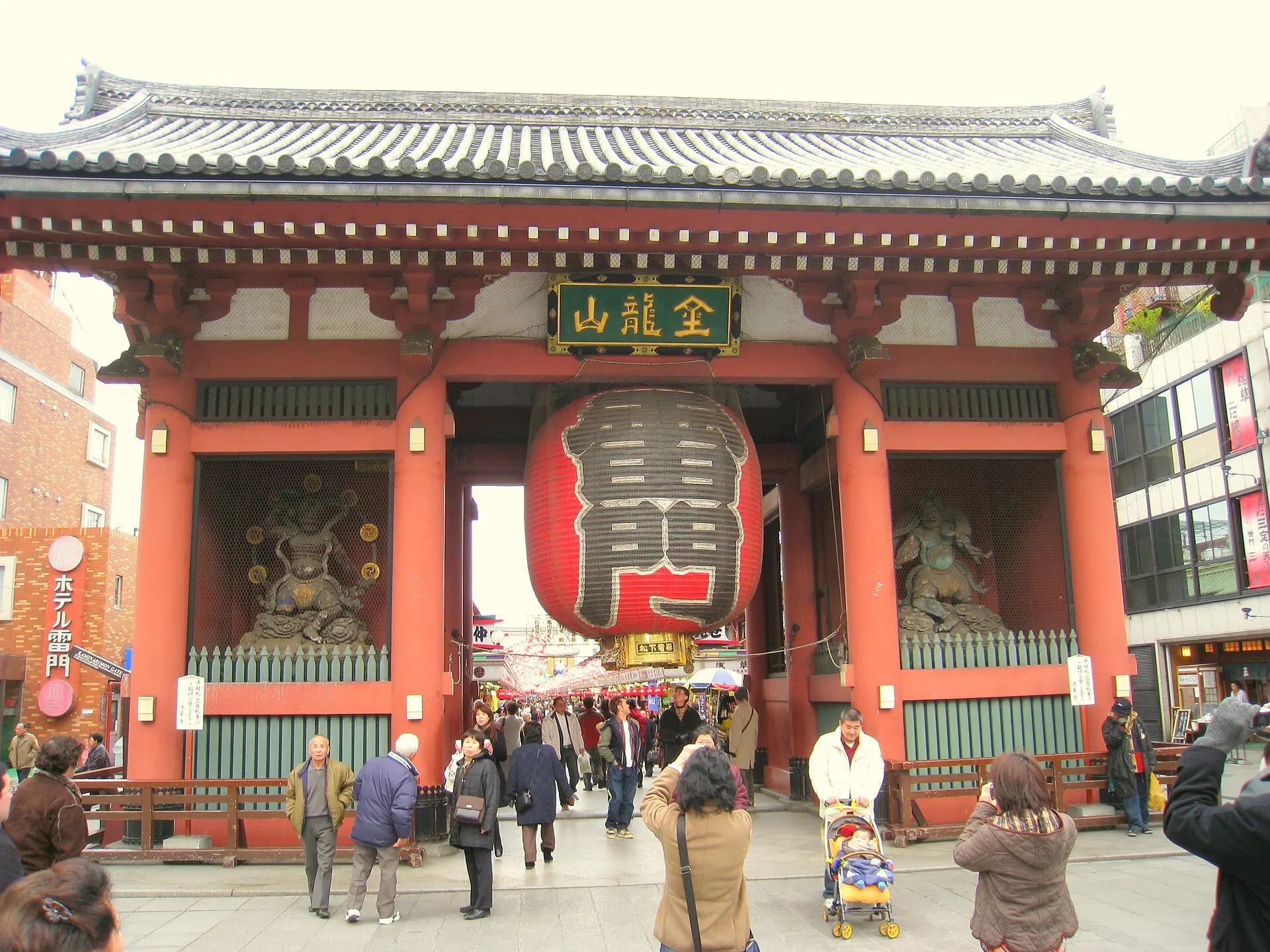
Sleep in Asakusa or near Ueno for calm streets, cheaper rooms and an easy airport link, or near Shinjuku or Shibuya station for convenience. Pick a hotel within about ten minutes of a station. Spend days on Senso-ji, the markets and a neighbourhood walk, and eat at counter restaurants where a single diner is normal.
2. Kamakura (day trip from Tokyo)
About an hour by train from Tokyo, Kamakura has the Great Buddha, temples and a beach town feel. Go on a weekday morning and be back before dark. It is an easy first test of a train day without a hotel change.
3. Kanazawa (1 night)
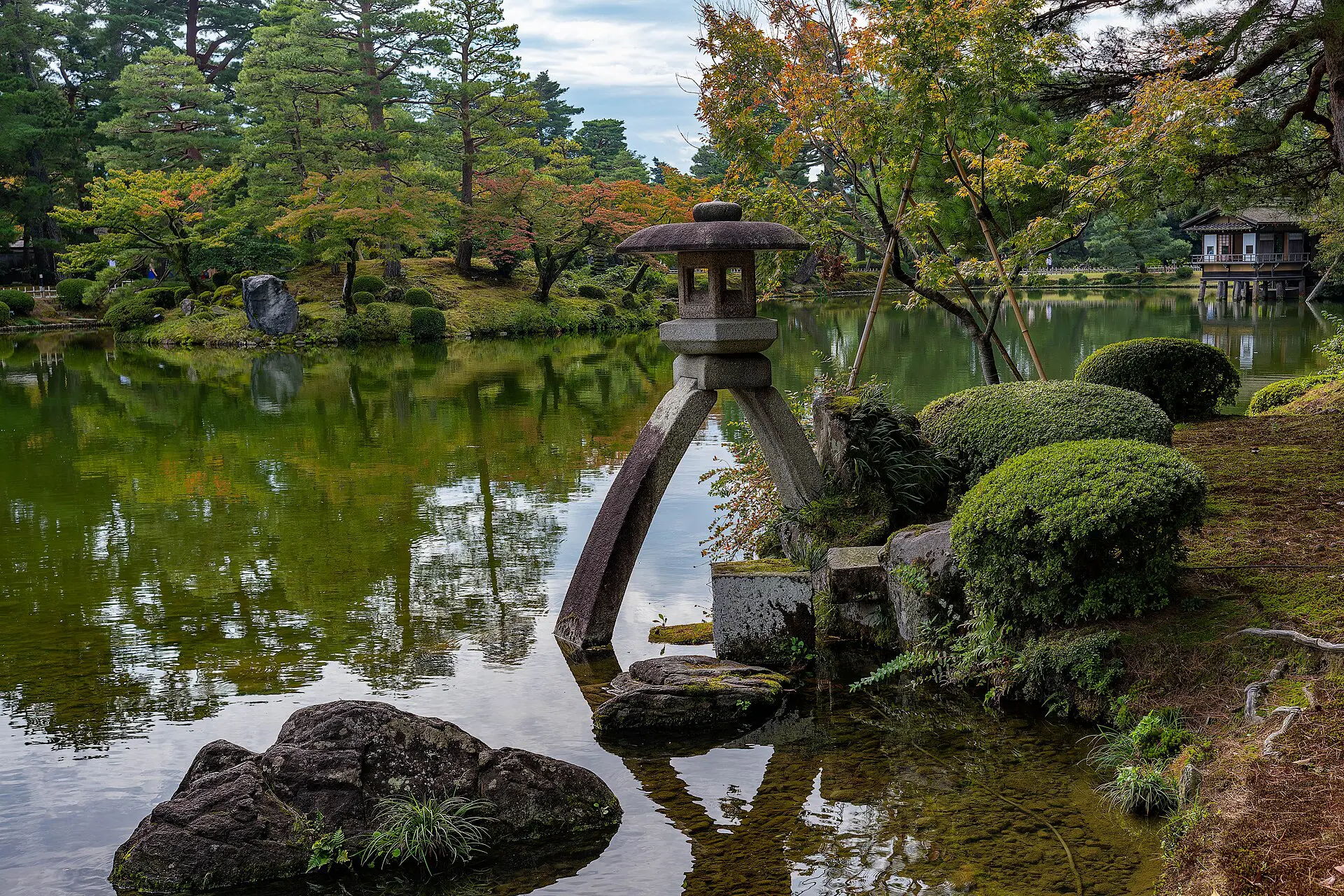
The bullet train from Tokyo takes roughly two and a half hours. Stay near Kanazawa Station or the Omicho market area, both walkable and calm. Kenroku-en garden and the Higashi Chaya teahouse district are best early, before tour groups arrive.
4. Kyoto (3 nights)
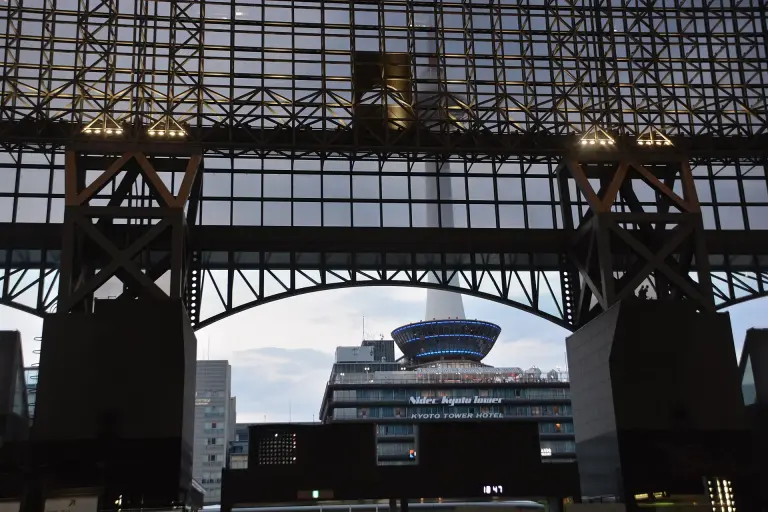
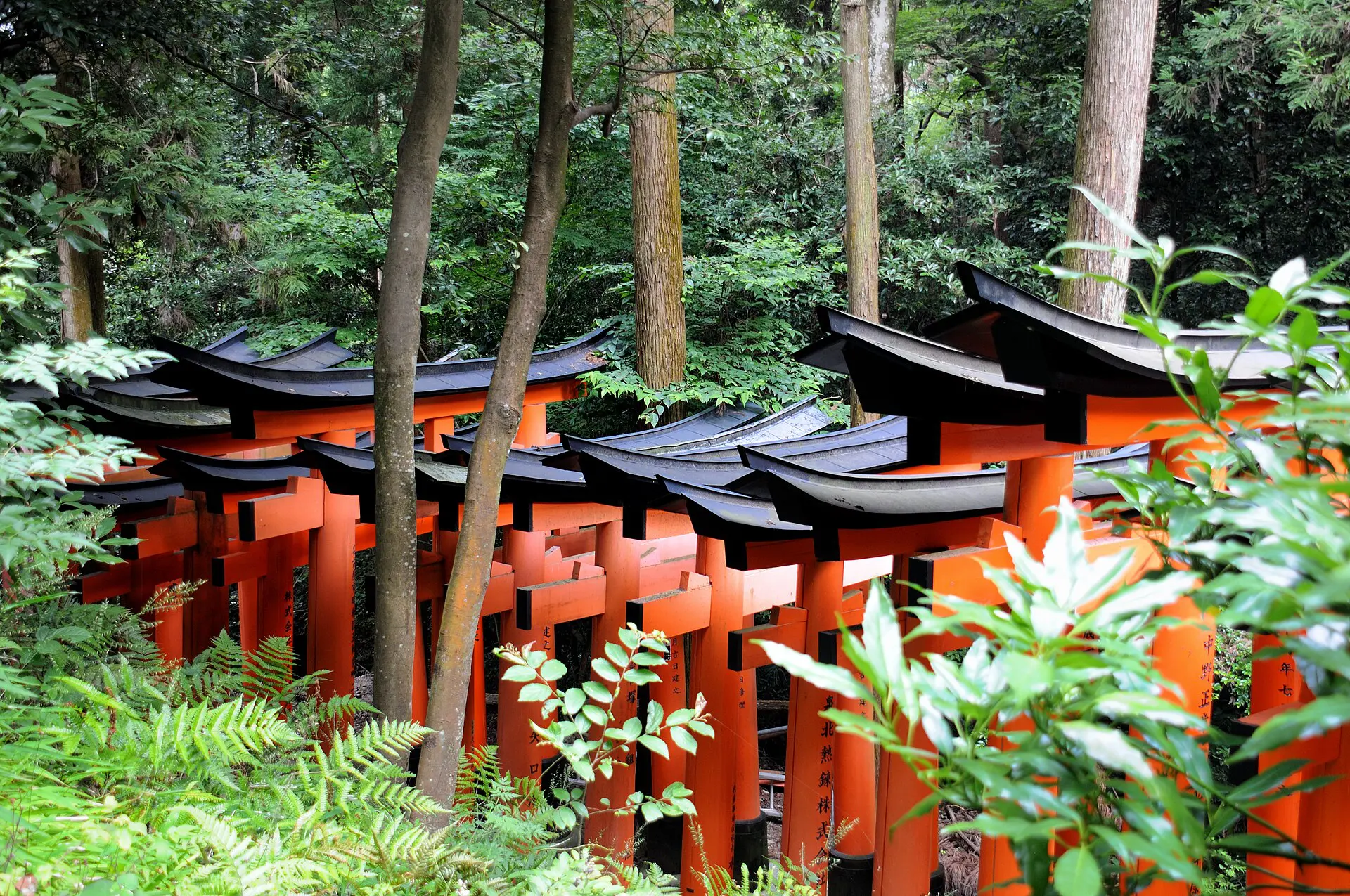
Choose a base near Kyoto Station for easy transfers, or around Kawaramachi and Gion for evening walks in lit, busy streets. Visit Fushimi Inari at opening time, not at dusk, when the upper paths are quiet. Book a small-group tea or cooking class on day one for company.
5. Nara (day trip from Kyoto)
Around 45 minutes by train from Kyoto. Todai-ji and the park with its deer fill a half day. Keep snacks and paper maps zipped away, because deer will chase them, and leave by late afternoon.
6. Osaka (1 night)
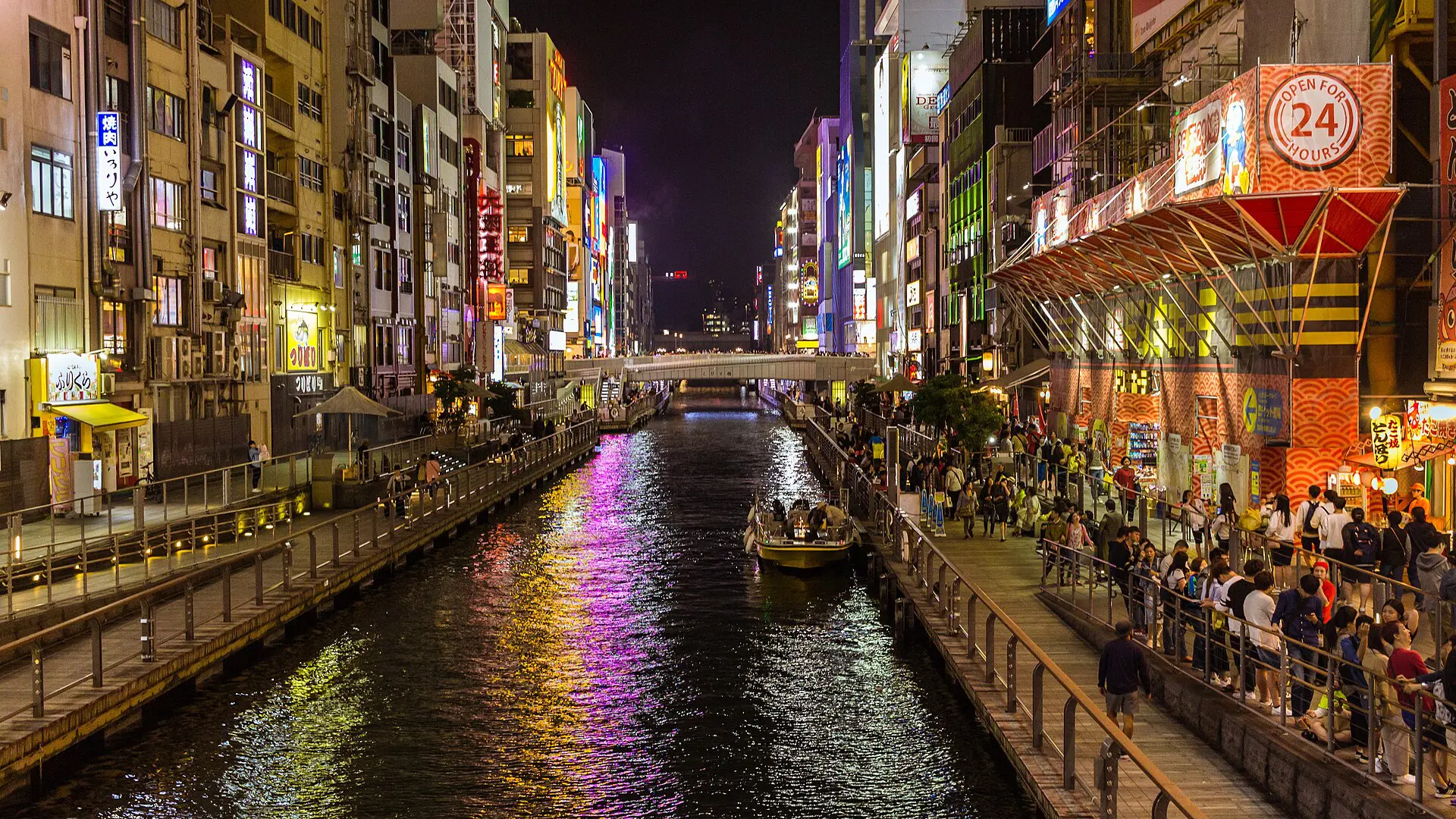
Sleep near Namba for food streets and short walks home, or near Shin-Osaka if you have an early train. Dotonbori is lively and crowded at night. Go with a plan, eat standing at a stall or counter, and walk back along main streets.
7. Hiroshima and Miyajima (1 night)
Under two hours from Kyoto or Osaka by bullet train. Stay near Hiroshima Station or the city centre trams. The Peace Memorial Park and museum are quiet and affecting, so give them a slow morning, then take the short ferry to Miyajima for the floating torii gate.
8. Fukuoka (optional extension, 2 nights)
About an hour from Hiroshima by bullet train. Fukuoka is compact, and the airport is a short subway ride from the centre, so it works as an exit point. Stay near Hakata Station or Tenjin. Riverside food stalls are a friendly place to eat beside strangers.
Solo dining and sleeping: how Japan makes one easy
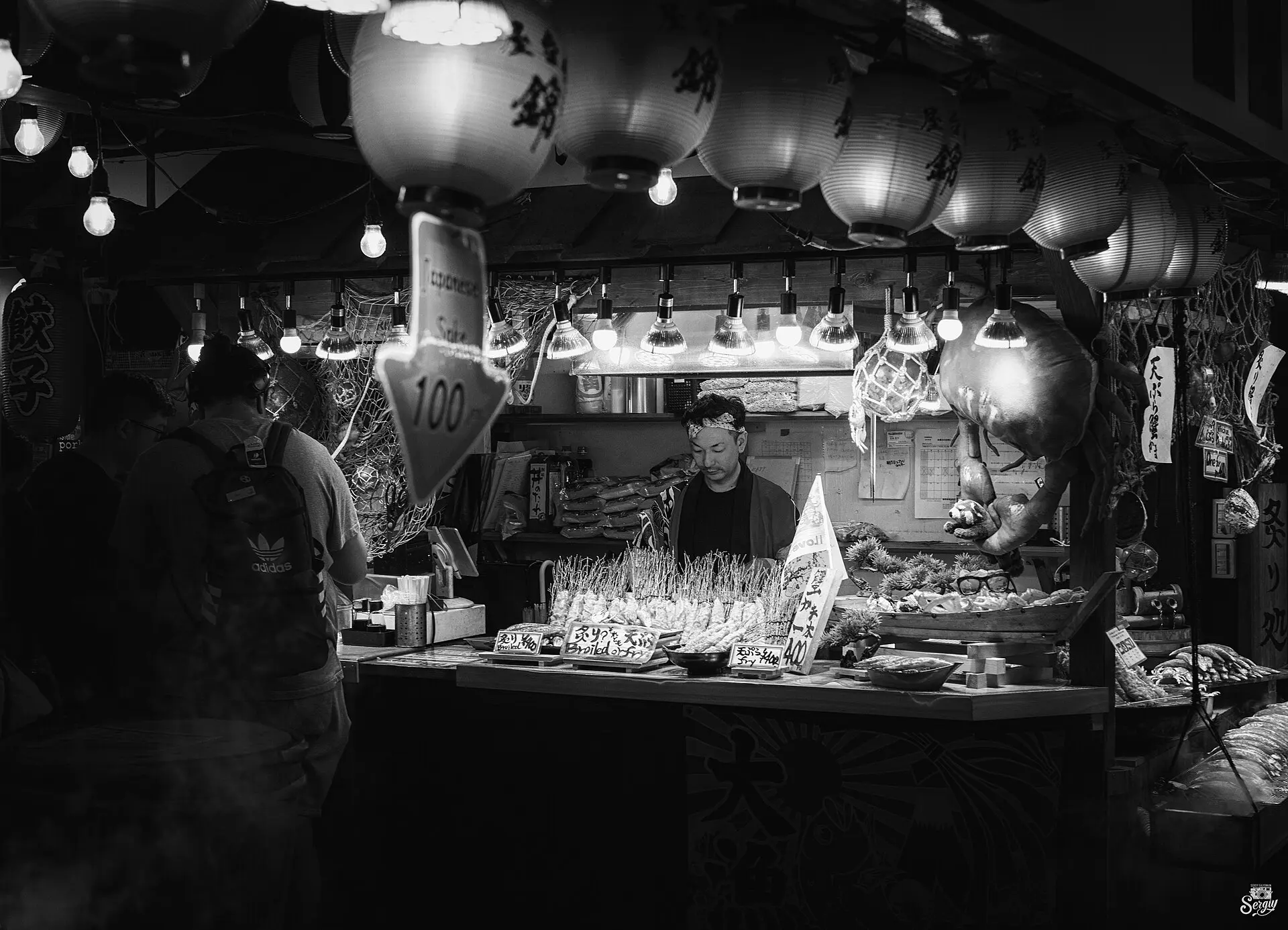
Eating alone is the least awkward part of the trip. Ramen shops often use a ticket machine at the door, you press a button, hand the ticket over and sit at a stool, with no conversation required. Izakaya and sushi counters seat singles first, and set lunches at around 1,000 to 1,500 yen are a cheap way to try a restaurant you would pay double for at dinner. Convenience stores sell decent breakfasts and hot food at all hours.
For sleeping, choose between three types. A business hotel gives you a small private room, a lock and a desk for the least money. A hostel with a female dorm gives you company and lockers. A guesthouse in a converted townhouse, common in Kyoto, gives you character, but check that reception is staffed when you arrive.
Getting around Japan alone, day and night
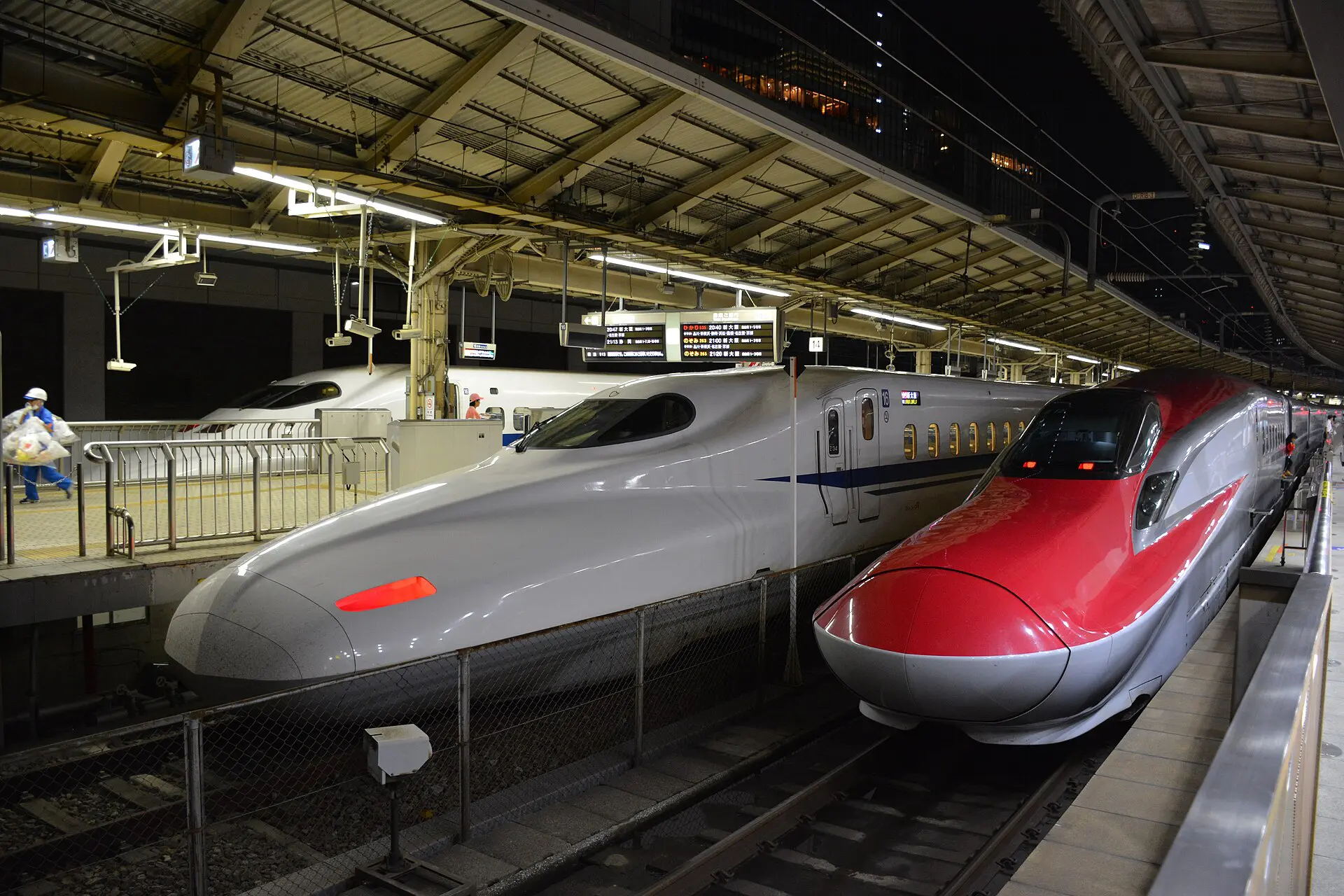
Buy a rail pass only if your route justifies it, because individual bullet-train tickets can be cheaper for this loop. Check current prices on the operator sites. A Tokyo to Kyoto bullet-train ride takes a little over two hours. Reserve a seat on long rides, and board the front or rear cars if you want fewer crowds.
Several city lines run women-only carriages during rush hours, marked with signs and floor stickers. You can use them or ignore them. Trains and subways stop running around midnight, so plan your last connection before you go out, not after dinner. Taxis are safe, metered and available at stations, but late fares climb, so keep a rough budget for one a night.
Walking home at night is normal in most districts, and street lighting and convenience stores are everywhere. Use a map app rather than wandering, and stay on main streets when you can.
How to meet people when travelling solo in Japan
Japan is polite and reserved, so company comes from structure, not spontaneity. Start with low-pressure options and move up only if you want to.
- Lowest effort: sit at a counter or in a hostel common room. People nod and chat if you do.
- Low effort: a walking tour or food tour for small groups. Book one in Tokyo and one in Kyoto.
- Medium effort: a cooking class, tea ceremony or craft workshop with a set start time and end time.
- Higher effort: a hostel social night or a language exchange. Both are optional.
Many hostels offer female-only dorms, and some hotels and capsule-style places have women-only floors. Check the booking page for that wording.
What to do after dark in Japan
Evenings are easy because most things stay open into the night and the streets stay busy. A sensible shape for the first few nights is dinner by 7 pm, a short walk or a view, and a station by 10 pm.
- Izakaya counters: small pubs where you order shared plates. Sit at the counter and point at the menu if you need to.
- Night views: observation decks in Tokyo and Osaka, lit streets and temples with evening openings.
- Onsen or sento: public baths are gender-separated, with set evening hours.
- Late-night food: ramen counters, convenience stores and food stalls.
I would skip the touts in nightlife districts such as Tokyo’s Kabukicho. Say no, keep walking, and do not follow anyone offering a cheap bar. If you go out for drinks, watch your glass, and head to the station before the last train rather than after it.
Solo female travel Japan budget bands
As a rough guide for 2026, and hedged because the yen and room rates move, a tight budget of hostel dorms, konbini meals and limited transit can run about 6,000 to 9,000 yen a day. A comfortable mid-range day with a private hotel room, restaurant meals and a train transfer is often 12,000 to 20,000 yen. Bullet-train legs add a lump sum on travel days, so budget them separately. For the full three-level split, see Japan Trip Cost: 10 Days at Three Budget Levels.
Where to spend more: a private room near a station, and a reserved seat on long trains. Where to save: set-meal lunches, convenience-store breakfasts and free temple grounds.
Staying safe in Japan: specifics and boundary scripts
Violent crime is low and lost wallets are often handed in. The real risks are small: crowded-train groping (chikan), drink spiking in some nightlife venues, and persistent touts. Here is what to do about them.
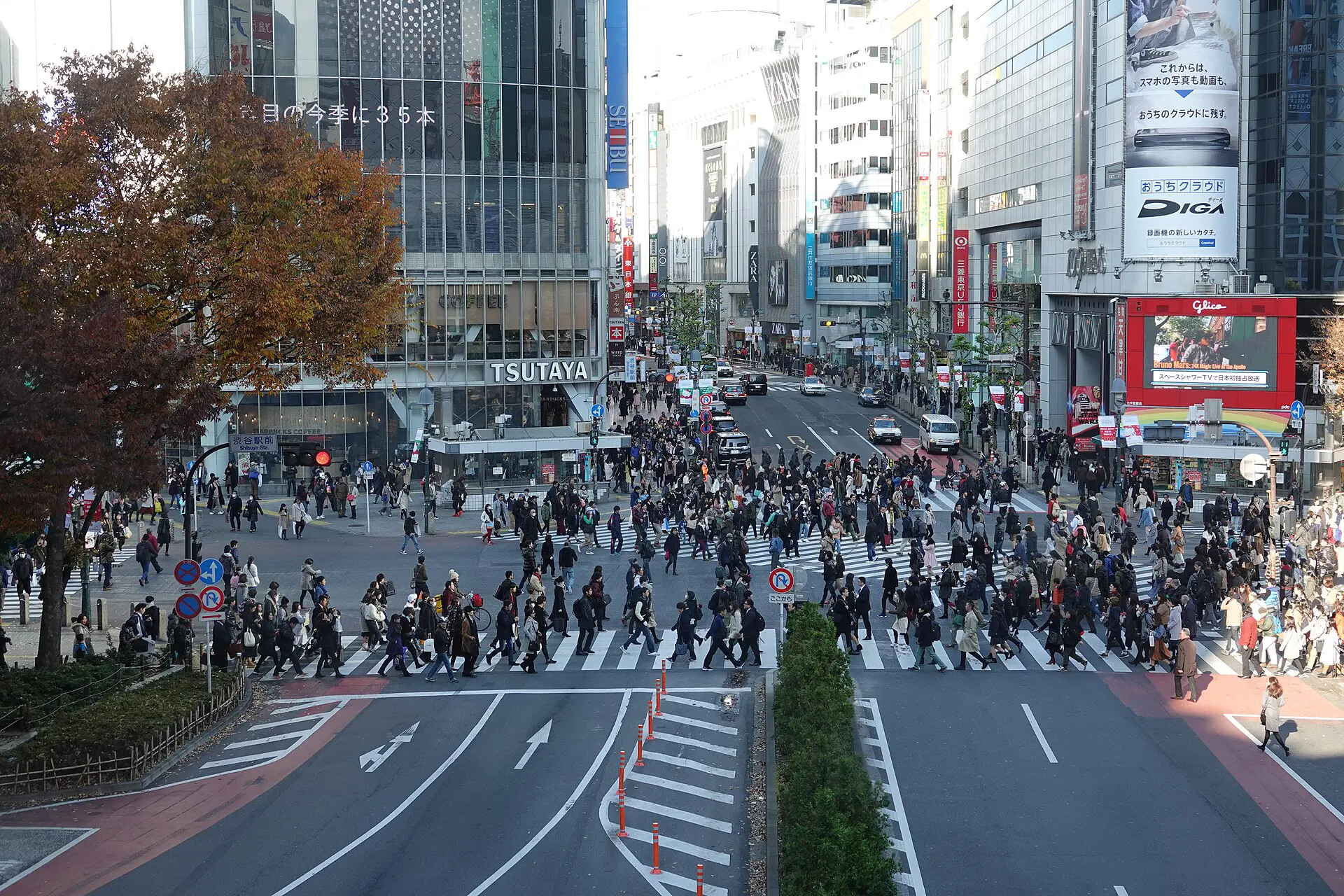
- On a crowded train, stand with your back to a wall or use a women-only carriage. If someone touches you, say “Yamete kudasai” (please stop) loudly and move. Staff and other passengers usually step in.
- With a tout or stranger: “Iie, kekko desu” (no thank you) and keep walking.
- If you feel unsafe, go into a convenience store or station. Staff are used to helping, and a police box (koban) is never far.
- Emergency numbers: 110 for police, 119 for fire and ambulance. Check current English-language help lines before you go.
Earthquakes and typhoons are the other factor. Download your government’s alerts app, learn your hotel’s exit route and follow local staff in an emergency. Read the wider Japan travel guide for visa and seasonal planning, and check the official source for entry rules before you book.
Solo female travel Japan FAQ
Is Japan safe for solo female travelers?
It is one of the lower-risk countries for solo women. Violent crime is rare and streets are busy late. Watch for groping on crowded trains, avoid touts in nightlife districts and keep an eye on your drink. Plan your last train home, and you remove most of the problems you are likely to meet.
Is Japan good for a first solo trip?
Yes, for most first-timers. Eating alone is normal, signs are often in English, and transport is reliable. The adjustments are cash, a language barrier outside big cities and long rides between bases. A fixed ten-day route with booked rooms keeps the first trip simple.
Where should a solo woman stay in Tokyo?
Pick a hotel or hostel within ten minutes’ walk of a station on a major line. Asakusa and Ueno are calmer, while Shinjuku and Shibuya have more nightlife and are busier late. Check reviews for solo guests, 24-hour reception and female-only dorms.
Can I use trains late at night in Japan?
Most trains and subways stop around midnight, with the exact last departure varying by line and city. Check it in a map app before you go out. If you miss it, taxis are safe but pricey, and some people sleep in a late-opening spa or capsule hotel.
Do I need Japanese to travel alone?
Not for a first trip. Big stations, hotels and tourist sites have English signs, and translation apps handle menus. Learn a few phrases for please, thank you and no thank you. Rural areas have less English, so keep offline maps and your accommodation address saved in Japanese. More background is on Wikivoyage.