The Japan trip cost for ten days is roughly $1,000 to $1,500 per person on the ground at a budget level, $2,000 to $3,200 mid-range and $4,000 and up at comfort level, before flights. Those ranges move with the yen and the season, so treat them as a planning frame, not a quote. Below, the same ten days priced three ways, the places where paying more is the better deal, and the places where spending less costs you nothing you will miss.
Japan trip cost: the total cost box
Figures are rough US dollar ranges per person for two people sharing a room, as of 2026, excluding international flights and travel insurance. The yen has swung a lot in recent years, so recheck the exchange rate before you lock a budget.
| Budget level | Daily range | 10-day total | What it covers |
|---|---|---|---|
| Budget | $100 to $150 | $1,000 to $1,500 | Hostels or small business hotels, convenience-store and set-meal food, local trains, one or two paid sights a day |
| Mid-range | $200 to $320 | $2,000 to $3,200 | Business hotels in good locations, a ryokan night or two, restaurant dinners, a few reserved bullet trains |
| Comfort | $400 to $700 or more | $4,000 to $7,000 or more | Upscale hotels, ryokan stays with meals, private transfers, guided experiences |
Two things sit inside these bands. Lodging is usually the largest single line, about 35 to 50 percent of the daily figure. Intercity transport is the most lumpy: one Tokyo to Kyoto bullet train ticket costs more than most days of food. Plan the route first, then the budget.
Food is the steadiest line. Eating well on $25 to $45 a day is realistic with set lunches, a convenience-store breakfast and one sit-down dinner, and a comfort level might spend $80 to $150. Local transport inside a city usually adds only $5 to $12 a day.
Where paying more pays off in Japan
Japan rewards spending in a few specific places, mostly where it buys time or a better night’s sleep. These three are worth the premium.
1. A hotel next to the station you will use most
A business hotel within a five-minute walk of a major station often costs $20 to $50 a night more than one a few stops out. It saves commute time and luggage hauling, and it lets you drop bags and go. Over four or five bases, the extra spend usually beats the transit fares and lost hours it replaces.
2. One ryokan night with dinner and breakfast
A traditional inn with meals included can run roughly $200 to $500 per person, sometimes more, and it is the one stay where the room, the bath and the kaiseki dinner are the activity. Book one night, not four. Choose a place with an onsen if the bath matters to you. It is a better use of money than a fifth night in an upscale city hotel.
3. Reserved seats on busy bullet-train days
Reserved seats cost a few hundred yen more than non-reserved on most routes and are worth it on weekends, around Golden Week and in the cherry blossom window. Standing for two hours with a suitcase is a poor saving. Reservations can be made at station machines or online, and green car upgrades are rarely worth the premium.
Where to save in Japan
The other four items below cut real money without cutting what most people come for.
4. Eat the set lunch, not the set dinner
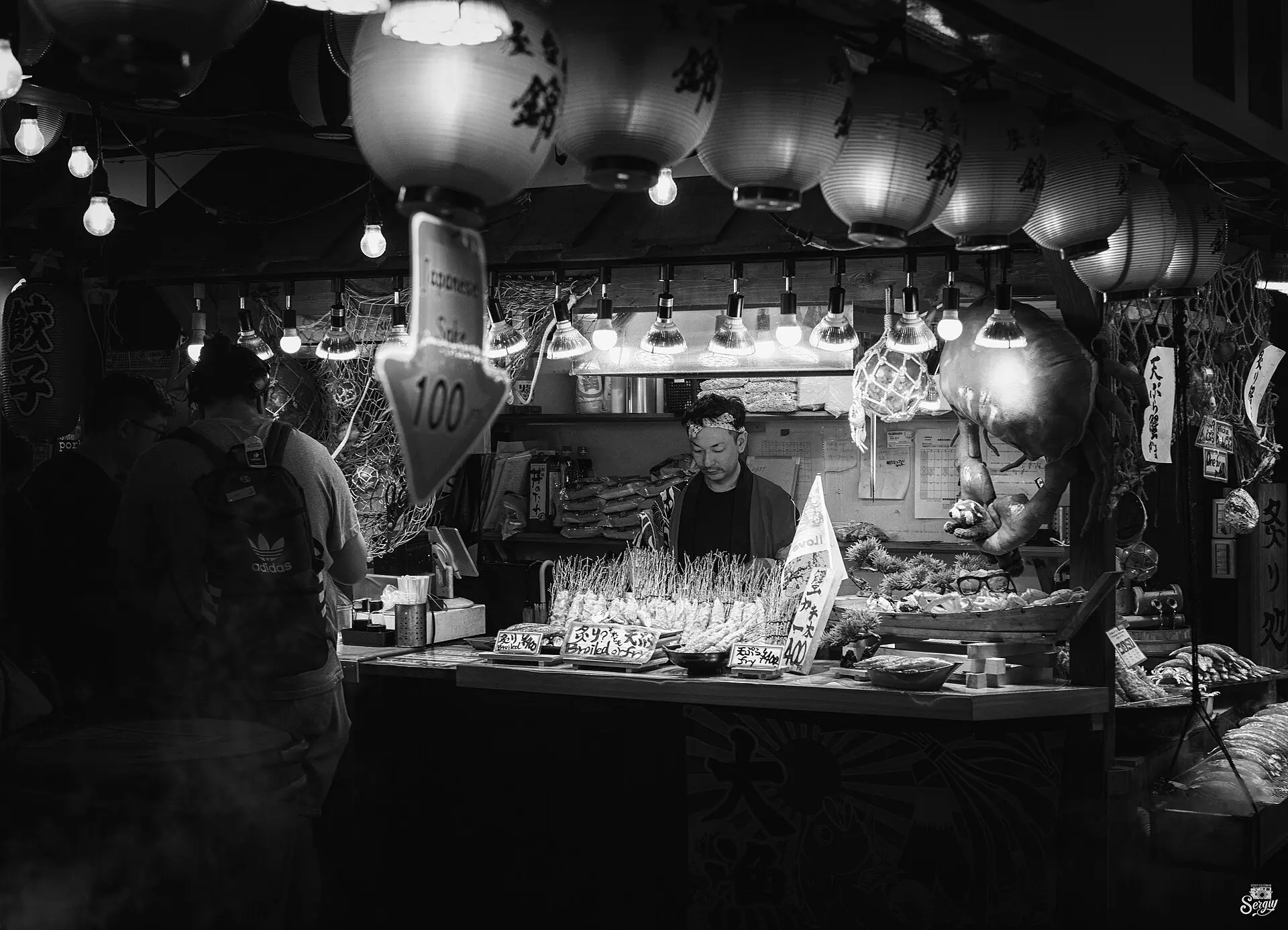
Many restaurants sell a teishoku or lunch set for roughly $7 to $13 that mirrors a dinner priced at two or three times as much. Make the midday meal your main one. Ramen, curry, tonkatsu and soba shops all run this way, and convenience stores and bakeries cover breakfast for a few dollars.
5. Skip the rail pass unless the maths clearly works
The nationwide JR Pass rose sharply in price in late 2023, and for many itineraries, individual tickets are now cheaper. Add up the actual legs you plan, using current fares, before buying. A pass tends to win only if you are covering Tokyo, Kyoto, Hiroshima and more in a tight loop. For a Tokyo and Kyoto trip with a day trip or two, it rarely does. Check the official price on the day you book.
6. Use a rechargeable IC card and shop for tax-free purchases
A Suica or Pasmo style card avoids buying single tickets for each city ride and works on most local trains, buses and in many shops. Larger purchases at participating stores can be tax-free for visitors on production of a passport. Neither is a large saving, but together they remove daily friction and a little cost.
7. Travel off the main axis for a night or two
Tokyo, Kyoto and Osaka set the national price level. Cities such as Kanazawa or Fukuoka, or a base on Shikoku, often have lower room rates and less crowding. They also cost time and a fare to reach, so this works as a break in a longer trip, not a way to cut a one-week itinerary. The Japan travel guide lists the regions in more detail.
Transport and booking windows for Japan
Japan is not a country where booking early secures the lowest fare, but there are windows that matter.
- Flights: for long-haul fares, two to five months out is a common window for off-peak dates, and earlier for cherry blossom, Golden Week and autumn colour. Fares are volatile, so set alerts and compare.
- Hotels: in the main cities, mid-range rooms for late March to mid-April and for November often sell out three to six months ahead. Free-cancellation rates let you lock a room and keep looking.
- Ryokan and onsen towns: small inns have few rooms, so book earlier, often four months or more for weekends and holidays.
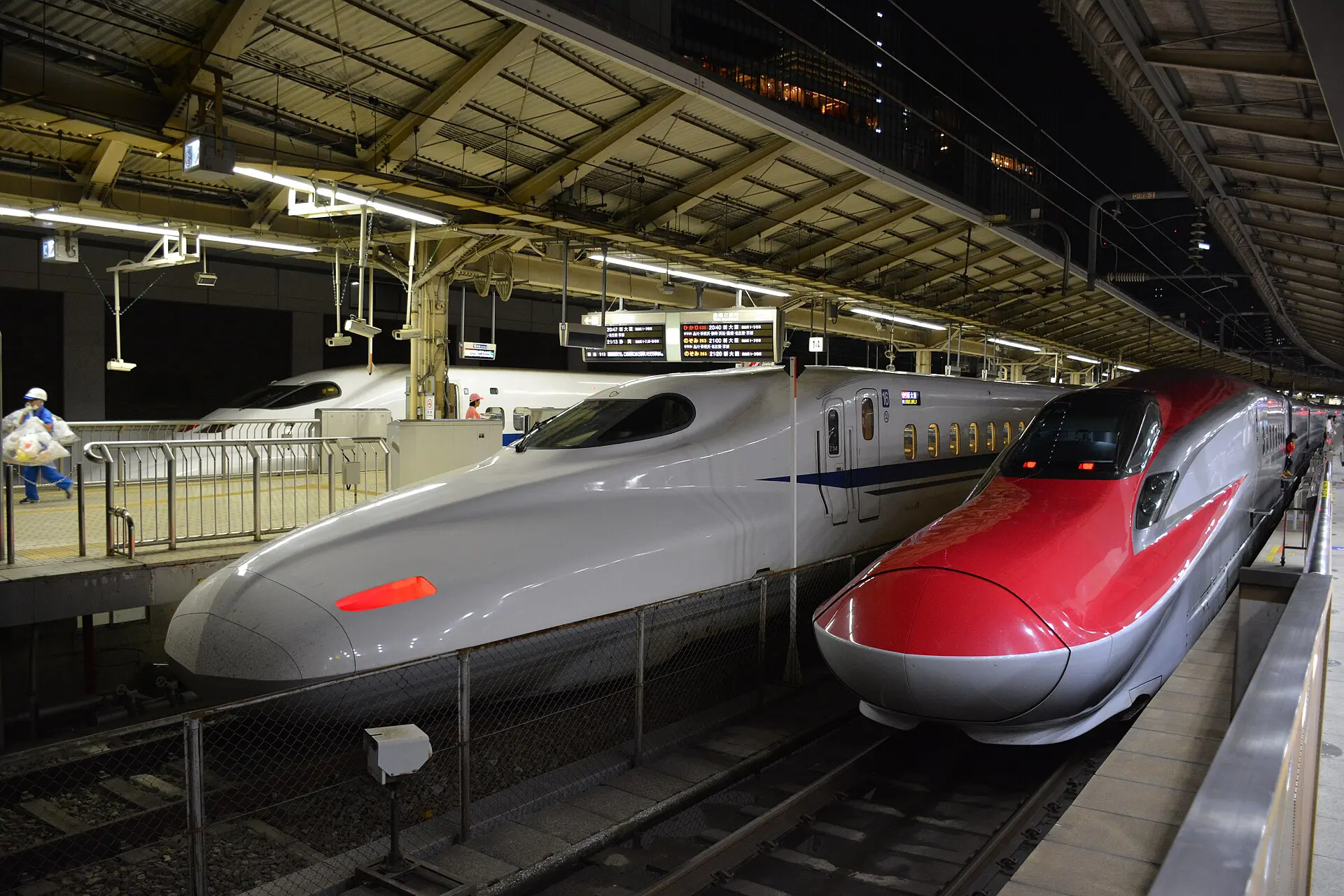
- Bullet trains: reserved seats are normally available about a month before departure, and you can usually buy at the station on the day for ordinary dates.
- Domestic flights and night buses: low-cost carriers and highway buses can undercut rail on long routes such as Tokyo to Fukuoka, if you accept the time.
Luggage forwarding between hotels is a useful add-on. It typically costs a few thousand yen per bag, and it lets you travel light on trains. A trip with a long boat or ferry leg, such as from Busan, needs its own schedule check.
Best months for value in Japan
Price follows demand, and demand follows blossom, leaves and holidays. The cheapest weeks are usually early January after the new year period, February and early December. June is the rainy season and also less expensive, though a damp trade-off, and the August heat is hard going in the cities.
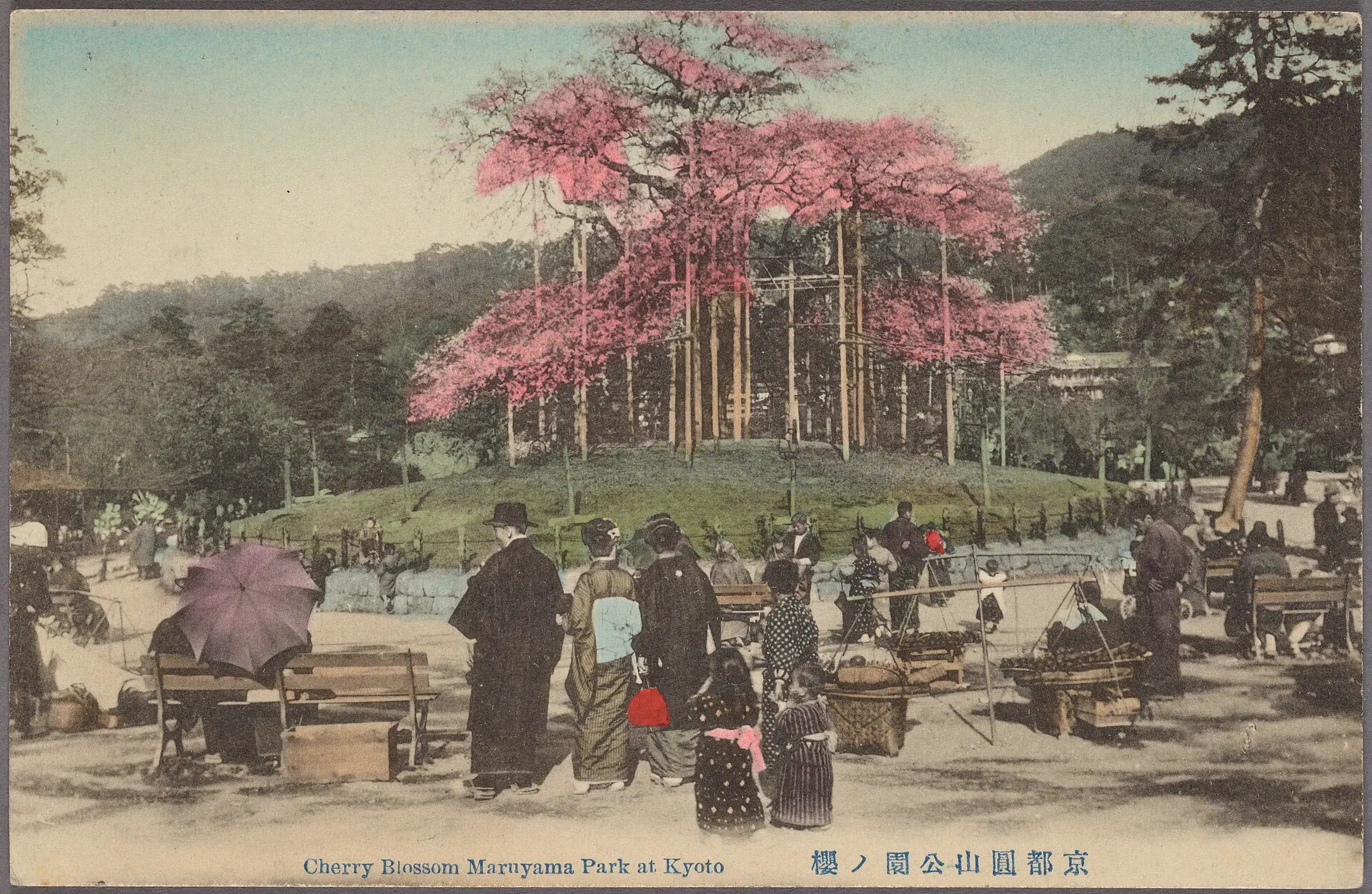
The pricey windows are late March to mid-April, Golden Week in late April and early May, the mid-August Obon holidays and the mid-November foliage peak. If you want blossom or autumn colour, pay for it knowingly, and save elsewhere. For a first trip, late May and October are balanced choices: pleasant weather, moderate demand. The Wikivoyage guide to Japan has regional detail.
FAQ about the Japan trip cost
How much does a 10-day trip to Japan cost?
On the ground, expect about $1,000 to $1,500 per person at a budget level, $2,000 to $3,200 mid-range and $4,000 or more at comfort level, excluding flights. Add flights from your home airport, which vary widely by season and routing.
Is Japan expensive for tourists?
It is less expensive than its reputation for food and transit, and more expensive for lodging in peak weeks and for bullet trains. A weak yen has helped visitors in recent years, but that can change, so check the rate when you set your budget.
Is the JR Pass worth it in 2026?
Often not, since the price increase. Total the fares for your actual route and compare it with the pass price on the official site. It tends to pay off only on long, fast loops across several regions in a short window.
Can you do Japan on a budget?
Yes. Hostels, small business hotels, set lunches, convenience-store breakfasts and IC cards keep days near $100 to $150. The cost is flexibility: you will use cheaper rooms and fewer reserved trains. See the Japan travel guide for where to base yourself.
What is the cheapest month to visit Japan?
January after the new year holidays, February and early December are usually the lowest, outside ski resorts. June is also cheap but wet. Check dates against local events, since single festivals can lift rates in an otherwise quiet month.