Solo female travel Thailand is among the easiest ways to start travelling alone. The country gets huge numbers of visitors, hostels and guesthouses are used to solo guests, transport links run from Bangkok to the north and to the islands, and daily costs are low. The hard parts are heat, traffic and a few well-known scams. This guide gives a first-timer route, where to sleep in each stop, ferry and night rules, and ways to meet people.
Is Thailand good for a first solo trip?
Yes. Thailand is one of the most visited countries on Earth, and its tourist trail is set up for people travelling alone: private rooms are cheap, social hostels are everywhere, and many guesthouses can book transport and tours for you. English works in tourist areas, and a few Thai phrases and a polite smile help everywhere else.
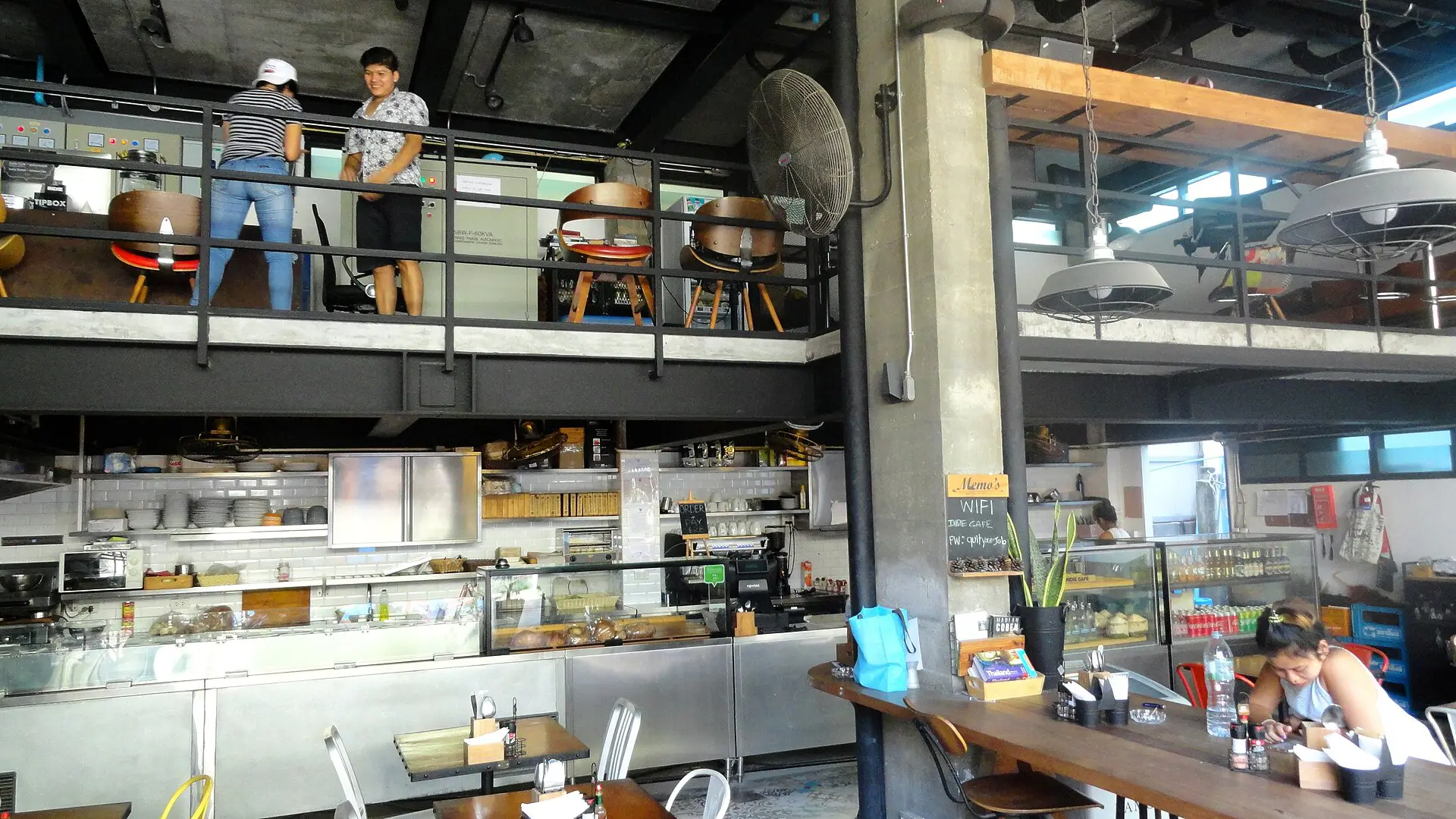
It suits you if you want warm weather, food that costs little and a choice between city, mountains and islands. It is less easy if you hate heat, crowds or hard bargaining. Entry rules change, so check visa and stay-length rules with the official source before you fly. For wider context see the Thailand travel guide.
Arriving alone in Thailand: your arrival card
Most visitors land in Bangkok, either at Suvarnabhumi or at Don Mueang, which handles many budget flights. Both are a long way from the centre, so your arrival time decides how smooth the first night is.
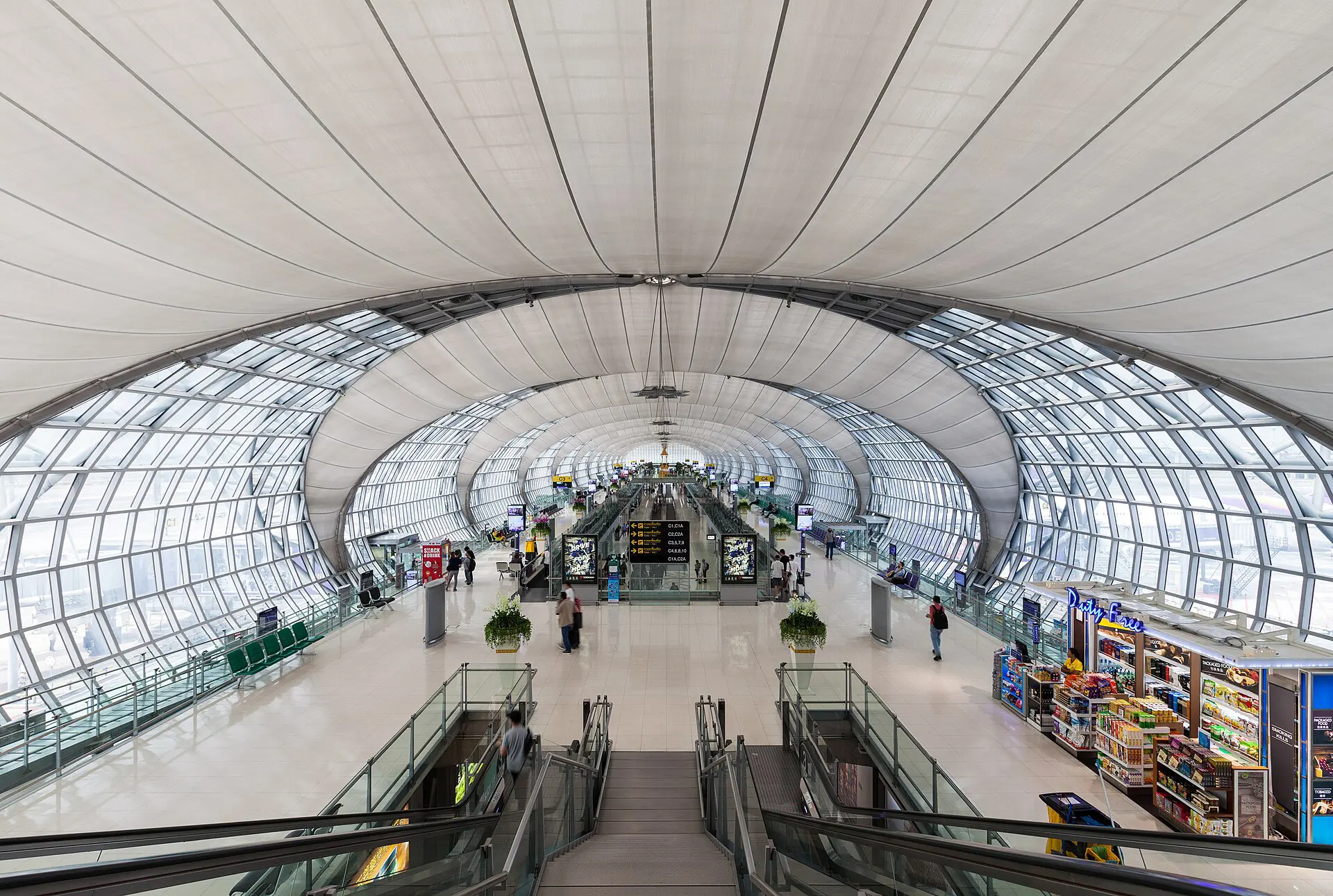
- Best arrival window: daytime or early evening. Traffic can turn a 45-minute transfer into two hours at rush hour, so a mid-morning or early afternoon landing is easiest.
- Late arrival: if you land after about 10 pm, pre-book your bed and a transfer, or use the official taxi queue and ride-hail apps. Avoid touts in the arrivals hall.
- Airport to centre: Suvarnabhumi is roughly 25 to 30 km east of the city and has a rail link that runs into the centre. Taxis use a meter at the official queue, with a small airport fee and tolls on top. Check current fares.
- First night: sleep near a metro or rail station, such as the Sukhumvit corridor or the old-town area, and set up a local SIM or eSIM.
- First evening: eat within a short walk of your bed, drink water and sleep. Heat and jet lag make a long first night a poor idea.
Solo female travel Thailand route: 8 places to base yourself
The route below runs from Bangkok to the north and then down to the islands. Each stop says where to sleep and why. Drop any stop that does not appeal.
1. Bangkok: big, loud, and easy to use
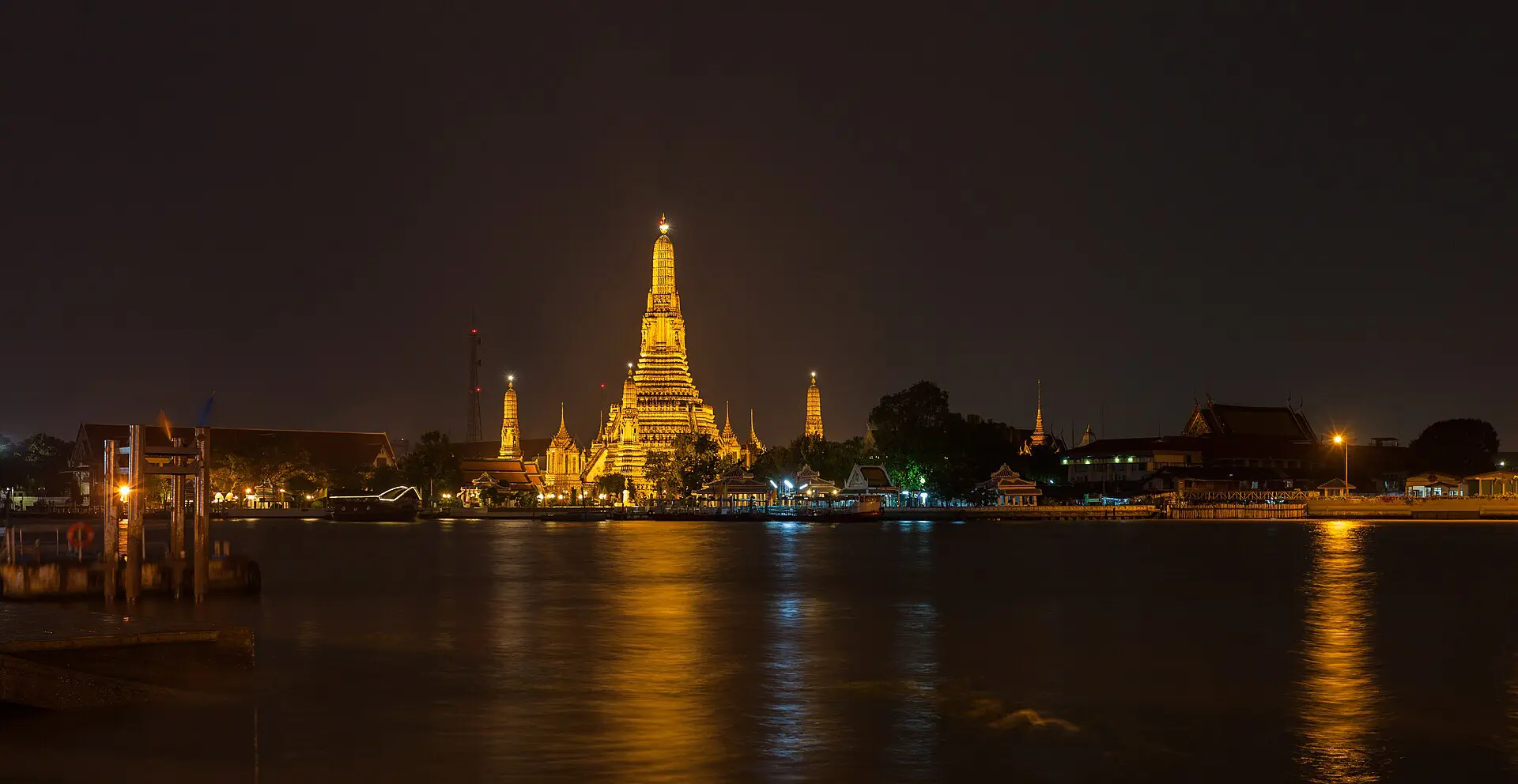
Thailand’s capital is a bustling, frenetic city with temples, markets and good food on every street. Stay near a metro or Skytrain station, where you can move above the traffic, such as the Sukhumvit area, or in the old town if you want temples and river boats. Choose a hostel or guesthouse with strong reviews for security and air conditioning. Two or three nights is enough.
2. Ayutthaya: a day trip into history
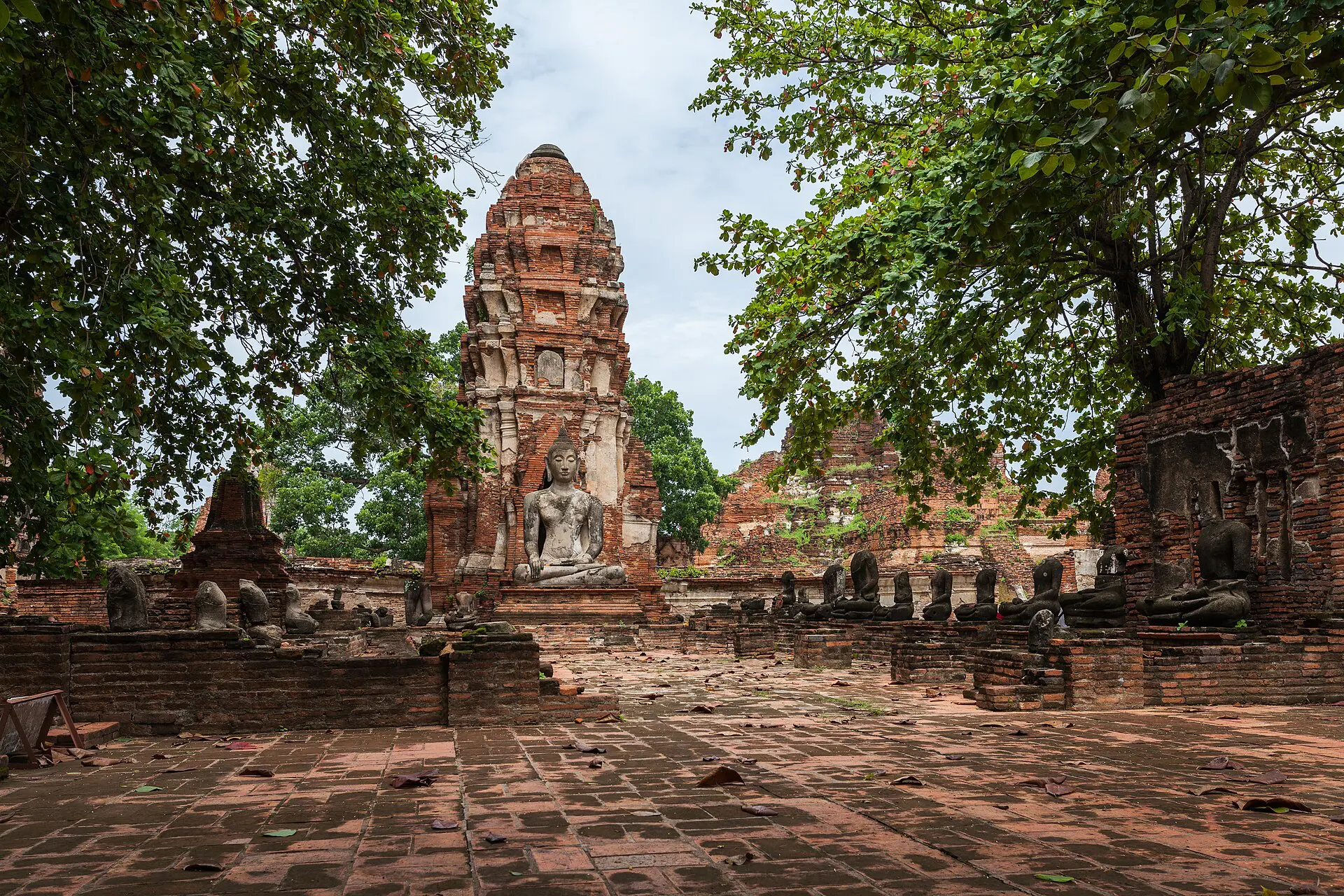
Ayutthaya is a historic city and UNESCO World Heritage Site, and the old capital of Siam. Most people visit on a day trip by train or minibus from Bangkok and return the same evening. If you stay, choose a guesthouse near the historical park, and rent a bicycle or join a small tour instead of walking in midday heat.
3. Chiang Mai: the north’s social hub
Chiang Mai is the de facto capital of northern Thailand and the heart of Lanna culture. It is one of the easiest places to meet other solo travelers, with cooking classes, temples, markets and hiking tours. Stay inside or beside the old city moat, where guesthouses and cafes cluster and you can walk at night. Overnight trains and sleeper buses connect it to Bangkok; check which service suits you.
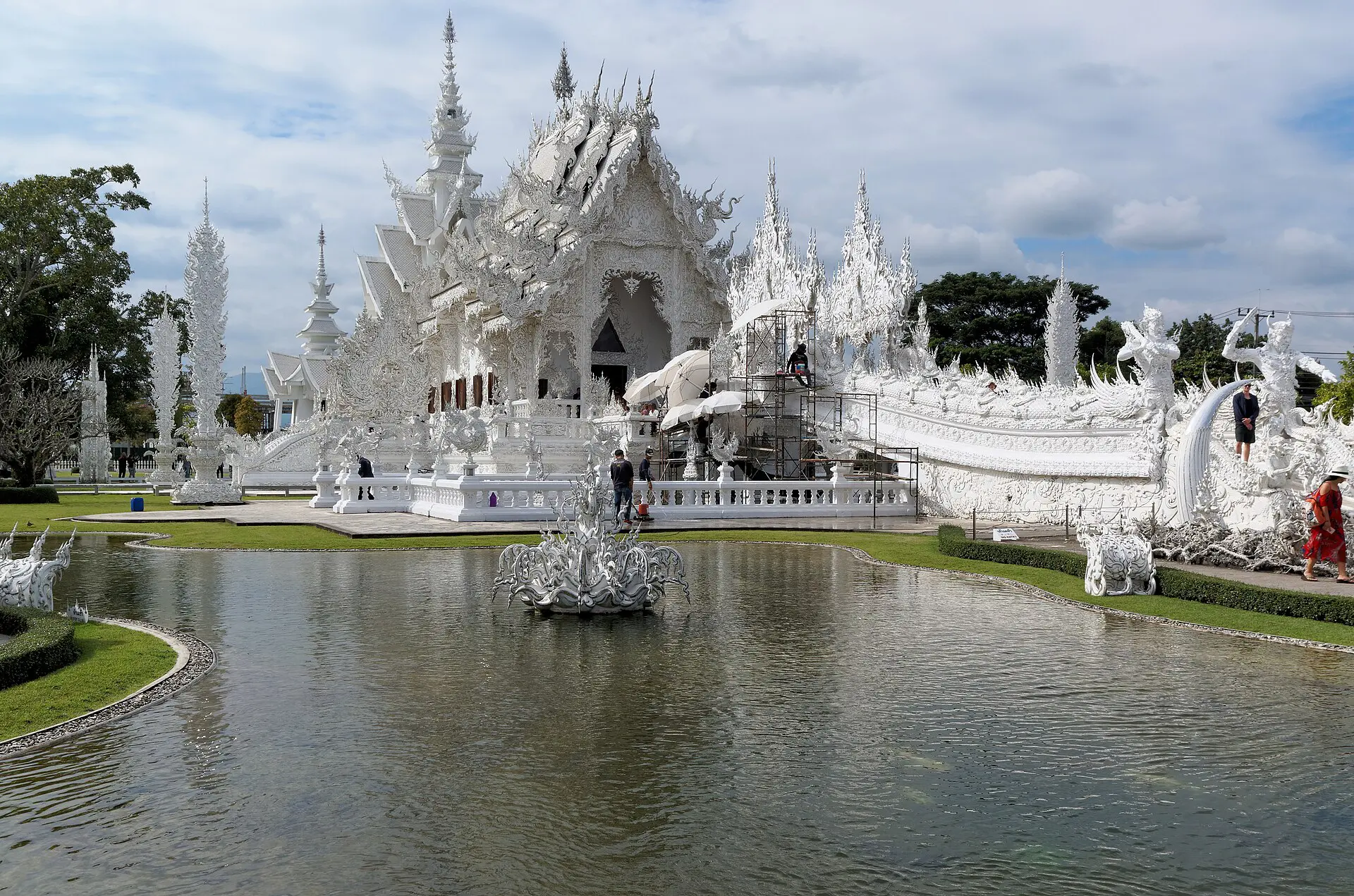
4. Chiang Rai: a calmer northern stop
Chiang Rai is the gateway to the Golden Triangle and to hill communities, and it is quieter than Chiang Mai. Stay near the clock tower or the night market, where guesthouses are within walking distance of food. Use it as a break from tourist crowds, and book hill-community visits with a responsible operator that works with local villages.
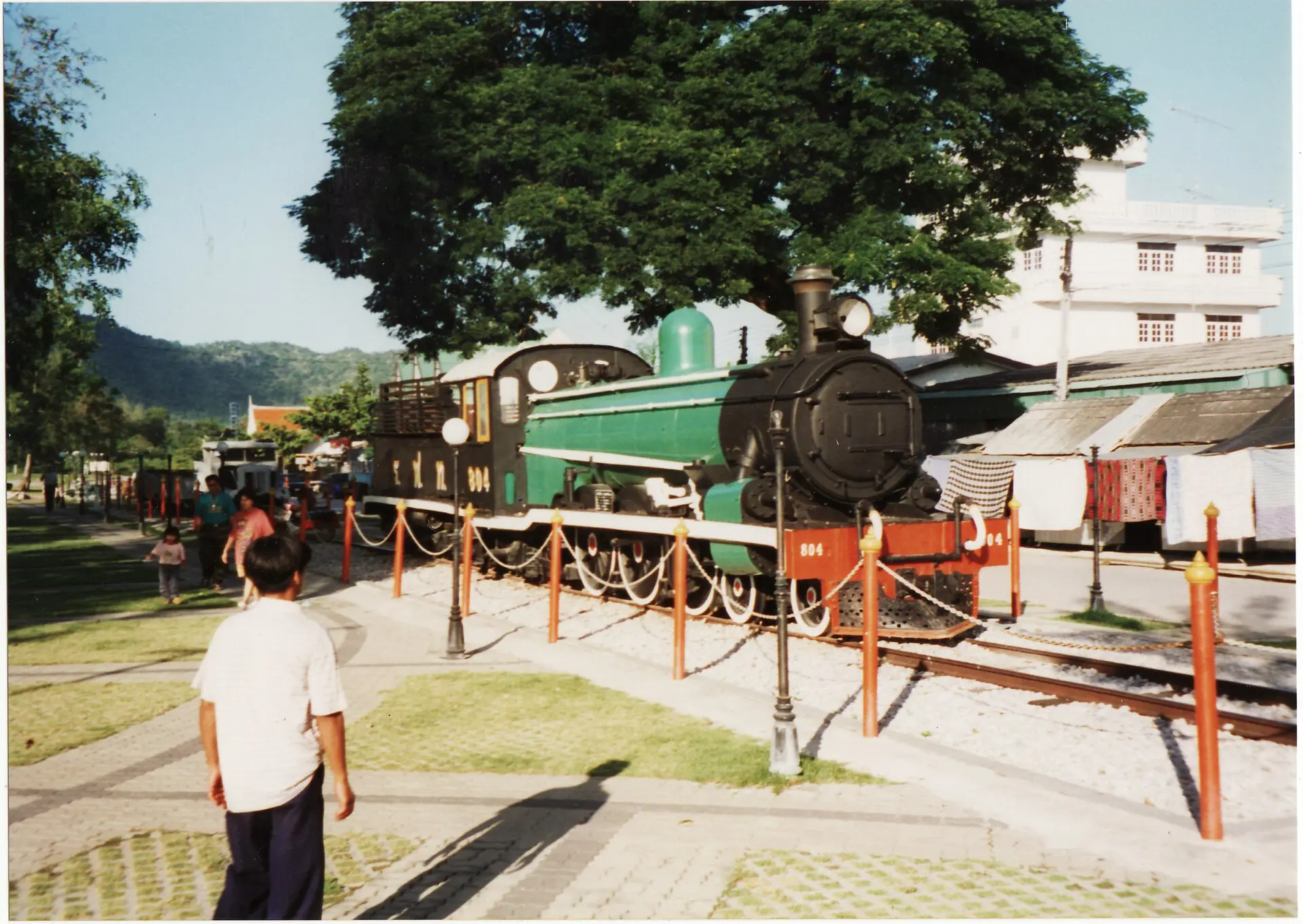
5. Kanchanaburi: river, bridge and history
Kanchanaburi lies west of Bangkok and is known for the bridge over the River Kwai and war museums. Stay in a riverside guesthouse in the town, since the area is calm and walkable. It can be done as an overnight stop, and the train ride from Bangkok is part of the appeal. The war sites are solemn, so dress and behave accordingly.
6. Koh Tao: the Gulf island for learning to dive
Koh Tao is a small island in the Gulf of Thailand, popular for diving courses and snorkelling. Stay near the main pier or in a dive-centre hostel, where the social life is built around classes. A multi-day course gives you a built-in group. Ferries run from Chumphon or Surat Thani on the mainland, and from neighbouring islands.
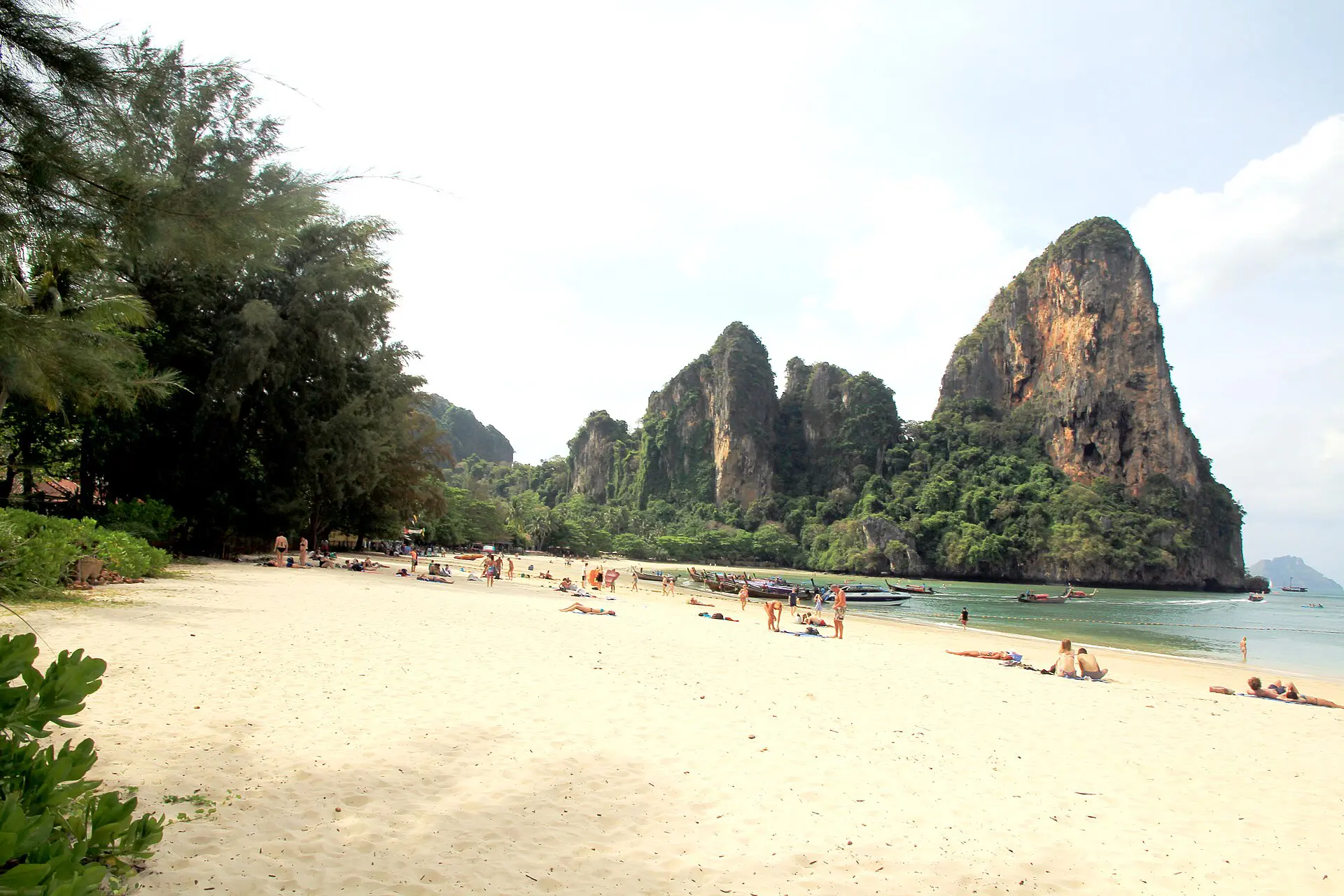
7. Krabi and Railay: limestone beaches on the Andaman side
Krabi town is the mainland base, and Railay is a headland reached only by boat. Stay in Ao Nang or Krabi town for the best prices and transport, or on Railay for beaches and climbing, accepting a longer-tail boat ride. Check sea conditions, since long-tail boats do not run in rough weather and the monsoon season affects crossings.
8. Koh Lanta: slower island time
Koh Lanta is a long, low island with quiet beaches and an easygoing feel. Stay on the west coast, where sunset beaches and small guesthouses are, and rent a scooter only if you are licensed and confident, or take taxis and tours. It is a good place to end a trip. Ferries and minivans link it to Krabi.
Getting around Thailand alone: trains, buses and ferries
Thailand has overnight trains, air-conditioned coaches and combined bus-and-ferry tickets to the islands. Book through a trusted travel desk or an official site, and check the details yourself, since some agents sell the wrong seat or an extra stop.
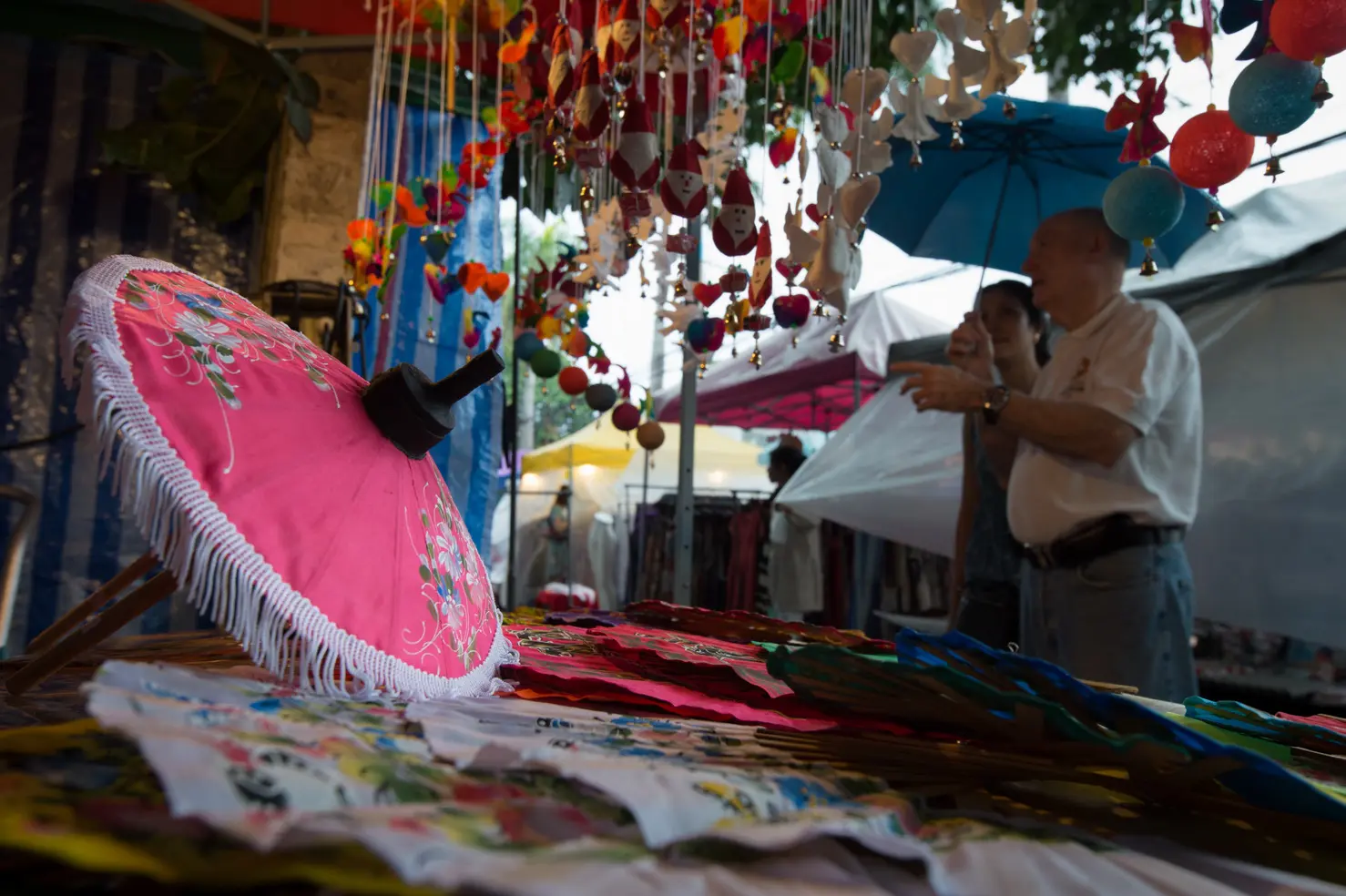
Day rules. Use metered taxis or ride-hailing apps in Bangkok and Chiang Mai, and agree fares before getting into tuk-tuks. Skip tuk-tuk drivers who say a temple is closed and offer a different tour, since that is a common scam.
Night rules. For sleeper trains, book a lower berth in a carriage with other travelers, and keep your valuables on you. On overnight coaches, bring a layer, since air conditioning is strong. Do not plan a ferry that arrives at an island pier after dark without a booked bed; boats are fewer at night and piers can be dark.
Ferry nights. Check the last boat of the day and the weather. In rough seas, services are delayed or cancelled. Keep one night of slack at either end of an island hop.
Scooters. Accidents are a leading cause of injury for visitors. Rent one only with a licence, a helmet and insurance that covers it, and photograph the bike before you ride to avoid damage disputes.
How to meet people when travelling alone in Thailand
- Social hostels. Bangkok and Chiang Mai have hostels with free walking tours, rooftop bars and group dinners. A female-only dorm is a sensible choice if you want calm.
- Cooking classes. Half-day classes in Chiang Mai and Bangkok mean a market visit, a shared meal and recipes.
- Day tours. Island hopping by boat, waterfall trips and temple tours give you company with little commitment.
- Diving and yoga courses. Koh Tao and the northern retreats provide a group for several days.
- Ferry and train journeys. People travelling the same route chat. Swap contact details if you click.
Boundary scripts: to a stranger who is too persistent, say “No, thank you,” in a firm voice and walk to a shop or reception. To a pushy tour seller: “Not today, thanks.” To someone who asks where you are staying: “Near here,” then change direction.
What to do after dark in Thailand
Evenings are social and food is a big part of them. Night markets, rooftop bars and beach bars run late. Plan the night before you go out: where you are eating, how you will get home and whom you have told.
- Night markets: a good solo evening in Chiang Mai, Bangkok and Chiang Rai. Eat from stalls with a queue, and keep your bag in front.
- Beach bars and parties: go with friends from your hostel. Buy your own drinks, watch them being made and do not leave them unattended. Bucket drinks are strong.
- Getting home: use a ride-hailing app or a metered taxi. On islands, check the last songthaew or boat before you start.
- Quiet-night options: massage, a film, a lantern-lit riverside walk or an early night. Nobody will mind.
- Beaches at night: stay out of the water and avoid walking along dark sand alone.
Solo female travel Thailand budget: what it costs
Thailand is cheap by Western standards, though islands cost more than the mainland. These are rough 2026 bands in Thai baht per day, excluding flights, and they vary by season.
| Style | Typical daily range | What it looks like |
|---|---|---|
| Lean | THB 900 to 1,500 | Dorm bed, street food, local transport |
| Middle | THB 1,800 to 3,000 | Private room with air conditioning, restaurant meals, a tour or class |
| Comfortable | THB 3,500 and up | Boutique hotel, private transfers, island boat days |
Cool, dry months from about November to February are the busiest and the most expensive. Shoulder months bring cheaper rooms but more rain, and the Gulf and Andaman coasts have different rainy seasons, so check each coast. Ferries, dive courses and island accommodation are the biggest cost swings.
Staying safe solo in Thailand: practical rules
- Scams: be wary of tuk-tuk drivers offering cheap tours, gem shops, jet-ski rentals with damage claims and overcharging taxis. Say no and walk away.
- Drinks: keep your drink in sight and refuse drinks from strangers.
- Dress: cover shoulders and knees at temples, and remove shoes where asked. Respect for the monarchy and for Buddha images is expected, and disrespect can carry legal consequences.
- Heat and water: drink bottled or filtered water and rest at midday.
- Sea: obey flag and jellyfish warnings, since currents can be strong.
- Emergency: the tourist police line is 1155, and 191 is the general police number. Save your embassy details.
Get travel insurance that covers scooters if you plan to ride, and medical evacuation from islands. For further reading see the Wikivoyage guide to Thailand or the Wikipedia article on Thailand.
Solo female travel Thailand FAQ
Is Thailand safe for solo female travelers?
Many women travel alone in Thailand without trouble, and the main tourist routes are well used. Common problems are scams, traffic accidents and drink safety at parties. Use licensed transport, keep drinks in sight and book accommodation with good reviews. Share your plans with someone at home.
How many days do you need in Thailand?
Two weeks covers Bangkok, Chiang Mai and one island group at a comfortable pace. Three weeks adds a second island or a northern loop. Allow buffer days for ferries and weather, since boat schedules and long-distance travel can slow a plan.
Where should a first-time solo traveler go in Thailand?
Bangkok, Chiang Mai and an island such as Koh Tao or Koh Lanta make a good first route. Each has many solo travelers, reliable transport and plenty of group activities. Add Ayutthaya or Kanchanaburi as day trips from Bangkok if you want history.
Is it safe to take night trains and buses in Thailand?
Overnight trains and coaches are widely used, and most trips pass without incident. Keep valuables in a small bag on your body, choose a lower berth or an aisle seat near other travelers, and do not accept food or drink from strangers. Book through an official site or trusted desk.
Is Chiang Rai worth visiting?
Yes, if you want quieter streets and access to hill communities and the Golden Triangle. It works well as a one- or two-night stop after Chiang Mai. Choose responsible tour operators, check transport times and keep plans flexible in the rainy season.