Solo female travel New Zealand is one of the easier first big trips: English is spoken everywhere, tourist infrastructure is well developed, and a hostel bed or a seat on a shuttle is rarely hard to find. The country is safe by international standards, though not risk-free, and the real hazards are weather, long empty roads and mountain trails. Below you get an arrival plan, eight places to base yourself, the shuttle and trailhead rules that matter, and ways to meet people without forcing it.
Is New Zealand good for a first solo trip?
Yes, for most people. New Zealand is a good fit if you want independence with a safety net: reliable accommodation, clear signage, an emergency number (111) that works across the country and a backpacker scene that is built around people travelling alone. It is a weaker fit if you are on a very tight budget, since distances are long and prices are higher than in much of Asia or Latin America.
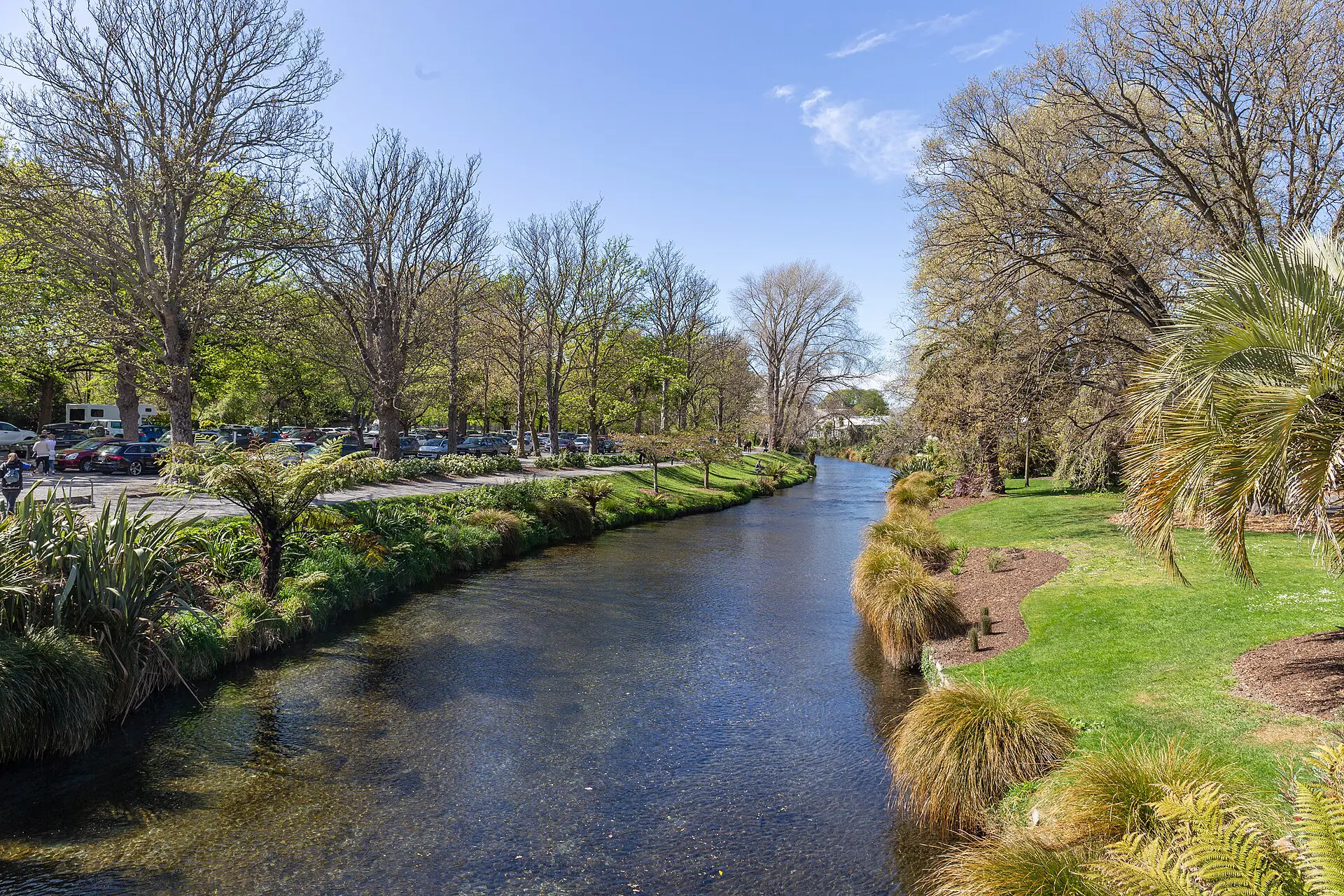
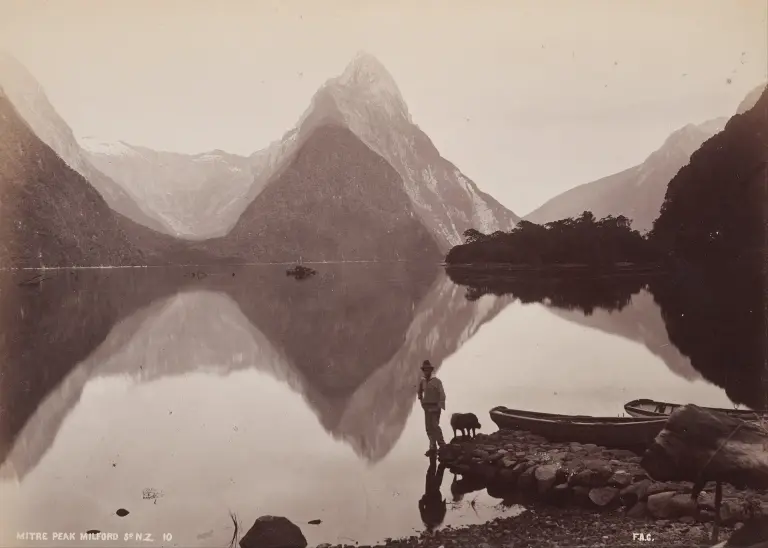
The country is long and narrow, with no point more than about 130 km from the sea, and the South Island has far fewer people than the North. That is the trade-off. Cities feel easy; the places people come for, such as national parks and fiords, are remote, so your planning goes into transport and daylight rather than into street smarts. Read the New Zealand travel guide for the wider picture.
Arriving alone in New Zealand: your arrival card
Most long-haul flights land in Auckland, and many arrive early in the morning. That works well for you: you can be through customs and settled before the afternoon. Aim for a first night in the city rather than a long transfer, and book it before you fly.
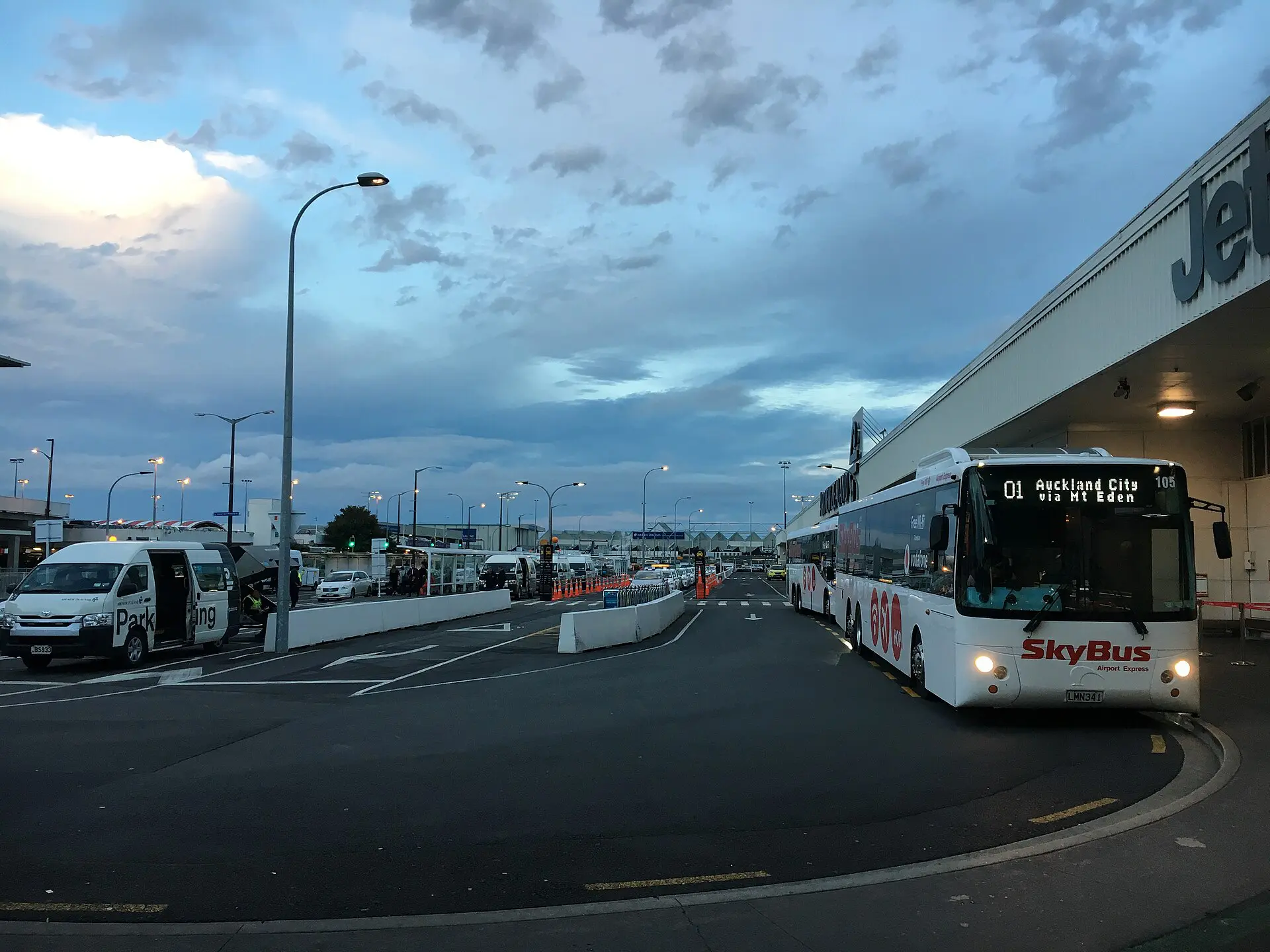
- Best arrival window: morning to mid-afternoon. A late-night landing is fine too, but pre-book a bed and a ride, as shuttle and bus services thin out after dark.
- Airport to centre: Auckland Airport is roughly 20 km south of the city. Airport buses, ride-hailing and taxis all run; as of 2026 expect a fare of roughly NZ$50 to NZ$90 for a taxi or ride-hail, and less on the bus. Check current options on the airport website.
- Biosecurity: declare food, outdoor gear and muddy boots at the border. Clean your hiking boots before you fly, since inspectors check them.
- First night: sleep central, near transport, and do your SIM or eSIM and bank-card setup before you land.
- First evening: eat early, walk a lit main street, and go to bed. Jet lag makes people sloppy.
Solo female travel New Zealand route: 8 places to base yourself
This is a flexible route from north to south, not a rigid schedule. Each stop says where to sleep and why. You can drop any stop and the route still works, as long as you keep your transport booked.
1. Auckland: the soft landing
Stay near the central business district or around the waterfront and Ponsonby, where evenings are busy and transport is simple. A social hostel here gives you instant company for your first nights, and the ferry to Waiheke Island is an easy day out. Two nights is plenty.
2. Rotorua: geothermal and Maori culture
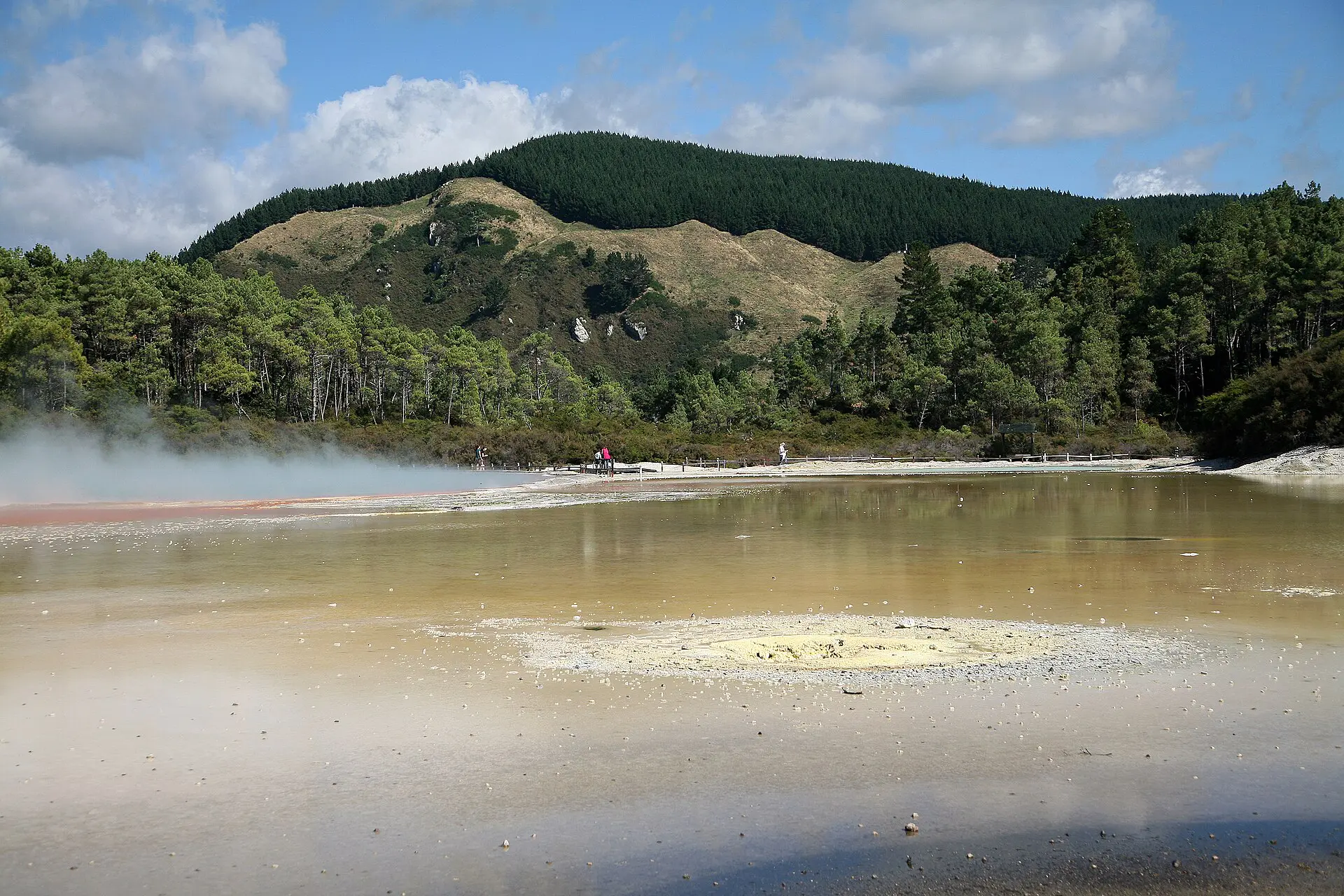
Rotorua is known for geysers, mud pools, hot springs and Maori cultural experiences. Stay in a hostel or guesthouse in or close to the town centre so you can walk to dinner. Book cultural evenings and park entries through your accommodation or the operator directly, and choose ones that are owned and run by local iwi where you can.
3. Tongariro National Park: the big day hike
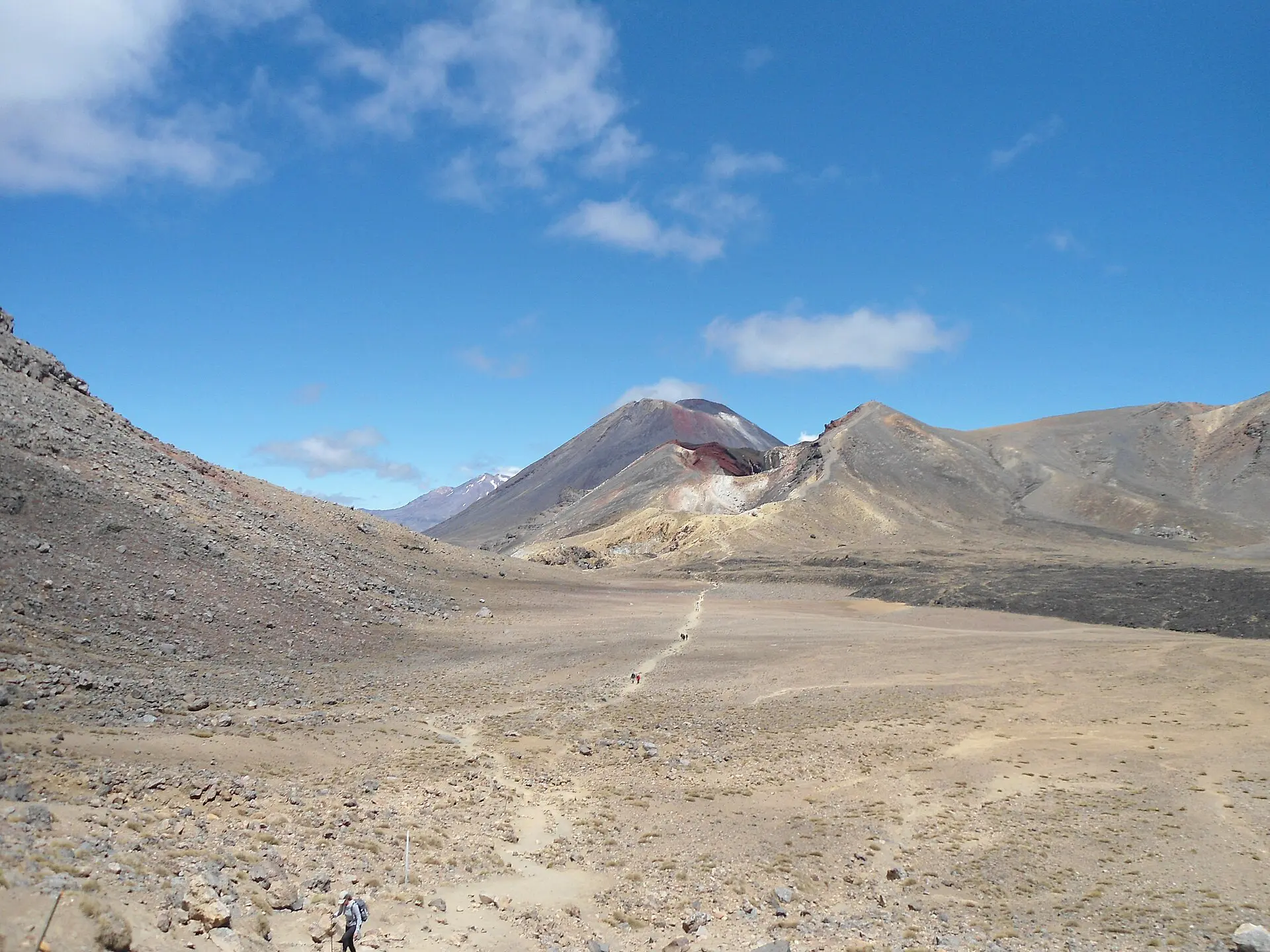
The Tongariro Alpine Crossing is one of the country’s most popular day walks, a long day of roughly 19 km across volcanic terrain. Base yourself in a small village near the park, since the walk starts early and you depend on a shuttle to and from the two trailheads. See the trailhead rules in the safety section below, because weather here can change quickly and the track is sometimes closed.
4. Wellington: easy, walkable, arty
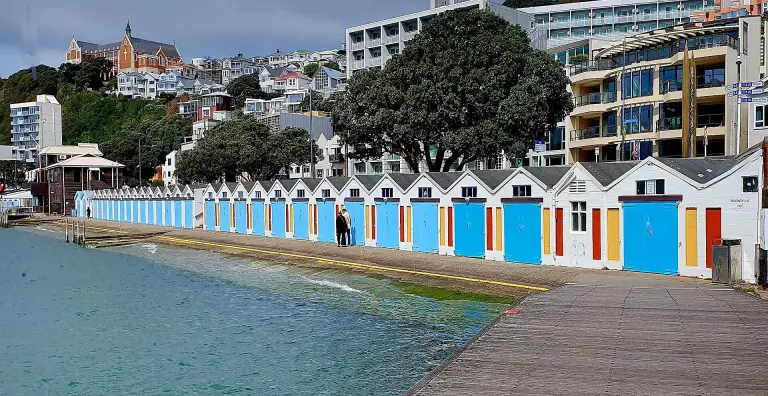
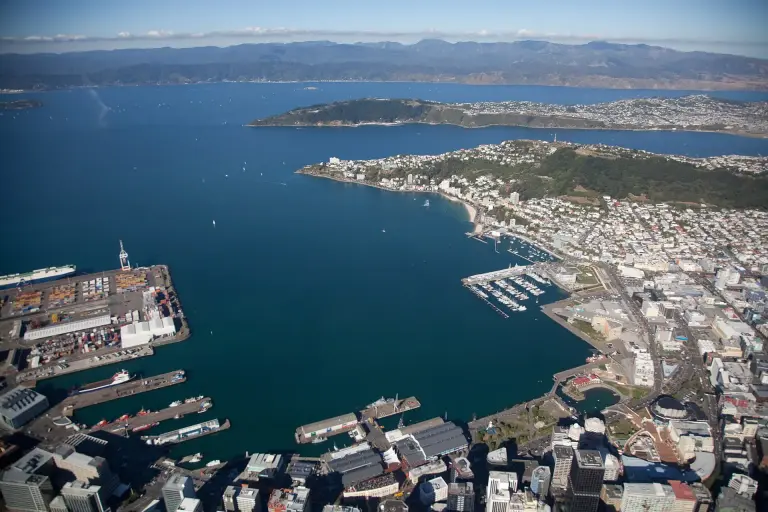
The capital is compact and walkable, with a waterfront, a free national museum (Te Papa) and a good coffee and live-music scene. Stay near Cuba Street or the waterfront so you can walk home along lit streets. It is windy, so pack a shell jacket. The ferry across Cook Strait to the South Island is a scenic way to move on; book ahead in summer.
5. Nelson and Abel Tasman: beaches and coastal track
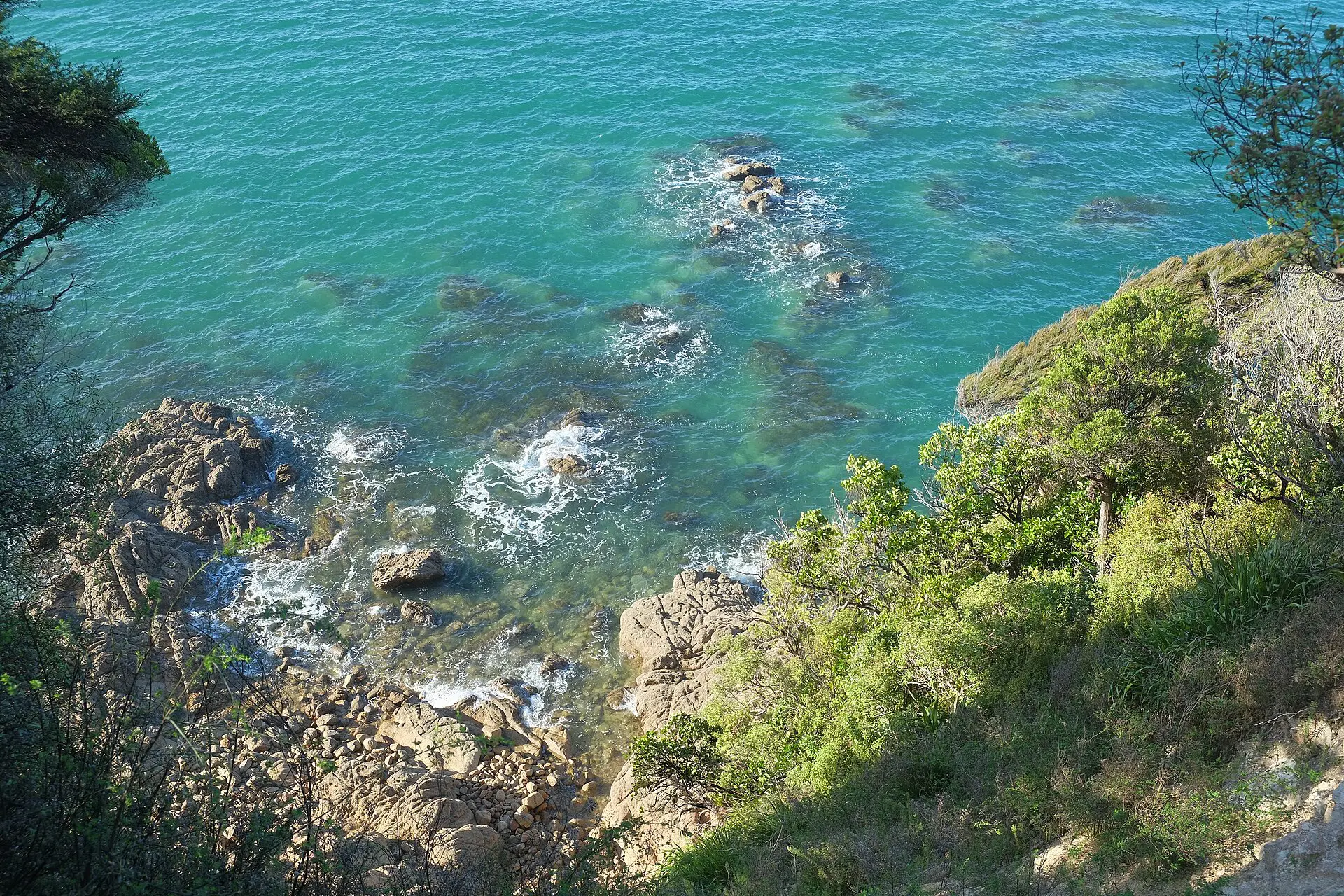
Nelson is a relaxed arts town with a high number of sunshine hours, and it is the base for Abel Tasman National Park. Stay in town, then use water taxis and shuttles to reach the coastal track, which has golden beaches and can be done in sections.
6. Christchurch: rebuilt and low-key
The South Island’s biggest city has been rebuilt since the 2011 earthquake and feels open and flat, with a river through the middle. Stay near the centre, use it as a base for rail or coach connections, and take a day to see the botanic gardens and the new architecture. It is also a logical place to collect a campervan.
7. Queenstown: the adventure hub
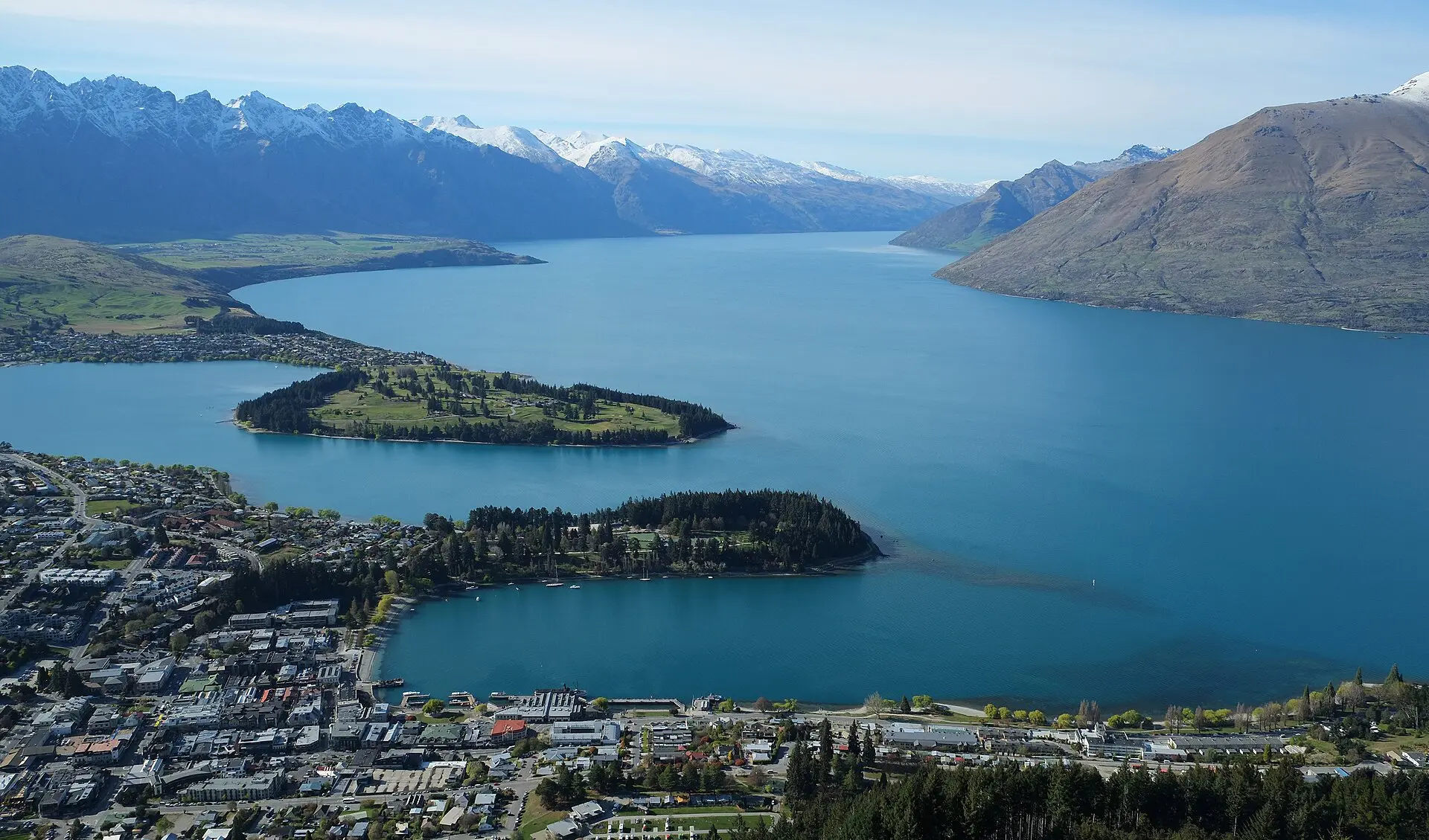
Queenstown is where the country sells adrenaline: bungy, jet boats, skydiving and skiing in winter. It is also the easiest place to meet people, because everyone is on a group activity. Stay in the town centre or a short walk from it, and pick a hostel with a social space. It gets lively at night, so ask for a quiet room if you want to sleep.
8. Dunedin: Scottish streets and wildlife
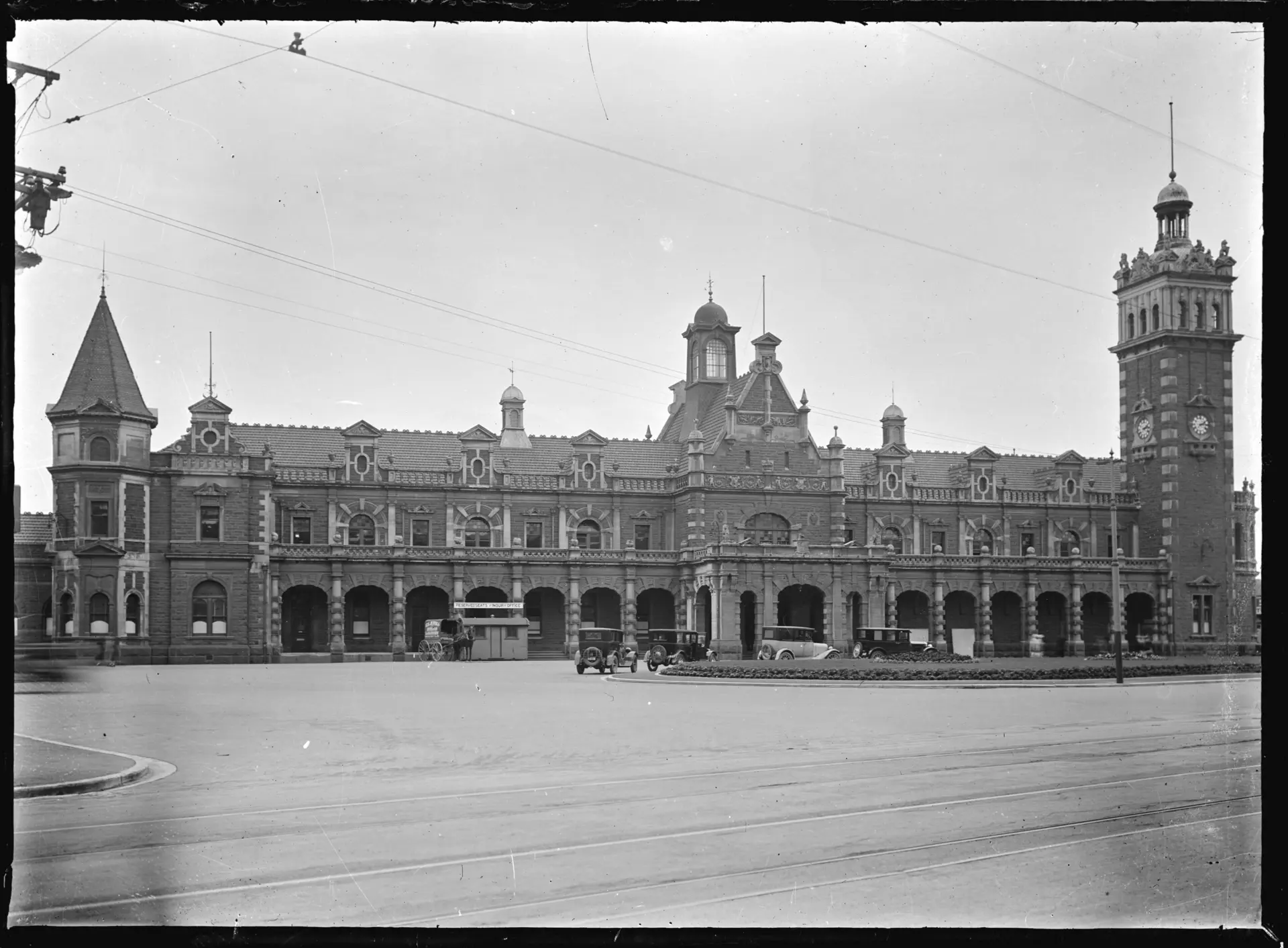
Dunedin is a university city with Victorian architecture, a coastline close to the centre and wildlife trips on the Otago Peninsula, including albatross. Stay central or near the Octagon. It is calmer than Queenstown and good for slowing down at the end of a trip.
Getting around New Zealand alone: shuttles, buses and driving
You do not need a car. Intercity coaches, trains on a few routes, ferries, domestic flights and the hop-on backpacker bus networks cover the main loop. Shuttles fill the gaps to trailheads and small towns. As of 2026, book popular legs in summer ahead of time, and check timetables, since services can be reduced outside peak season.
Day rules. Plan to arrive wherever you are sleeping before dark. In winter the light goes by about 5 pm. Book the first and last shuttle of the day, not just the middle one, and screenshot the booking.
Night rules. Avoid arranging late arrivals at small-town bus stops with no taxi rank. If your coach lands after dark, ask your accommodation about pick-up, or book a ride in advance. Use a licensed taxi or ride-hail app in cities and check the plate before you get in.
Driving. Cars drive on the left. If you rent a car or campervan, budget for slow, winding roads, drive in daylight, and do not plan more than about three to four hours behind the wheel a day. Tiredness and unfamiliar bends cause more accidents involving visitors than crime does. Never leave bags visible in a parked car at trailheads or viewpoints, since vehicle break-ins do occur.
How to meet people when travelling alone in New Zealand
New Zealand is set up for this, and you can pick the amount of effort. Start with the low-pressure options and move up.
- Hostel common rooms. Sit with a book or laptop in the kitchen or lounge. Someone will talk to you, and you can leave whenever you like.
- Shuttles and buses. Backpacker transport networks build conversation into the ride. You see the same faces at the next stop.
- Group day trips. Boat trips, glacier walks, wildlife tours and guided hikes give you a defined start, end and topic.
- Community hostel dinners. Many hostels run cheap shared meals. They are easy first-night plans.
- Classes and workshops. Surf lessons, cooking classes and yoga are slower ways to meet locals as well as visitors.
A boundary script helps, so here are three. For a persistent conversation: “Thanks, I am going to head off now.” For an unwanted invitation: “No thanks, I have plans.” For someone who will not move on: stand up, walk to a staff member and say, “Can you help me, please?” You do not owe anyone an explanation.
What to do after dark in New Zealand
Most towns are quiet after about 10 pm, and many close early outside Auckland, Wellington, Queenstown and the other main centres. That suits many solo travelers: the evening is for dinner, a walk and an early night, since the next day starts early.
- Dinner and a show: pick restaurants with a counter or bar seating, so eating alone feels normal.
- Hot pools and spas: a soak at Rotorua or Queenstown is a calm way to end a day, and some stay open into the evening. Check hours.
- Bars: go in a group from your hostel, keep an eye on your drink, and have your return ride planned before you start.
- Walking home: stick to lit main streets in the cities. In smaller towns, rely on the places you have already walked in daylight.
Solo female travel New Zealand budget: what it costs
New Zealand is not a cheap country. These bands are rough guides for 2026, in New Zealand dollars per day, and they move with the season and exchange rates, so check before you commit.
| Style | Typical daily range | What it looks like |
|---|---|---|
| Lean | NZ$90 to NZ$140 | Dorm bed, self-catering, buses, free walks |
| Middle | NZ$150 to NZ$250 | Private room or hostel single, cafe meals, one activity most days |
| Comfortable | NZ$260 and up | Motel or hotel, a rental car, paid activities |
Summer, from December to February, is the most expensive and busiest period. Shoulder months, such as March to May or September to November, tend to be cheaper and calmer, though weather is less settled. Activities such as bungy, boat trips and guided hikes are the biggest budget swing, so pick two or three rather than everything.
Staying safe solo in New Zealand: practical rules
Crime against visitors is mostly theft, and the serious danger is the outdoors. Here is what works.
- Trailhead rule: tell someone your route and return time, check the Department of Conservation website for track alerts, and carry a map, warm layers, water and a headlamp. Turn back if cloud closes in.
- Weather rule: mountain weather in New Zealand changes in an hour. If a shuttle operator or a hut warden advises against a crossing, listen.
- Car rule: hide your valuables or take them with you. Do not leave passports, laptops or cameras in a car.
- Water rule: swim between flags, check rip warnings and avoid swollen rivers.
- Emergency: dial 111. Consider renting a personal locator beacon for remote multi-day walks.
Insurance matters here. Check that your travel policy covers search and rescue, adventure activities and medical care. For further reading see the Wikivoyage guide to New Zealand or the Wikipedia article on New Zealand.
Solo female travel New Zealand FAQ
Is New Zealand safe for solo female travelers?
Generally yes. It ranks highly for safety and low corruption, and many women travel alone there. Petty theft from cars and hostels is the main crime issue, and the outdoors is the main physical risk. Lock your belongings, plan your transport, tell someone your hiking route and check weather before leaving.
How many days do you need in New Zealand?
Two weeks lets you see one island at an easy pace. Three to four weeks covers both islands without constant moving, which matters because distances are long and weather can delay plans. If you only have ten days, choose either the North Island or the South Island and skip the rest.
Can you travel New Zealand without a car?
Yes. Intercity coaches, a few train lines, ferries, domestic flights and backpacker bus networks link the main destinations, and shuttles reach many trailheads. You will need to book ahead in summer and accept fixed timetables. A car gives flexibility, but it adds fuel, parking and fatigue.
Is it safe to hike alone in New Zealand?
Well-marked day walks on busy tracks are fine for most fit people, especially in season. Remote or multi-day routes call for experience, a clear plan and a beacon. Tell someone your intentions, start early and check conditions. If the weather turns, turning back is the right call.
What is the best time for a solo trip to New Zealand?
December to February offers the longest days and warmest weather but the highest prices and crowds. March to April and October to November are good compromises. Winter suits ski trips, but short days and closed tracks make independent travel harder. Check track and road conditions in any season.