The best things to do in Wellington are walkable, free or cheap, and fit neatly around a laptop day: the waterfront, Te Papa, the cable car, the hill lookouts and a coffee scene that other cities envy. It is a compact capital of about 210,000 people (433,900 across the wider metro), so we can work in the morning and be on a trail or a harbour edge by late afternoon. Below are twelve ideas, day trips, where to base yourself and what a month looks like.
Best time to visit Wellington
Wellington is a maritime city and the wind is part of the deal. Summer days average around 20 degrees Celsius and rarely top 24, winter days rarely fall below 8, so no month is extreme. Plan around the wind and the light instead of the thermometer.
| Season | Weather | Crowds and prices | Good for |
|---|---|---|---|
| Summer (Dec to Feb) | Mild, around 20 C, long daylight until about 8:45 PM | Busiest, higher rents and flights | Coastal walks, waterfront, outdoor events |
| Autumn (Mar to May) | Settled, cooler, some wind | Quieter, easier bookings | Working months, hikes, cafes |
| Winter (Jun to Aug) | Cool, wet, short days with sunrise around 7:45 AM | Lowest prices | Museums, indoor routines, cheaper long stays |
| Spring (Sep to Nov) | Changeable and breezy | Moderate | Gardens, sanctuary visits, shoulder-season value |
For a one-month stay we would pick March or April. Summer is lovely, but the rent premium is real.
Top things to do in Wellington
1. Spend a morning at Te Papa
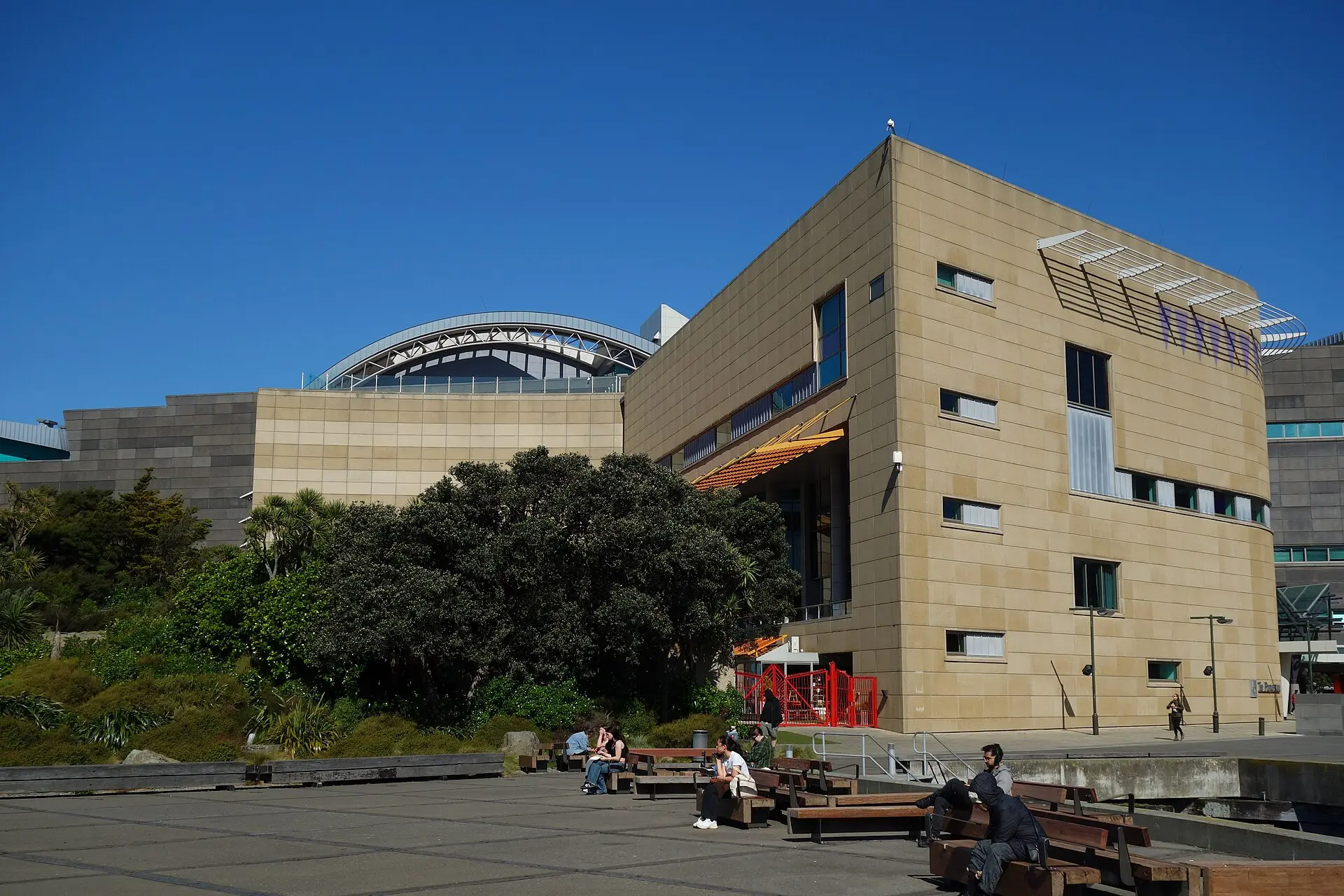
The Museum of New Zealand Te Papa Tongarewa is the national museum and the anchor of the waterfront. General entry has long been free, though special exhibitions are ticketed, so check the current setup. It is big enough to fill half a day and has plenty of seating if you want to mix a coffee with a reading break. It is also a good wet-weather fallback when the wind turns nasty.
2. Walk the waterfront
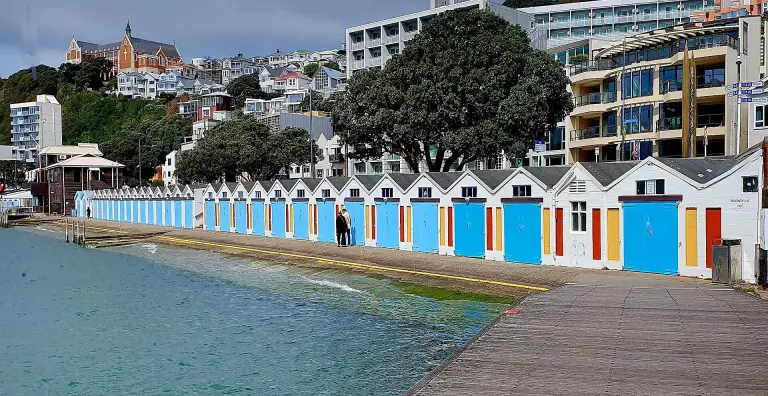
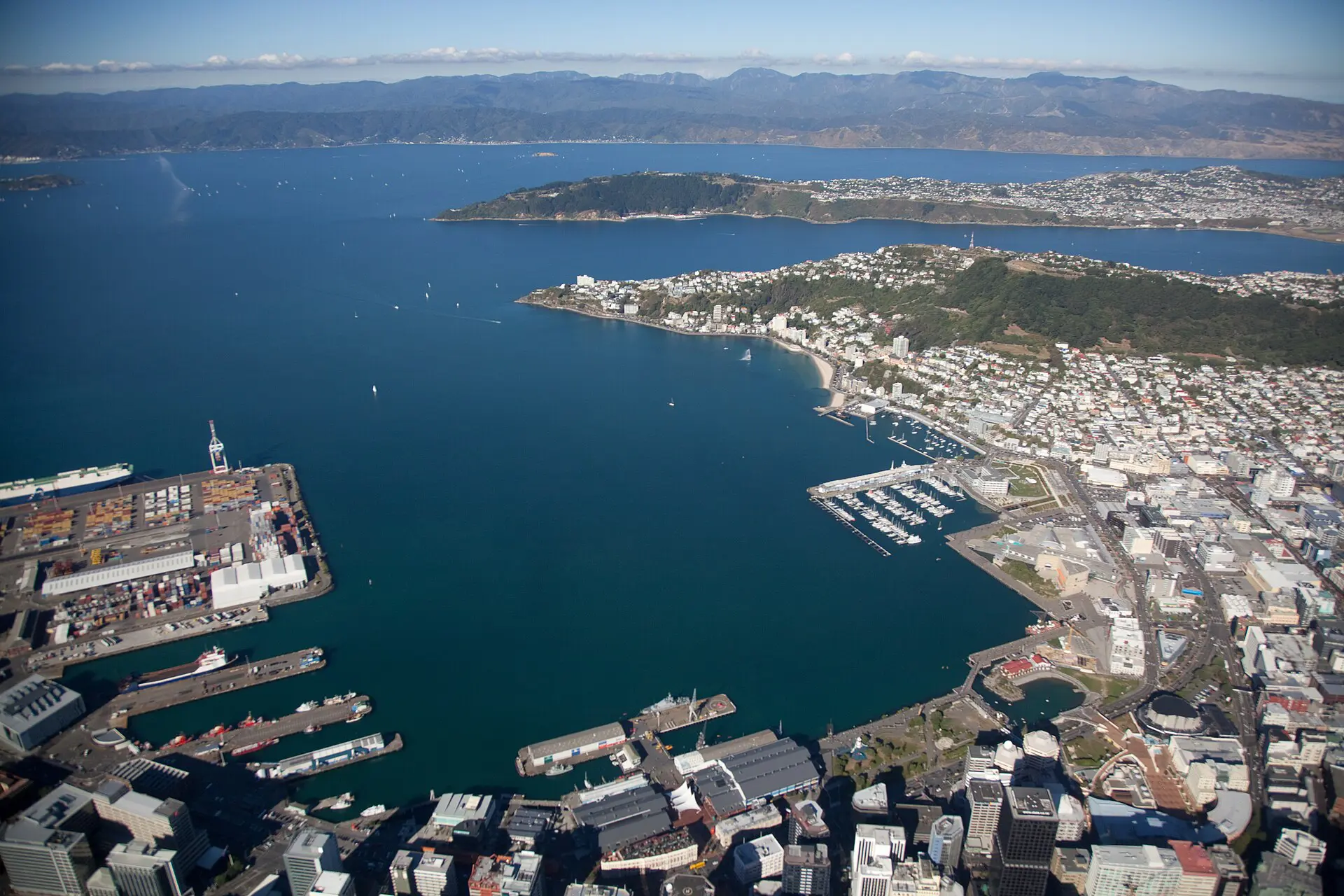
Wellington Harbour edges the downtown, and a flat walking route runs from Te Papa past the central wharf toward Oriental Bay. It is the best low-effort routine in town: 45 minutes, a view of the hills ringing the harbour, no planning required. Do it at lunch to break up a desk day, and watch the weather, because a southerly gust can make it brisk.
3. Ride the Wellington Cable Car
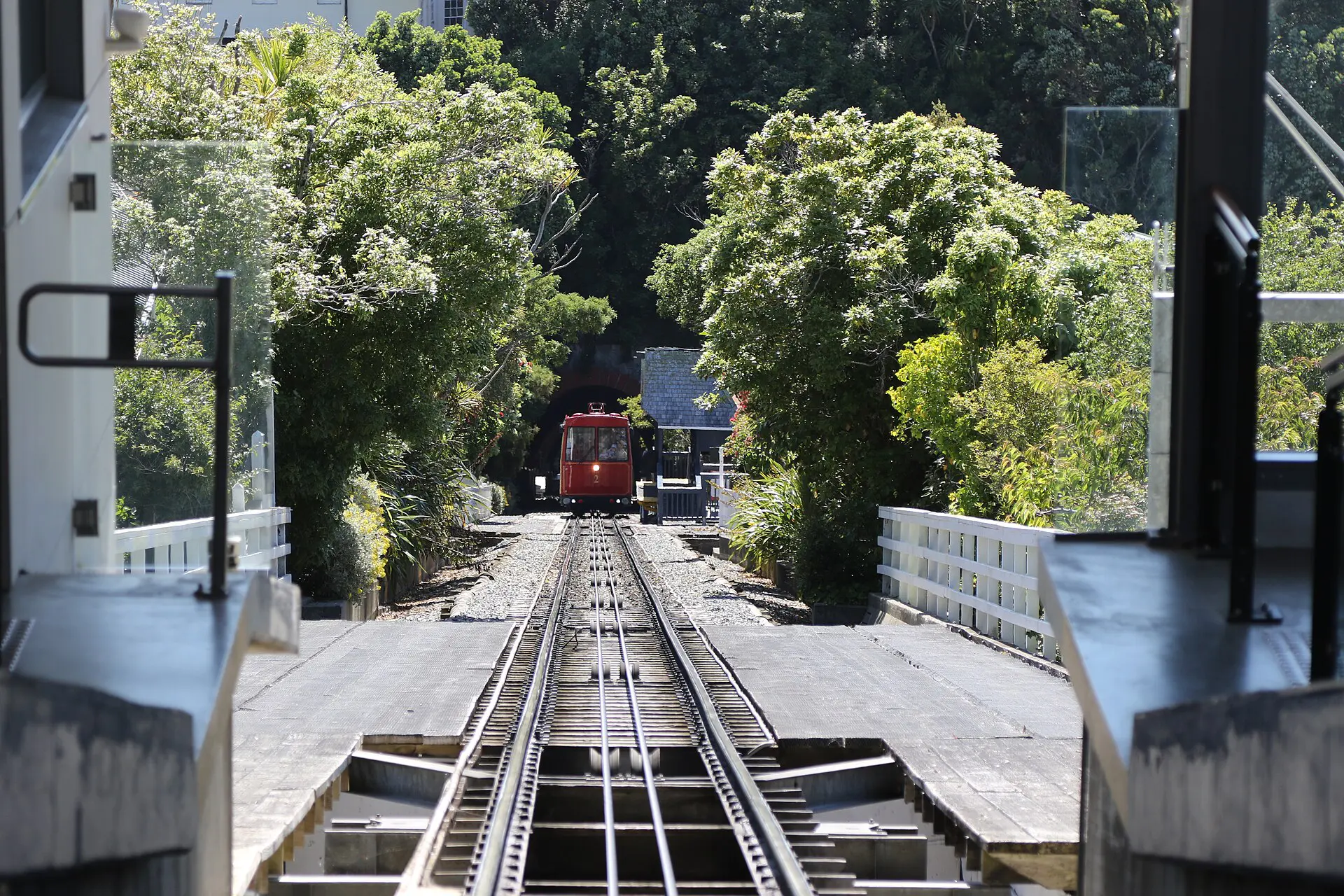
The cable car climbs from Lambton Quay to Kelburn, with views across the city and harbour. At the top you can enter the Botanic Garden and walk back down through it. Fares change, so check the current price, but this is a short and cheap outing that works well in the golden hour after work.
4. Visit Zealandia
This fenced valley sanctuary in the Karori area protects native birds and other wildlife in a restored forest, a short drive or bus ride from the centre. Entry is ticketed, and night tours are available, so check the schedule. It suits a slow Saturday and gives you something to do that is not a screen.
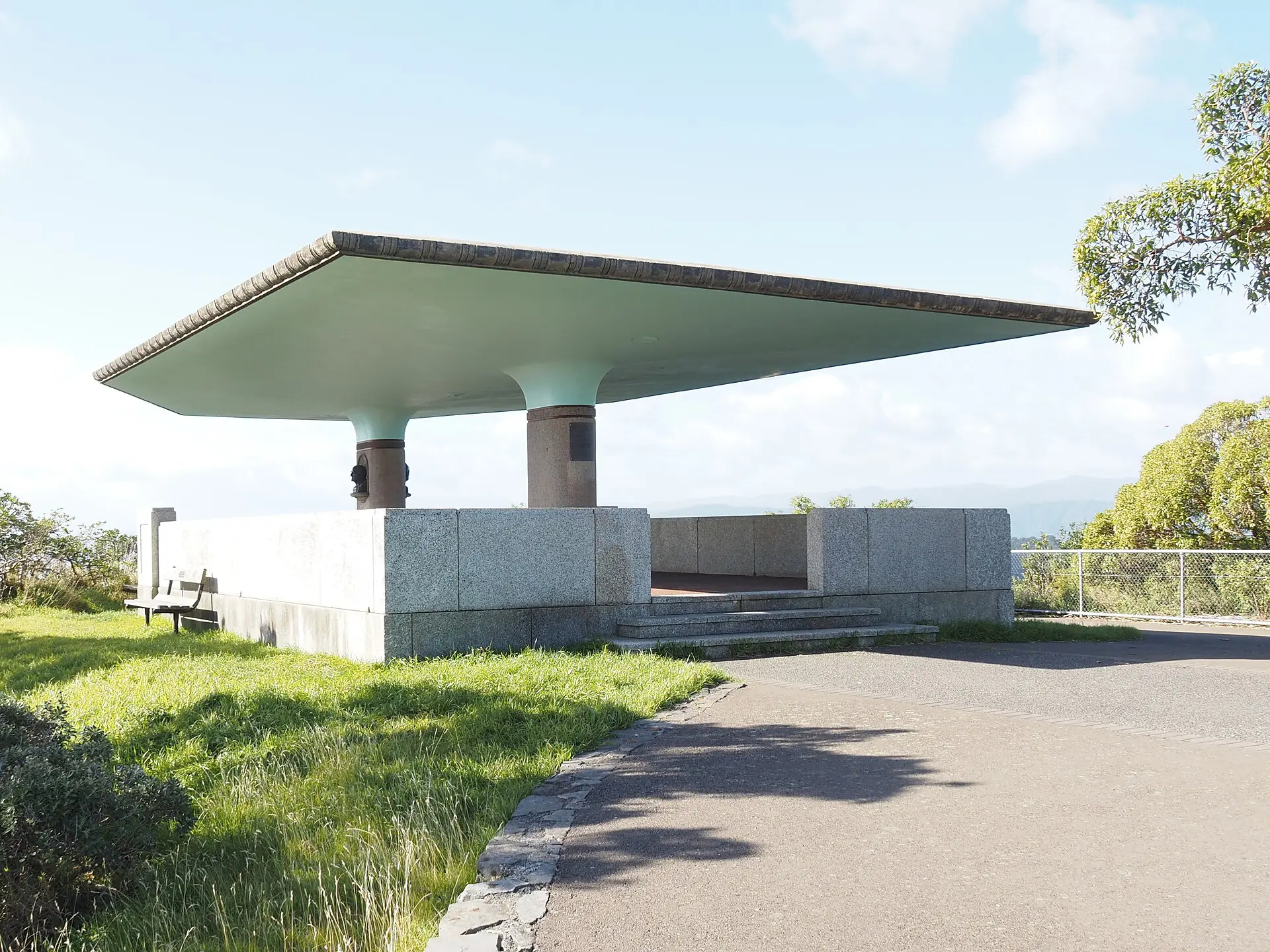
5. Climb Mount Victoria lookout
Mount Victoria rises east of Te Aro and gives a 360-degree look over the harbour, airport and city. You can walk up from the suburb streets in around 30 to 40 minutes. It is a good pre-work or post-work loop and one of the cheapest ways to get the shape of the city in your head.
6. Browse Cuba Street
Cuba Street is the creative spine of Te Aro, known for its op shops, record stores, bars and food. It is the nomad crowd’s main drag, and the cafes along it are where you will often see other laptop workers. For a first week, spend an afternoon walking it end to end and note which spots feel easy to work from.
7. Take a tour at Parliament
The Parliament complex includes the Beehive, and visitor tours are offered on most days. Times and availability change, so check ahead. It is a straightforward cultural hour for a capital city and sits near the Lambton Quay shopping strip.
8. Hike the South Coast
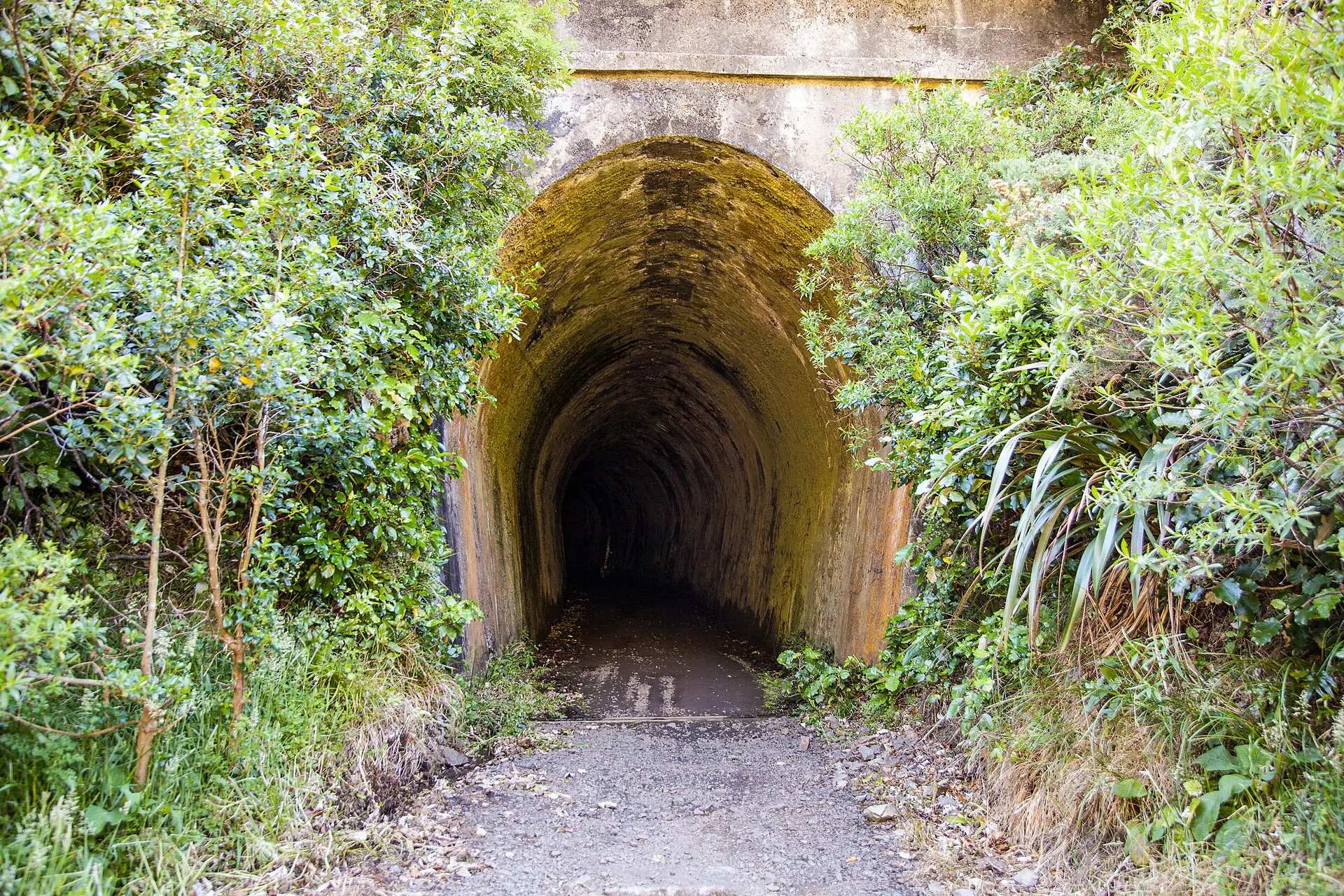
Several kilometres south of the centre is a rugged coast of small bays and rocky beaches with tide pools. Wind and sea conditions can be strong, so dress in layers, wear shoes with grip and keep away from the edge in rough weather. It is a rewarding half-day by car or bus plus a walk.
9. Visit Weta Workshop
Wellington is the centre of New Zealand’s film and special effects industry, and Weta Workshop in Miramar is the best-known place to see that side of the city. Tours should be booked ahead, and times and prices change. It is the most obvious rainy-day pick for film fans.
10. Eat and drink your way through Newtown
Newtown, south of the centre, is a lived-in suburb with an international food scene and a more local feel than Cuba Street. It is a good dinner and wander destination when you want something less central, and it is also one of the better areas for a cheaper long-stay rental.
11. Cross to Matiu / Somes Island
This island in the harbour is reached by ferry and has walking tracks, wildlife and some history. Ferry times depend on season and weather, so check before you commit a day. It works as a half-day reset between two work blocks.
12. Use the city as a creative base
Wellington is often called the cultural capital of New Zealand, with theatres, galleries and live music in a small footprint. Keep an eye out for evening events if you want to meet people. Coworking spaces and meetups exist, but we would not name one without checking current listings.
Day trips from Wellington
Wairarapa wine country
Trains and buses reach the Wairarapa, and the region has vineyards and small towns. Check current timetables because service days vary. It is a good weekend trip for a change of pace.
Kāpiti Coast
Rail and bus lines reach as far as the Kāpiti Coast, with beaches and small towns north of the city. It is useful when you want sea and sand without a long drive.
Hutt Valley and Petone
The Hutt Valley is the nearest wider-metro option, with the harbour-front suburb of Petone and bush parks. It is quick by train and a good test run for the regional network.
Cook Strait ferry to the South Island
Ferries connect Wellington to Picton on the South Island, and a crossing is a scenic transit rather than a day trip. If you are heading south anyway, it is a good way to move on.
Where to stay in Wellington
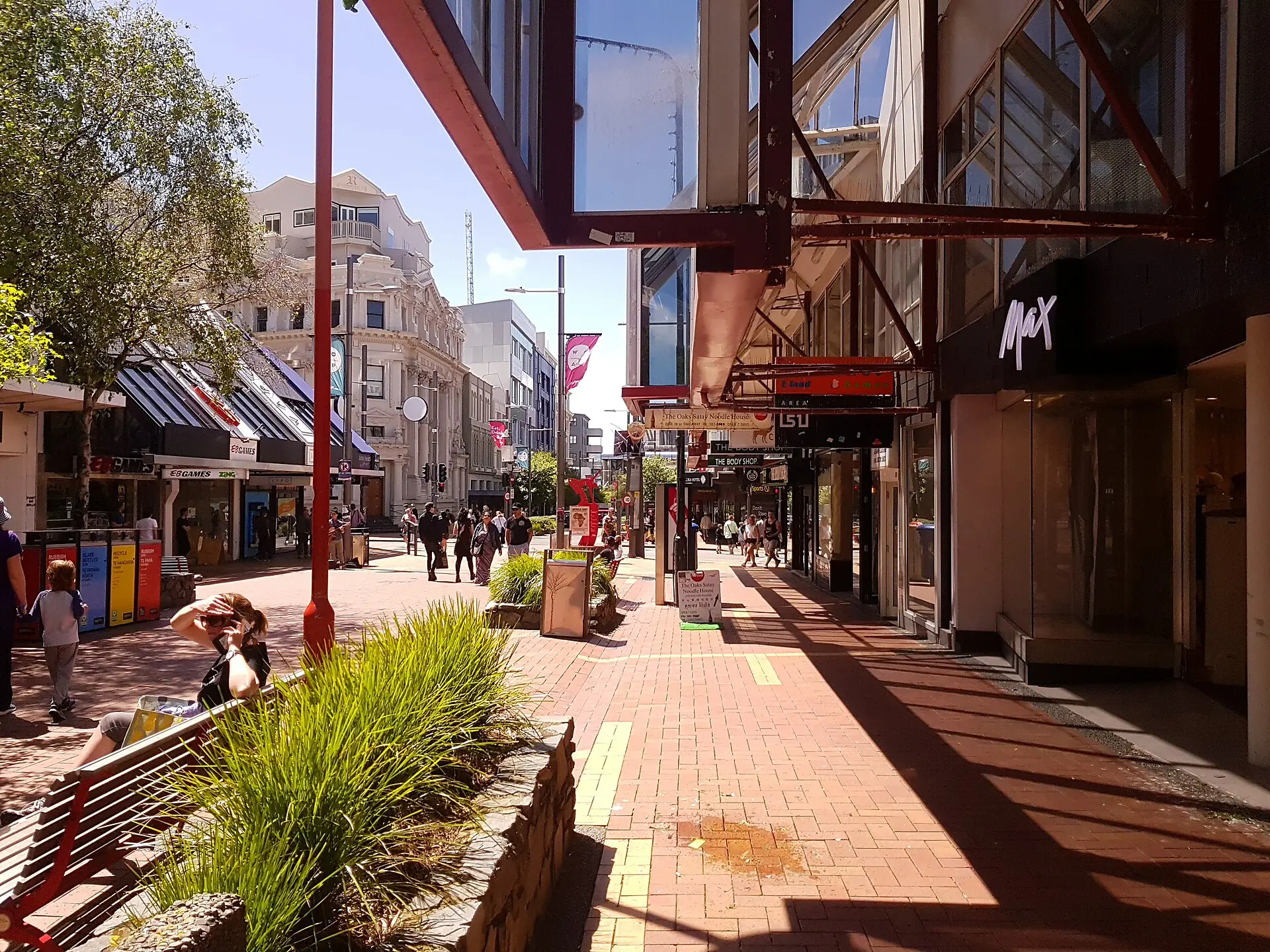
- Te Aro and Cuba Street: best for first-time nomads who want cafes, bars and food near the apartment. It is lively at night, so check noise.
- CBD and Lambton Quay: the quieter business core, close to the cable car and the waterfront. Good for people who want a short walk to a coworking space.
- Oriental Bay and Mount Victoria: a calmer, residential feel, with harbour views and easy walking. Rents are higher, but it suits a longer routine.
- Newtown: more local, often cheaper, and easy on the bus. Best for a month or more.
Getting around Wellington
The centre is compact enough to walk. For everything else there are buses, trains and the harbour ferry, all run by the regional operator, and a reloadable transit card is usually the cheapest way to pay. The airport is at Rongotai and is reached by bus or taxi. Hills are steep, and wind can make cycling hard, so consider that if you are weighing up a bike. A car helps for the South Coast and day trips, but it is not essential for a month in town.
How much does a trip to Wellington cost?
These are rough daily ranges in US dollars for a nomad staying a month, excluding flights, and you should check them against current prices.
- Budget: roughly 60 to 90 USD a day with a shared flat or a cheap room, supermarket meals and public transport.
- Mid-range: roughly 100 to 160 USD a day with a private one-bedroom, regular cafe work, eating out a few times a week and a coworking pass.
- High: 180 USD and up with a harbour-view apartment, restaurants and day tours.
As a rough monthly band, 2,000 to 3,000 USD is a lean stay and 3,500 to 5,000 USD is comfortable. Rents are the main variable, and summer is the most expensive season. New Zealand charges visitors a levy on arrival and many passports need an electronic travel authority, so check the current visa and entry rules before booking, especially for a stay of several months and any remote work.
Is Wellington worth visiting?
Yes, if you like a small, walkable city with good coffee, short trails and a strong creative scene. We would call it one of the easier places in the country to settle into a routine. It is not for everyone. Skip it if you want beach weather, nightlife on a large scale or a big-city pace. The wind and the rain are real, and it is a long way from most other places. Read the Wikivoyage Wellington guide or the Wikipedia entry for Wellington if you want background on districts and history.
FAQ about Wellington
How many days do you need in Wellington?
Two or three days covers the main sights: Te Papa, the waterfront, the cable car and a hill lookout. A week adds the South Coast and Zealandia. A month lets you settle into a work routine and add day trips.
Why is Wellington so windy?
The city sits at the southern tip of the North Island, near Cook Strait, where winds funnel between the islands. Average speed is around 27 km/h, so it is often called the windiest city in the world. Pack a windproof layer year round.
Is Wellington good for remote workers?
Generally yes. It is compact, walkable and full of cafes. We cannot vouch for any specific connection, so test the wifi before committing, and always carry a hotspot as backup. Winter rents drop, and a month in autumn is a good balance.
Is Wellington expensive?
It is pricey by global standards, but many of its best activities are free. Rents and eating out are the main costs. Cook some meals, use the transit card and plan outdoor days to keep a month within a mid-range budget.
Do you need a car in Wellington?
Not for the city. Walking and public transport cover most needs. A car is useful for the South Coast and for day trips to the Wairarapa, but you can also use trains and buses for many routes.