The best time to visit New Zealand for value is March to April, with late October to November a close second. Seasons are reversed from the northern hemisphere, so December to February is summer and peak price, while June to August is winter and ski season. Shoulder months keep daylight and mostly settled weather, and campervan, room and activity rates fall from their summer highs. This guide prices each season and flags the dates when costs spike. All price levels are relative, so check live rates.
Best time to visit New Zealand by month
Price level is a relative index (Low, Mid, High) for campervans, rooms and domestic travel together. Weather varies a lot between the North and South Islands and between east and west coasts, so treat each row as a tendency.
| Month | Weather | Price level | Crowds | Verdict |
|---|---|---|---|---|
| January | Warm and long days, patchy showers | High | Heaviest | Book early; pay for the weather |
| February | Warm, often the most settled | High | Heavy | Great weather, peak price |
| March | Settled, mild evenings | Mid | Moderate | Strong value |
| April | Cooler, autumn colour, Easter busy | Mid | Moderate | Best value outside Easter |
| May | Cool, shorter days | Low | Light | Cheap, check mountain roads |
| June | Cold, snow on the high country | Low, High at ski towns | Light, busy at resorts | Ski trips only |
| July | Cold, snowy, short days | Low, High at ski towns | Busy at resorts | Ski trips; paused elsewhere |
| August | Cold, snow, brightening | Low to Mid | Moderate at resorts | Ski value, cheaper rentals |
| September | Spring, changeable, windy | Low to Mid | Light | Good value, bring layers |
| October | Spring, lambs, mixed weather | Mid | Light | Good value |
| November | Warming, longer days | Mid | Moderate | Excellent value |
| December | Warm, long days | High from mid-month | Heavy | Peak from school holidays |
For the geography and island layout, see Wikivoyage’s New Zealand guide.
Pay more for / save on by season
Pay more for
- A campervan in January and February. Hire rates peak then, and the cheapest vans sell out first. Paying more for earlier booking usually beats paying more later.
- A room in alpine towns during ski months. Queenstown and nearby bases price steeply in winter. Book early or stay a short drive from the lifts.
- Travel insurance with weather cover. Flooding, slips and road closures can disrupt South Island plans in any season, so cover for cancellations is worth the cost. Read the weather and road-closure terms before you buy.
Save on
- Shoulder-season campervans. Rates for March to May and September to November are often well below summer, sometimes by a third or more.
- Motel units and holiday parks. These cost less than hotels and often include a kitchen, which cuts food spending.
- Supermarket meals. Eating out is expensive in New Zealand, so self-catering saves a lot. See our cost of living in New Zealand guide for typical grocery spend.
The best value window for New Zealand
Choose March to mid-April. Summer weather lingers, days are still long and school holidays have ended, so rates fall and fewer visitors crowd the major sights. Late October to November is the mirror in spring, with lengthening days and the spike still weeks away.
Flights from North America and Europe are a large share of the bill and move with the southern summer, so a March departure often saves more on airfare than on anything you buy once you land. Compare a few departure weeks before you lock the rest.
For one route across both islands, I would plan the South Island first in March, when mountains are clearer.
Total cost box
- Value window (March to April, late October to November): a couple travelling by campervan might plan on roughly $170 to $300 per person per day, as of 2026, covering van hire, fuel, camp sites, food and activities.
- Peak (late December to February): the same trip can run 25 to 50 percent higher, mostly through campervan hire and rooms.
- Not included: long-haul flights, visitor levy or travel authorisation fees, insurance and big-ticket activities. Check entry rules with the official source before you book.
Months to skip in New Zealand
- Late December to January. Peak prices combine with local school holidays, so campsites and huts are full. Only go if the weather matters more than the budget.
- June to August for road trips. Snow and ice can close high passes, and short daylight cuts your driving hours. Book it only for skiing.
- Easter week. Domestic travel fills coastal towns, and campsites sell out.
- May for mountain trips. Huts and tracks may be closing or shifting to winter conditions. Check the official conservation agency for track status.
If you are travelling alone, our solo female travel in New Zealand guide covers planning and transport for each season.
When to book New Zealand flights, vans and rooms
| Item | Peak (Dec to Feb) | Shoulder (Mar to Apr, Oct to Nov) | Winter (Jun to Aug) |
|---|---|---|---|
| Long-haul flights | Book roughly 5 to 8 months out | Book roughly 3 to 5 months out | Watch sales, 2 to 4 months |
| Campervans | Book 5 to 8 months out | Book 2 to 4 months out | Usually fine closer in |
| Rooms | Book 4 to 6 months out | Book 4 to 8 weeks out | Book ski towns 3 to 5 months out |
The Cook Strait ferry and popular tracks sell out ahead of summer, so reserve those when you set dates. Compare one-way van rentals carefully, since drop-off fees can add up.
New Zealand events that spike prices
Christmas to mid-January school holidays
This is the biggest spike. Local families go camping, campsites fill and rates for vans and beach-town rooms jump.
Waitangi Day
The national day on 6 February makes a long weekend in some years. Bay of Islands and other tourist towns book up, so check dates early.
Easter
Another school-break weekend with moderate crowds and higher rates. It shifts each year, so look at the calendar when you book.
Matariki
A public holiday marking the Māori new year, falling in June or July, with dates that change yearly. Domestic travel rises and some towns hold events. It also lands in ski season, so rooms can spike.
Ski season and Queenstown Winter Festival
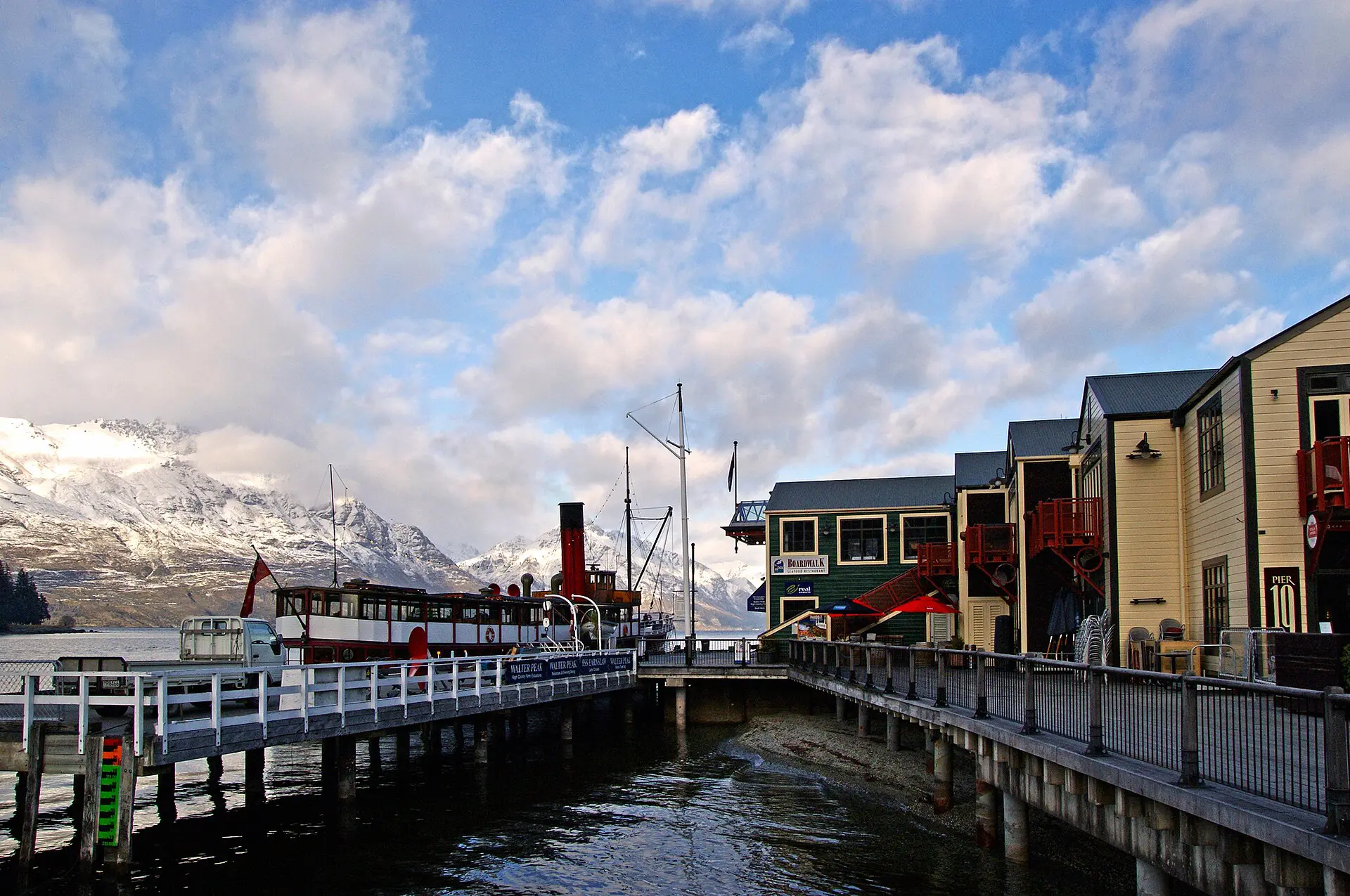
Resorts typically open from June, and the Queenstown festival is held in winter. Rooms in alpine towns cost much more than in the shoulder months, so book months in advance.
World of WearableArt
This show is held in Wellington, typically in September and October. Hotel demand rises in the capital for those weeks, so it affects prices there more than elsewhere.
Best time to visit New Zealand FAQ
What is the cheapest time to visit New Zealand?
May and June, outside ski towns, usually have the lowest rates for rooms and vans. The trade-off is cold weather and short days. For better weather at lower cost, aim for March to April or October to November.
What is the best month to visit New Zealand?
February has the most settled weather but the highest prices. March is the usual value pick, with similar weather and fewer crowds. It is a good month for both islands and for most outdoor activities.
Is New Zealand worth visiting in winter?
Yes, for skiing, hot pools and quiet cities, and for lower rates outside ski towns. It is a weaker choice for long road trips and alpine hiking, since snow can close routes and daylight is short.
How long do I need in New Zealand?
Plan on two weeks for one island and three weeks to cover both with time to spare. Long travel days are common, so extra time lowers per-day cost. See our New Zealand travel guide for routes.
Which island is better in which season?
The South Island suits summer and early autumn for hiking and lakes, and winter for skiing. The North Island is milder, so it works well in spring and autumn. Background is on Wikipedia.