The cost of living in New Zealand for one remote worker is roughly US$2,200 to US$3,800 a month in Auckland, Wellington or Queenstown and about US$1,800 to US$3,000 in Christchurch, Dunedin or a smaller town, once rent, food, transport, a phone and a desk are counted. These are hedged ranges as of 2026. Housing and groceries drive the total, and the exchange rate moves it, so check both before you plan.
Cost of living in New Zealand: the one-month budget band
Most of us expect New Zealand to be expensive and find it is expensive in specific places. Groceries, housing and domestic travel cost more than in much of Europe. Eating from a market and using public transport helps. Time zone matters too: New Zealand is many hours ahead of North America, so a US client call can land in your evening or early morning. The table gives broad daily ranges and what each level covers.

| Budget level | Daily range (US$) | 10-day total (US$) | What it covers |
|---|---|---|---|
| Lean | 60 to 95 | 600 to 950 | Room in a shared flat or hostel, groceries, bus or bike, free hikes |
| Comfortable | 110 to 170 | 1,100 to 1,700 | Own studio or one-bed, mixed cooking and eating out, a car share or rental some weeks |
| Generous | 200 and up | 2,000 and up | Central flat in Auckland or Queenstown, a car, restaurants, paid activities, a coworking desk |
For a working month, we would plan on a band of roughly US$2,200 to US$3,800 in the main cities, hedged and as of 2026. Rent is usually quoted per week in New Zealand. A room in a shared flat often runs from about NZ$200 to NZ$350 a week, and a one-bedroom place in the main cities can run several hundred dollars a week, with Queenstown among the dearest. Convert at the day’s rate and treat these as starting points.
A rough split for a comfortable month: rent and utilities near half, groceries and meals out about a third, and the rest for a phone plan, transport, a workspace and trips. Prices in shops include GST, so the shelf price is what you pay.
Where to base yourself in New Zealand by work style
Pick by how you work, and by what you want from the weekends.
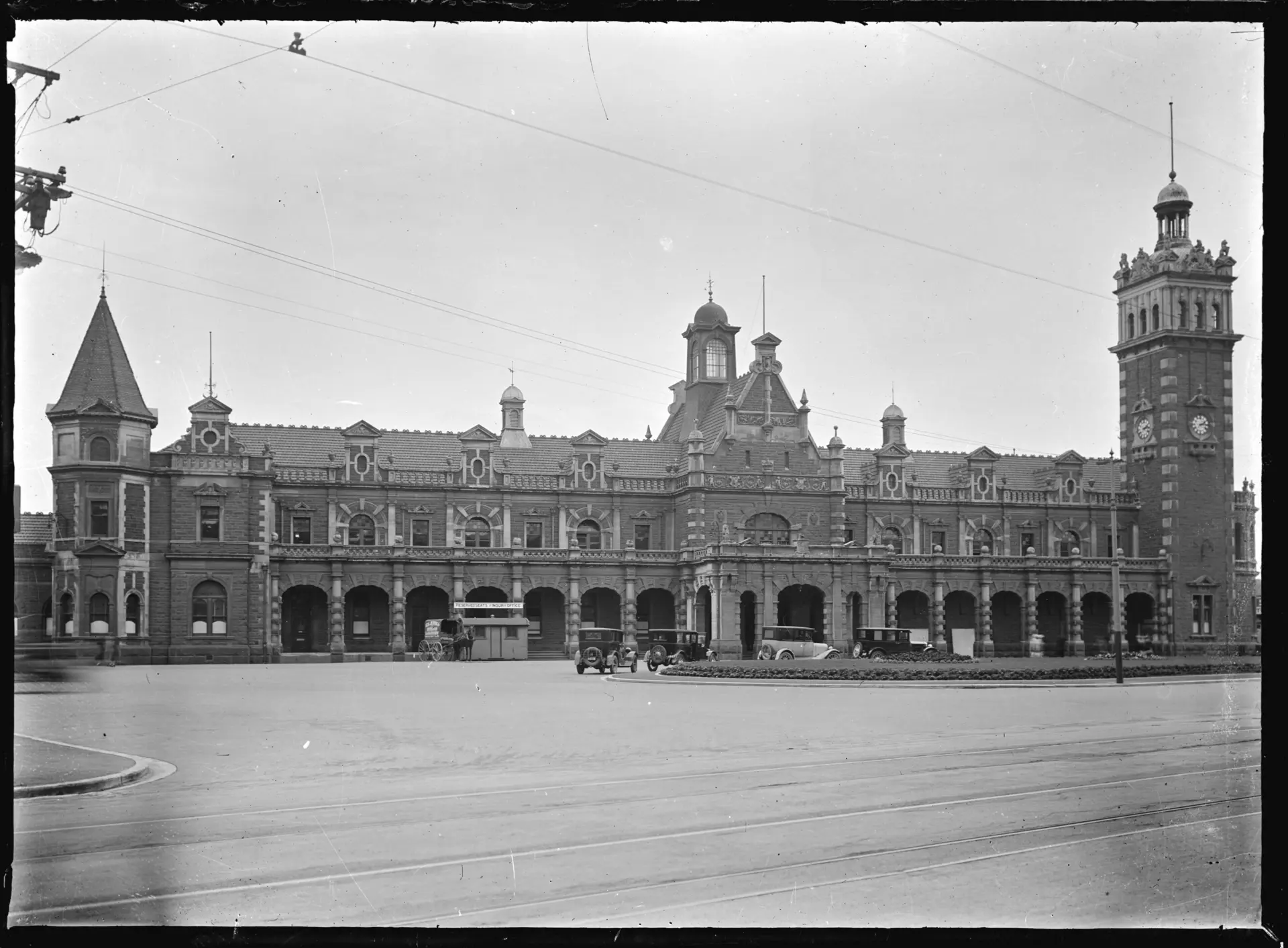
- Cheapest focused month: Dunedin or Christchurch. Lower rents than Auckland, student-town energy in Dunedin and flat terrain in Christchurch for cycling.
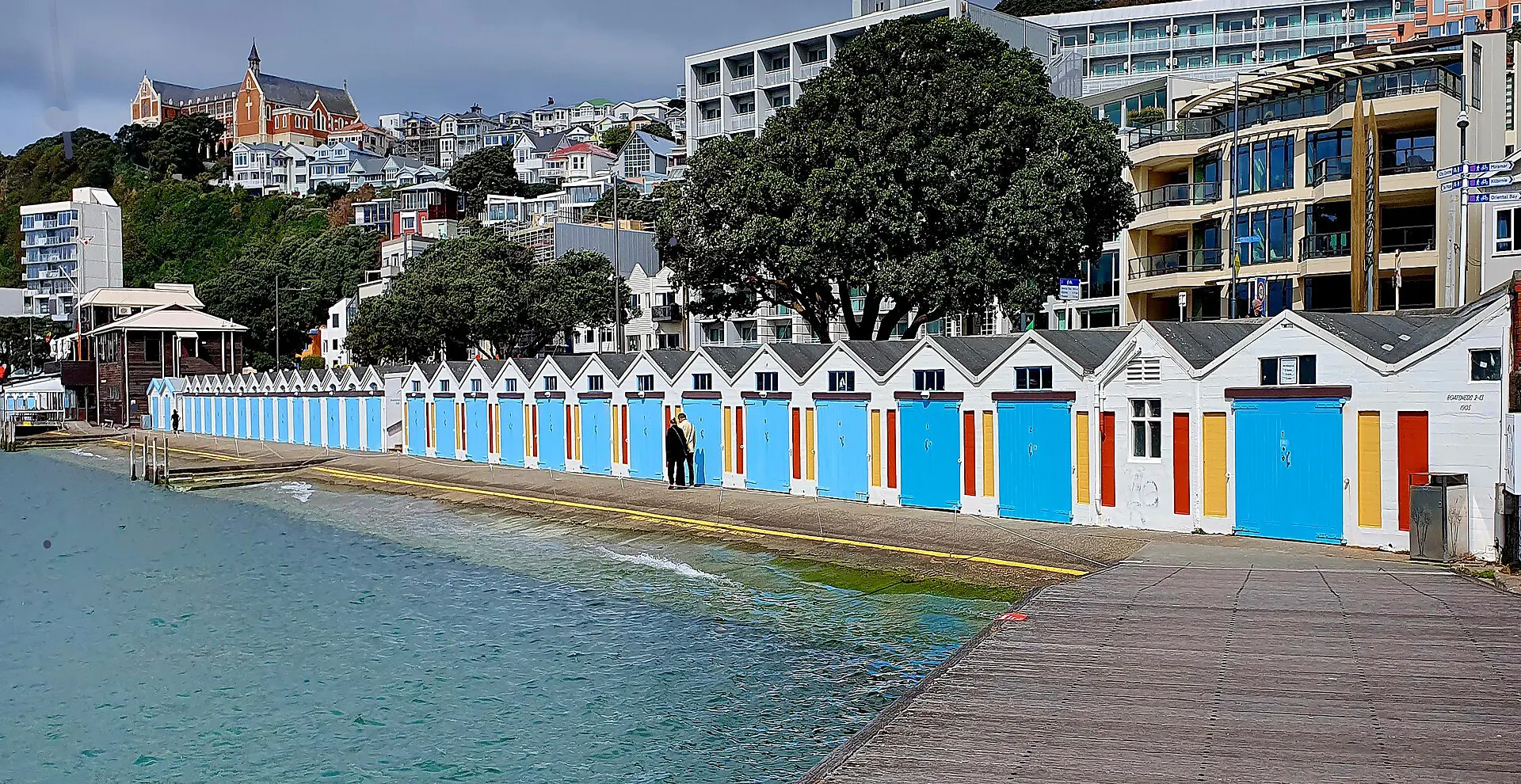
- Call-heavy days: Auckland or Wellington. Best fibre coverage, the most coworking and the best flight links, with the highest rents. Wellington is compact and walkable.
- Outdoors on weekends: Queenstown or Nelson. Mountains and lakes on the doorstep, but Queenstown rents spike in ski season and summer.
- Quiet and slower: small towns on either island. Cheaper and calmer, but verify internet before booking, because rural coverage varies.
Our New Zealand travel guide covers the regions in more detail. The country is made up of the North Island, the South Island and many smaller islands, as Wikipedia sets out, and distances between bases are bigger than the map suggests.
Work-friendly spots come in three types, and none is guaranteed until you try it. City libraries are usually quiet and free. Cafes suit a few hours of lighter work if you order regularly. Coworking spaces in the main cities offer day passes and monthly desks, and prices vary, so ask for a trial day before paying for a month. Test the connection yourself in each.
Where paying more pays off
Three upgrades are worth the money over a month. The rest can be trimmed.

1. A place with confirmed fibre
Fibre is widespread in cities, but not every building is connected, and rural links can be slow. Ask the landlord for the provider and plan, and run a speed test at the viewing. We cannot vouch for a particular address, so make this the first test you run. A slightly dearer home with working fibre beats a cheap one with a weak signal.
2. A warm, dry home in winter
Houses in New Zealand are often poorly insulated, and winter can feel colder indoors than expected. Check for heating, a heat pump and double glazing before signing. Electricity bills can climb in winter, so ask about typical costs.
3. Flexibility over a cheap long lease
Short furnished lets cost more than a 12-month lease. For a first stay, pay the premium so you can leave if the base fails the test, then lease longer on the second visit.
Where to save in New Zealand

4. Cook from supermarkets and farmers markets
Eating out is dear and groceries are not cheap, but cooking is still the biggest saving. Seasonal fruit and vegetables from markets, and house brands from supermarkets, cut the food bill. Check unit prices before buying.
5. Share a flat for the first month
Flatting is common, and a room in a shared flat costs far less than a studio. It also gives you local advice. Read the lease and bond rules, because you may have to pay a bond, and ask what is included in the rent.
6. Choose a prepaid mobile plan
Prepaid and monthly plans from the major networks are straightforward to buy with a passport. Compare data limits and coverage in the area you will work in, since rural coverage differs by network. A local plan usually beats roaming from home.
7. Use free and cheap outdoor days
Many of the best things here are free: beaches, city walks, short hikes and parks. Pay for the paid highlights one or two at a time rather than every weekend. Entry to some conservation sites and tracks is charged, so check booking rules for the popular ones.
Transport and booking windows
New Zealand has limited trains, so most people use a car, a campervan, buses or domestic flights. Cities have buses, and Auckland and Wellington also have trains. If you plan to move between islands, the ferry from Wellington to Picton needs booking ahead in summer. Flights between the main cities are often cheaper bought early.

Vehicle costs are the swing factor. Rental, fuel and parking add up, and campervans are priciest in summer. Our guide to the best time to visit New Zealand for flight and campervan prices sets out the seasonal swings, and we would book summer travel and accommodation as early as possible.

Best months for value in New Zealand
Seasons are reversed from the north. Summer runs from December to February and is the busiest and dearest period, with school holidays and Christmas peaks. For value, we would aim for March to April, when the weather is still good and prices ease, or October and November, when spring is settled. Winter, from June to August, is cheapest in most places, except ski towns, where it is the high season.
Whatever month you pick, run a one-week test before you pay for a longer stay:
- Speed test the home during your working hours and run a video call.
- Check that your client calls fit the time difference without wrecking sleep.
- Walk or ride to a supermarket and a cafe to see if your day works without a car.
- Check the heating and noise overnight.
- Track a week of spending and multiply by four.
FAQ about the cost of living in New Zealand
How much does it cost to live in New Zealand per month?
For a single remote worker, roughly US$2,200 to US$3,800 in the main cities and US$1,800 to US$3,000 in smaller ones, as of 2026. Rent and groceries are the big drivers. Check live listings and current exchange rates, because both move.
Is New Zealand more expensive than the US?
For groceries, restaurant meals and housing in the big cities it can be similar or somewhat higher. Healthcare for visitors is private and you should insure yourself. If you earn in US dollars the exchange rate matters a lot. Compare actual listings for your target area.
What is the cheapest city to live in in New Zealand?
Smaller cities such as Dunedin and Christchurch generally cost less than Auckland, Wellington or Queenstown. Rents in smaller towns can be lower still, but internet and transport options vary. Check each place against your work needs before choosing on price alone.
Can I work remotely from New Zealand on a visitor visa?
Policy on remote work for an overseas employer while a visitor has allowed limited activity, but rules can change and depend on your situation. Verify with Immigration New Zealand before you travel, and keep documents showing your employer or clients are overseas.
Is it cheaper to rent or stay in hotels for a month?
Monthly rental or a shared flat is usually cheaper than a hotel for a stay of four weeks or more, and gives you a kitchen. Ask for a monthly rate, check whether utilities are included, and keep the first week flexible. For background, see Wikivoyage’s New Zealand page.