Solo female travel Portugal works well for a first big trip: it is compact, English is common in the cities and trains link Lisbon, Porto and the coast. Most visitors report an easy, friendly welcome. The things to plan are hills, late dinners and the few hours when the last train has gone. This guide covers where to sleep, how to arrive, how to meet people and how to spend the evenings.
Arrival card: landing in Lisbon or Porto
Both airports are close to their city centres. Lisbon’s metro runs from the airport into town in roughly 20 to 30 minutes, and Porto’s metro does a similar job. Check current operating hours, because late arrivals may mean a taxi or ride-hail instead.
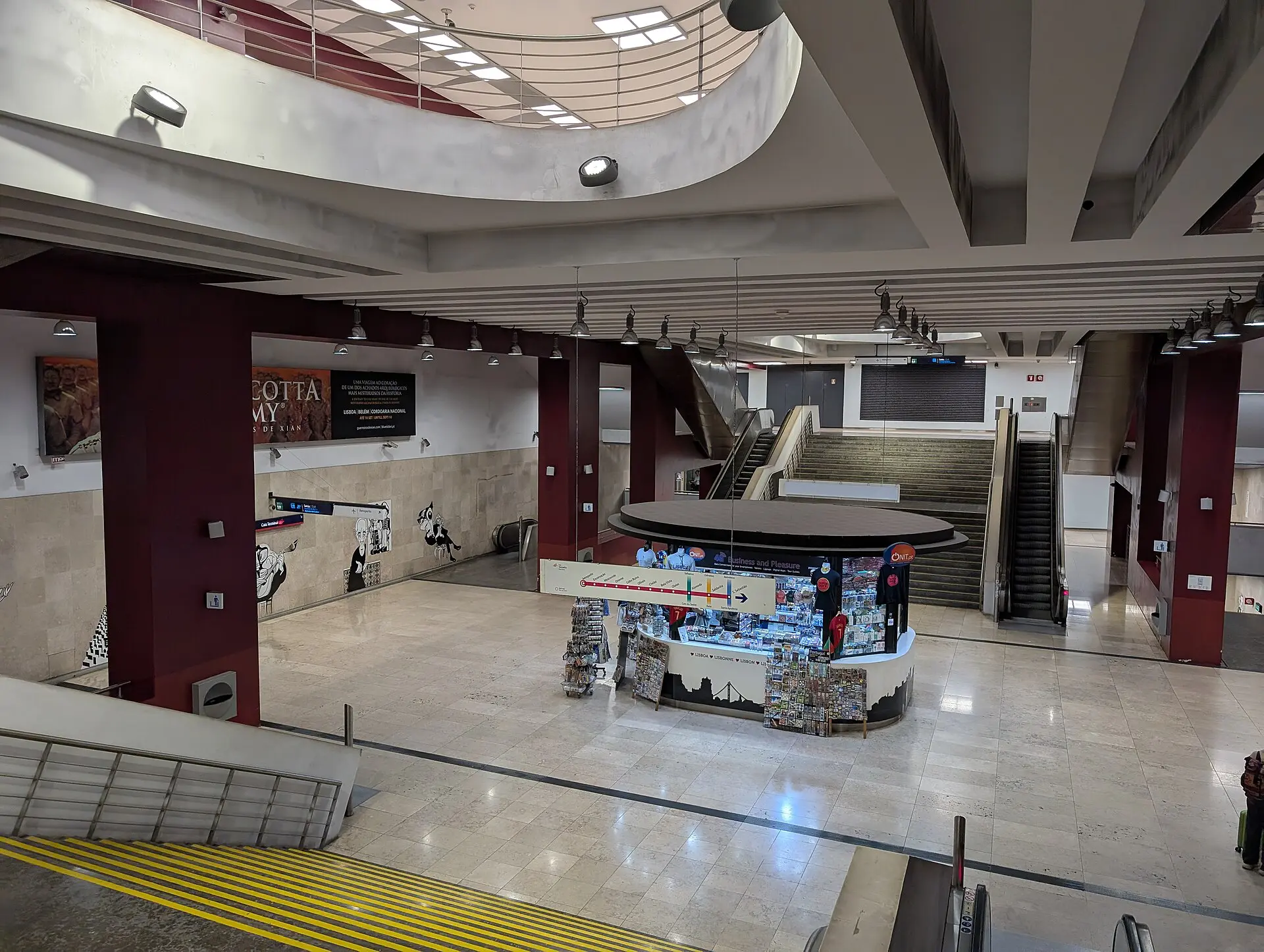
- Lands before 7 pm: take the metro, check in and walk your neighbourhood while it is light. Portuguese dinners start late, so there is no rush.
- Lands 7 pm to 11 pm: metro or a ride-hail app to the door. Share the trip with someone and wait inside the terminal for the car.
- Lands after midnight: pre-book the transfer and confirm late check-in in writing. Do not hunt for a street taxi in the dark.
Download a ride-hail app and a transit app before you fly. Carry a little cash for small cafes and bakeries, though cards are widely accepted.
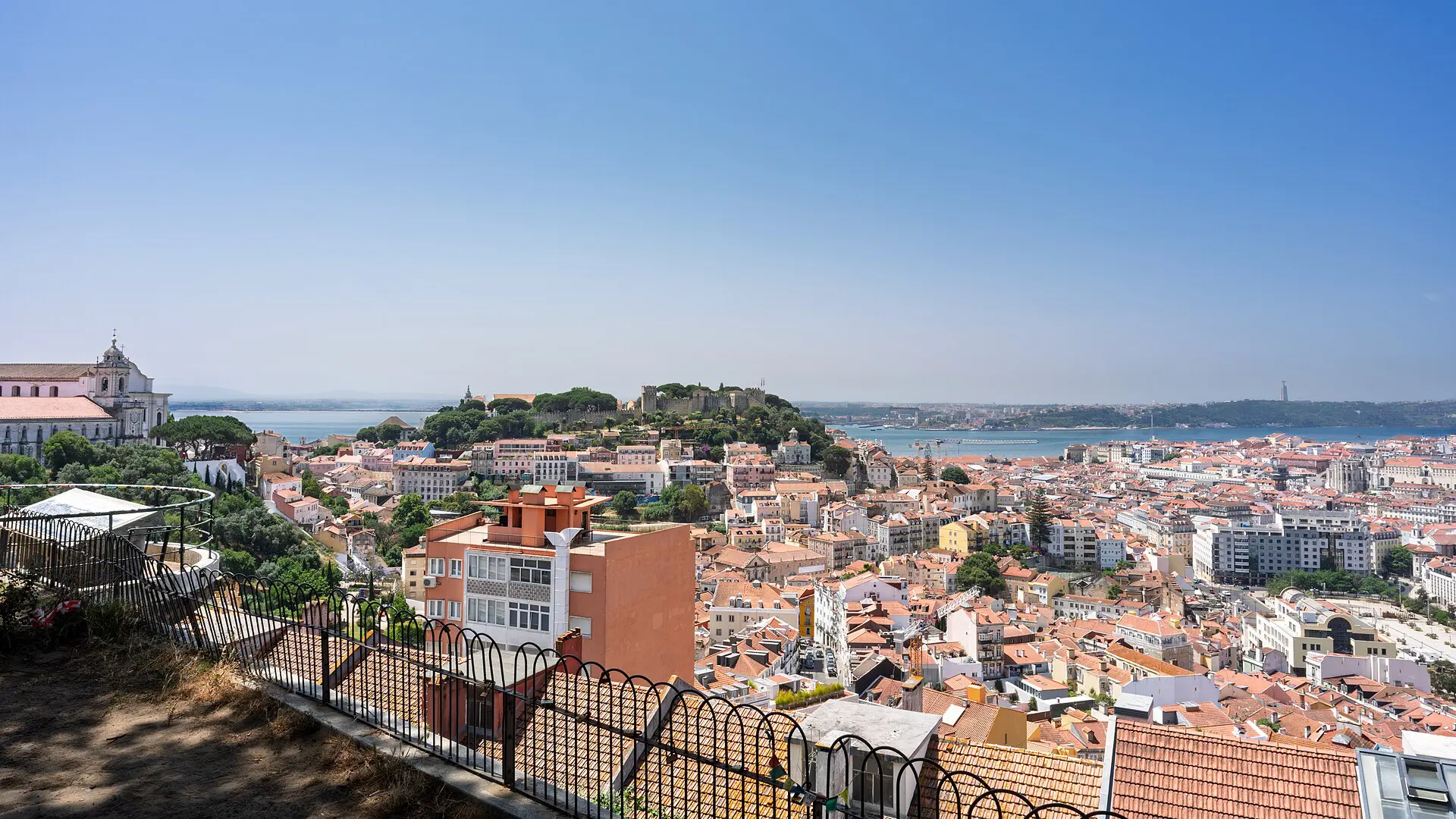
A good first evening in Lisbon: check in, walk to a viewpoint about 30 minutes before sunset, eat a simple dinner around 8 pm at a place with other solo diners at the counter, and be home by 10 pm. That rhythm, light first and food second, sets up the rest of the trip.
Solo female travel Portugal: an eight-stop route by train
The route below runs north to south or the reverse. Trains between the big cities are comfortable, and short regional hops cover the rest. Sleep choices matter more than sights.
1. Lisbon (3 to 4 nights)
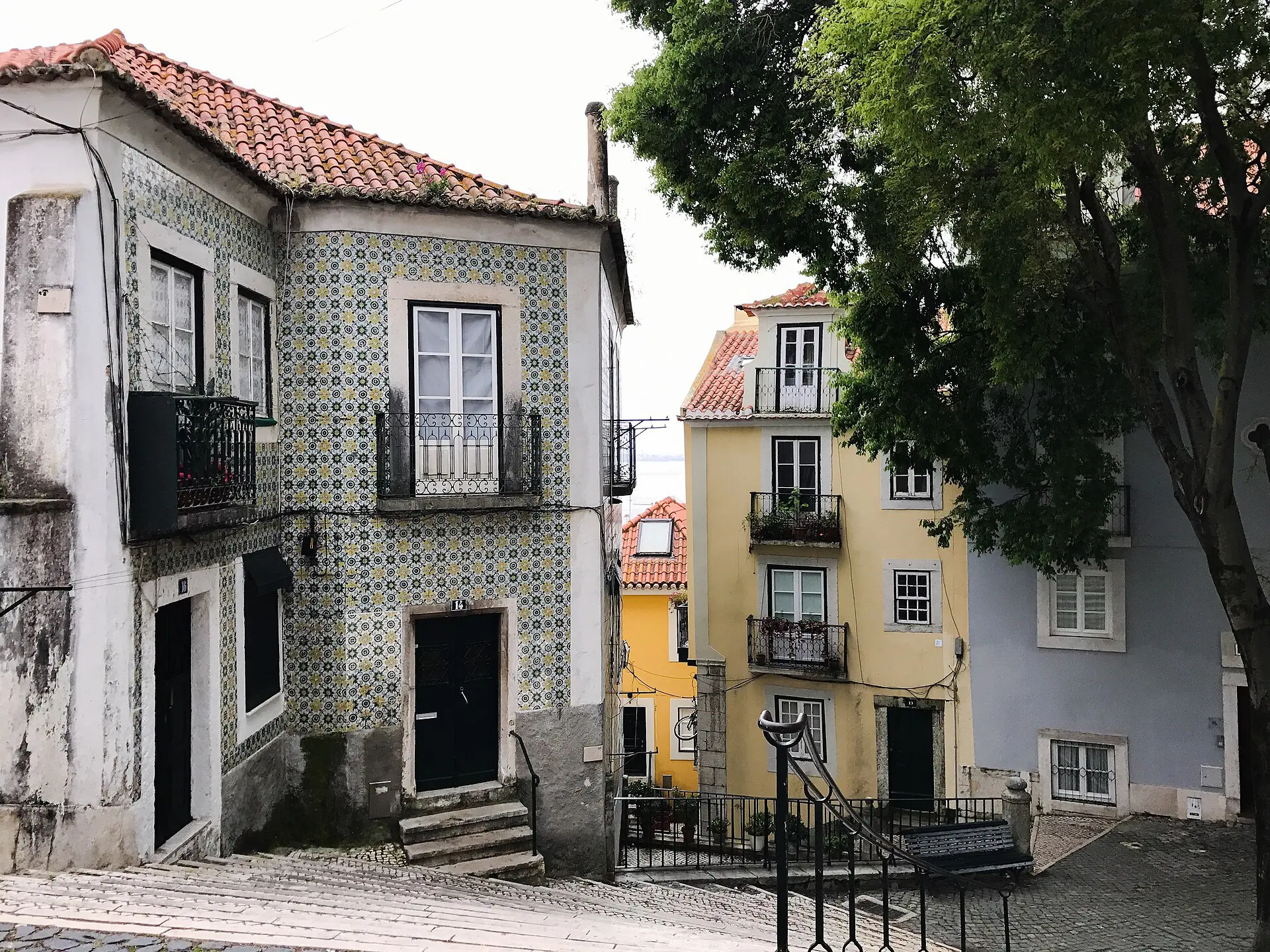
Stay in Baixa, Chiado or Alfama for walkable evenings, or Príncipe Real for a quieter feel. Bairro Alto is fun, but its bars are loud until late, so book a room away from the main street. Day one: a free walking tour, a pastry and the miradouros at sunset.
2. Sintra (day trip from Lisbon)
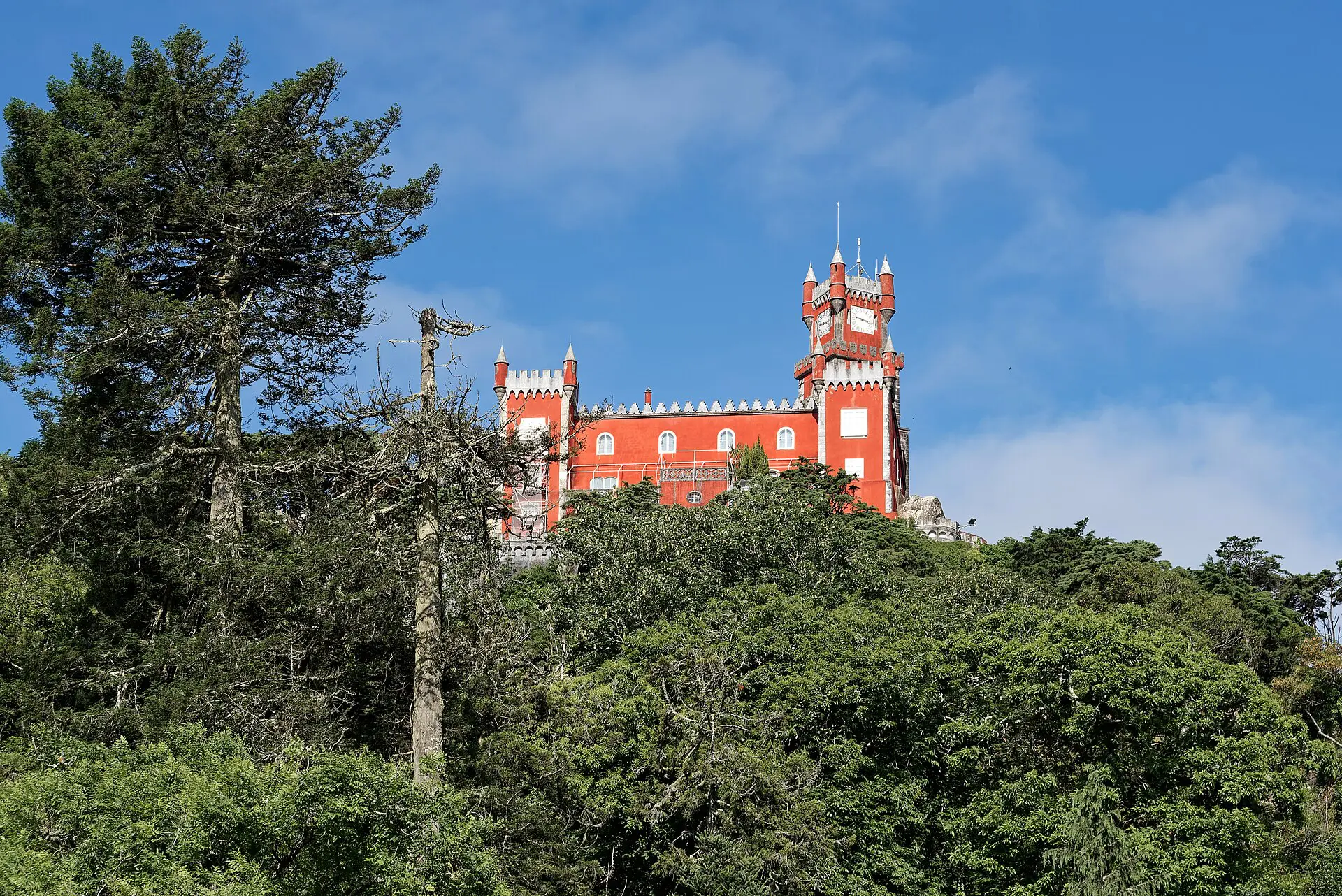
Trains from central Lisbon take about 40 minutes. Go early, wear flat shoes and take the first palace you reach, because queues grow after 10 am. Plan to be on a train back by early evening.
3. Cascais (day trip or one night)
About 40 minutes by train along the coast from Lisbon. It is a calm seaside town with a promenade and beach, a good break between museum days. Walk the seafront at sunset, then return to Lisbon by train.
4. Coimbra (1 night)
The old university city sits roughly between Lisbon and Porto, and the train stops there on the way. Stay near the Baixa riverside for easy station access. The university hill is steep, so pack light.
5. Porto (3 nights)
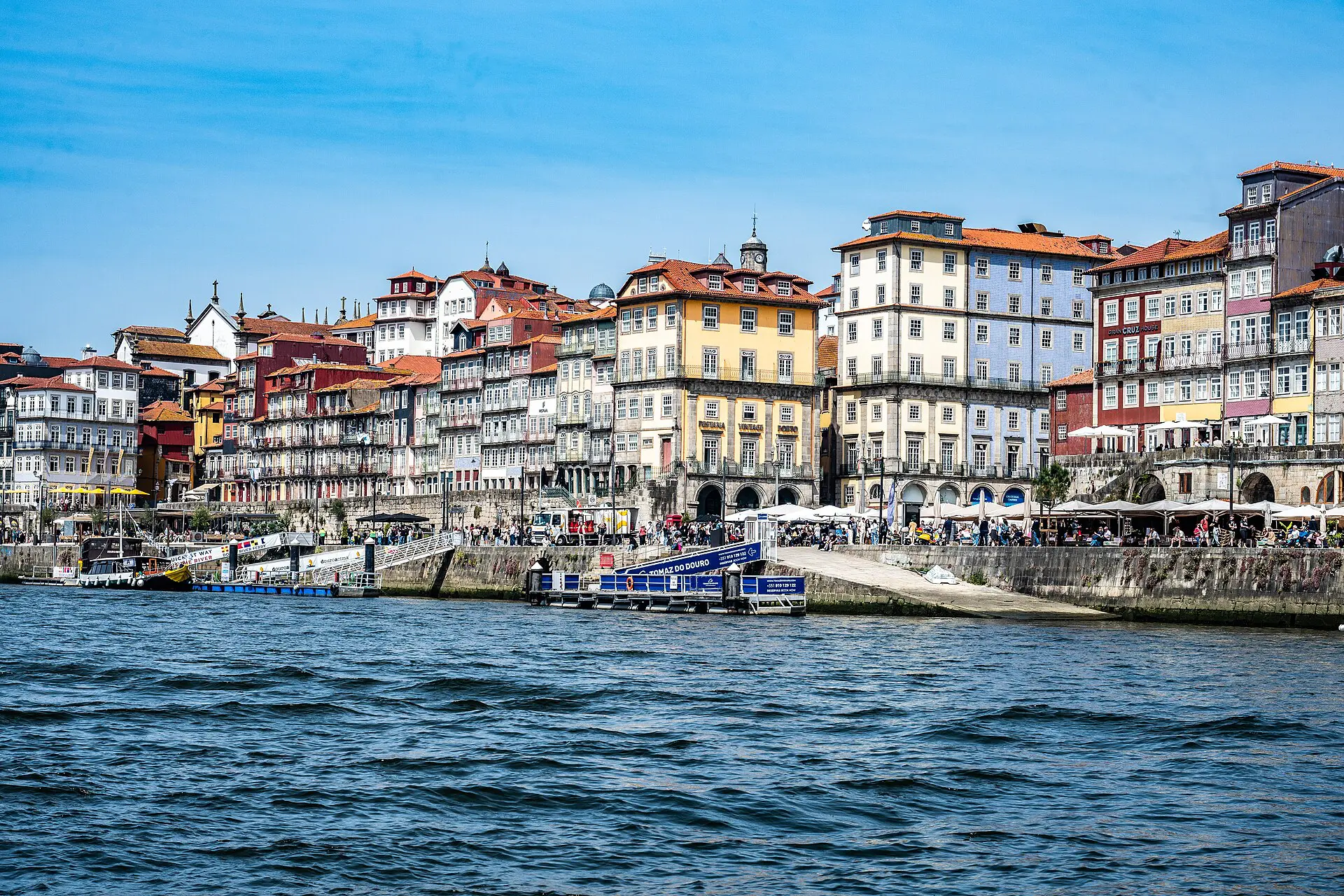
The train from Lisbon takes around three hours. Sleep in Ribeira for views and bustle, or near Cedofeita and Bolhão for a more local feel. The riverfront is lively at dusk. The streets from Ribeira up to the station are steep, so wear good shoes.
6. The Douro Valley (day trip or one night)
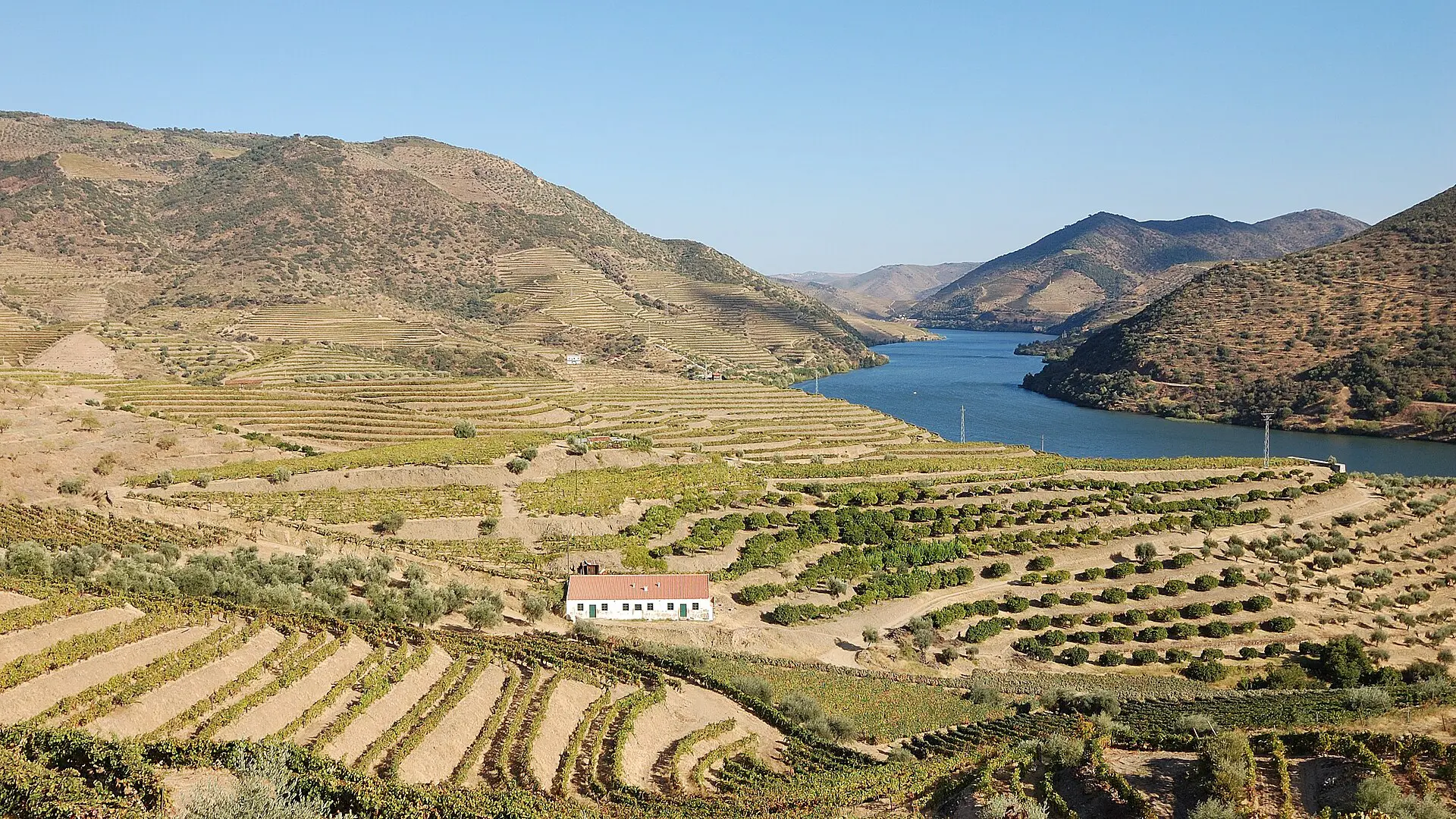
The wine region east of Porto has riverside train routes and boat trips. A small-group day tour with transport and tastings is the easiest way to see it alone and meet people, and it solves the drink-and-drive question.
7. Évora (1 night)
A walled Alentejo city, reachable from Lisbon by train or bus in roughly 1.5 to 2 hours. Stay inside the walls so you can walk home at night. It is quiet after 9 pm, which suits people who want an early night.
8. Lagos and the Algarve coast (3 nights)
The long train ride from Lisbon takes around four hours. Lagos has hostels, boat trips and cliff walks. Stay near the old town, and choose a hostel with sociable common areas if you want company. Check beach cliffs and tides before you walk coastal trails.
Hostel or small hotel: which one for a solo woman?
Portugal makes both easy, and the right pick depends on what you want from the evening.
- Hostel: best for company, kitchens and organised social nights. Look for female dorms, key cards and lockers. Read recent reviews on noise and cleanliness.
- Small hotel or guesthouse: best for sleep, a private bathroom and quiet. Good for Porto and Évora, where hostels may be at the edge of nightlife.
- Mix: a hostel in Lisbon for the first two nights to meet people, then a private room elsewhere.
For total costs, see Portugal Cost per Day, and for longer stays Portugal for Digital Nomads.
Day tours deserve their own mention. A group trip from Lisbon to Sintra and Cascais, or from Porto to the Douro, usually runs 8 to 10 hours, costs roughly 40 to 100 euros depending on what is included, and gives you a built-in group for lunch. Choose a small group of about 8 to 16 people, read recent reviews and confirm the pickup point and return time in writing. If you hate commentary, ask for a self-guided option with transport only.
Getting around Portugal alone: trains, night buses and rides
Intercity trains, including the faster services between Lisbon and Porto, are the easiest option, and you can book seats online. Regional trains and long-distance buses fill gaps. Check the last departure for each leg, because some regional lines thin out after about 9 pm.
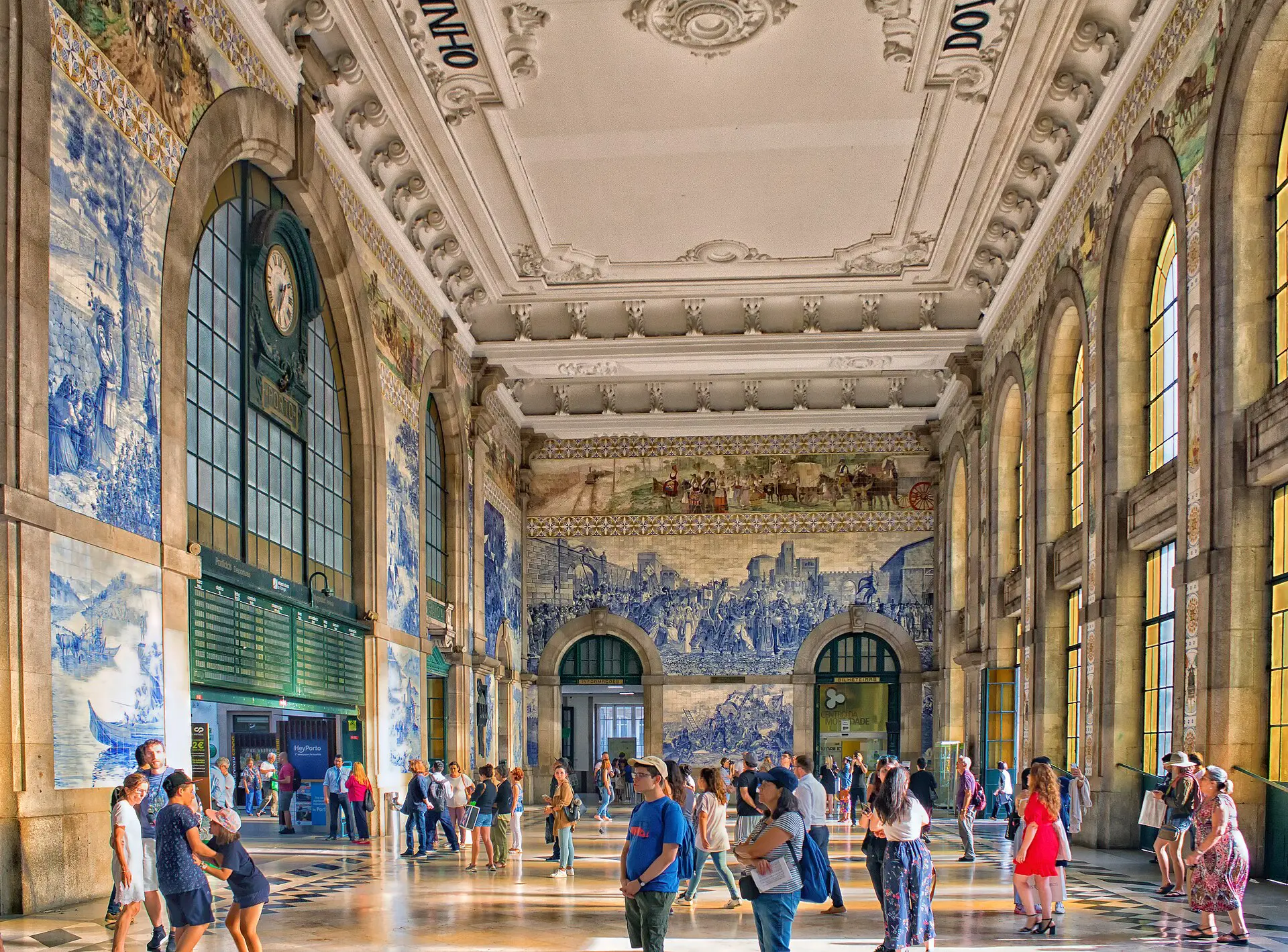
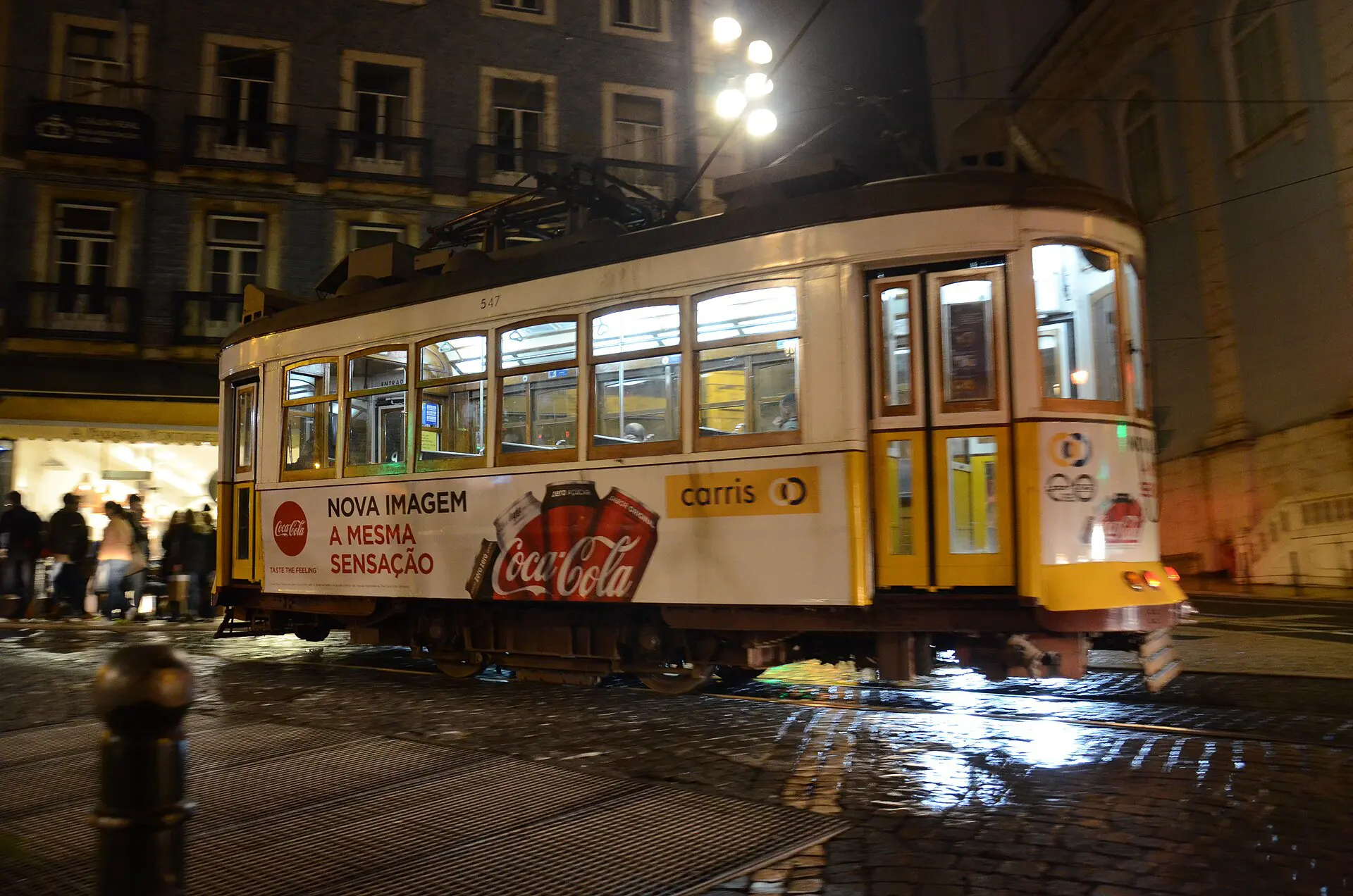
Lisbon’s tram 28 is famous for pickpockets, so keep your phone and wallet in a zipped pocket. In Lisbon and Porto, steep cobbled pavements get slippery when wet. For late evenings, use a ride-hail app or a taxi from a rank. The cost of one short ride at night is small, compared with a twisted ankle.
Overnight trains are not a major part of Portuguese travel, so you can usually avoid night transit entirely. Plan travel days for the morning, arrive by mid-afternoon and keep the evening for the new neighbourhood. Do not leave bags unattended on trains, or in a car boot visible from outside. Keep luggage in front of you on buses.
How to meet people when you travel solo in Portugal
Day tours are the best social entry point, because you share a start time, an end time and a topic of conversation.
- Lowest effort: free walking tours in Lisbon and Porto. Tip the guide at the end.
- Low effort: a small-group day trip to Sintra, the Douro Valley or the Algarve coast.
- Medium effort: a cooking class, tile-painting workshop or sunset boat trip.
- Higher effort: hostel family dinners, language exchanges and surf lessons in coastal towns.
If you want quiet, a seat at a cafe counter and a good book usually draws a friendly chat from staff or neighbours.
What to do after dark in Portugal
Dinner is often at 8 or 9 pm, and cities are still busy at 10. The best solo evenings are scheduled around the light.
- Sunset: Lisbon’s miradouros, the Douro riverside in Porto and the Cascais promenade are lively with other people.
- Fado: a fado evening in Alfama or Mouraria is quiet, seated and easy alone. Book ahead and check the minimum spend.
- Night-walk areas: the riverfront in Porto and the main streets of Baixa and Chiado stay busy. Avoid empty back streets and poorly lit stairs.
- Bars: Bairro Alto and Cais do Sodre are social, but crowds and drink offers get pushy. Go with a hostel group if you want a bar night.
Solo female travel Portugal budget bands
As of 2026, and hedged because prices vary by season, a hostel dorm trip with simple meals can run roughly 45 to 70 euros a day. A comfortable mix of private rooms, restaurant dinners and trains is often 90 to 150 euros a day. Lisbon and the Algarve cost most in summer. Shoulder months, such as April to June and September to October, offer better rooms and milder weather.
Spend more on a quiet room in the right neighbourhood and a seat on the faster train. Save on the fixed-price set lunch, pastries and free viewpoints.
One more saving: the daily set menu at a neighbourhood cafe, often a soup, main and coffee, is usually the best-value meal of the day and a comfortable way to eat alone at lunchtime. Keep dinner for somewhere busy with a view or a counter, and book ahead on weekends in Lisbon and Porto.
Staying safe in Portugal: specifics and boundary scripts
Portugal is generally calm, and violent crime against visitors is uncommon. The problems are petty: pickpocketing in crowds, bag theft from cafe chairs and overly friendly offers in busy nightlife areas. These habits remove most of them.
- Keep your phone off the table, and your bag strap looped round a chair leg.
- In Lisbon’s tourist streets, street sellers may offer drugs. A calm “No, obrigada” and walking on is enough.
- If someone will not take no for an answer: “Please leave me alone” in a clear voice, then step into a shop or cafe.
- At night, tell your hostel or host where you are going and when you expect to return.
- Emergency number across the EU: 112.
Read the Portugal travel guide for regions and seasons, and check your government’s current advice before you go.
Solo female travel Portugal FAQ
Is Portugal safe for solo female travelers?
Portugal is regarded as one of Europe’s safer countries. Women travel alone there in large numbers. Pickpocketing in busy areas is the main nuisance. Keep valuables zipped away, take a ride rather than a long dark walk, and tell someone your plan. Check your government’s advice before booking.
Where should a solo woman stay in Lisbon?
Baixa, Chiado, Alfama and Príncipe Real are all walkable and busy in the evening. Pick a place near a metro station and read recent reviews. Bairro Alto is social but noisy, so choose a room on a side street.
Is Porto or Lisbon better for a first solo trip?
Lisbon has more hostels and organised tours, which makes meeting people easy. Porto is smaller and walkable, with a calmer pace. Many travelers do both and link them by train in about three hours. Choose Lisbon if you want company and Porto if you want quiet.
Can I travel Portugal by train alone?
Yes. Intercity trains link Lisbon, Coimbra and Porto, and regional services cover Sintra, Cascais and the Algarve. Book seats on long rides and check last departures on regional lines, since some stop earlier than visitors expect. A ride-hail app covers the gaps.
Is it safe to walk alone at night in Portugal?
In busy central areas, usually yes, and many people do. Stick to lit, populated streets, avoid empty stairs and quiet alleys, and take a ride after the bars thin out. For more background, see the Wikivoyage guide to Portugal.