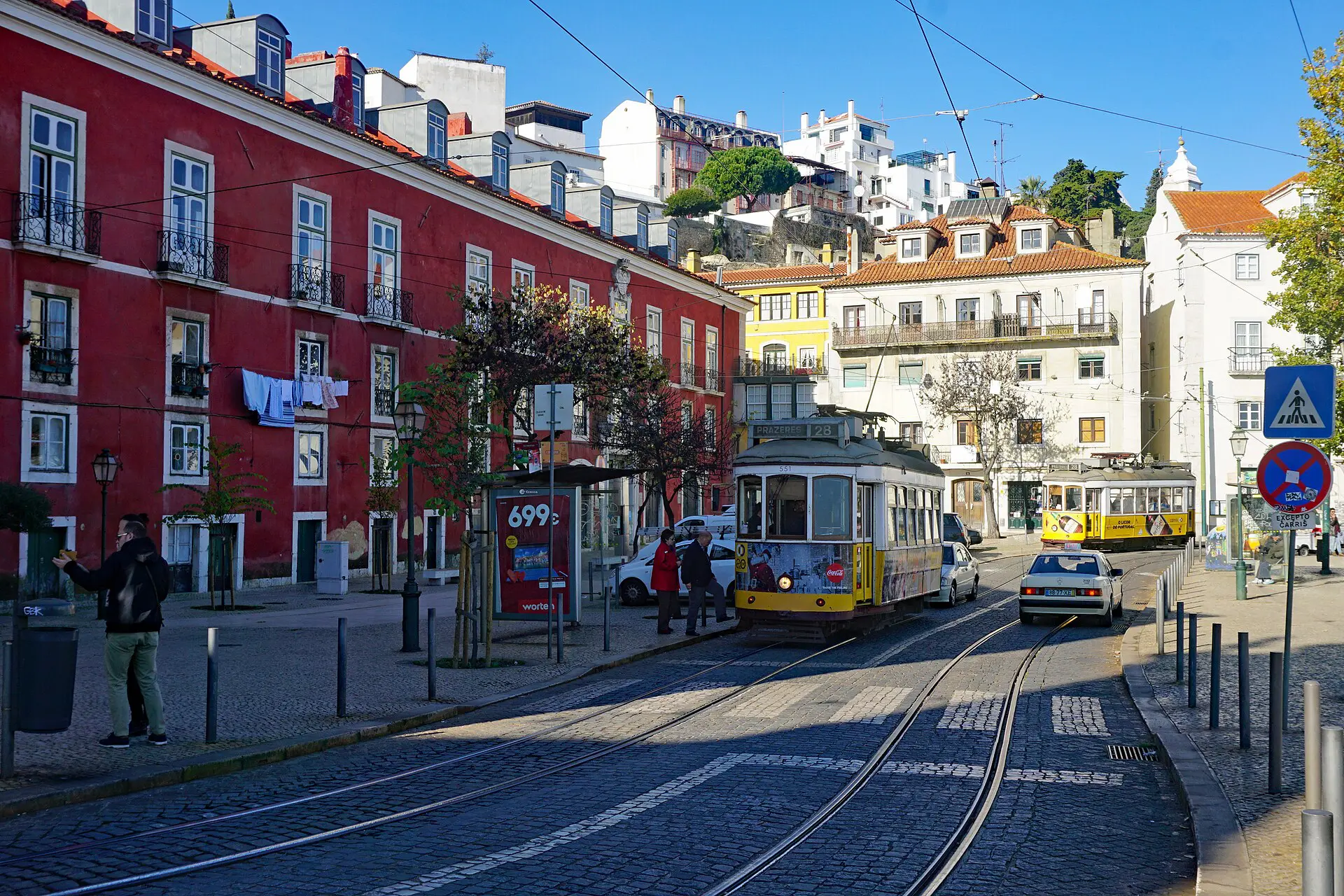
Portugal cost per day runs roughly 65 to 95 euros per person at a budget level, 130 to 200 mid-range and 250 or more for comfort, with two people sharing a room. That makes it one of the better-value countries in western Europe, though Lisbon and the Algarve in summer are well above the national average. Below, the daily bands by city, the rail versus car maths, and where a location premium is worth paying.
Portugal cost per day: the total cost box
These are rough ranges in euros per person, as of 2026, for two people sharing, excluding international flights. Exchange rates and seasons move them, so check current prices when you book.
| Budget level | Daily range | 10-day total | What it covers |
|---|---|---|---|
| Budget | 65 to 95 euros | 650 to 950 euros | Hostels or simple guesthouses, set lunches, metro and rail, free viewpoints and beaches |
| Mid-range | 130 to 200 euros | 1,300 to 2,000 euros | Three-star hotels or apartments, restaurant dinners, intercity trains, a few paid sights |
| Comfort | 250 to 400 euros or more | 2,500 to 4,000 euros or more | Boutique hotels, wine-region stays, rental car, tours and long dinners |
Lodging usually takes 40 to 50% of the day. Food is a bargain by western European standards, and local transport is cheap. The lever is where you sleep and when you travel: the same room can cost twice as much in August as in May.
Daily costs in Lisbon, Porto and the Algarve
The three main bases price differently. The ranges below are mid-range, per person per day, with two sharing.
- Lisbon: about 140 to 220 euros. The highest in the country, driven by room rates in the centre and hills of Alfama, Baixa and Chiado.
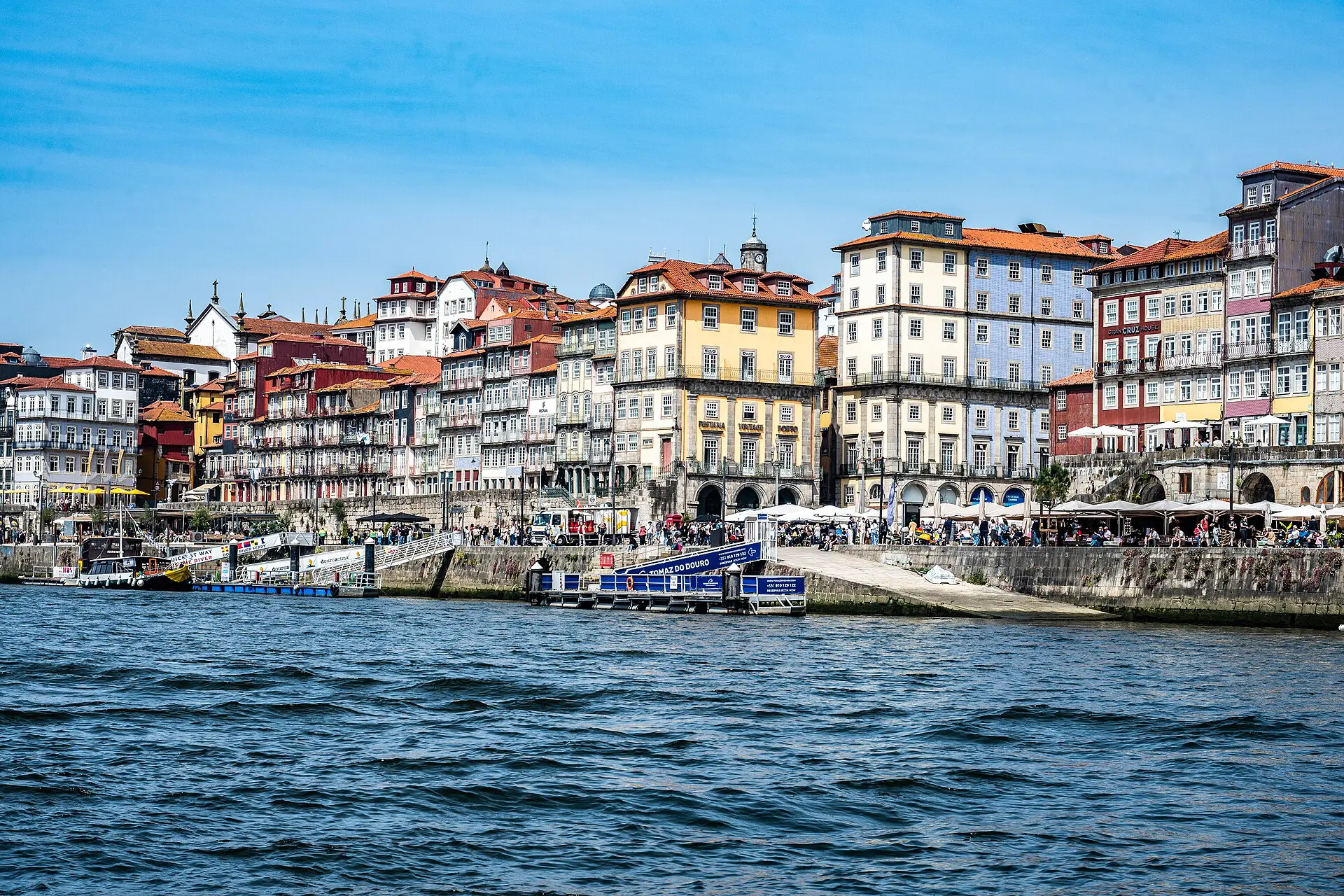
- Porto: about 120 to 190 euros. Rooms and restaurants tend to cost a little less, and the city is compact.
- The Algarve: about 110 to 180 euros in spring and autumn, but 170 to 280 euros or more in July and August, when rooms and car hire spike.
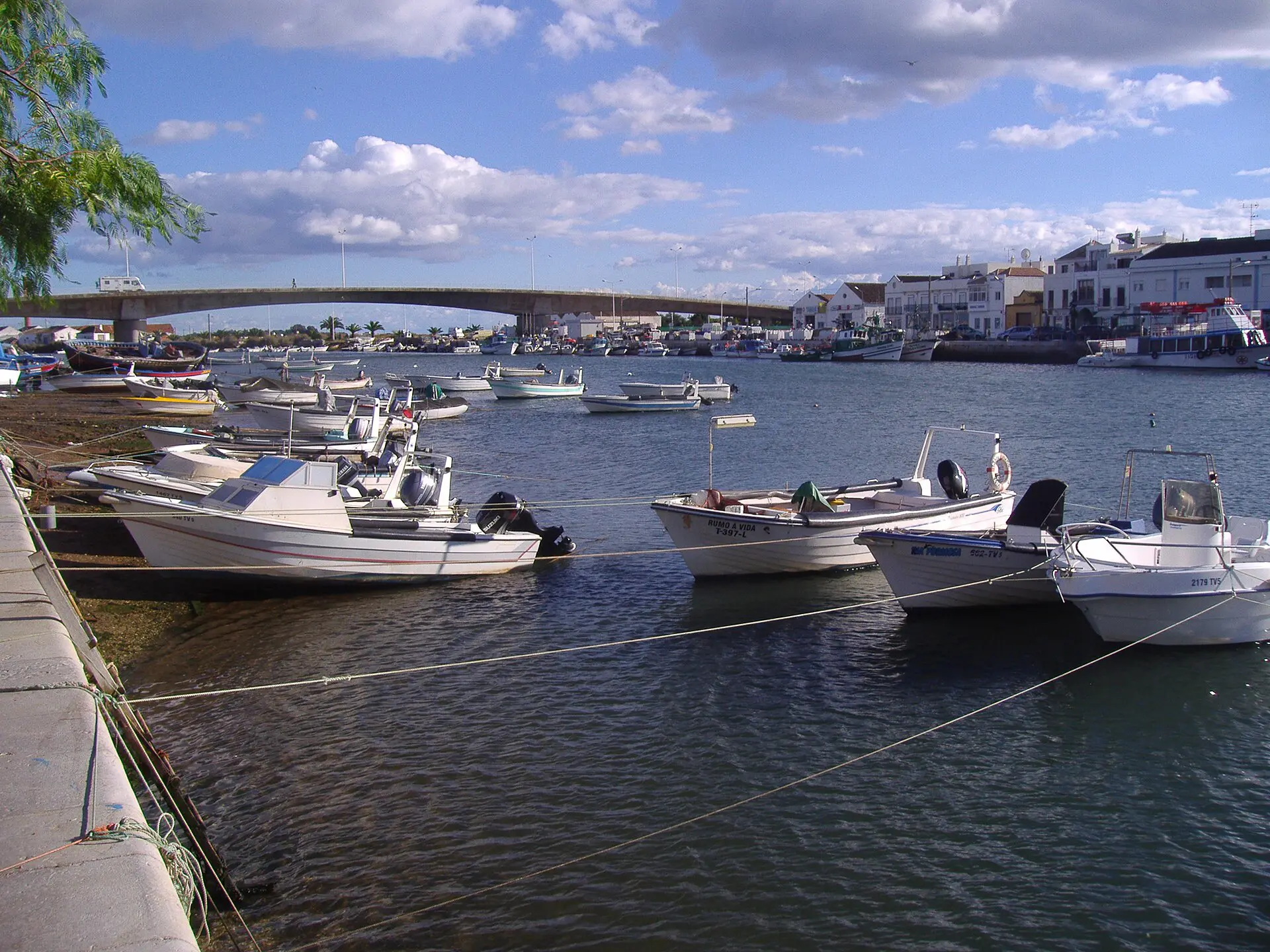
- Smaller towns and the interior: about 90 to 150 euros. Coimbra, Évora and Tavira cost less than Lisbon, with good restaurants and guesthouses.
The Portugal travel guide describes each region and its character. For a trip that moves between all three, expect a blend of about 130 to 190 euros at mid-range.
As a rough guide to the daily split at mid-range, expect lodging at 55 to 90 euros per person, food at 30 to 55, local transport at 3 to 10 and sights at 5 to 25. Over 10 days, a few paid attractions and one 3-hour train ride do not change the total much. Sleeping in the wrong district for 4 or 5 nights does.
Where paying more pays off in Portugal
Three upgrades usually pay back in Portugal, because location and timing shape the day more than room quality does.
1. A central room in Lisbon
Lisbon is built on hills, and a cheaper room on the outskirts adds long metro rides and steep climbs. Paying 30 to 60 euros a night more for a base in Baixa, Chiado or near a metro stop usually saves transit time and taxi fares. This is the main spot in the country where a location premium is worth it.
2. A reserved intercity train in busy periods
Lisbon to Porto by the faster intercity services takes roughly three hours, with fares of about 25 to 50 euros per person, as of 2026, rising close to departure. Book ahead for Friday and Sunday travel and for summer. It is far better than a car on that route, since you avoid tolls, parking and the city drive.
3. A rental car for the Algarve and the interior
Algarve beaches, Alentejo villages and the Douro valley are hard to reach without a car. A compact car costs roughly 25 to 60 euros a day, depending on season, plus fuel and tolls. Many motorways use electronic tolls, so ask the rental company about a transponder.
Where to save in Portugal
Four places to cut spending without losing much.
4. Eat the prato do dia
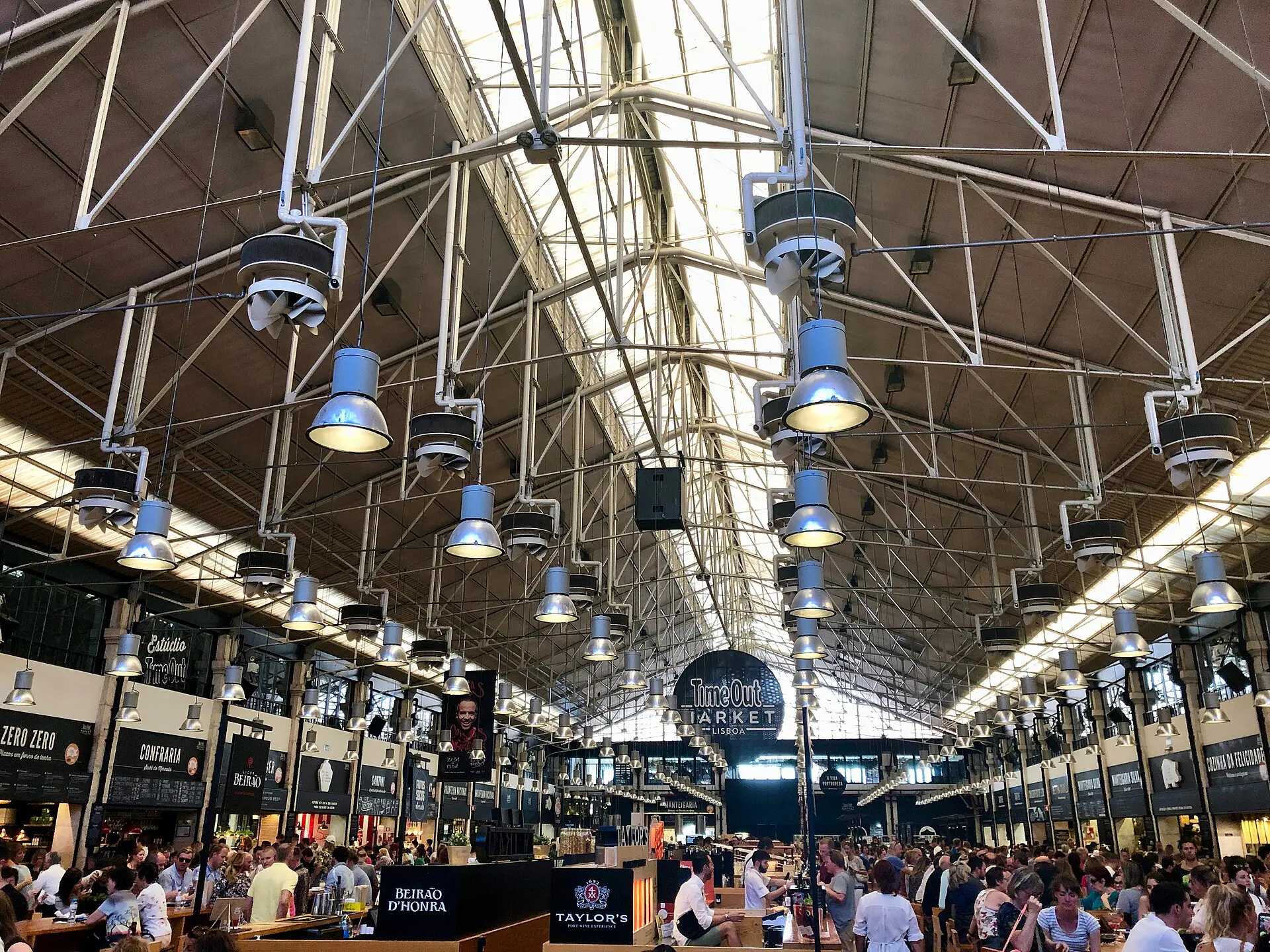
Many casual restaurants offer a dish of the day for about 8 to 13 euros, often with soup, a drink and coffee. It is the best value meal in the country. A pastel de nata and a coffee at a counter costs about 2 to 3 euros, and local cafes charge less at the bar than at a table.
5. Stay one train stop or one neighbourhood out
Staying in Cascais, Sintra or a quieter Lisbon district such as Campo de Ourique, or in Gaia across the river from Porto, can reduce the nightly price by 20 to 30%. This works for stays of four nights or more, and for travellers who are fine with a short commute.
6. Take regional trains and buses for short hops
Regional trains and buses cost only a few euros for runs such as Lisbon to Sintra or Porto to Braga. Contactless payment is accepted on many urban networks. A city transport card is cheaper per ride than single tickets, and day passes pay back with three or more rides.
7. Go in the shoulder months
April to early June and September to October bring sunshine, open beaches and noticeably lower rates than July and August. Many travellers find the weather better for walking, too.
Rail versus car comes down to distance and company. Lisbon to Porto is about 310 km by road, and the train takes roughly 3 hours, so a rail ticket for two costs about the same as tolls, fuel and a day of parking. Lisbon to Faro by train takes around 3 hours, and the Algarve line then links Faro, Lagos and Tavira, but many beaches sit 5 to 15 km from a station.
Transport and booking windows for Portugal

- Flights: two to five months out is a common window for Lisbon and Porto, with competitive fares from many European cities. Summer Faro flights should be booked earlier.
- Intercity trains: tickets are sold weeks ahead, and fares tend to rise as the date nears. Book a few weeks out for peak periods.
- Algarve lodging: book July and August stays three to five months ahead. Spring and autumn are looser.
- City hotels: two to three months out for festival dates such as Lisbon’s Santo António celebrations in June.
- Rental cars: reserve early for summer, and check insurance and toll terms.
Best months for value in Portugal
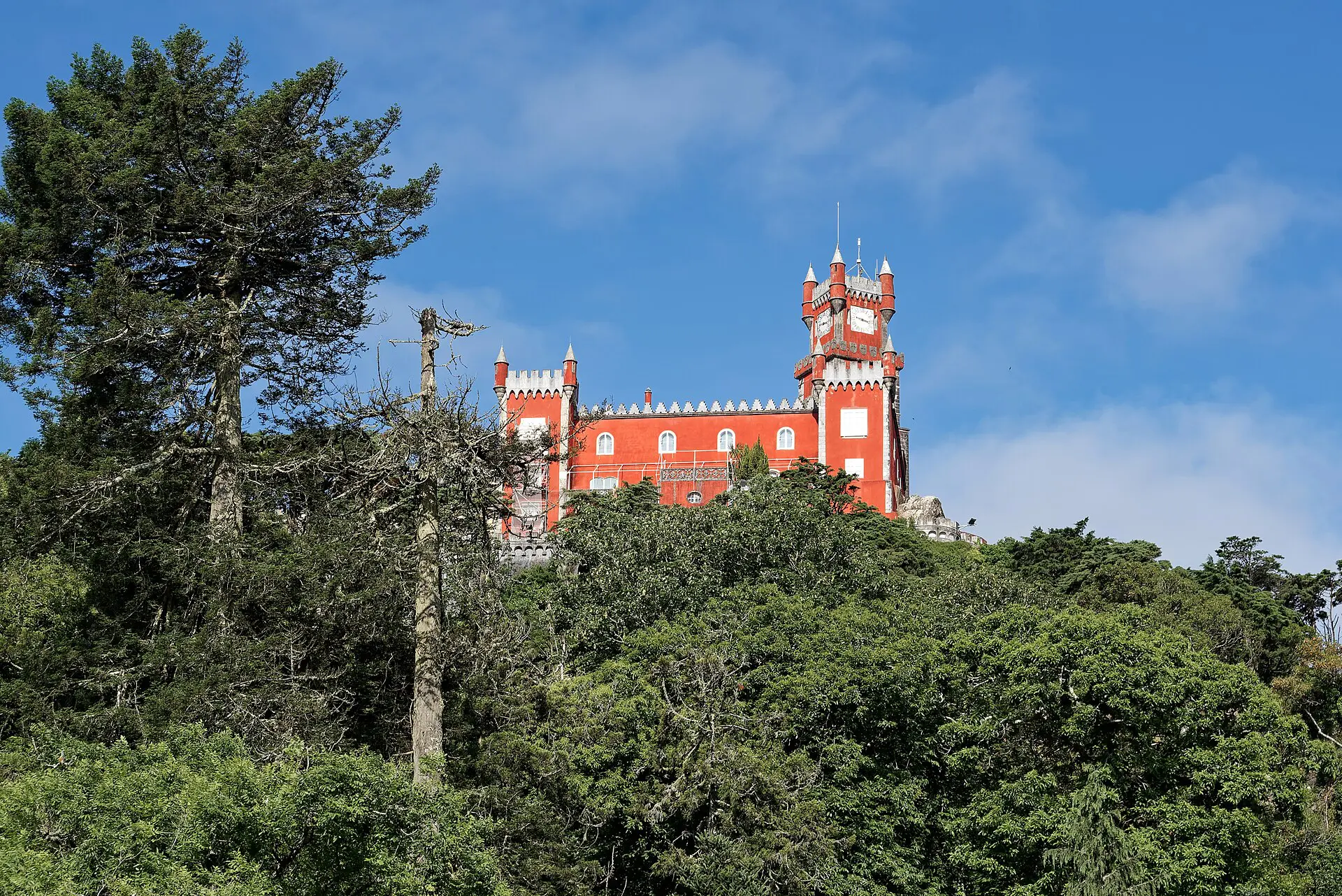
May, June before the festivals, late September and October are the best mix of price and weather. Winter, from November to March, is the cheapest, with lower rooms in Lisbon and Porto, though it is wetter and many Algarve places close or reduce hours. July and August are the most expensive, with the Algarve at its peak and Lisbon hot.
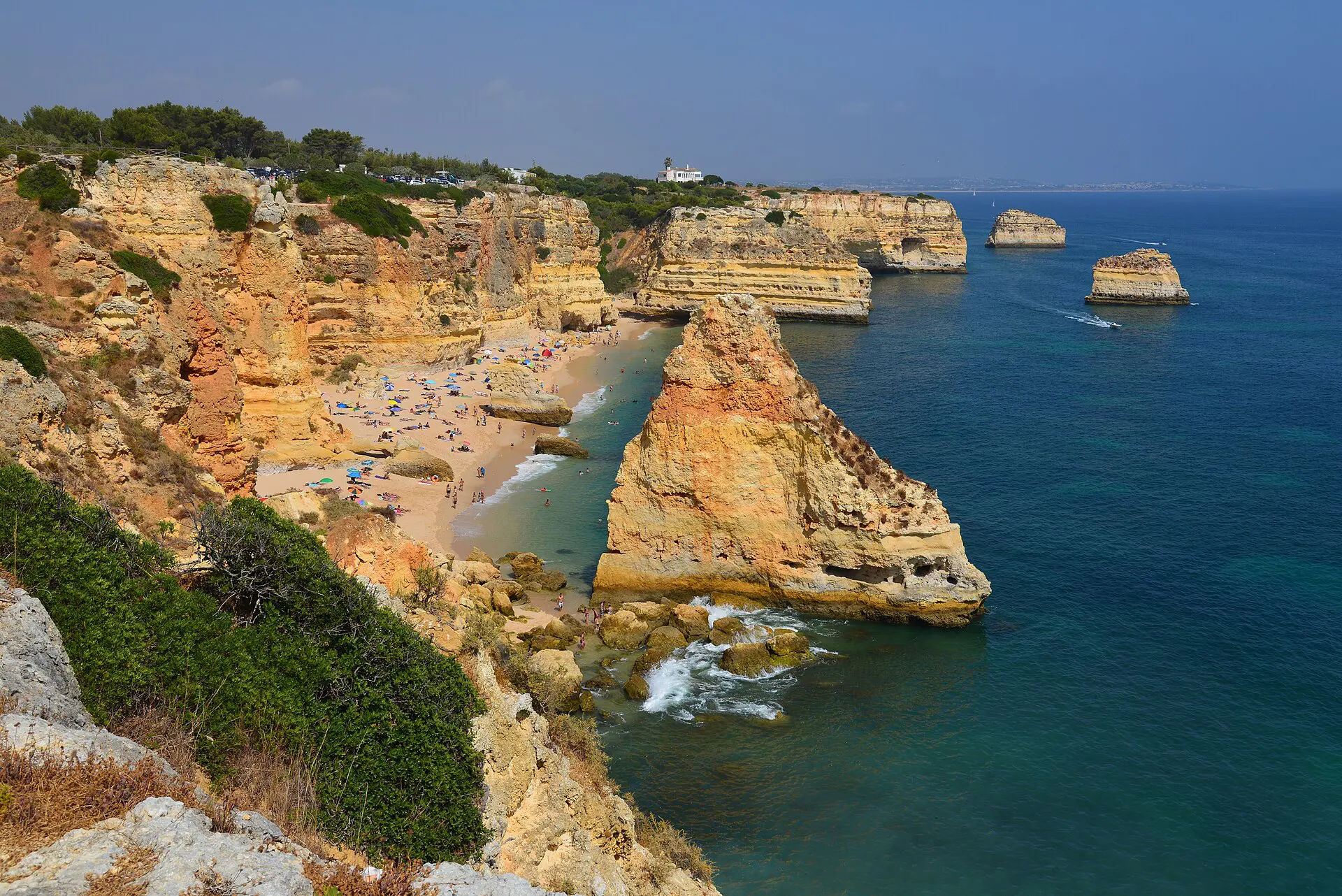
My pick for value is late April to mid-June or the weeks after the summer peak: warm, open and about 20 to 40% below August rates for rooms. For regional background, the Wikivoyage guide to Portugal has travel notes.
A simple plan for a 10-day mid-range trip is 4 nights in Lisbon, 3 in Porto and 3 on the Algarve or in a smaller town. Doing it in that order, with the train for the first leg and a 2 to 3 day rental car at the end, usually keeps transport under 15% of the budget.
FAQ about Portugal cost per day
How much money do you need per day in Portugal?
About 65 to 95 euros at a budget level, 130 to 200 mid-range and 250 or more for comfort, per person with two sharing. Lisbon and the summer Algarve sit at the top of each range, and smaller towns near the bottom.
Is Portugal cheap compared with the rest of Europe?
Cheaper than France, Italy and the UK, and cheaper than Spain on average, but no longer the bargain it was. Food and local transport are good value, while Lisbon rooms are closer to other western European capitals.
Is Lisbon or Porto cheaper?
Porto is usually somewhat cheaper for rooms and restaurants, by roughly 10 to 20%. Both are compact, so the difference matters most on stays of four nights or more. Compare actual rates for your dates.
Is it cheaper to take trains or drive in Portugal?
Trains win between Lisbon and Porto, and for solo travellers. A car wins for the Algarve and rural regions, and for groups of three or four. Add tolls, fuel and parking to any quote before deciding.
When is the cheapest time to visit Portugal?
Between November and March, outside the Christmas and New Year week, rates are lowest. For better weather at a moderate price, choose May, June or October. See the Wikipedia entry on Portugal for background.