Portugal digital nomad life works best when you pick the city to match your work, not the other way round. Lisbon has the most flights, coworking and company, Porto is calmer and cheaper but still busy, and smaller cities such as Braga or Coimbra suit a quiet, focused month. As of 2026 a month for one person often runs from roughly US$1,800 to 3,000, with rent as the swing factor. Verify visa rules on official sources.
Portugal digital nomad visa routes and stay length
Portugal is in the Schengen area, so many nationalities can visit visa-free for up to 90 days in any 180-day period, depending on passport. Longer stays need a different route. Portugal has introduced residence options aimed at remote workers, commonly described as a digital nomad visa and a temporary stay permit for remote workers, and there are other residence routes for self-employed people and others. We cannot state the rules for your passport, because they vary and change.
What to expect: an income test, health insurance, proof of accommodation, a clean record and some paperwork that may need translating or apostille. The details, including the income threshold, the fee, the permit length and renewal terms, sit on the official Portuguese immigration and government pages. Check the current page, note the date, and ask the nearest consulate whether remote work is allowed on a short stay. Verify every item with the official source before you apply.
Tax is a separate question. A long stay can make you tax resident, and Portugal’s special tax regimes for newcomers have been reformed in recent years, so ask a qualified adviser rather than relying on a blog.
One-month budget band for a Portugal digital nomad
These are rough monthly ranges in US dollars for one person, as of 2026, built from typical categories rather than a specific listing. Lisbon sits at the top of each range, smaller cities near the bottom. Rent is the biggest variable, and prices rise in summer and in the busiest tourist districts. Check current listings before you commit.

| Category | Lean month | Comfortable month | Notes |
|---|---|---|---|
| Rent, a one-bedroom or studio | About US$800 to 1,200 | About US$1,300 to 2,000 | Short-term lets cost more than long ones |
| Food and groceries | About US$300 to 450 | About US$500 to 800 | Eating out is the main variable |
| Local transport | About US$30 to 60 | About US$50 to 100 | Monthly passes are common in cities |
| Coworking or cafés | About US$40 to 100 | About US$100 to 250 | Day passes versus a monthly plan |
| Phone, data and utilities | About US$40 to 90 | About US$80 to 150 | Utilities may be separate from rent |
| Health insurance | About US$40 to 100 | About US$80 to 200 | Depends on age and cover |
| Rough total | About US$1,250 to 2,000 | About US$2,500 to 3,500 | Does not include flights or tax |
Our headline of US$1,800 to 3,000 sits between those columns. For daily costs as a visitor, see Portugal cost per day, which compares Lisbon, Porto and the Algarve.
Where to base yourself in Portugal as a digital nomad
Seven bases, grouped by work style. We have not tested the internet or coworking in any of them, so treat each description as a starting point and run your own test in the first week.
1. Lisbon: for a big network and easy flights
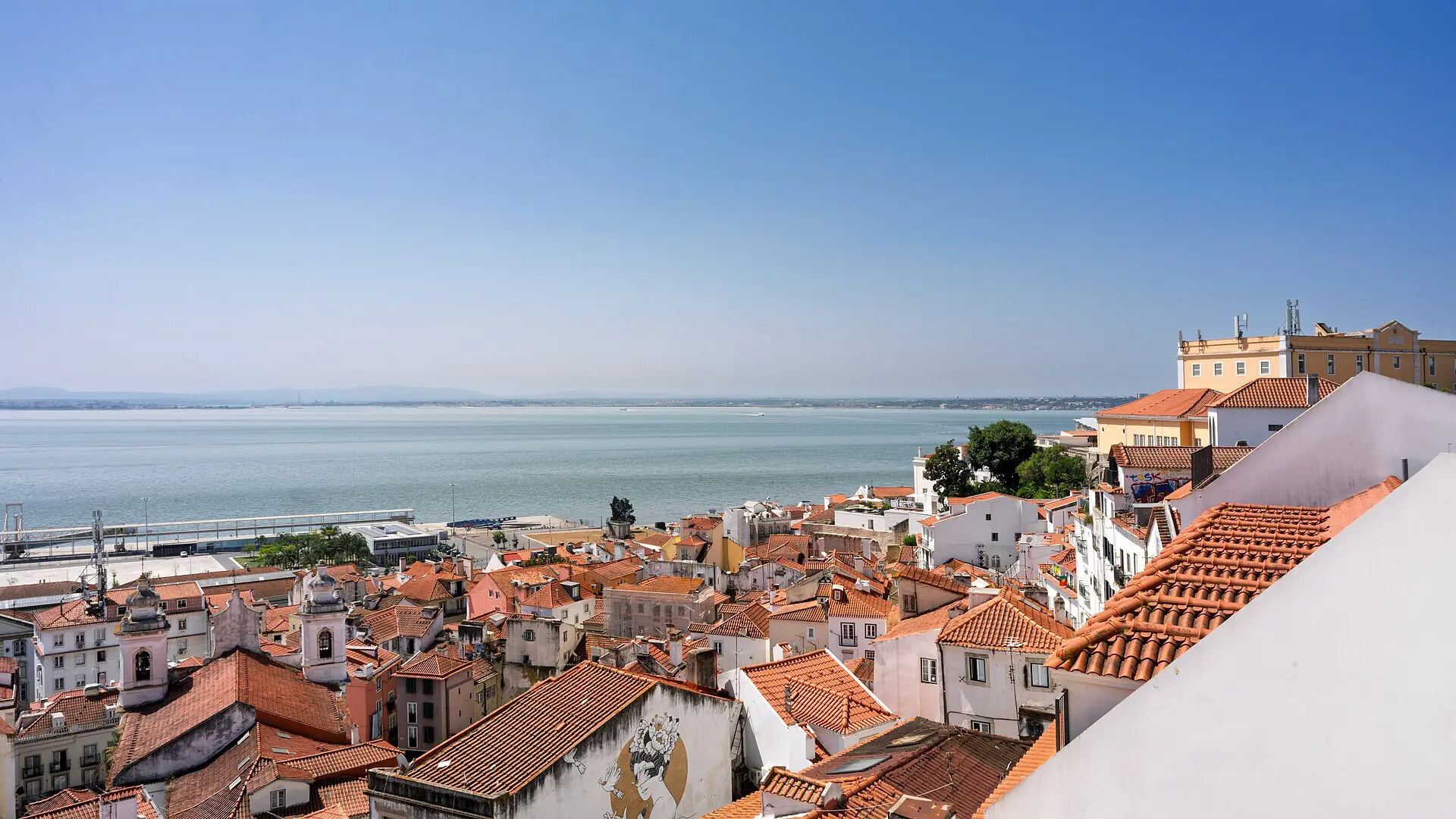
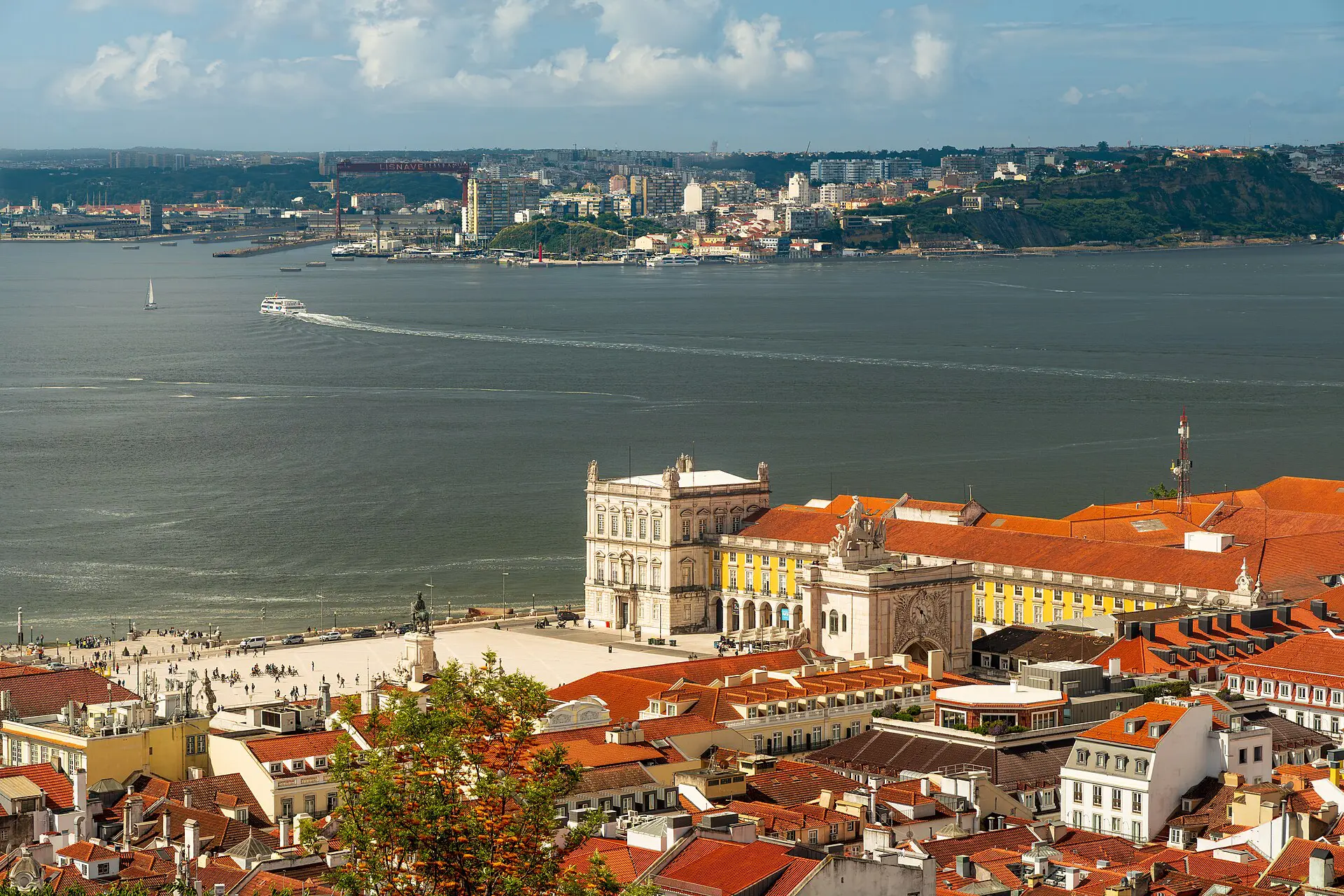
Lisbon is the capital and largest city, with a population in the low hundreds of thousands in the city itself and far more in the metropolitan area. It suits people who want coworking choice, events, other remote workers and quick flights home. It is also the most expensive base, and the hills tire you out. Pick a flat near a metro stop to keep the commute short.
2. Porto: for a city with a calmer rhythm
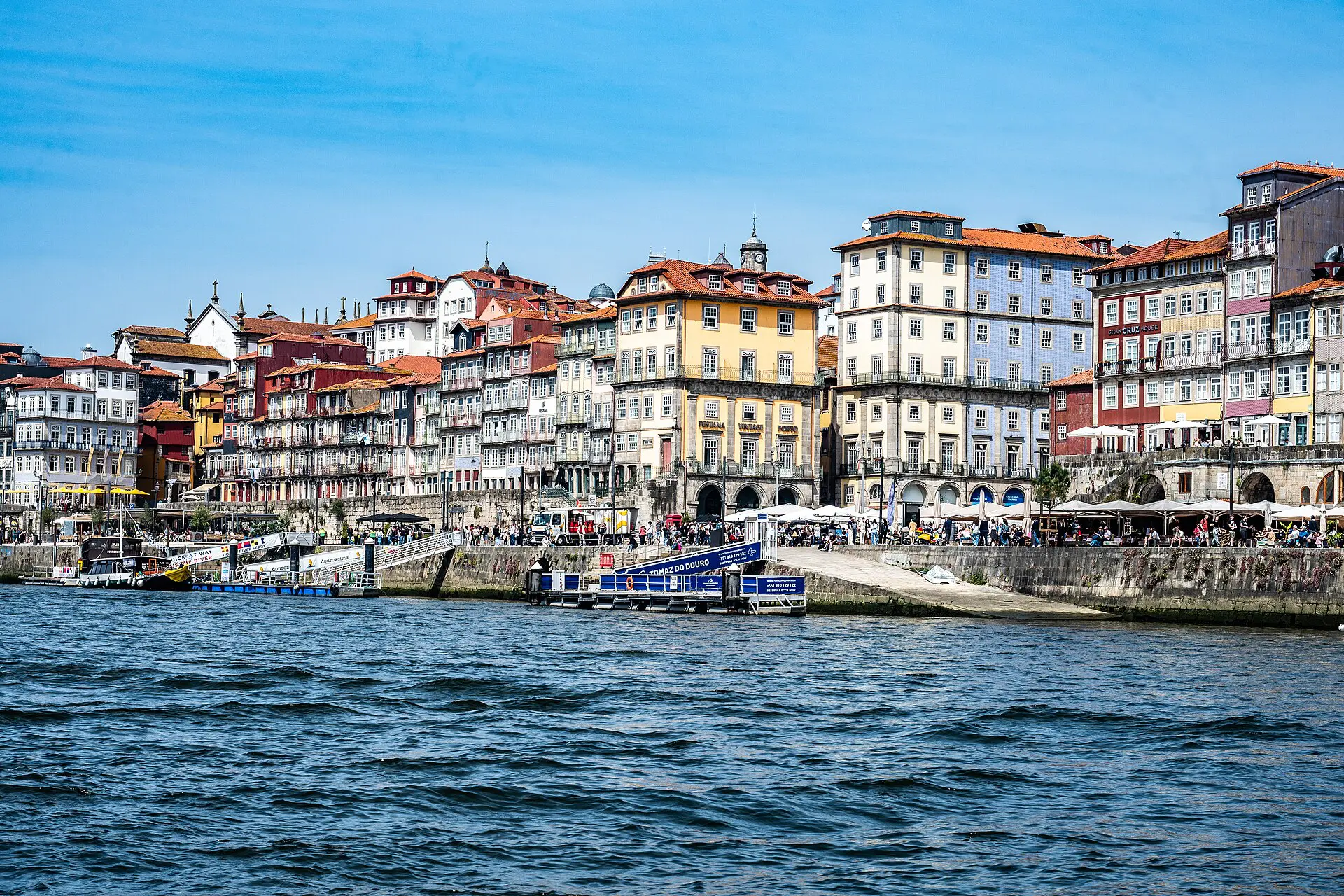
Porto is the northern capital, set along the Douro river and the Atlantic coast. It offers a compact centre, a growing remote-worker scene and slightly lower rents than Lisbon, though not always by much. It rains more in winter than the south does, so a winter month needs a good indoor setup.
3. Braga: for quiet focus at a lower cost
Braga is the city of archbishops and sits in the north, inland from Porto. It is a good fit for deep work: smaller, cheaper and less crowded, with a university student population that keeps cafés and libraries busy. Check the train or bus links to Porto, because you may want a day out every week.
4. Coimbra: for a university-town routine
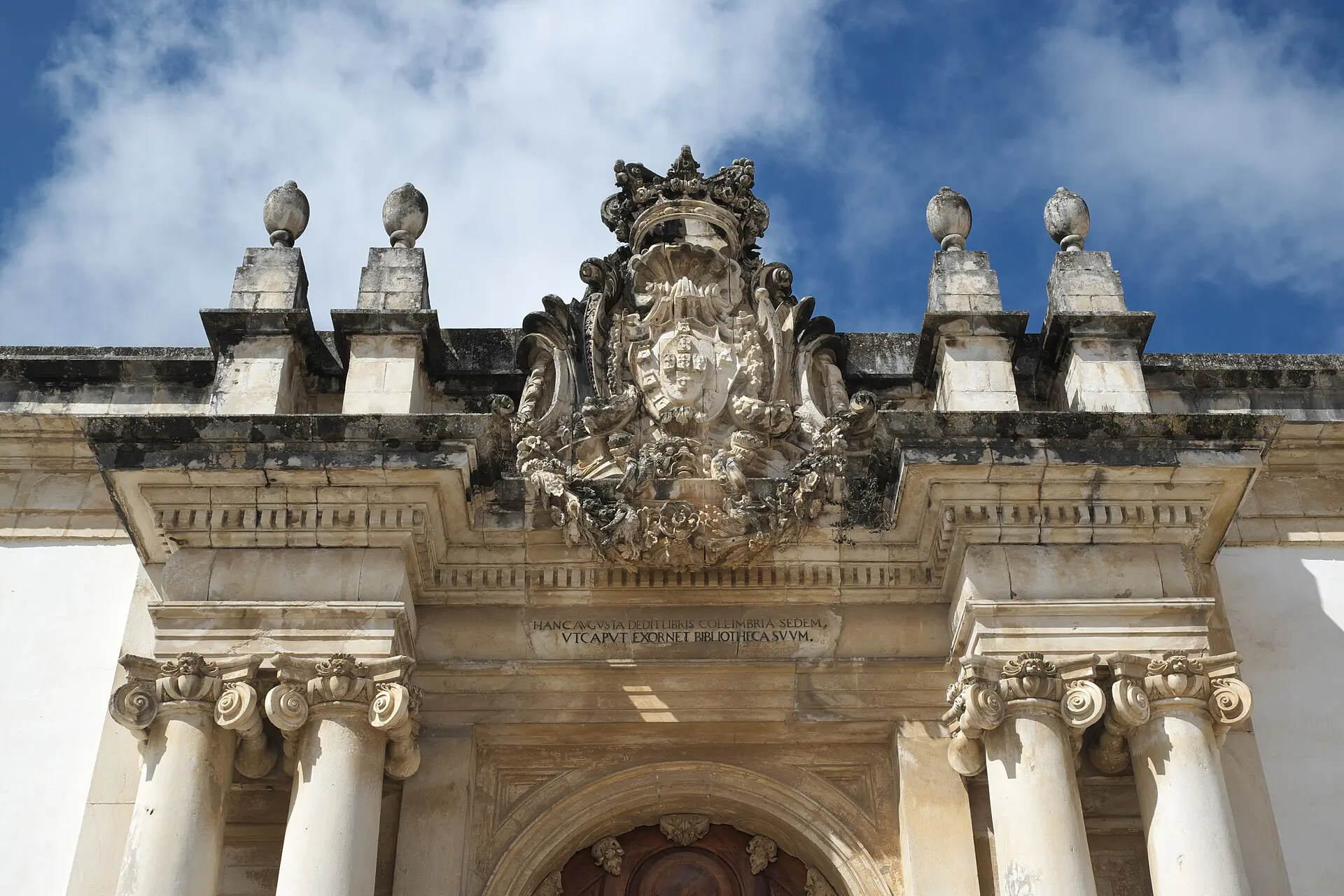
Coimbra is home to one of the world’s older universities. It suits people who like a student town rhythm, affordable food and a walkable centre. It sits between Lisbon and Porto, so rail trips to either are realistic. Hills are steep, so check your flat’s location.
5. Aveiro: for a flat, canal-side month
Aveiro is known as the Venice of Portugal. It is small, flat and good for cycling, which matters if you dislike hills. It has fewer coworking options than the big cities, so confirm your internet and a backup venue before you book.
6. The Algarve coast: for sun, sport and winter
The south coast has mild winters, beaches and a mix of expats and seasonal workers. It suits people who want to surf, run or swim between work blocks. In summer rents and crowds climb sharply. A car, or a clear plan for buses, is often needed outside the main towns.
7. Funchal, Madeira: for an island routine
Funchal is the capital of Madeira, an Atlantic island that is part of Portugal. It has mild weather year-round, a mountainous coast and a distinct remote-worker community. Flights connect it to the mainland and Europe, but check frequency and costs before you commit, since an island month leaves less room for last-minute exits.
Work-friendly setups by type for a Portugal digital nomad
As with any base, setups fall into a few types, and we have not tested specific venues. Here is what to look for.
- Coworking spaces. Common in Lisbon and Porto, with fewer in smaller cities. Ask for a day pass first, then a weekly or monthly plan.
- Cafés. Plentiful and cheap, though laptop policies vary. Avoid lunch rushes and take calls elsewhere.
- Libraries and university spaces. Quiet in student towns like Coimbra and Braga. Check access rules for non-students.
- Apartments. Ask for photos of the desk, the chair and the router, and run a speed test on arrival.
For a framework on how to mix these, see our guide on coworking, cafés and apartment desks, then pick a mix for the month.
Month-to-month cost volatility in Portugal
The same flat can cost very different amounts depending on the month. Summer and major events push short-term rents up in Lisbon, Porto and the Algarve. Winter often brings lower rates on the coast, along with more rain. Booking a month at a time costs more than a longer lease, and a landlord may ask for a deposit and some paperwork.
Also expect cost to change with how you live. Cooking at home, using a monthly transport pass and choosing a smaller city can cut a month’s spending noticeably, while eating out daily in central Lisbon can push it up. Build your own band and review it each week.
Admin friction for remote workers in Portugal
Admin is where plans slow down. Some of it needs official sources, so verify each item before you rely on it.

- SIM and data. Local prepaid SIMs are widely available, and a data plan is a good backup for a failed home connection. EU roaming rules may apply to some SIMs, so ask the provider.
- Banking. Opening a Portuguese account usually needs a local tax number and an address, and processes vary by bank. Many nomads keep their home account and a multi-currency card.
- Tax number (NIF). A tax number is often needed for a lease, a utility contract or a bank account. Ask the official tax authority how to apply.
- Taxes. Residency and special regimes have changed. Ask a qualified adviser.
- Healthcare. Visitors usually need private insurance. Check what your visa requires.
Routine and recovery as a digital nomad in Portugal
A month works when routine does the heavy lifting. Fix your working hours first, then fit coffee, exercise and food around them. Many nomads work early to leave the afternoon free, partly because Portugal’s time zone sits one hour behind much of Europe and several hours ahead of North America, so check meeting times against the local clock, including after clock changes.
Plan recovery as carefully as work. Walk the river or the coast, take a train out of town at weekends, and keep one fixed rest day. The country’s travel guide has ideas for day trips, and Wikivoyage lists the main cities and regions.
FAQ: Portugal for digital nomads
Is Portugal good for digital nomads?
Many remote workers like it for its mix of cities, coast and relatively mild costs by Western European standards. Internet and coworking are strong in the large cities, but quality differs by building. Test before you commit, and check visa and tax rules for your own situation.
Do I need a visa as a Portugal digital nomad?
It depends on your passport and how long you stay. Short visits may be visa-free for some nationalities, but long stays need a visa or permit, and rules on working during a short stay can be unclear. Verify with the official Portuguese source or your consulate.
Which city is best for a digital nomad in Portugal?
It depends on your priorities. Lisbon is best for network and flights, Porto for a calmer big city, and Braga or Coimbra for quiet and lower cost. Run the first-week tests on internet, commute and daily cost before extending.
How much does a month cost in Portugal?
As of 2026 a single remote worker might plan on roughly US$1,800 to 3,000 a month, with rent as the main variable. Smaller cities cost less than Lisbon. Treat any figure as a rough range and check current rental listings.
Is the internet reliable for remote work in Portugal?
Fibre is widely available in cities, and many apartments advertise fast connections. Quality still varies by building and provider, so ask for a recent speed test and keep a mobile data plan as a backup. Run your own test at your desk on the first day.