Why visit the Dominican Republic
The best things to do in the Dominican Republic cover far more than all-inclusive resorts. The country occupies the eastern two-thirds of Hispaniola, shares the island with Haiti and holds Santo Domingo, the oldest European city in the Americas, along with Caribbean coastline, the highest mountains in the Caribbean and a strong baseball, music and food culture. The Wikipedia overview gives the history, from Taíno settlement to Spanish rule and independence.
The country suits beach holidaymakers, families, divers, kitesurfers and independent travellers who want variety at a lower price than the eastern Caribbean. It is easier to enjoy with some Spanish, a rental car or private transport, and a plan that goes beyond one resort. Travellers who prefer quiet or tightly regulated tourism may find the main resort areas busy, and costs rise sharply at peak times.
Best places to visit in Dominican Republic
The best places to visit in Dominican Republic are spread across the coast and interior, with travel times of two to five hours between them.
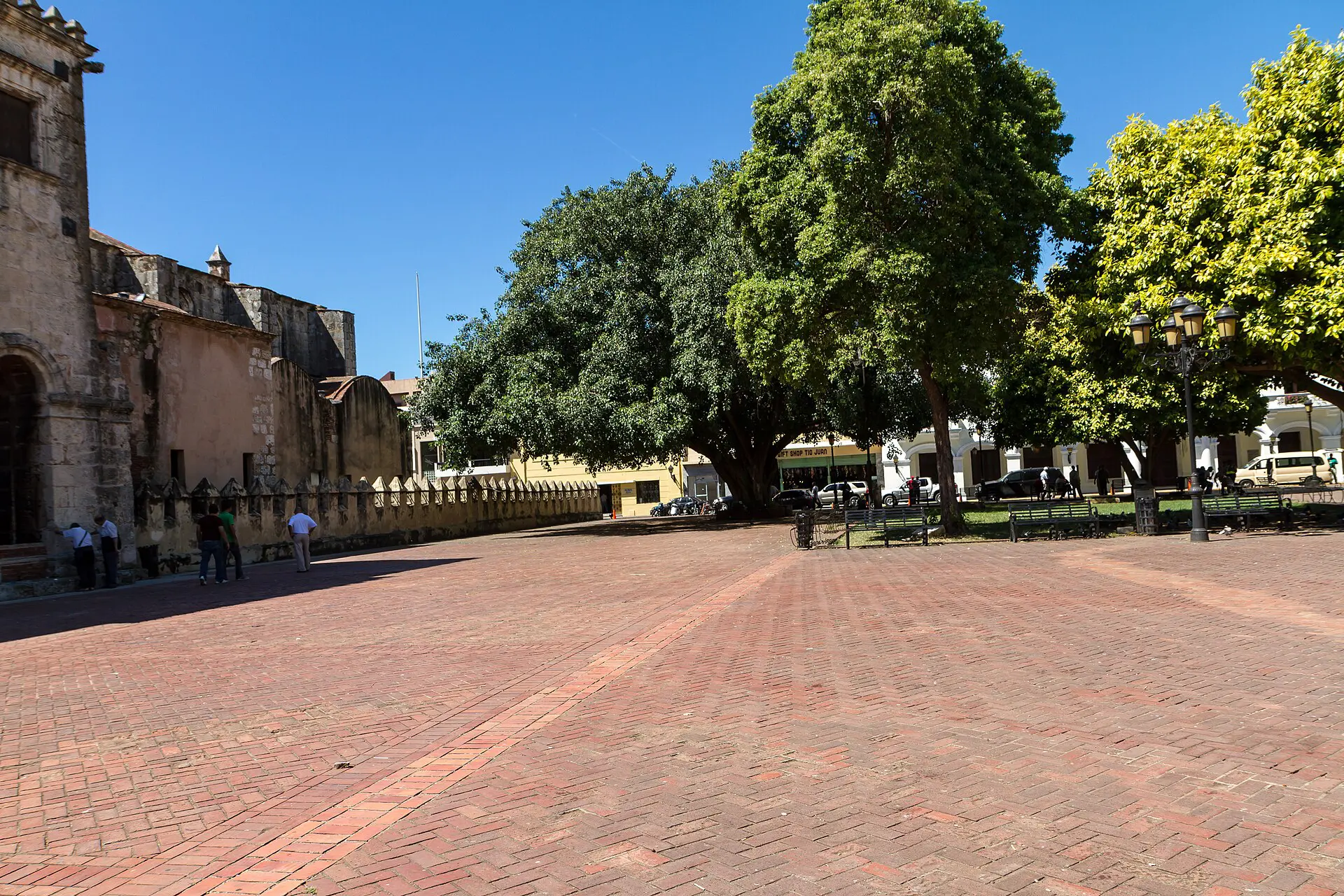
Santo Domingo
The capital’s Zona Colonial is a UNESCO World Heritage district with the first cathedral, fortress and street grid of the Americas. Cobbled lanes, museums and restaurants make it the best city stop. Allow two days.
Punta Cana and the east
The east coast has the country’s largest resort area, long white beaches and a major airport. Bávaro and Macao are popular beaches, and Bayahibe is the departure point for Saona Island trips.
Samaná Peninsula
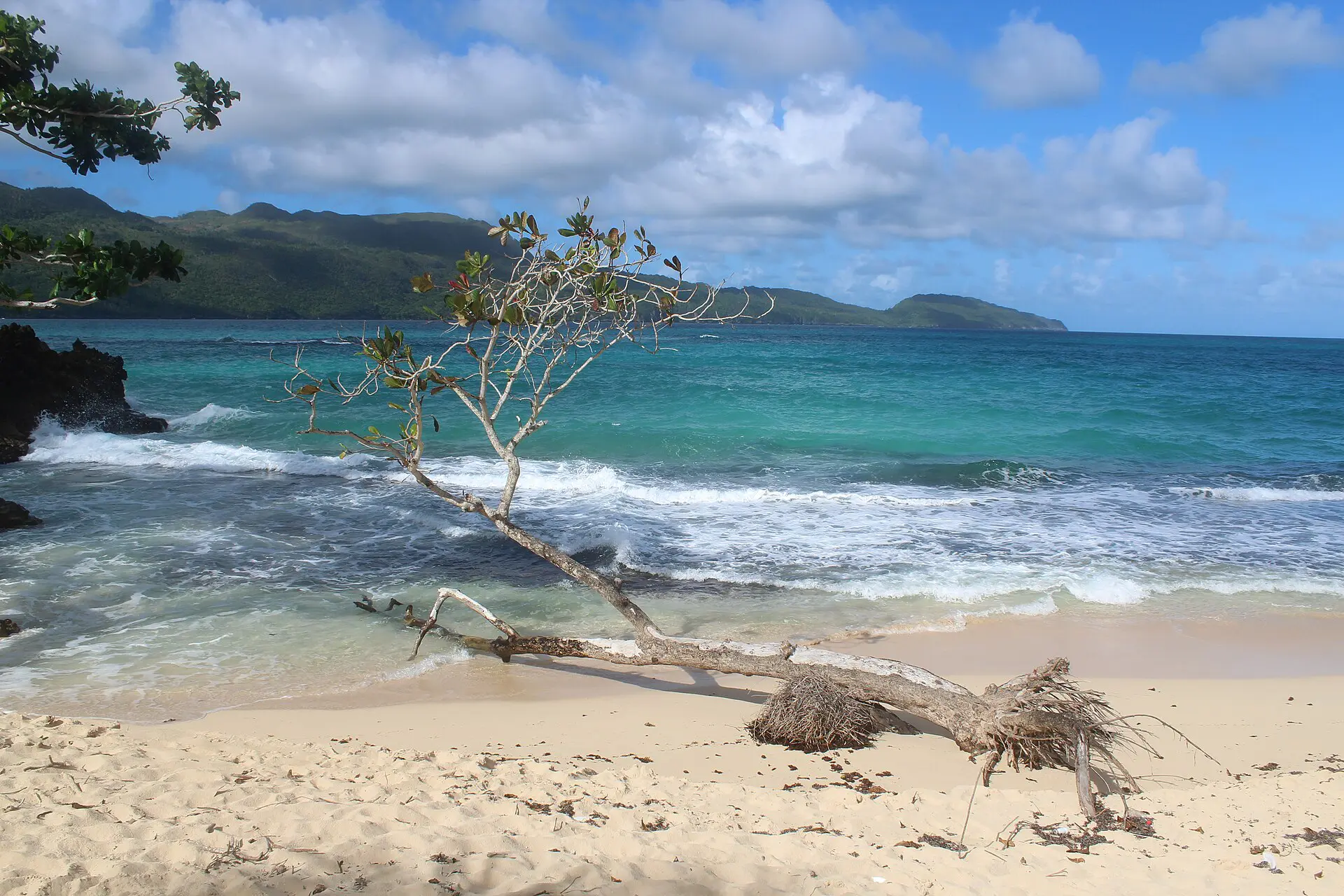
The northeast has palm-lined beaches such as Playa Rincón, the town of Las Terrenas and humpback whale watching from January to March. It is greener and quieter than the east.
Puerto Plata, Sosúa and Cabarete
The north coast offers beaches, a cable car up Mount Isabel de Torres and Cabarete’s wind for kitesurfing and windsurfing.
Jarabacoa and Constanza
The central mountains are cool and green, with waterfalls, rafting and trailheads for Pico Duarte, the highest peak in the Caribbean.
La Romana and Altos de Chavón
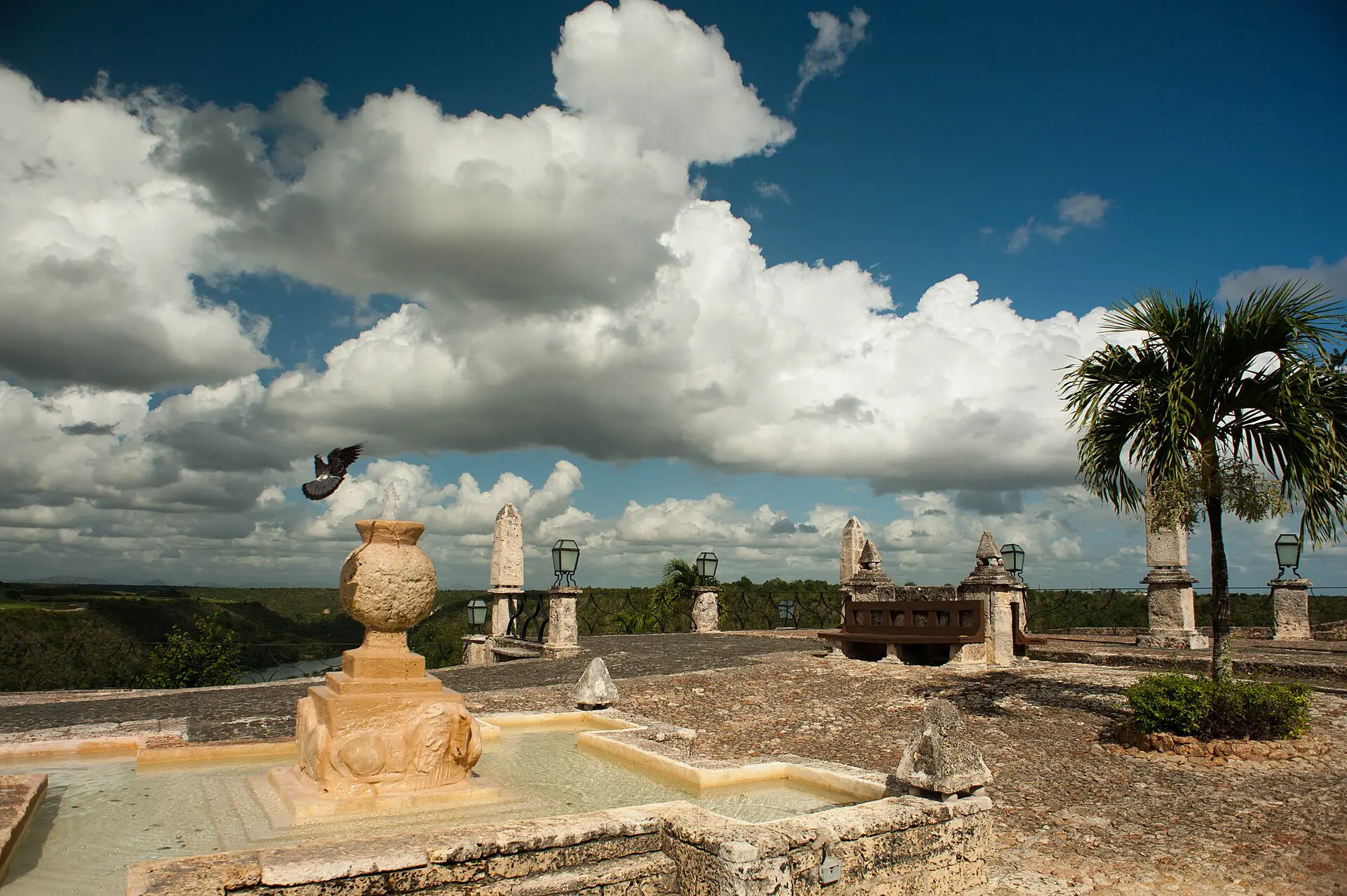
This southeast area has golf resorts and a replica Mediterranean village built above the Chavón River.
Top things to do in Dominican Republic
The top things to do in Dominican Republic mix beaches with history, mountains and wildlife.
- Walk the Zona Colonial: visit Calle Las Damas, the Alcázar de Colón and the cathedral in Santo Domingo.
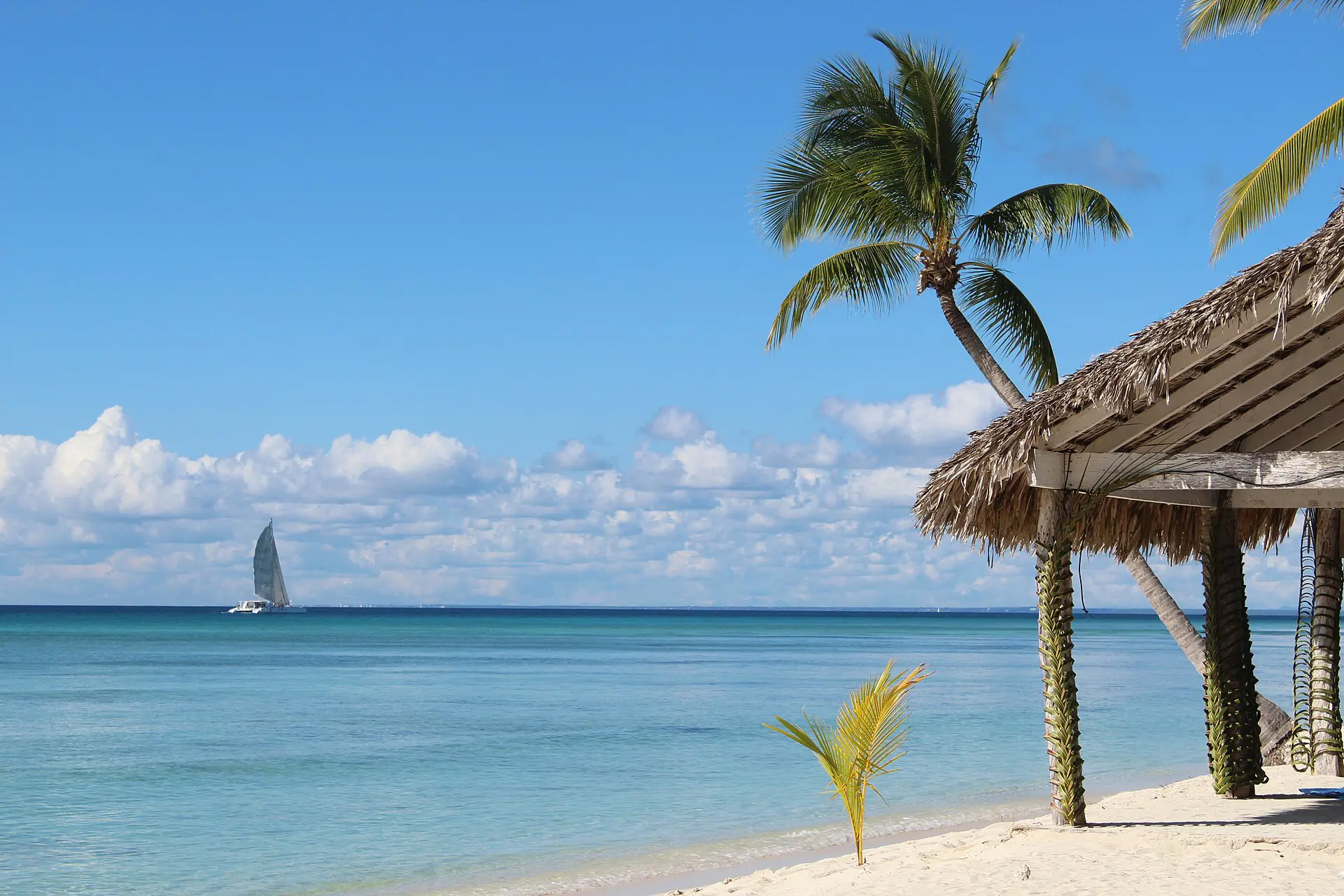
- Take a day trip to Saona Island: boats leave from Bayahibe to white beaches and a natural pool.
- Watch humpback whales in Samaná Bay: boat tours run from January to March.
- Ride the cable car at Puerto Plata: it climbs Mount Isabel de Torres for views over the north coast.
- Kitesurf or windsurf at Cabarete: steady winds and schools make it a global beginner spot.
- Hike Pico Duarte: a multi-day guided trek to the Caribbean’s highest summit at about 3,100 metres.
- Swim at the Damajagua waterfalls: guided trips near Puerto Plata include jumping into natural pools.
- See El Limón waterfall: a horseback or walking trip near Samaná.
- Dive or snorkel at Bayahibe: reefs and wrecks are close to the shore.
- Visit Altos de Chavón: a stone village with an amphitheatre above the river in La Romana.
- Join a baseball game: the country’s winter league season is a lively local experience.
Best time to visit Dominican Republic
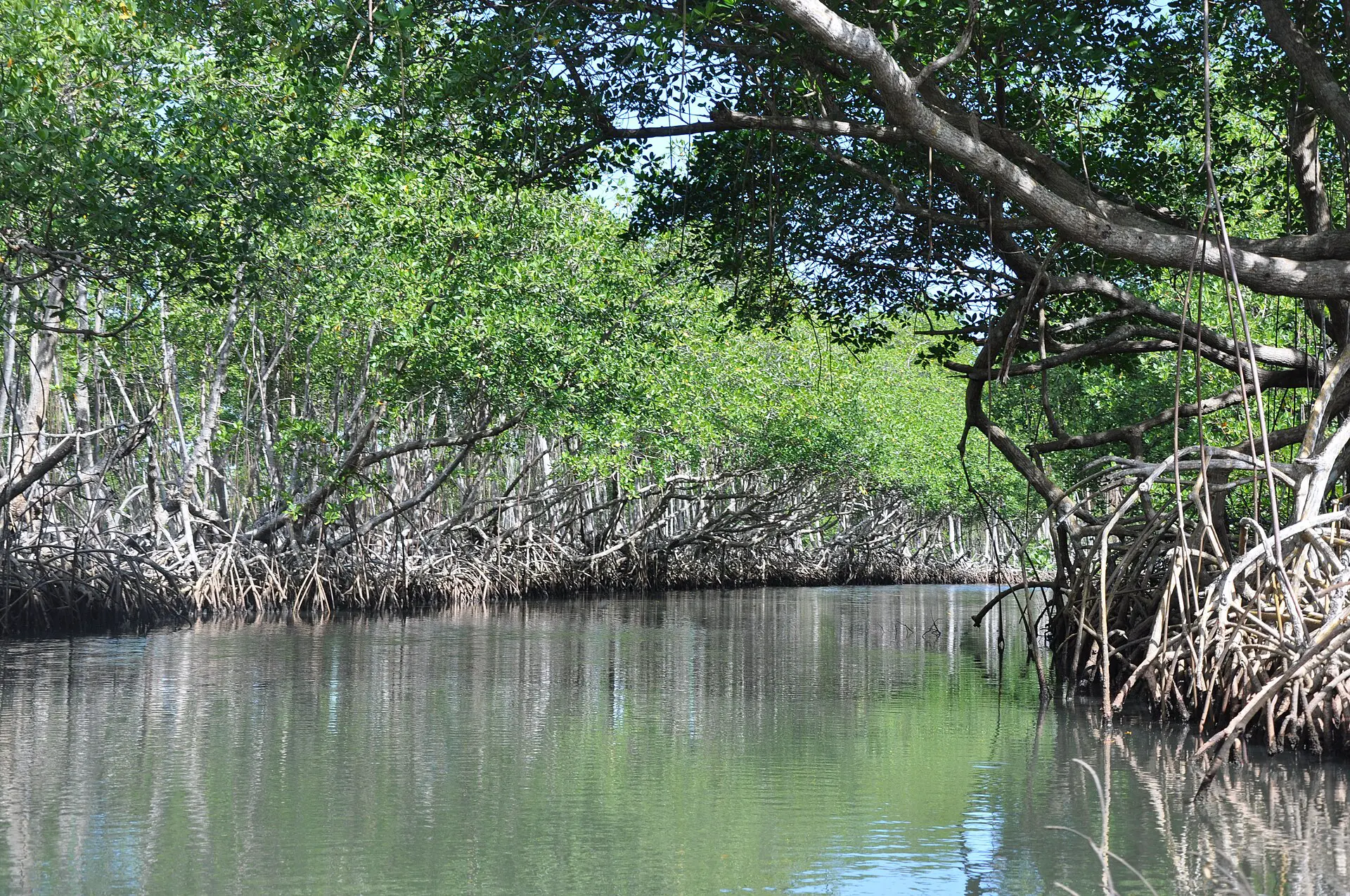
The best time to visit Dominican Republic is December to April, when the weather is dry and sunny, with temperatures around 28 to 30 C. This is also peak season, with the highest prices around Christmas and Easter. Humpback whales arrive in Samaná Bay from about mid-January to March. May to November is hotter and wetter, and the Atlantic hurricane season peaks from August to October, although many areas are affected only occasionally.
| Season | Weather | Crowds and prices | Good for |
|---|---|---|---|
| Dry (Dec-Apr) | Sunny, warm, low humidity | Highest prices and crowds | Beaches, whales, hiking |
| Shoulder (May-Jun) | Hot, afternoon showers | Lower prices | Beaches, bargains |
| Hurricane peak (Jul-Oct) | Hot, humid, heavy rain possible | Lowest prices | Cheap deals, flexible plans |
| Early dry (Nov) | Rain easing, warm | Moderate | Quiet beaches, cities |
Book flexible fares and travel insurance if you go in hurricane season.
Is Dominican Republic safe to visit?
Yes, the Dominican Republic is generally safe for tourists who take normal precautions, and millions of visitors travel each year without incident, mostly to resort areas. Petty theft, scams, road accidents and occasional violent crime are the main risks, particularly in cities and at night. Check your government’s current advice, such as the UK FCDO or US State Department, before you book.
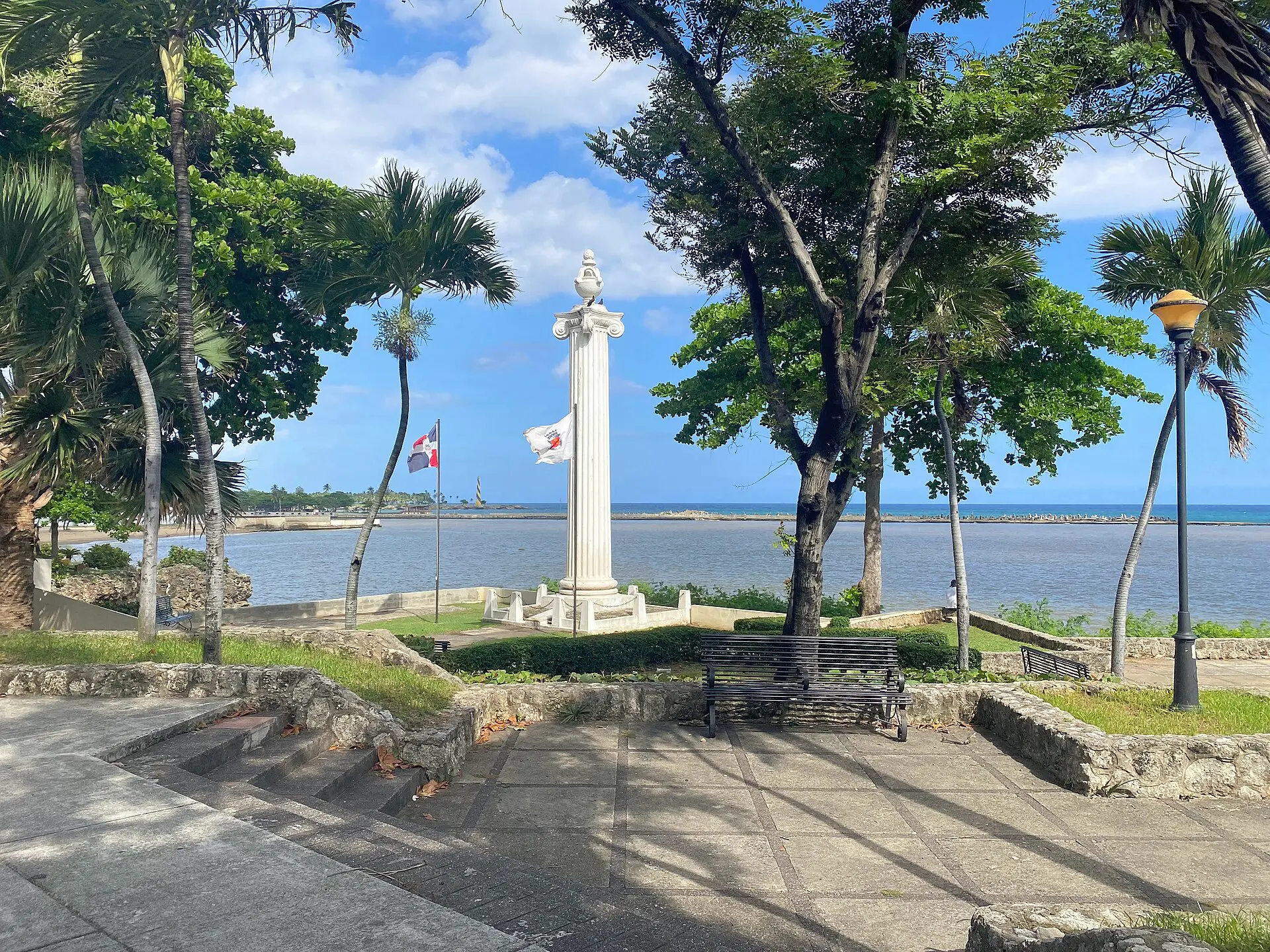
Crime. Bag snatching and theft from beaches, cars and hotel rooms occur. Use hotel safes, avoid displaying jewellery or phones and do not walk alone at night, especially in Santo Domingo.
Roads. Traffic is chaotic and accidents are common. Avoid driving at night, and use licensed taxis or ride-hailing apps.
Drinks and food. Governments have warned about contaminated alcohol in some resort areas. Buy drinks from reputable bars, never leave a drink unattended and drink bottled water.
Weather and health. Hurricanes, flooding and dengue are possible. Use repellent and carry travel insurance with medical cover. Emergency number 911 works nationwide.
Dominican Republic visa and entry requirements
Dominican Republic visa rules depend on nationality. Citizens of many countries, including the US, Canada, the UK and most of the EU, can enter without a visa for tourist stays, commonly up to 30 days, and may extend at immigration. Others must apply for a visa in advance. Check the official Dominican immigration source or an embassy before booking, because lists and durations change.
Most travellers must complete an online entry and exit form (e-ticket) before arrival and departure, which is free and covers customs and immigration. Beware of unofficial sites that charge fees. A tourist card fee has generally been included in airline tickets, but confirm this when booking.
Bring a passport valid for the length of stay, and possibly six months, with a return or onward ticket. Proof of accommodation is sometimes requested. Customs rules limit food, plants and large amounts of cash, so declare more than the stated limit. A yellow fever certificate may be needed if you arrive from some countries. Land crossings to Haiti are not recommended for tourists.
Getting to and around the Dominican Republic
The main airports are Punta Cana (PUJ), the busiest, Santo Domingo’s Las Américas (SDQ), Puerto Plata (POP), Santiago (STI) and La Romana (LRM), with direct flights from North America and Europe. Choose the airport nearest your destination, since transfers can take two to four hours.
Long-distance buses such as Caribe Tours and Metro are comfortable and cheap between Santo Domingo, Santiago, Puerto Plata and Samaná. Shared minibuses called guaguas serve local routes but are crowded. Santo Domingo has a metro and cable cars, and taxis and ride-hailing apps are common. Private transfers are the easiest way from the airport to resorts.
Driving is on the right. A rental car gives freedom, but driving is aggressive, with motorbikes, potholes and few road signs. Toll motorways link Santo Domingo with Punta Cana, Samaná and Santiago and are generally good. Santo Domingo to Punta Cana takes about two hours, and to Samaná about two and a half. Domestic flights are limited, and ferry links are minimal.
How much does a trip to the Dominican Republic cost?
Costs vary widely. The currency is the Dominican peso (DOP), and US dollars are accepted in tourist areas. As rough guidance for 2026, budget around USD 50 to 80 per day for budget travel, USD 100 to 200 mid-range and USD 250 or more for high-end stays. All-inclusive resorts are often priced per room per night and include meals, drinks and some activities.
- Budget: hostels or guesthouses, local meals and buses, around USD 50 to 80.
- Mid-range: a three- or four-star hotel, restaurant meals, a few excursions and private transport, around USD 100 to 200.
- High: luxury resorts, private tours and villas, from around USD 250.
Drivers of cost are season, location and whether you book all-inclusive. Excursions such as Saona Island typically cost USD 60 to 120, and rental cars are about USD 40 to 80 per day plus insurance. Local meals cost far less than tourist restaurants. Prices change, so check current rates before booking.
Dominican Republic food and drink
Dominican Republic food is hearty Caribbean home cooking built on rice, beans, meat, plantain and root vegetables, with Spanish, African and Taíno roots. Look for small comedores and family restaurants rather than resort buffets.
- La Bandera: the national lunch of white rice, red beans, stewed meat and salad.
- Sancocho: a thick stew of several meats and root vegetables, served on special occasions.
- Mangú: mashed boiled plantain, topped with sautéed onions and often eaten with fried cheese, salami and eggs.
- Tostones: twice-fried green plantain slices, served as a side or snack.
- Pollo guisado and chivo guisado: slow-stewed chicken or goat in tomato-based sauce.
- Pastelón and quipe: a layered plantain and meat bake, and fried bulgur croquettes from Lebanese immigrants.
- Presidente beer, rum and mamajuana: Presidente is the national lager, local rum is excellent, and mamajuana is a bark-and-herb rum drink.
For dessert, try habichuelas con dulce, a sweet bean dessert at Easter, and fresh fruit such as mango and passion fruit. Vegetarians can eat beans, rice and plantain. Drink bottled water, and choose busy street food stalls.
Culture, language and etiquette in the Dominican Republic
Spanish is the official language, spoken with a fast, clipped Caribbean accent. English is common in resorts and tourist areas but limited elsewhere, so basic Spanish helps a great deal. Greet people with buenos días and a handshake or a light cheek kiss.
Dominican culture blends Taíno, Spanish and African traditions. Merengue and bachata began here and are heard everywhere, with dance clubs and street parties common on weekends. Baseball is the national passion, and many major league players come from the country. Carnival in February is a big national event, and Catholic holidays are widely observed.
People are friendly and talkative, and conversation can be loud and animated. Dress casually but not in swimwear away from the beach, and cover up when visiting churches. Punctuality is relaxed, so social events start late. Ask before photographing people. Tipping is normal: 10% service is often added to bills, with an additional small tip for good service. Politics, race and the relationship with Haiti are sensitive topics that visitors should approach carefully.
Dominican Republic itinerary: a 7-day route
This route links history, mountains and beach in one loop, using buses or a rental car, and flying in and out of Santo Domingo.
- Day 1: arrive in Santo Domingo and walk the Zona Colonial to Calle Las Damas and Parque Colón.
- Day 2: visit the Alcázar de Colón and museums, shop at the Mercado Modelo and have dinner by the Malecón.
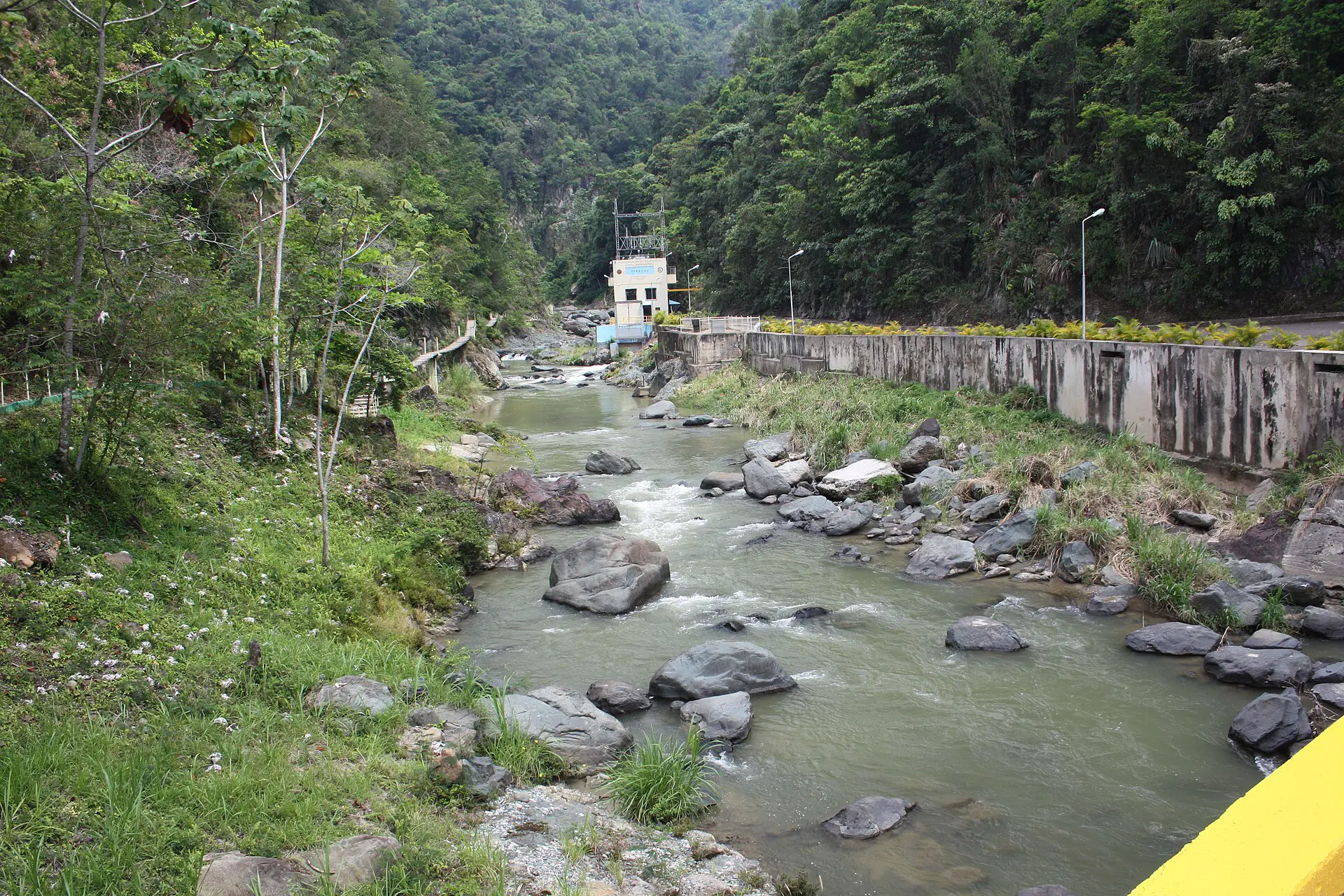
- Day 3: bus or drive to Jarabacoa, about 2.5 hours, and visit a waterfall or go rafting.
- Day 4: continue to Puerto Plata, about 2.5 hours, riding the cable car and visiting Damajagua if time allows.
- Day 5: drive to Cabarete or Sosúa for the beach, or kitesurfing lessons in windy months.
- Day 6: transfer to the Samaná Peninsula, about 3 hours, and visit Playa Rincón or El Limón waterfall, with whale watching in season.
- Day 7: return to Santo Domingo, about 2.5 hours, for your flight.
For a beach-first week, swap the north for La Romana, Bayahibe and a Saona Island day trip. Add buffer time for traffic and avoid night driving.
Practical tips for the Dominican Republic
These practical points apply across the country.
- Money: the Dominican peso is the currency, and US dollars are accepted in resorts. Use bank ATMs inside buildings, and watch for skimming. Cards work widely in tourist areas.
- SIM and internet: local operators sell prepaid SIMs, and eSIMs are available. Coverage is good in towns and resorts.
- Plugs: types A and B at 120 V, as in North America.
- Tipping: 10% service is often added, and a small extra tip is common.
- Health: drink bottled water, use repellent for dengue, and bring sunscreen and any prescription medicine.
- Packing: light clothing, a rain jacket, water shoes, and a copy of your passport.
- Transport: use apps or hotel taxis at night, and book airport transfers ahead.
- Planning: use Wikivoyage for regional notes and the UNESCO page for the colonial city.
- Language: learn basic Spanish greetings and numbers, as they make bargaining and transport easier.
FAQ
Q1What is Dominican Republic food?
Staples include La Bandera (rice, beans and stewed meat), sancocho stew, mangú mashed plantain, tostones, stewed chicken or goat and pastelón. Presidente beer, rum and mamajuana are the usual drinks. Eat at local comedores for the best value.
Q2Is Dominican Republic safe?
Generally yes for tourists who take normal precautions, especially in resort areas. Petty theft, road accidents and some violent crime in cities are the main risks. Avoid night driving, watch your drinks and check your government's current travel advice.
Q3What are the best things to do in the Dominican Republic?
Explore Santo Domingo's Zona Colonial, take a boat to Saona Island, watch humpback whales in Samaná from January to March, kitesurf at Cabarete, ride the Puerto Plata cable car and hike or raft near Jarabacoa.
Q4When is the best time to visit the Dominican Republic?
December to April is best, with dry, sunny weather and whales in Samaná from January. It is also the most expensive period. May to November is cheaper but hotter and wetter, with peak hurricane risk from August to October.
Q5Do I need a visa for the Dominican Republic?
It depends on nationality. Citizens of the US, Canada, the UK and most of the EU can generally enter without a visa for tourist stays of up to 30 days, plus an online entry form. Others need a visa. Confirm with official sources.
Q6How many days do you need in the Dominican Republic?
A week covers Santo Domingo, the mountains and one coast. Four or five days suits a beach resort with one excursion. With ten days or more, add Samaná, the north coast and a Saona Island trip.
Q7What language do they speak in the Dominican Republic?
Spanish is the official language. English is common in resorts and tourist areas, but outside them basic Spanish helps a great deal with taxis, markets and restaurants. Locals appreciate even simple greetings.