Why visit Santo Domingo
If you are planning things to do in Santo Domingo, the colonial zone is the main answer. This is the capital of the Dominican Republic and the oldest European city in the Americas, founded in 1496 by Bartolome Colombus, the brother of Christopher Columbus. It became the first seat of the Spanish colonial empire in the New World, and its old city is a UNESCO World Heritage Site.
Santo Domingo is also the most developed city on the island of Hispaniola, and many Dominicans simply call it the capital. Beyond the cobbled streets of the Zona Colonial, it is a large, busy modern city with shopping malls, a long seafront avenue called the Malecon and a lively restaurant and music scene.
Most visitors treat Santo Domingo as a short city stop before or after a beach holiday, and that is a sensible approach. You can see the main historic sights in a day or two, then head to the coast. Check current travel advice and take normal city precautions when you walk around.
Top things to do in Santo Domingo
Zona Colonial walking tour
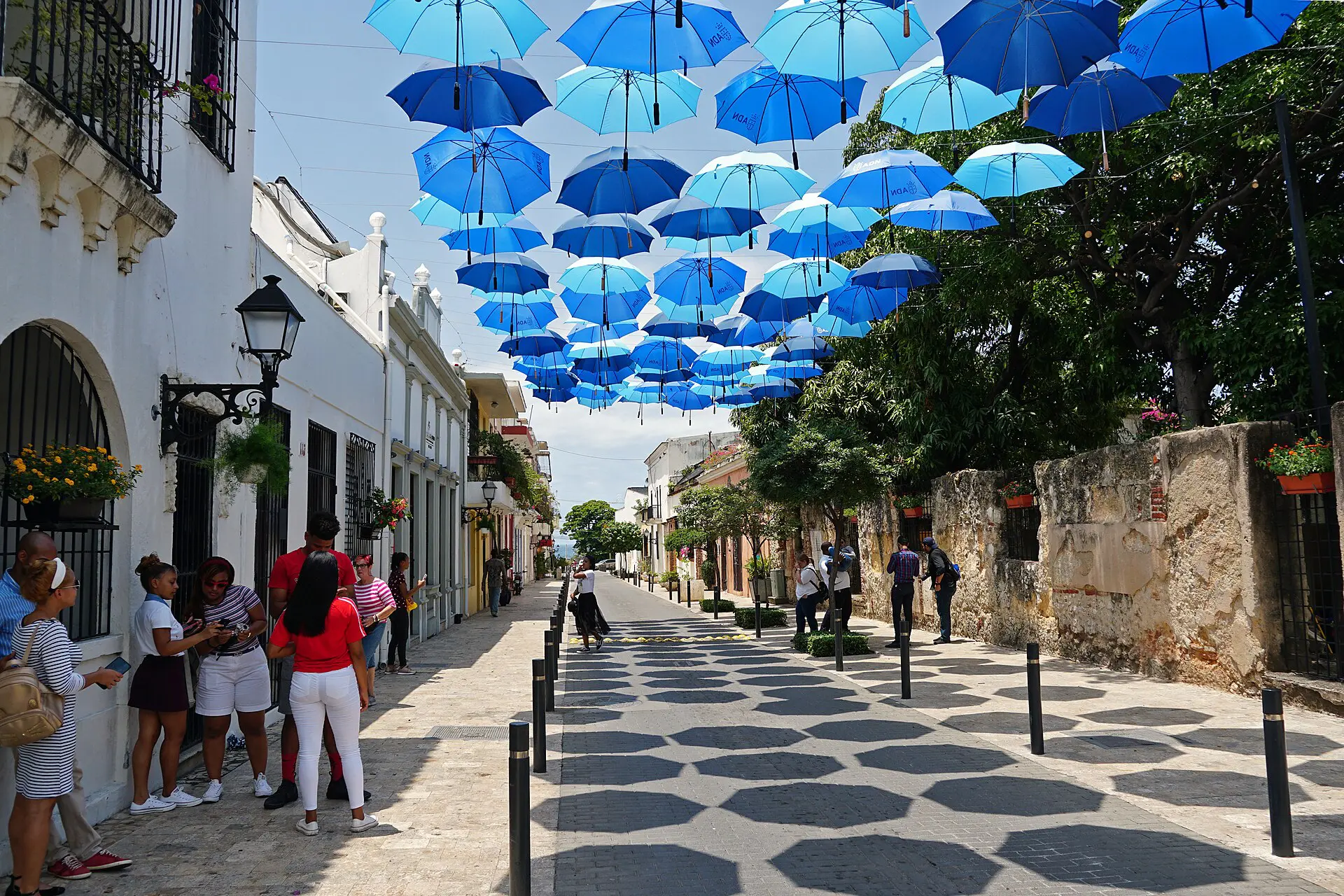
The old city has narrow streets, plazas and early colonial buildings within a compact area. Allow half a day to a full day. Wear comfortable shoes for the uneven paving, and begin early, as the midday heat can be strong.
Calle Las Damas
Often described as the oldest street in the Americas, it is lined with historic buildings and leads toward the river. Plan 30 to 45 minutes. It is a good place to start a walking route, with museums and fortifications nearby.
Alcazar de Colon
This palace on the Plaza de Espana was once the home of Diego Colon, the son of Christopher Columbus. It holds a museum with period furniture and art. Allow around an hour. Check opening hours and ticket details before you go.
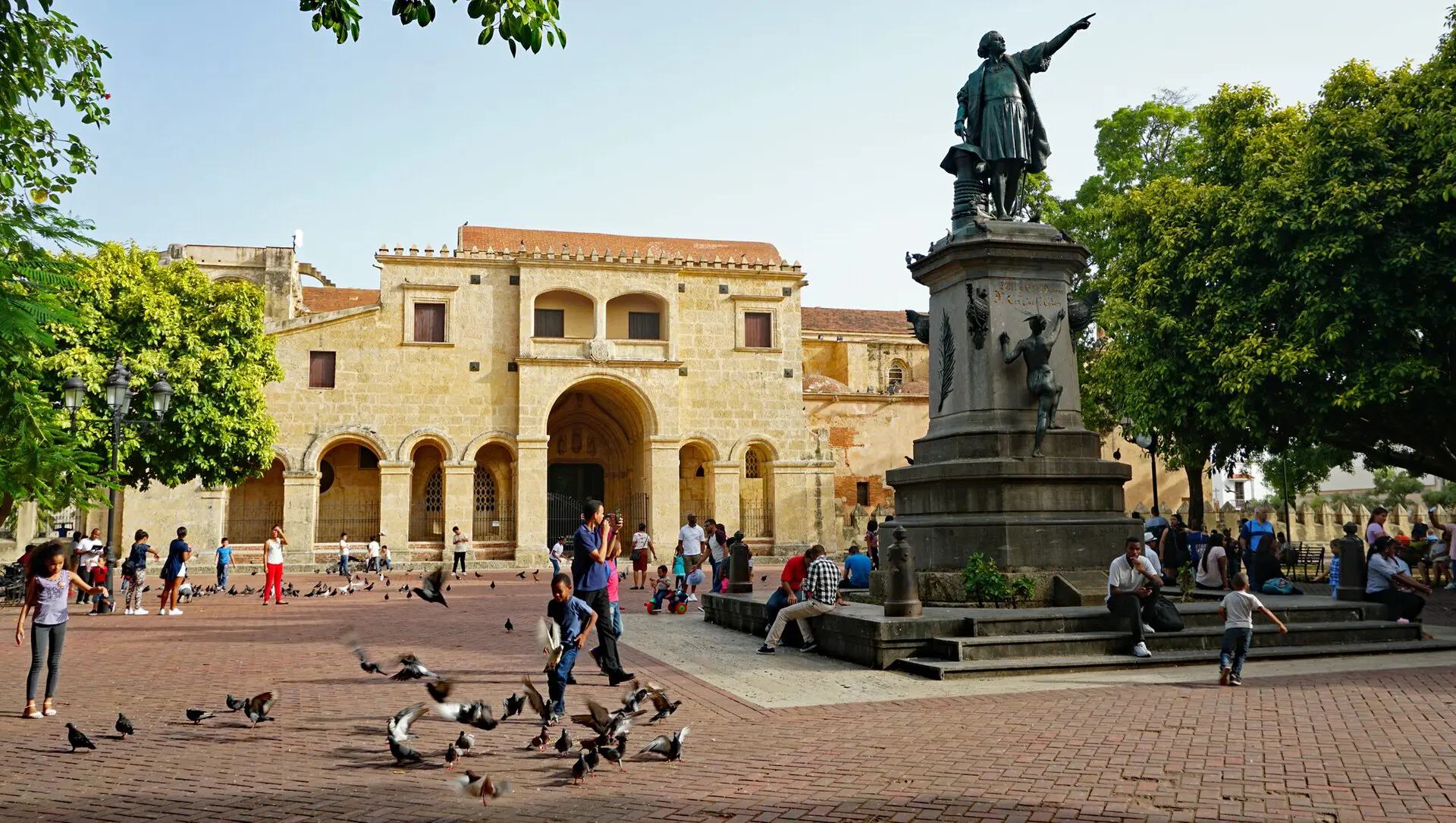
Catedral Primada de America
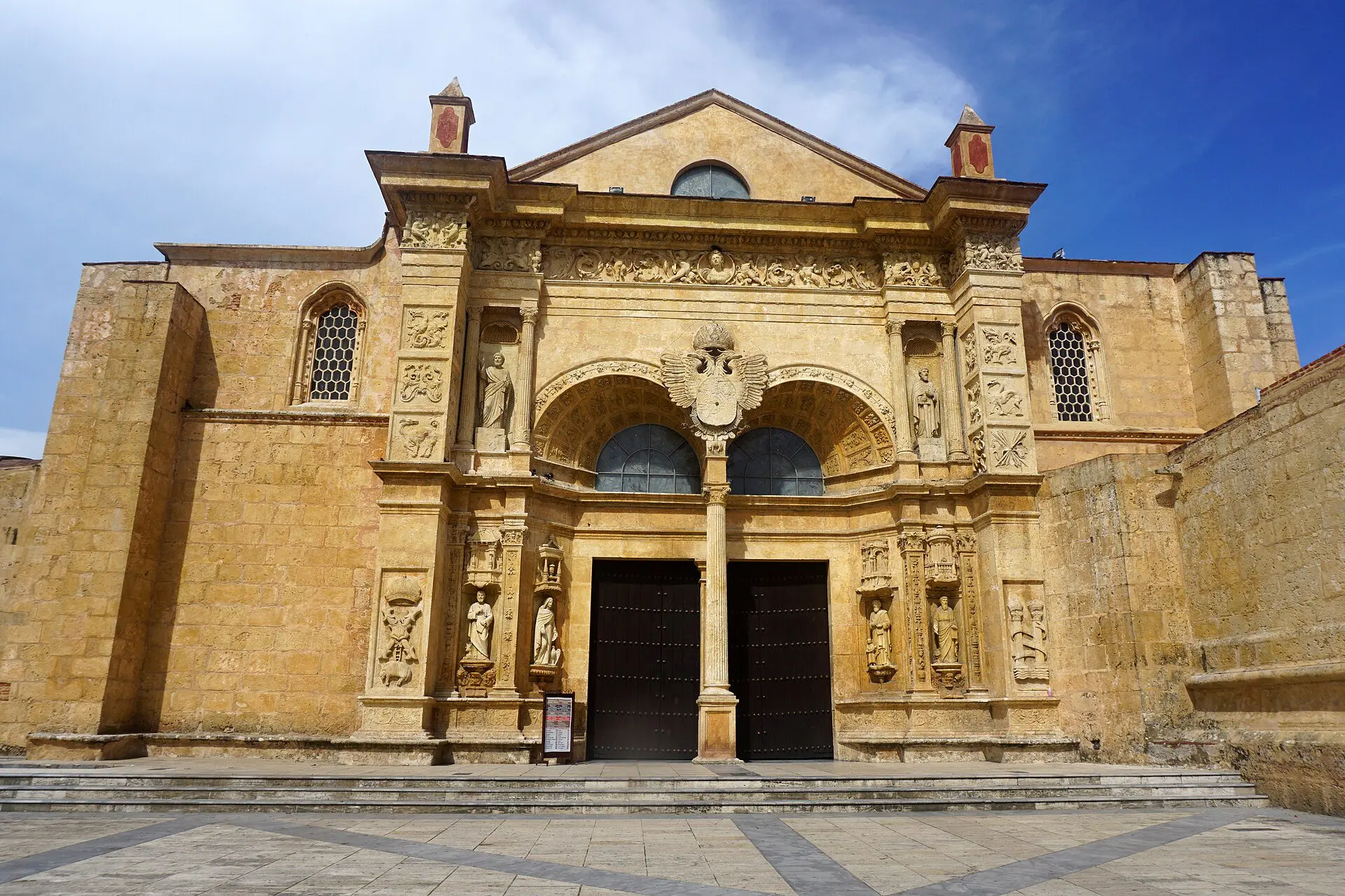
The cathedral stands on Parque Colon and is regarded as the oldest cathedral in the Americas. Plan 30 minutes inside. Dress modestly, as it is an active church, and check visiting hours, which can vary with services.
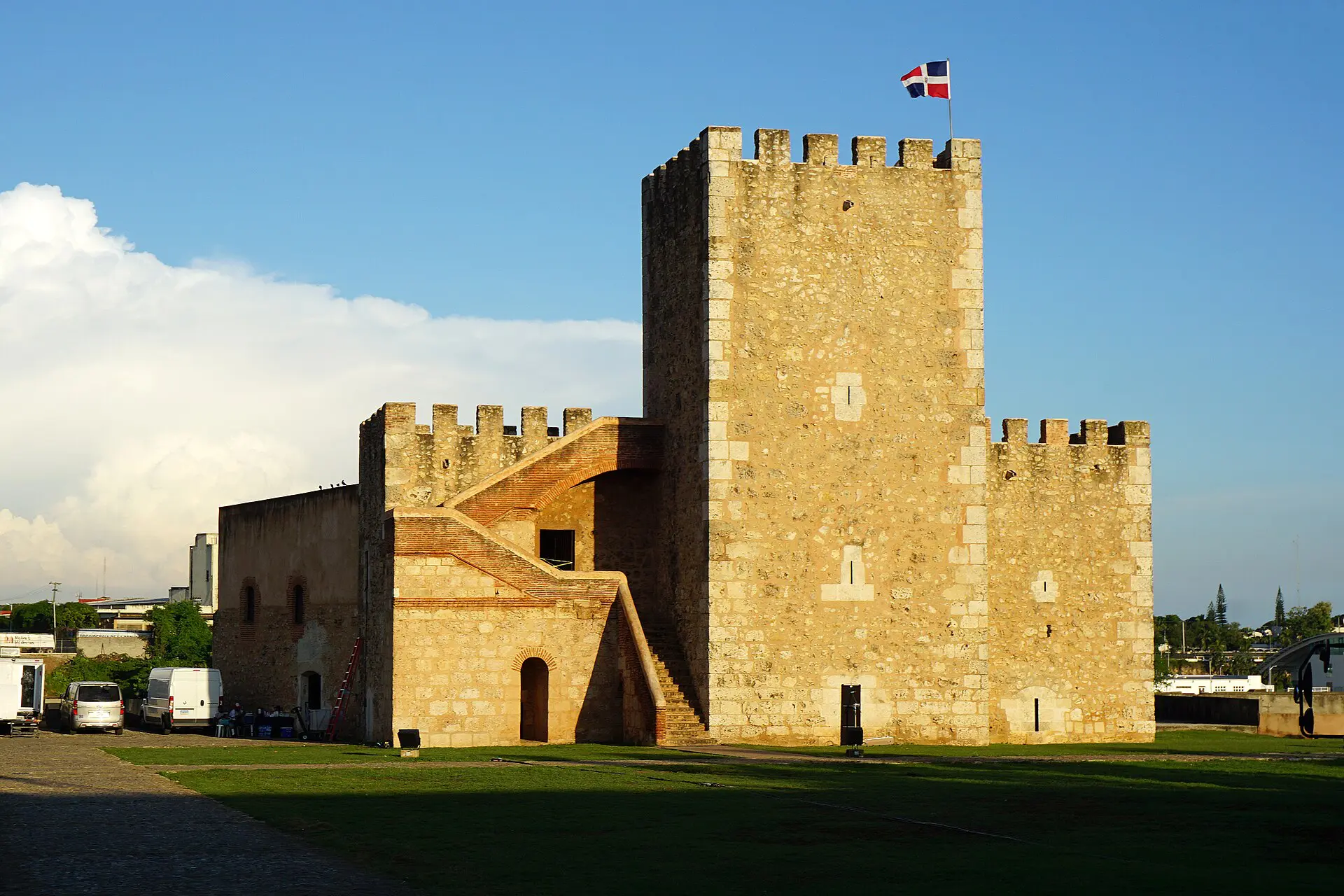
Fortaleza Ozama
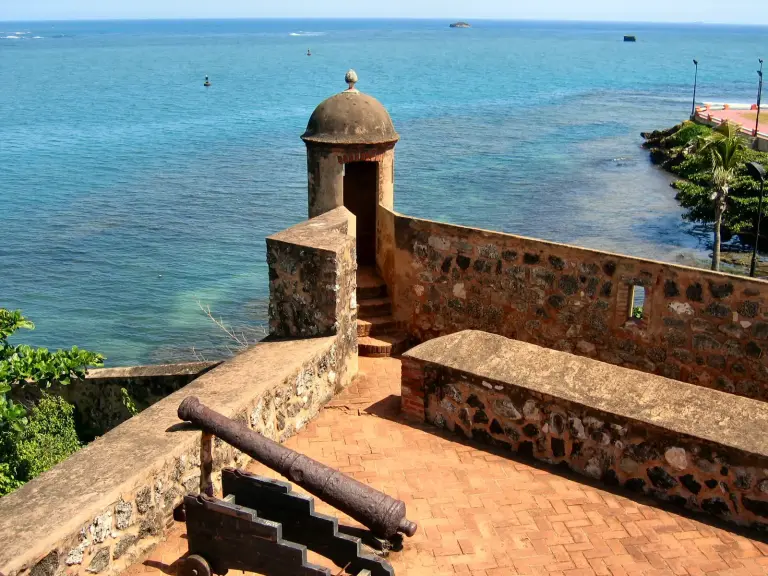
One of the earliest European fortresses in the Americas, it overlooks the Ozama River. Allow an hour for the grounds and tower views. Take water and sun protection, and check current opening times.
The Malecon
The seafront avenue runs along the Caribbean coast and is popular for evening walks and sea breezes. Plan an hour or two. Stay in well-lit, busier sections, keep valuables out of sight and take a taxi if you are travelling after dark.
Local food and music
Dominican dishes include rice and beans with stewed meat, fried plantains and fresh seafood. Eat where locals do and ask for the daily special. For music, look for live merengue and bachata in the evenings, and check venues locally.
Best time to visit Santo Domingo
Santo Domingo is warm all year, with a tropical climate. The drier, slightly cooler months from roughly December to April are the most popular for sightseeing, while the wetter season runs from about May to November and includes the Atlantic hurricane season.
| Season | Weather | Crowds and prices |
|---|---|---|
| Dry season (Dec-Apr) | Warm, sunny, lower humidity | Busiest; higher prices at Christmas and Easter |
| Wet season (May-Nov) | Hot, humid, afternoon showers | Quieter; lower hotel prices |
Hurricane risk is highest in late summer and early autumn, so check forecasts and keep flexible bookings if you travel then. Carnival season in February brings large events across the country.
How to get to Santo Domingo and around
Most visitors arrive at Las Americas International Airport, which is east of the city and typically 30 to 45 minutes from the Zona Colonial by road, depending on traffic. Direct flights connect the airport with the United States, Europe and Latin America, but check current schedules. Taxis and pre-booked transfers are the simplest way to get to your hotel.
Long-distance buses connect Santo Domingo with Santiago, Puerto Plata, Punta Cana and other towns. Private and shared minibuses also run along popular routes. Check departure points, as different companies use different terminals.
In the city, the Zona Colonial is best explored on foot. For longer distances, use taxis or ride-hailing apps and agree on the fare in advance if there is no meter. The city has a metro line and public buses, which can be crowded, so plan your journeys outside rush hours.
Where to stay in Santo Domingo
The Zona Colonial is the best base for sightseeing, with boutique hotels in restored buildings, cafes and restaurants within walking distance of the main sights. It suits first-time visitors and couples, although some streets can be noisy at night.
Along the Malecon and in the modern districts, such as Piantini and Naco, larger hotels and apartment-style stays offer more amenities and are generally popular with business travellers. They are a short taxi ride from the old city and close to shopping and dining areas.
If you only need a place near the airport for an early flight, look at options on the east side of the city. Book early for the dry season and holidays, and choose accommodation with secure entry, particularly if you plan to arrive late at night.
How many days do you need?
Two days is enough to see the Zona Colonial, taste the food and take an evening walk on the Malecon. One day is possible if you are connecting to a beach destination, but you will have to prioritise. A third day gives room for a beach trip or museum visits.
- Day 1: Walk Calle Las Damas, visit Fortaleza Ozama, Alcazar de Colon and the cathedral, then have dinner in the colonial zone.
- Day 2: Visit a museum or two, walk the Malecon and spend time in the modern districts, shopping or dining.
- Day 3 (optional): Take a day trip to the beaches at Juan Dolio or travel on to Bayahibe and Saona Island.
Day trips and nearby
Juan Dolio
Juan Dolio is a beach resort area east of the city, reachable in around 45 minutes to an hour by road. It suits a relaxed beach day. Check which beaches are open to the public, and bring food and water.
Bayahibe and Saona Island
Bayahibe is a fishing village and the usual departure point for boat trips to Saona Island. Allow a full day, as it is a couple of hours from Santo Domingo by road. Many travellers book a tour that includes transport.
La Romana
La Romana is a town to the east, known for its resorts and nearby attractions. It makes a good stop on the way to Bayahibe or Punta Cana, and takes roughly 1.5 hours from the capital depending on traffic.
Jarabacoa
Jarabacoa is a mountain town in the central highlands, known for waterfalls and outdoor activities, and it is a few hours by road from the capital. It suits an overnight stay rather than a single-day trip.
FAQ
Q1How many days do you need in Santo Domingo?
Two days is enough for the Zona Colonial, a couple of museums, the Malecon and good local food. One day works if you are heading to the beach. Add a third day for a day trip to Juan Dolio or Bayahibe.
Q2When is the best time to visit Santo Domingo?
December to April is the driest and most comfortable period for sightseeing, though it is also the busiest. May to November is hotter, wetter and quieter, with hurricane risk in late summer and early autumn. Check forecasts before travelling.
Q3How do you get from the airport to the Zona Colonial?
Las Americas International Airport is roughly 30 to 45 minutes from the Zona Colonial by road, depending on traffic. Taxis and pre-booked transfers are the easiest options. Agree on the fare before you set off, and check current ride-hailing availability.
Q4Is Santo Domingo safe for tourists?
Most visitors have trouble-free trips, but normal city precautions apply. Keep valuables out of sight, use taxis or ride-hailing at night, avoid isolated streets and stay in well-travelled areas. Check current official travel advice for the latest information before you go.
Prices, schedules and entry rules change. Check current details with official sources before you travel. Read the Dominican Republic travel guide.