Why visit Punta Cana
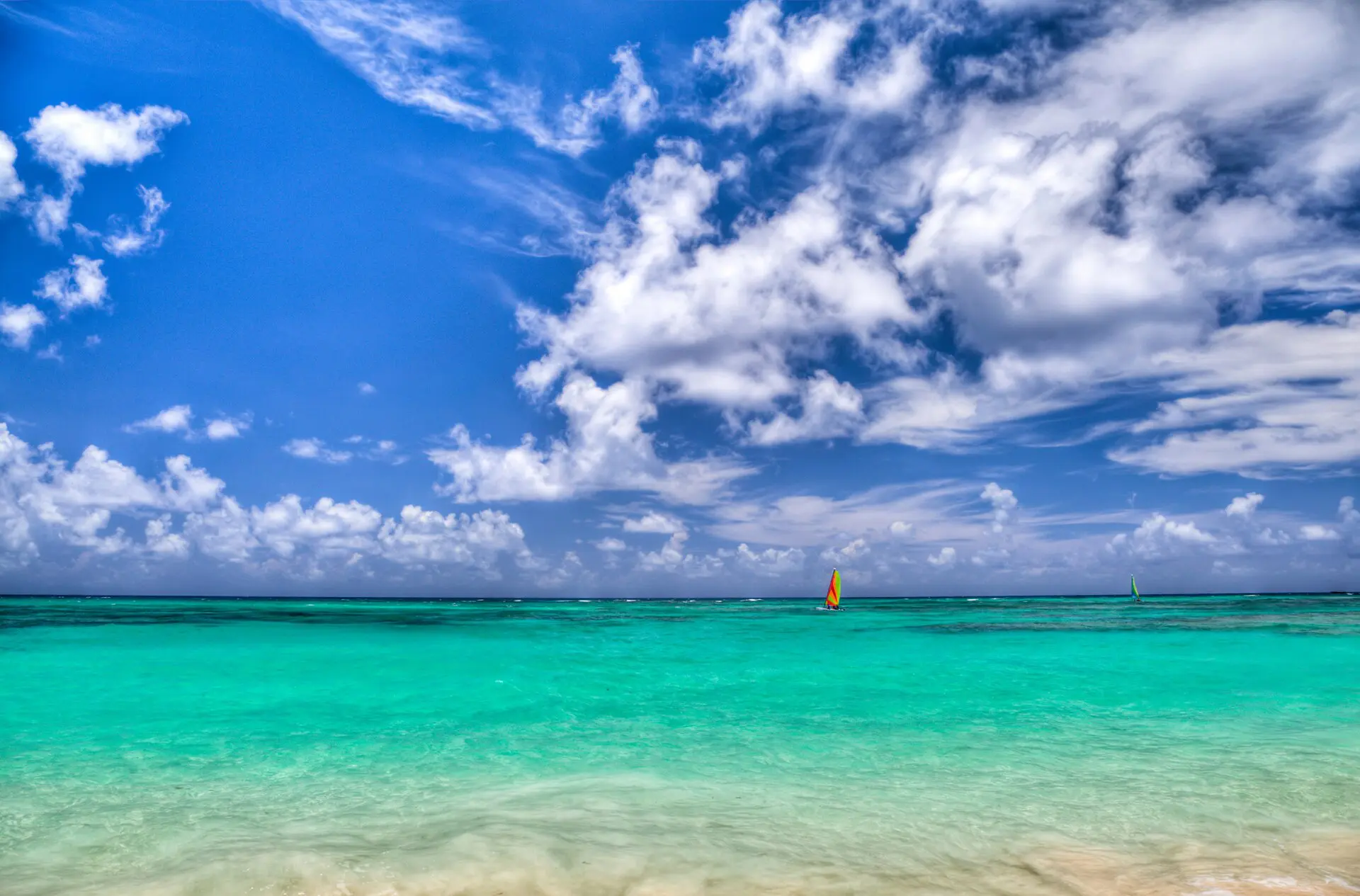
If you are comparing things to do in Punta Cana, the answer begins with the coast. This resort region at the easternmost tip of the Dominican Republic has long white-sand beaches, shallow turquoise water and a steady warm climate. It faces both the Caribbean Sea and the Atlantic Ocean, so beaches vary in wave action.
Punta Cana is among the busiest tourist destinations in the Caribbean, and Punta Cana International Airport handles a large share of the country’s incoming flights. The result is a mature resort area with plenty of flights, hotels and organised excursions.
It suits couples, families and groups who want beach time with little logistical effort. It is less suited to travellers seeking historic towns or independent adventures, though day trips to islands, caves and nearby towns add variety. Expect resort-style tourism rather than a traditional town.
Top things to do in Punta Cana
Bavaro Beach
Bavaro is the main beach strip, with soft sand and calm, warm water in front of many resorts. Allow a half day or more. Beaches in the Dominican Republic are public, but access points vary, so ask your hotel which entrances are easiest and where to find shade.
Saona Island
This island off the southeast coast is a popular full-day excursion by catamaran or speedboat, often with a stop at a natural pool where the water is shallow. Book through your hotel or a licensed operator, bring sun protection and expect a crowd at the main stops.
Hoyo Azul and Scape Park
Hoyo Azul is a cenote-style freshwater pool set in a limestone area, part of a nature park with other activities. Plan half a day. Check current entry rules and swimming conditions, and wear water shoes for uneven rock.
Manati Park and Dolphin options
Several parks offer animal shows and encounters, though offerings change, so check what is currently open. If these interest you, research the operator’s welfare practices first, as standards vary. Allow half a day, and consider eco-focused alternatives such as birdwatching or snorkelling.
Snorkelling, diving and boat trips
Reefs and natural marine pools along the coast offer snorkelling for beginners. Trips typically last two to four hours. Choose operators that provide life jackets and briefings, and check sea conditions on windy days.
Golf and spa days
The area has many golf courses and resort spas, which make a quiet alternative on a rainy or very hot day. Book tee times in advance for the dry season, and ask about non-guest access if you are staying elsewhere.
Higuey and the local side
Higuey is the nearest large city and a pilgrimage centre known for its basilica. It offers a glimpse of everyday Dominican life. Go in the morning with a driver or organised tour, and use cash for small purchases.
Best time to visit Punta Cana
Punta Cana is warm all year, with an average temperature around 26 C and daytime highs that can reach the low 30s C. Peak season is generally December to April, when prices for flights and hotels rise sharply, rainfall is lower and evenings can be slightly cooler. Spring break adds crowds in March.
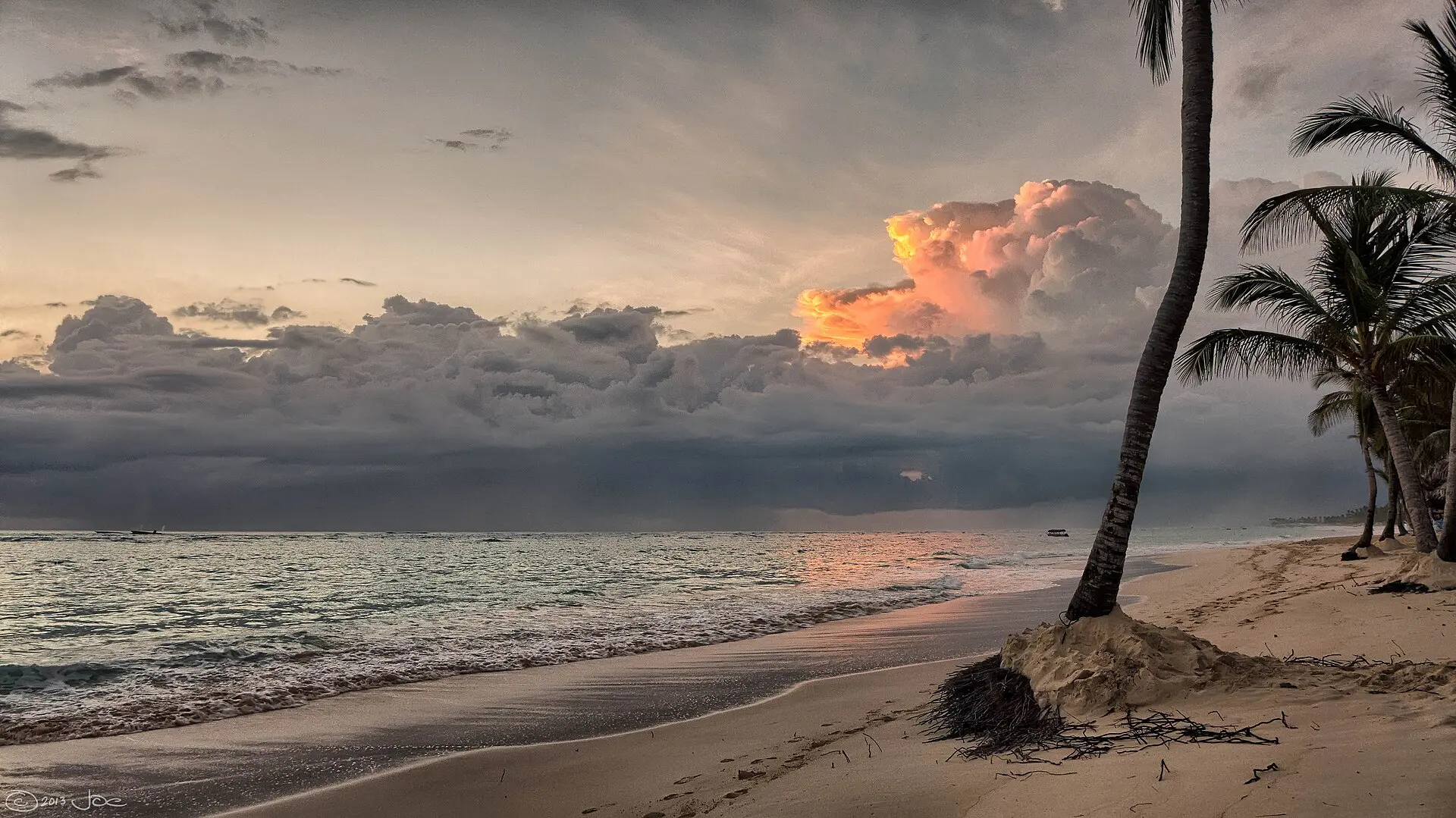
The hottest months, roughly April to November, are more humid and see more rain, usually in short bursts. Summer and early autumn bring lower prices and fewer visitors. The Atlantic hurricane season runs from June to November, with the highest risk typically in late summer and autumn, so consider travel insurance and flexible bookings. Seaweed (sargassum) can affect some beaches at certain times, so check recent conditions.
| Season | Weather | Crowds and prices |
|---|---|---|
| Dec to Apr | Warm, drier | Peak crowds, highest prices |
| May to Jun | Hotter, some showers | Moderate, lower prices |
| Jul to Oct | Hot, humid, hurricane risk | Quieter, best deals |
| Nov | Hot, rain tapers off | Quiet, prices start rising |
How to get to Punta Cana and around
Punta Cana International Airport (PUJ) sits a few kilometres inland, on the highway toward Higuey and La Romana, and receives a large share of the country’s flights, including many direct services from North America and Europe. Resort transfers are usually included or can be booked in advance, which is the simplest way to reach your hotel.
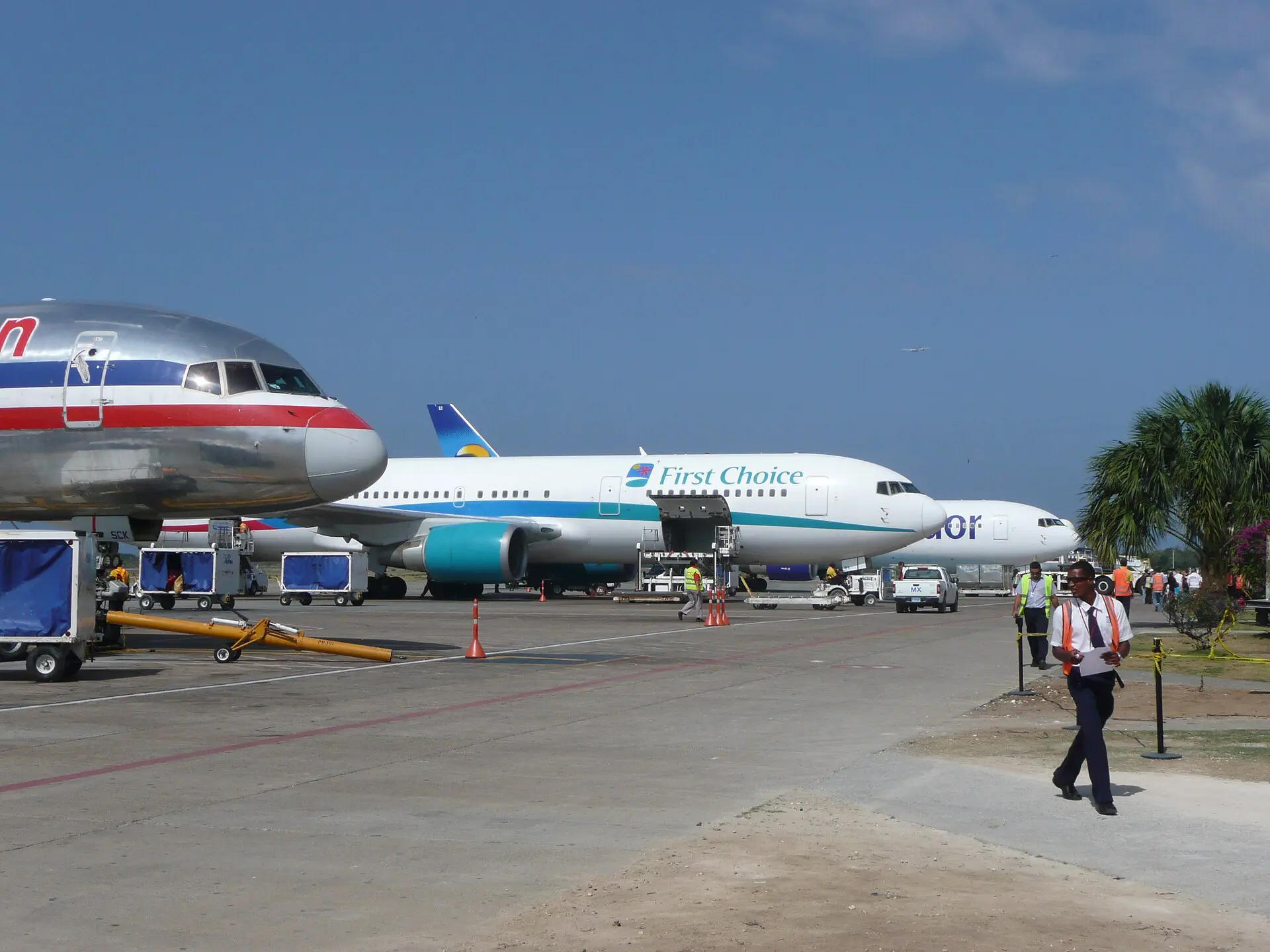
The resort strip is spread out, so you will need some transport. Taxis are common, and fares should be agreed before you set off. Local minibuses and motorcycle taxis exist, but they are less convenient for visitors with luggage.
Renting a car is possible and gives you freedom for day trips, though road conditions and driving habits can be challenging. Many travellers book organised excursions instead. Santo Domingo, the capital, is a few hours away by road, so plan carefully if you want to add it to your trip.
Where to stay in Punta Cana
Most visitors choose between a few resort areas. Your decision will affect beach quality, price and how much you can do outside the hotel.
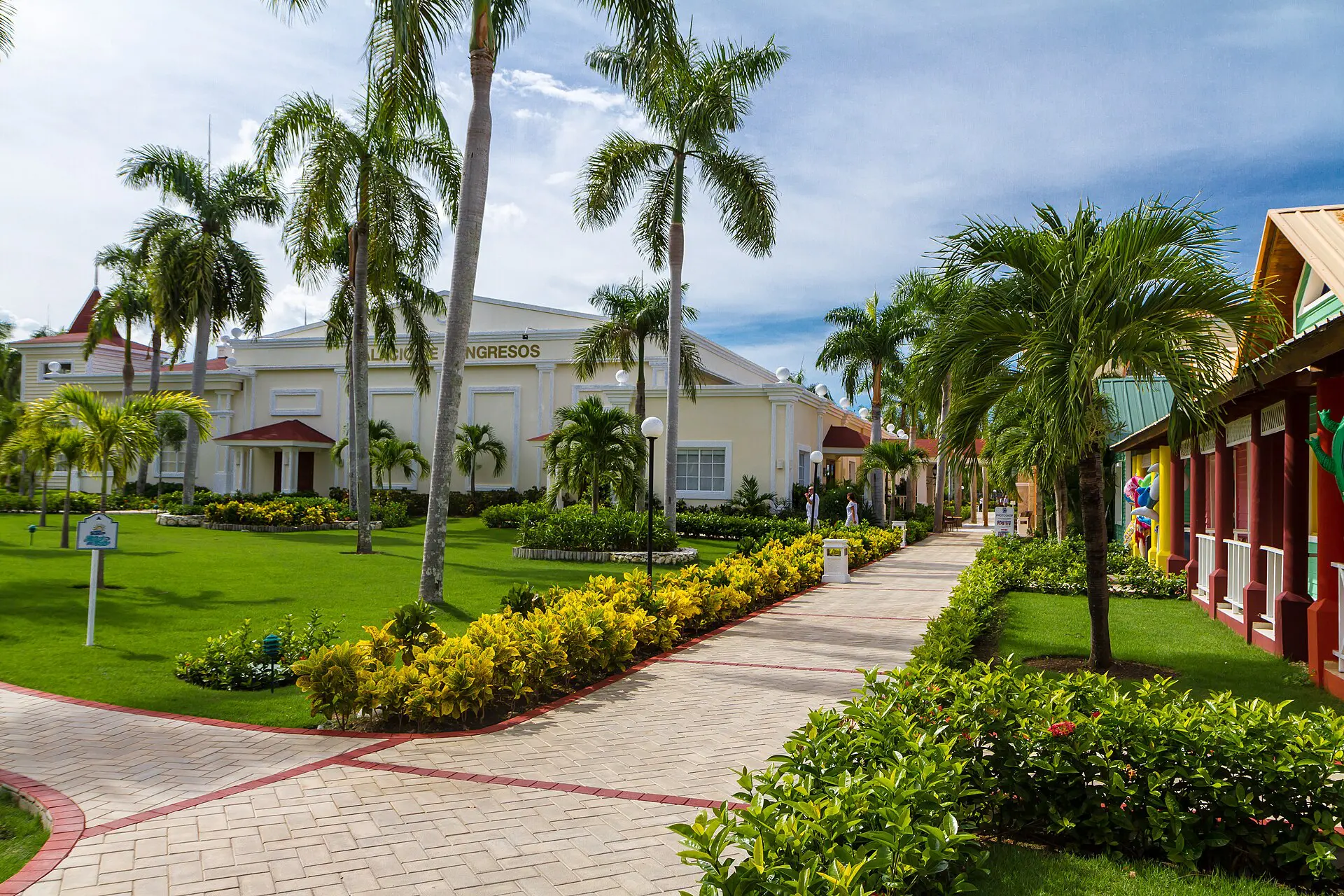
Bavaro is the most developed area, with many all-inclusive resorts, a long beach and the closest access to shops and restaurants. It suits families and first-time visitors.
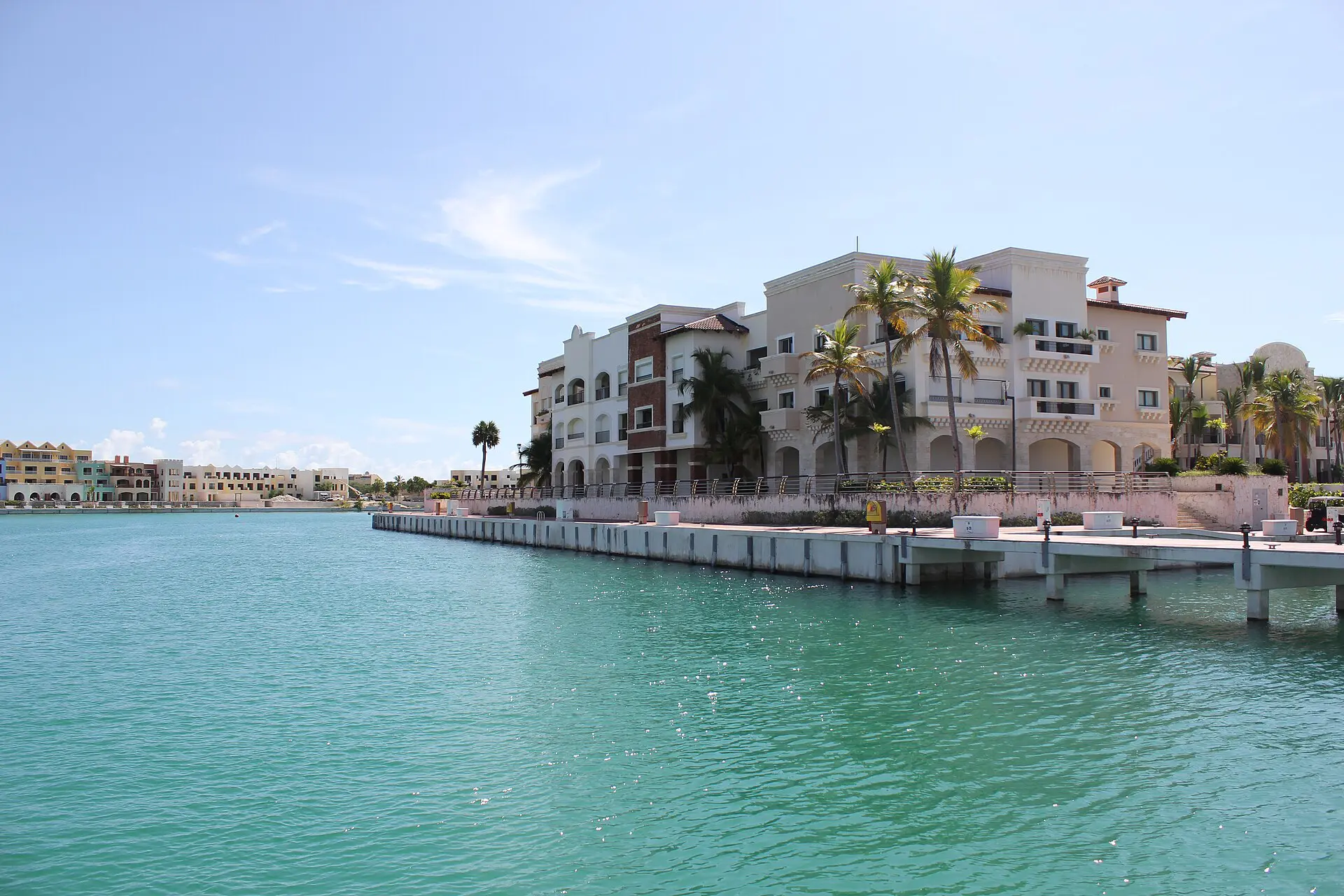
Cap Cana and Punta Cana proper are more upscale, with marinas, golf and gated communities. They suit couples and travellers wanting a quieter, higher-end stay.
Uvero Alto and Macao are further north, with a wilder, more spread-out feel. They suit travellers who want fewer people and are happy to stay mostly at their resort.
El Cortecito has a small-town feel, with local restaurants and boutique stays. It suits those who want to leave the resort for meals.
How many days do you need?
Four to five days is enough for a beach break with one or two excursions, while a week lets you slow down or add more activities. If you are staying at an all-inclusive resort, a few days of pure relaxation is a perfectly reasonable plan. For more than a week, consider adding Santo Domingo or another region of the country.
- Day 1: Arrive, settle in and spend the afternoon on the beach near your hotel.
- Day 2: Take a full-day boat trip to Saona Island, returning in the late afternoon.
- Day 3: Visit a nature park such as Hoyo Azul in the morning, then rest by the pool or beach.
- Day 4: Try snorkelling or a boat outing, then explore El Cortecito for dinner.
Day trips and nearby
Saona Island
Saona is the most popular excursion from Punta Cana, with beaches and a protected natural setting. Most tours leave from nearby ports and return the same day. Book ahead in peak months and bring water, a hat and a towel.
Bayahibe
Bayahibe is a small fishing village and dive centre on the coast, a common starting point for boat trips. It makes an easy half-day or full-day stop with a quieter feel than the resort strip.
La Romana
La Romana is a coastal city to the west, with a marina area and artisan village attractions nearby. A day trip works by taxi or tour, and it offers a different view of Dominican life.
Santo Domingo
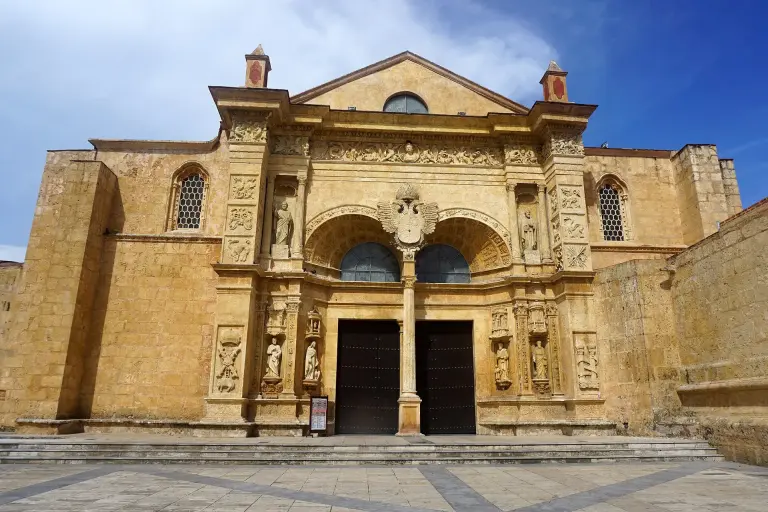
The capital has the oldest colonial district in the Americas, with historic churches and museums. It is a long day trip, so many travellers book an organised tour or stay overnight. Check travel times before you commit.
FAQ
Q1When is the best time to visit Punta Cana?
December to April is the most popular and driest period, though also the most expensive. May to June and November are quieter with lower prices. Late summer and autumn carry higher hurricane risk, so check forecasts and consider flexible bookings.
Q2How many days do you need in Punta Cana?
Four to seven days suits most visitors, with beach time and one or two excursions such as Saona Island. A long weekend is possible if you travel from North America. A week lets you slow down or add Santo Domingo.
Q3How do you get to Punta Cana?
Fly into Punta Cana International Airport (PUJ), a few kilometres inland from the coast, with many direct flights from North America and Europe. Most resorts offer transfers, and taxis are available. Santo Domingo is a few hours away by road.
Q4Is Punta Cana safe and expensive?
Resort areas are generally considered safe for tourists, but use normal precautions and check your government's current advice. Costs depend on how you travel: all-inclusive packages can be good value, while meals, taxis and excursions outside the resort add up quickly.
Prices, schedules and entry rules change. Check current details with official sources before you travel. Read the Dominican Republic travel guide.