Why visit Puerto Plata
People looking for things to do in Puerto Plata are usually choosing between beaches, mountain views and a bit of history. It is a major coastal city on the north coast of the Dominican Republic and the capital of Puerto Plata Province, with a population of around 130,000.
The city lies between Pico Isabel de Torres and the Atlantic Ocean. The name, meaning Silver Port, is traced to Christopher Columbus, who is said to have seen the cloud-crowned mountain in January 1493. Spanish colonists founded a settlement in the early 16th century, and it was once the main commercial port of the island.
Today it is a major trading port and a tourism hub, with resorts such as Playa Dorada and Costa Dorada to the east of the city proper. The area has about 100,000 hotel beds. The wider province also has natural attractions and historic sites, and the city is a good place to shop in local businesses and meet Dominican people.
Top things to do in Puerto Plata
Pico Isabel de Torres cable car
The city has the first aerial tramway in the Caribbean, which takes visitors up the 793-metre mountain. Allow two to three hours. Go in the morning when views are clearer, check that the cable car is running, and bring a light layer.
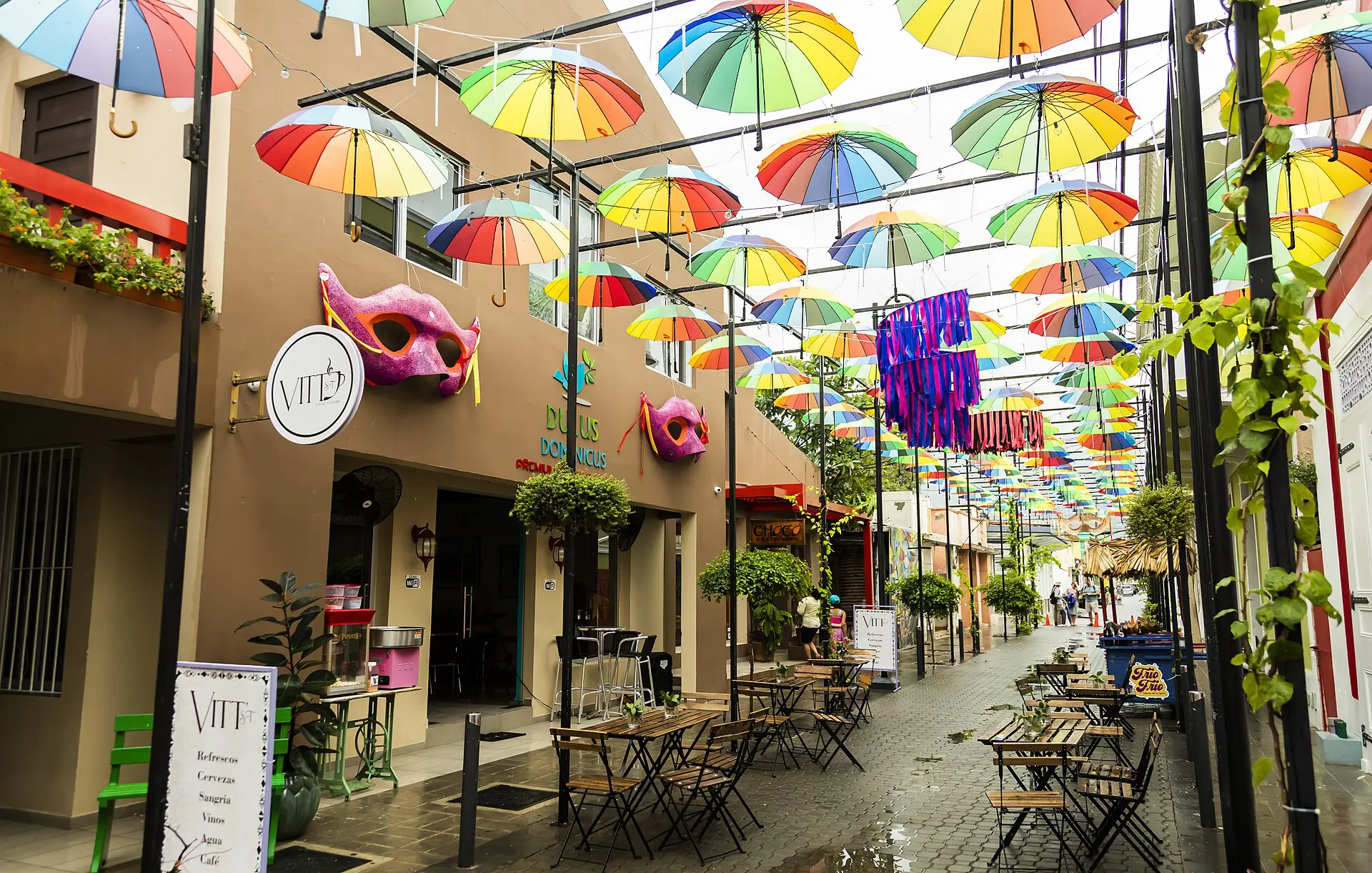
The historic centre
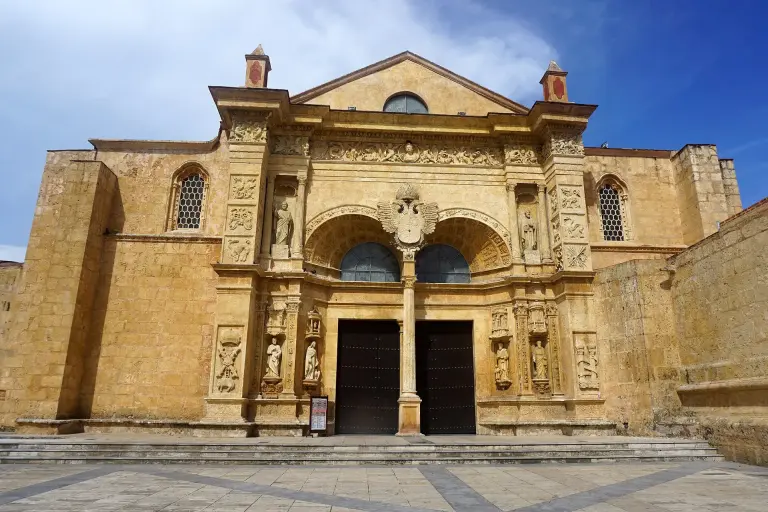
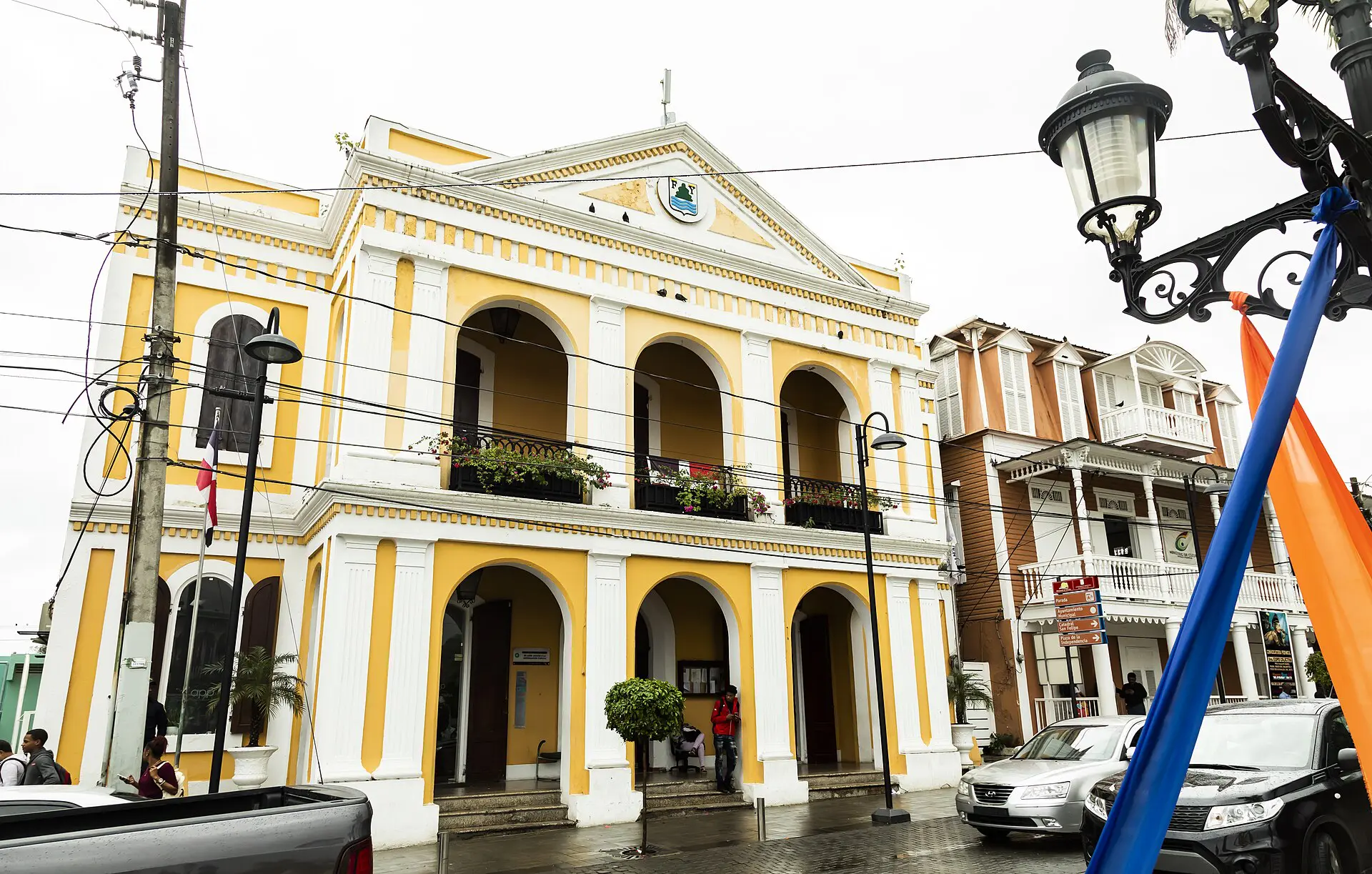
The old centre has a main square, colonial-era and Victorian-style buildings and a lively local feel. Allow a couple of hours. Walk in the morning, keep valuables out of sight, and check which museums are open, since hours vary.
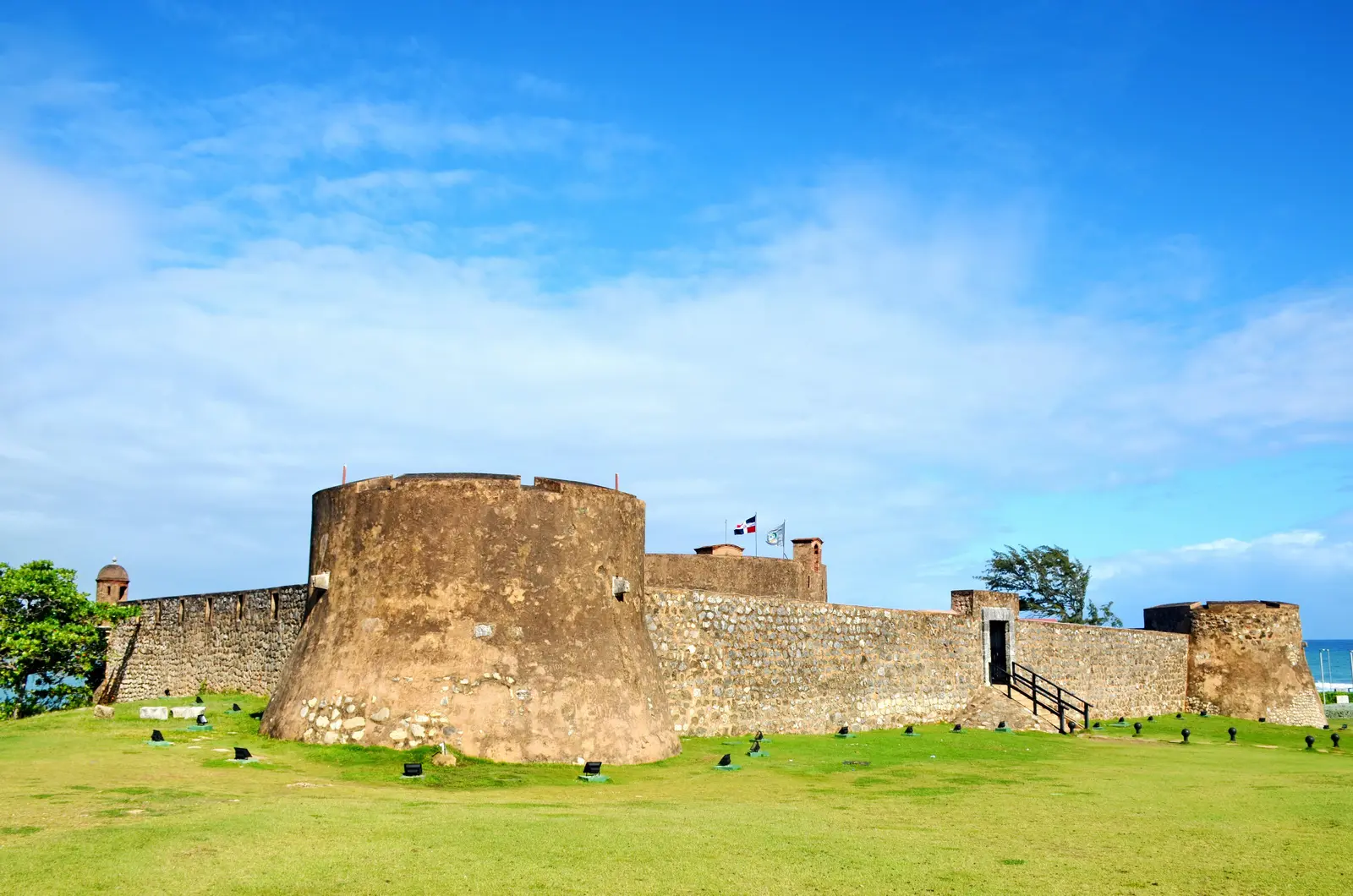
The waterfront and fortress
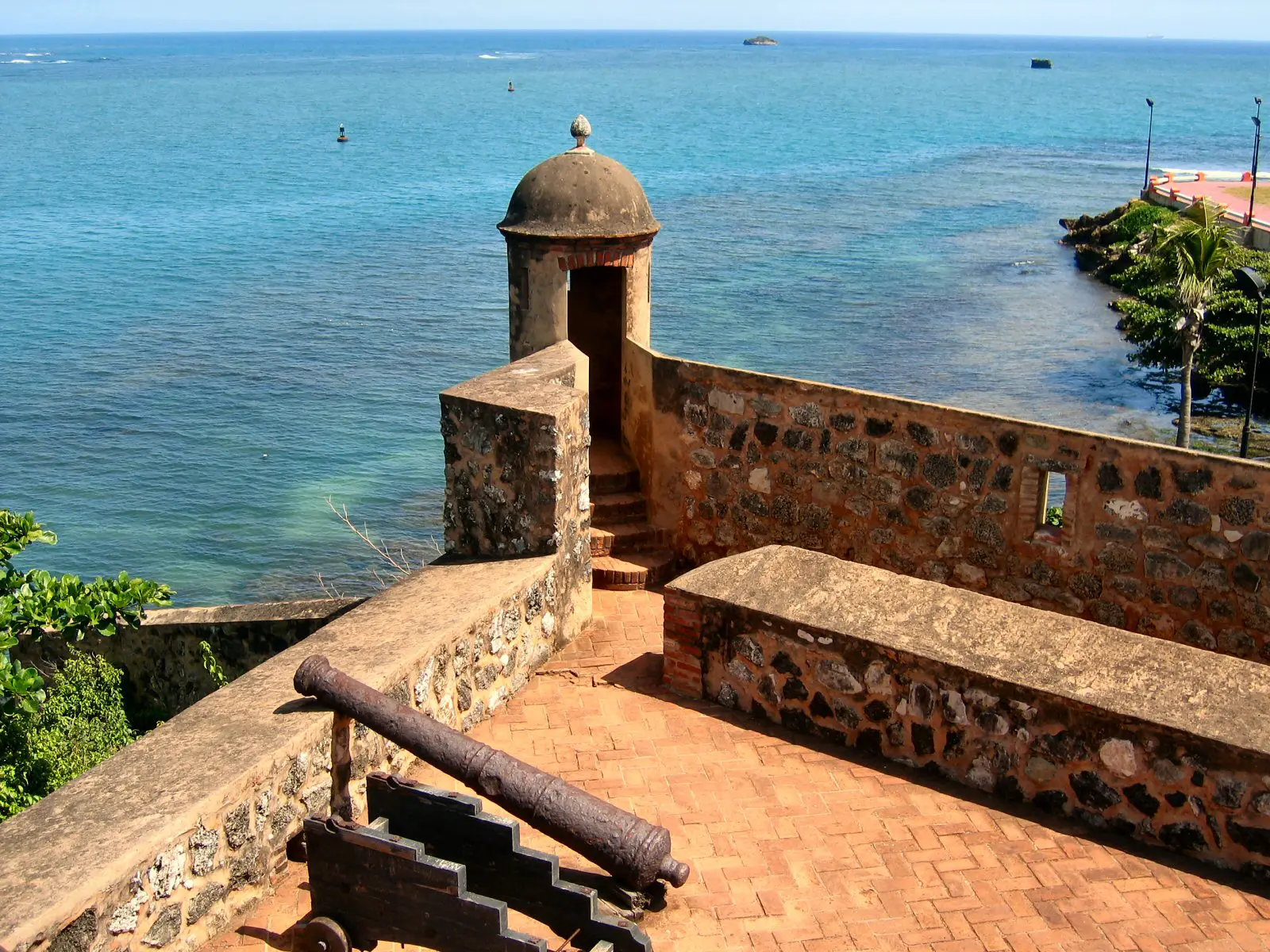
The seafront promenade and the old fortress by the harbour are pleasant for a walk and for views of the coast. Allow an hour or two. Late afternoon is the coolest time, and sunset is a popular moment along the water.
Beaches
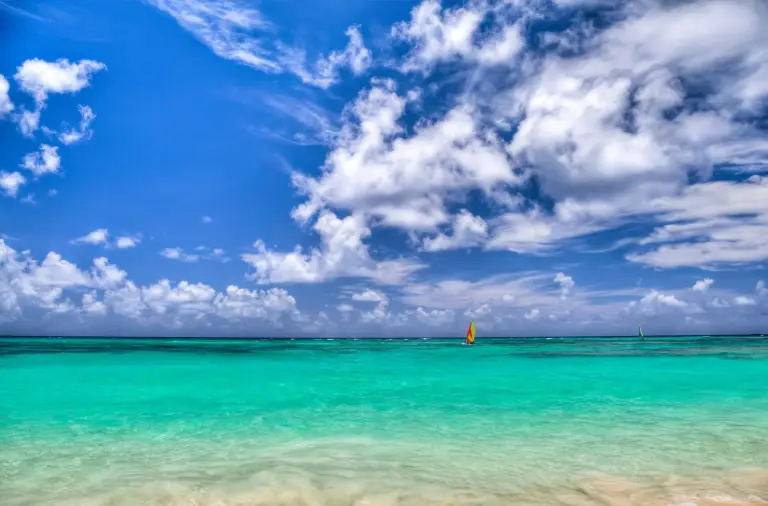
The pretty sandy beaches are a main draw. Playa Dorada and Costa Dorada are the best-known resort areas. Allow a half day for each, check sea conditions and flags, and bring sun protection.
Water sports
The north coast is known for activities such as snorkelling and other water sports, which operators offer in the resort areas. Allow a half day, choose a reputable provider, and check safety equipment and conditions before you start.
Local shopping and food
The town is a good place to shop in local commerce. Allow an hour or two in the shops and markets, carry small bills, and try regional dishes in local restaurants rather than only in resort venues.
Nature and the province
The surrounding province has maritime parks, natural monuments and historic sites. These are usually visited on organised tours or with a driver, and take a half or full day. Book through a reputable operator and check what the price includes.
Best time to visit Puerto Plata
Puerto Plata has a tropical climate that is warm all year. The driest and most popular months are roughly December to April, while the wetter period runs from about May to November and overlaps with the Atlantic hurricane season.
| Season | Weather | Crowds and prices |
|---|---|---|
| Dry season (December to April) | Warm, mostly sunny, lower humidity | Peak; highest prices |
| Shoulder (May to June) | Warmer, more showers | Moderate; good value |
| Wet and hurricane season (July to November) | Hot, humid, rain and storm risk | Quietest; lowest prices |
If you travel in hurricane season, buy flexible bookings and travel insurance, and follow local weather warnings.
How to get to Puerto Plata and around
Gregorio Luperon International Airport is the way in by air, and it handles international flights, mainly seasonal routes and some regional services. It is a short drive from the city and the resort areas, and taxis and pre-arranged transfers are the usual options. Agree fares first or book a transfer through your hotel.
The city is also reached by road from Santiago and Santo Domingo, with intercity buses and private transfers running throughout the day. Journey times vary with traffic and road conditions, and Santo Domingo is a long ride of several hours.
Inside the city, motoconchos (motorbike taxis), shared minibuses and ordinary taxis are common. Taxis are usually the safest and most comfortable option for visitors. If you drive, take care on busy roads and avoid driving at night outside town. Check local advice for the areas you plan to visit.
Where to stay in Puerto Plata
The resort areas to the east of the city, such as Playa Dorada and Costa Dorada, have large hotels and all-inclusive options, with beaches and facilities on site. They suit families, couples and anyone who wants an easy, self-contained stay. Check what the all-inclusive rate covers and how far it is from the town.
The city centre and the area near the waterfront suit travellers who want local life, restaurants and shops, and they usually offer smaller hotels and guesthouses at lower prices. Evenings are quieter in some parts, so ask for advice on the best streets.
Nearby coastal towns, such as Cabarete, are an alternative for water-sports fans, with a different atmosphere. Book early for the dry season and holiday weeks, and compare prices between the resort areas and the town.
How many days do you need?
Two days covers the cable car, the historic centre and a beach. Three or four days is better if you want to try water sports, take a trip into the province or simply relax. A resort stay often runs longer, with day trips added.
- Day 1: The cable car up Pico Isabel de Torres in the morning, then the historic centre and the waterfront.
- Day 2: A beach day at Playa Dorada or Costa Dorada, with an optional water activity.
- Day 3: A trip to Cabarete or an organised tour into the surrounding province.
Day trips and nearby
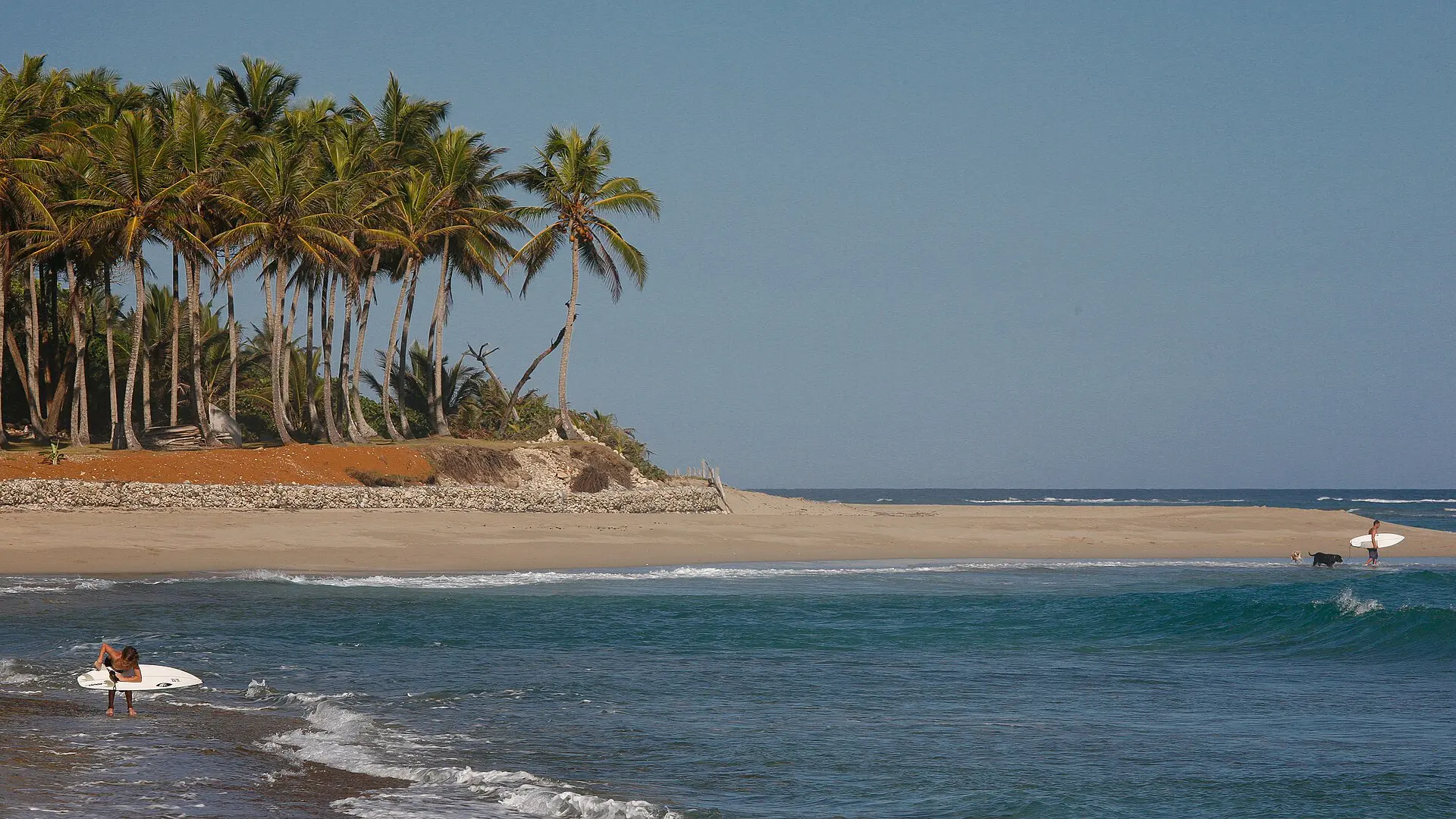
Cabarete
A beach town east of Puerto Plata known for wind and water sports. It is a short trip by road and works as a day trip or an overnight stay. Check wind and sea conditions before booking lessons.
Santiago de los Caballeros
The country’s second city lies inland and is reached by road, typically in around an hour and a half. It has a historic centre and a more local feel than the resort coast, and suits a half or full day.
Jarabacoa
A mountain town inland, popular for cooler weather, rivers and waterfalls. It is a long day trip from the coast, so an overnight stay is better. Check road and weather conditions.
Las Terrenas
A beach town on the Samana Peninsula, further east along the coast. It is a long drive from Puerto Plata, so it fits better as part of a longer north-coast itinerary than a single day trip.
FAQ
Q1When is the best time to visit Puerto Plata?
December to April is the driest and most popular period, with warm sunny weather and the highest prices. May and June offer good value, while July to November is wetter and falls within the Atlantic hurricane season.
Q2How many days do you need in Puerto Plata?
Two days covers the cable car, the historic centre and a beach. Three or four days lets you add water sports and a day trip to Cabarete or Santiago, which suits most visitors better than rushing.
Q3How do you get to Puerto Plata?
Gregorio Luperon International Airport serves the area, and the resorts and city are a short drive away by taxi or pre-booked transfer. You can also travel by road from Santiago or Santo Domingo, which takes several hours from the capital.
Q4Is Puerto Plata worth visiting?
It suits travellers who want north-coast beaches, an easy resort stay and the cable car up Pico Isabel de Torres, plus some local life in town. If you want a quieter, less developed coast, consider nearby alternatives.
Prices, schedules and entry rules change. Check current details with official sources before you travel. Read the Dominican Republic travel guide.