Where to stay in Rome as a solo traveler? Pick Monti or Trastevere if you want to walk everywhere and meet people, Prati if you want calm and easy metro access, and the streets just off Termini only if you are on a tight budget and arriving by train. Rome is compact enough that the area matters more than the building. Below, each base is compared by who it suits, how you get there and what the evenings feel like.
Getting to Rome and arrival-time advice
Most visitors land at Fiumicino, about 30 km from the centre. The direct Leonardo Express train runs to Termini in roughly 30 minutes at a fixed fare, and regional trains stop at Trastevere station for less. Ciampino, used by some budget airlines, connects by bus and then train or metro. Check current fares and times before you travel, as both change.
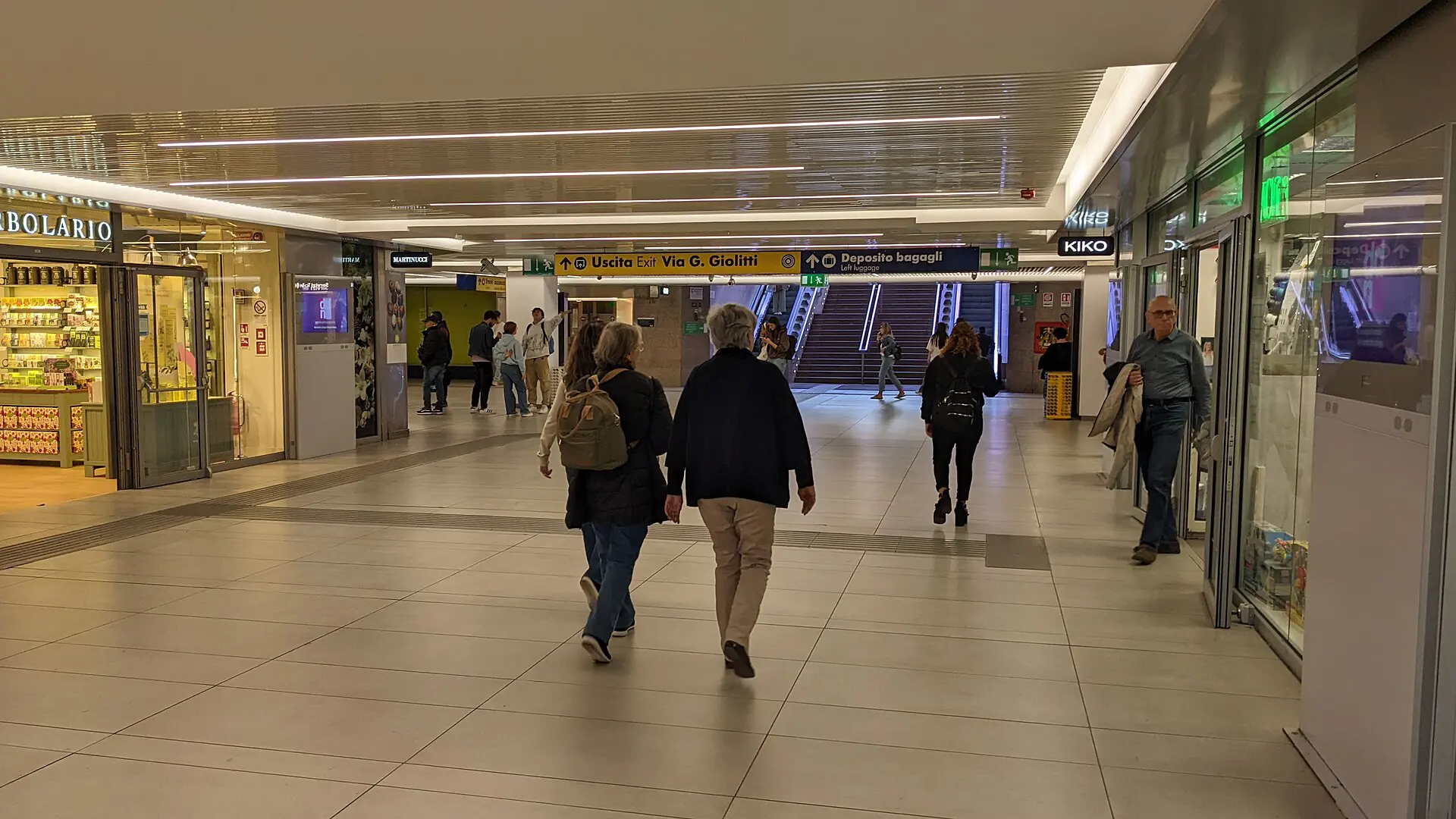
The simplest rule: arrive before dark and pre-book your first night. Termini is busy at all hours, with pickpockets working the crowds and people offering unofficial “help” with ticket machines. Use the official machines or the staffed counters, keep your bag zipped in front of you, and ignore anyone who approaches you.
If your flight lands late, a licensed white taxi from the official rank at a fixed airport-to-centre fare is easier than a train followed by a dark walk.
Where to stay in Rome: areas compared for solo travelers
The historic centre is small, about 4% of the city’s area according to Wikivoyage, so almost any central base works. The difference is atmosphere, noise and how easy it is to get home late.
| Area | Best for | Evening feel | Watch for |
|---|---|---|---|
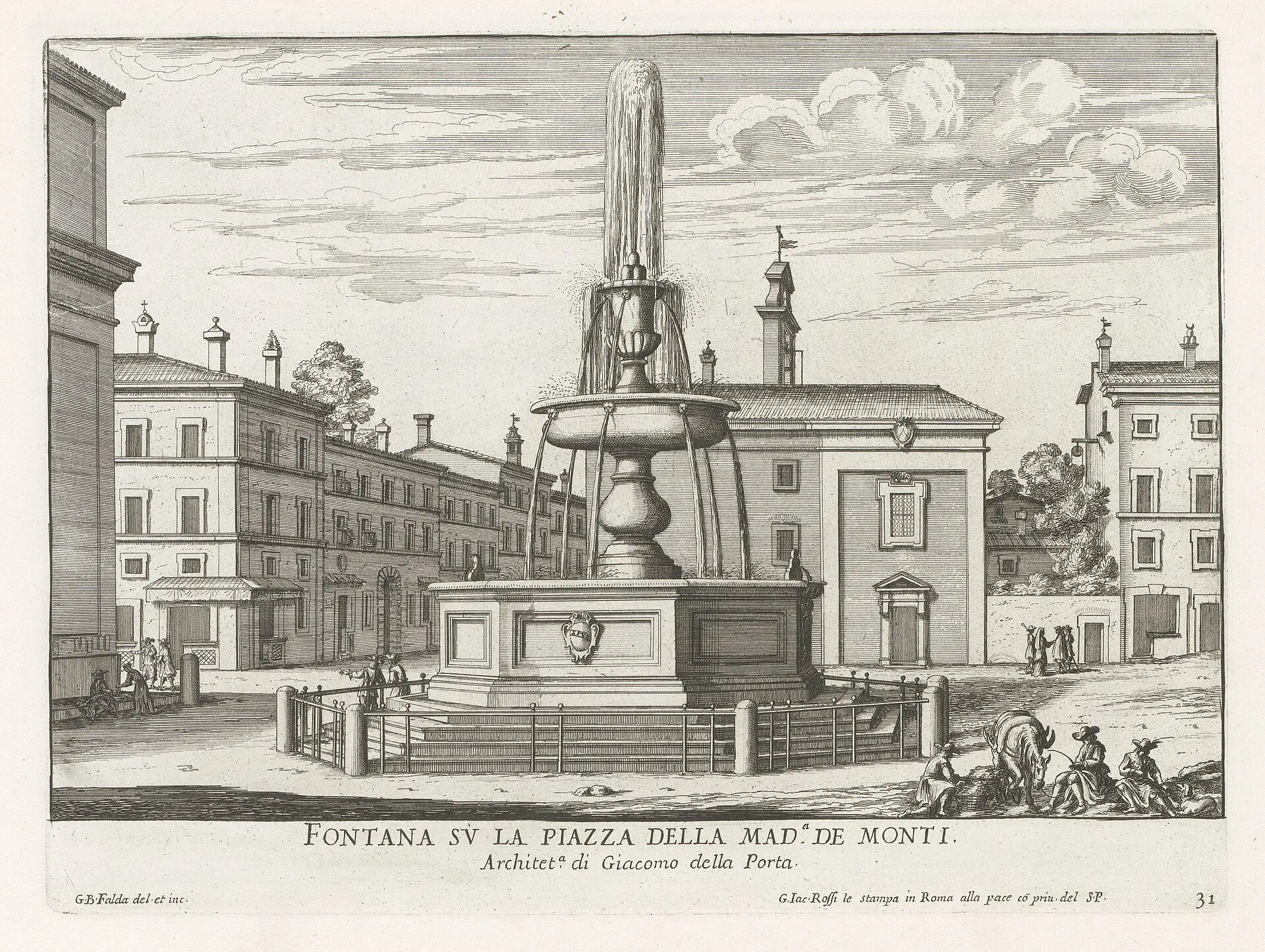
| Monti | First-timers who want walkable and social | Wine bars, small piazzas, steady foot traffic | Steep, uneven streets; busier at weekends |
| Trastevere | Atmosphere, hostels, eating out in company | Lively until late, many travelers | Noise on narrow lanes; stay off the main bar streets if you sleep early |
| Centro Storico (Pantheon, Navona) | Sightseeing on foot, short walks home | Busy, well lit, touristy | Highest prices and crowds |
| Prati | Calm, Vatican, metro line A | Quiet, residential, local cafes | Fewer hostels and fewer people to meet |
| Testaccio | Food-focused stays, a local feel | Local restaurants, quieter streets | Further from the main sights; walk or metro |
| Near Termini and Esquilino | Budget, early trains, airport and day-trip links | Mixed, scruffy streets after dark | Choose a building with a staffed desk and good recent reviews |
My pick for a first solo trip
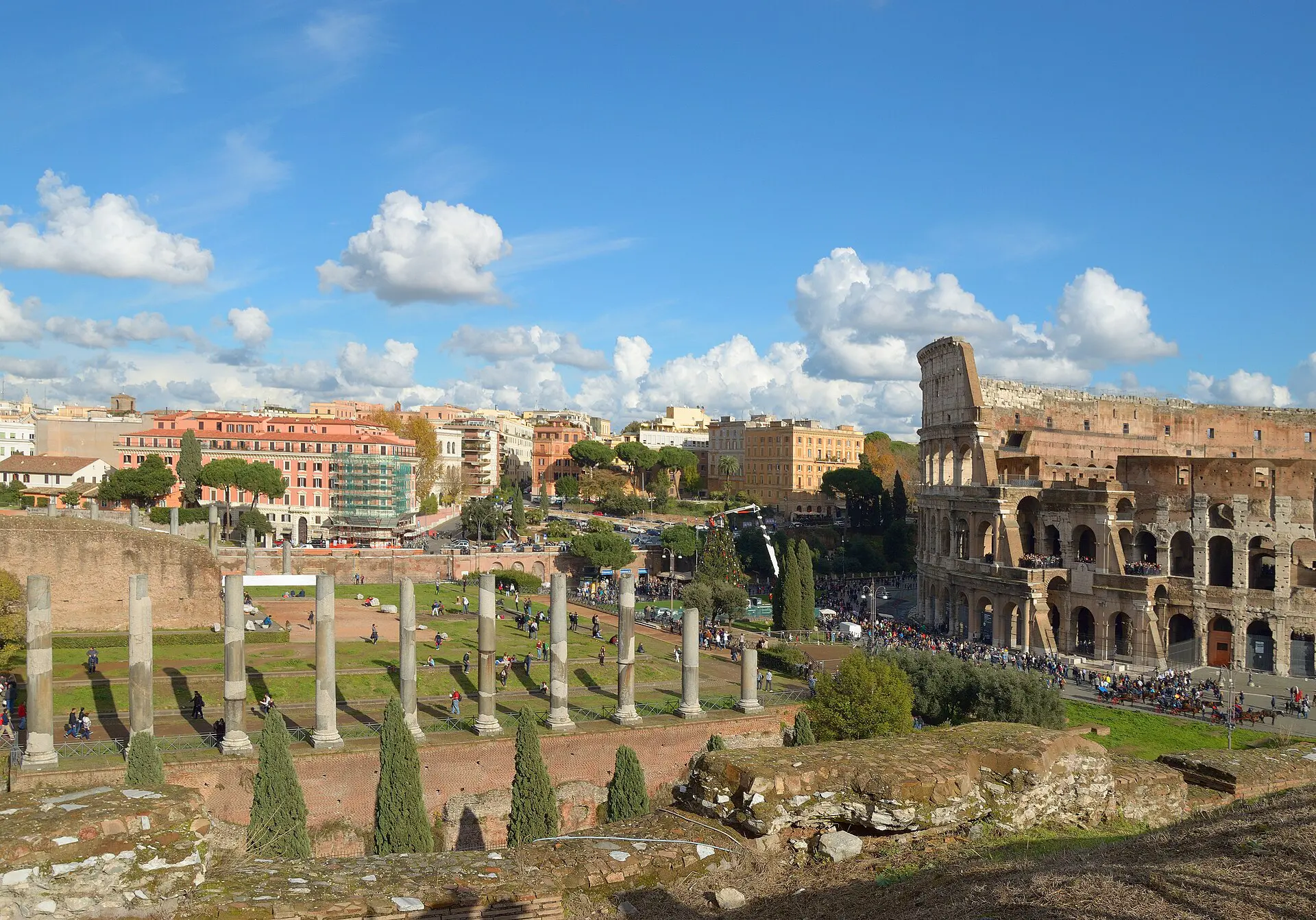
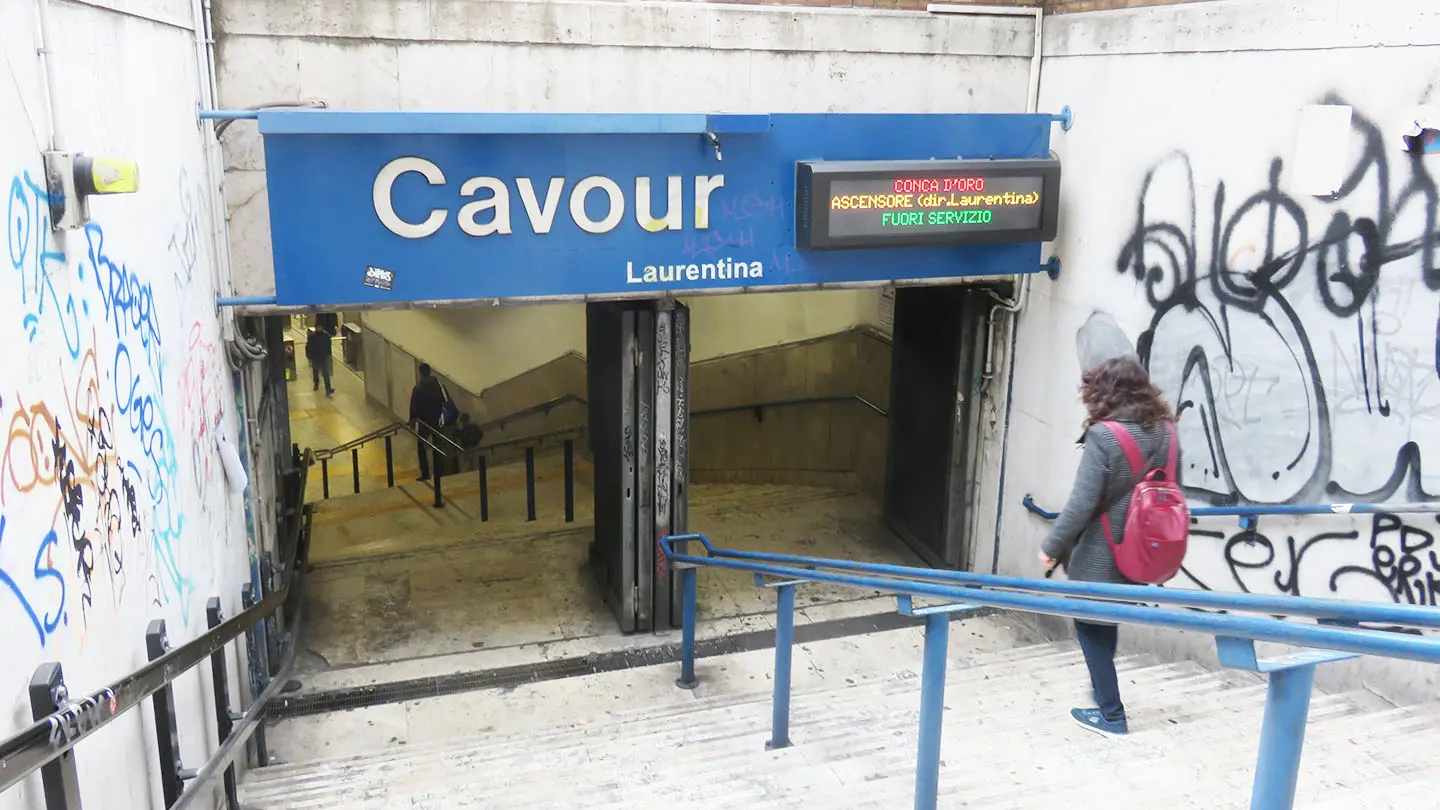
I would choose Monti. You can walk to the Colosseum and the Forum, the area has people out until late, and the metro at Cavour or Colosseo gets you across the city. Trastevere is the livelier option if you want a social hostel and do not mind the noise. Both beat a cheap room by the station if you will be coming home after dinner.
Hostel, guesthouse or hotel?
Hostels are the quickest way to meet people, and the better ones run walking tours, pasta nights or group dinners. A small guesthouse with a staffed reception gives you privacy and a person to ask about taxis. For any option, read recent reviews for the words “location”, “staff” and “night”, and check that the entrance is on a lit street, not down a courtyard with no buzzer.
How to meet people in Rome, low-pressure first
Start with something that does not require a conversation. A group walking tour of the Forum or Trastevere puts you beside other travelers with a clear end time. Hostel common rooms and family-style dinners do the rest, and you can leave whenever you like.
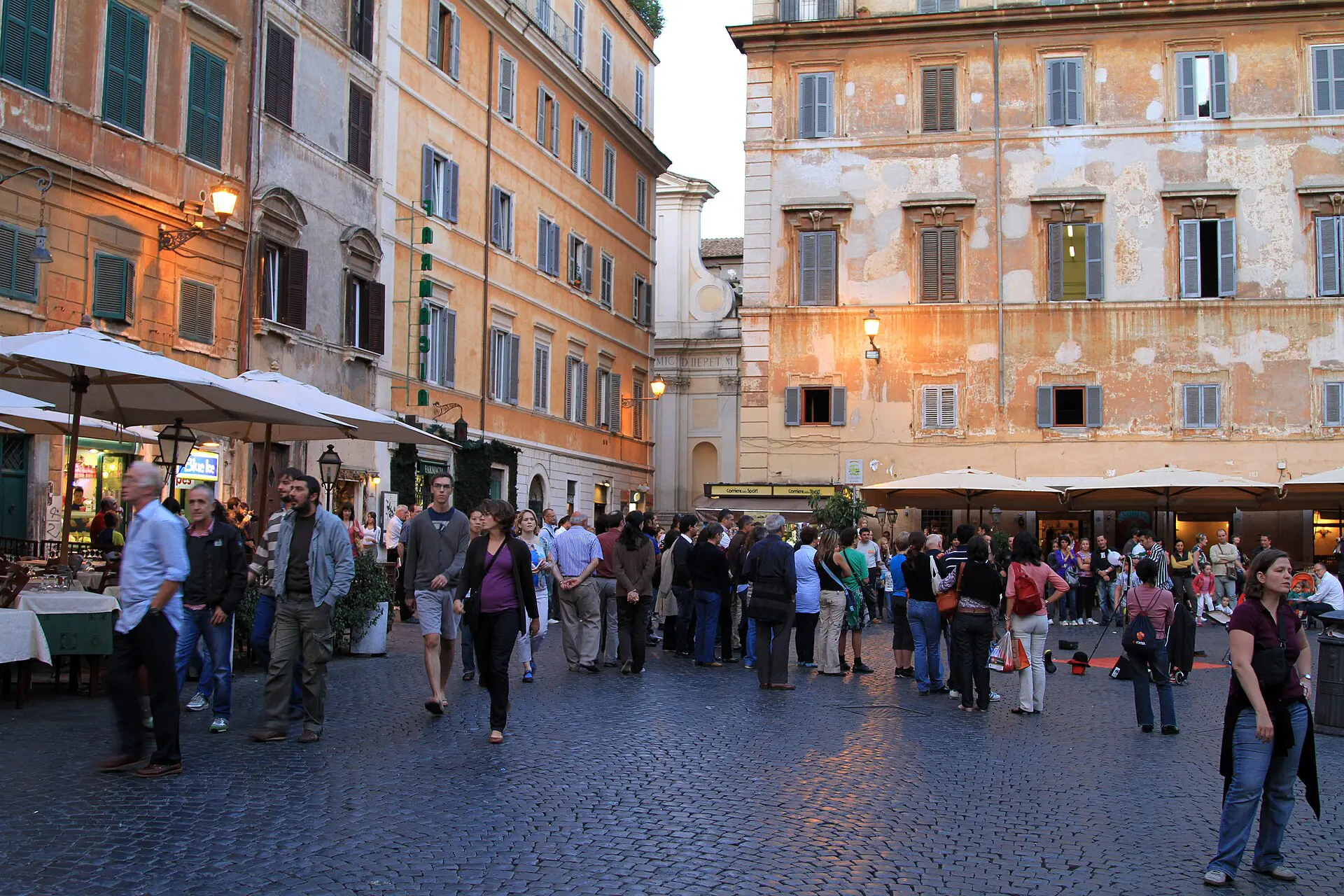
Next, try a class. Rome has cooking classes, pasta-making sessions and wine tastings, usually in small groups, and they give everyone something to talk about. Book through your accommodation or a reviewed operator, and confirm the meeting point in writing.
Finally, eat at counters and shared tables, and make lunch your main social meal.
Things to do in Rome alone
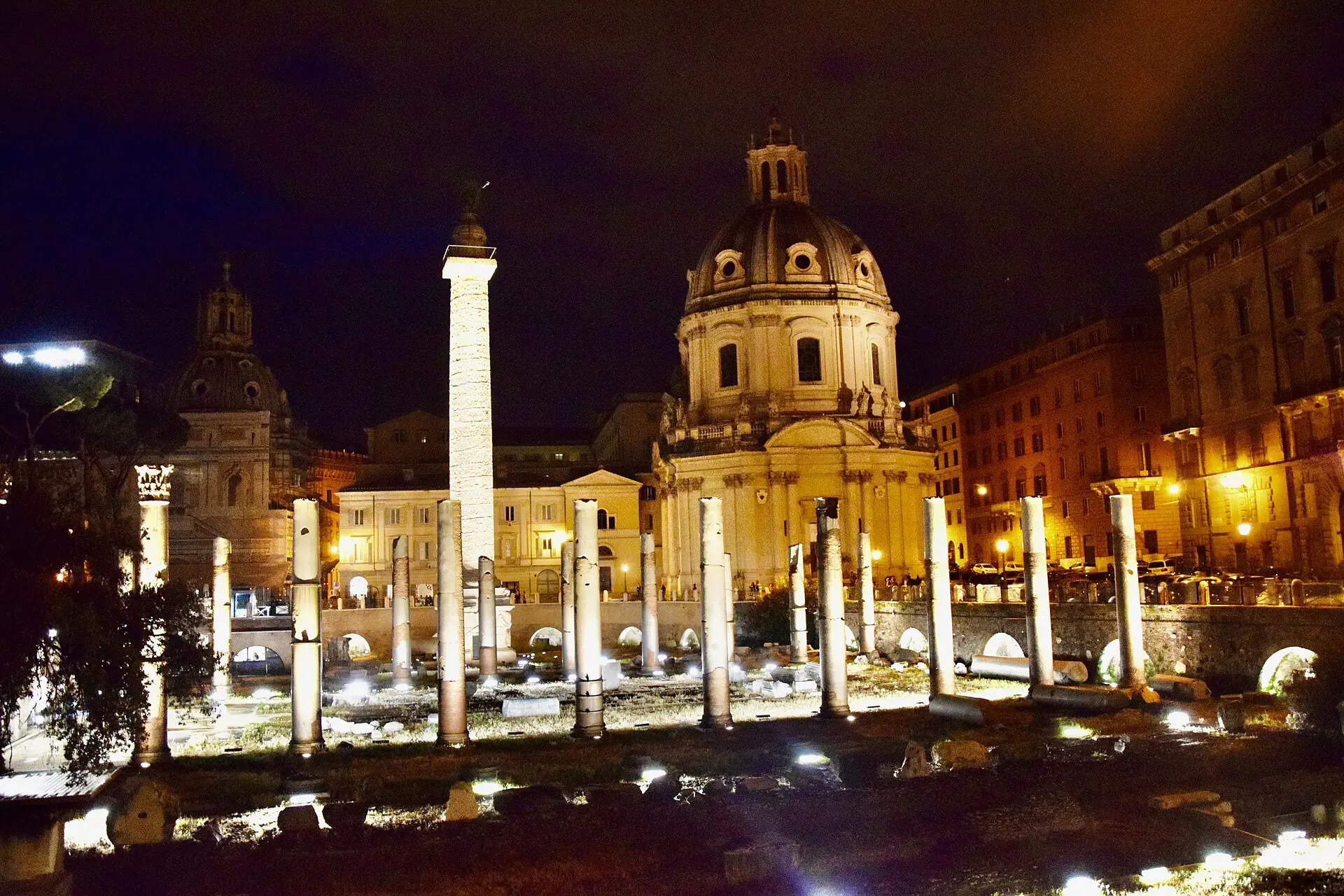
Walk the Roman Forum and Palatine at opening time
Go early, when the heat is lower and the crowds thin. Book a timed ticket ahead in high season, check the current combined-ticket rules, and wear shoes with grip, since the stones are uneven.
Spend a morning in the Vatican Museums
The museums are large, so pick a route rather than trying to see everything. Timed tickets bought online avoid the longest lines, and dress rules for the basilica require covered shoulders and knees. Our guide to museums in Rome compares which ones to book and which to skip.
Cross the river to Trastevere for lunch
Wander the lanes in daylight, then sit at a trattoria counter or shared table. It is an easy meal alone, and the neighbourhood is at its most relaxed before the evening rush.
Walk the Appian Way on a Sunday
The old road is closed to most traffic on Sundays and holidays, and it makes a flat walk or bike ride past tombs and aqueducts. Check current rules and bring water.
Take a day trip by train
Rome has good rail links to Tivoli, Orvieto and the coast at Ostia. Pick a destination, buy a regional ticket, validate it if required, and return before dark. See day trips from Rome by train for the options compared.
Watch the sunset from a hill
The Gianicolo and the Pincio both give wide views over the rooftops near sunset. Both are popular, so standing alone is easy. Leave while there is still light and a crowd.
Evenings and after-dark options in Rome
Rome is easy at night in the central areas, because people eat late and streets stay busy. Dinner is typically from around 8 pm, so an early table is quiet but available. If you want company, choose a restaurant with a shared table, a wine bar in Monti or an evening walking tour of the lit monuments.
The practical question is how you get home. Metro lines A and B close late at night, with later service on some weekend nights, so check the current timetable. Night buses run on main routes, but waits can be long. A licensed taxi, booked through your accommodation or a taxi app, is a normal choice for the last stretch. Walk the final ten minutes only on streets you walked in daylight.
Avoid the area around Termini after dark when you do not have to be there, and keep your phone off the table at outdoor cafes, where snatching is a known problem in crowded areas.
Getting around Rome alone
The centre is walkable, but distances are longer than a map suggests and the cobblestones are tiring. Use the metro for longer hops, such as Termini to the Vatican, and buses and trams for the rest. Validate paper tickets where required.
On crowded buses and metro cars, wear your bag in front. Taxis should be licensed white cars with a meter, from an official rank or booked by phone or app.
Where to stay in Rome on a budget
As of 2026, a dorm bed in Rome generally runs from the low tens of euros to around 40 in peak season, and private rooms in guesthouses cost much more in summer and around Easter. Prices change, so check before you book. Staying slightly outside the centre, near a metro stop, often saves money without costing you much time.
The money you save by sleeping near Termini can vanish if it means a late taxi each night. A slightly pricier room in Monti or Prati may be the better value for a solo traveler. For planning itineraries, see 3 days in Rome, the Rome guide and our Italy travel guide. Background reading is on Wikivoyage.
Where to stay in Rome: FAQ
What is the safest area to stay in Rome for a solo woman?
Monti, Prati and the Centro Storico are popular with solo travelers because they are busy, well lit and walkable to the main sights. Trastevere is lively but noisier. Check reviews for a staffed reception and a lit entrance, and plan your late ride home.
Is Trastevere or Monti better for solo travelers?
Monti is calmer, walkable to the Colosseum and easier for sleeping. Trastevere has more hostels, more nightlife and more noise. If you want to meet people at night, choose Trastevere. If you want a central base with a village feel and a quieter room, choose Monti.
Is it OK to stay near Termini station?
It is convenient for trains and airport links and often cheaper, but the streets around it feel rough after dark and pickpockets work the station. If you pick it, choose a building with a staffed desk and good recent reviews, and avoid walking back late alone.
How many days do I need in Rome?
Three days covers the main ancient sites, one big museum and a few neighbourhood walks. Add a fourth day for a train trip. Four to five days allows a slower pace with free afternoons. Choose your base for the length of stay: a central base saves more as the days add up.