The museums in Rome that repay a booking are the Vatican Museums, the Borghese Gallery and the Capitoline Museums. If you only have one day, book the Vatican Museums for opening time, then spend the afternoon at the Capitoline Museums and the streets around them. The rest are optional, and some, such as the Borghese, need a timed reservation weeks ahead. Most close one day a week, so the calendar decides your order.
How to use your days in Rome
Rome’s historic centre is small, about 4 percent of the city’s area according to Wikivoyage, and the major museums sit on its edges. The efficient method is to pair each museum with a market or district nearby and to book the two or three sites that sell out, leaving the rest as walk-ins.
The weekly rhythm is the main constraint. The Vatican Museums normally close on Sundays, apart from a free-entry opening on the last Sunday of the month that draws very long queues. The Borghese Gallery usually closes on Mondays. Check each website for current hours, holiday closures and ticket rules before you commit.
For wider context, see the Rome guide and the Italy travel guide, or the longer 3 days in Rome itinerary.
Museums in Rome: a time-blocked plan
Six blocks. Take blocks 1 and 3 for one day, and add the others as time allows. Treat opening hours as patterns and verify them.
Block 1: Vatican Museums, first slot of the day
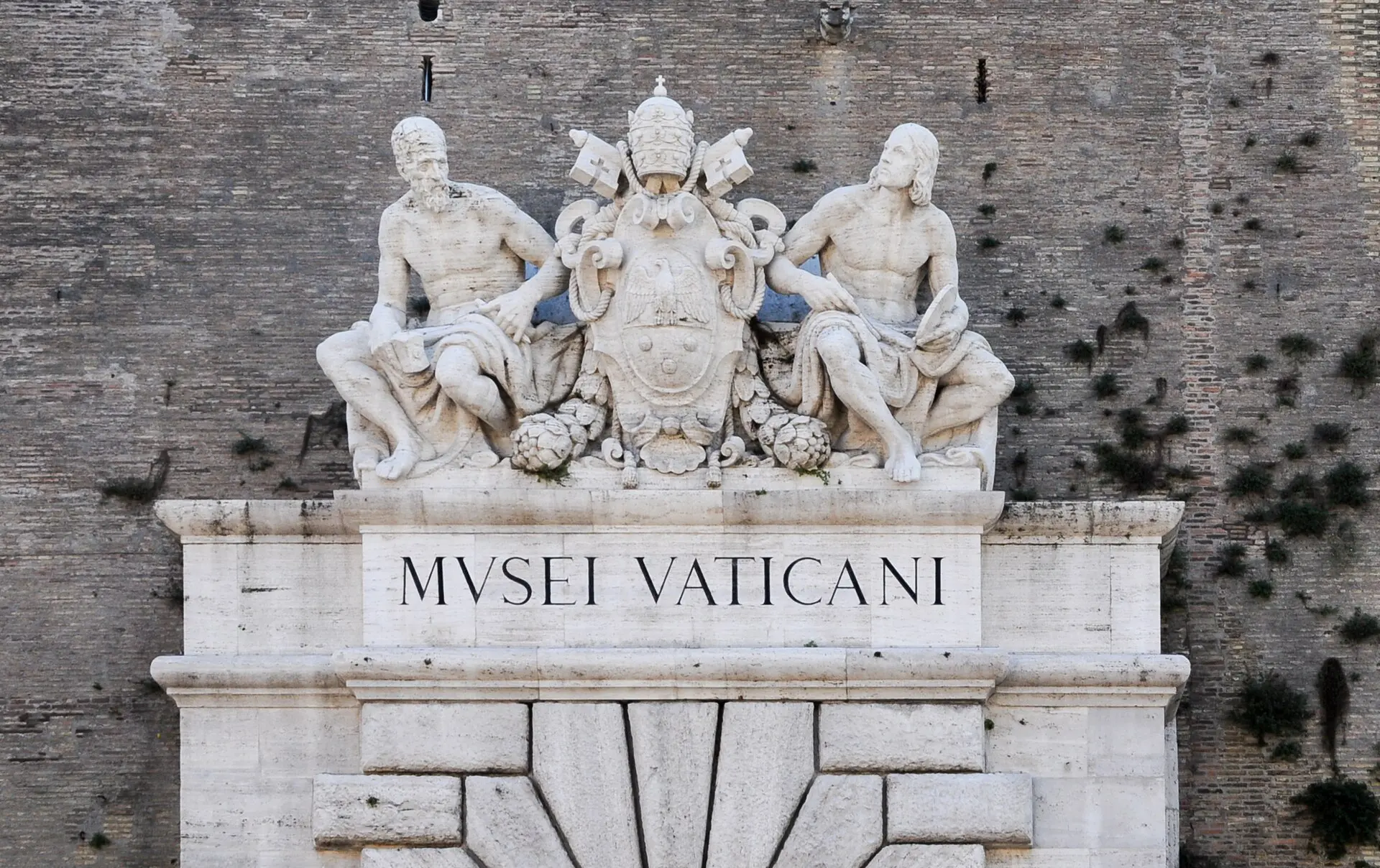
The Vatican Museums hold the Sistine Chapel, the Raphael Rooms and one of the largest art collections in the world. The route is long, and the Sistine Chapel is at the end, so the crowd builds behind you. Book a timed ticket online and take the first slot, then allow three hours.
Dress rules apply: covered shoulders and knees. Skip the line only with an official online ticket, not with a street seller. Afterwards, walk to the Trionfale market in the Prati area, a large covered market open mornings on most days. It is a working neighbourhood market, so lunch here is cheaper than near the Vatican entrance. Check trading days.
Block 2: Borghese Gallery and Villa Borghese
The Borghese Gallery holds Bernini’s sculptures and works by Caravaggio and Titian in a villa on the park’s edge. Entry is by timed reservation for a fixed visit window, usually around two hours, and slots sell out, so book as early as your dates allow. It generally closes on Mondays. Turn up a little before your slot, since late arrivals can be refused.
The park outside is free and good for an hour’s walk before or after. Bring only a small bag, since larger items go to the cloakroom, and expect security checks.
Block 3: Capitoline Museums and the Roman Forum viewpoint
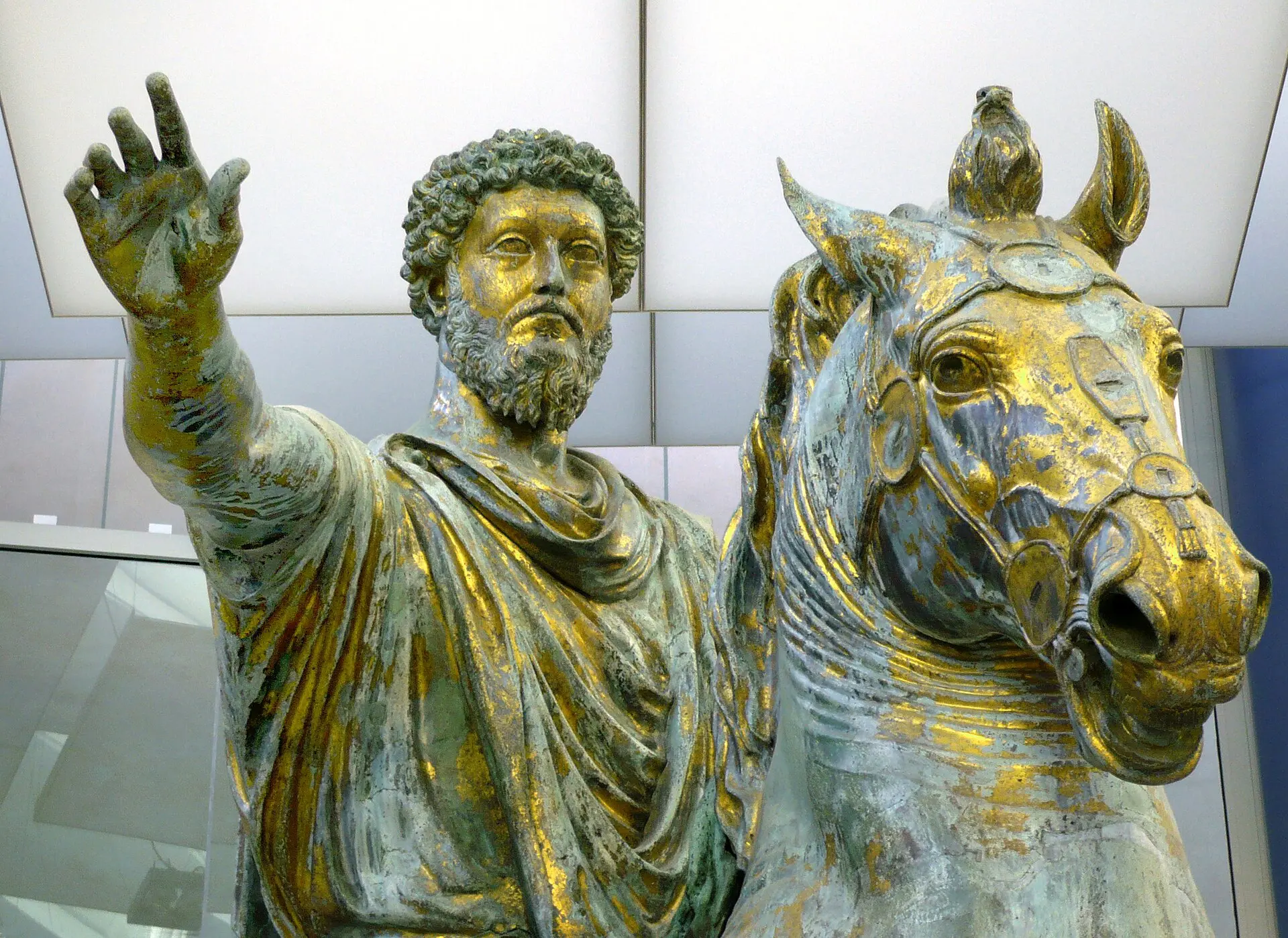
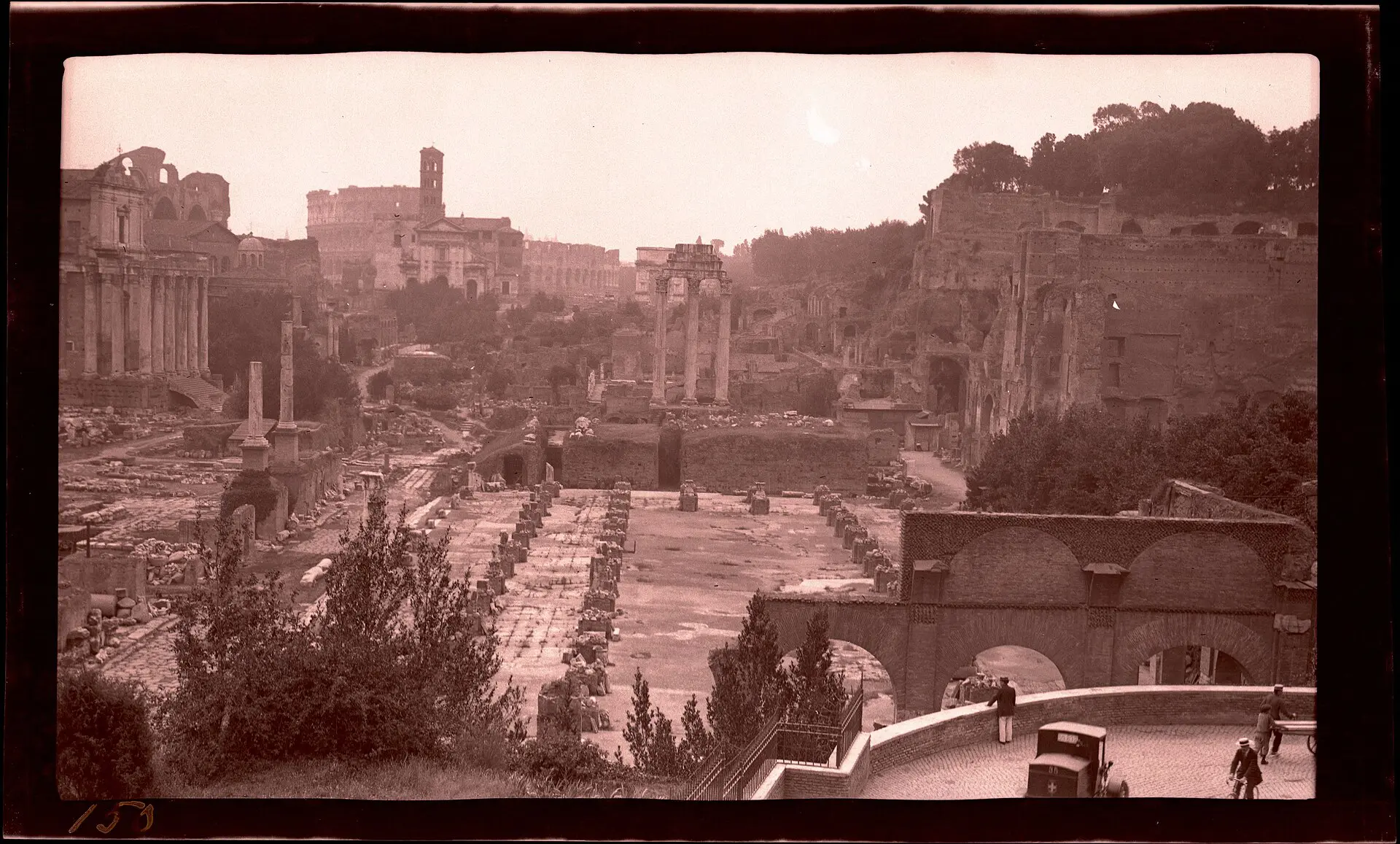
The Capitoline Museums, on the hill above the Forum, are among the oldest public museums in the world and hold the Capitoline Wolf, ancient sculpture and a Michelangelo-designed piazza. They are the efficient choice for ancient Rome, because the collection is dense and the terrace view over the Forum is part of the visit. Allow two hours.
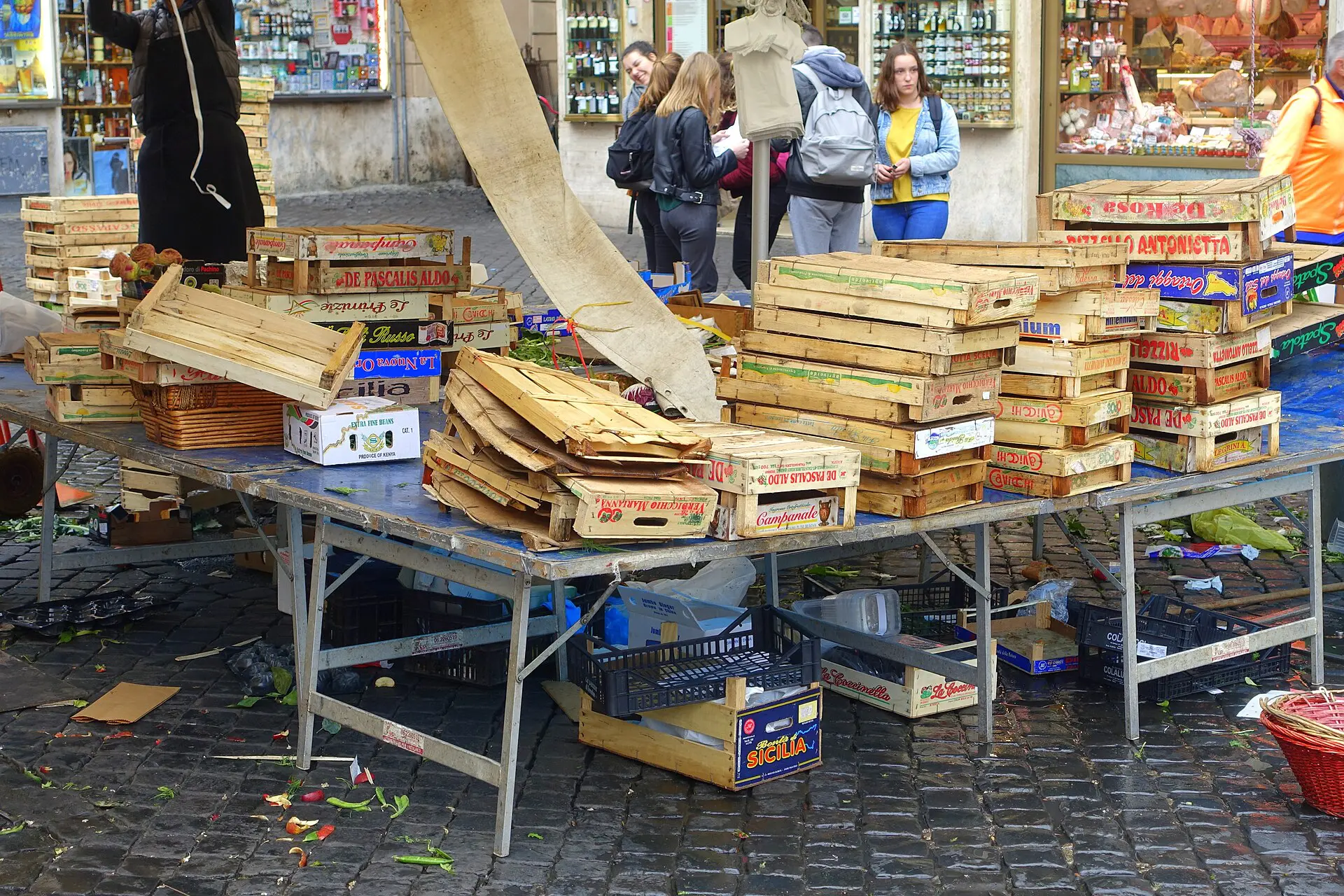
They are less crowded than the Vatican, but late morning remains busy. Afterwards, walk down to the Jewish Ghetto streets or the Campo de’ Fiori market in the morning, which is open most mornings but largely a tourist market today.
Block 4: National Roman Museum at Palazzo Massimo
The National Roman Museum is split across several sites. Palazzo Massimo, near Termini station, holds Roman frescoes and sculpture, and it is easy to reach from your hotel if you arrive by train. Palazzo Altemps and the Baths of Diocletian are other parts of the museum. A combined ticket often covers several sites, but check current terms and the validity period.
Closing days vary, and some sites close on Mondays. This is a quieter block, useful when the main museums are full. The Esquilino market near Termini is open mornings and offers an international food counter if you need lunch.
Block 5: Centrale Montemartini and Testaccio market
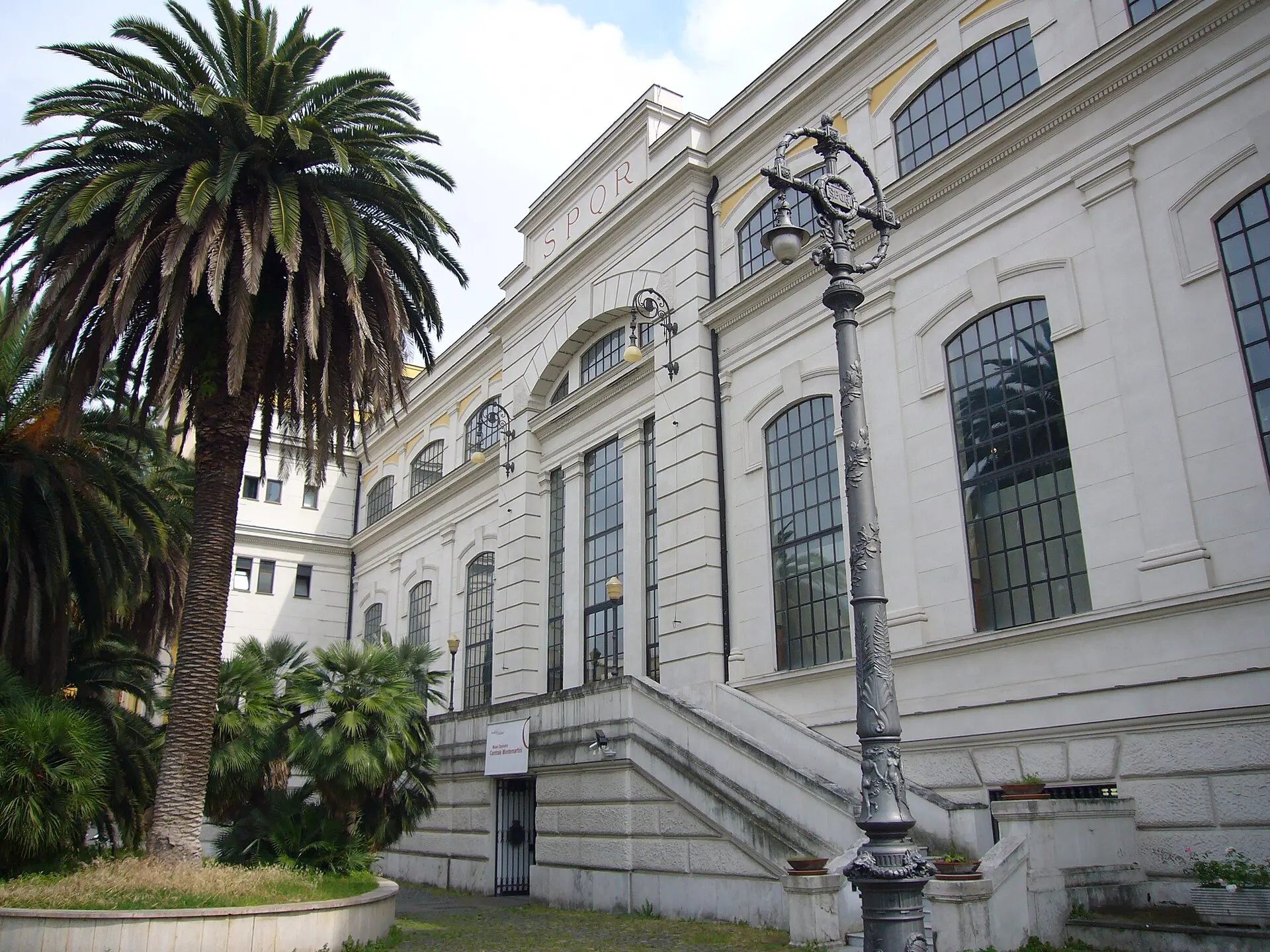
Centrale Montemartini is an unusual setting, with Roman statues displayed among the turbines of a former power station. It is part of the Capitoline Museums group, and sits in the Ostiense district, south of the centre. Allow an hour. A ticket for the main Capitoline site sometimes covers it, so check.
Walk or take a short ride to the Testaccio market, a covered local market that is best in the morning and generally closed on Sundays. It is a good place for a quick lunch of sandwiches or fresh produce, without the central-Rome premium.
Block 6: MAXXI or Galleria Doria Pamphilj
For modern art and architecture, MAXXI, the national museum of 21st-century arts in the Flaminio district, has changing exhibitions in a building by Zaha Hadid. For old masters in a private palace, the Galleria Doria Pamphilj on Via del Corso is an alternative. Check opening days for both, since the two have different weekly closures.
Choose one. I would pick MAXXI if you have already seen Renaissance and Baroque work in the Vatican and Borghese, and the Doria Pamphilj if you want more of the same period in a quieter palace setting.
Queue-avoidance timing for museums in Rome
- Book timed tickets for the Vatican Museums and the Borghese Gallery. Walk-ups often fail at the Borghese.
- Take the first slot at the Vatican and avoid Wednesday mornings, which are generally busy with the Papal audience crowds around St Peter’s.
- Avoid free-entry Sundays. The first Sunday of the month usually offers free entry at many state museums, and the queues are long.
- Visit late in the day for the Capitoline Museums and Palazzo Massimo, when tour groups have gone.
- Avoid Monday for state museums, and use it for churches, markets and walking.
Getting around Rome between museums
Rome has three metro lines, A, B and C, plus trams and buses. The metro is useful for the Vatican (Ottaviano on Line A) and Termini, and slow or absent for much of the historic centre. Walking is the main mode: from the Capitoline Hill to Campo de’ Fiori and the Pantheon is about 15 minutes.
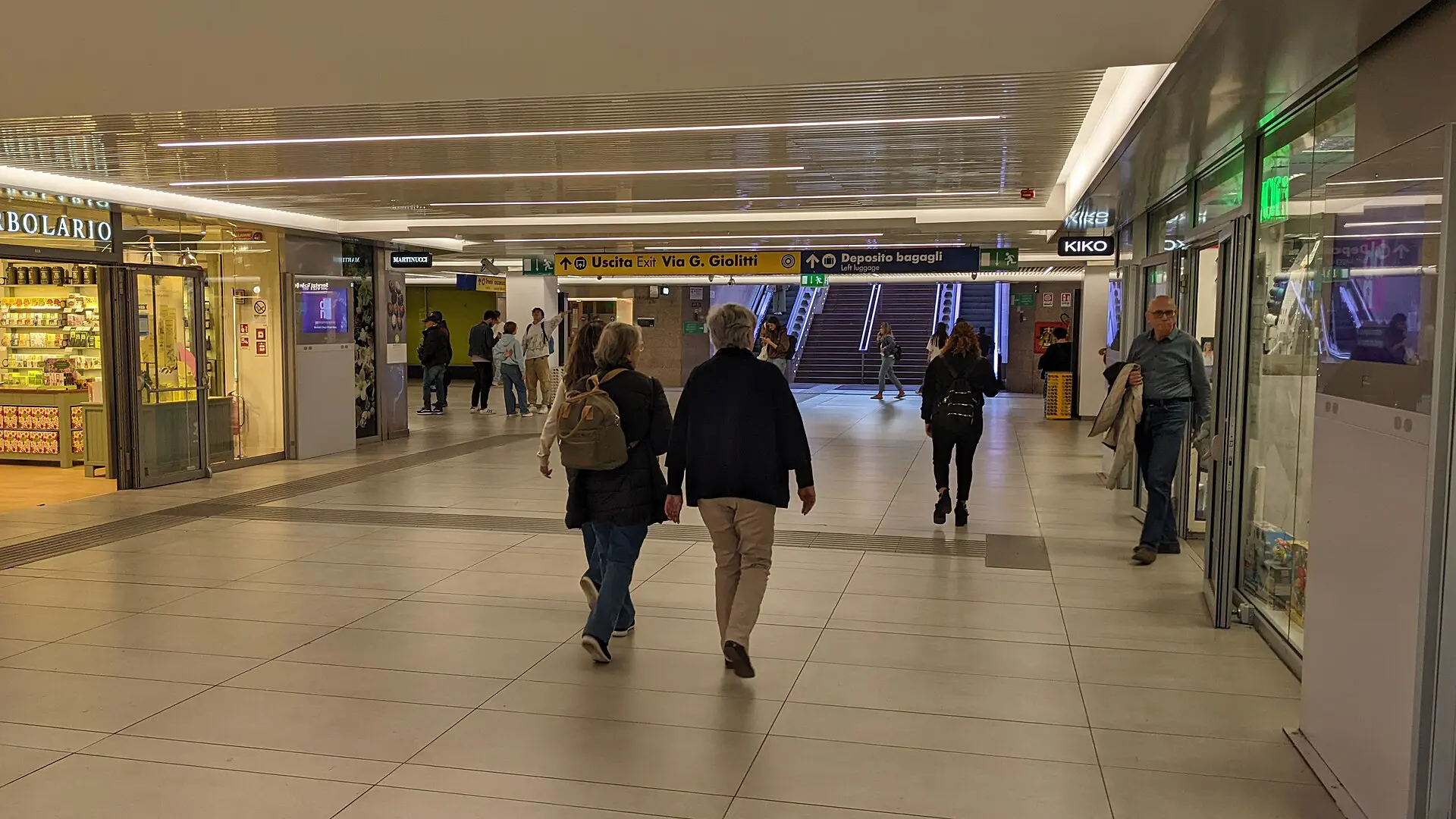
Buy tickets at tobacconists or machines, and validate paper tickets on board where required. Fares and time limits change, so check the transit authority’s site. Rome’s buses can be delayed, so keep a margin before a timed entry. Taxis are a practical fallback for the Borghese or MAXXI.
Where to stay in Rome for museums
- Centro Storico: walkable to the Capitoline, the Pantheon and the markets. Expensive, noisy at night.
- Prati: a calm district beside the Vatican, ideal for the first slot at the museums.
- Monti: near the Forum, with bars and small shops, and a short walk to the Capitoline.
- Termini and Esquilino: cheaper and well connected by train, with a rougher feel at night.
What to skip if you are short on time
If you have one day, skip the Borghese unless you booked it weeks ago, and skip Centrale Montemartini and MAXXI. With two days, add the Borghese and the National Roman Museum. I would skip the Vatican Museums altogether if you cannot book the first slot, and use the Capitoline Museums for a calmer ancient-Rome fix instead.
For background, read the Wikivoyage Rome guide.
FAQ about museums in Rome
Which museums in Rome should you book in advance?
Book the Vatican Museums and the Borghese Gallery, which sell out and use timed entry. Add the Colosseum complex if you plan to visit it. Smaller museums, including the Capitoline Museums and Palazzo Massimo, usually allow walk-ins, though peak weeks can change this.
What day are museums in Rome closed?
Many state museums close on Mondays, and the Vatican Museums normally close on Sundays. Closing days differ by site and holiday, so check each official website before you go, and keep Monday free for markets and churches.
How many museums can you see in a day in Rome?
Two is realistic: one large museum in the morning and one smaller in the afternoon, with a market lunch between them. The Vatican Museums alone can take most of a morning.
Is a Rome museum pass worth it?
It depends on your list. Compare the pass price against the individual tickets you actually plan to use, check which sites it covers, and note that popular museums may still require a timed reservation. For two or three museums, single tickets are often simpler.